Compare plants.
COMMON CHOICEBearberry cotoneasterCotoneaster dammeri |
NATIVE ALTERNATIVEBearberryArctostaphylos uva-ursi |
|---|---|
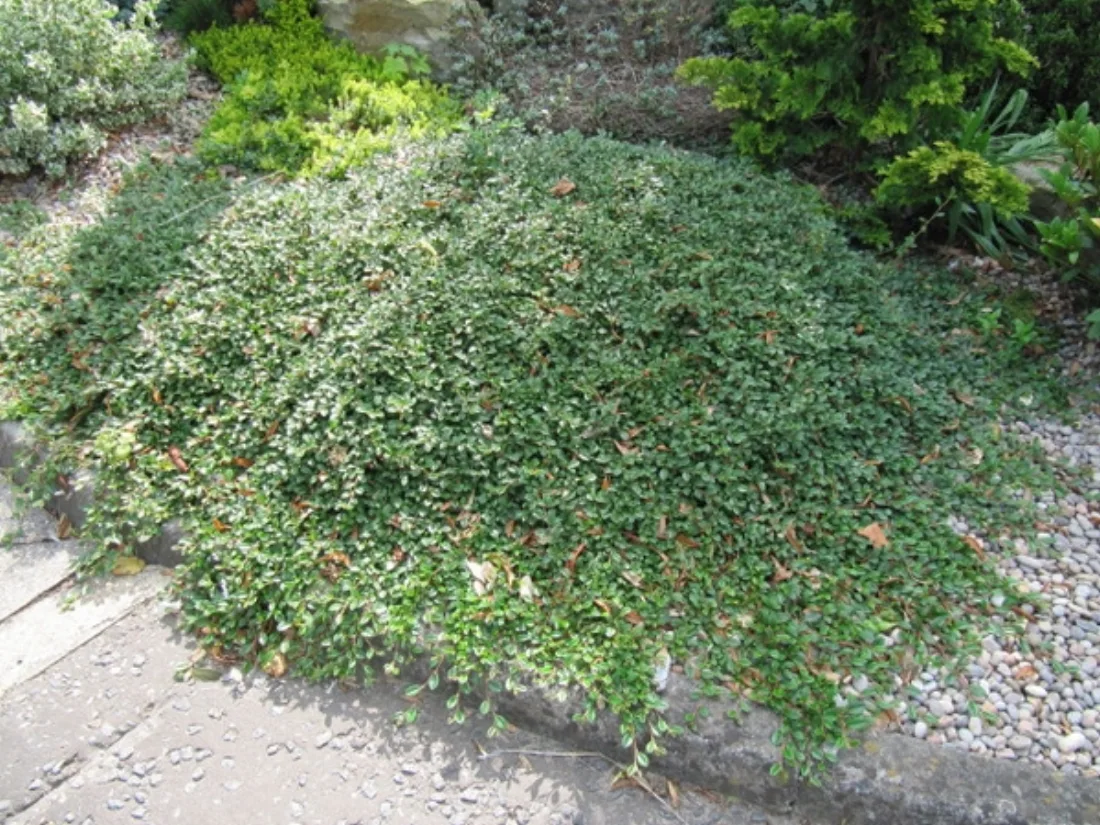 |
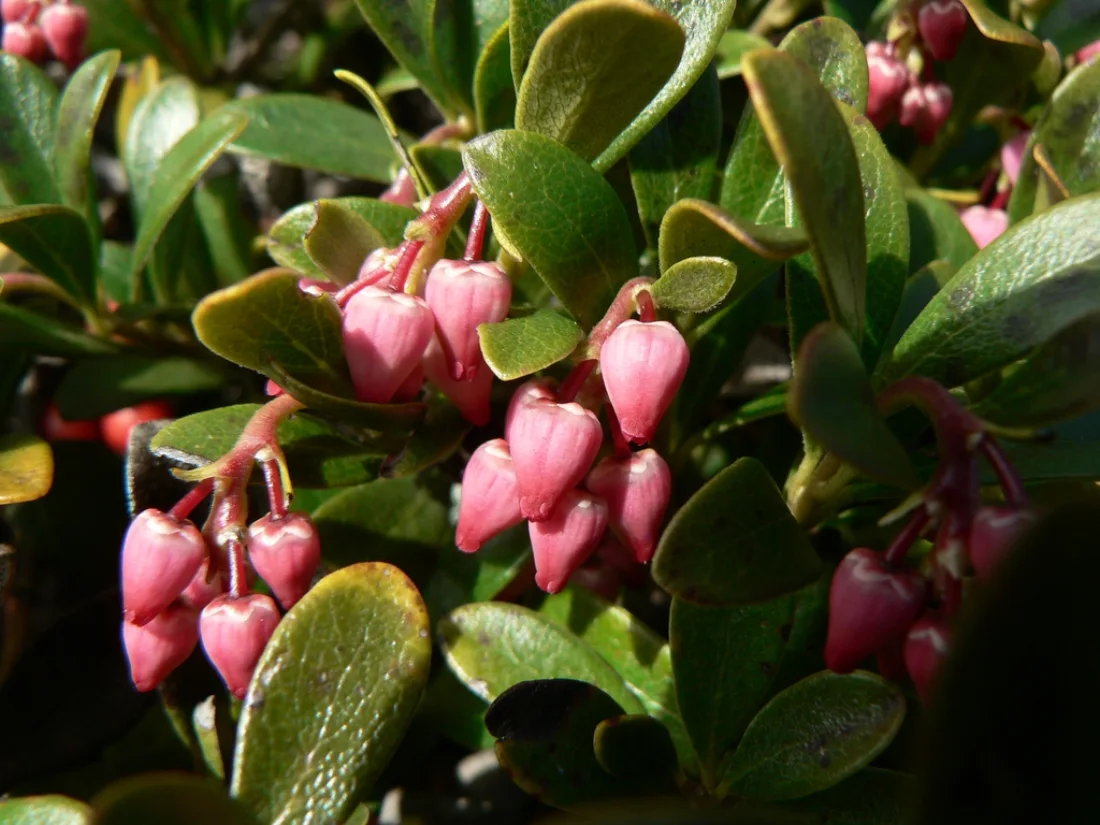 GO NATIVE |
| Native range | |
| Tibet and central China | Northern North America, Europe, and AsiaSee state guides |
| Sunlight | |
| Full sun to part shade | Full sun |
| Soil moisture | |
| Moist, well-drained soil | Dry soil |
| Mature height | |
| About 1 ft | 6–12 in |
| Mature spread | |
| 4–6 ft | 3–6 ft |
| USDA hardiness zones | |
| 5–8 | 3–7 |
| Season of interest | |
| Spring–summer flowers; berries follow | Spring |
| Garden & wildlife value | |
| Attracts butterflies, birds, and other wildlife. | Its flowers support pollinators and its red berries provide food for birds and other wildlife. |
| Growing notes | |
| A low, spreading evergreen shrub; stems can root as they spread across the ground. | Best in cool climates and lean, acidic, sharply drained soil; struggles in hot, humid sites. |
| Growing information | Growing information |
Sizes describe the species; individual cultivars can differ.