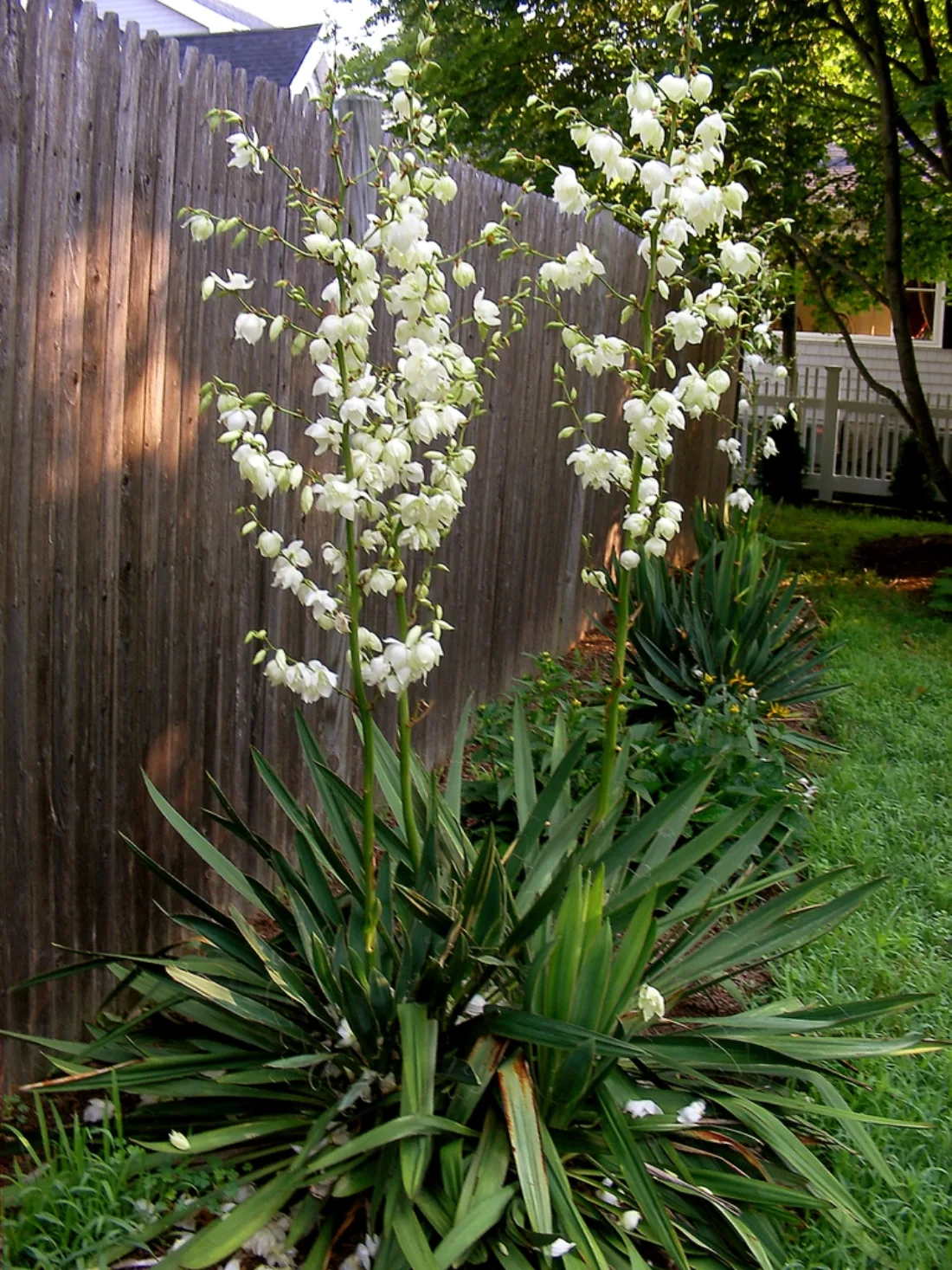
Evergreen sword leaves and tall flowers
Adam's needle
Yucca filamentosa
Native yucca supports the specialized moths that pollinate its flowers.
Instead of orange daylily
Meet this plantPhoto: Carl Lewis · CC BY 2.0
MEET THE NATIVES
Explore 200 native plants, then check their range for your garden.
Browse by stateYucca filamentosa
Native yucca supports the specialized moths that pollinate its flowers.
Instead of orange daylily
Meet this plantPhoto: Carl Lewis · CC BY 2.0
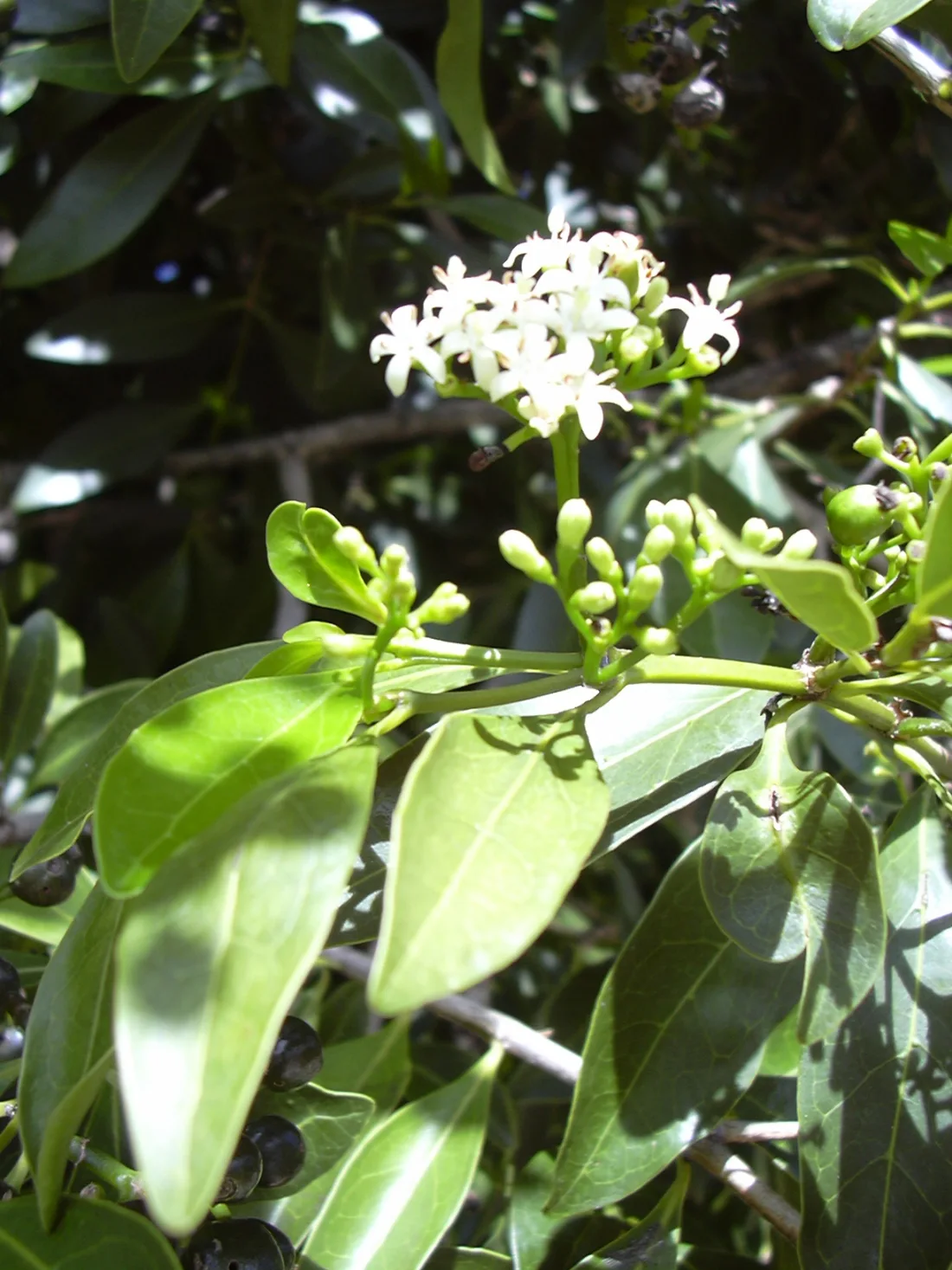
Psydrax odorata
Fragrant white flowers and drought-tolerant native foliage make a durable screen.
Instead of japanese pittosporum
Meet this plantPhoto: Forest & Kim Starr · CC BY 3.0
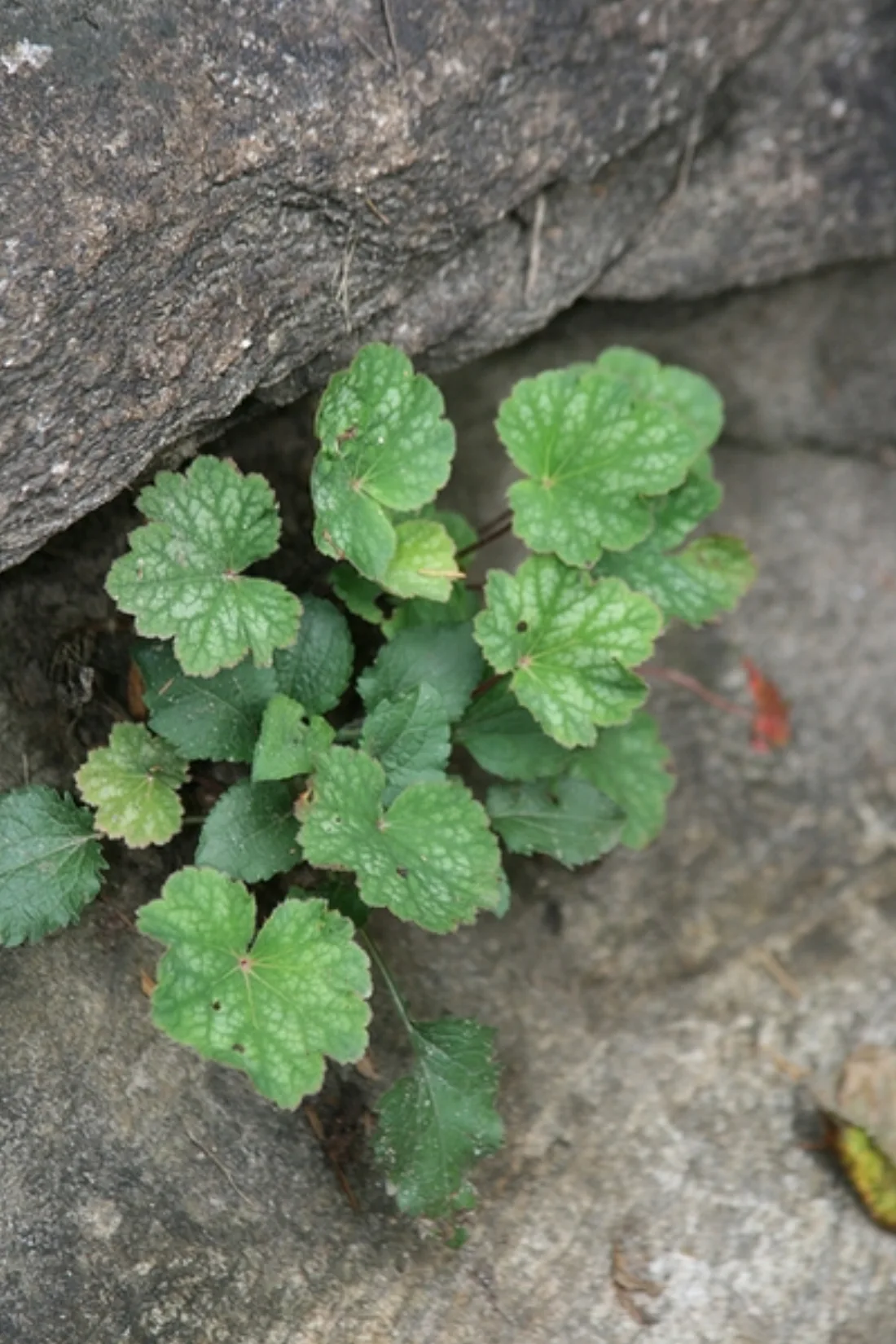
Heuchera americana
Airy flower stalks add nectar for bees and other pollinators above a low mound of native leaves.
Instead of heartleaf bergenia
Meet this plantPhoto: Behnke Nurseries, Inc. · CC BY 4.0
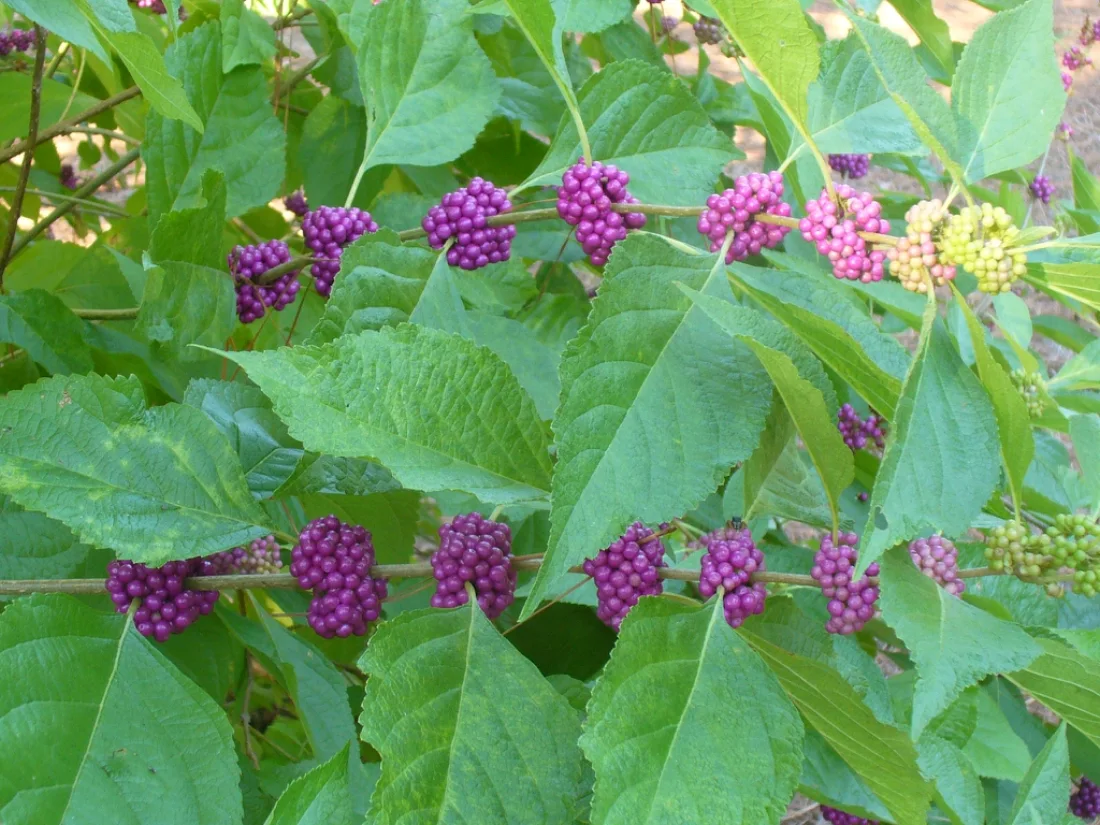
Callicarpa americana
Clusters of purple berries offer a fall food source for robins, towhees, and other songbirds.
Instead of heavenly bamboo
Meet this plantPhoto: Susan Strine · CC BY 2.0
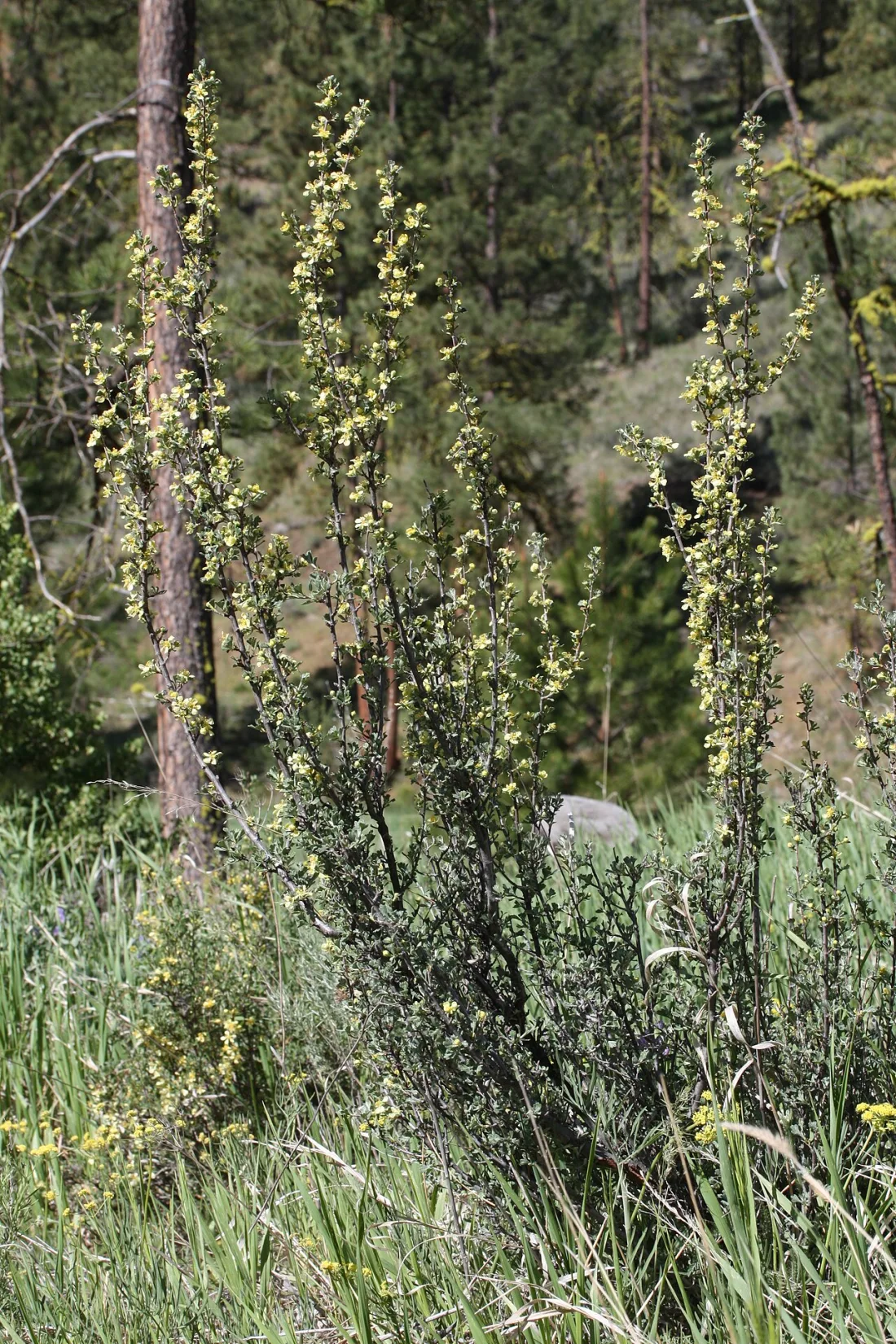
Purshia tridentata
This native shrub provides branching structure without frequent irrigation.
Instead of heavenly bamboo
Meet this plantPhoto: Walter Siegmund (talk) · CC BY-SA 3.0
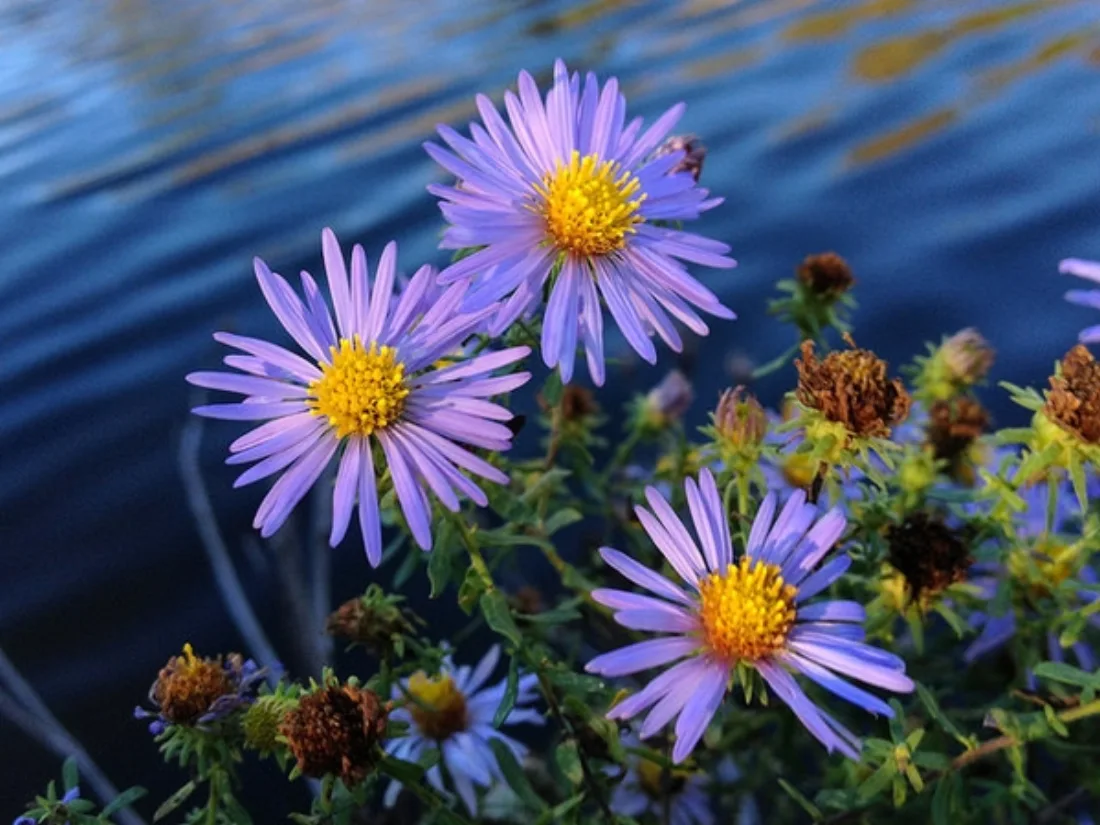
Symphyotrichum oblongifolium
Late native flowers feed pollinators, and hollow stems can shelter nesting bees.
Instead of garden mum
Meet this plantPhoto: Fritz Flohr Reynolds · CC BY-SA 4.0
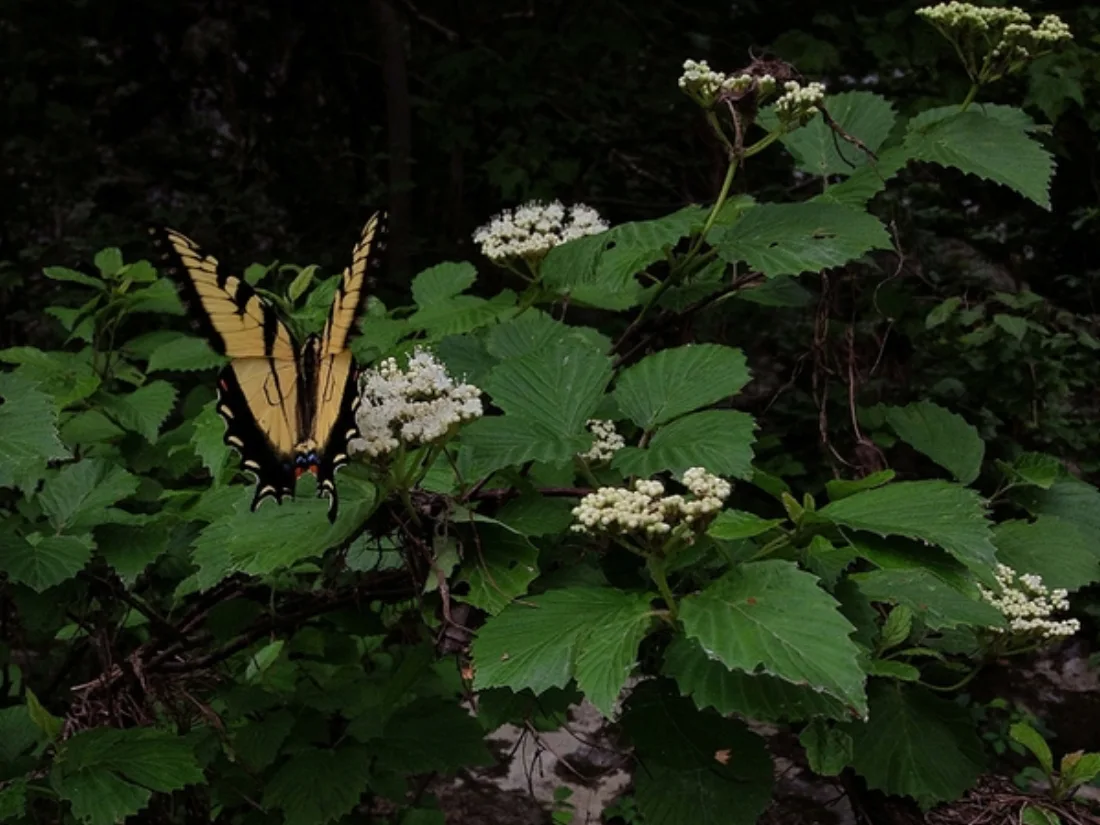
Viburnum dentatum
Native fruit feeds songbirds, and the shrub can host spring azure caterpillars.
Instead of heavenly bamboo
Meet this plantPhoto: Fritz Flohr Reynolds · CC BY-SA 4.0
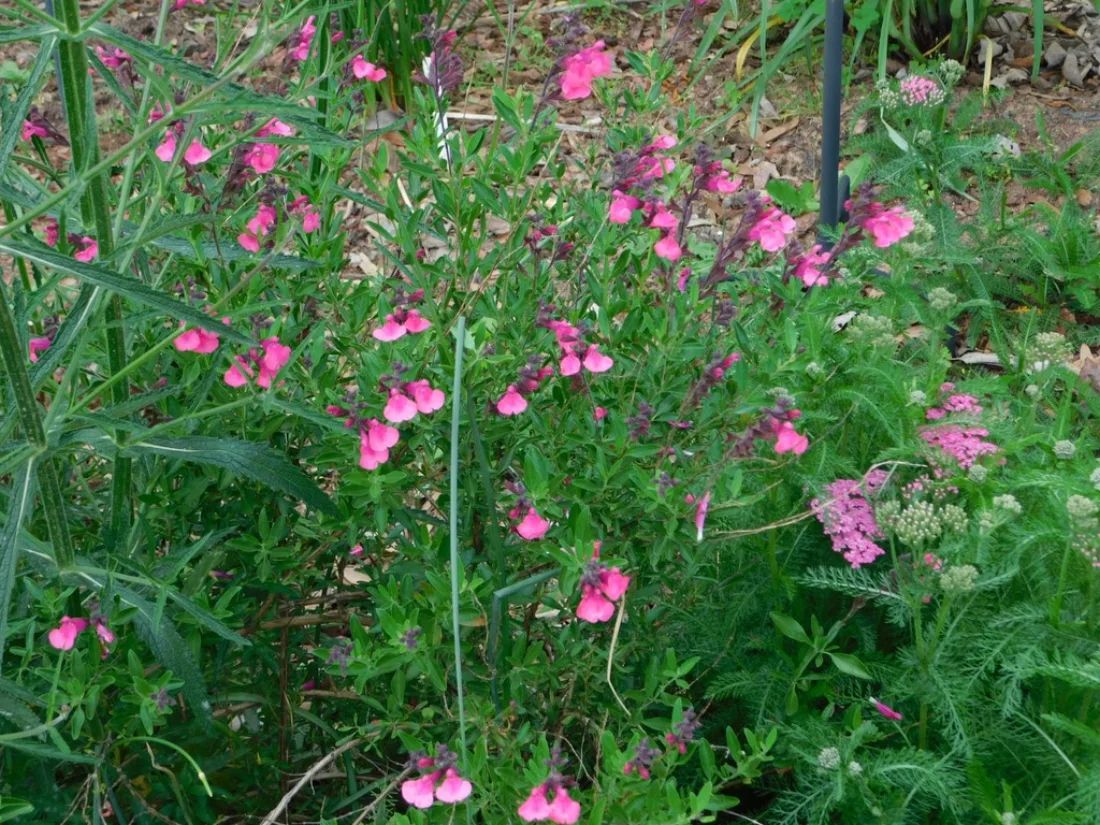
Salvia greggii
Tubular flowers feed hummingbirds and butterflies, while seeds provide food for birds.
Instead of woodland sage
Meet this plant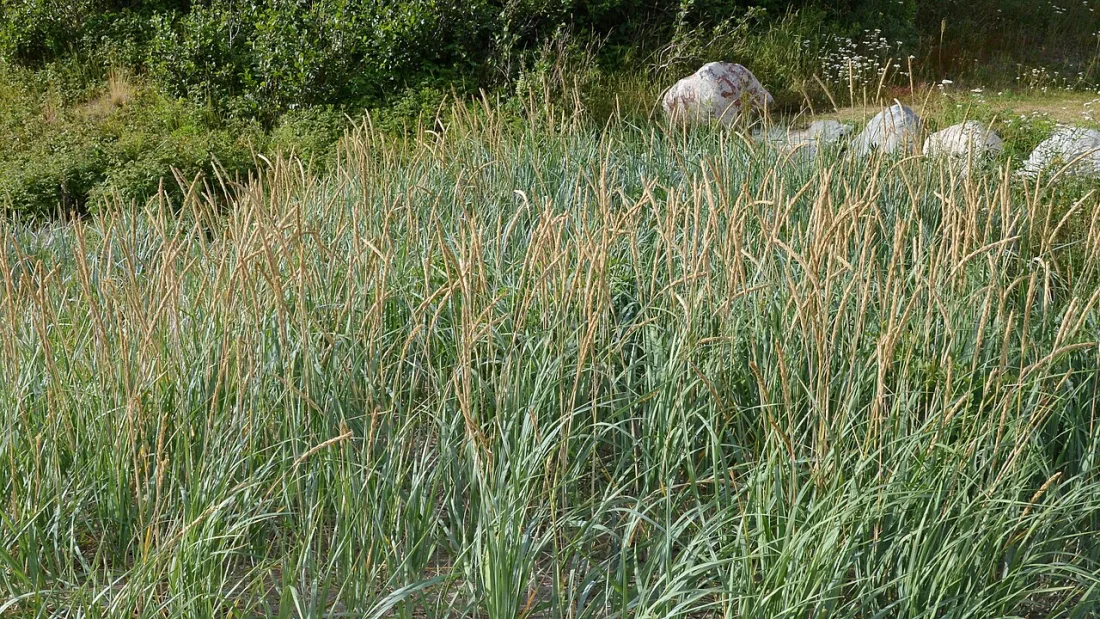
Leymus mollis
Native rhizomes help stabilize sandy coastal ground.
Instead of maiden grass
Meet this plantPhoto: Ryan Hodnett · CC BY-SA 4.0
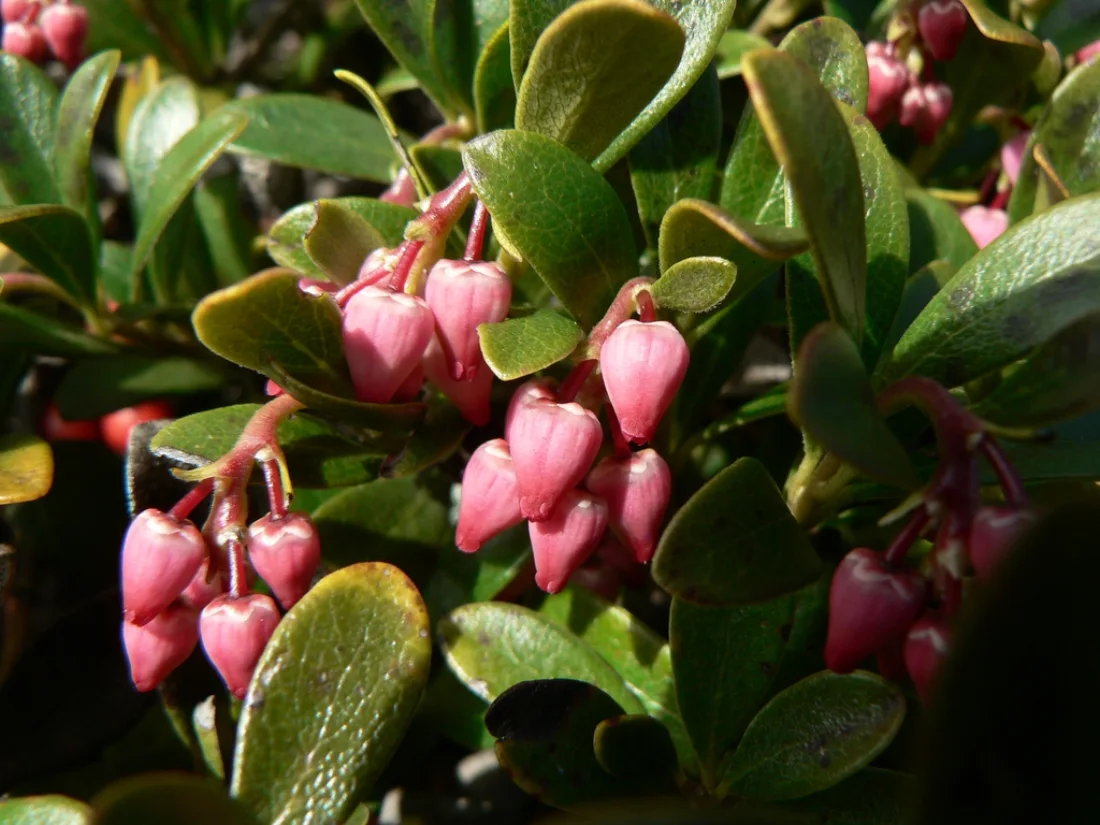
Arctostaphylos uva-ursi
Its flowers support pollinators and its red berries provide food for birds and other wildlife.
Instead of bearberry cotoneaster
Meet this plantPhoto: Walter Siegmund · CC BY-SA 3.0
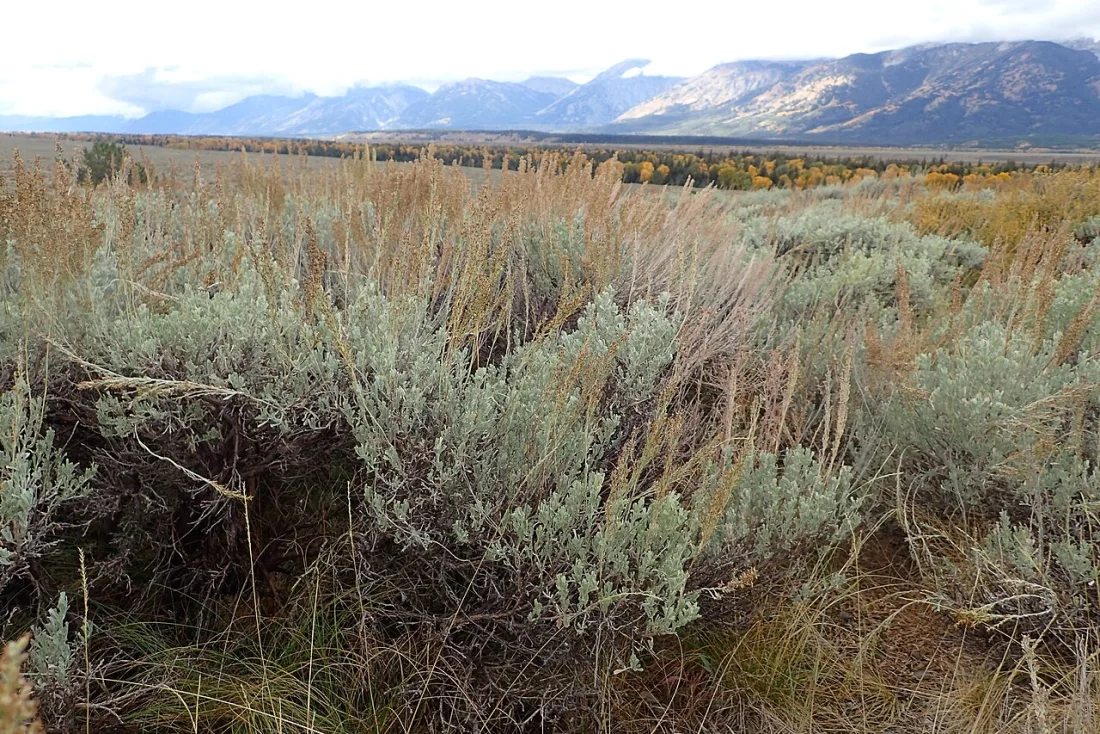
Artemisia tridentata
Native silver foliage brings year-round structure with little or no irrigation after establishment.
Instead of japanese pittosporum
Meet this plantPhoto: Krzysztof Ziarnek, Kenraiz · CC BY-SA 4.0
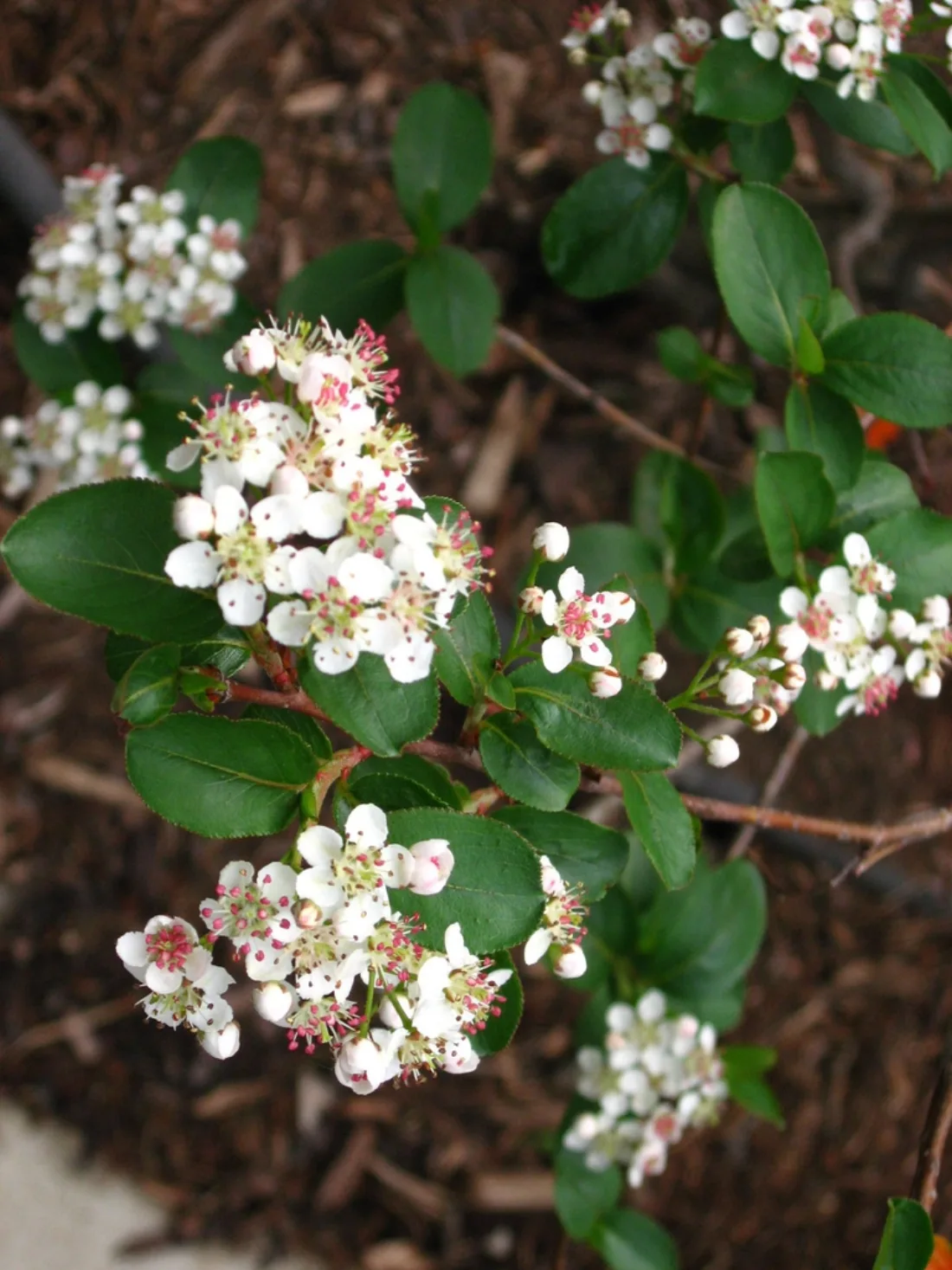
Aronia melanocarpa
Native flowers attract pollinators, while dark fruit and red fall leaves extend seasonal interest.
Instead of burning bush
Meet this plant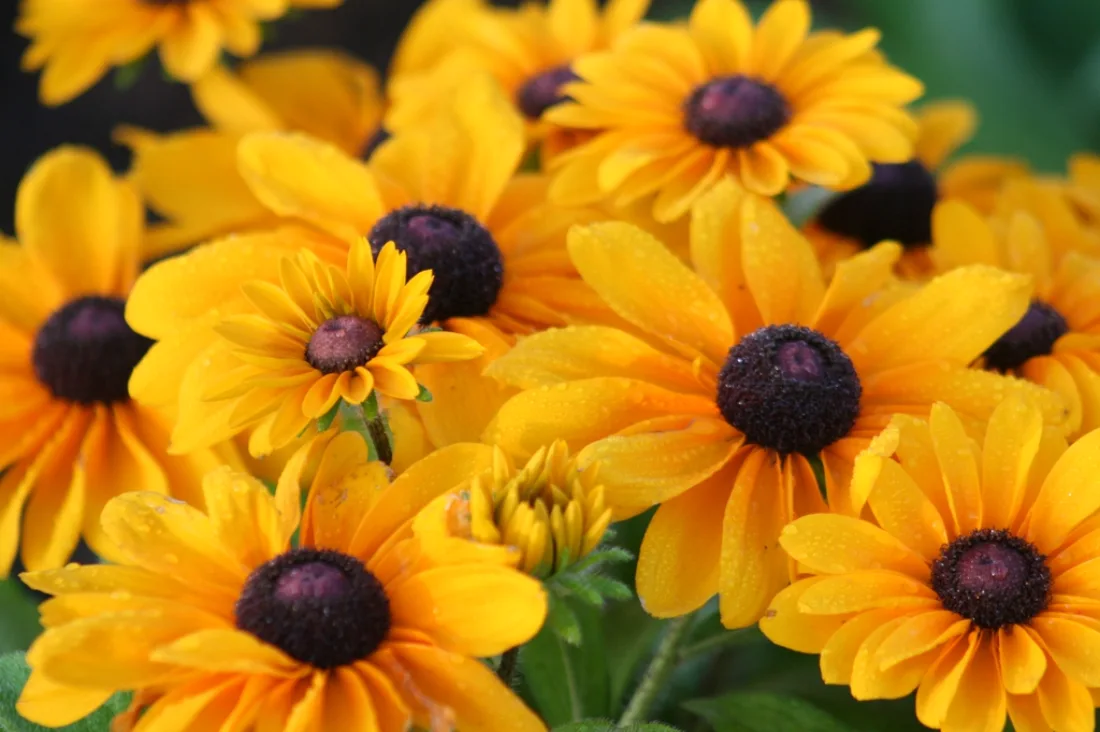
Rudbeckia hirta
Native flowers feed butterflies, and seedheads feed goldfinches in fall.
Instead of shasta daisy
Meet this plantPhoto: Dotty Leatherwood · CC BY 4.0
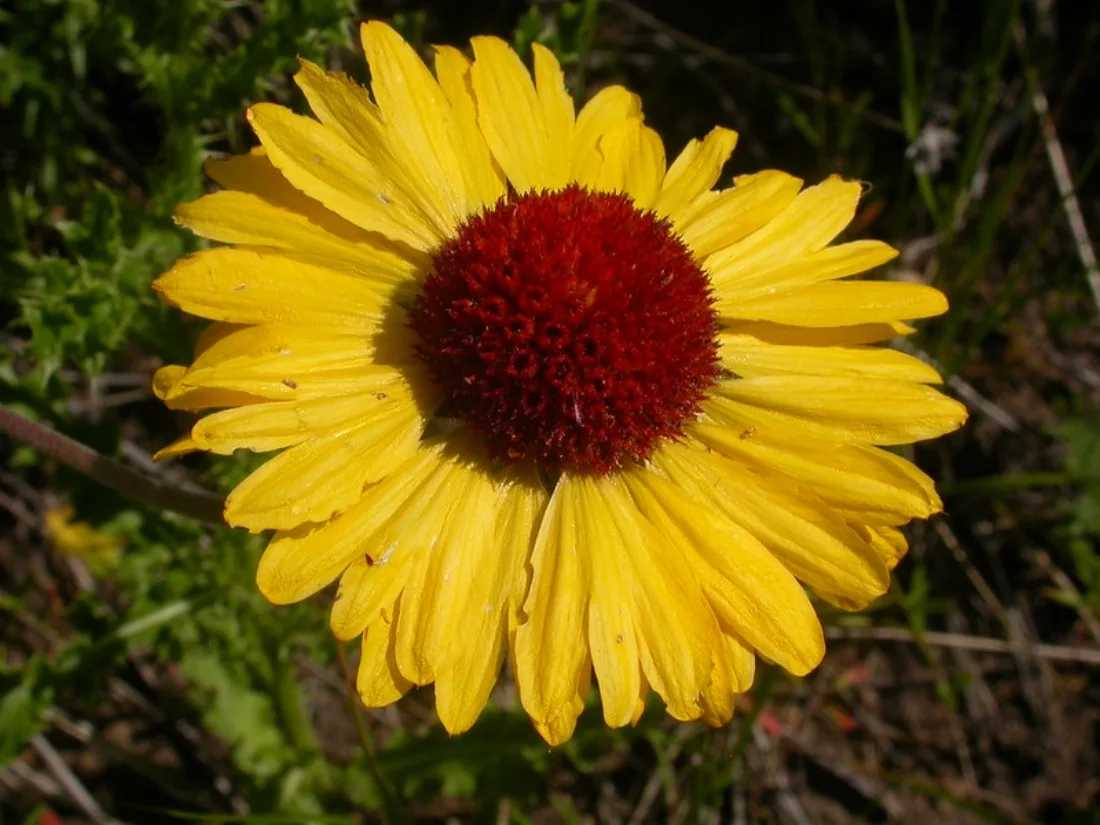
Gaillardia aristata
Long-lasting native flowerheads supply food for bees, butterflies, and visiting birds.
Instead of shasta daisy
Meet this plantPhoto: Matt Lavin · CC-BY-SA 2.0
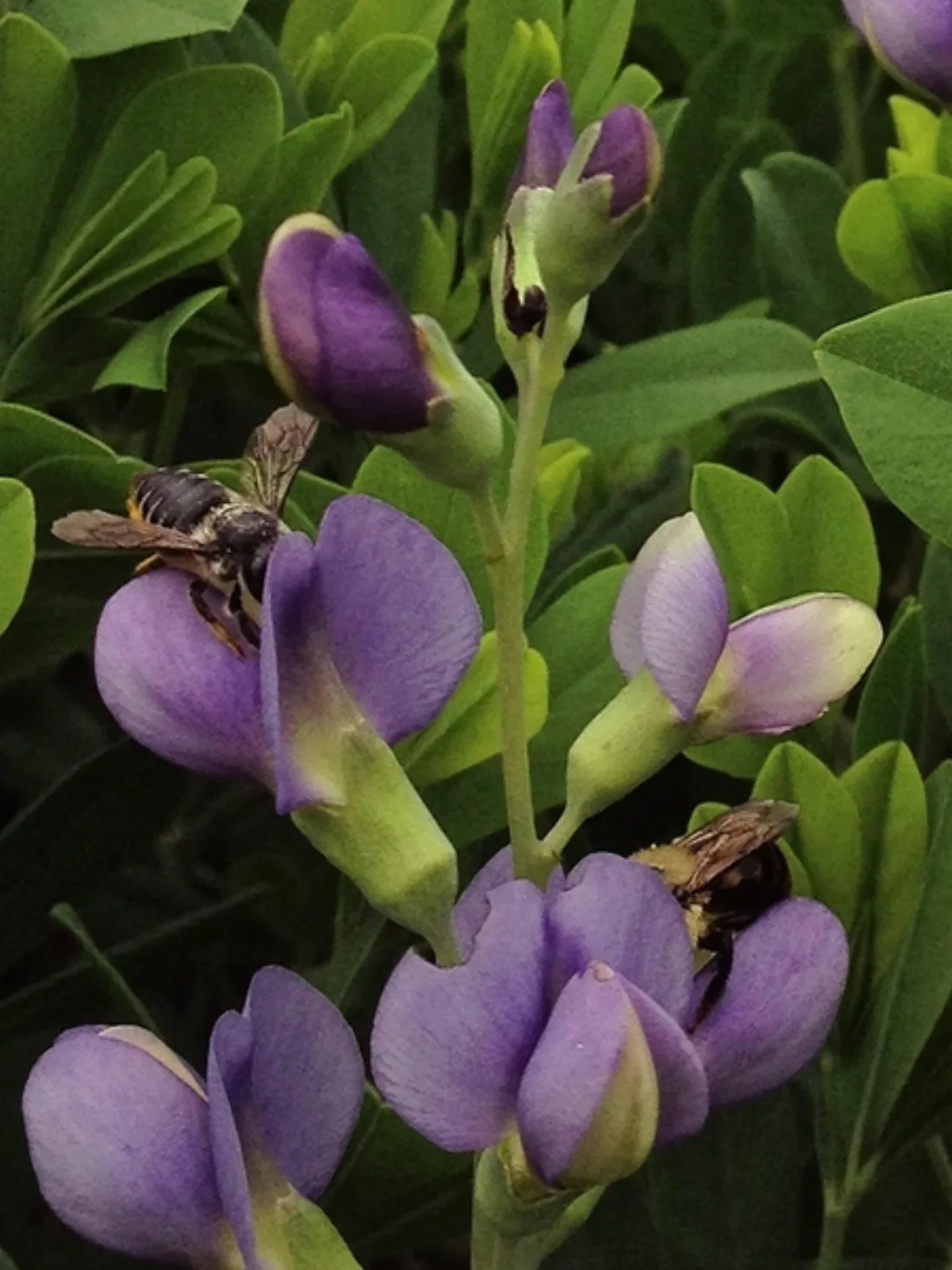
Baptisia australis
Blue flower spires feed bees, and native butterfly caterpillars use the foliage as food.
Instead of woodland sage
Meet this plantPhoto: Fritz Flohr Reynolds · CC-BY-SA 2.0
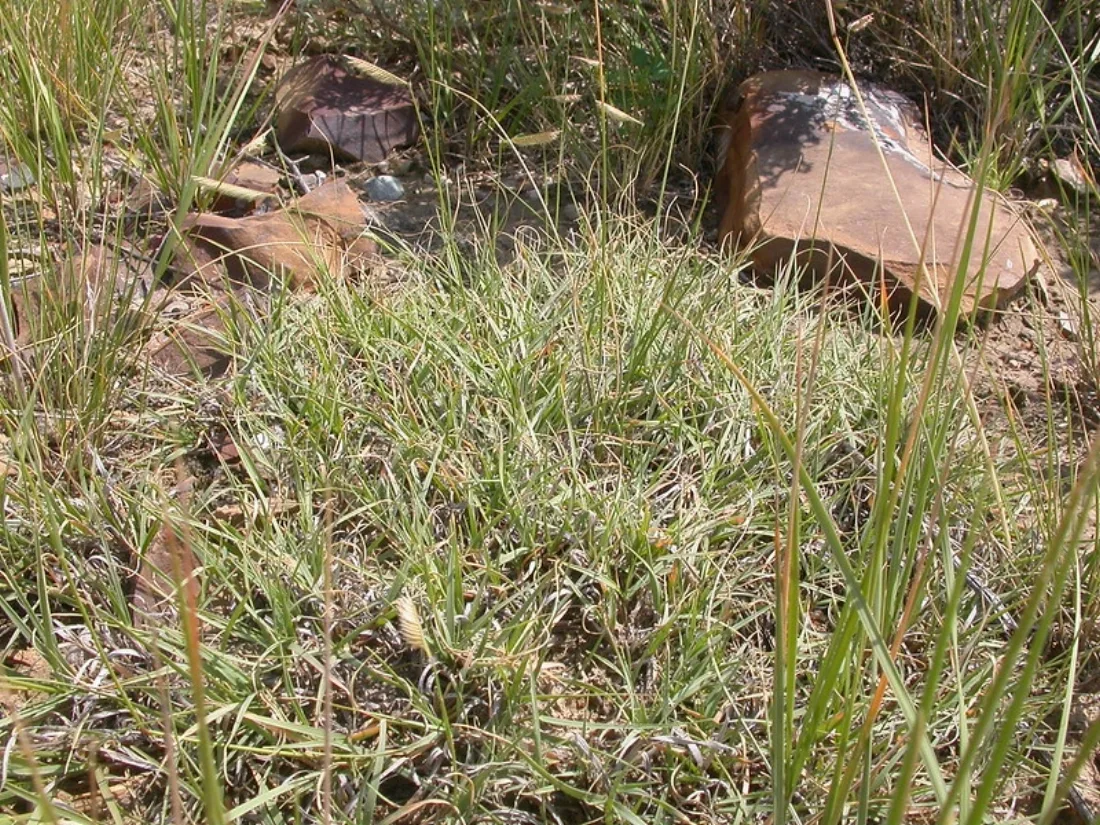
Bouteloua gracilis
A low native prairie grass brings lasting ground-level cover to a dry garden.
Instead of maiden grass
Meet this plantPhoto: Matt Lavin · CC-BY-SA 2.0
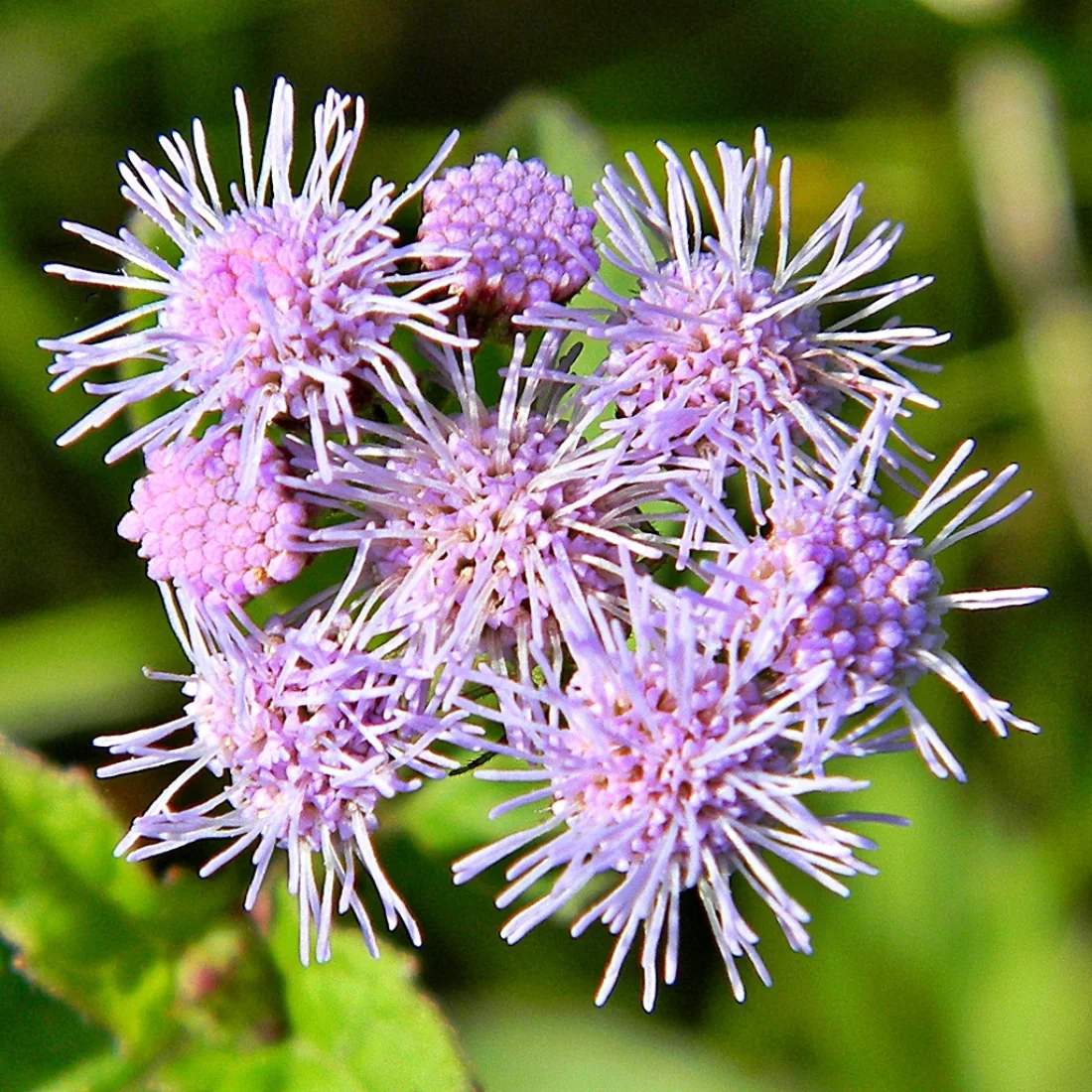
Conoclinium coelestinum
Nectar-rich flowers feed butterflies, followed by seeds for birds.
Instead of garden mum
Meet this plantPhoto: Bob Peterson · CC-BY-SA 2.0
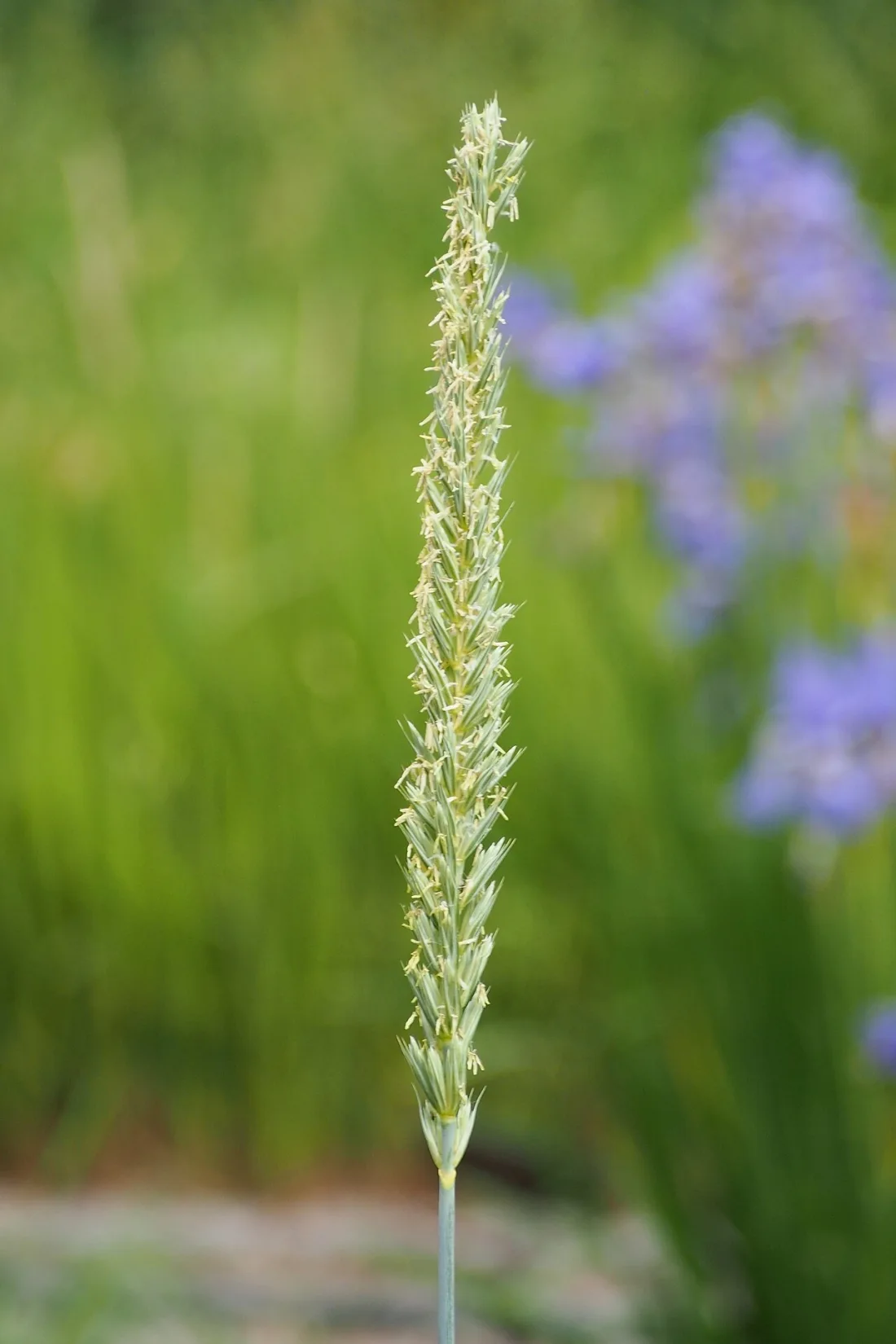
Elymus glaucus
Native bunches provide habitat for birds and mammals and help stabilize disturbed ground.
Instead of maiden grass
Meet this plantPhoto: Agnieszka Kwiecień, Nova · CC BY-SA 4.0
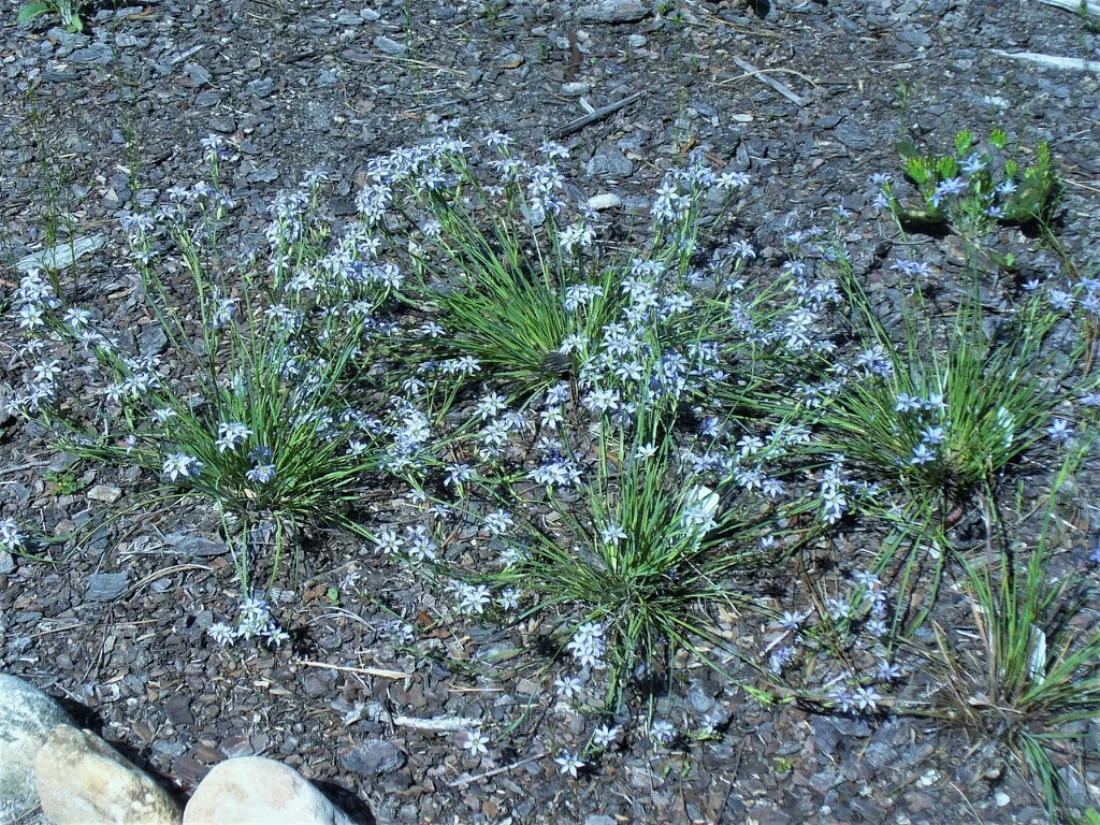
Sisyrinchium angustifolium
Small native flowers feed bumblebees, sweat bees, butterflies, and flies.
Instead of lilyturf
Meet this plantPhoto: Susan Shrine · CC BY 2.0
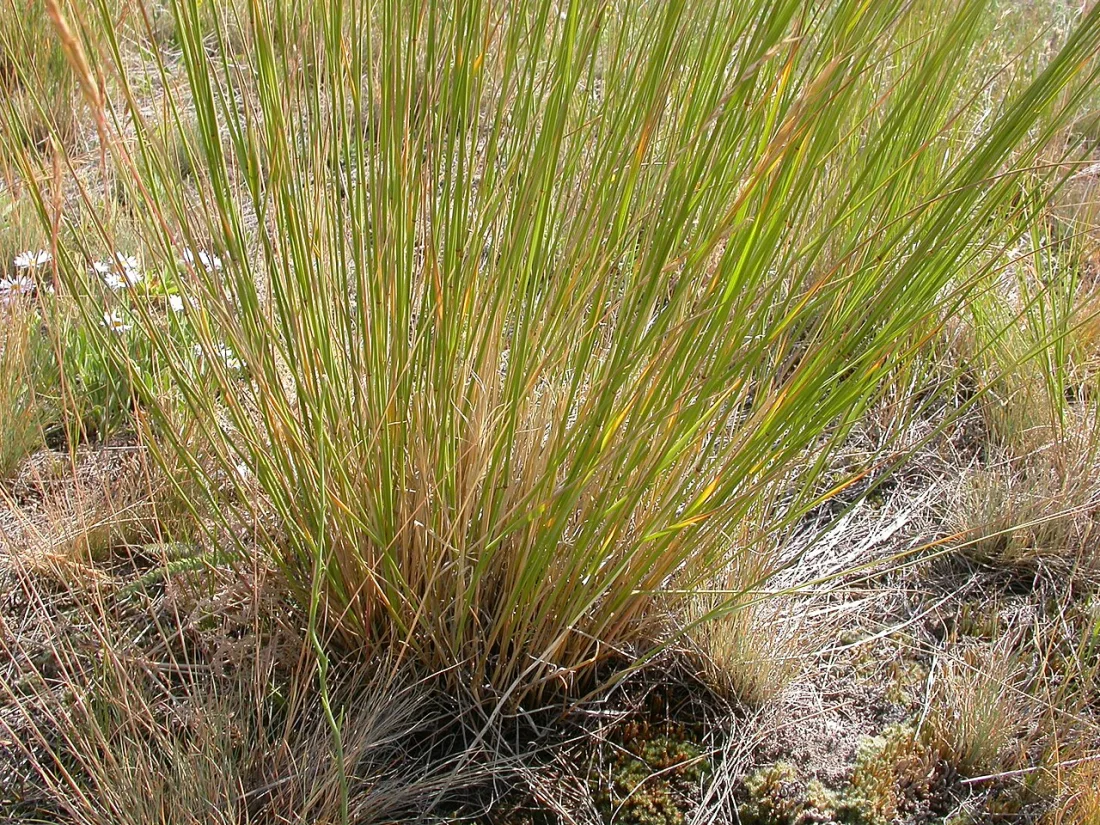
Pseudoroegneria spicata
Deep native roots help stabilize dry ground while the foliage feeds grazing wildlife.
Instead of maiden grass
Meet this plant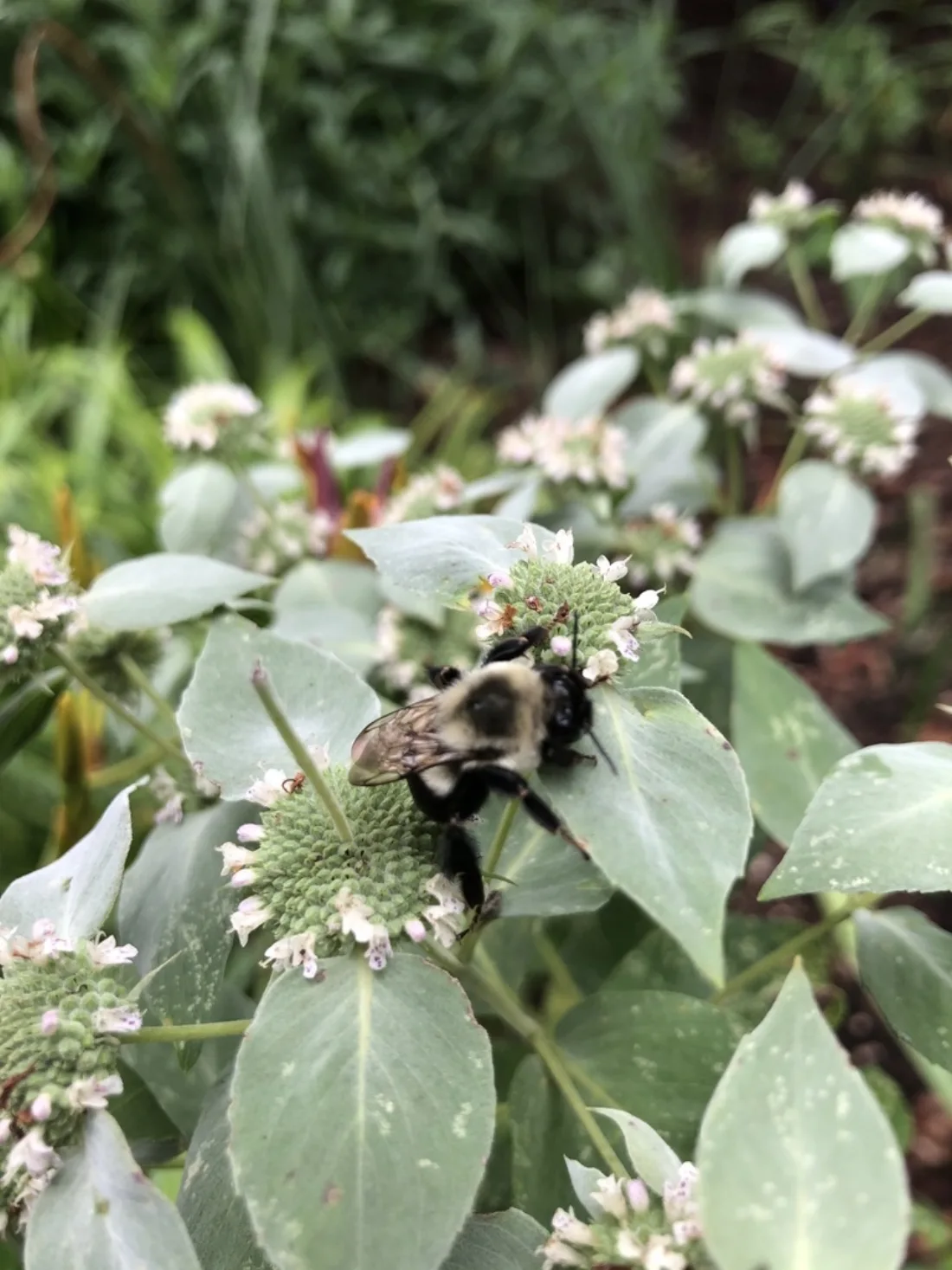
Pycnanthemum muticum
Native flowers feed butterflies and other pollinators, while leaves host wavy-lined emerald caterpillars.
Instead of woodland sage
Meet this plantPhoto: Cathy Dewitt · CC BY 4.0
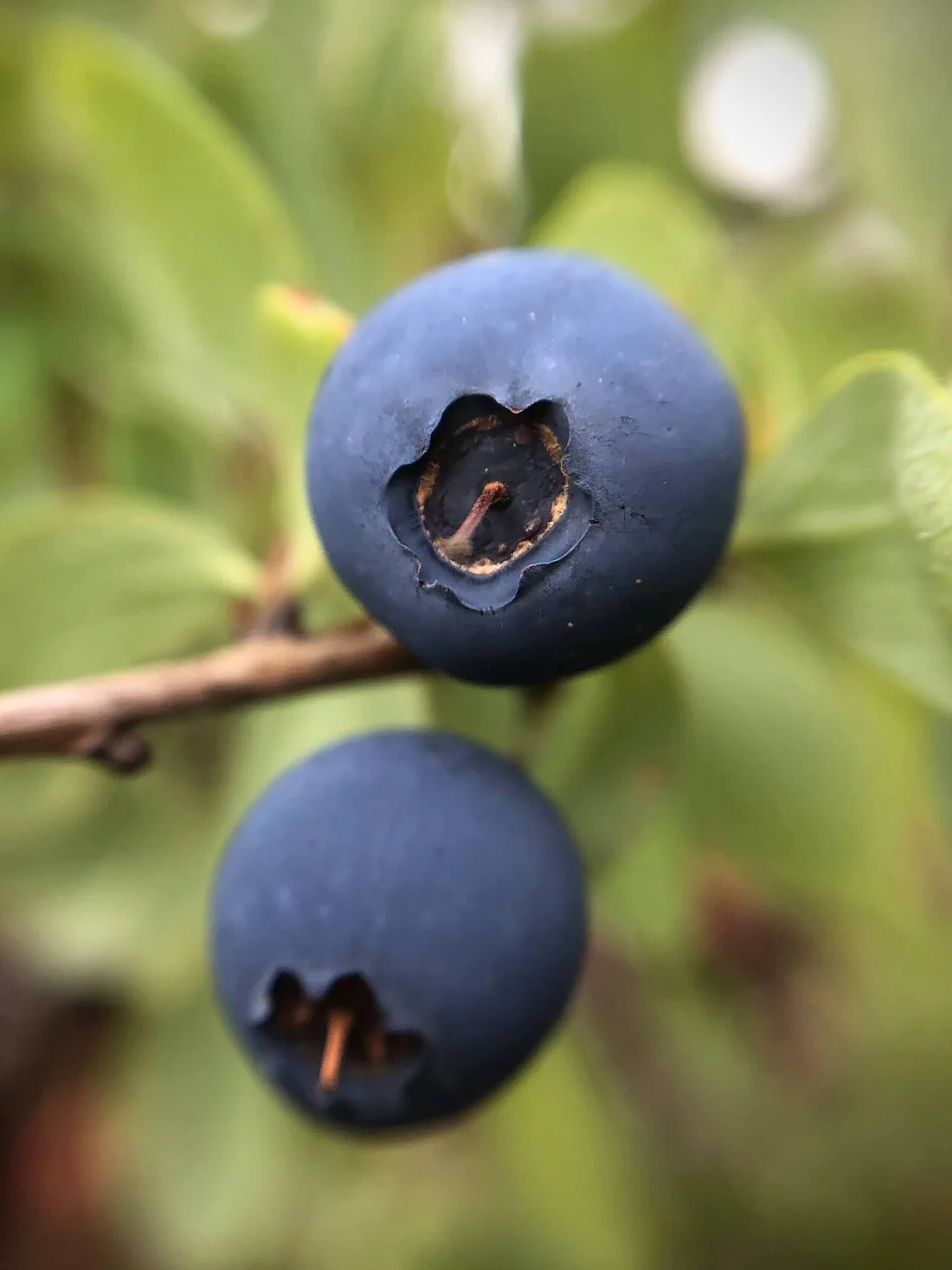
Vaccinium uliginosum
Native flowers and blue berries add seasonal interest to a cold-climate garden.
Instead of bearberry cotoneaster
Meet this plantPhoto: Wkee4ager · CC BY-SA 4.0
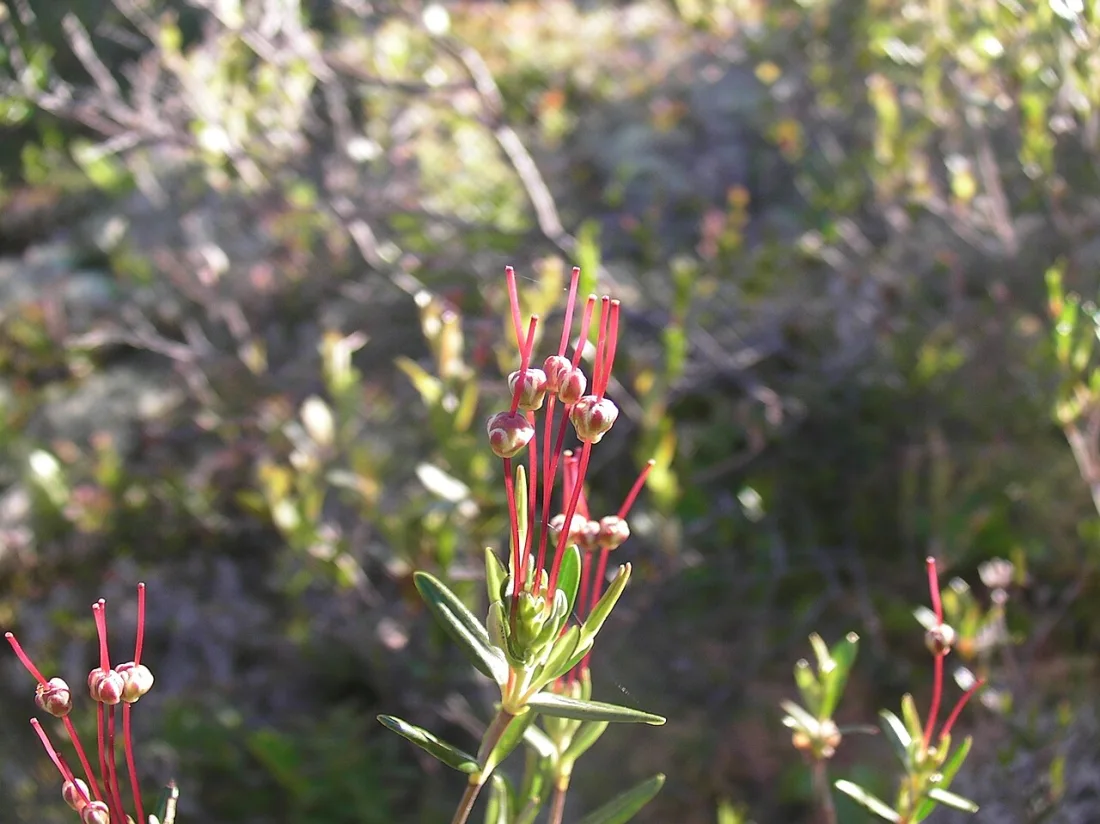
Kalmia polifolia
Native spring flowers provide pollen for bees in cool, acidic wetlands.
Instead of japanese spirea
Meet this plantPhoto: peupleloup · CC BY-SA 2.0
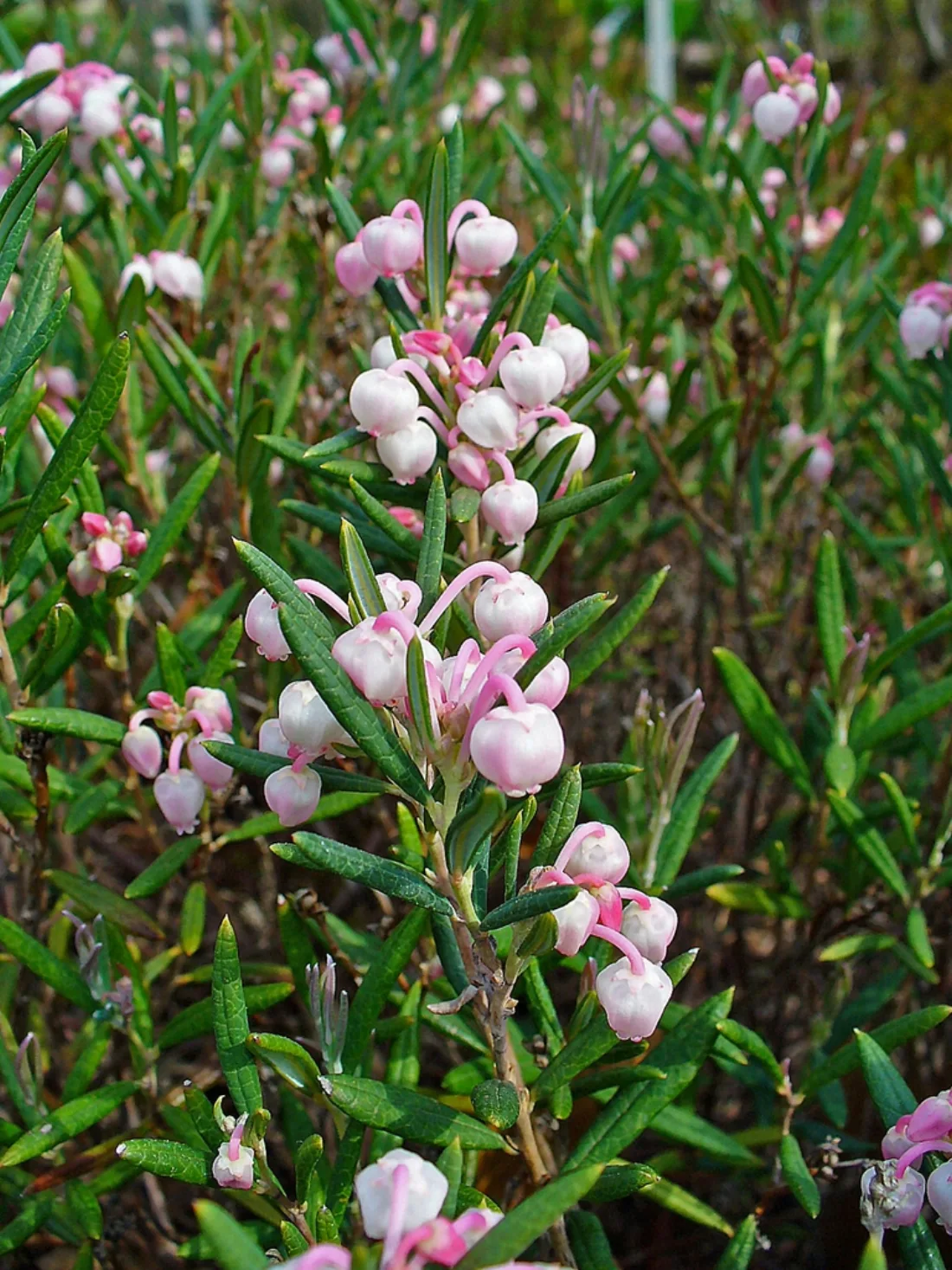
Andromeda polifolia
Low native evergreen foliage and pink bells bring year-round structure to a cool bog garden.
Instead of bearberry cotoneaster
Meet this plantPhoto: H. Zell · CC BY-SA 3.0
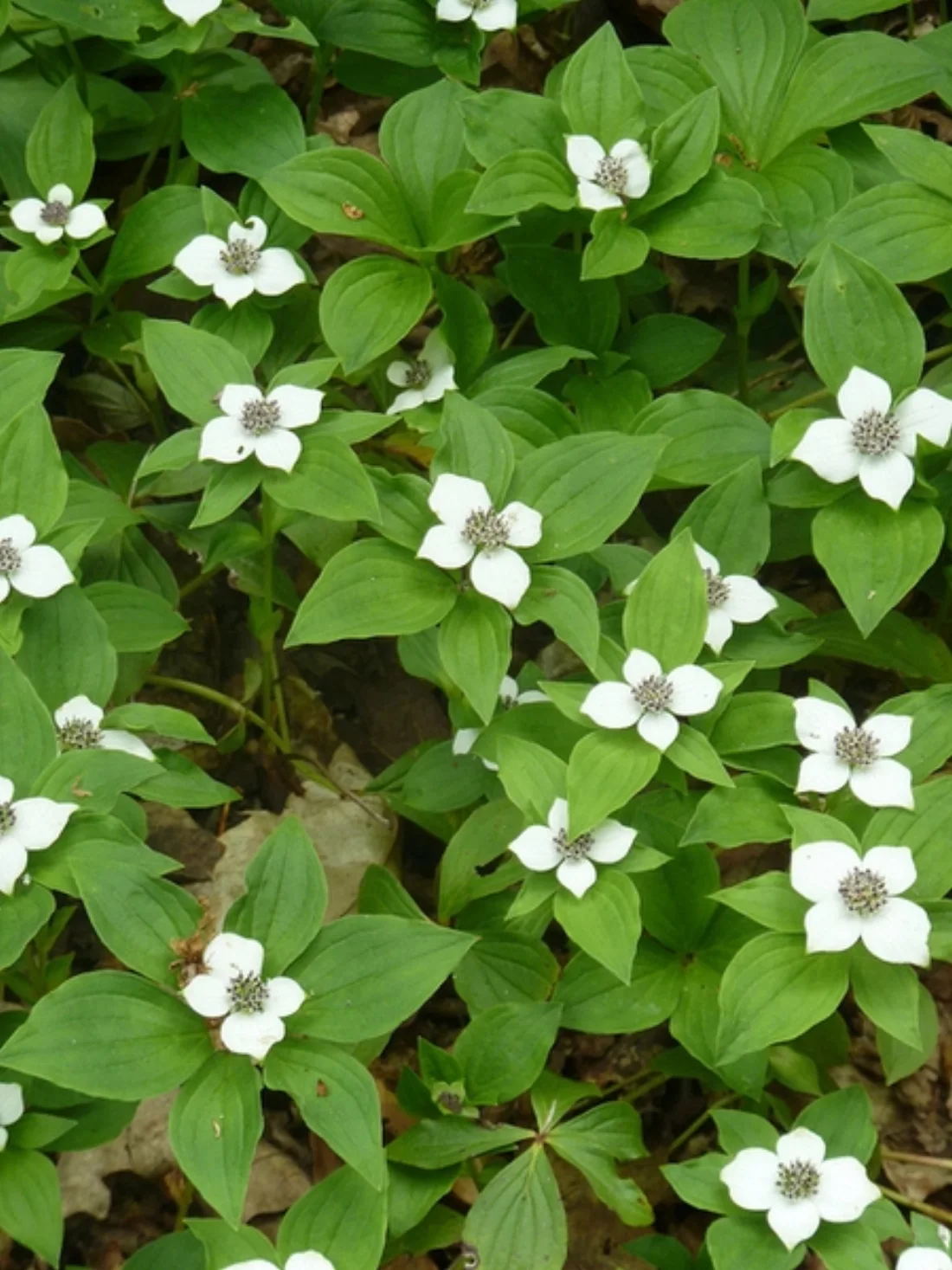
Cornus canadensis
Small native flowers feed pollinators, and red berries provide food for birds.
Instead of common periwinkle
Meet this plantPhoto: Peganum · CC-BY-SA 2.0
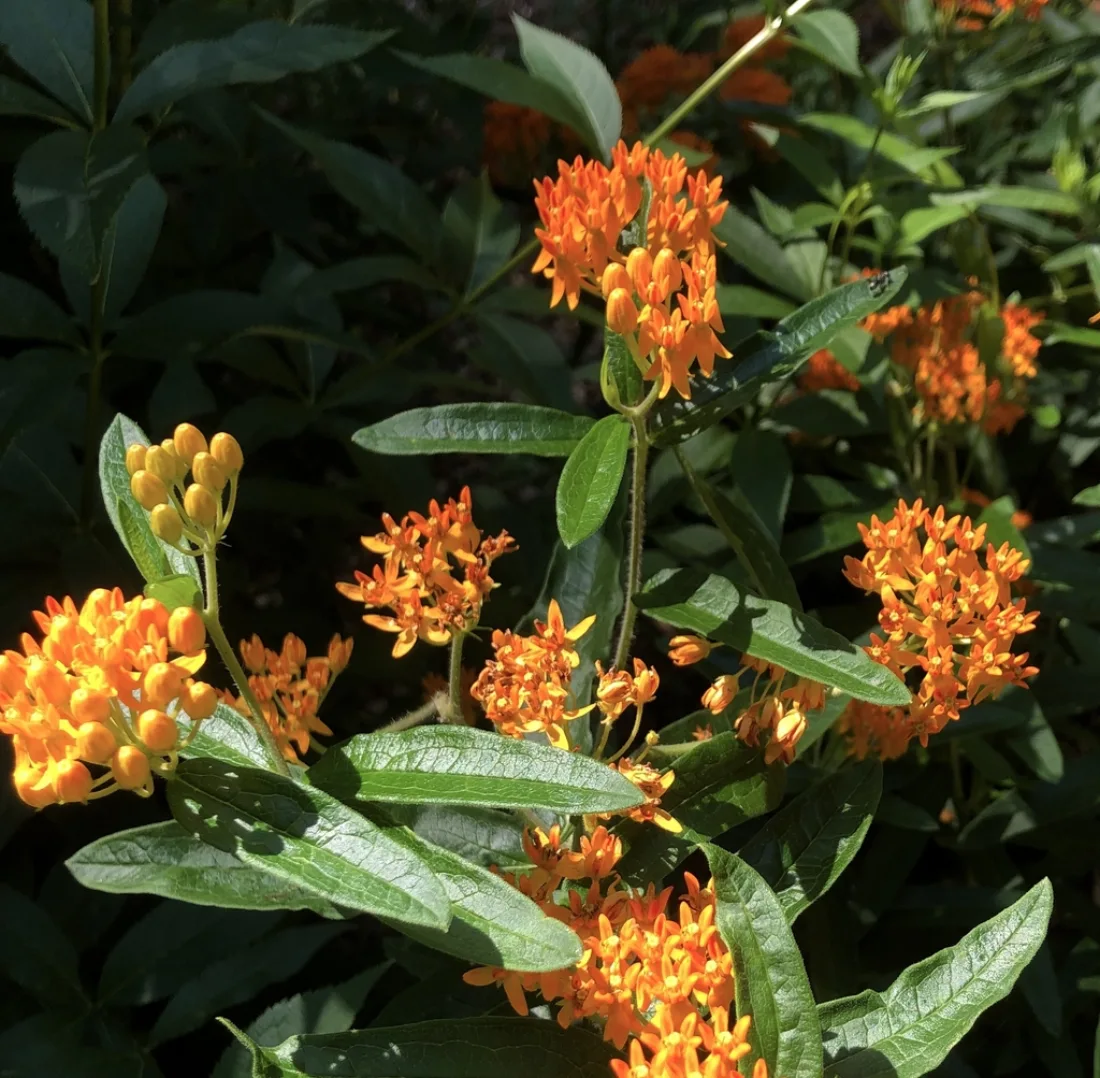
Asclepias tuberosa
Unlike butterfly bush, this native milkweed feeds monarch caterpillars as well as nectar-seeking butterflies.
Instead of butterfly bush
Meet this plantPhoto: Cathy DeWitt · CC BY 4.0
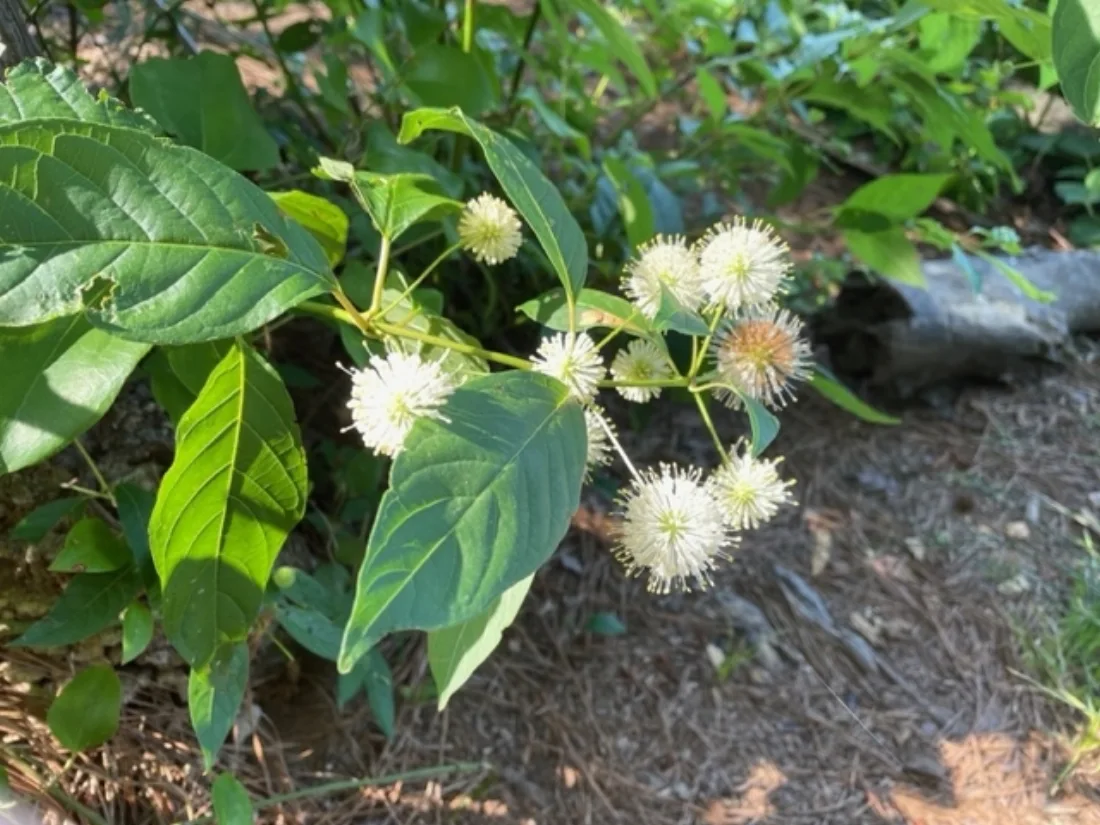
Cephalanthus occidentalis
Round flower clusters feed bees, butterflies, and hummingbirds, followed by seeds for birds.
Instead of butterfly bush
Meet this plantPhoto: Al Riordan · CC BY 4.0
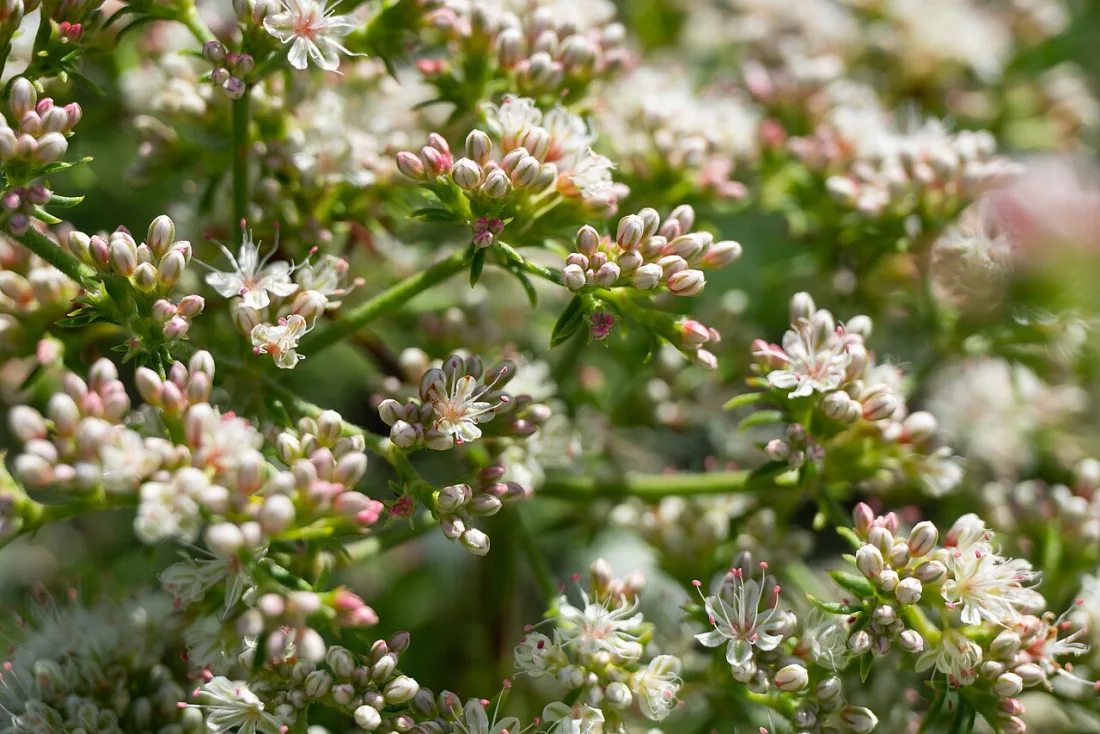
Eriogonum fasciculatum
Native flowers feed butterflies, and seeds feed birds.
Instead of japanese spirea
Meet this plantPhoto: Jasper Shide · CC0
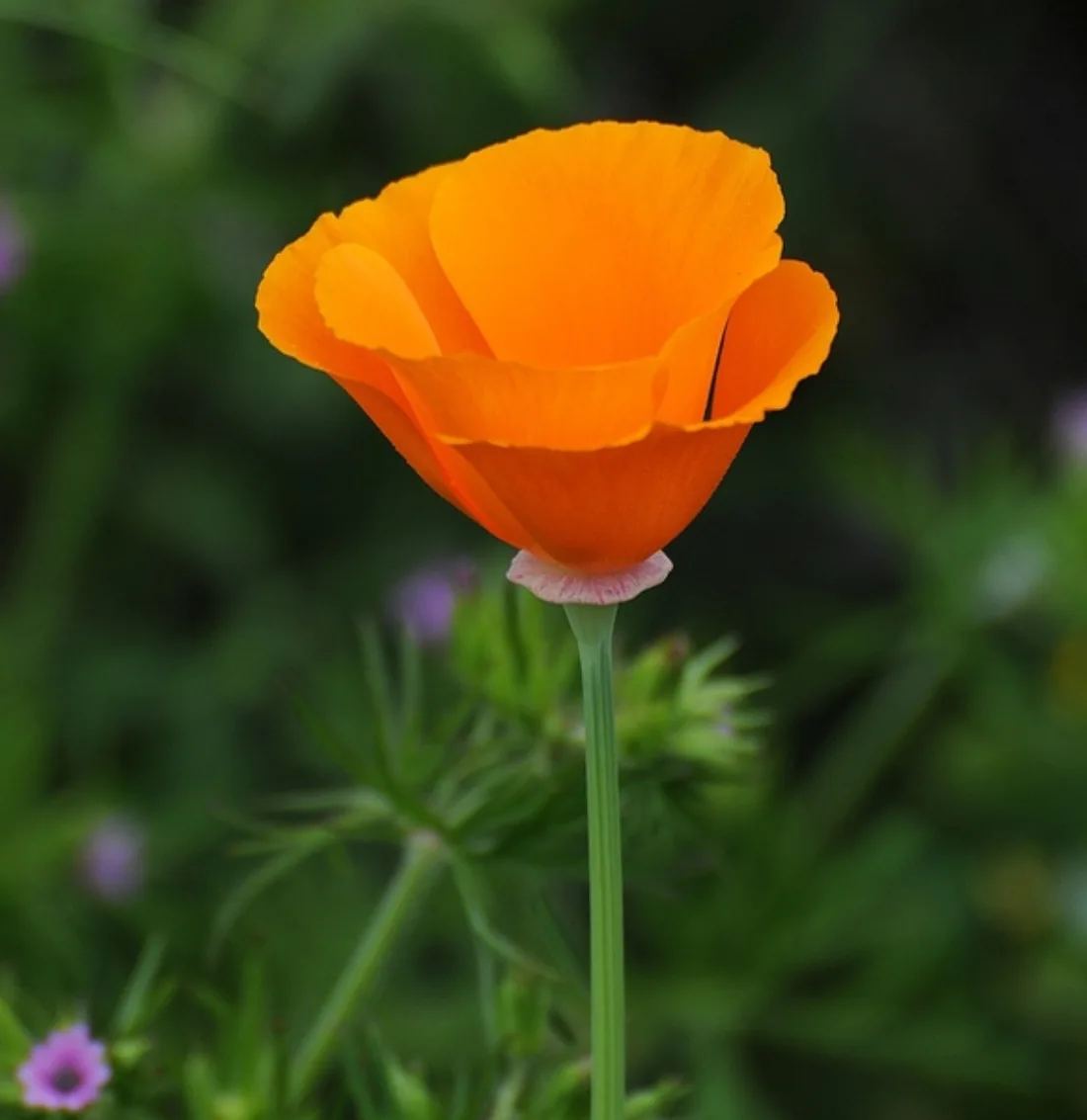
Eschscholzia californica
Pollen-rich native blooms offer a food source for bees in dry, sunny gardens.
Instead of treasure flower
Meet this plantPhoto: Koshy Koshy · CC BY 2.0
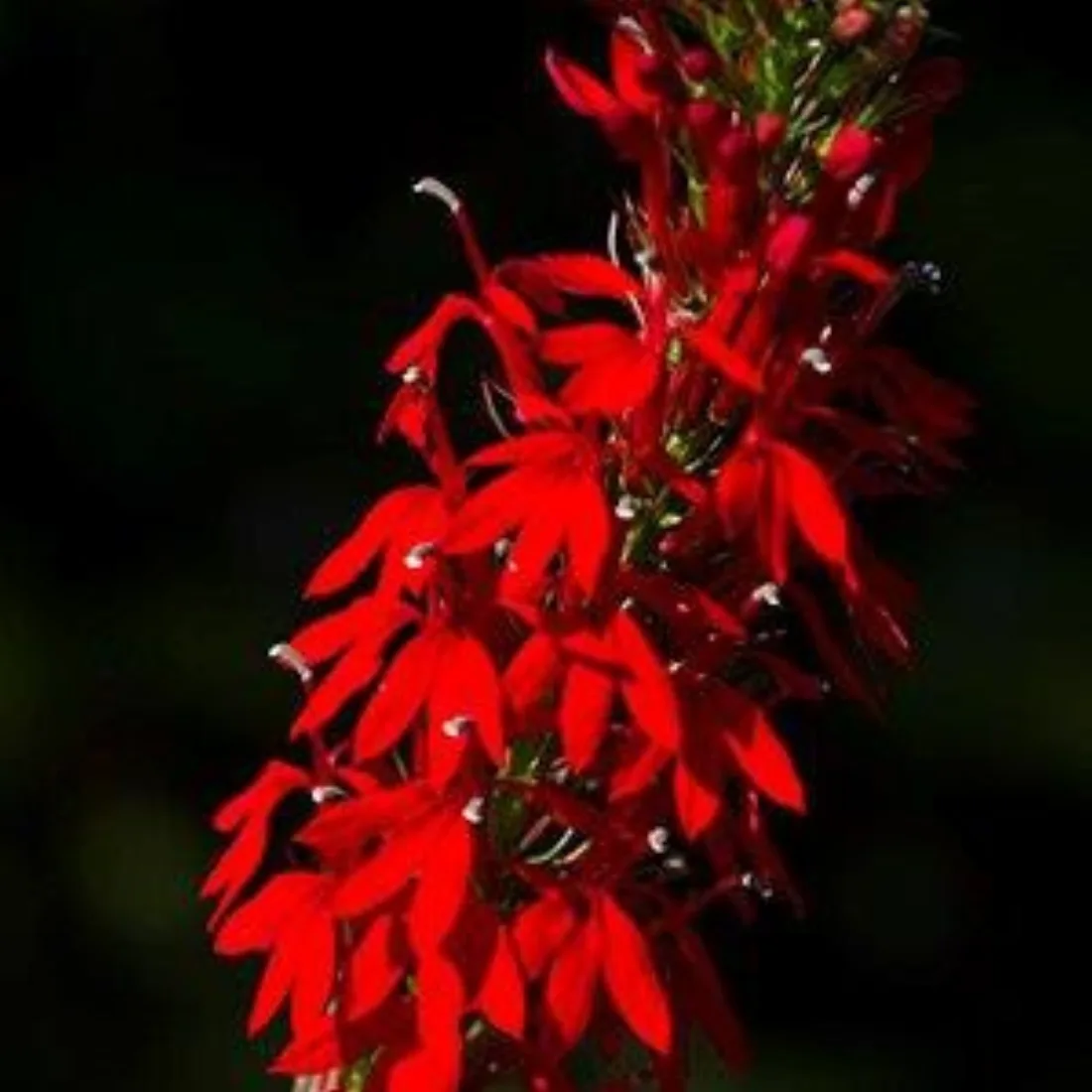
Lobelia cardinalis
Late red flowers supply nectar for hummingbirds and butterflies.
Instead of woodland sage
Meet this plantPhoto: Debbie Roos · CC BY 2.0
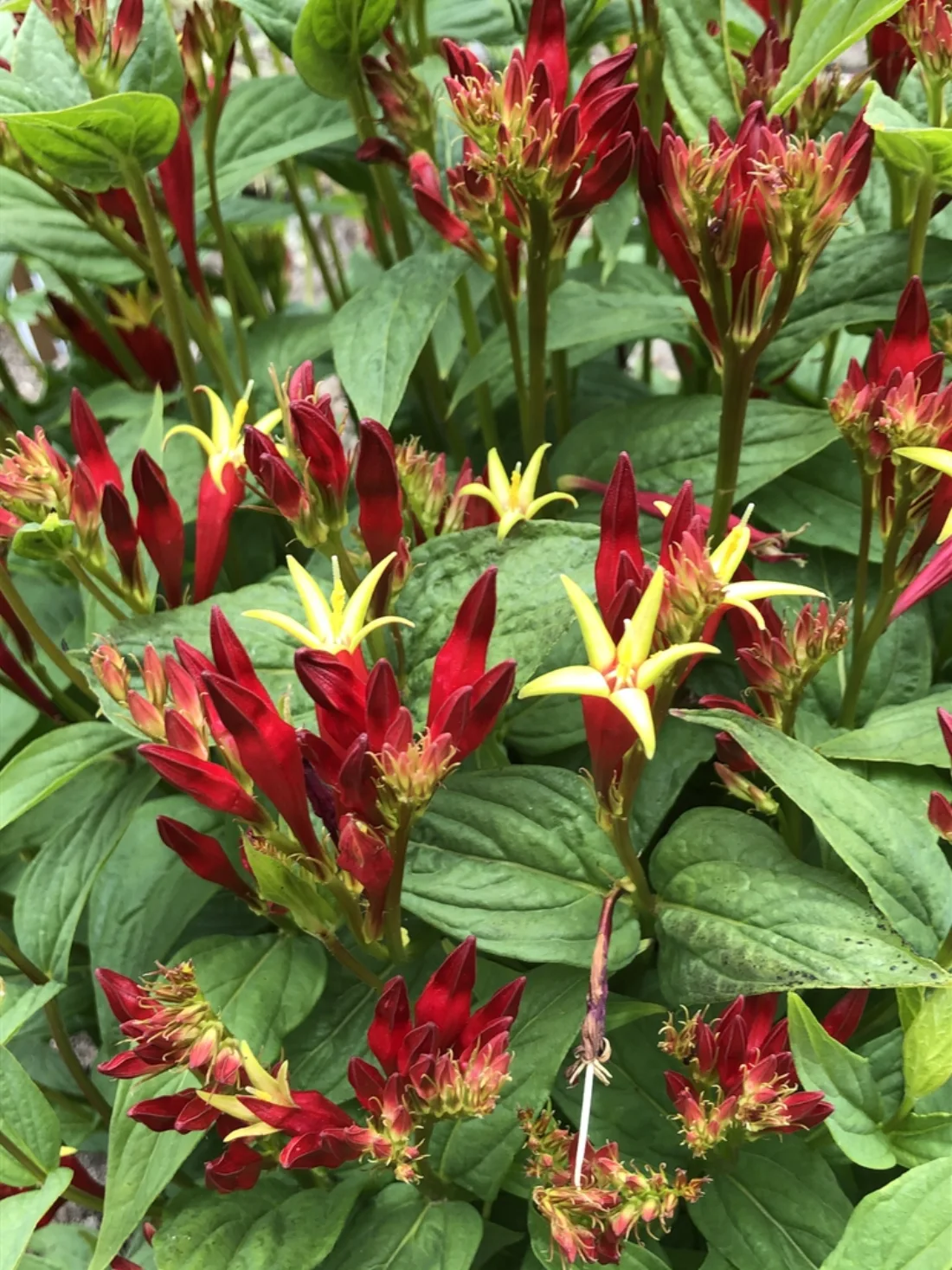
Spigelia marilandica
Native tubular flowers supply nectar for hummingbirds in a shaded garden.
Instead of asian bleeding heart
Meet this plantPhoto: Cathy Dewitt · CC BY 4.0
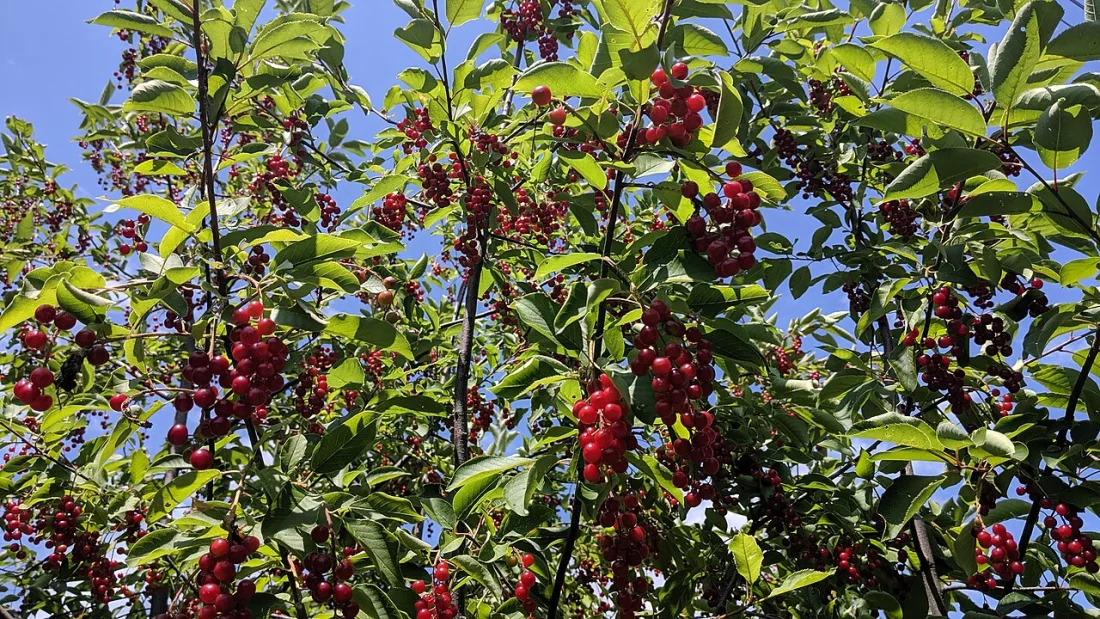
Prunus virginiana
Native foliage feeds swallowtail caterpillars, and the fruit feeds birds.
Instead of heavenly bamboo
Meet this plantPhoto: Maxime Laterreur · CC BY-SA 4.0
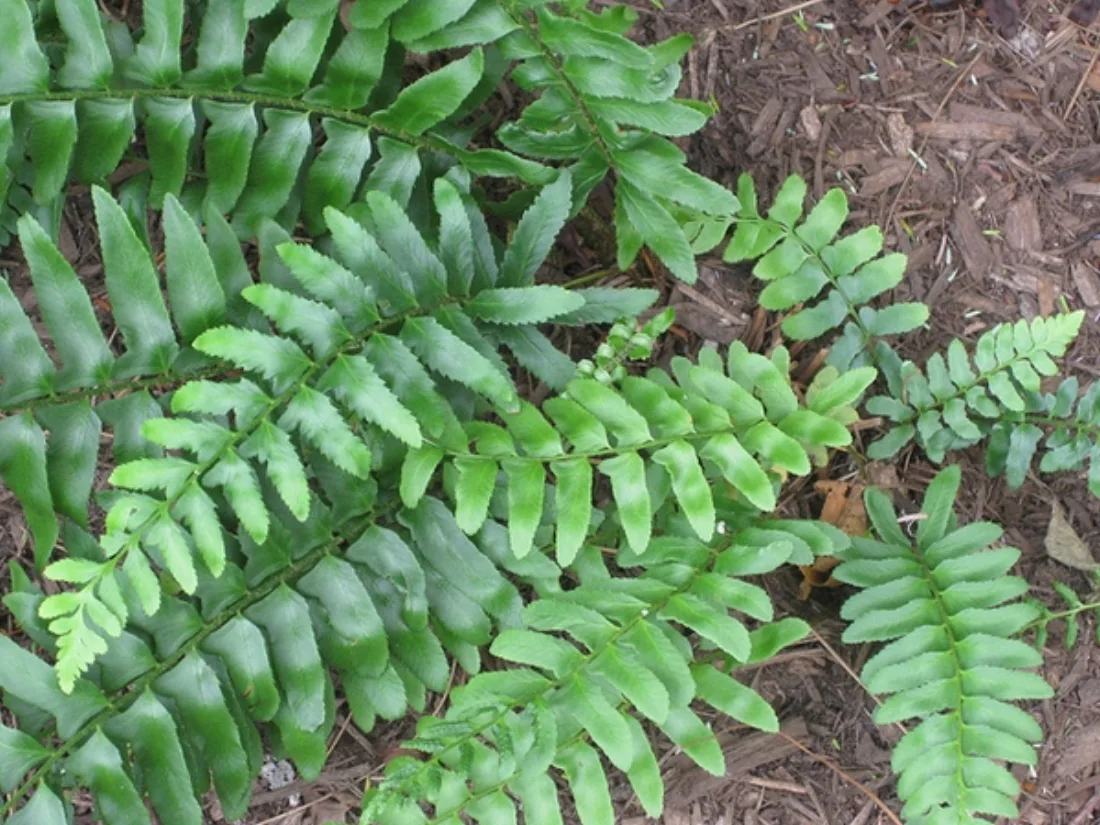
Polystichum acrostichoides
Evergreen fronds provide winter cover close to the ground and nesting material for songbirds.
Instead of japanese painted fern
Meet this plantPhoto: Photo by Cranbrook Science · CC BY 2.0
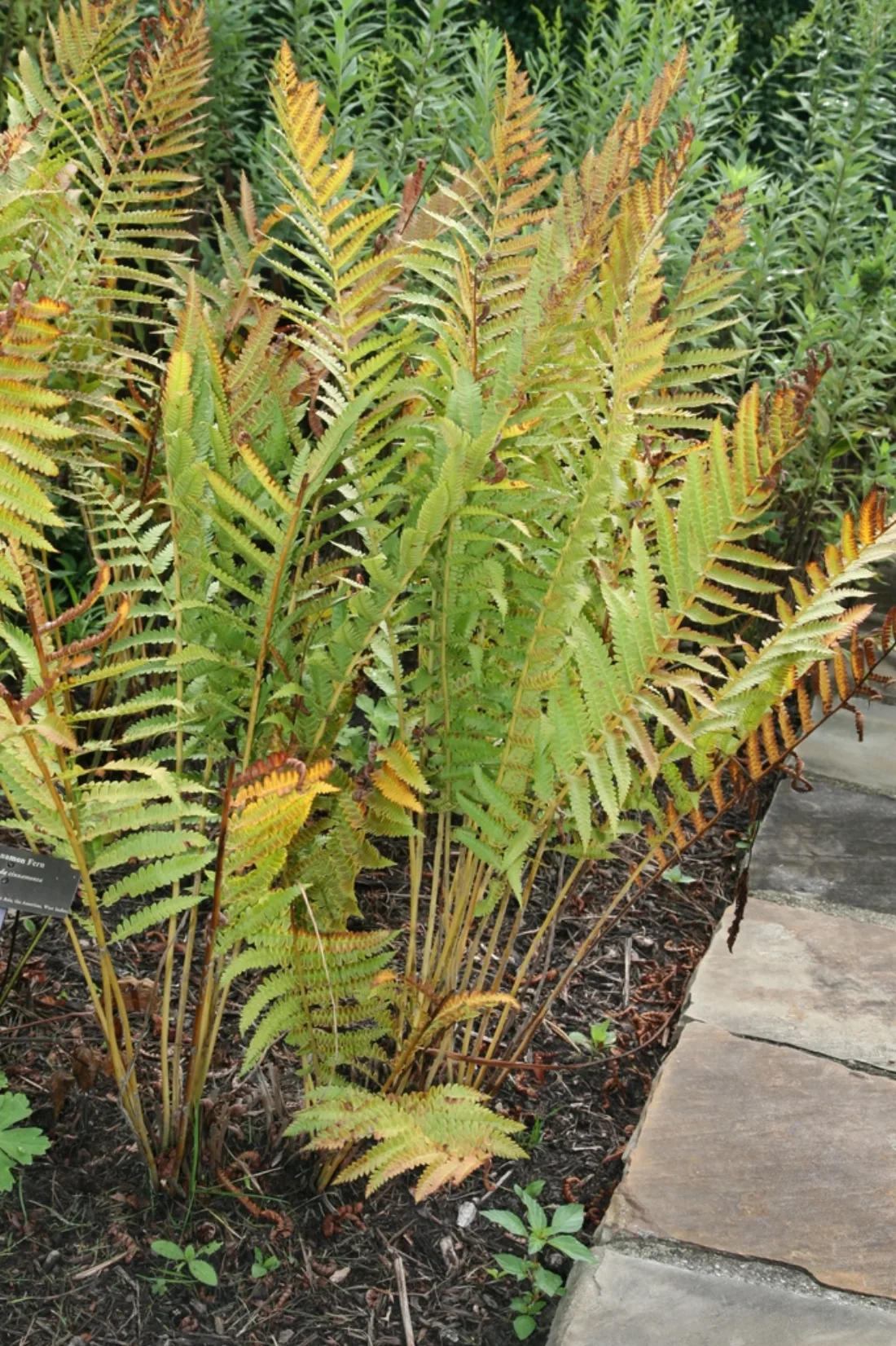
Osmundastrum cinnamomeum
Native fern clumps shelter birds, which also use the stem hairs to line nests.
Instead of japanese holly fern
Meet this plantPhoto: David J. Stang · CC BY-SA 4.0
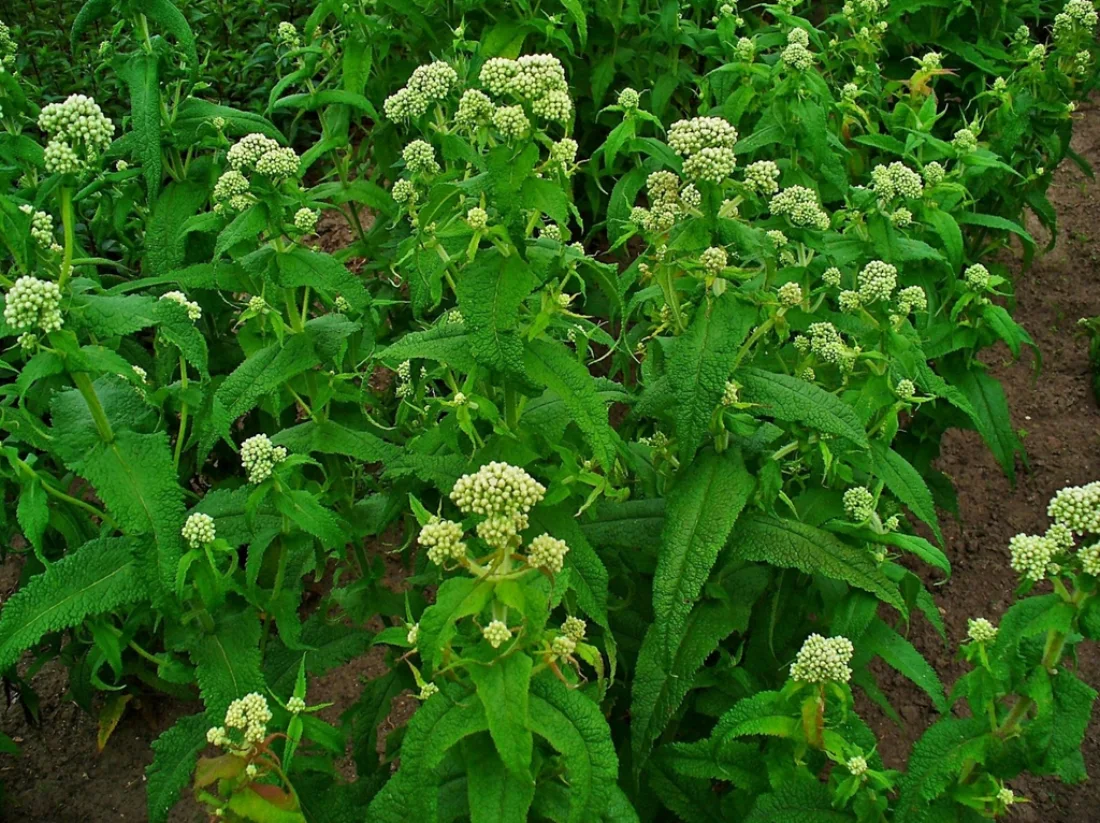
Eupatorium perfoliatum
Late native flowers feed many pollinators, and seedheads supply food for birds.
Instead of butterfly bush
Meet this plantPhoto: H. Zell · CC BY-SA 3.0
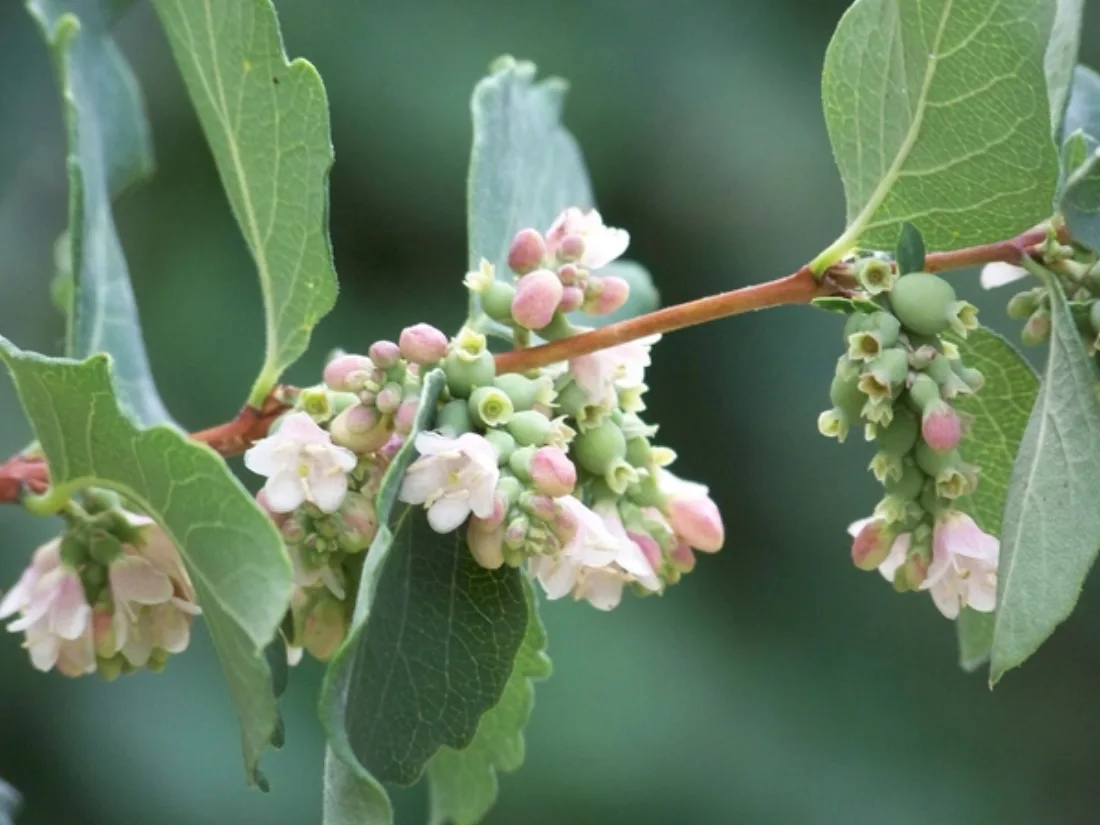
Symphoricarpos albus
Native foliage feeds snowberry clearwing caterpillars, and white berries provide food for wildlife.
Instead of heavenly bamboo
Meet this plantPhoto: Patrick Standish · CC BY 2.0
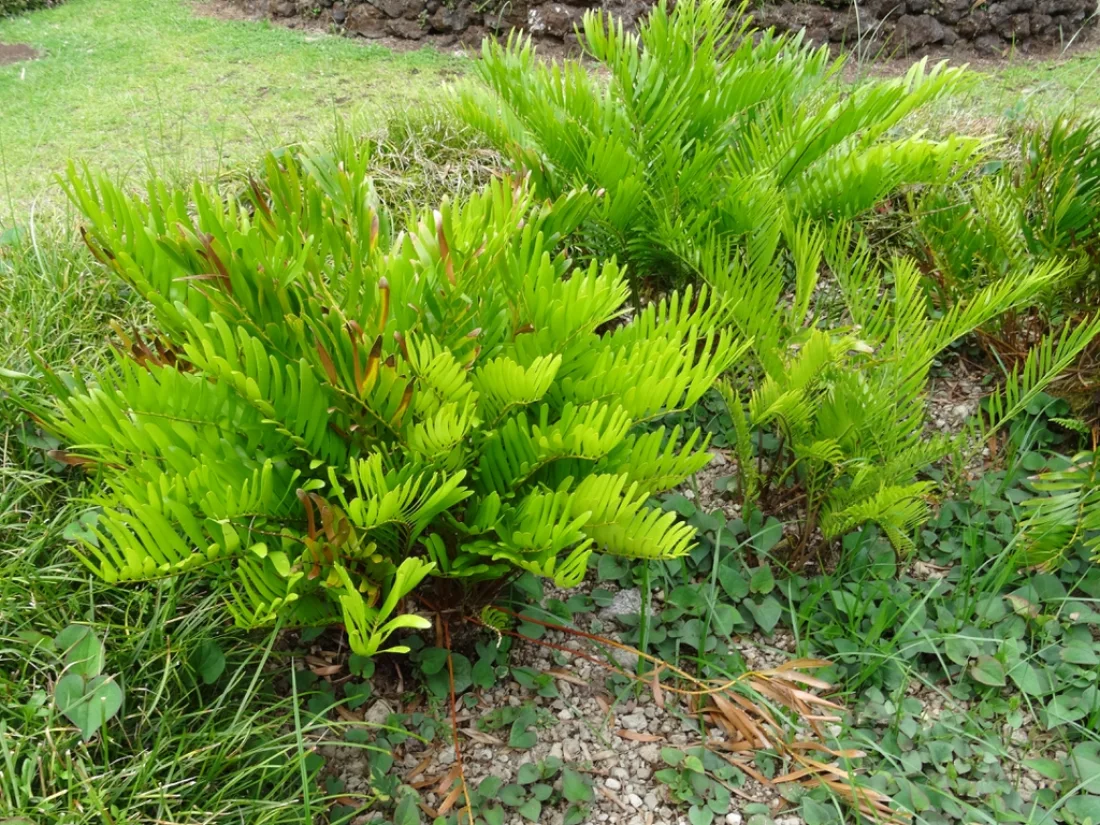
Zamia integrifolia
Native leaves feed atala butterfly and echo moth caterpillars.
Instead of sago palm
Meet this plantPhoto: Andy king50 · CC BY-SA 3.0
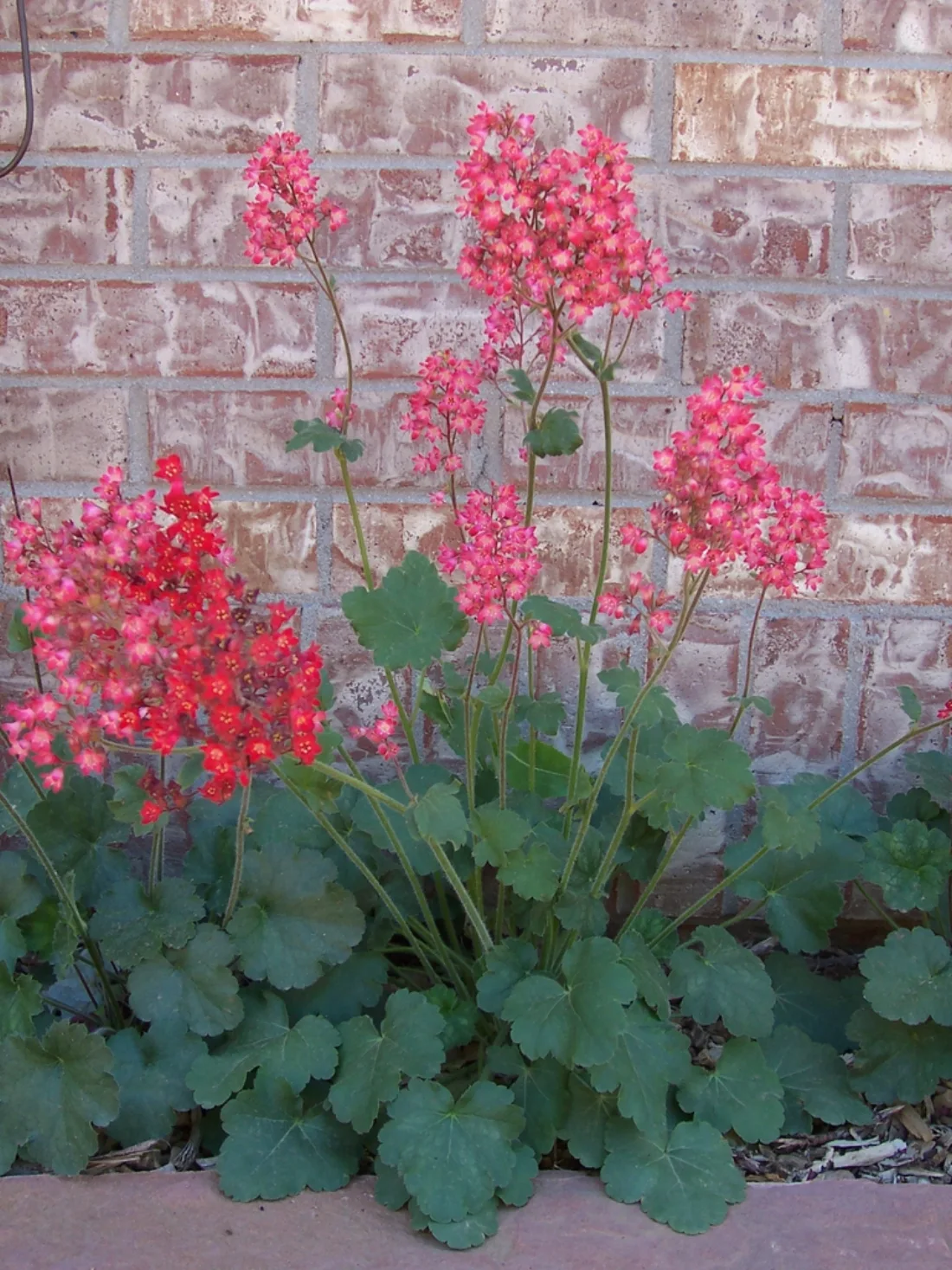
Heuchera sanguinea
Tiny red bells provide nectar for bees and hummingbirds above native foliage.
Instead of heartleaf bergenia
Meet this plantPhoto: Patrick Standish · CC BY 2.0
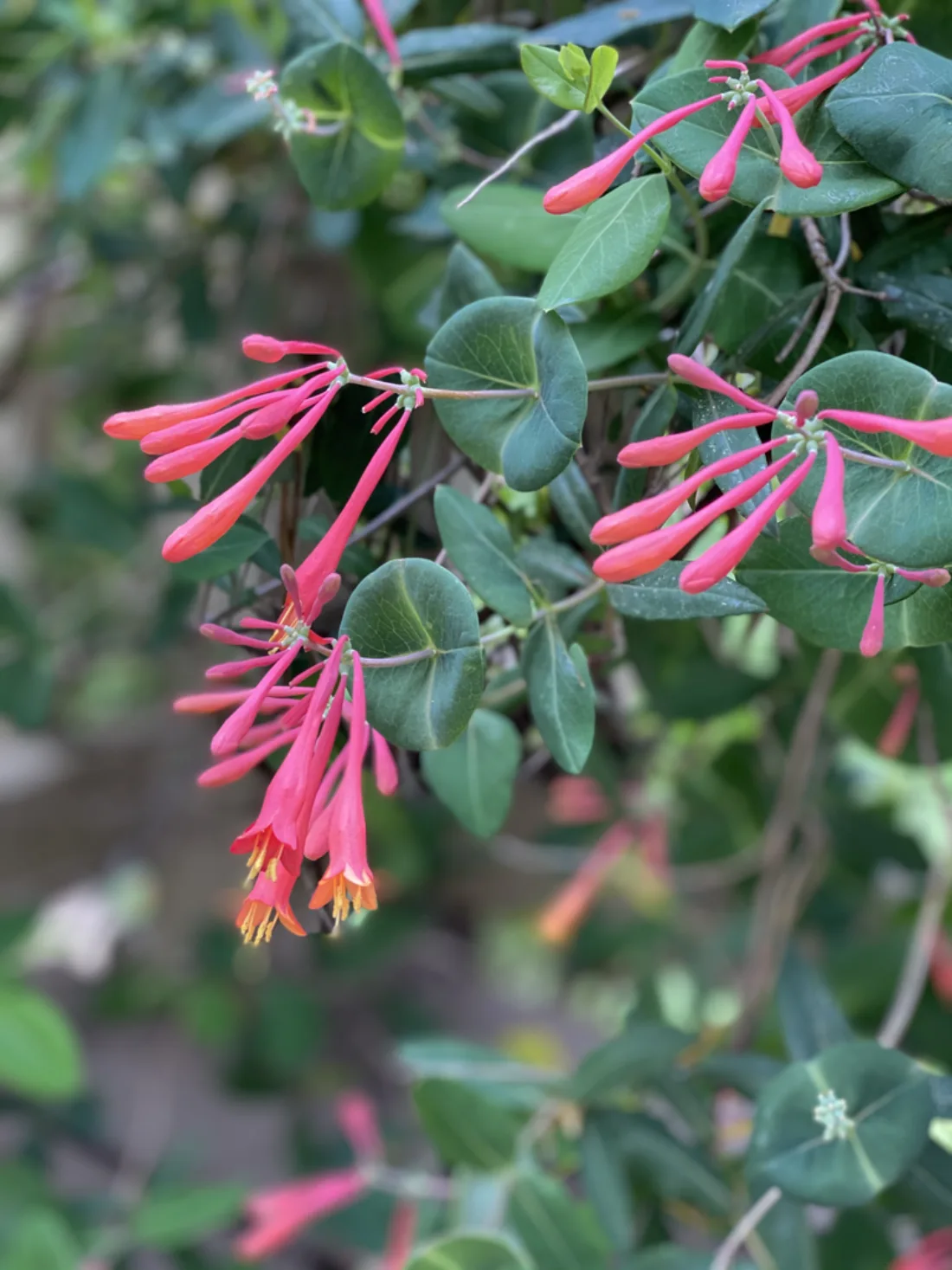
Lonicera sempervirens
Native trumpet flowers feed hummingbirds, and red berries feed songbirds.
Instead of english ivy
Meet this plantPhoto: Kathy Sill · CC BY 4.0
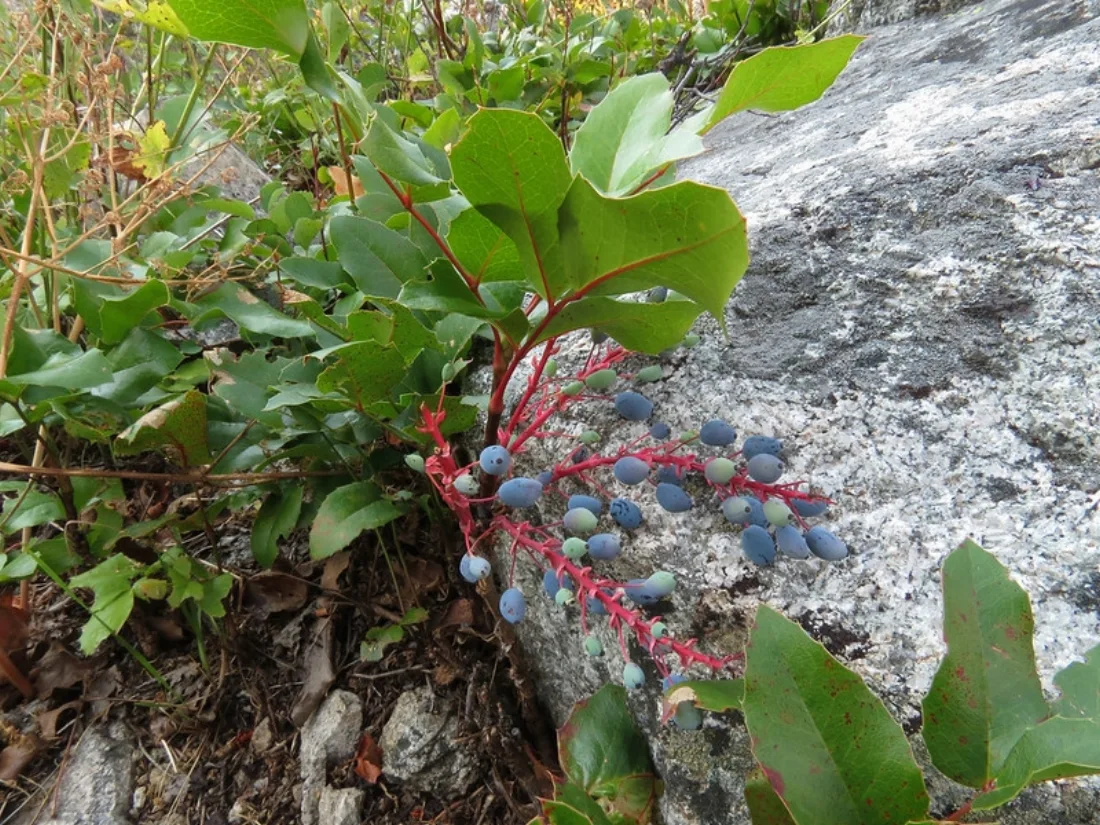
Berberis repens
Native flowers feed pollinators, and berries and evergreen cover support birds and small mammals.
Instead of common periwinkle
Meet this plantPhoto: Katja Schulz · CC BY 2.0
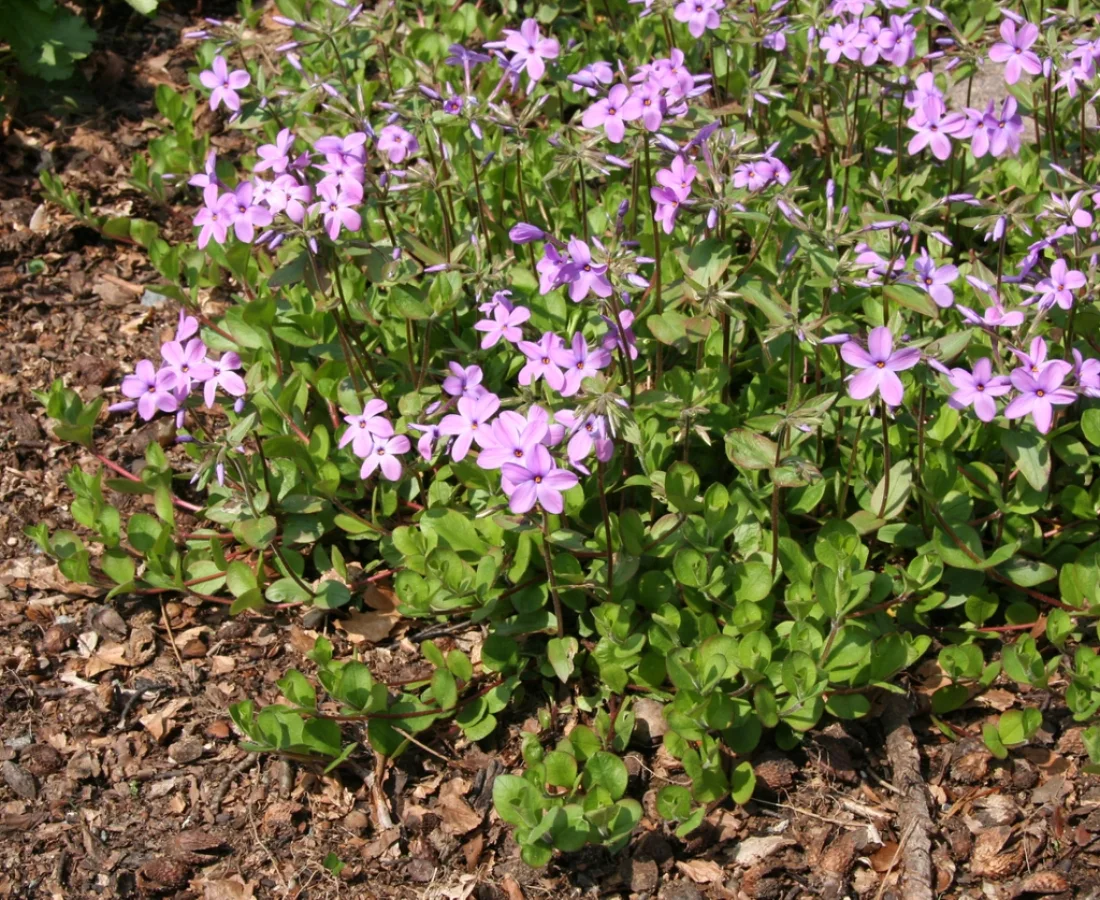
Phlox stolonifera
A low carpet of native spring flowers offers nectar for butterflies and hummingbirds.
Instead of common periwinkle
Meet this plantPhoto: Michael Wolf · CC BY-SA 3.0
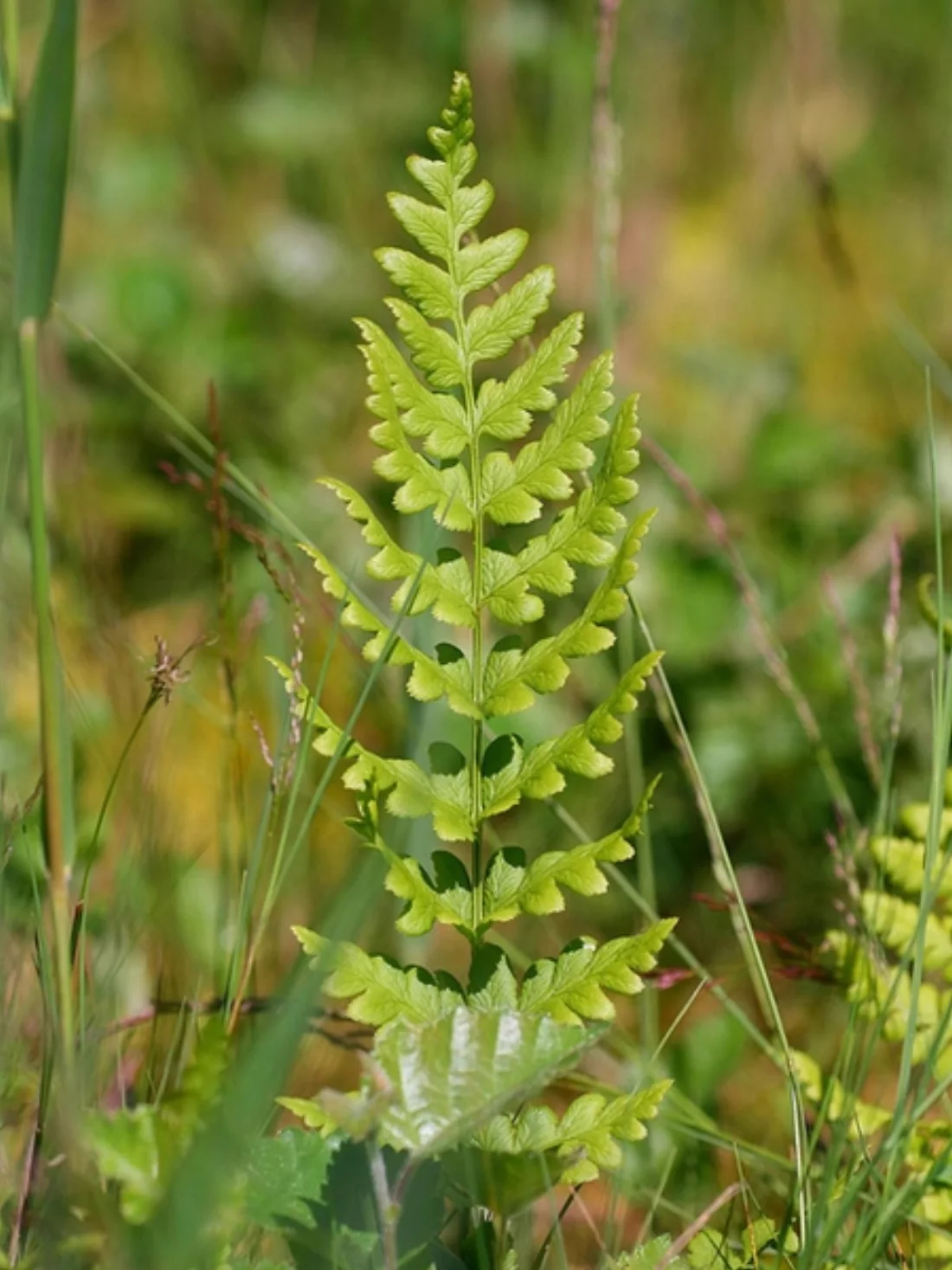
Dryopteris cristata
Native fronds cover moist shaded ground, with some foliage remaining through mild winters.
Instead of japanese painted fern
Meet this plantPhoto: Nature Serve · CC-BY-SA 2.0
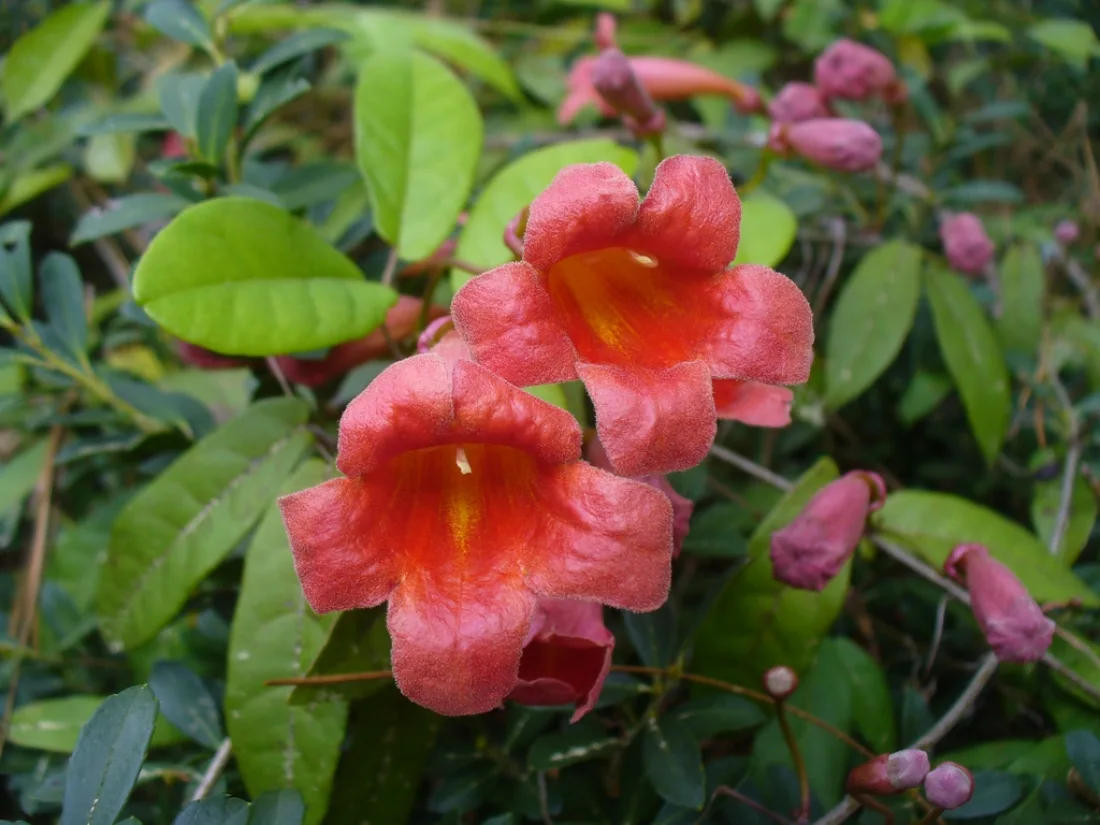
Bignonia capreolata
Early trumpet-shaped flowers supply nectar for hummingbirds and other pollinators.
Instead of english ivy
Meet this plantPhoto: Susan Strine · CC BY 2.0
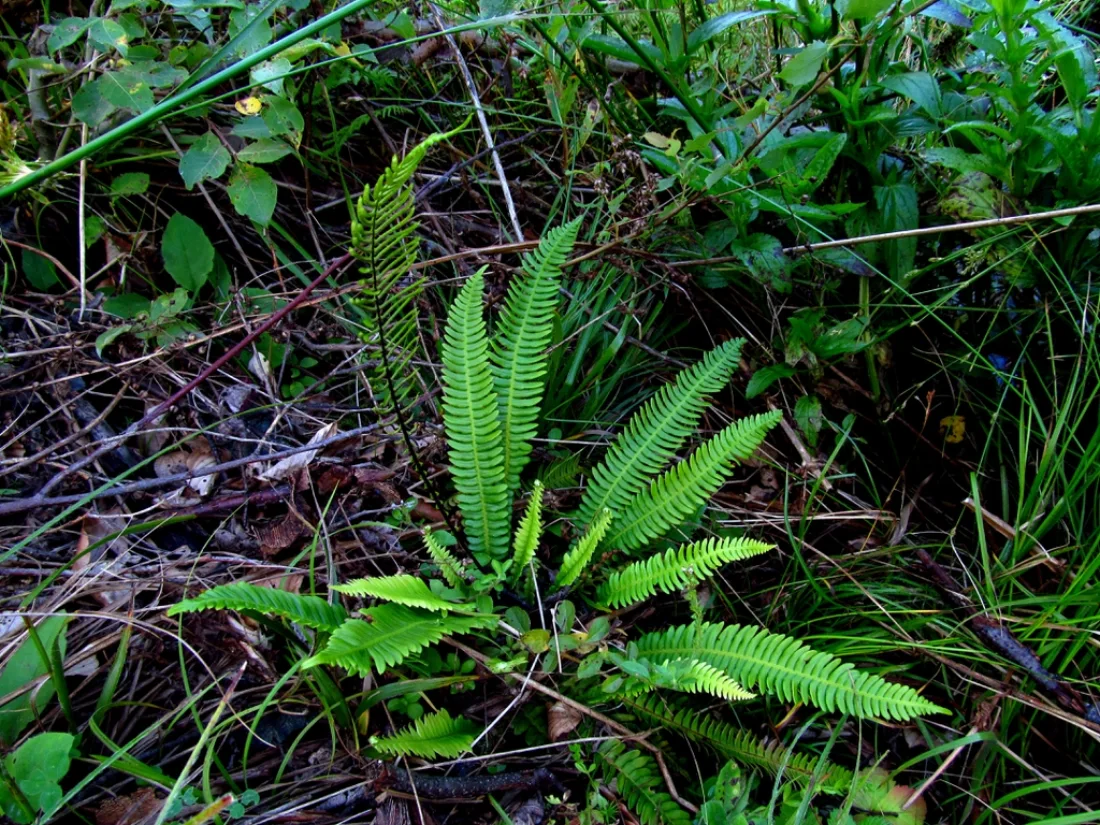
Blechnum spicant
Evergreen fronds bring a layer of native woodland cover to cool, shaded northwestern gardens.
Instead of japanese holly fern
Meet this plantPhoto: Sdjurovic · CC BY-SA 4.0
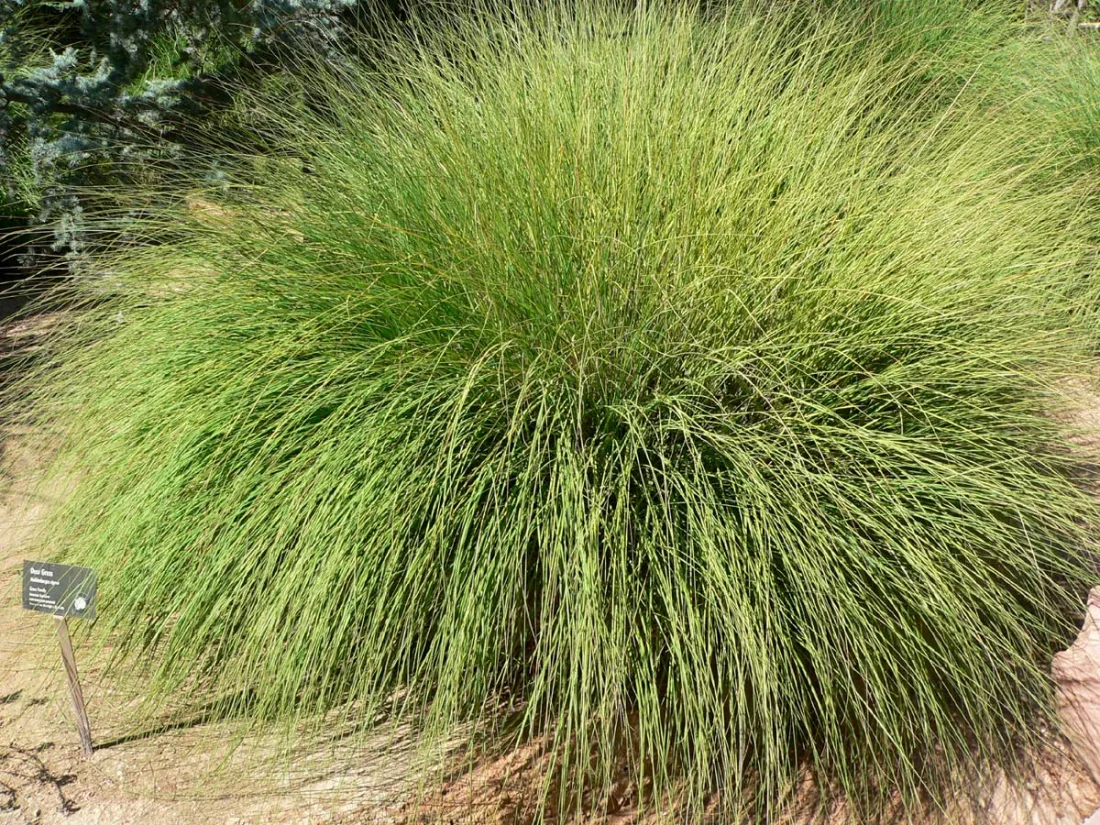
Muhlenbergia rigens
Native clumps shelter wildlife, and the seeds feed songbirds.
Instead of maiden grass
Meet this plantPhoto: Stan Shebs · CC BY-SA 3.0
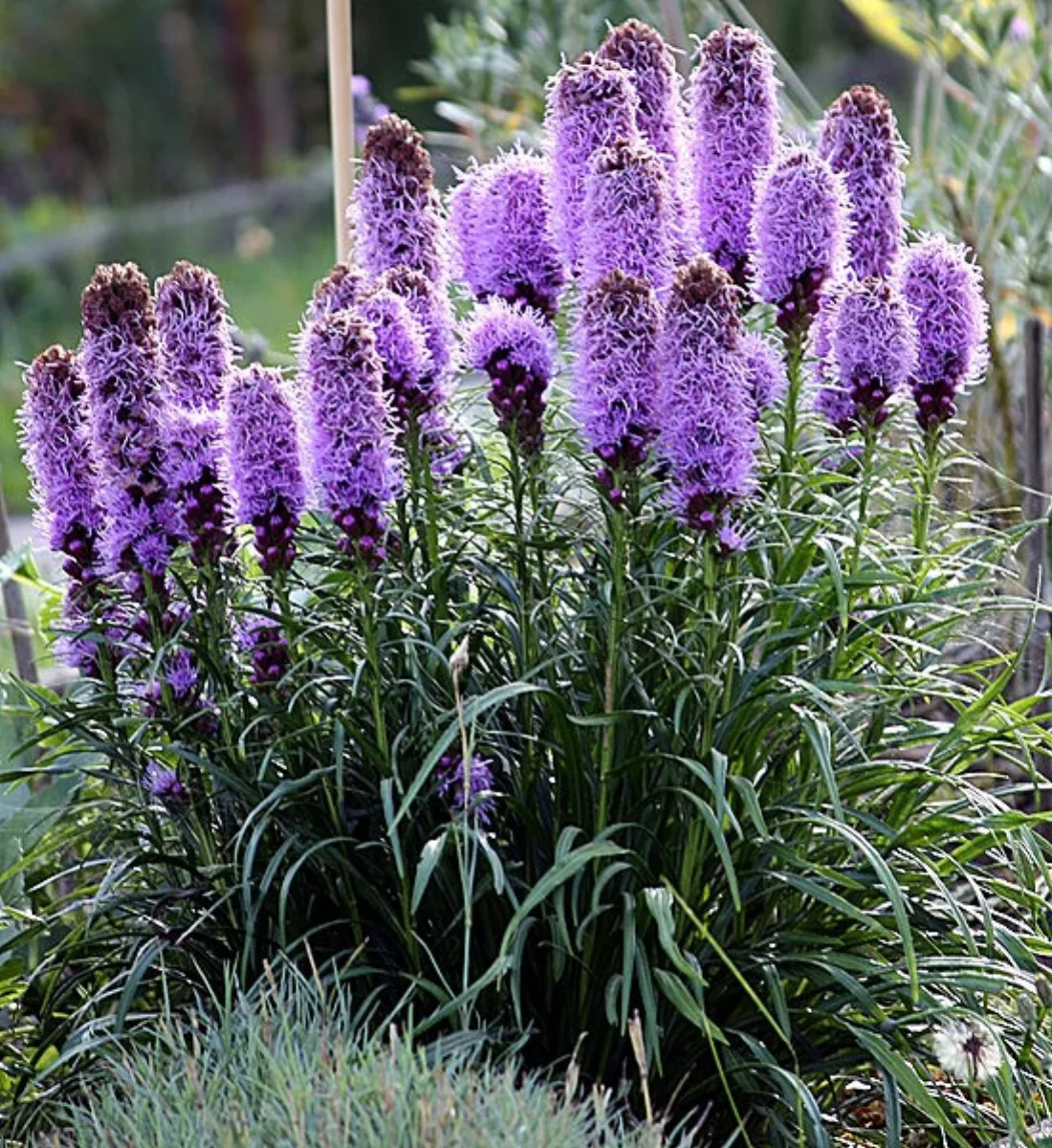
Liatris spicata
Purple flower spikes draw bees and butterflies, while their seeds feed goldfinches later in the season.
Instead of woodland sage
Meet this plantPhoto: Hedwig Storch · CC BY-SA 3.0
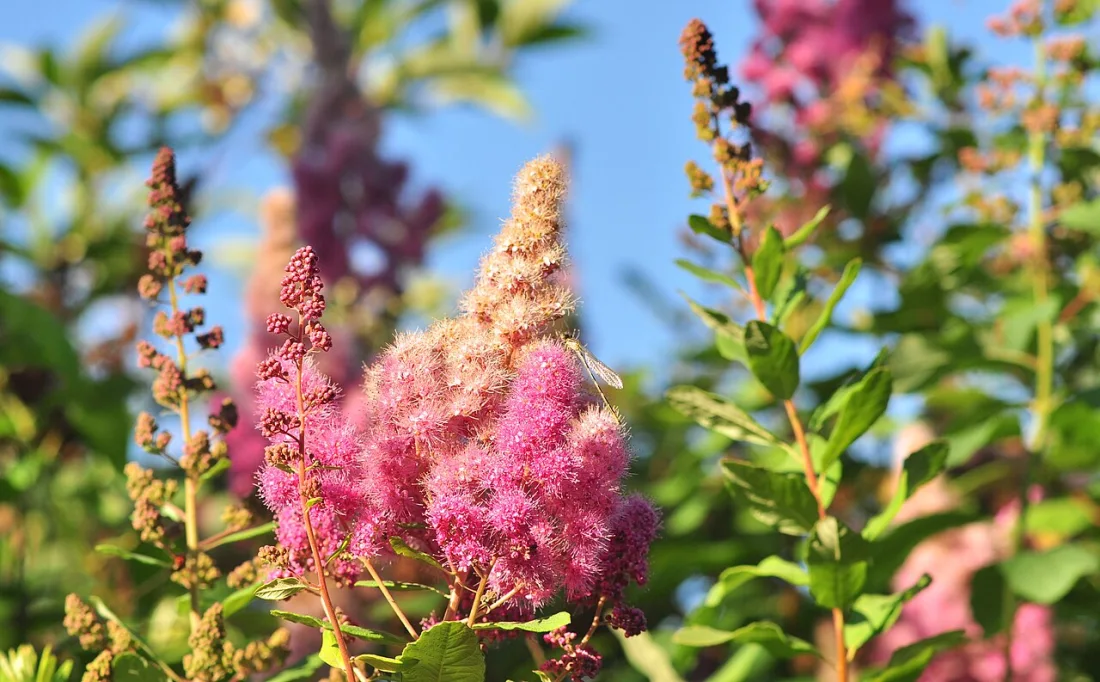
Spiraea douglasii
Dense native flower clusters bring summer color to a moist hedge or rain garden.
Instead of japanese spirea
Meet this plant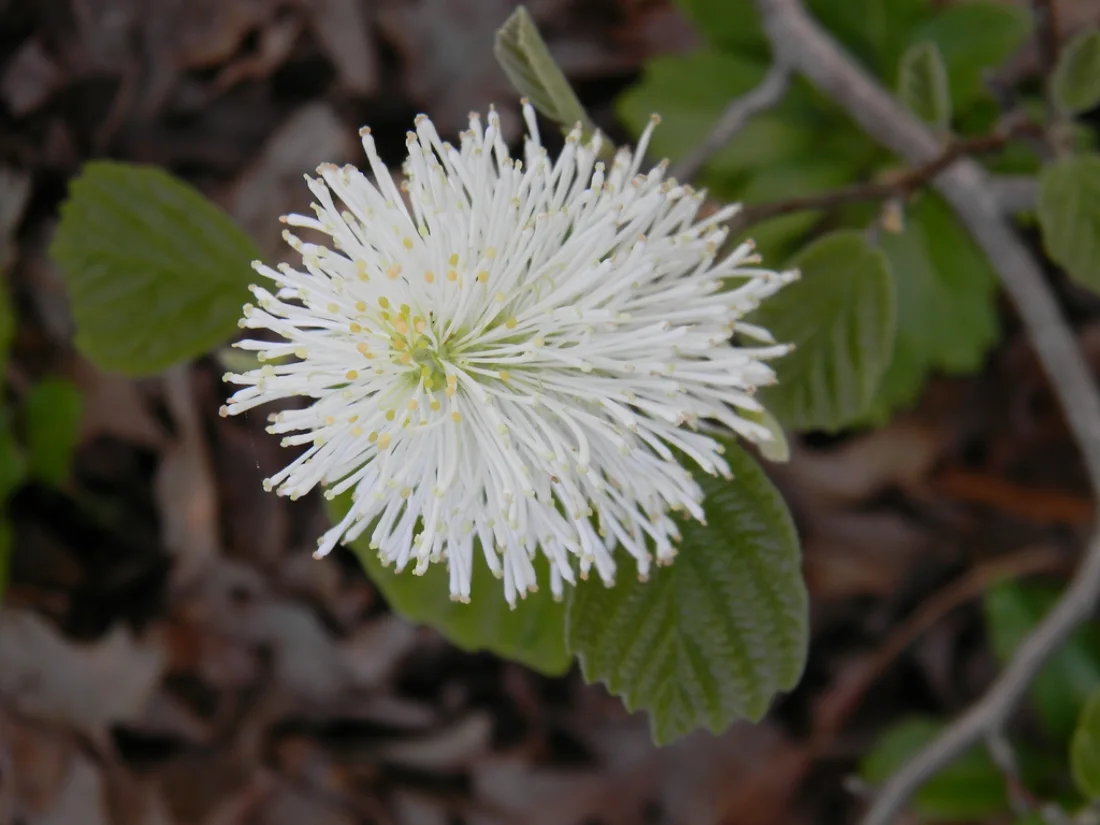
Fothergilla gardenii
Bottlebrush flowers offer spring nectar for bees, paired with colorful autumn foliage.
Instead of burning bush
Meet this plantPhoto: Randy Harter · CC BY 4.0
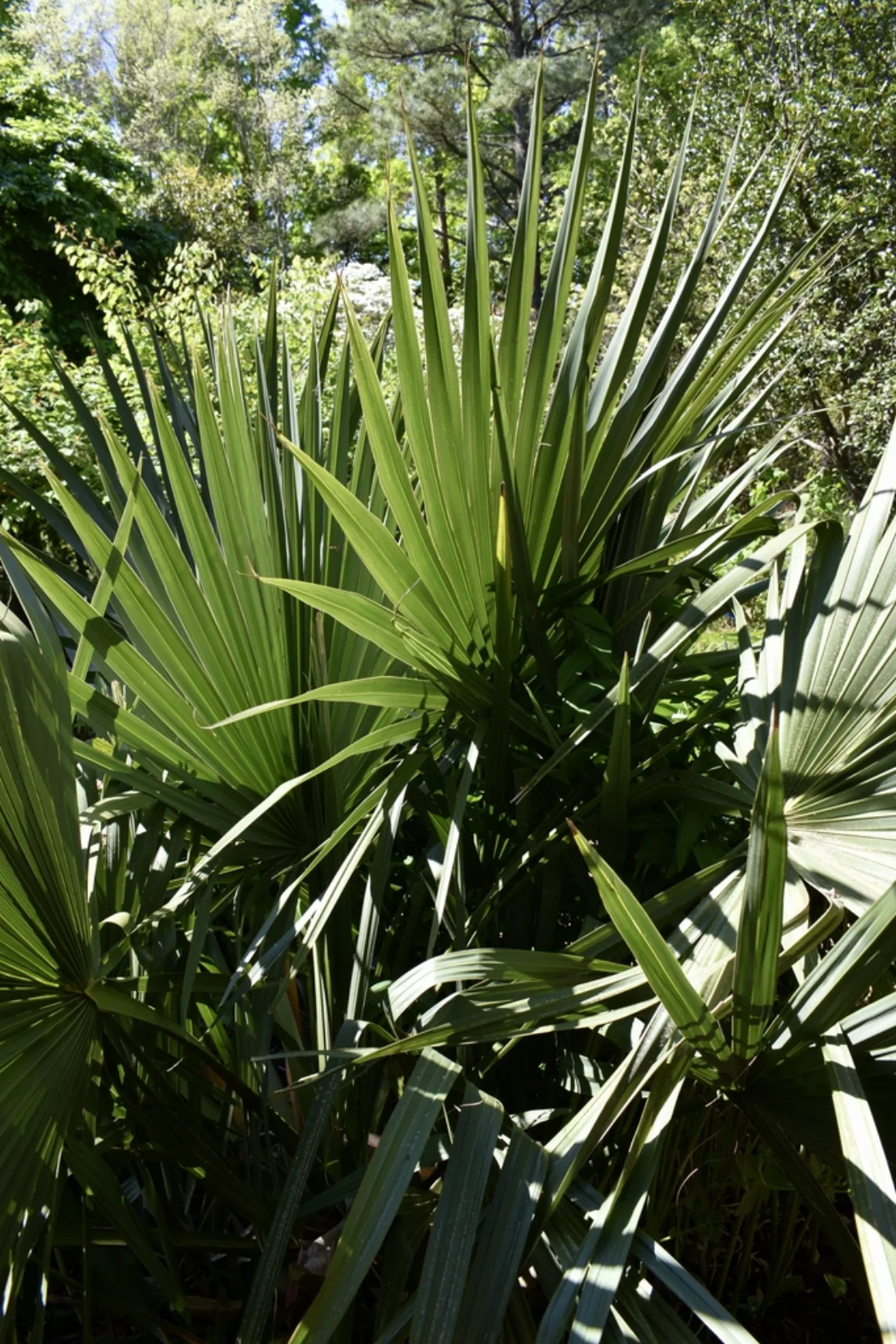
Sabal minor
Native palm fruit feeds birds and mammals while broad leaves add year-round structure.
Instead of sago palm
Meet this plantPhoto: Cathy DeWitt · CC BY 4.0
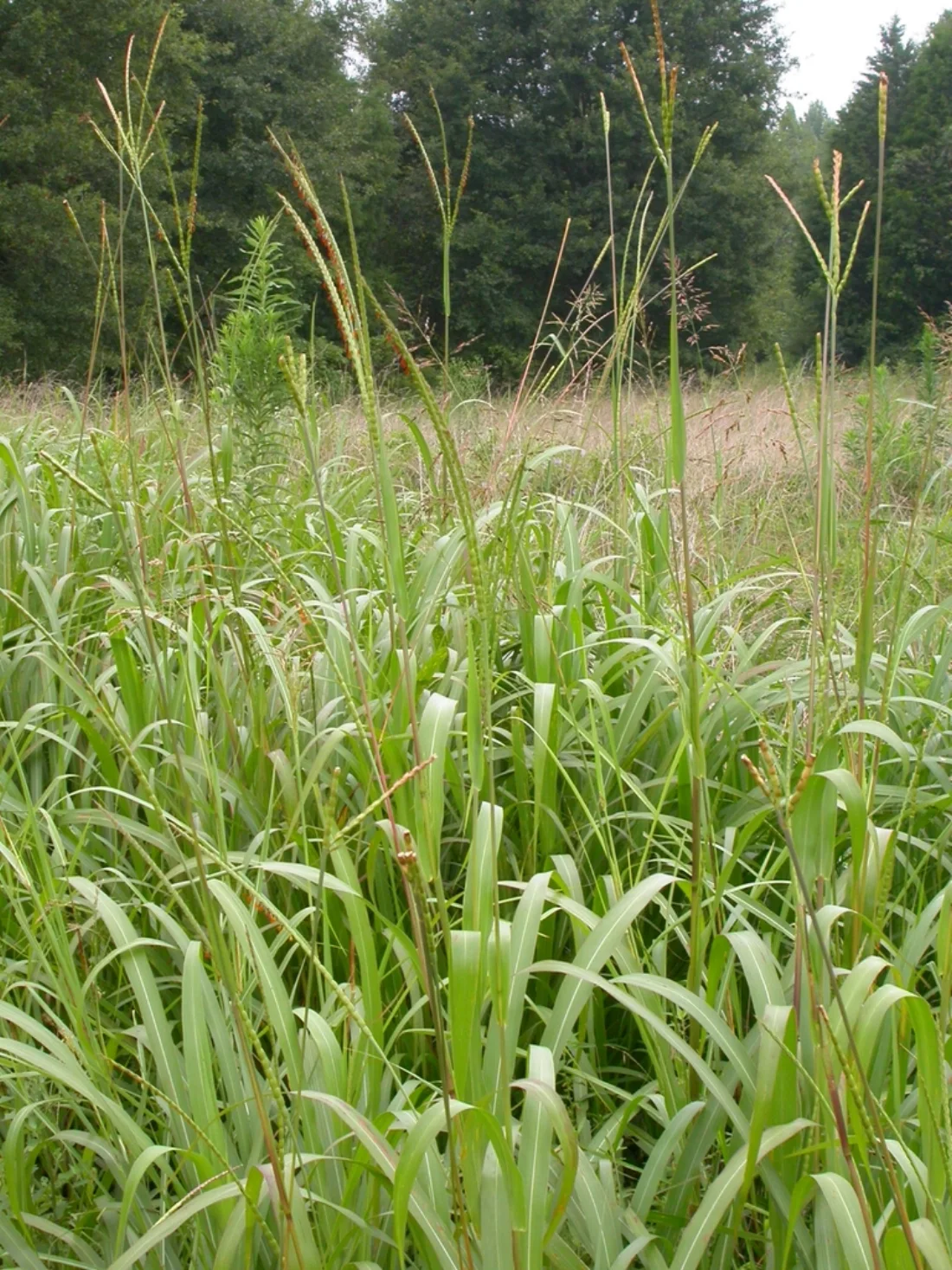
Tripsacum dactyloides
Native grass clumps shelter quail, feed seed-eating birds, and host skipper caterpillars.
Instead of maiden grass
Meet this plantPhoto: Matt Lavin · CC BY-SA 2.0 DE
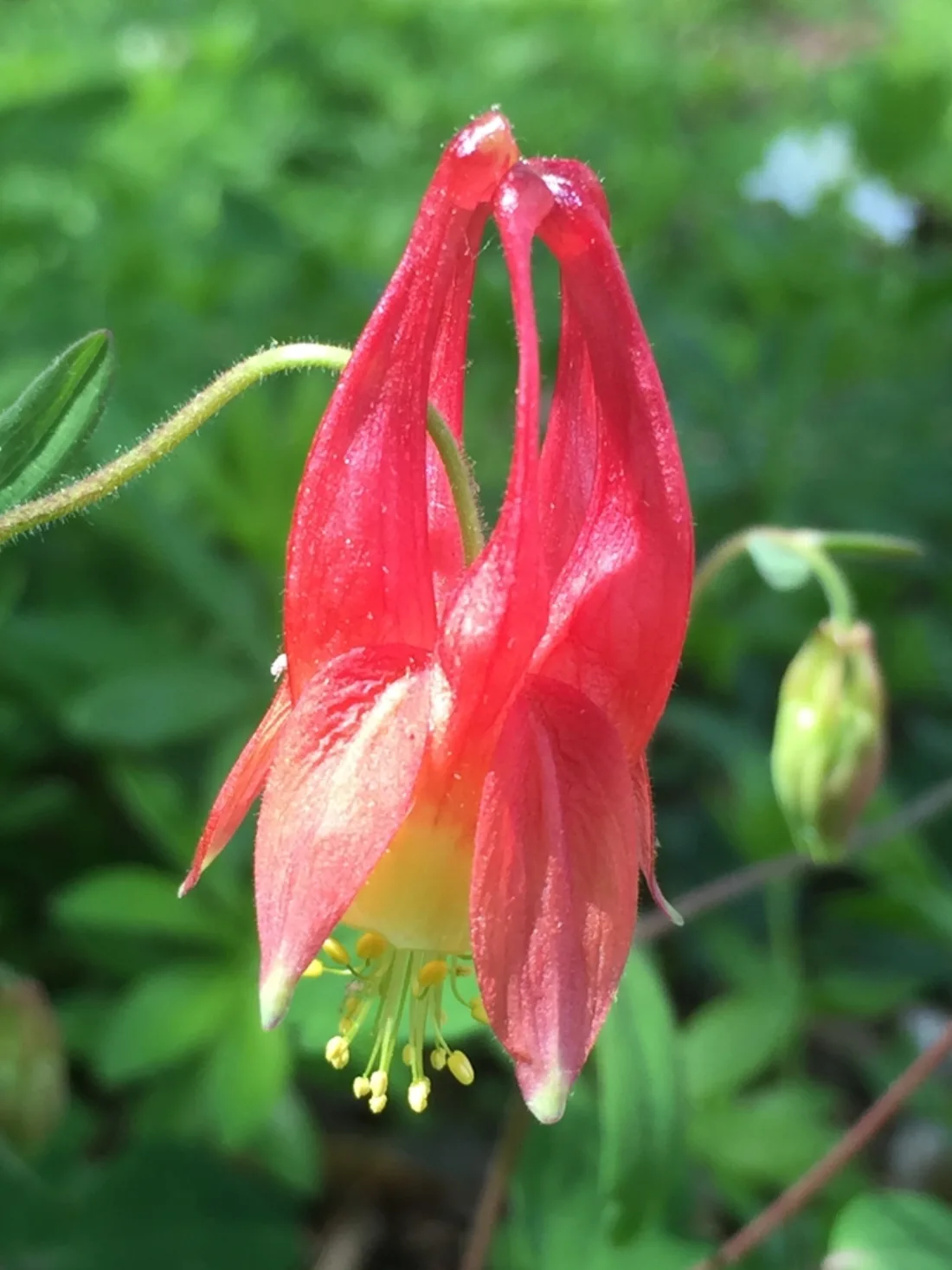
Aquilegia canadensis
Red-and-yellow flowers give hummingbirds and bumblebees a nectar stop in spring.
Instead of asian bleeding heart
Meet this plantPhoto: Patty Felder · CC BY 4.0
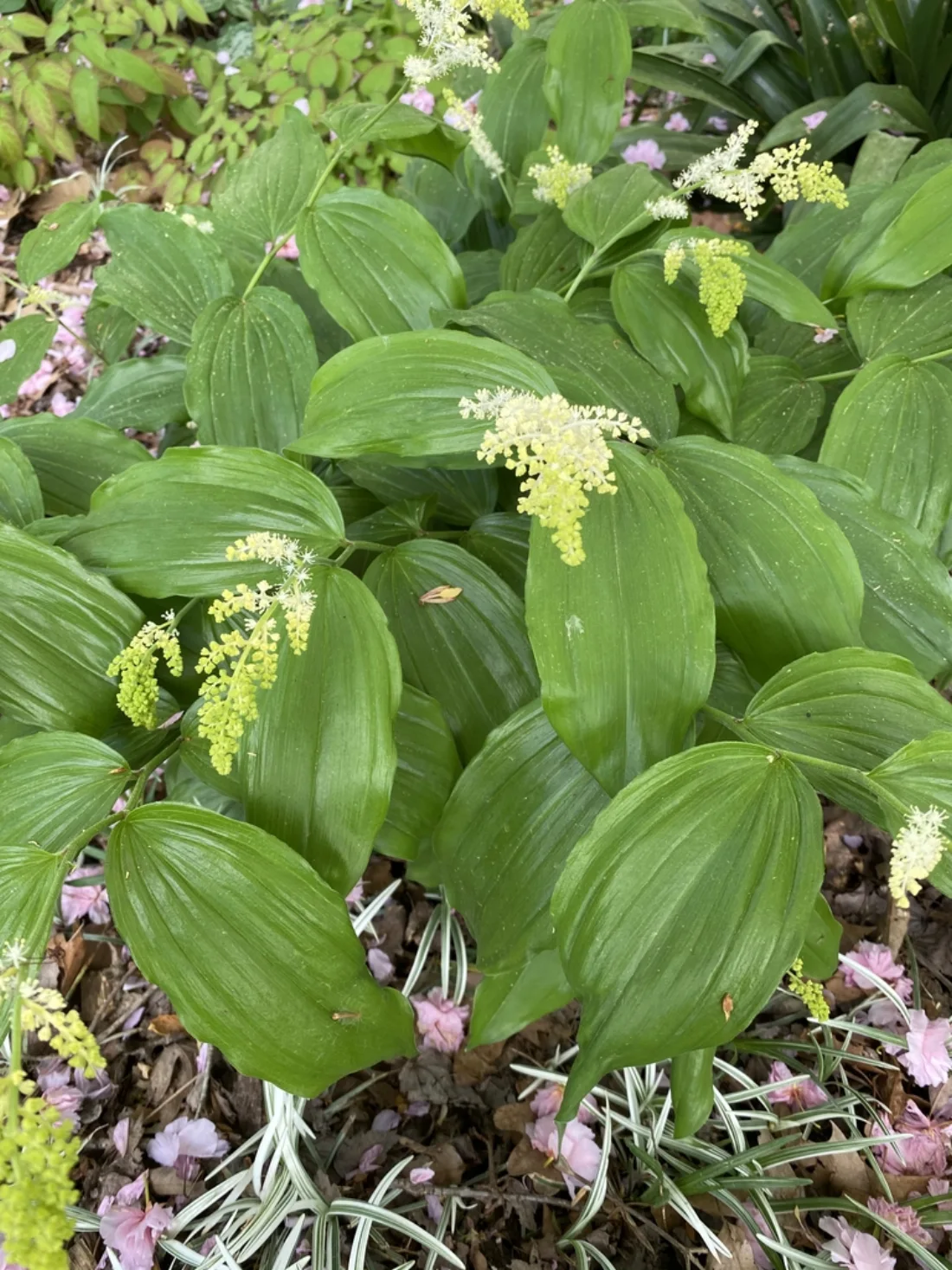
Maianthemum racemosum
Native spring flowers feed insects, followed by berries for birds and small mammals.
Instead of fragrant hosta
Meet this plantPhoto: Kathy Sill · CC BY 4.0
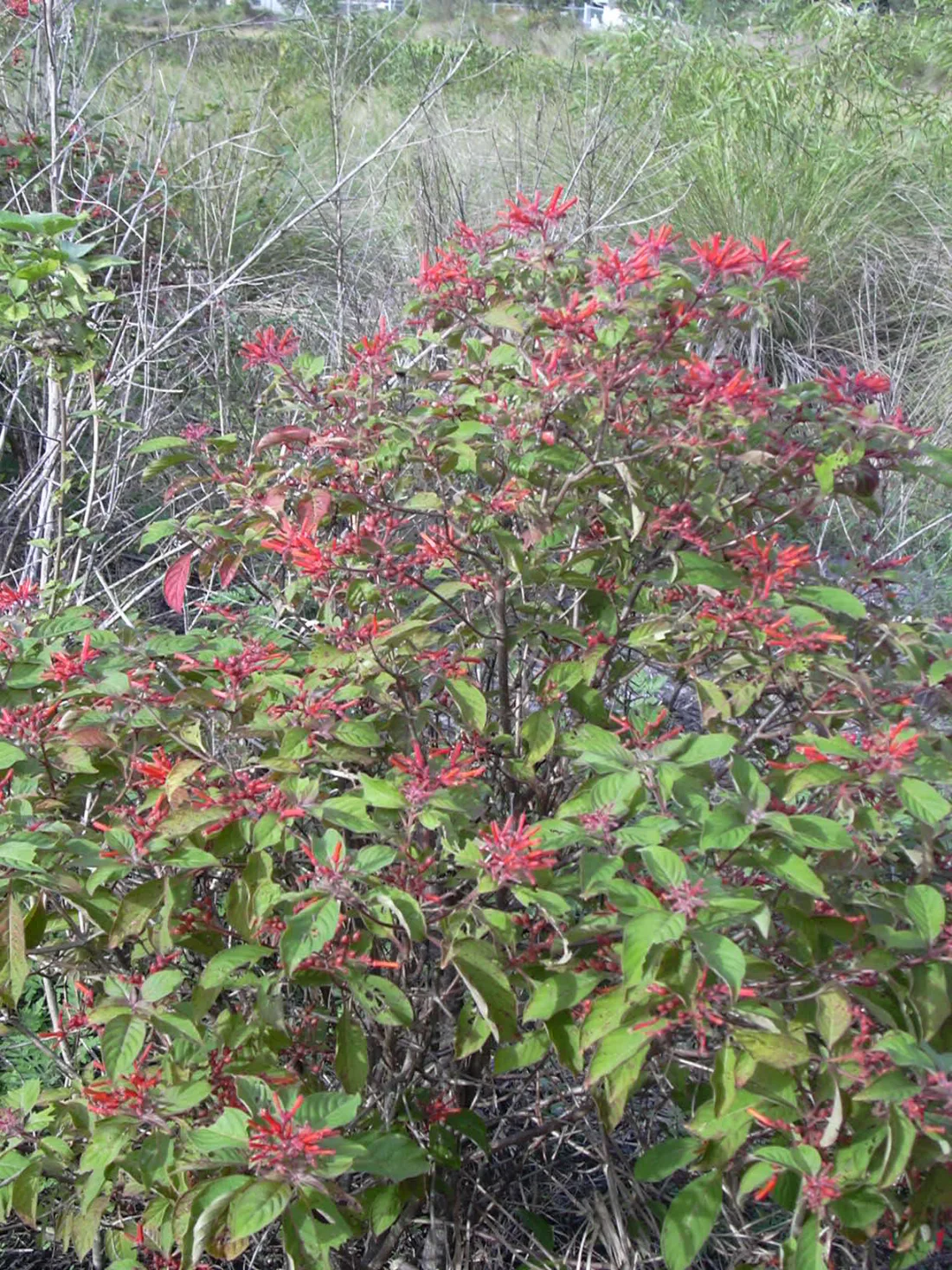
Hamelia patens
Red native flowers feed hummingbirds and butterflies, followed by berries for birds.
Instead of butterfly bush
Meet this plantPhoto: Forest & Kim Starr · CC BY 3.0
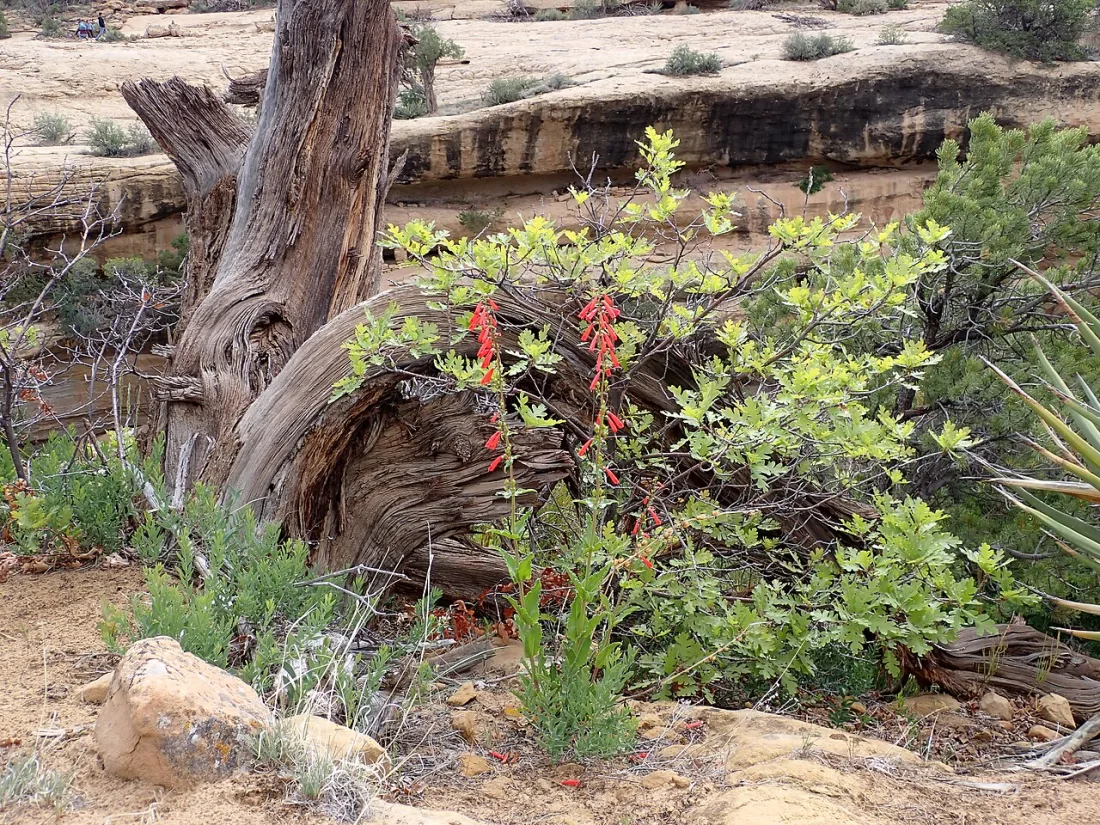
Penstemon eatonii
Native red flower tubes supply nectar for hummingbirds.
Instead of woodland sage
Meet this plantPhoto: Matt Lavin · CC BY-SA 2.0
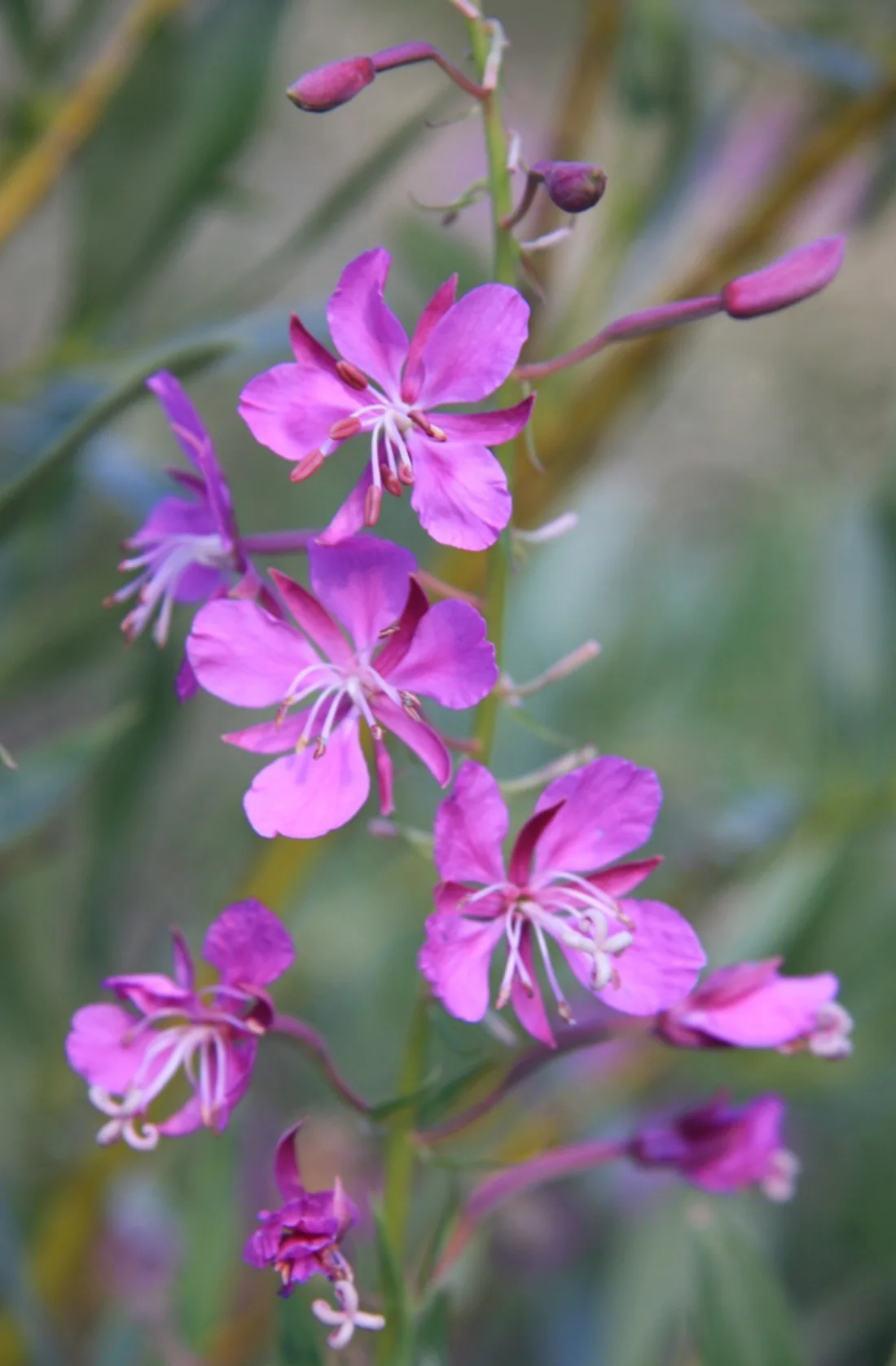
Epilobium angustifolium
Native flowers feed bees, and the foliage supports moth and butterfly caterpillars.
Instead of woodland sage
Meet this plant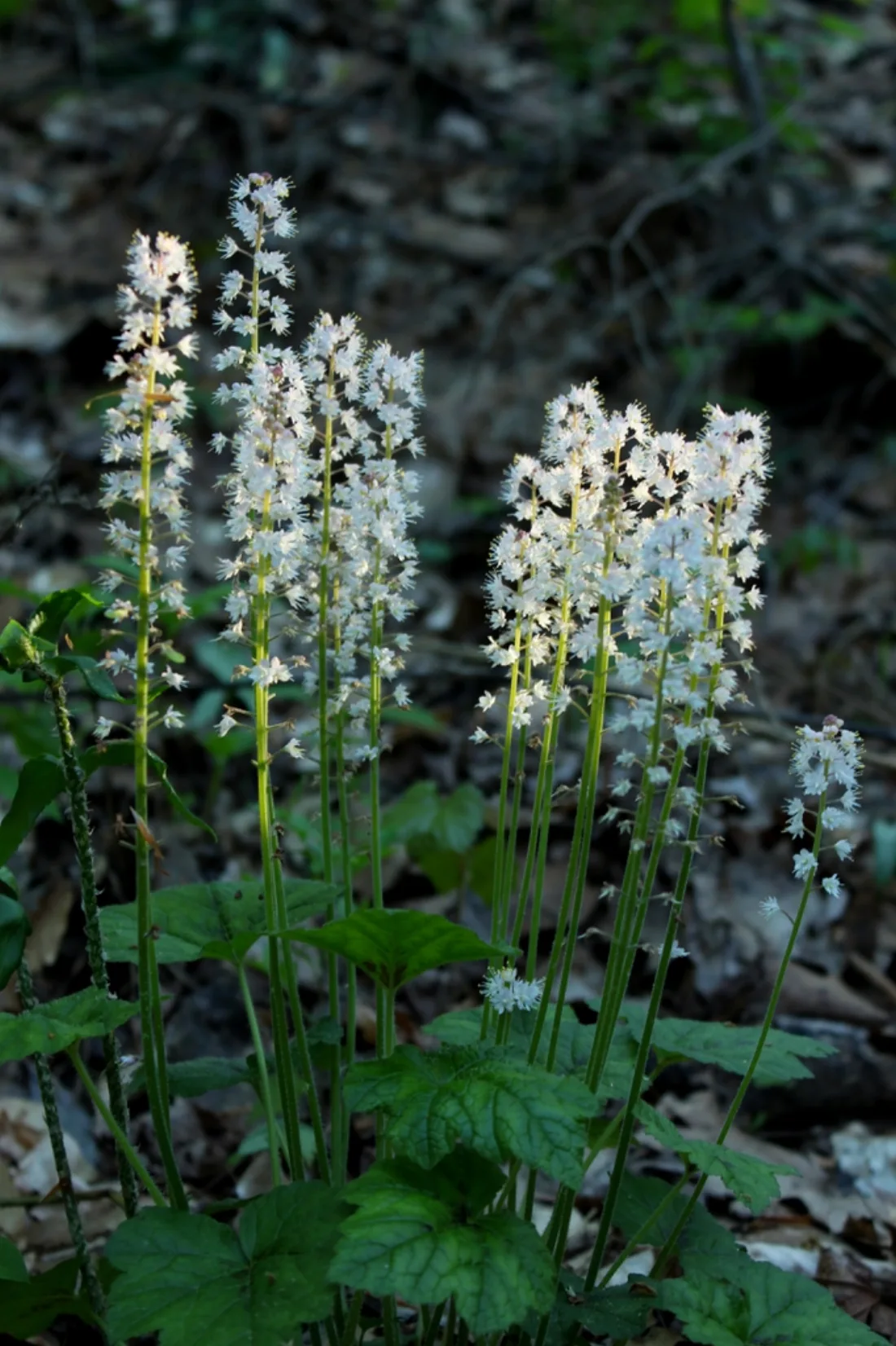
Tiarella cordifolia
Foamy spring flowers bring bees and other pollinators to the shady parts of your garden.
Instead of fragrant hosta
Meet this plantPhoto: Tiarella cordifolia · CC BY-SA 4.0
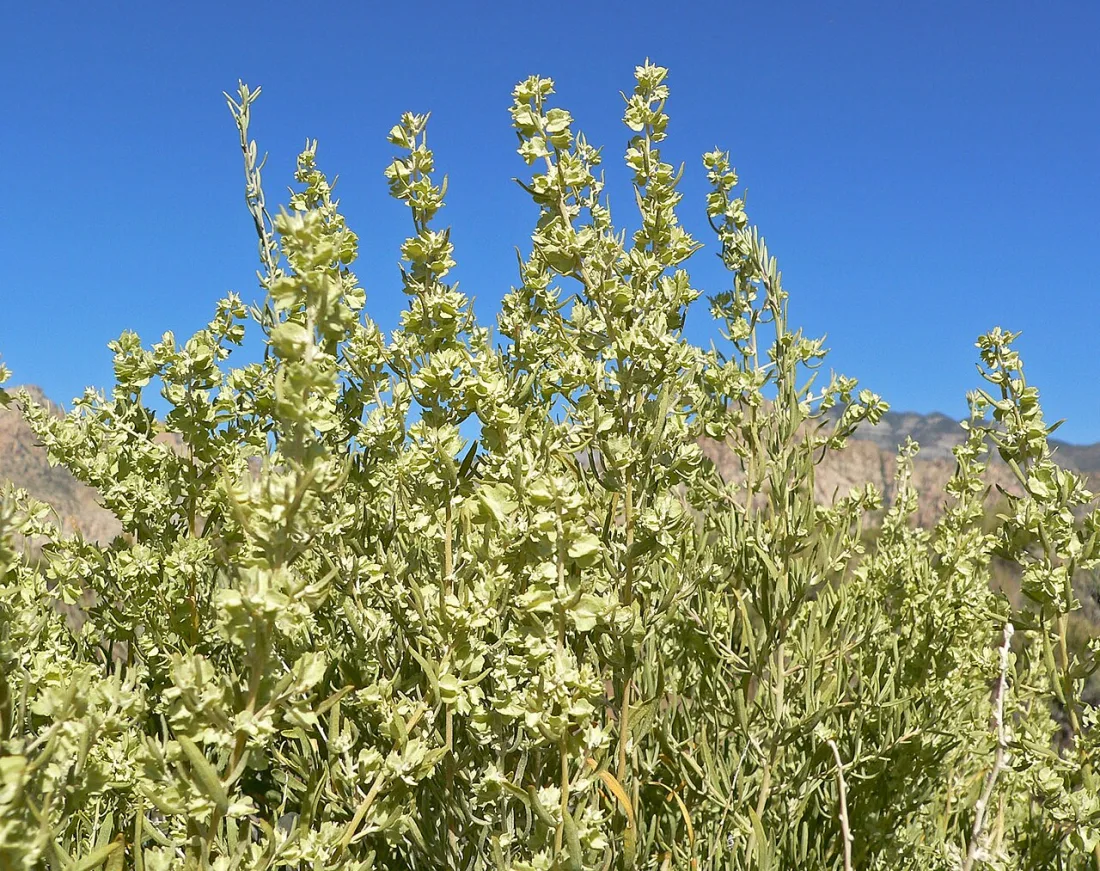
Atriplex canescens
Native roots help hold soil while the shrub provides wildlife food and cover.
Instead of japanese pittosporum
Meet this plantPhoto: Stan Shebs · CC BY-SA 3.0
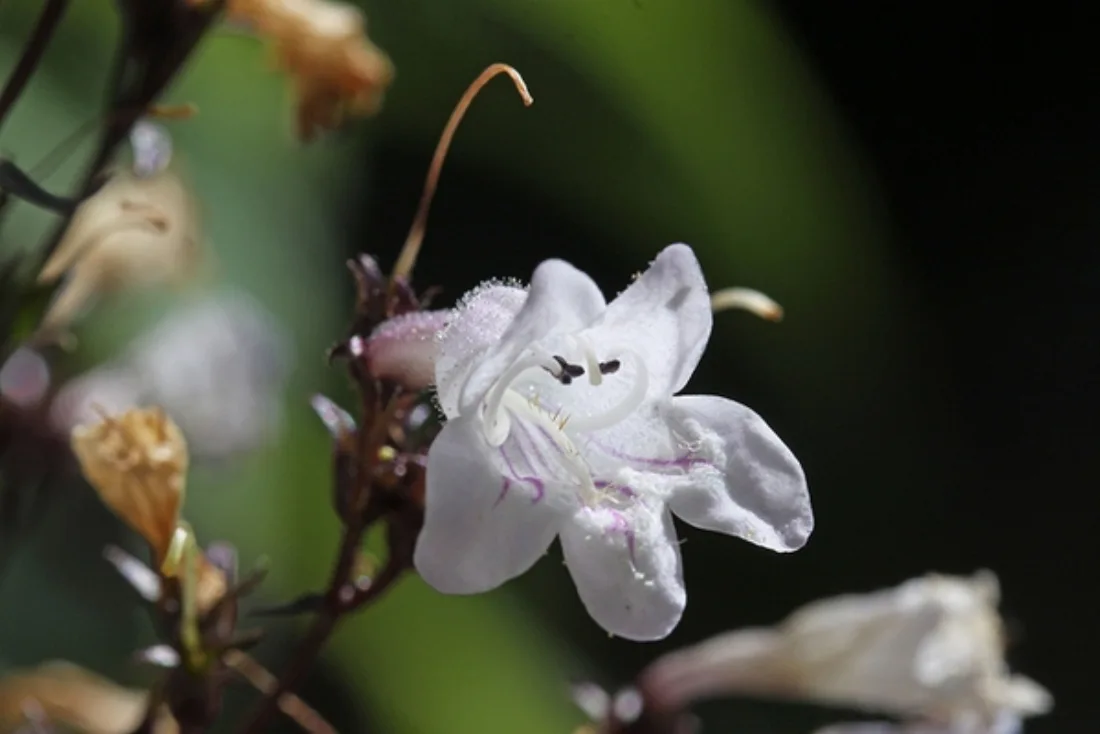
Penstemon digitalis
White tubular flowers provide nectar for bees, hummingbirds, and other visiting pollinators.
Instead of woodland sage
Meet this plantPhoto: Andrey-Zharkikh · CC BY 4.0
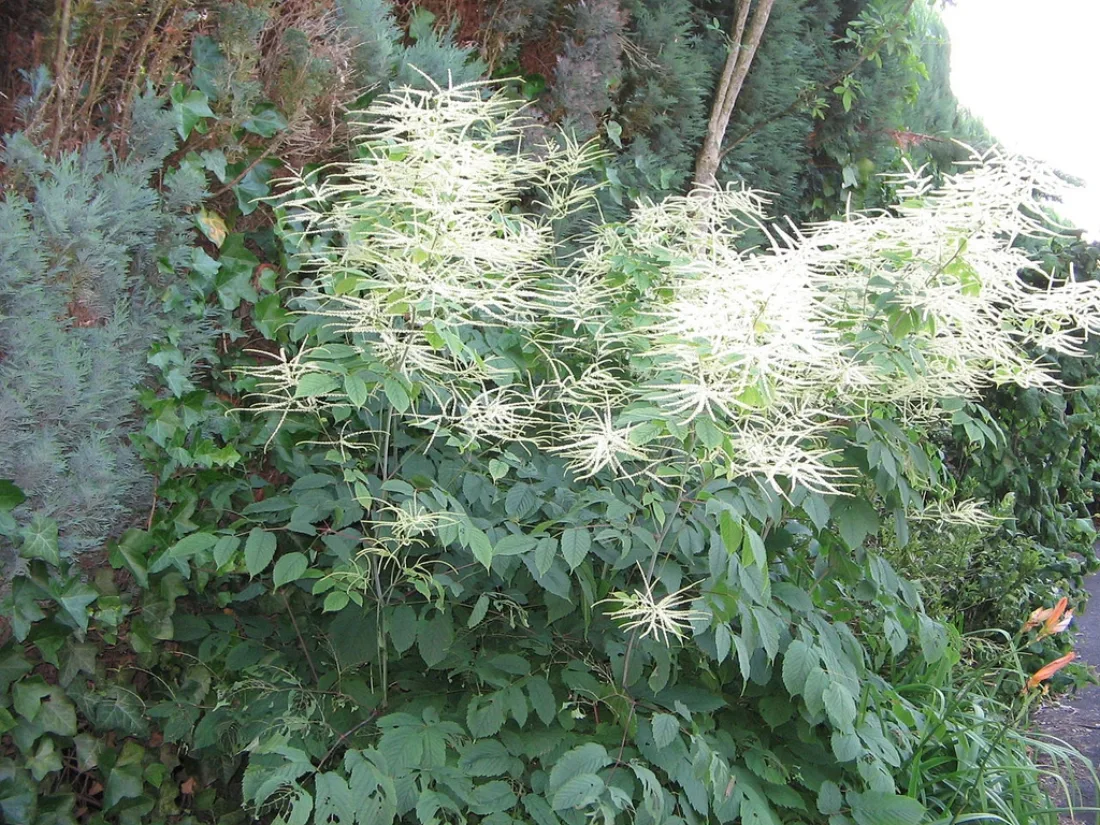
Aruncus dioicus
Native flower plumes attract pollinators, and the foliage feeds dusky azure caterpillars.
Instead of japanese spirea
Meet this plantPhoto: Meneekre bloem · CC BY-SA 4.0
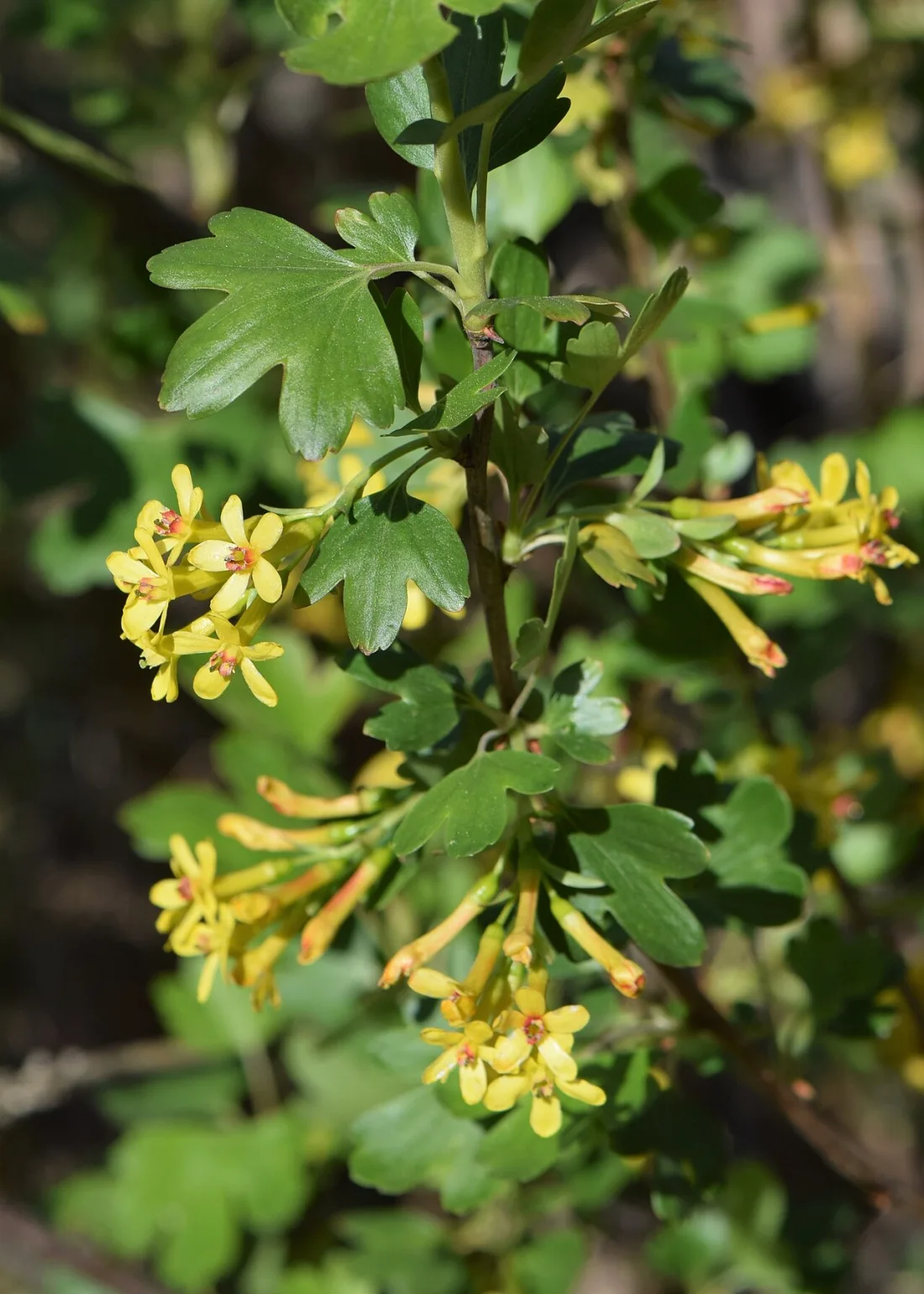
Ribes aureum
Native spring flowers are followed by fruit for birds and colorful autumn leaves.
Instead of border forsythia
Meet this plantPhoto: Krzysztof Ziarnek, Kenraiz · CC BY-SA 4.0
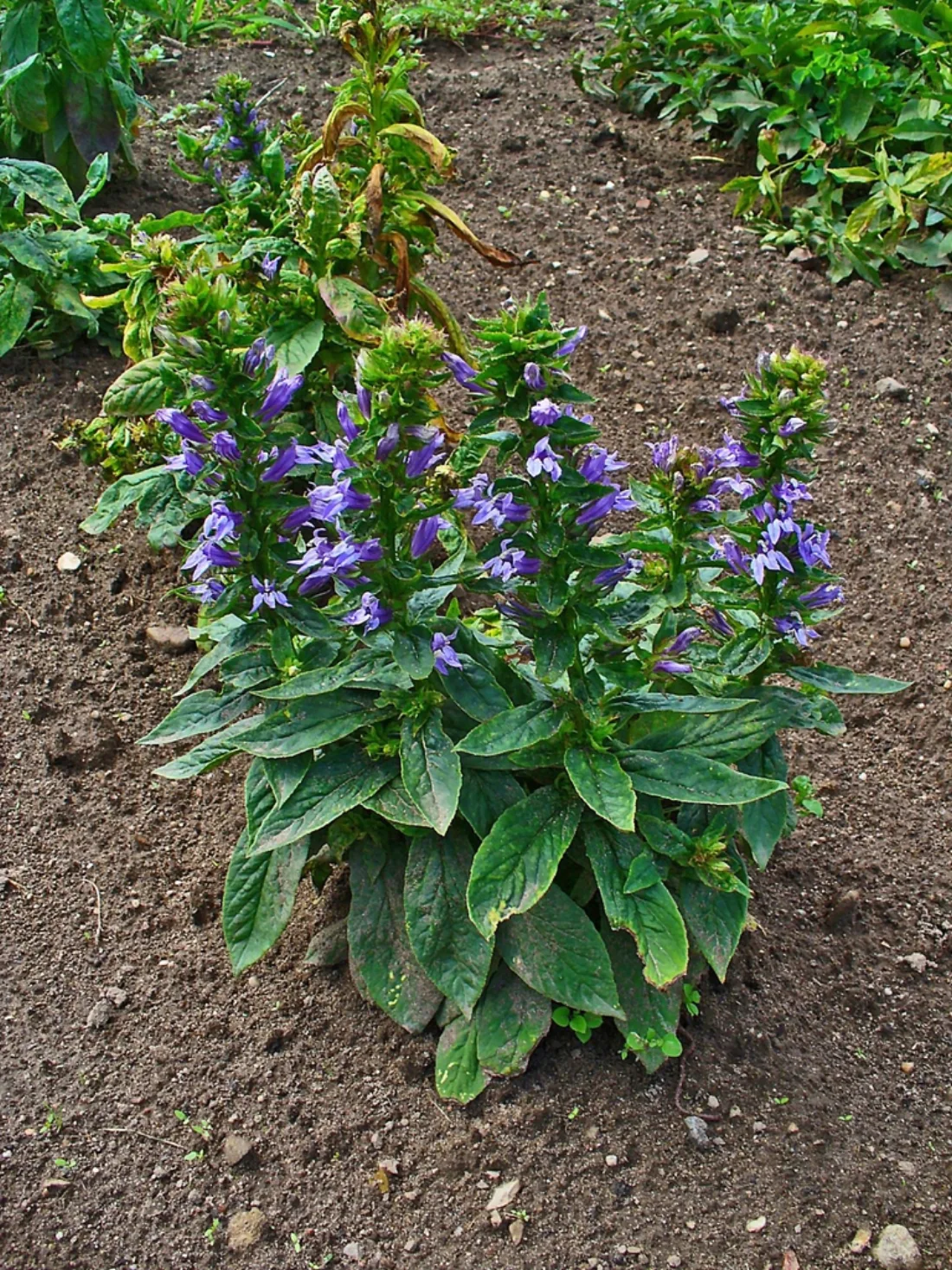
Lobelia siphilitica
Native flower tubes feed bumblebees and other long-tongued pollinators.
Instead of woodland sage
Meet this plantPhoto: H. Zell · CC BY-SA 3.0
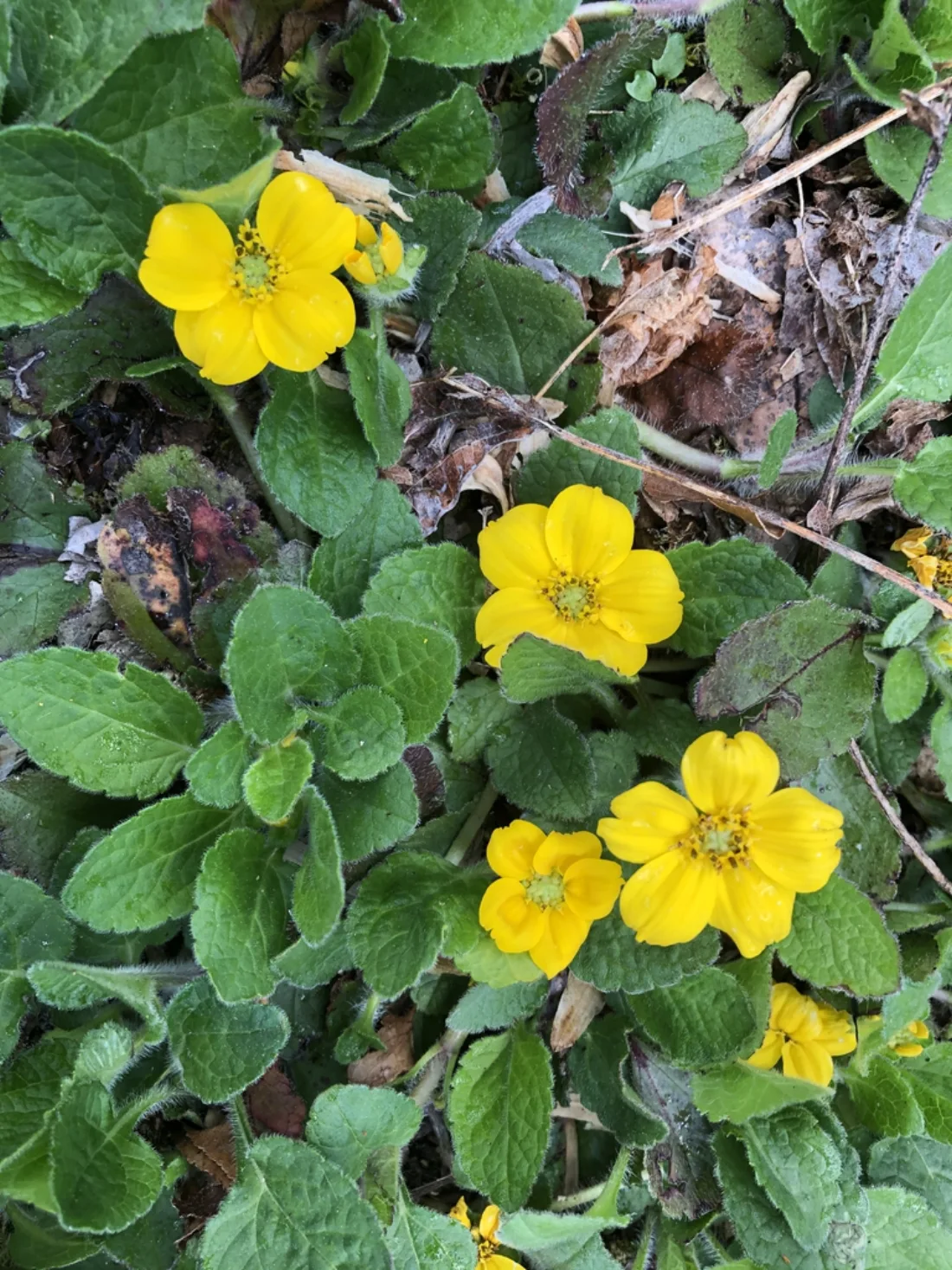
Chrysogonum virginianum
Yellow native flowers feed bees and butterflies, while the seeds provide food for songbirds.
Instead of bugleweed
Meet this plantPhoto: Patty Felder · CC BY 4.0
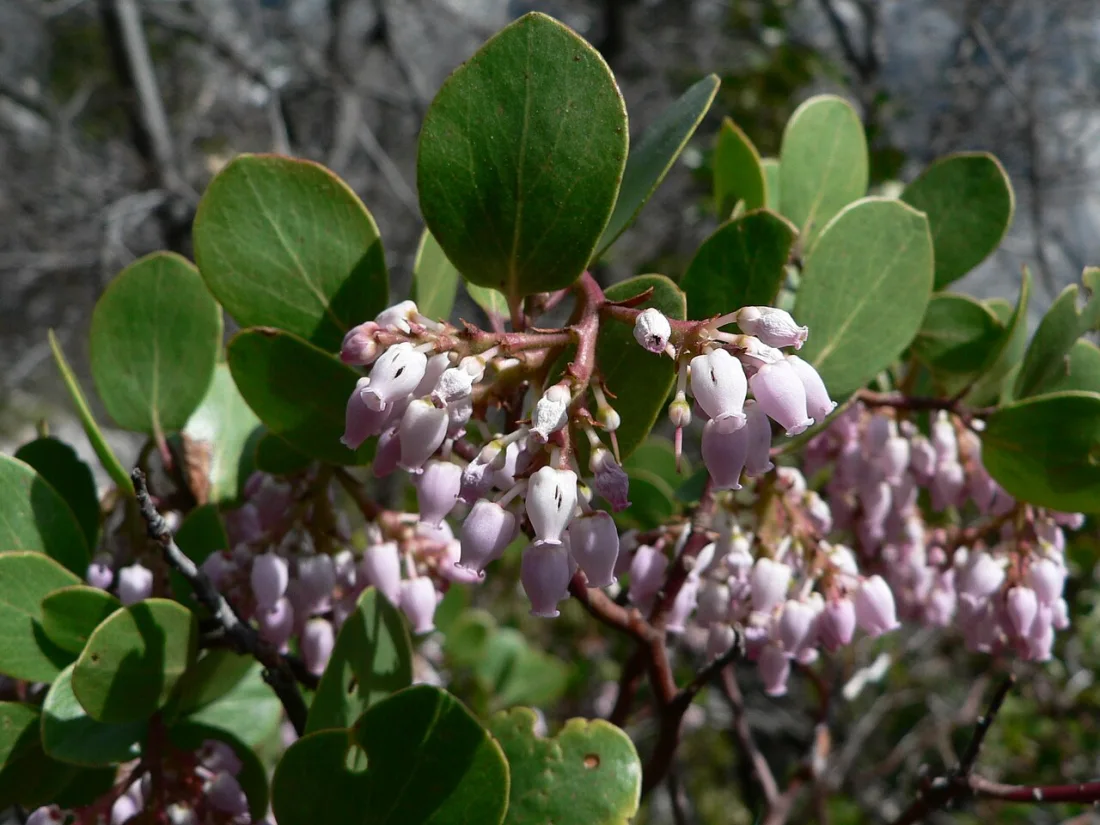
Arctostaphylos patula
Native evergreen foliage, pink-white flowers, and red bark add interest without frequent watering.
Instead of japanese pittosporum
Meet this plantPhoto: Walter Siegmund · CC BY 2.5
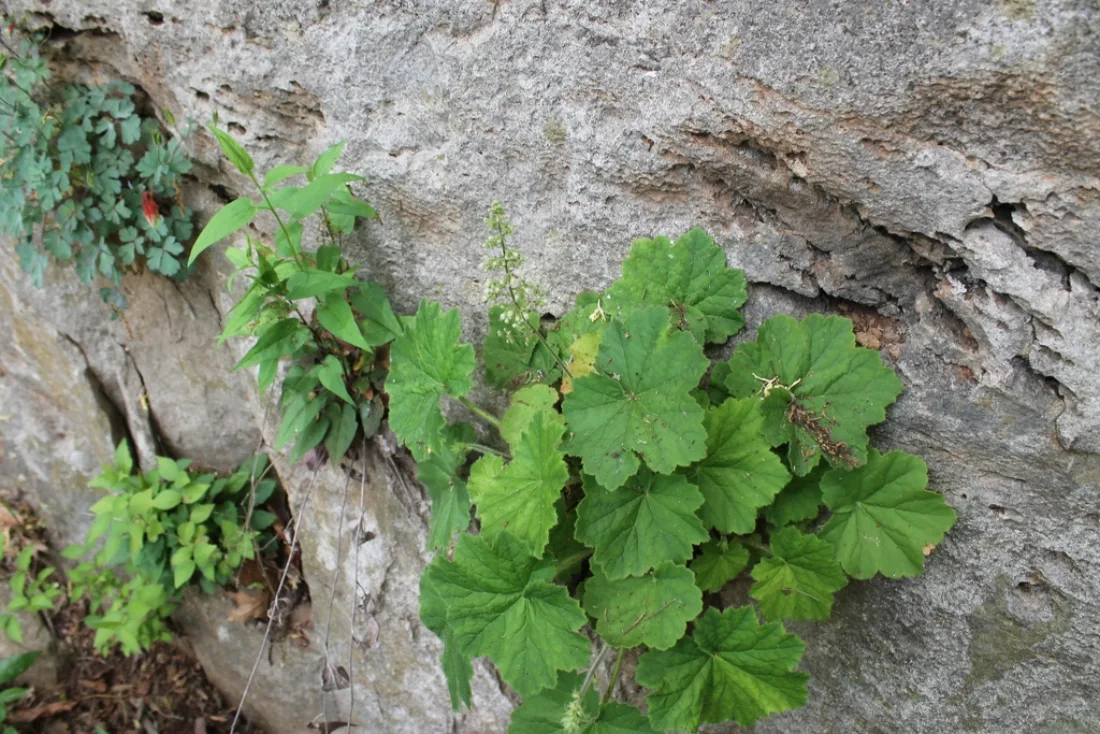
Heuchera villosa
Late flower stalks supply nectar for bees and other pollinators above a mound of native foliage.
Instead of heartleaf bergenia
Meet this plant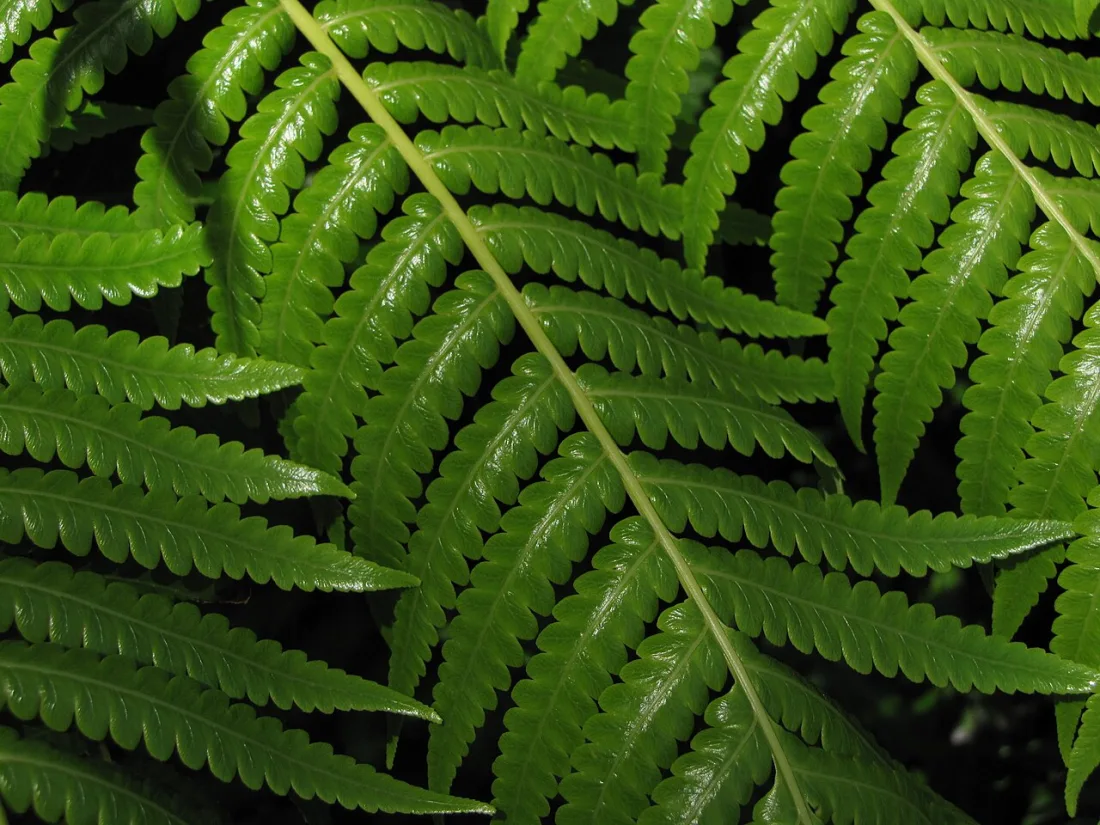
Cibotium menziesii
Large native fronds add understory structure and help protect shaded soil.
Instead of australian tree fern
Meet this plantPhoto: Forest and Kim Starr · CC BY 3.0 us
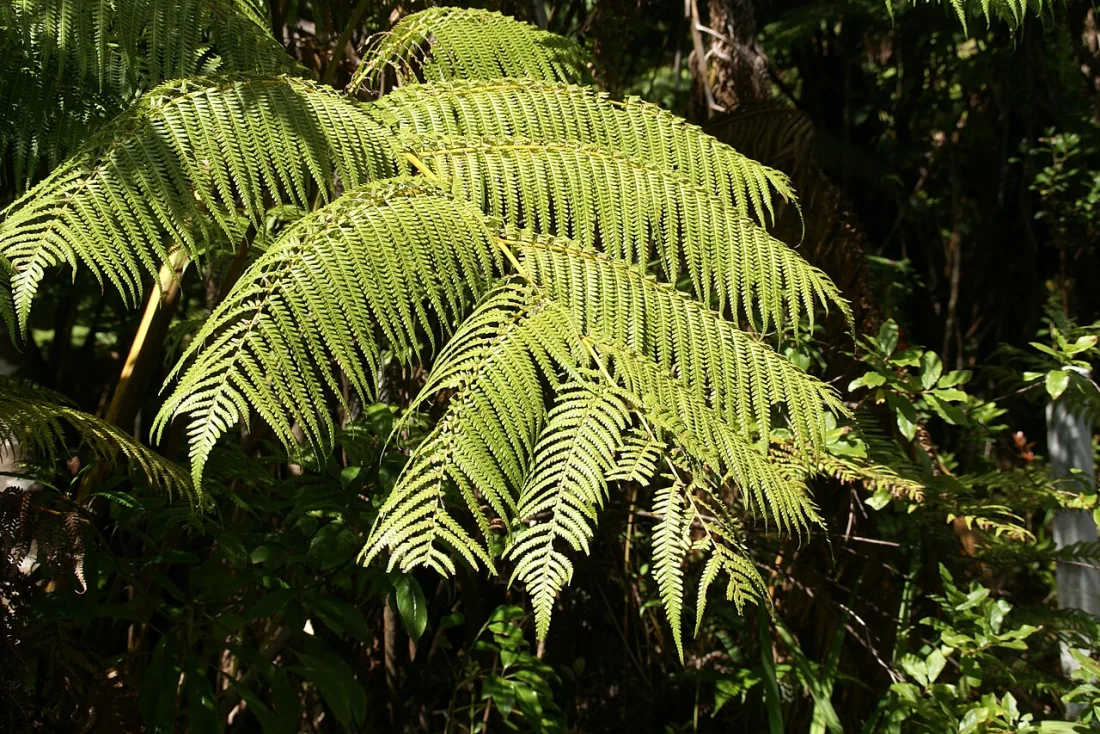
Cibotium glaucum
A native tree fern adds an understory canopy and helps control erosion.
Instead of australian tree fern
Meet this plantPhoto: Hermann Luyken · CC0
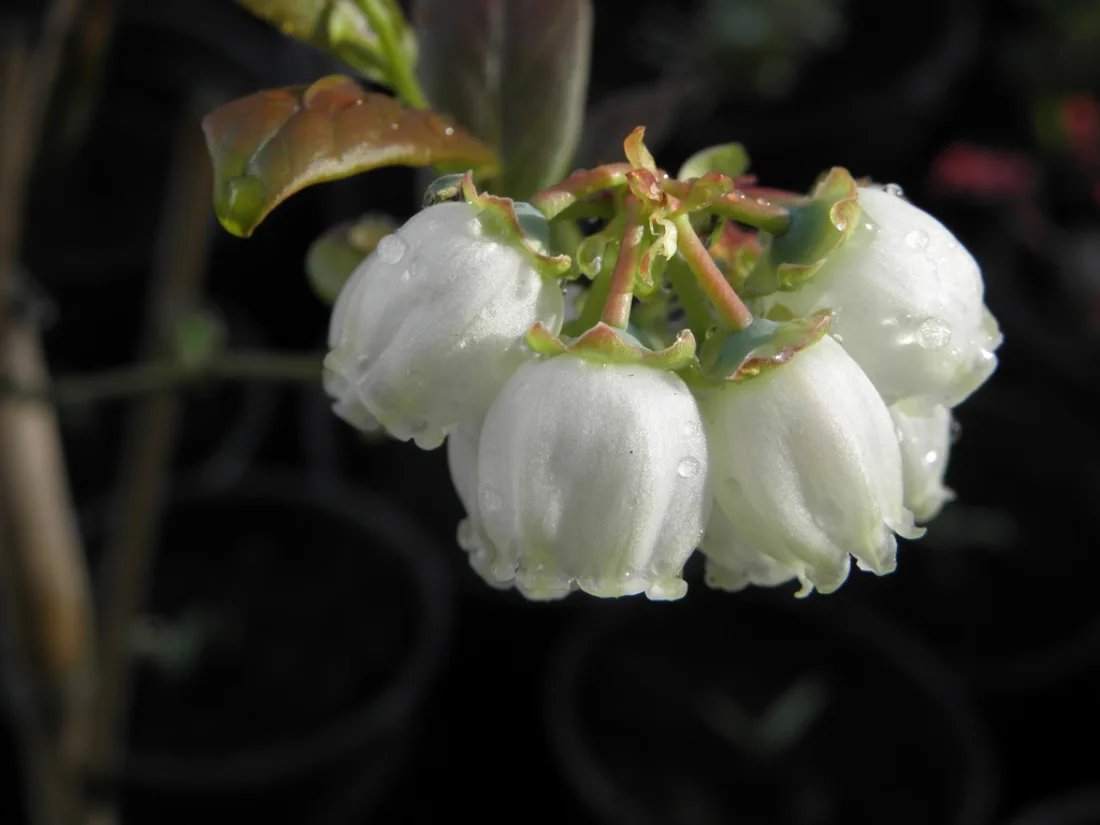
Vaccinium corymbosum
Native flowers feed bees, and berries feed a wide range of birds and mammals.
Instead of burning bush
Meet this plantPhoto: Rob Hille · CC BY-SA 3.0
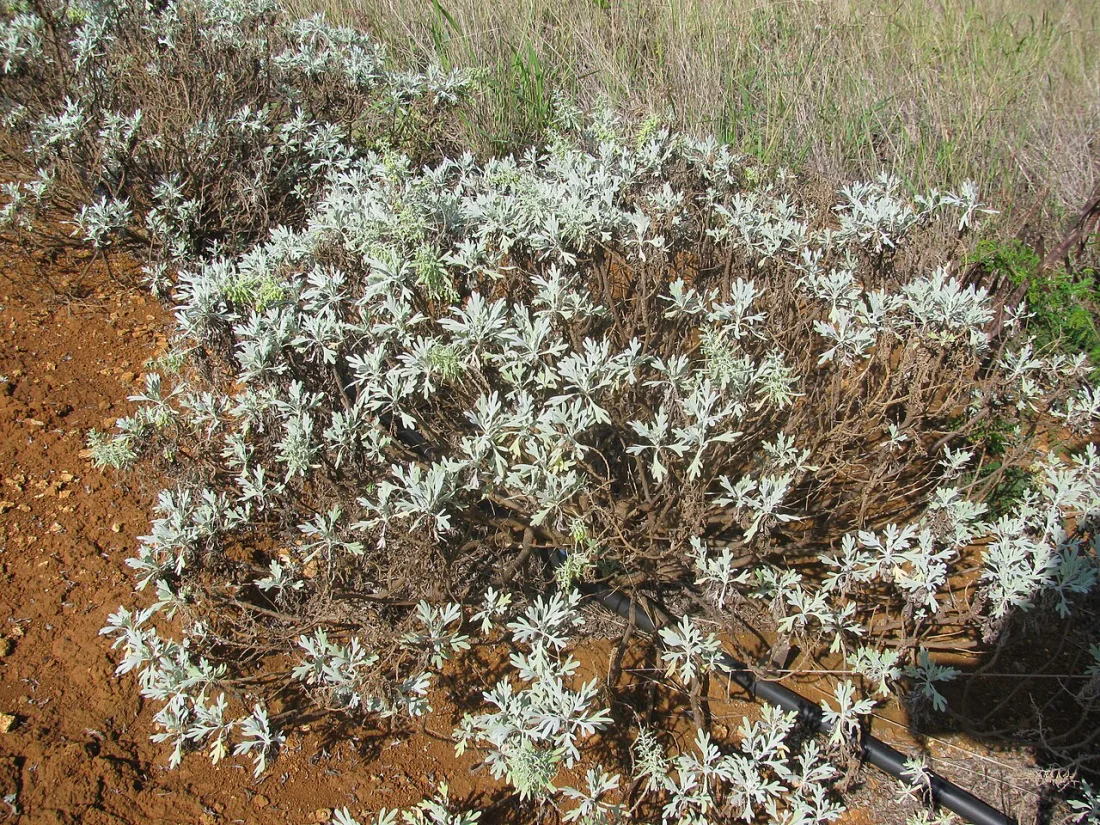
Artemisia australis
Silver Hawaiian foliage adds contrast to a dry border with little irrigation.
Instead of dusty miller
Meet this plantPhoto: Forest and Kim Starr · CC BY 3.0 us
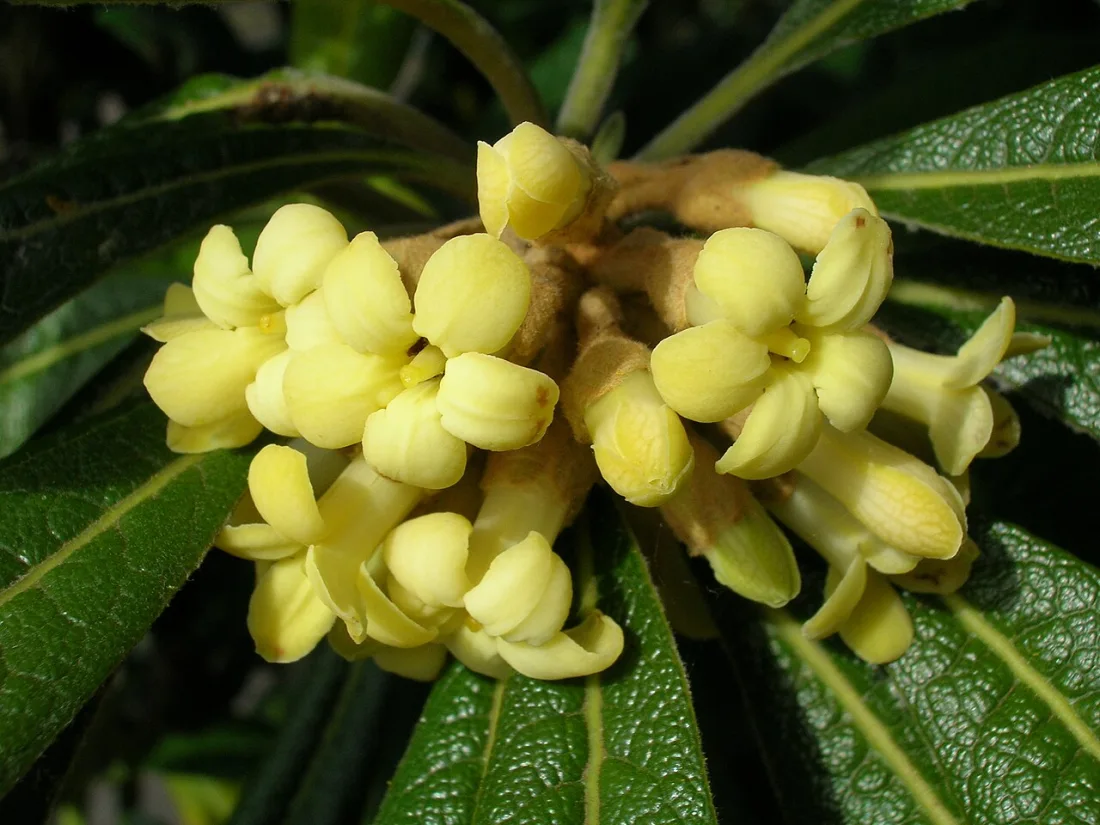
Pittosporum confertiflorum
Textured native foliage provides an evergreen focal point or screen.
Instead of japanese pittosporum
Meet this plantPhoto: Forest & Kim Starr · CC BY 3.0
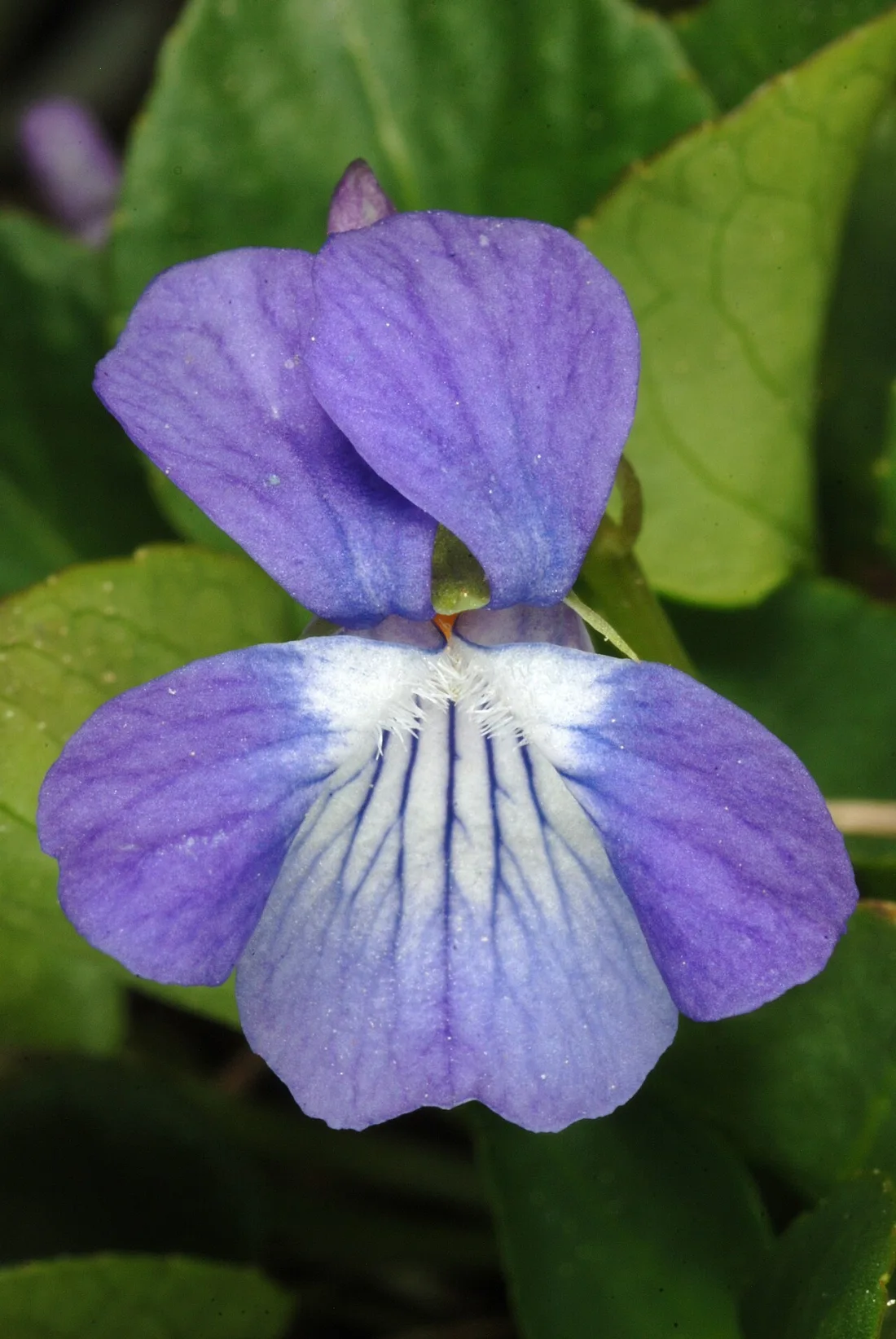
Viola adunca
Native leaves feed fritillary caterpillars, and flowers feed bumblebees and butterflies.
Instead of bugleweed
Meet this plantPhoto: DouglasGoldman · CC BY-SA 4.0
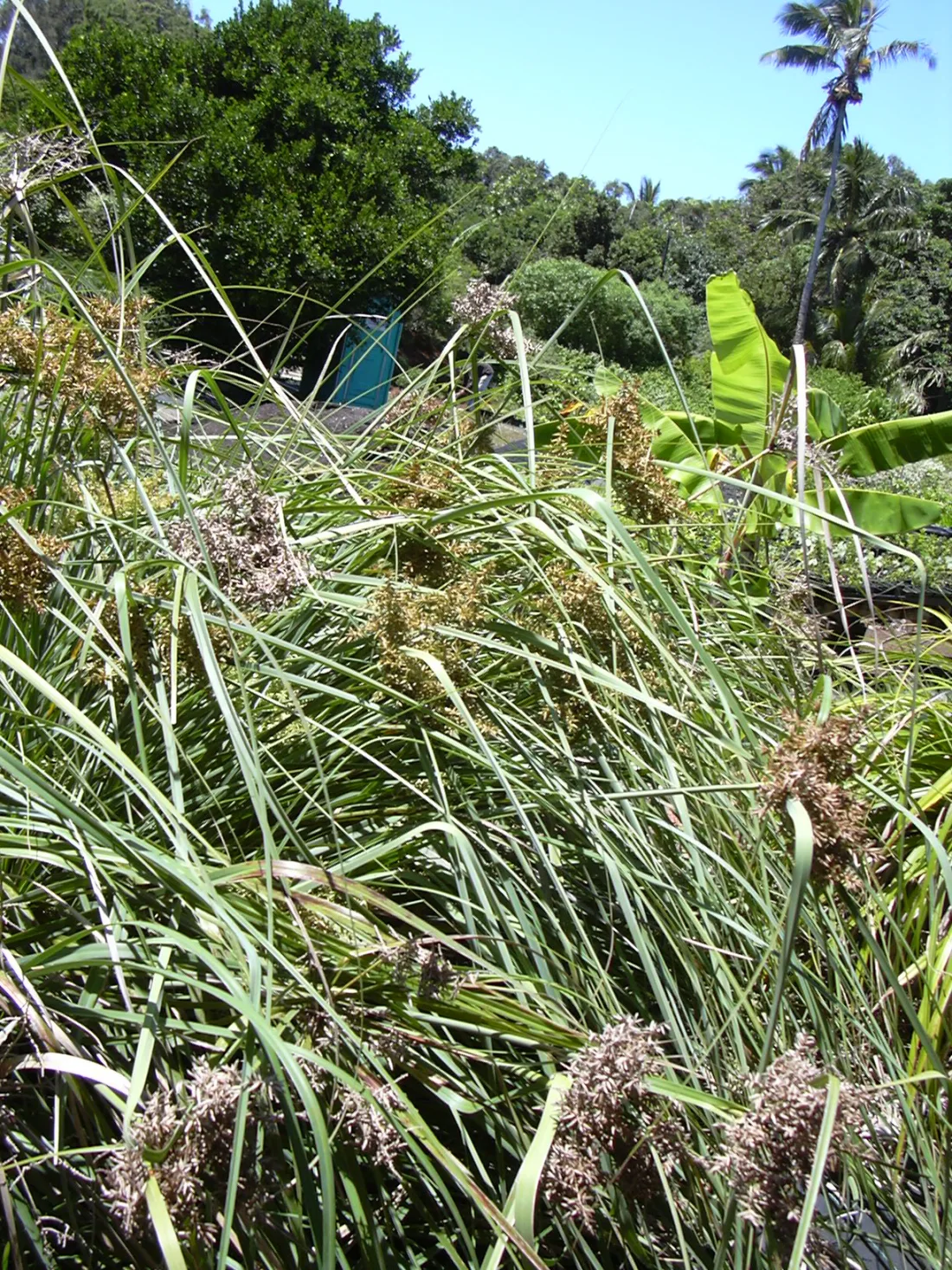
Cyperus javanicus
Native waterfowl use this flood-tolerant sedge for food, shelter, and nesting material.
Instead of umbrella sedge
Meet this plantPhoto: Forest & Kim Starr · CC BY 3.0
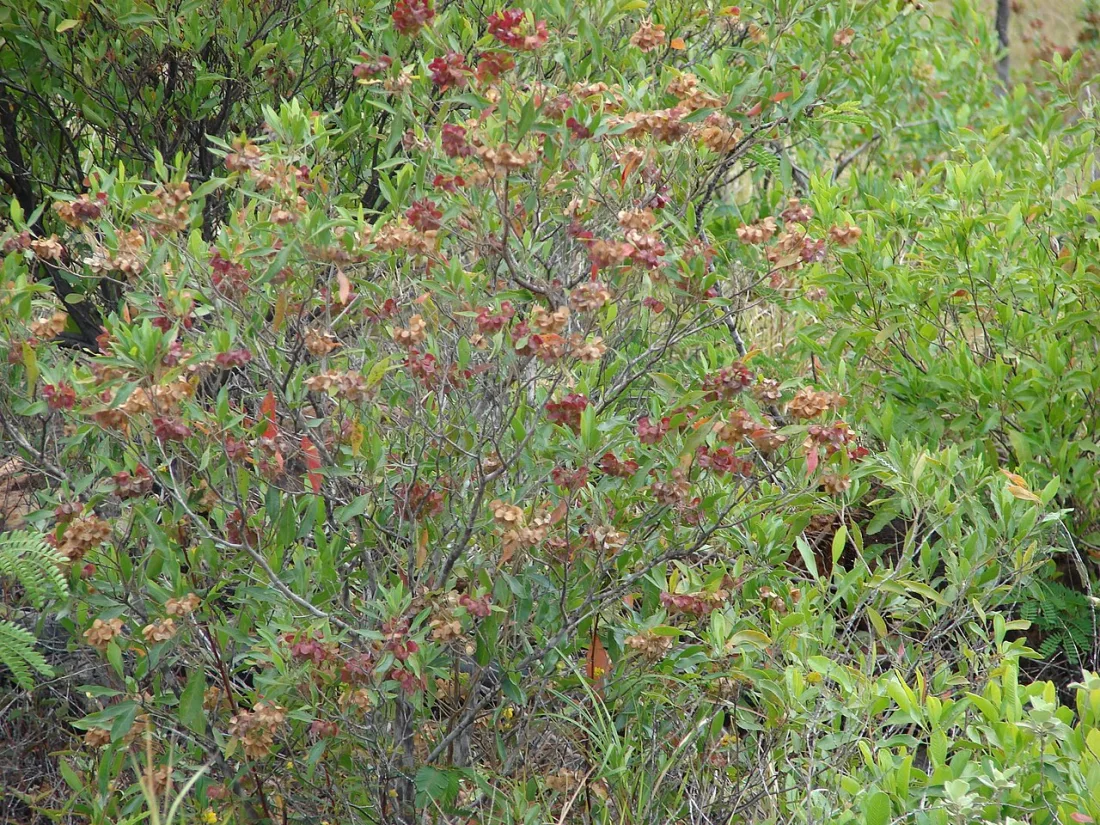
Dodonaea viscosa
A locally sourced Hawaiian shrub restores native evergreen structure to a sunny garden.
Instead of heavenly bamboo
Meet this plantPhoto: Forest & Kim Starr · CC BY 3.0
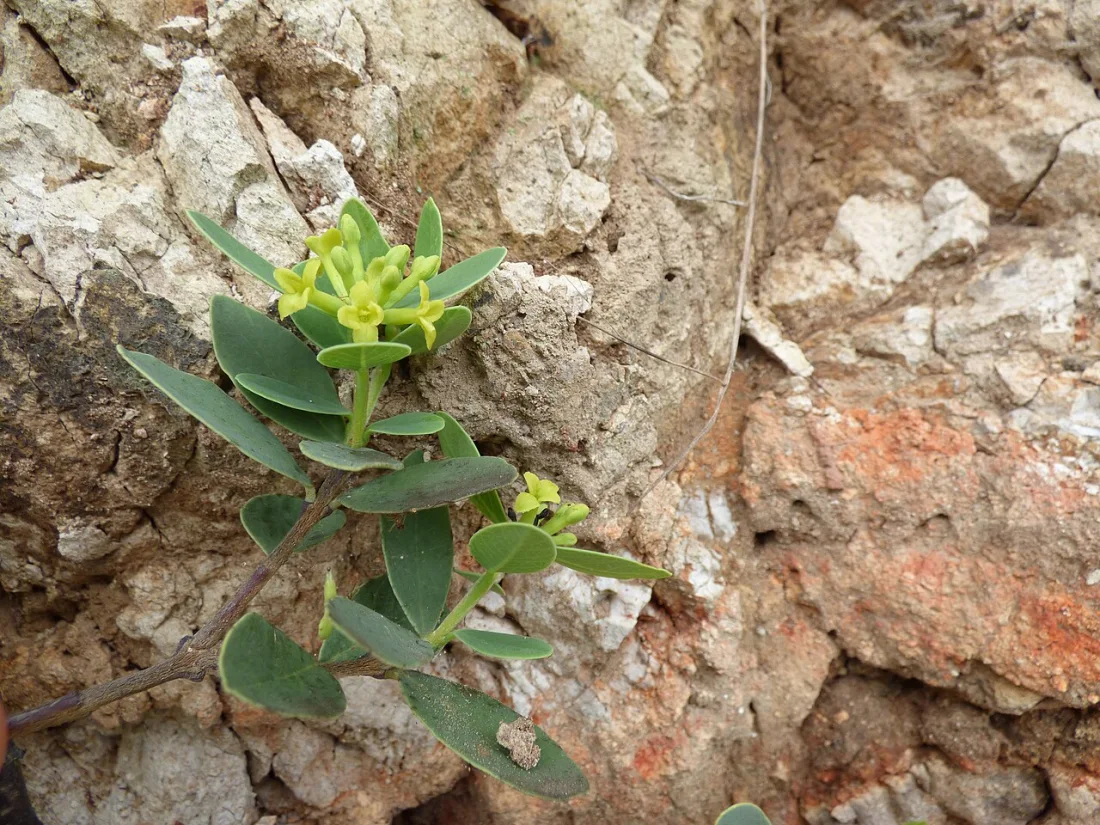
Wikstroemia uva-ursi
Colorful fruit and native foliage bring interest to a dry garden with little irrigation.
Instead of heavenly bamboo
Meet this plantPhoto: Forest and Kim Starr · CC BY 3.0 us
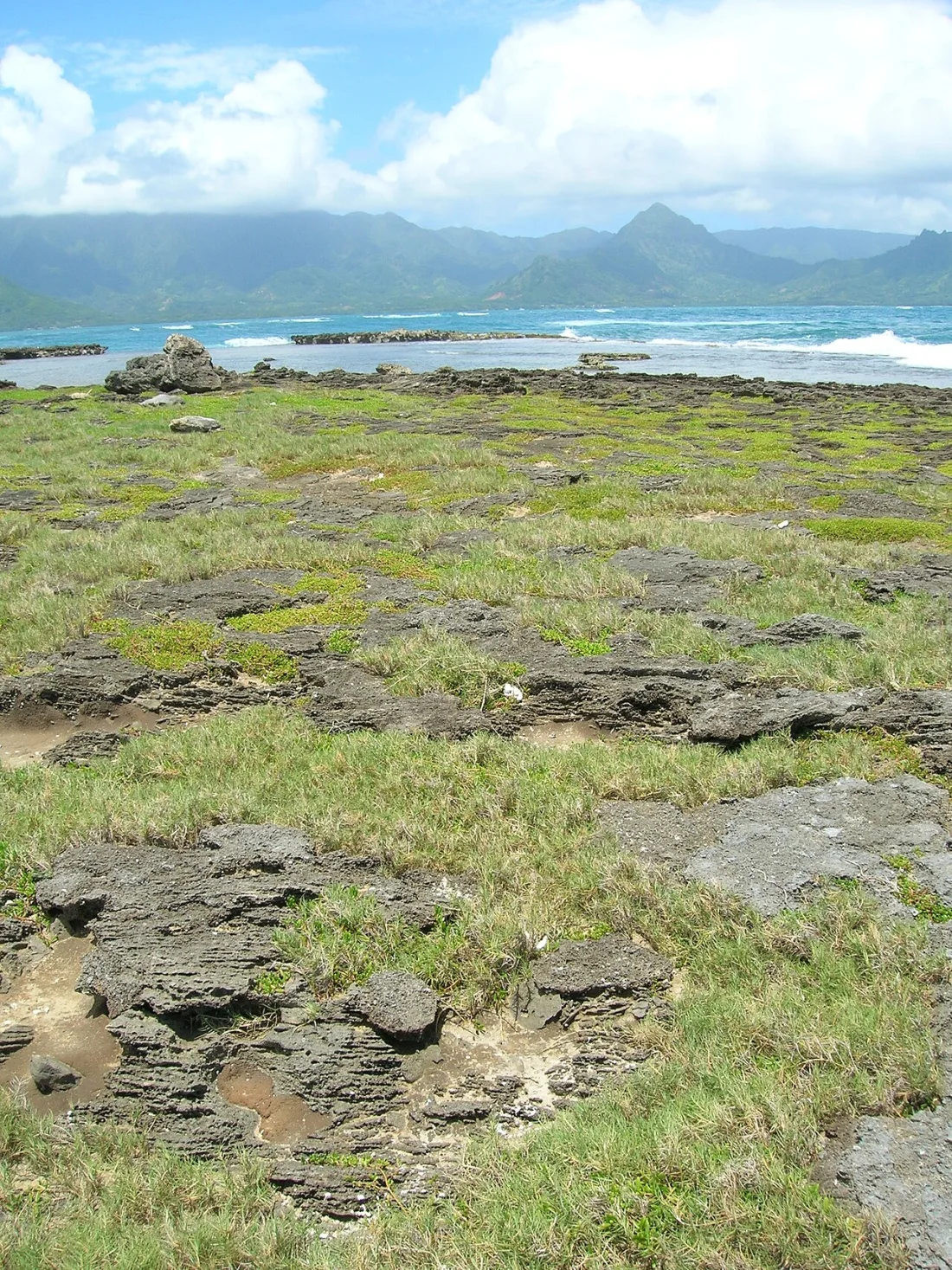
Sporobolus virginicus
Spreading native grass helps protect exposed coastal soil.
Instead of maiden grass
Meet this plantPhoto: Forest and Kim Starr · CC BY 3.0 us
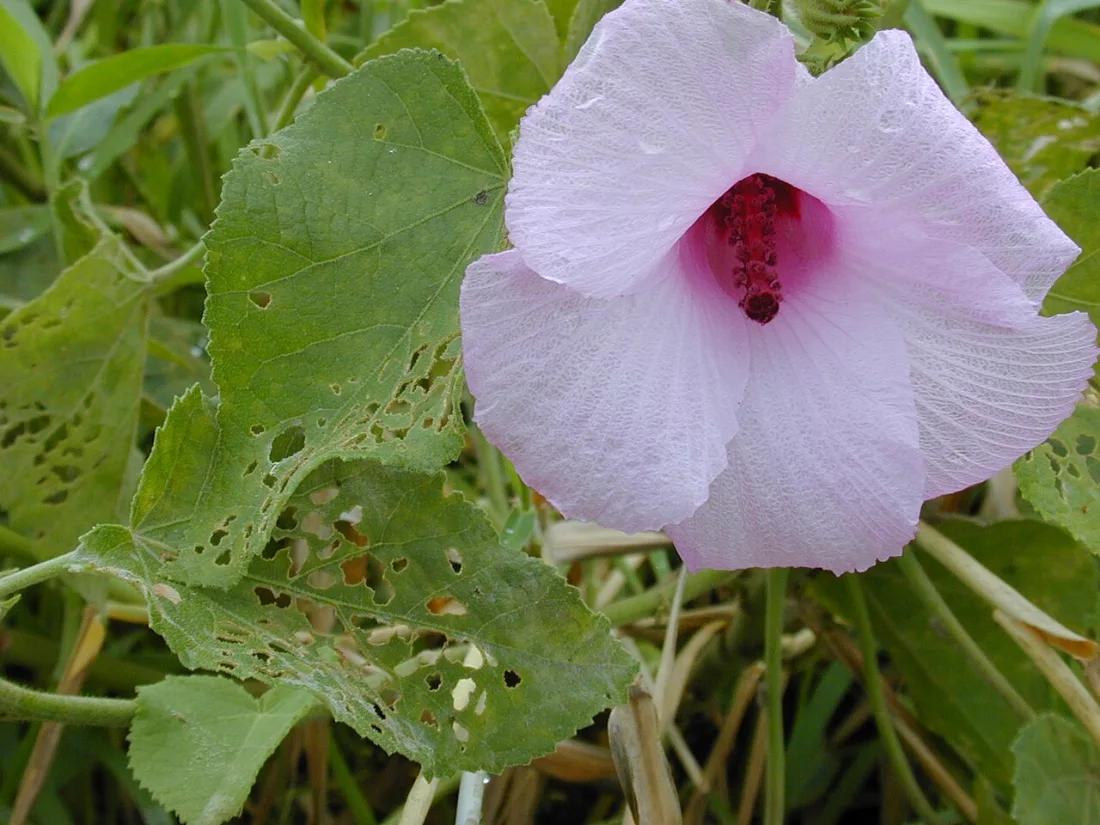
Hibiscus furcellatus
Large pink native flowers bring color to moist ground and the edges of water features.
Instead of tropical hibiscus
Meet this plantPhoto: Forest & Kim Starr · CC BY 3.0
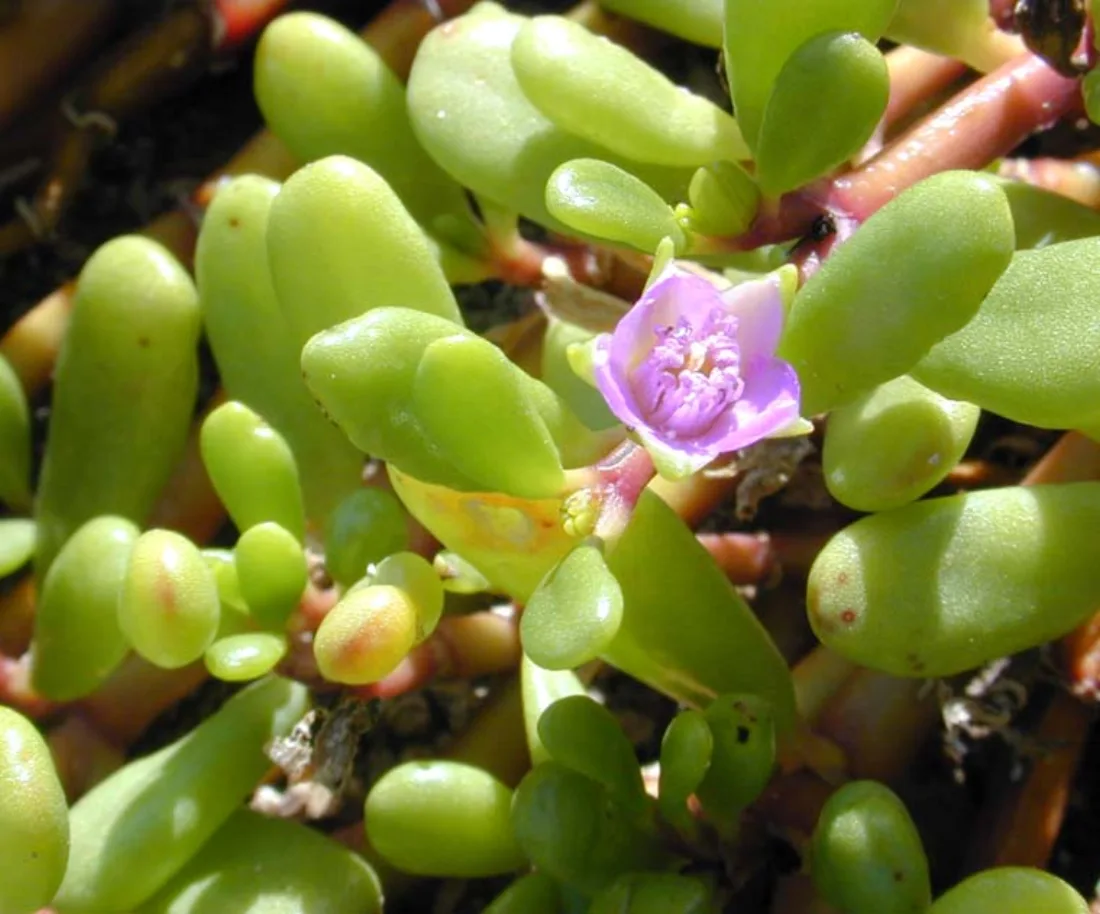
Sesuvium portulacastrum
Salt-tolerant native groundcover protects soil in coastal gardens.
Instead of treasure flower
Meet this plantPhoto: by Eric Guinther ( Marshman at en.wikipedia ) · CC BY-SA 3.0
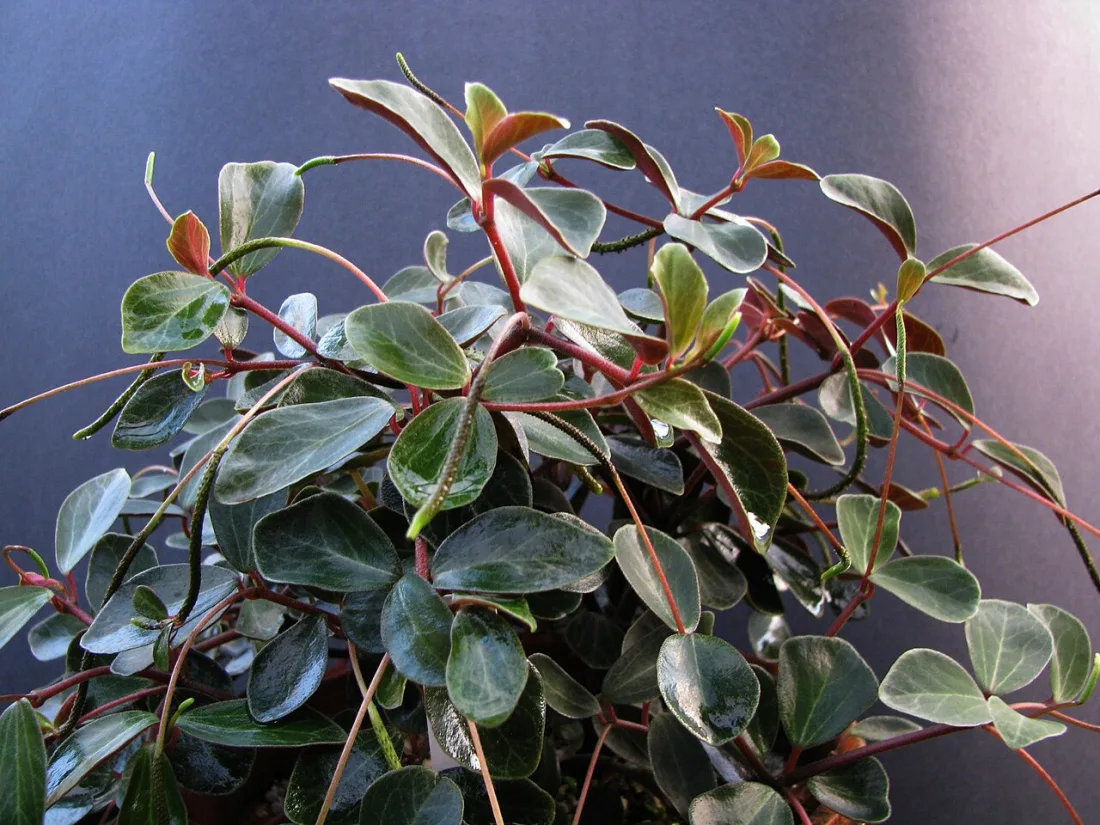
Peperomia sandwicensis
Compact Hawaiian foliage brings a native species into small, sheltered containers.
Instead of fragrant hosta
Meet this plantPhoto: David Eickhoff from Pearl City, Hawaii, USA · CC BY 2.0
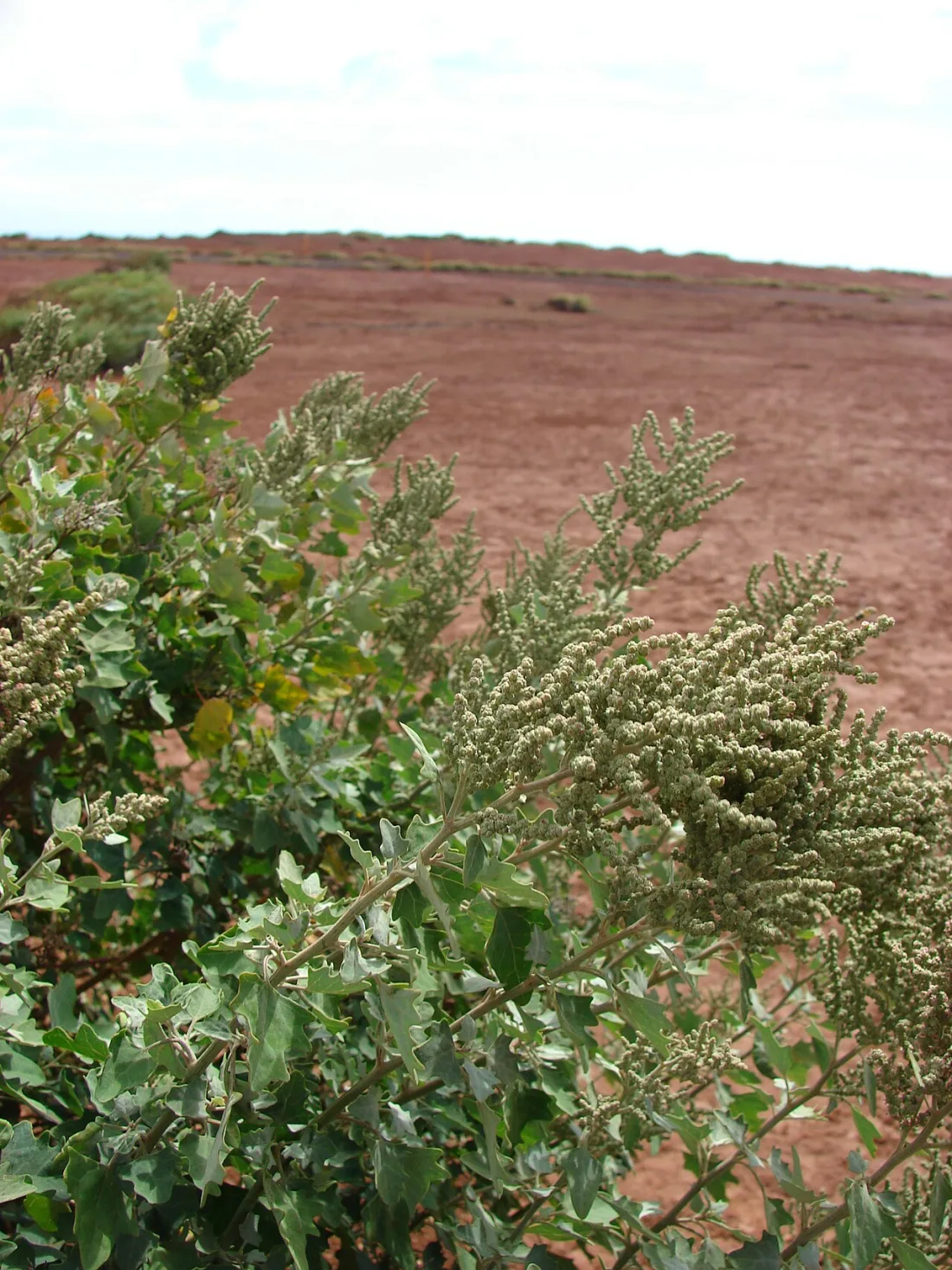
Chenopodium oahuense
Native foliage provides a hedge or groundcover adapted to dry coastal conditions.
Instead of japanese pittosporum
Meet this plantPhoto: Forest & Kim Starr · CC BY 3.0
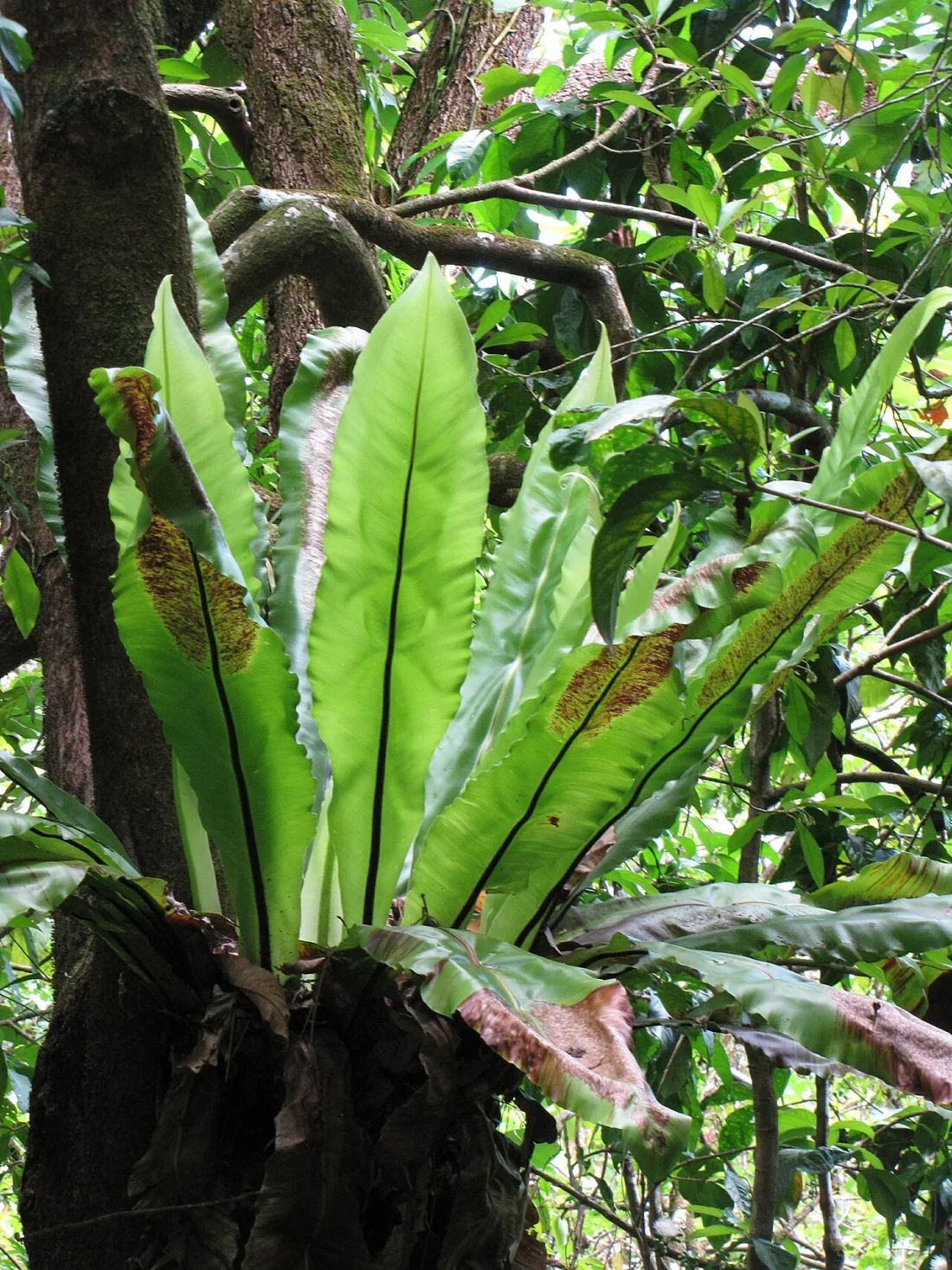
Asplenium nidus
Broad native fronds provide bold foliage beneath trees or in a sheltered container.
Instead of japanese holly fern
Meet this plantPhoto: Forest and Kim Starr · CC BY 3.0 us
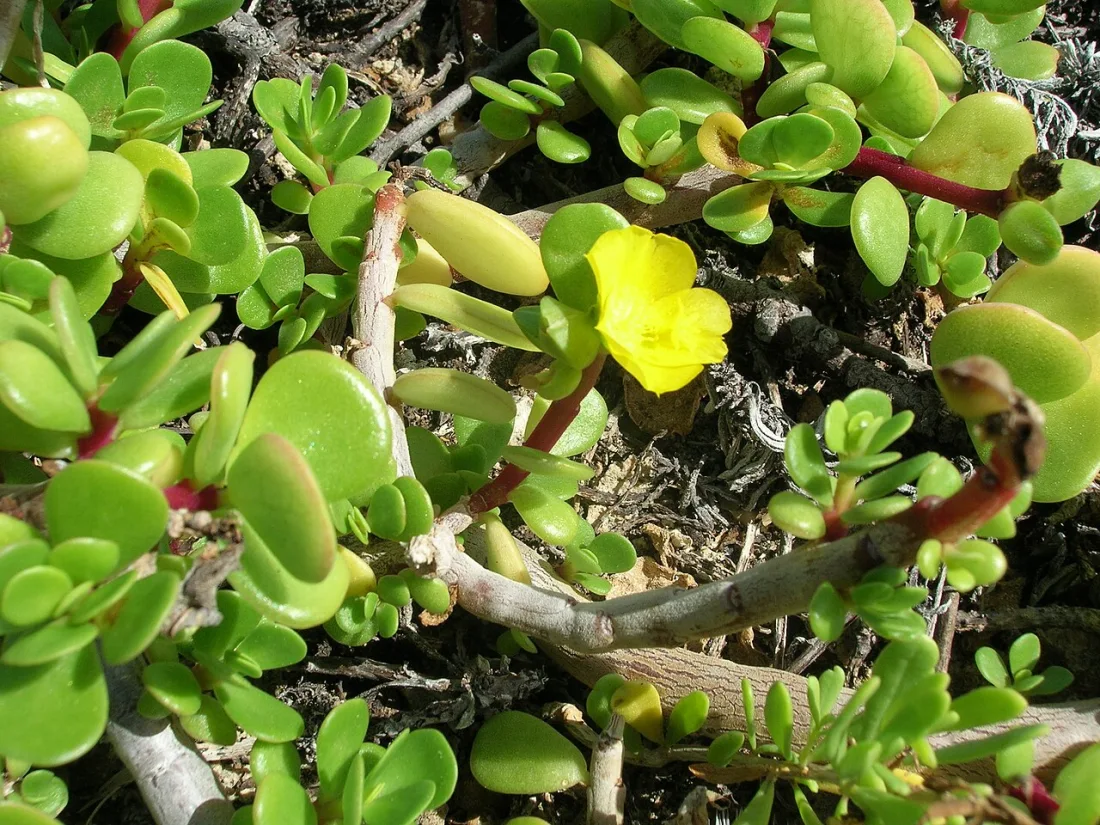
Portulaca lutea
This native succulent tolerates dry, windy sites and needs little water once established.
Instead of treasure flower
Meet this plantPhoto: Forest and Kim Starr · CC BY 3.0 us
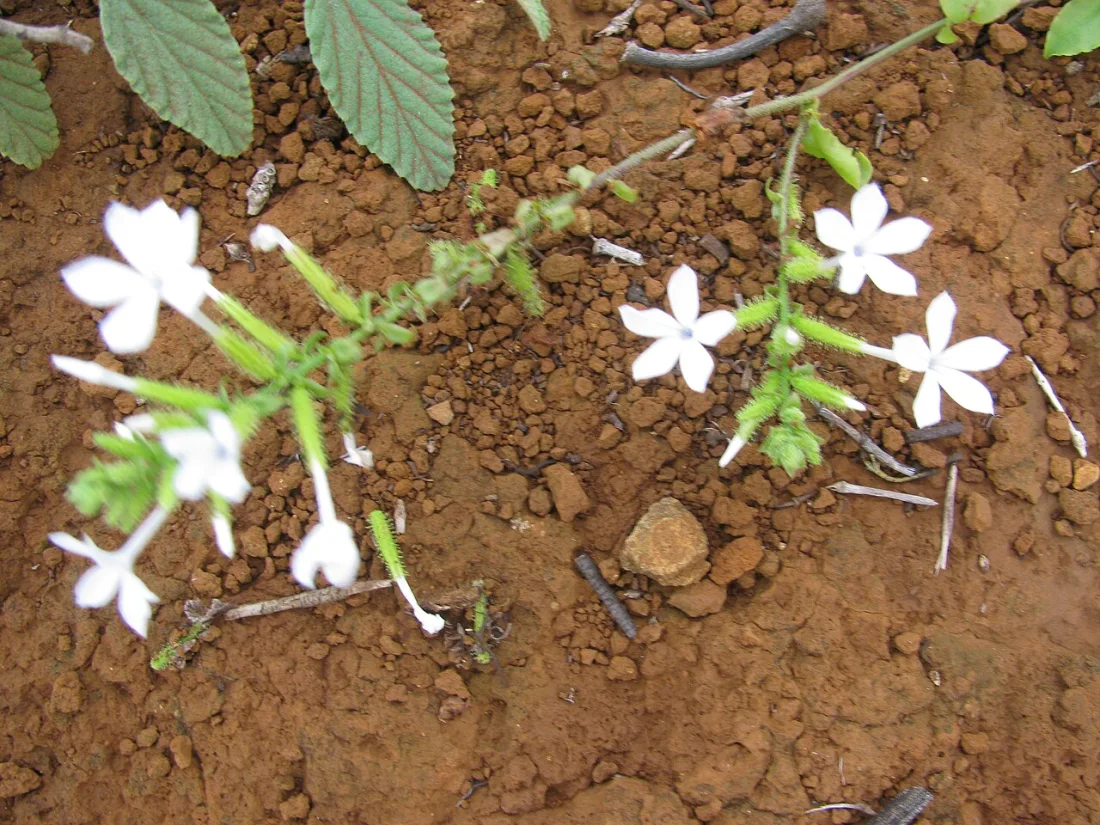
Plumbago zeylanica
Spreading native stems help hold soil while white flowers brighten a sunny edge.
Instead of blue plumbago
Meet this plantPhoto: Forest and Kim Starr · CC BY 3.0 us
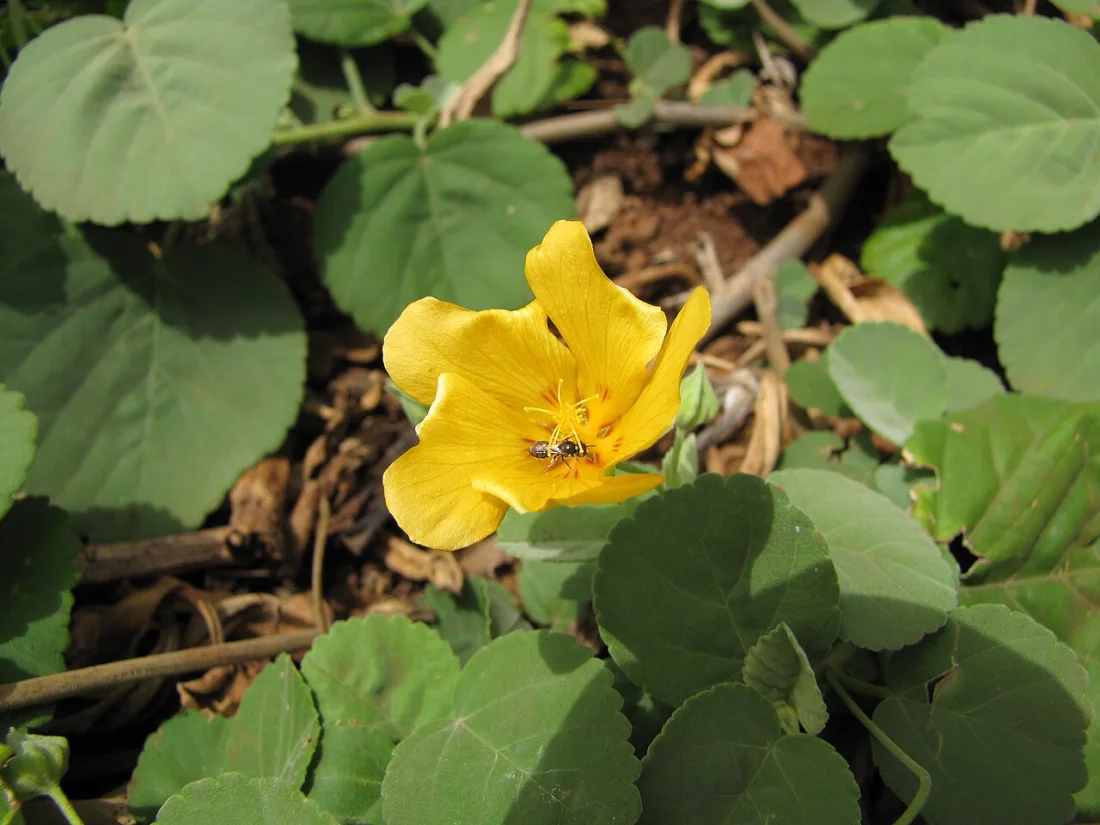
Sida fallax
Yellow flowers offer food for native yellow-faced bees.
Instead of treasure flower
Meet this plantPhoto: Forest and Kim Starr · CC BY 3.0 us
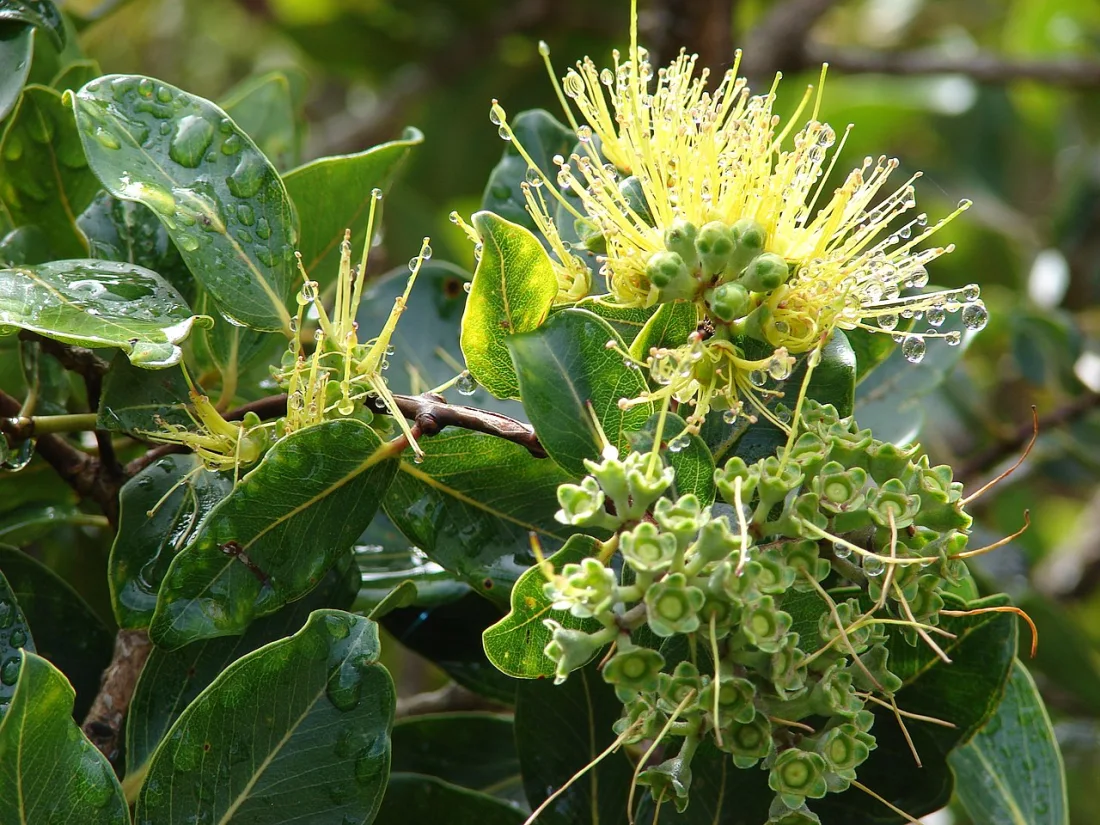
Metrosideros polymorpha
Native ʻōhiʻa flowers supply nectar to Hawaiian birds where those birds occur.
Instead of tropical hibiscus
Meet this plantPhoto: Forest and Kim Starr · CC BY 3.0 us
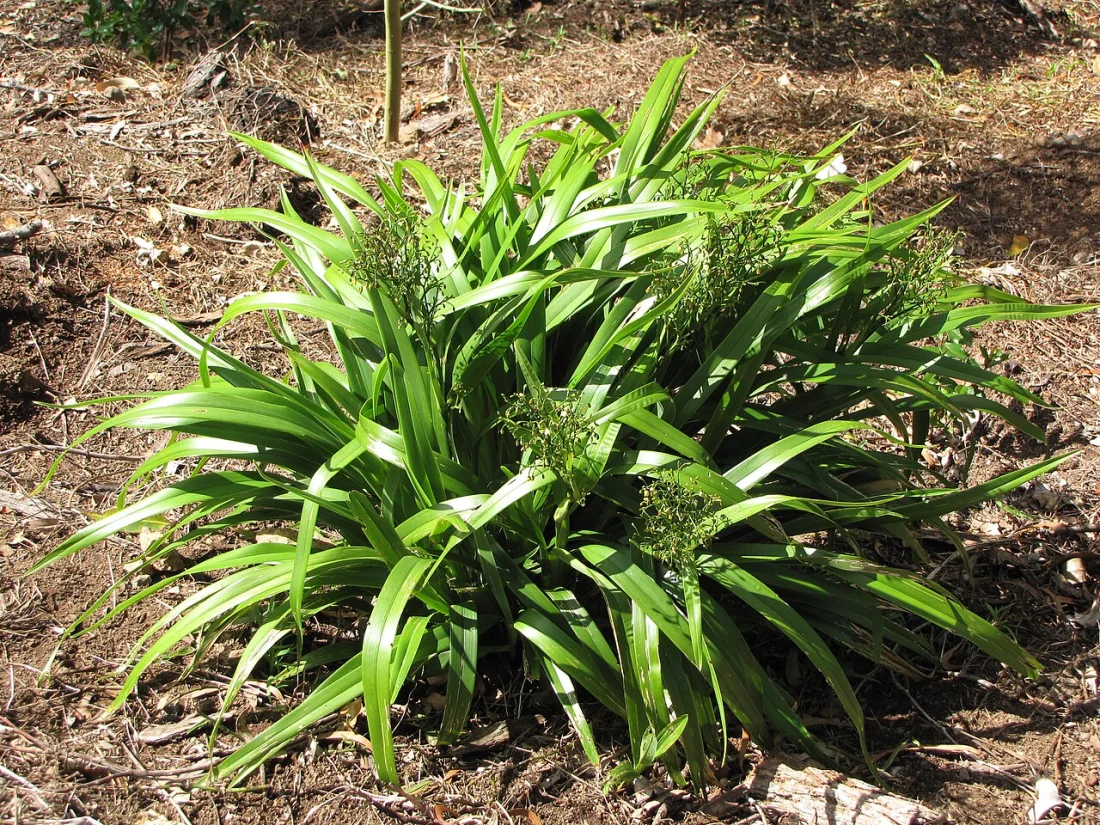
Dianella sandwicensis
Native strappy leaves and blue-purple fruit replace a conventional lilyturf border.
Instead of lilyturf
Meet this plantPhoto: Forest and Kim Starr · CC BY 3.0 us
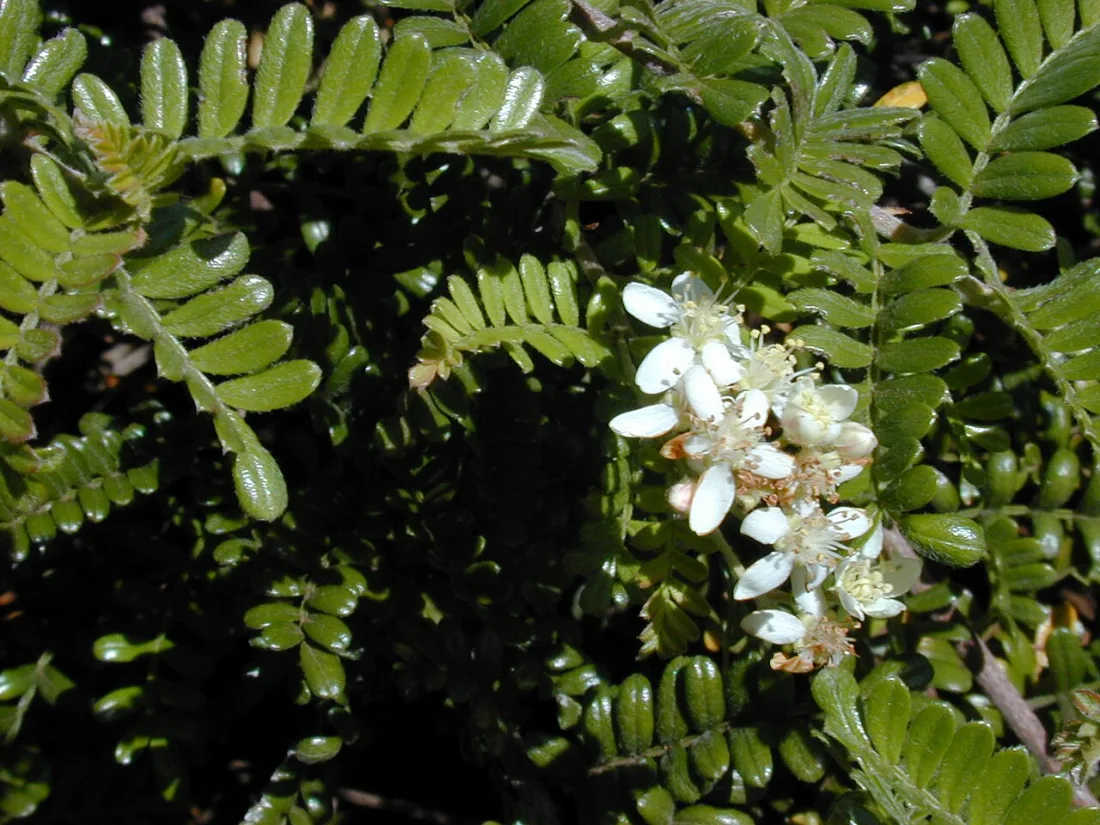
Osteomeles anthyllidifolia
Once established, this native shrub flowers with little supplemental water.
Instead of bearberry cotoneaster
Meet this plantPhoto: Forest & Kim Starr · CC BY 3.0
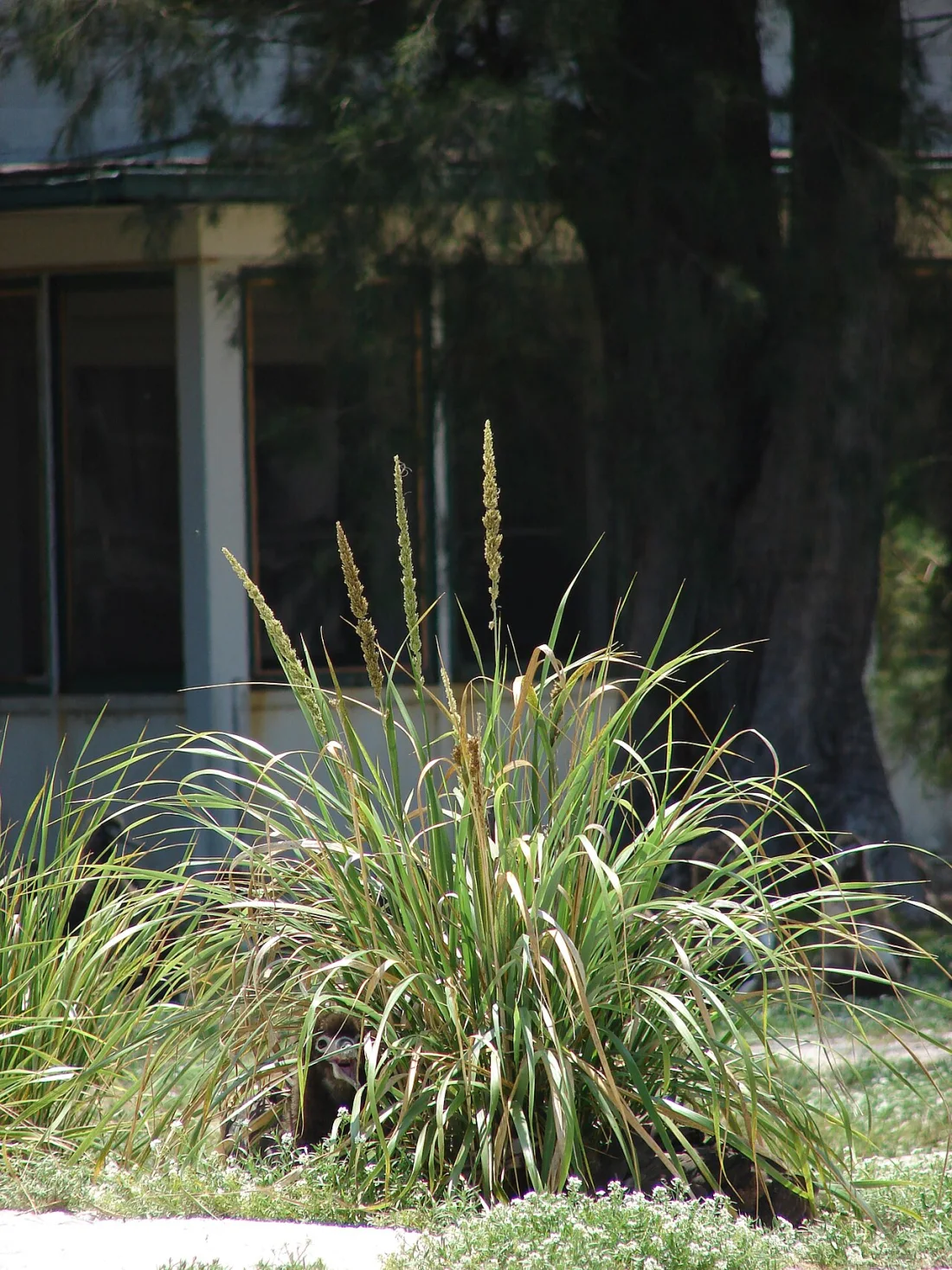
Eragrostis variabilis
This Hawaiian grass adds native texture and helps cover exposed soil.
Instead of maiden grass
Meet this plantPhoto: Forest and Kim Starr · CC BY 3.0 us
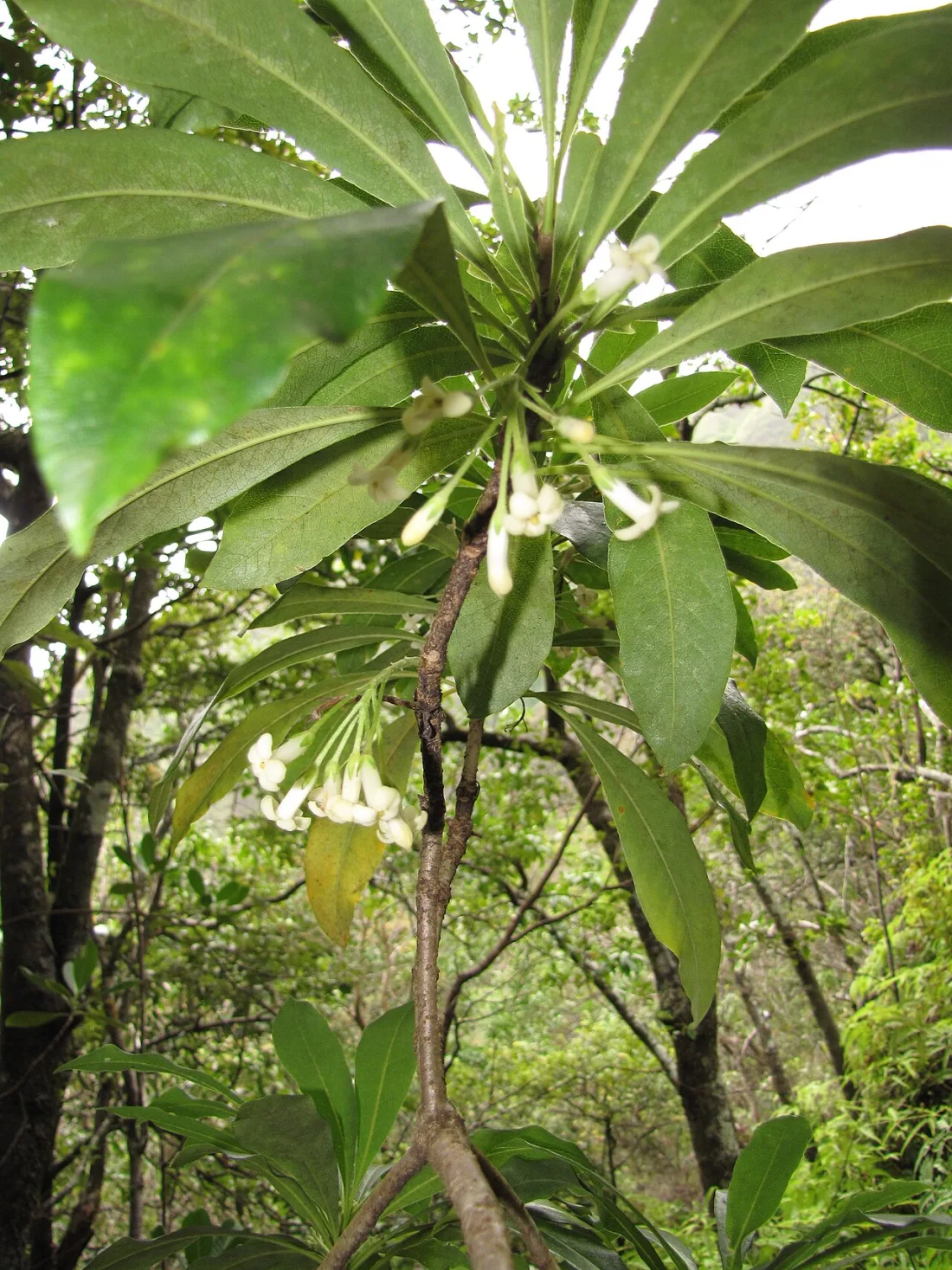
Pittosporum glabrum
Clusters of pale flowers and native foliage add structure to a moist garden.
Instead of japanese pittosporum
Meet this plantPhoto: Forest and Kim Starr · CC BY 3.0 us
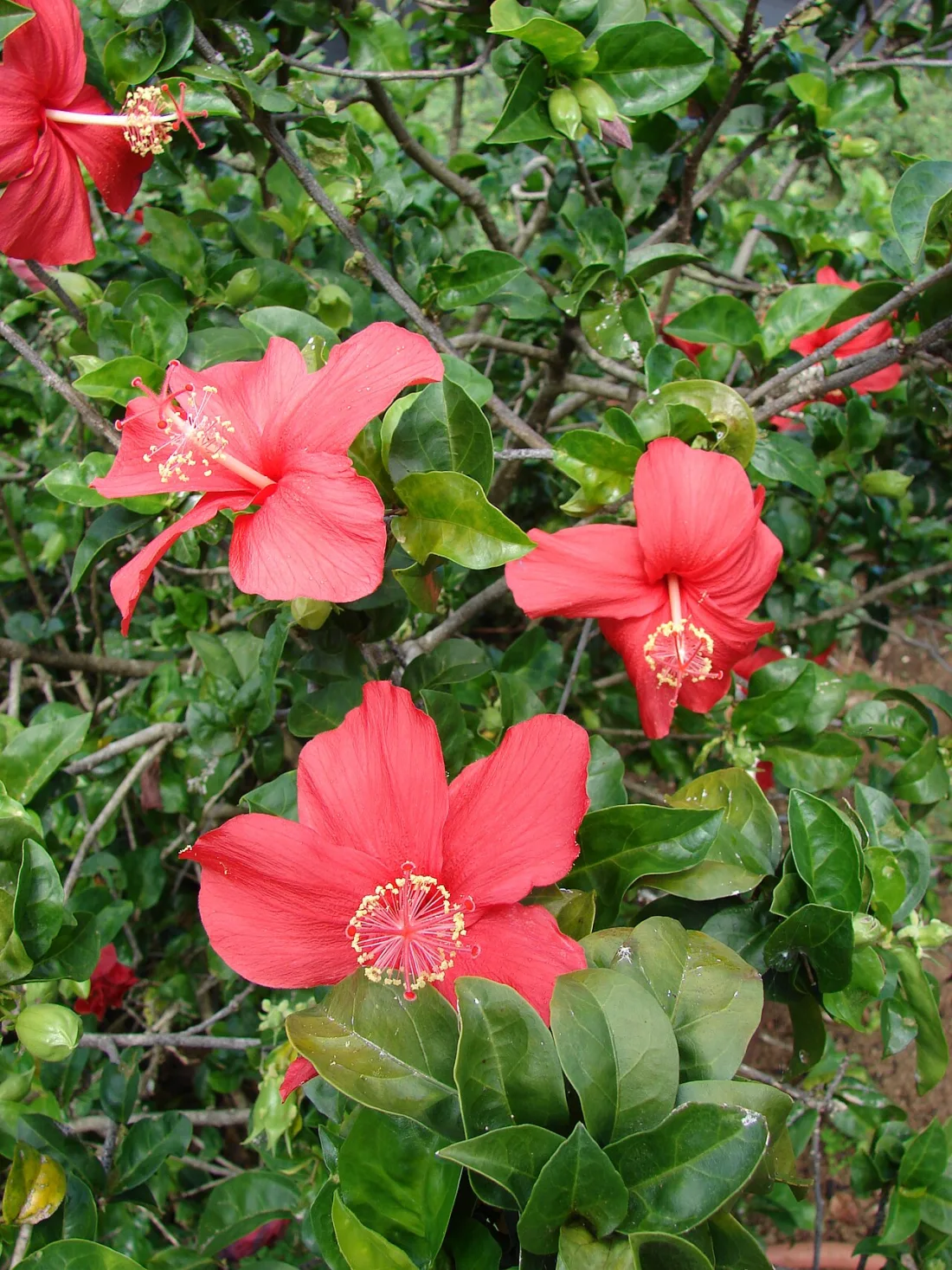
Hibiscus kokio
Native red hibiscus keeps the bold tropical flowers while restoring a Hawaiian species.
Instead of tropical hibiscus
Meet this plantPhoto: Forest & Kim Starr · CC BY 3.0
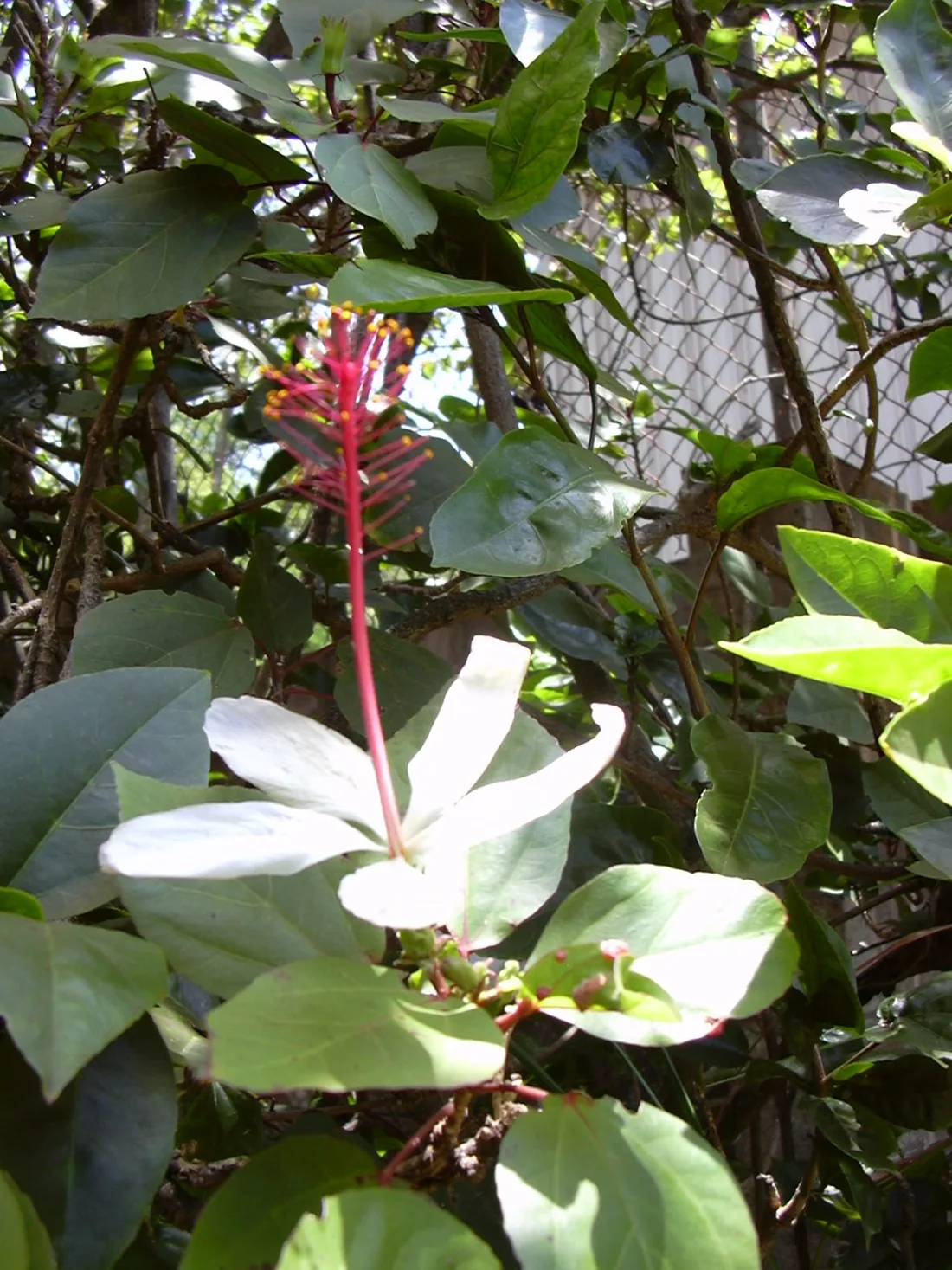
Hibiscus arnottianus
Fragrant white flowers bring a distinctly Hawaiian hibiscus to a flowering hedge.
Instead of tropical hibiscus
Meet this plantPhoto: Forest & Kim Starr · CC BY 3.0
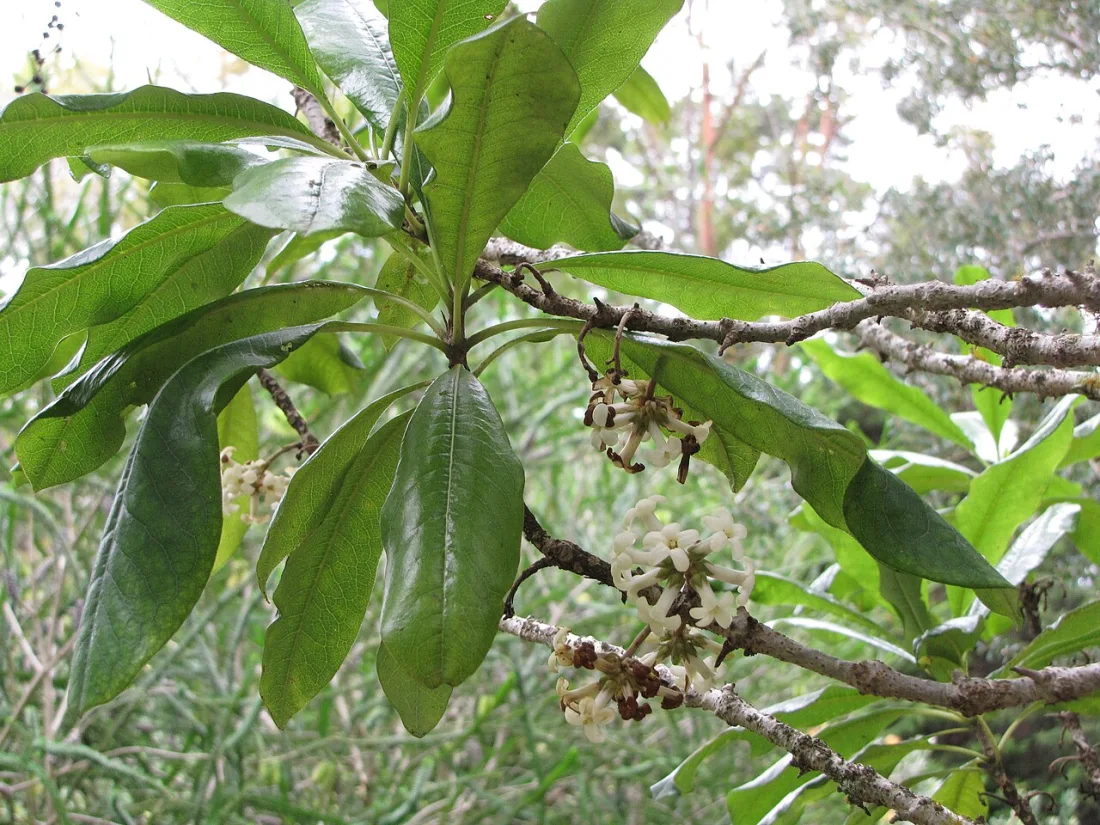
Pittosporum hosmeri
Fragrant flowers and textured foliage make this Hawaiʻi Island tree a native screening option.
Instead of japanese pittosporum
Meet this plantPhoto: Forest and Kim Starr · CC BY 3.0 us
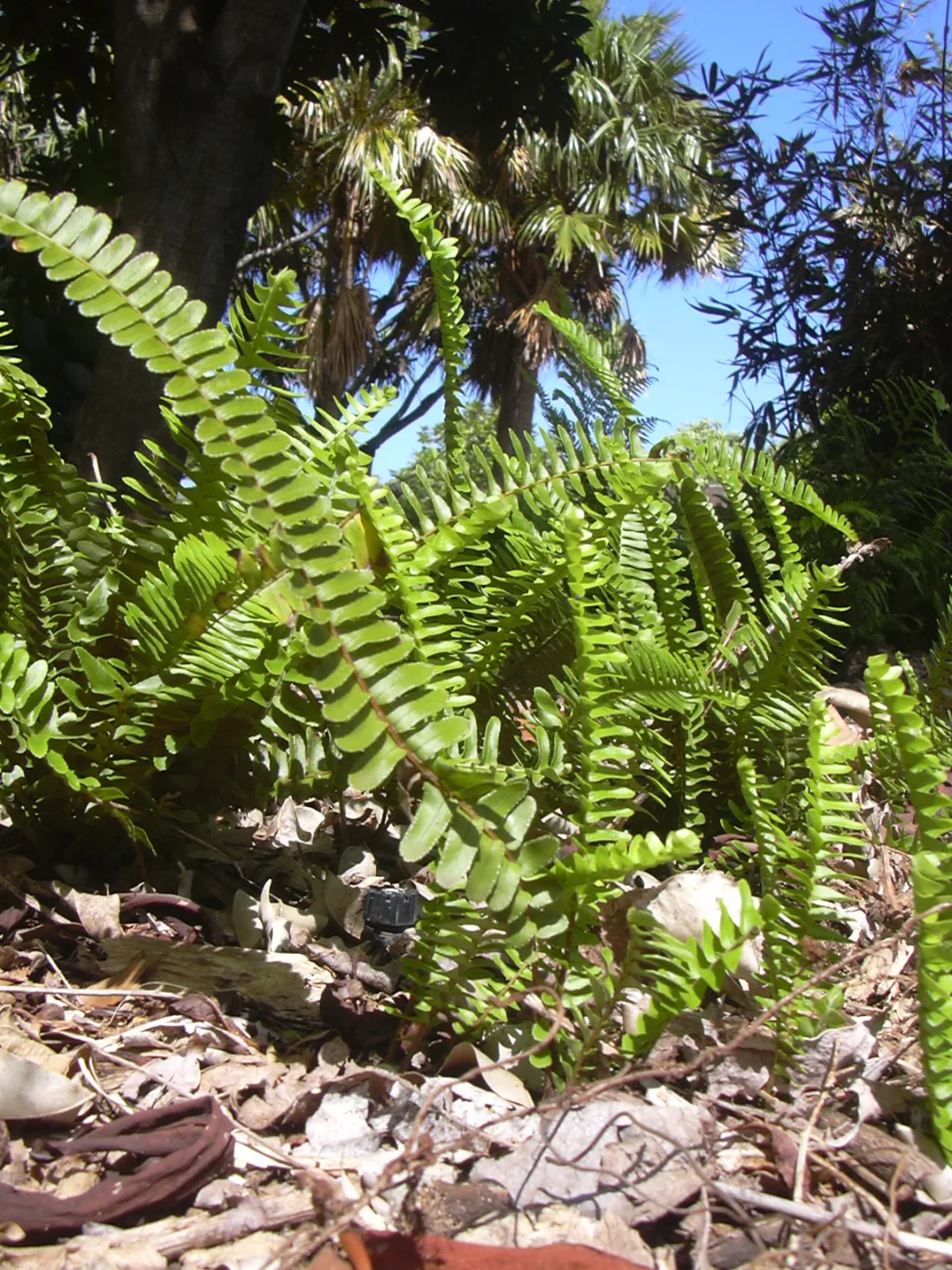
Nephrolepis cordifolia
Native fern foliage adds groundcover and helps protect shaded soil.
Instead of japanese holly fern
Meet this plantPhoto: Forest & Kim Starr · CC BY 3.0
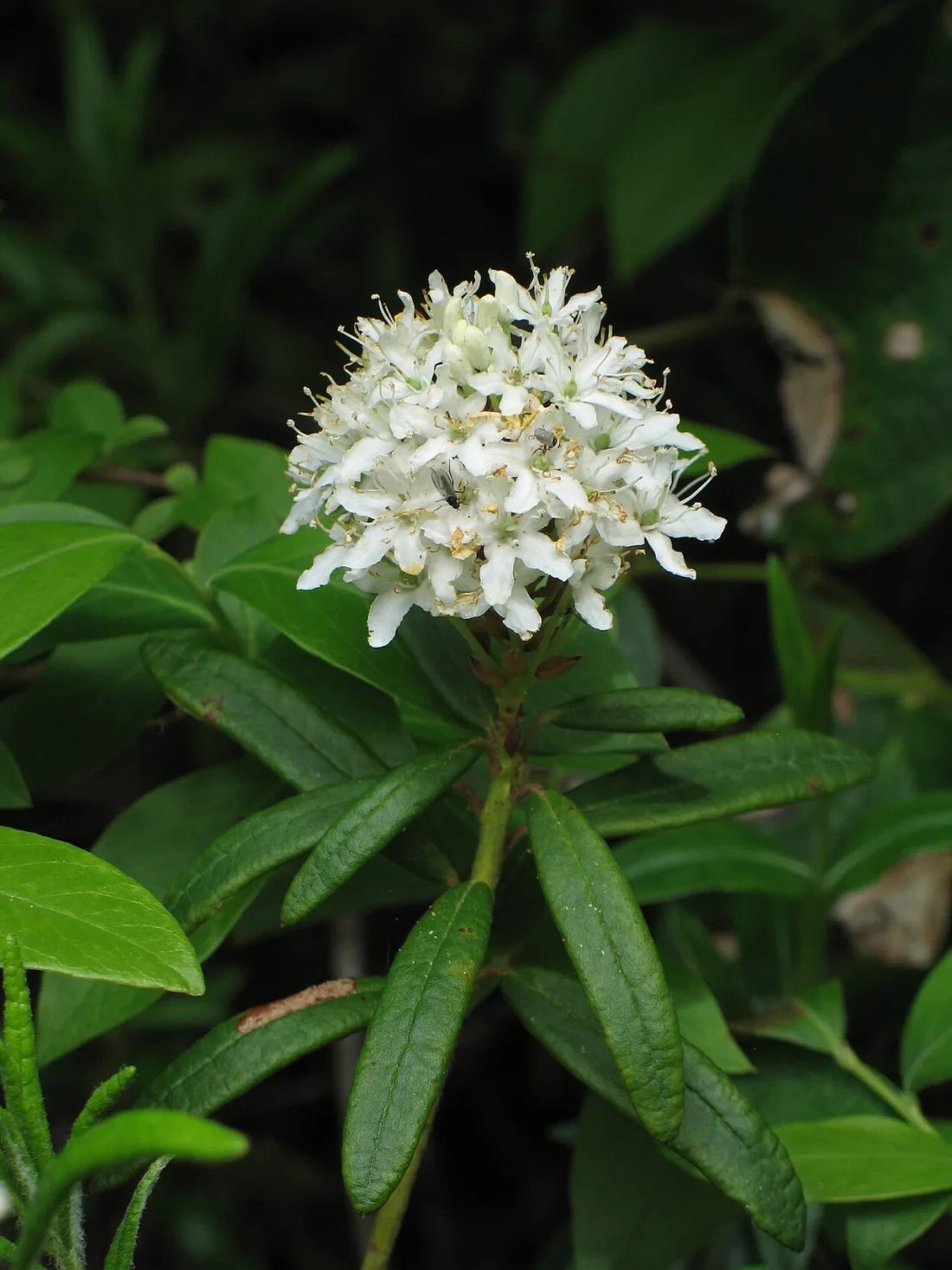
Rhododendron groenlandicum
Native evergreen foliage adds lasting structure to a cool, acidic bog garden.
Instead of japanese pittosporum
Meet this plantPhoto: Robert Flogaus-Faust · CC BY 4.0
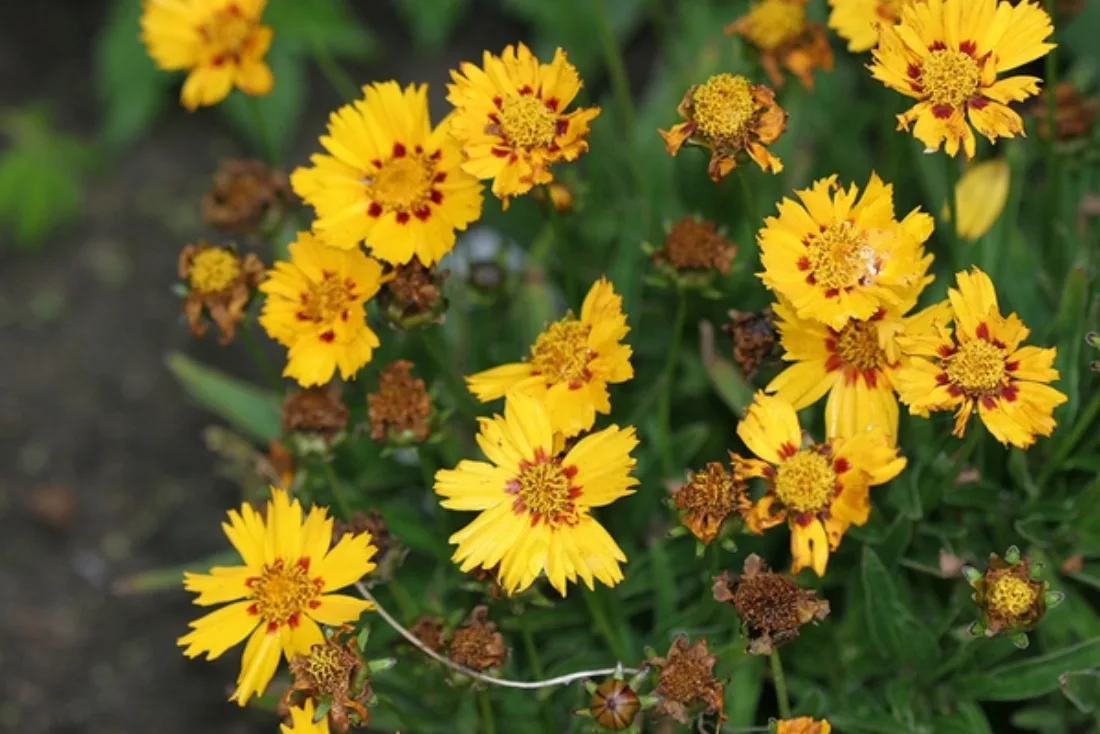
Coreopsis lanceolata
Golden native flowers feed bees and butterflies, with seeds for birds.
Instead of shasta daisy
Meet this plantPhoto: Andrey Zharkikh · CC BY 2.0
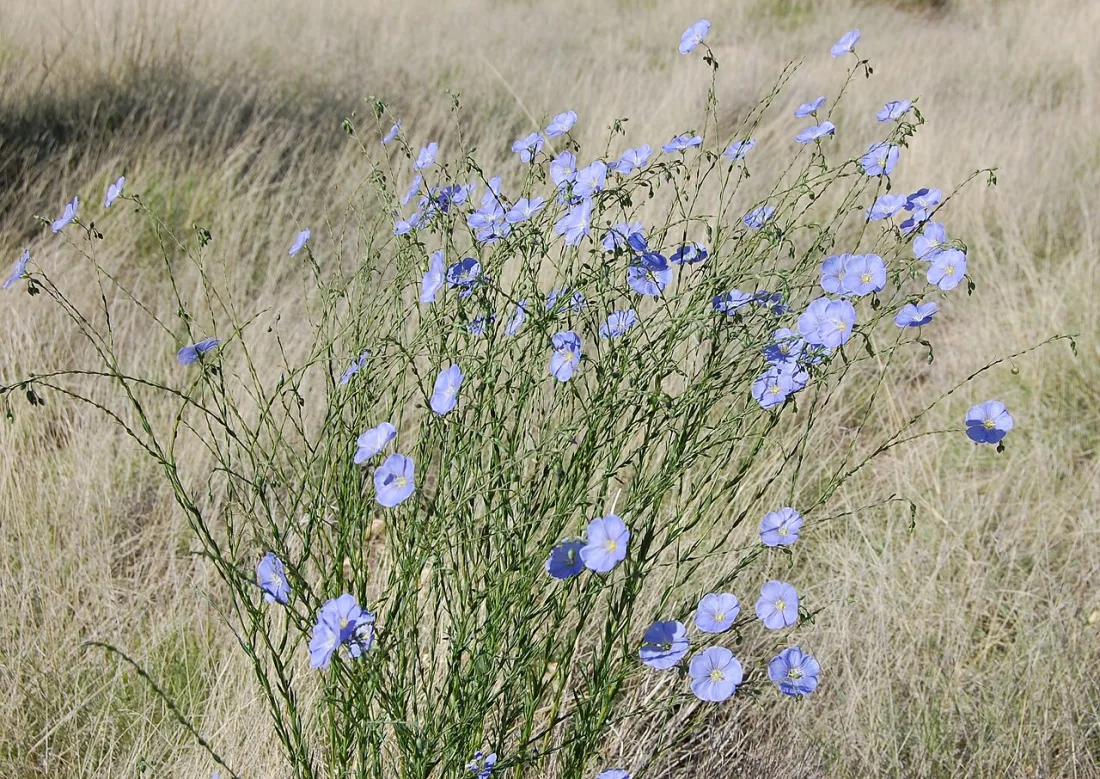
Linum lewisii
Native blue flowers feed small bees and flies, followed by seeds for wildlife.
Instead of woodland sage
Meet this plantPhoto: Skoch3 · CC BY-SA 3.0
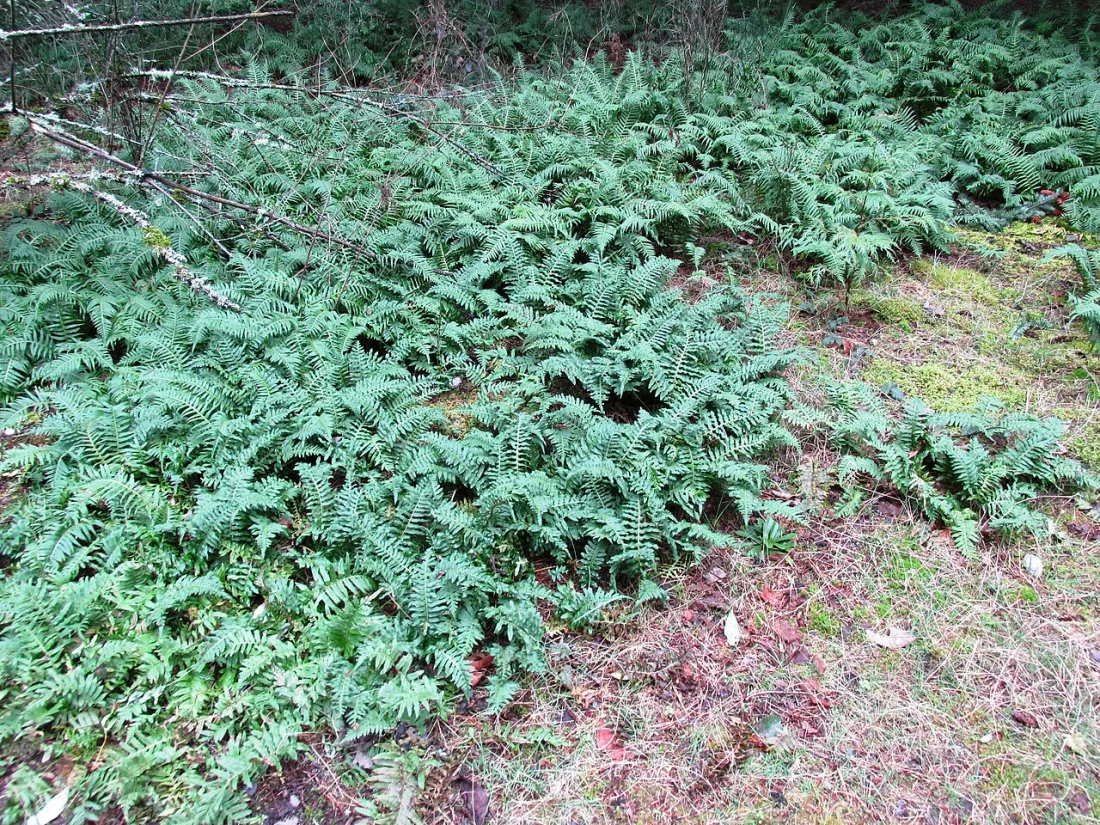
Polypodium glycyrrhiza
Native fronds green up a shaded garden during the cooler, wetter part of the year.
Instead of japanese painted fern
Meet this plant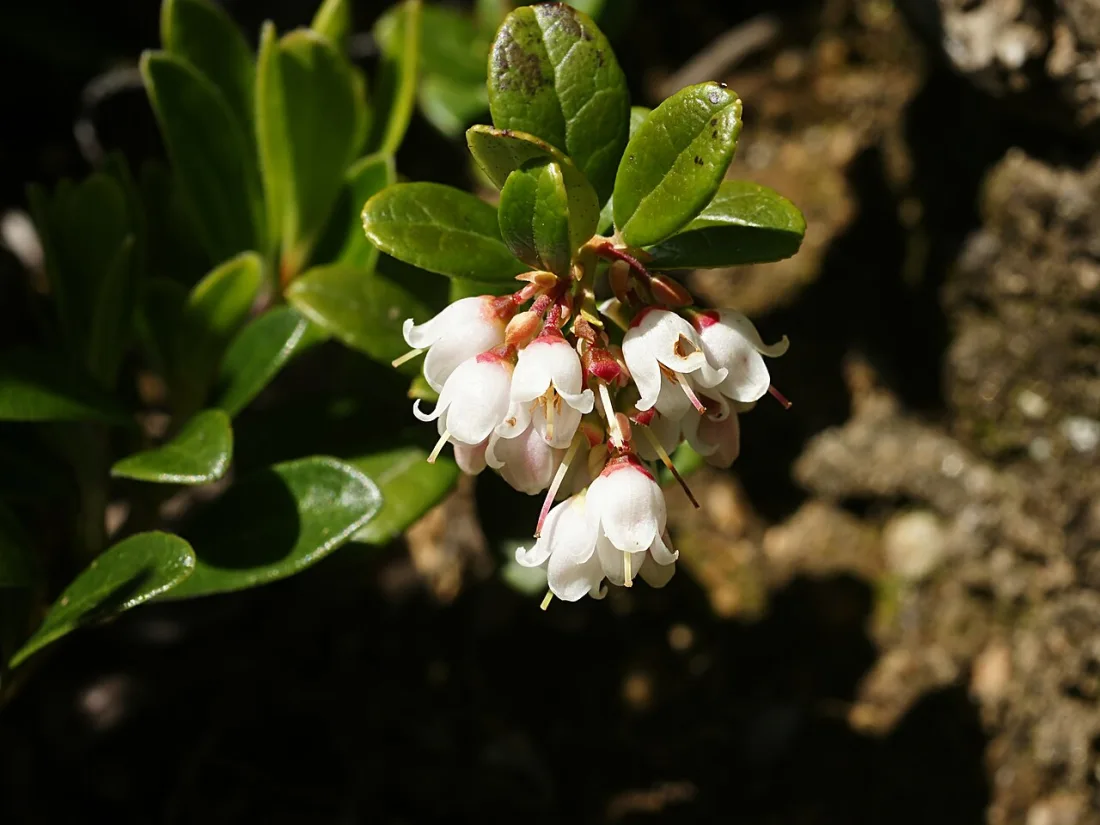
Vaccinium vitis-idaea
Native evergreen leaves and red berries add interest to a cool-climate groundcover.
Instead of bearberry cotoneaster
Meet this plantPhoto: Hans Hillewaert · CC BY-SA 3.0
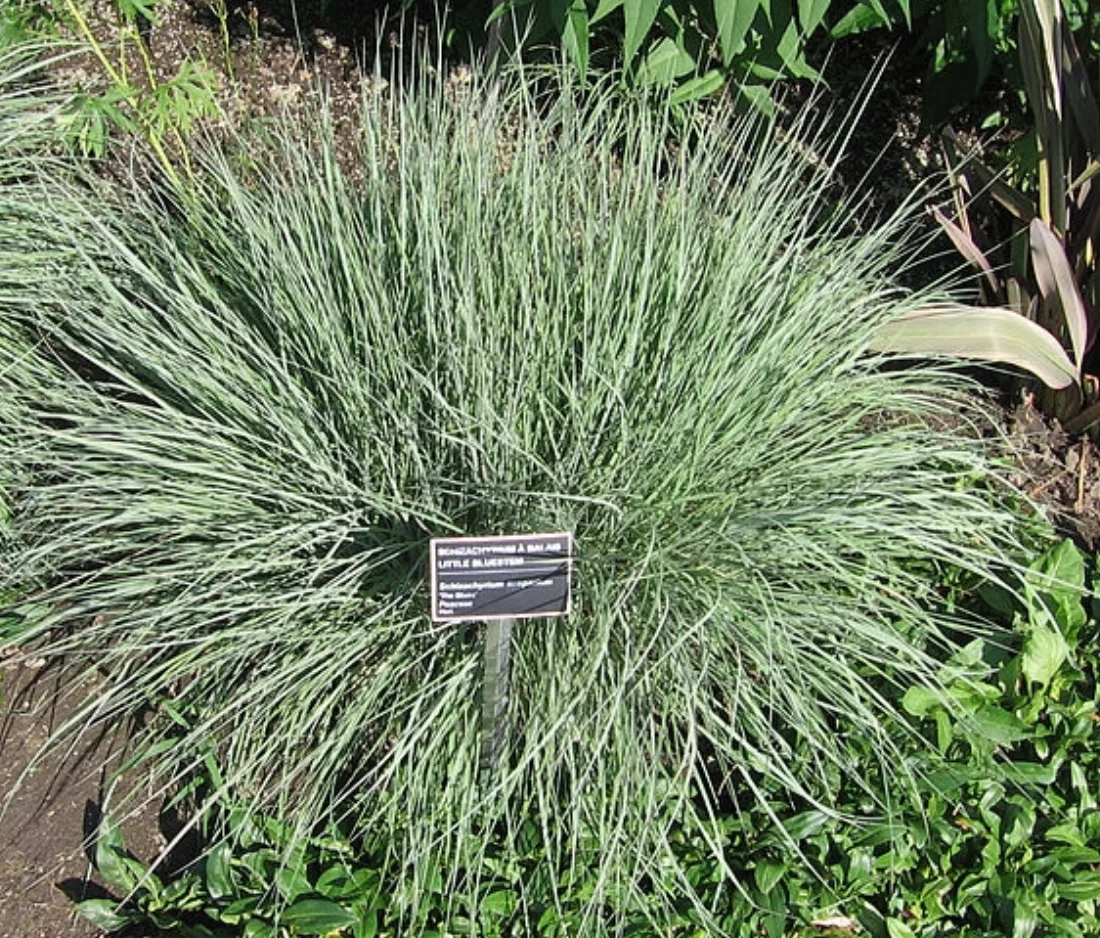
Schizachyrium scoparium
Native grass blades feed skipper caterpillars, and standing clumps shelter wildlife through winter.
Instead of chinese silvergrass
Meet this plantPhoto: Montrealais · CC BY-SA 3.0
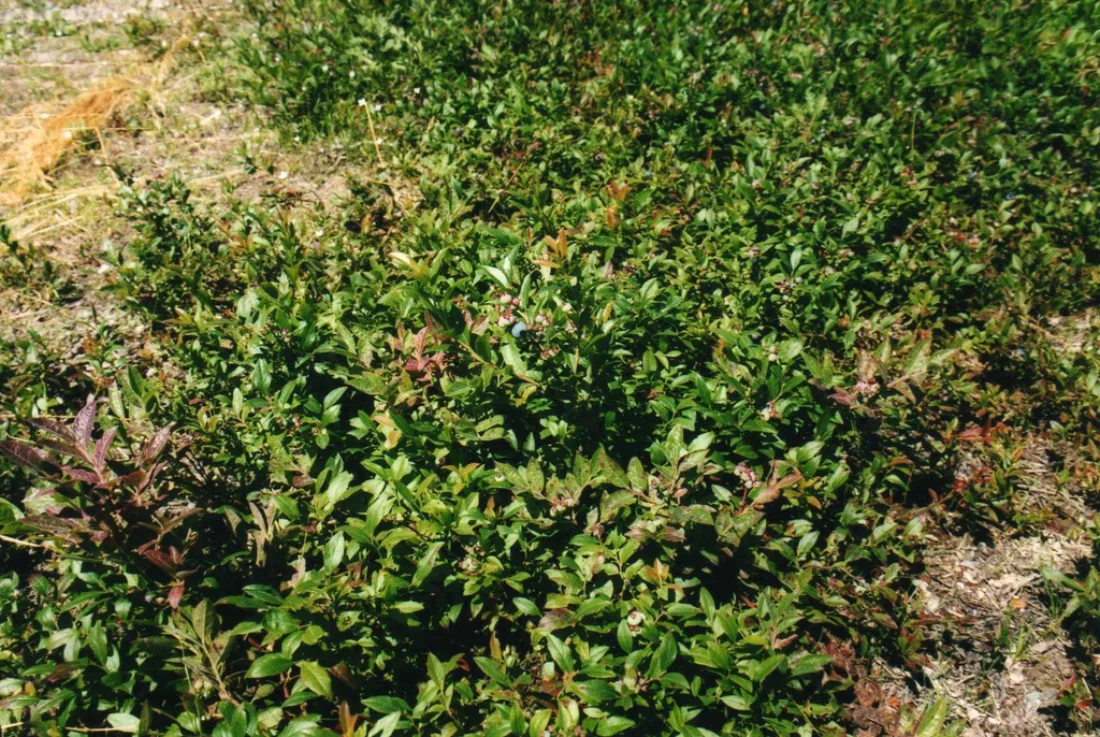
Vaccinium angustifolium
Native bees pollinate spring flowers, followed by berries for birds and other wildlife.
Instead of bearberry cotoneaster
Meet this plantPhoto: Leonora Enking · CC-BY-SA 2.0
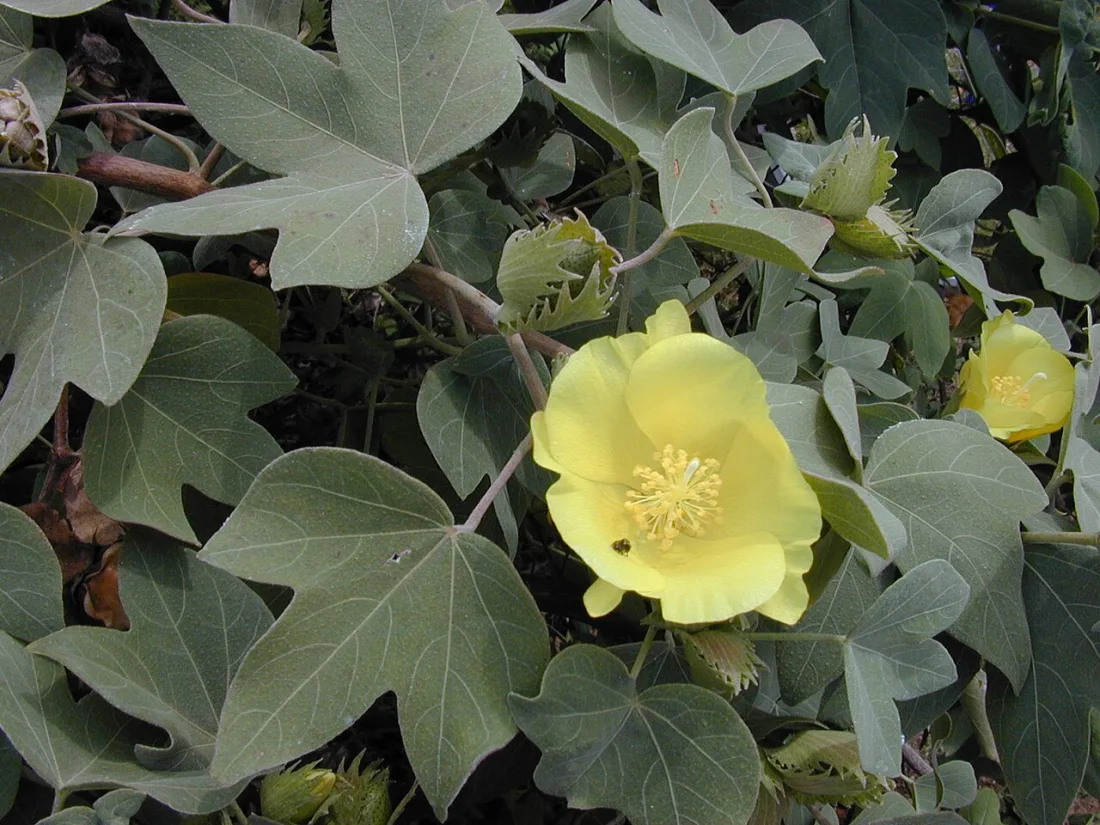
Gossypium tomentosum
Silver foliage and yellow flowers thrive with little water once this Hawaiian cotton is established.
Instead of tropical hibiscus
Meet this plantPhoto: Forest & Kim Starr · CC BY 3.0
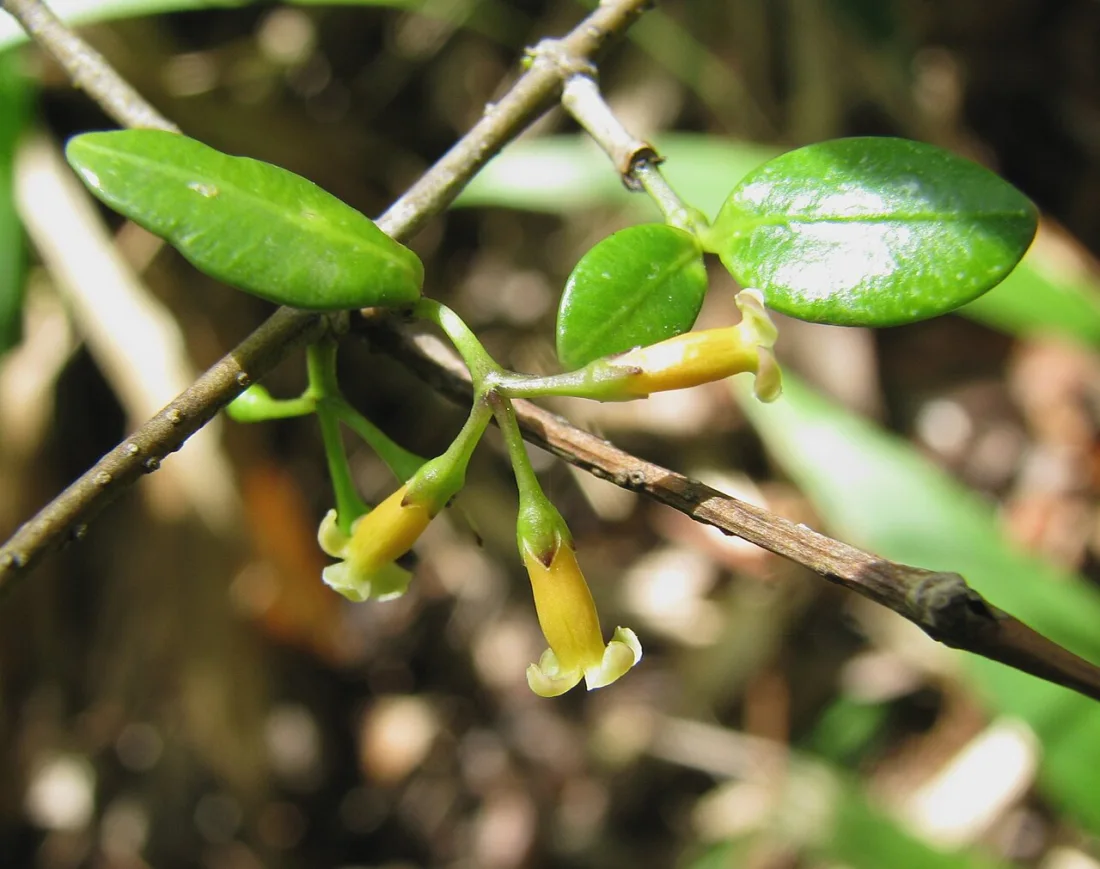
Alyxia stellata
Its fruit feeds native forest birds such as ʻōmaʻo where those birds occur.
Instead of english ivy
Meet this plantPhoto: David Eickhoff from Pearl City, Hawaii, USA · CC BY 2.0
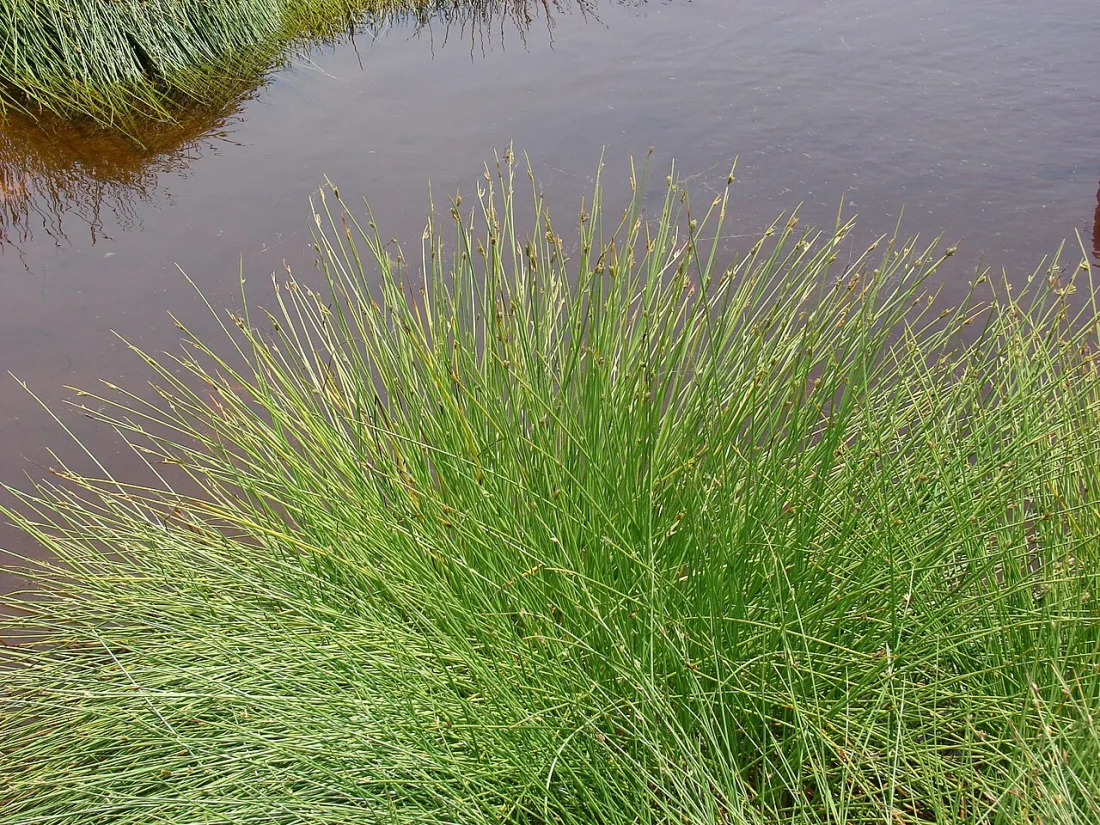
Cyperus laevigatus
Dense native stems shelter waterbirds and help hold wetland soil.
Instead of umbrella sedge
Meet this plantPhoto: Forest & Kim Starr · CC BY 3.0
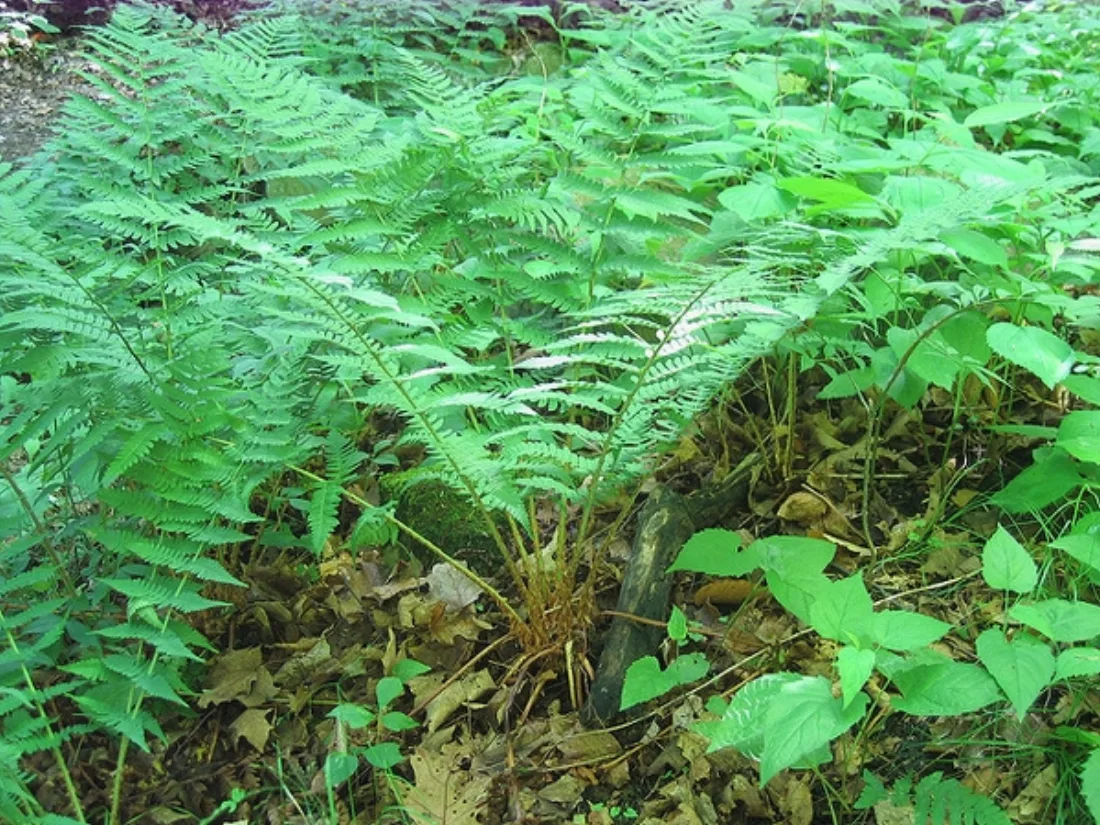
Dryopteris marginalis
Evergreen fronds give ground-level wildlife cover and supply material for songbird nests.
Instead of japanese holly fern
Meet this plantPhoto: desultrix · CC-BY-SA 2.0
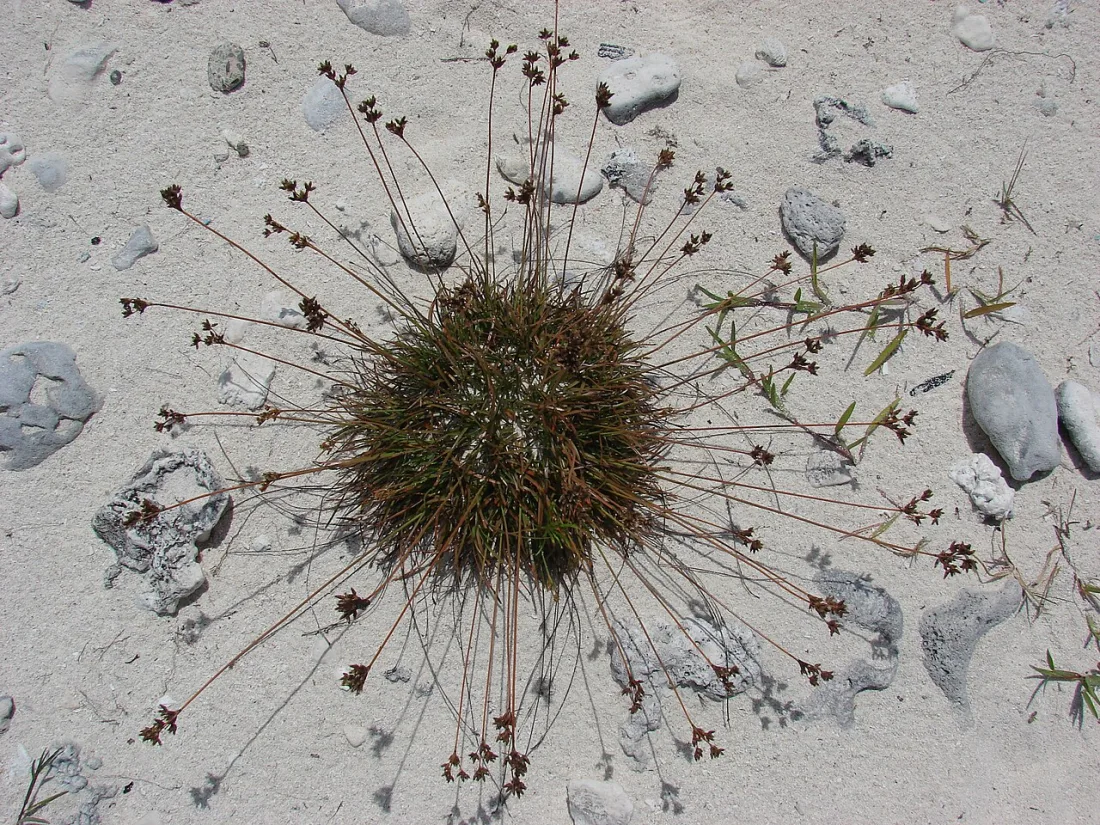
Fimbristylis cymosa
A native sedge supplies grasslike texture in sunny, dry places where a lawn edge needs little water.
Instead of mondo grass
Meet this plantPhoto: Forest & Kim Starr · CC BY 3.0
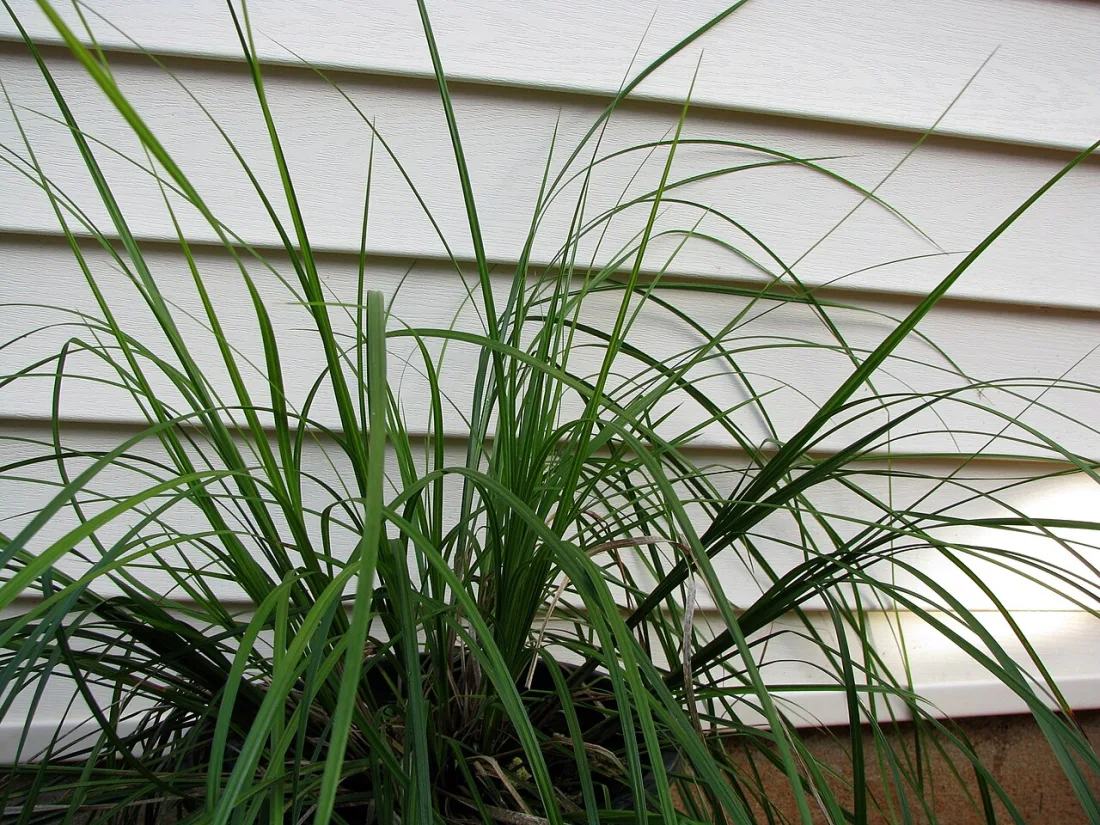
Carex meyenii
Dense native sedge foliage creates a soft groundcover beneath taller plants.
Instead of lilyturf
Meet this plantPhoto: David Eickhoff from Pearl City, Hawaii, USA · CC BY 2.0
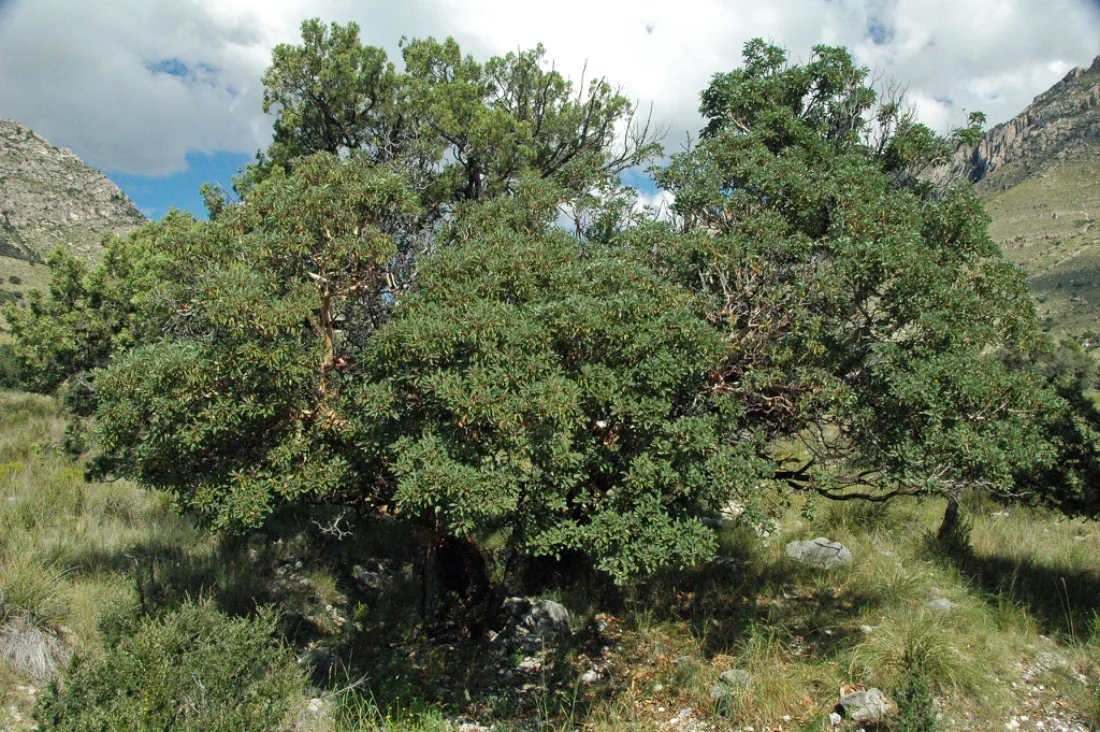
Cercocarpus montanus
Native foliage hosts western sheepmoth and mountain mahogany hairstreak caterpillars.
Instead of heavenly bamboo
Meet this plantPhoto: James St.John · CC BY 2.0
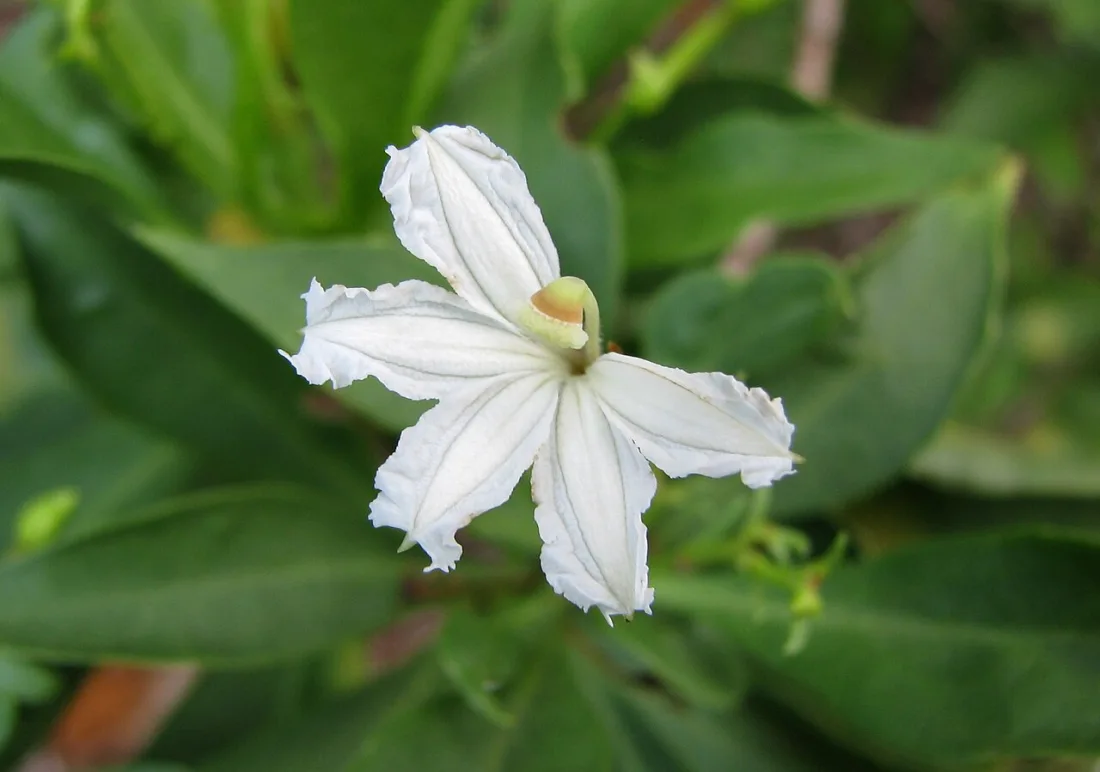
Scaevola gaudichaudiana
Native foliage, flowers, and fruit fill the sheltered space beneath taller trees.
Instead of heavenly bamboo
Meet this plantPhoto: David Eickhoff from Pearl City, Hawaii, USA · CC BY 2.0
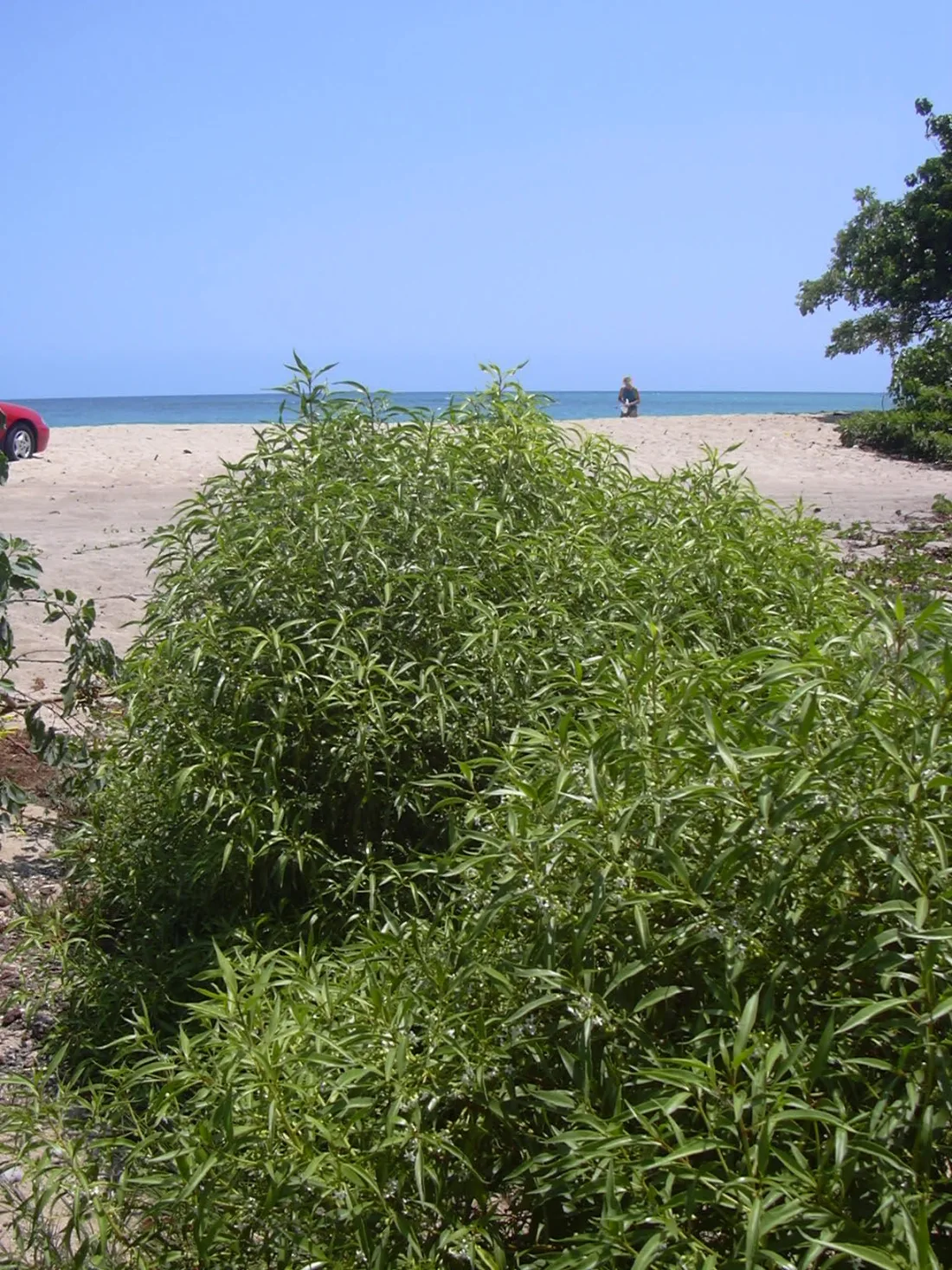
Myoporum sandwicense
Established naio provides native evergreen structure with little supplemental water.
Instead of oleander
Meet this plantPhoto: Forest & Kim Starr · CC BY 3.0
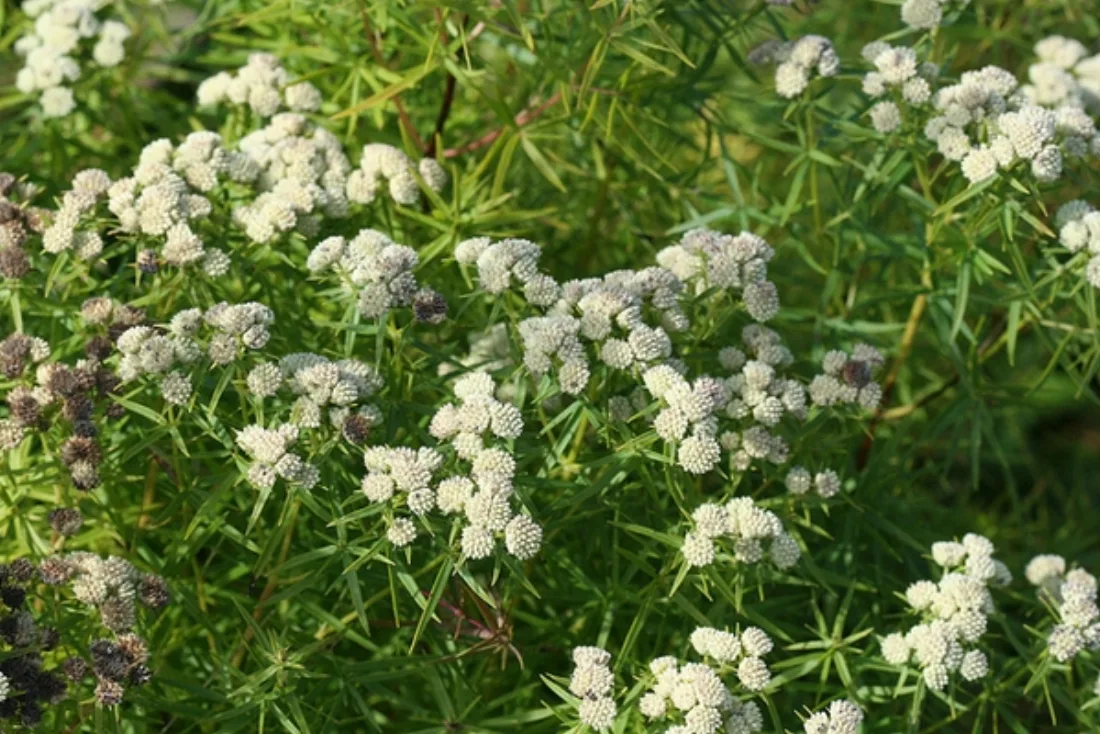
Pycnanthemum tenuifolium
Native flowers feed sweat bees and butterflies, and leaves host wavy-lined emerald caterpillars.
Instead of woodland sage
Meet this plantPhoto: Cyndy Sims Parr · CC-BY-SA 2.0
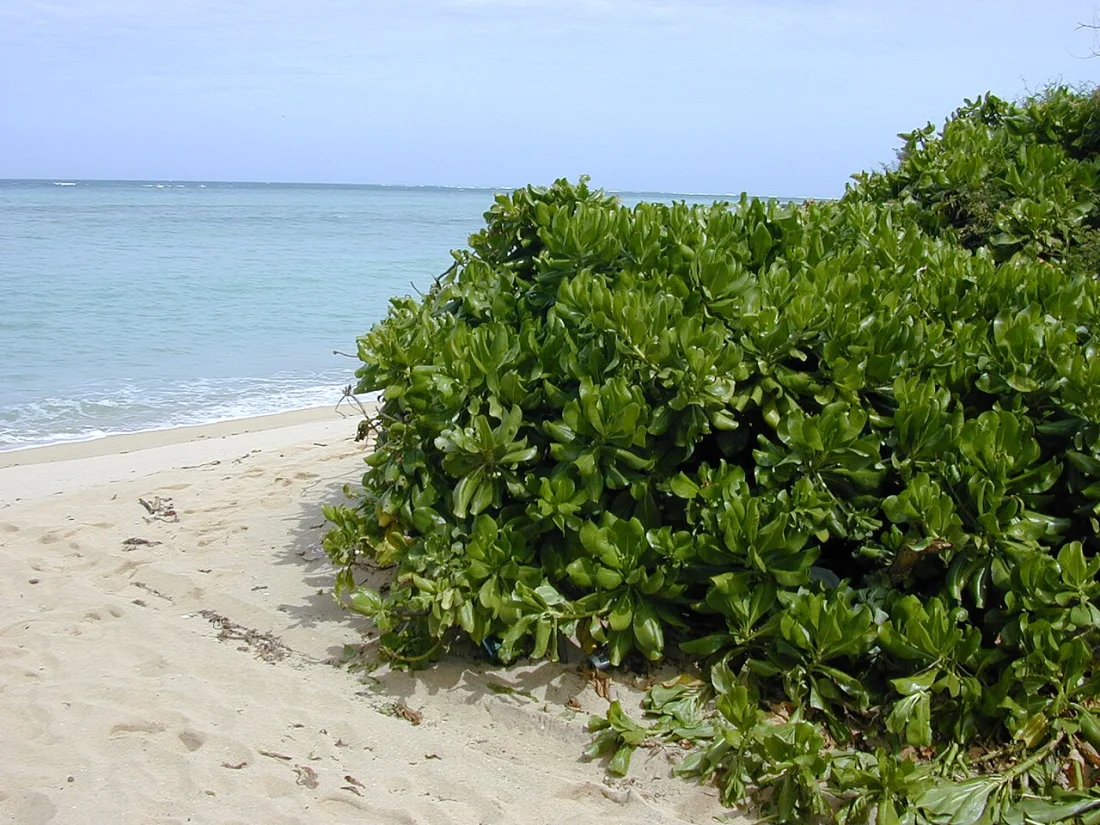
Scaevola taccada
This native coastal shrub makes a salt-tolerant hedge with little watering after establishment.
Instead of japanese pittosporum
Meet this plantPhoto: Forest & Kim Starr · CC BY 3.0
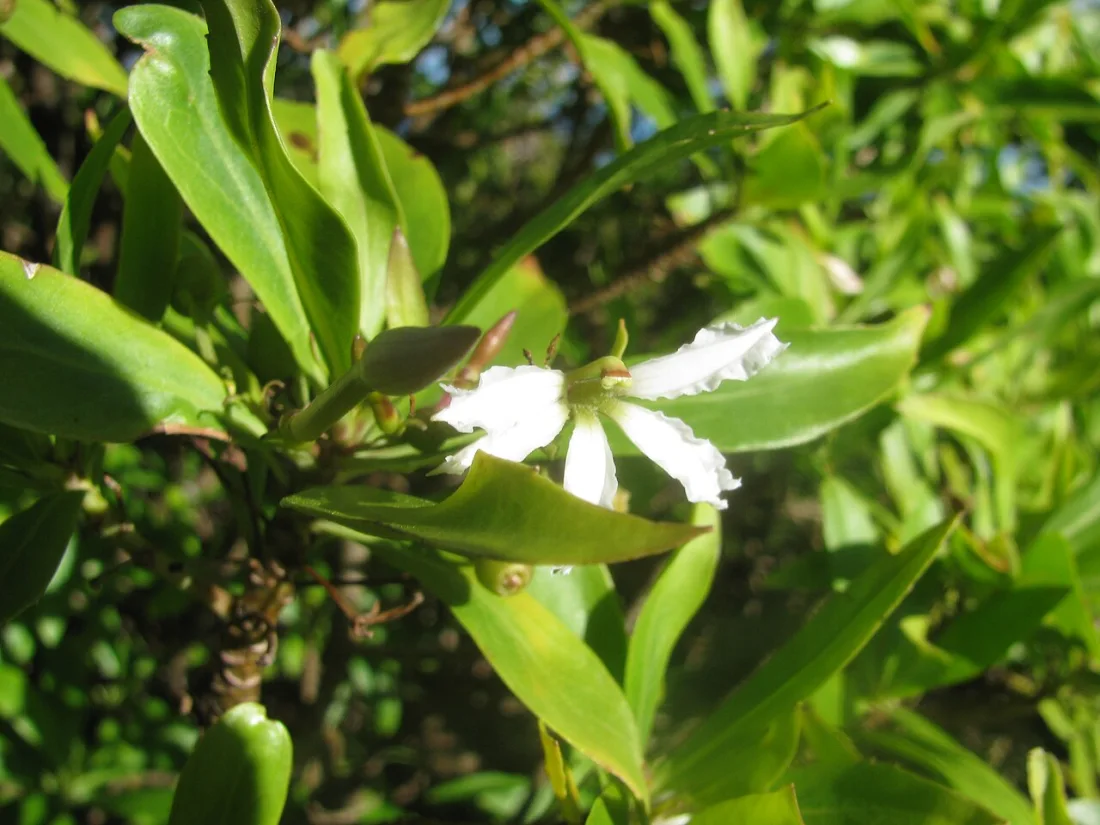
Scaevola chamissoniana
A native upland shrub adds white flowers and purple fruit to a moist garden.
Instead of japanese spirea
Meet this plantPhoto: Forest and Kim Starr · CC BY 3.0 us
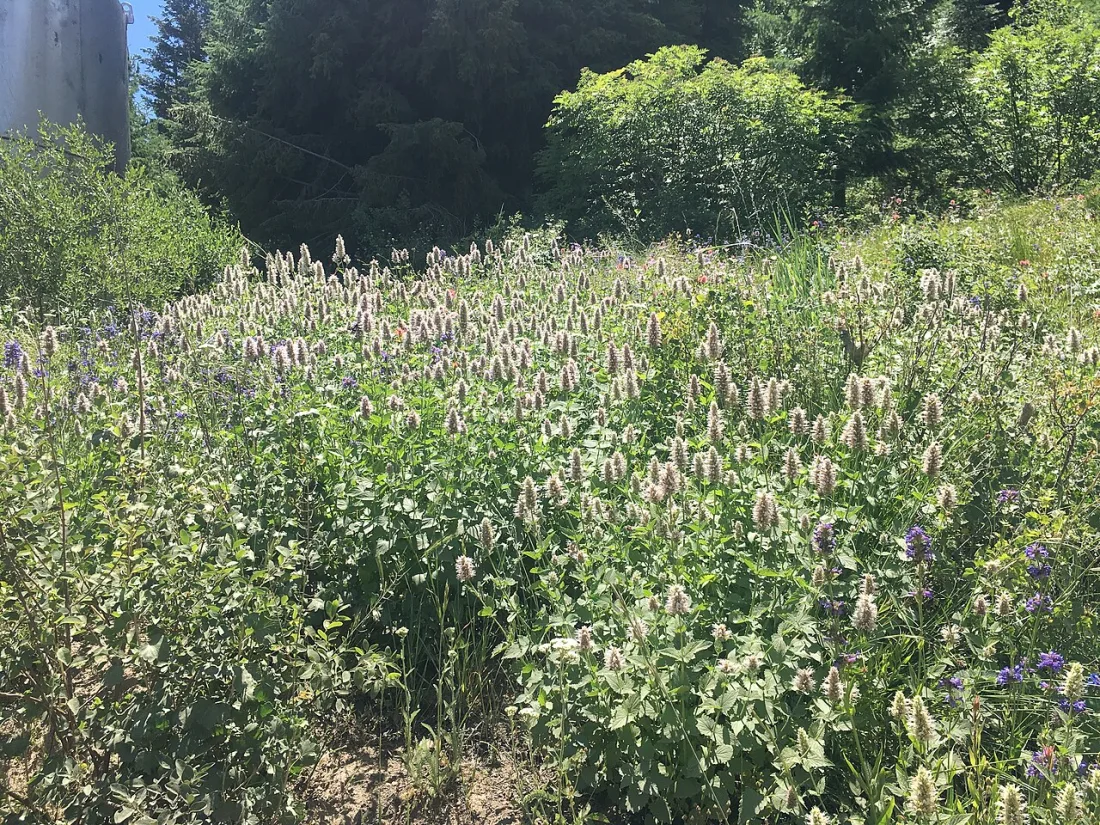
Agastache urticifolia
Native flowers feed bumblebees and other bees through summer.
Instead of woodland sage
Meet this plantPhoto: Matt Lavin · CC BY-SA 2.0
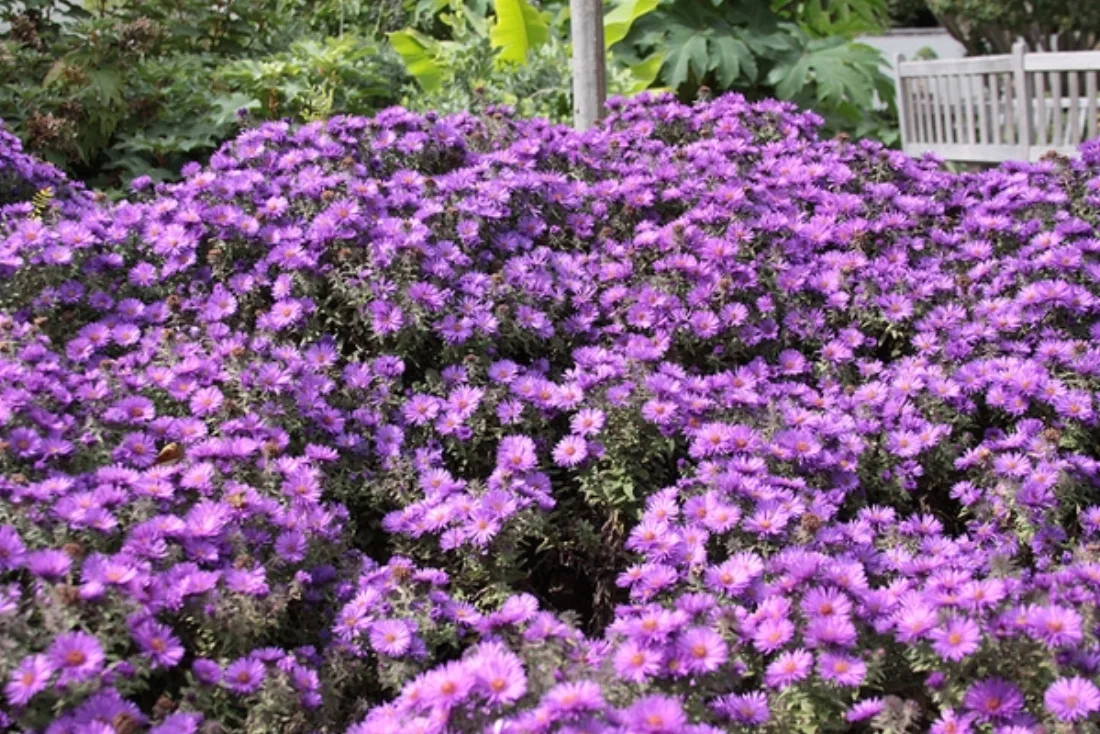
Symphyotrichum novae-angliae
Native flowers feed late-season bees and migrating monarchs, while seeds feed birds.
Instead of garden mum
Meet this plantPhoto: Drew Avery · CC BY 2.0
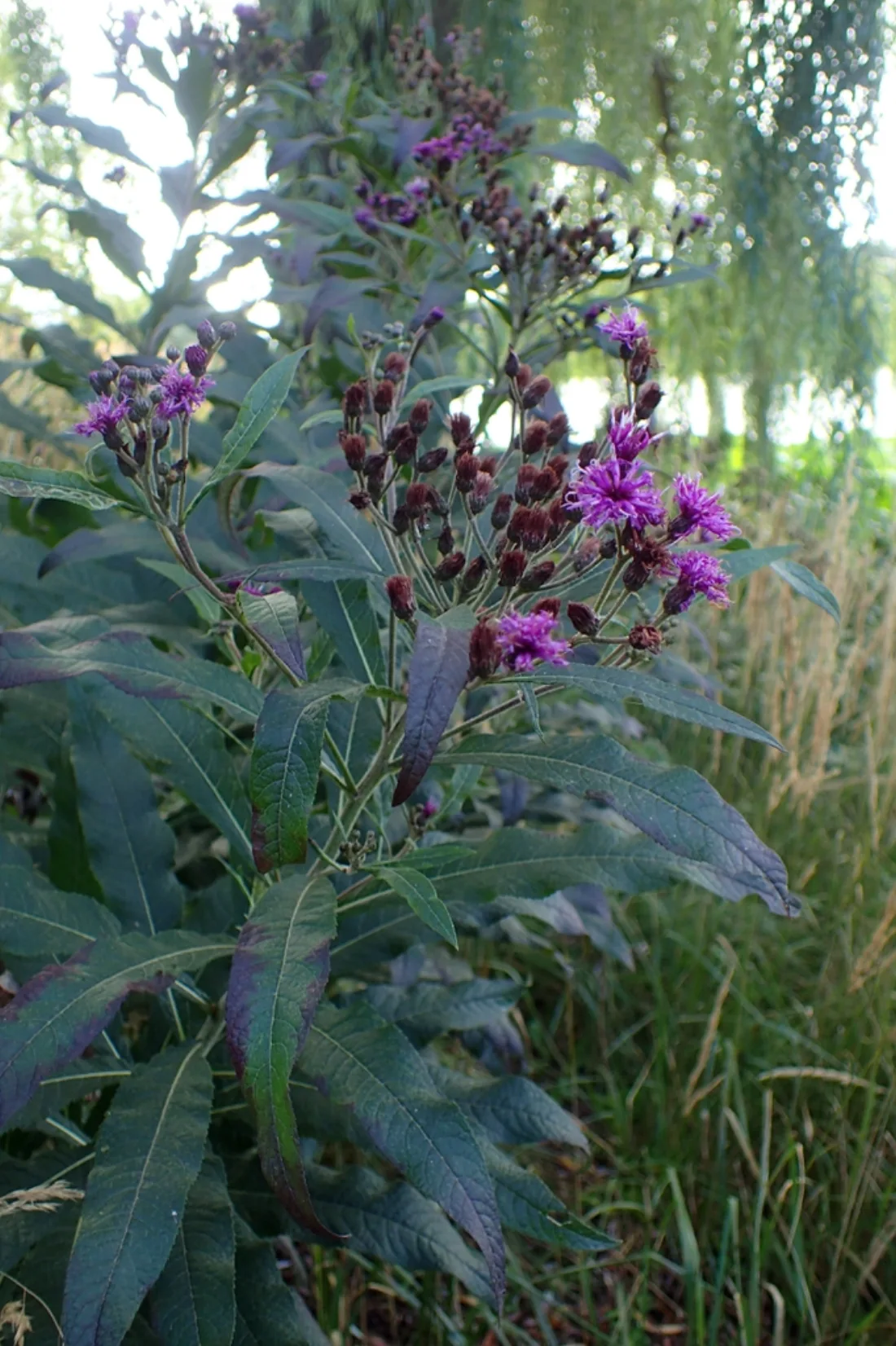
Vernonia noveboracensis
Native flowers feed bees and butterflies, and seedheads feed songbirds.
Instead of butterfly bush
Meet this plantPhoto: Krzysztof Ziarnek, Kenraiz · CC BY-SA 4.0
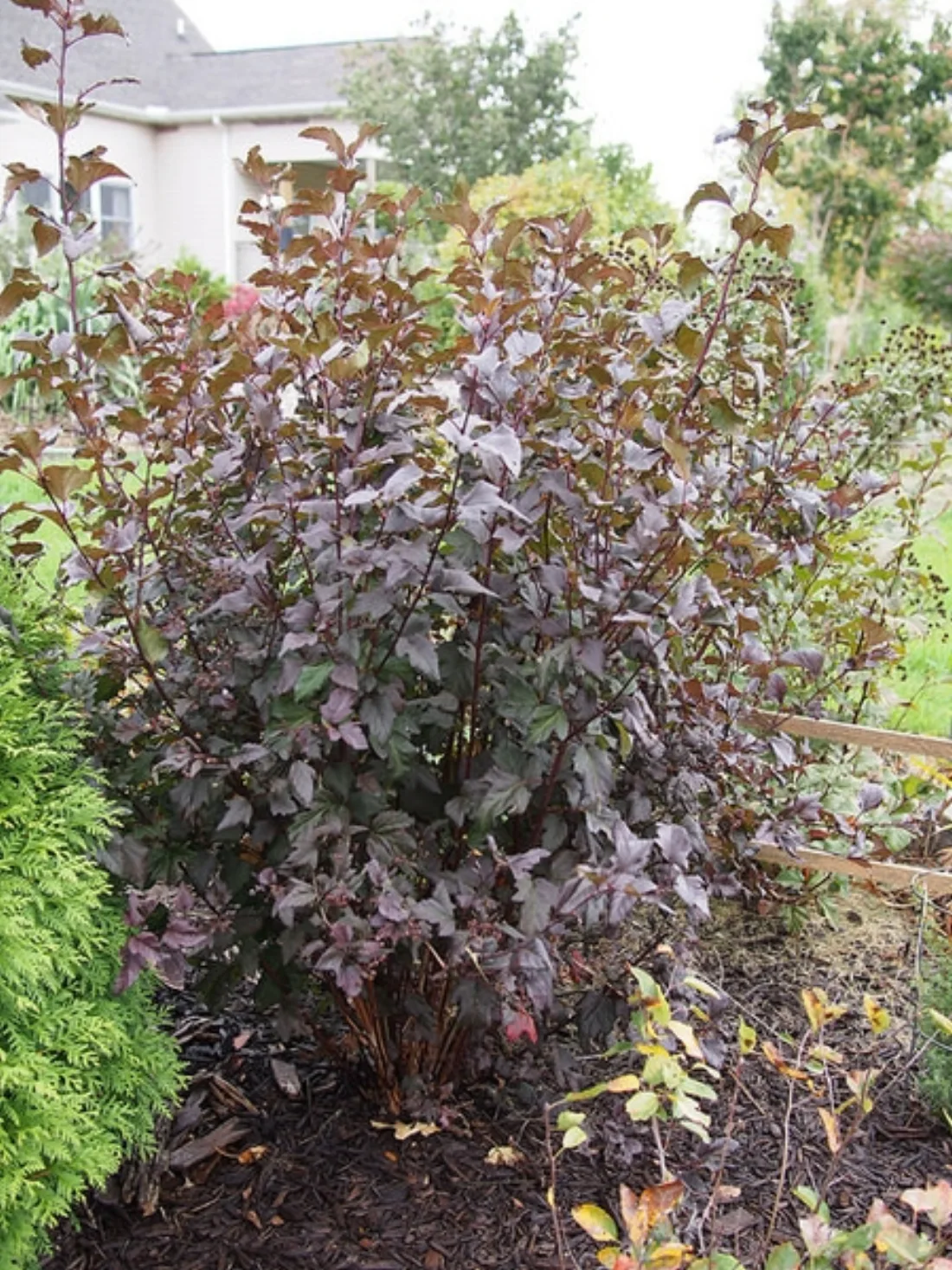
Physocarpus opulifolius
Native flowers attract bees, and the shrub provides habitat for birds.
Instead of japanese spirea
Meet this plantPhoto: F. D. Richards · CC-BY-SA 2.0
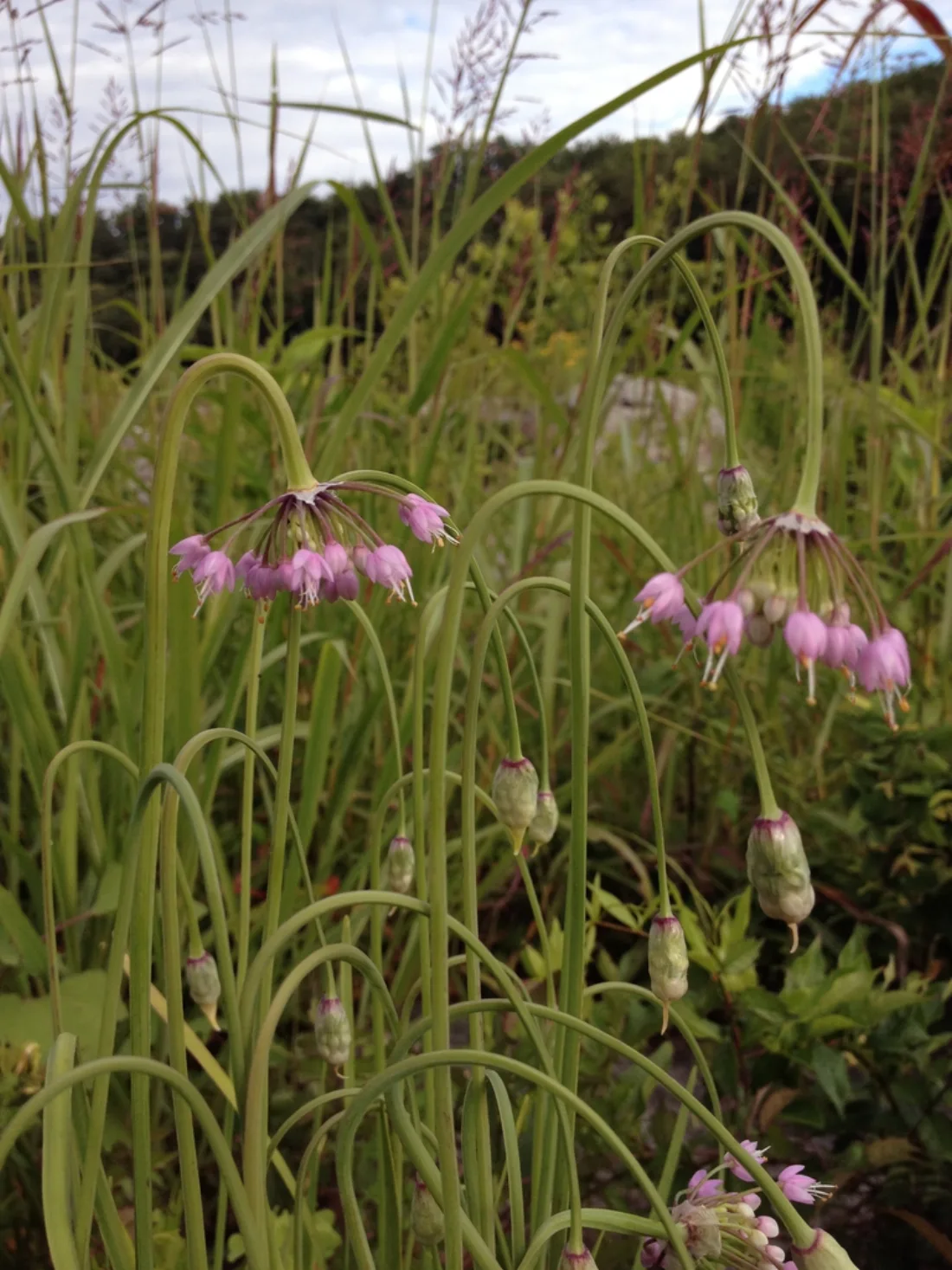
Allium cernuum
Nodding flower clusters feed bees and butterflies, with seeds for songbirds.
Instead of lilyturf
Meet this plantPhoto: Fritzflohrreynolds · CC BY-SA 3.0
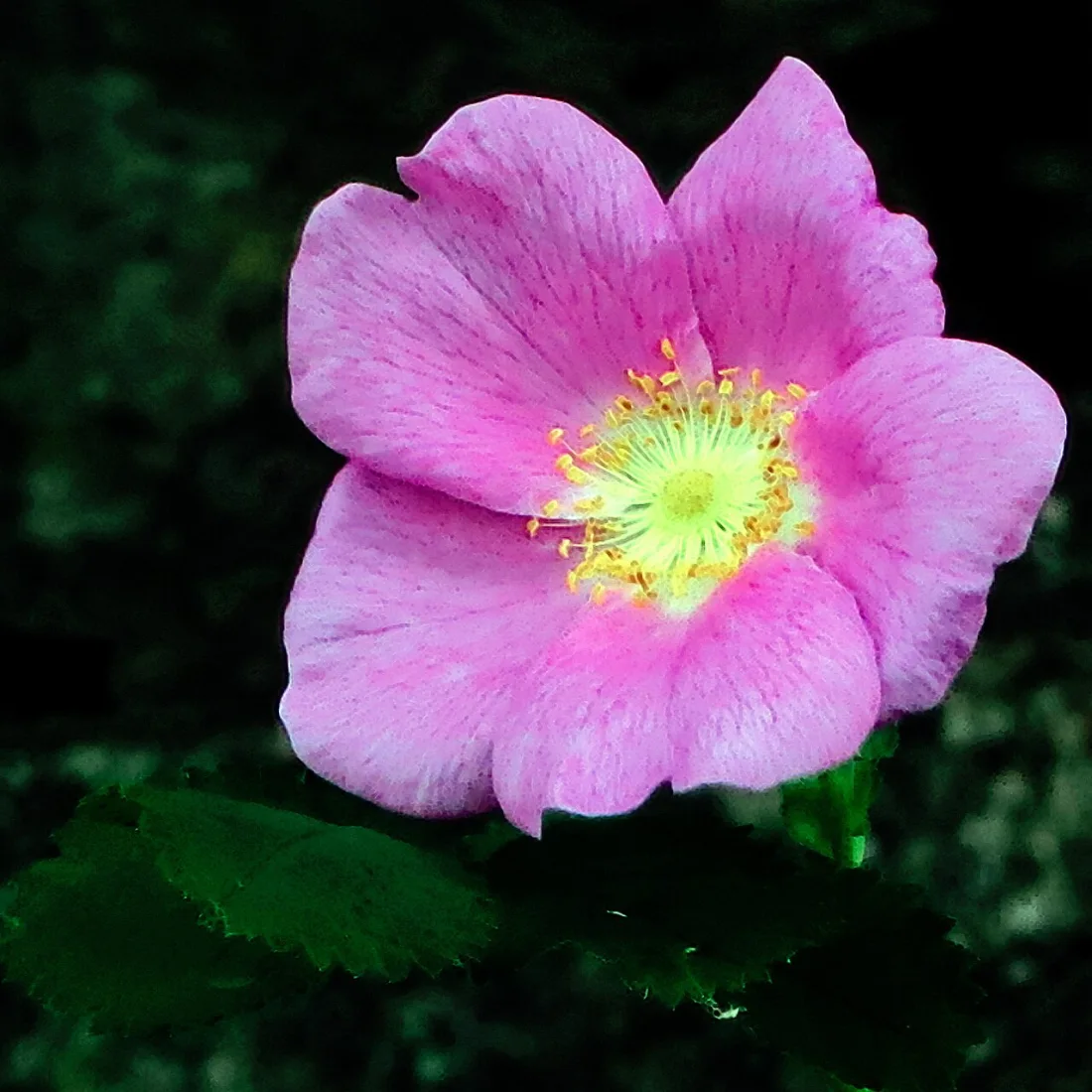
Rosa nutkana
Native pink flowers and red hips extend a hedge's seasonal interest.
Instead of rugosa rose
Meet this plantPhoto: John Rusk from Berkeley, CA, United States of America · CC BY 2.0
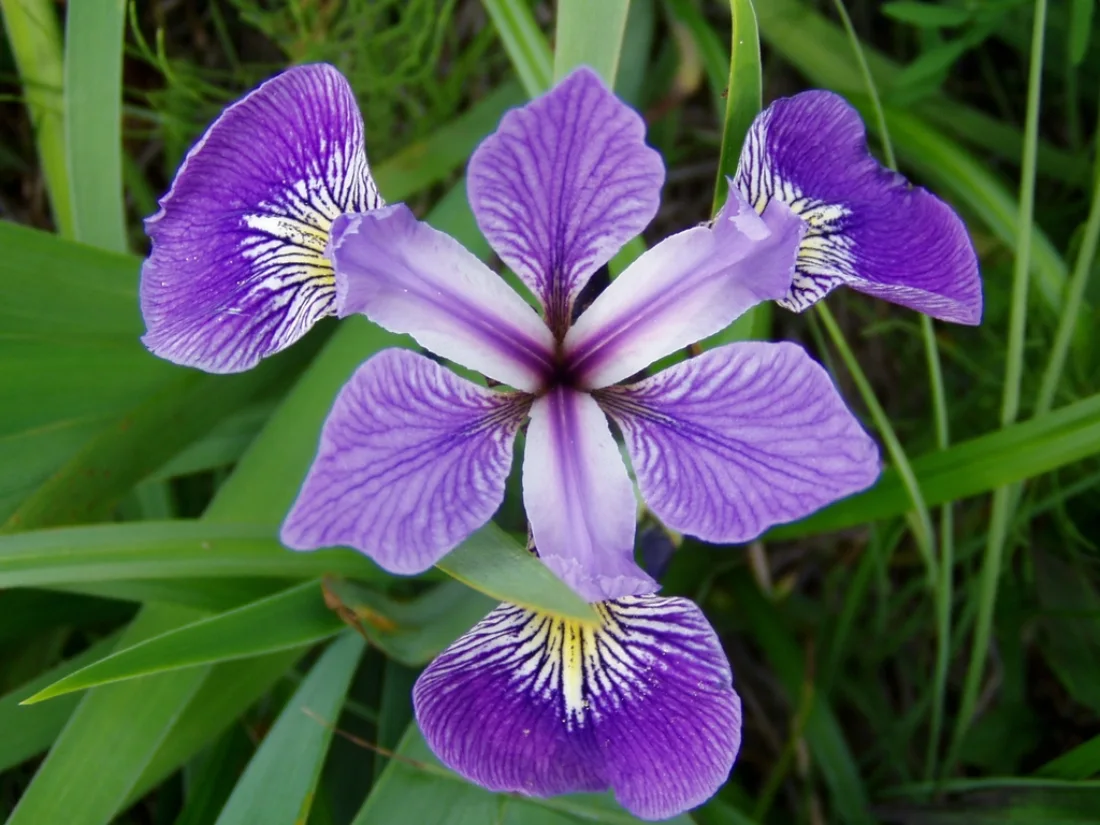
Iris versicolor
Native wetland flowers bring color and upright foliage to a rain garden or pond margin.
Instead of orange daylily
Meet this plantPhoto: Danielle Langlois · CC BY-SA 3.0
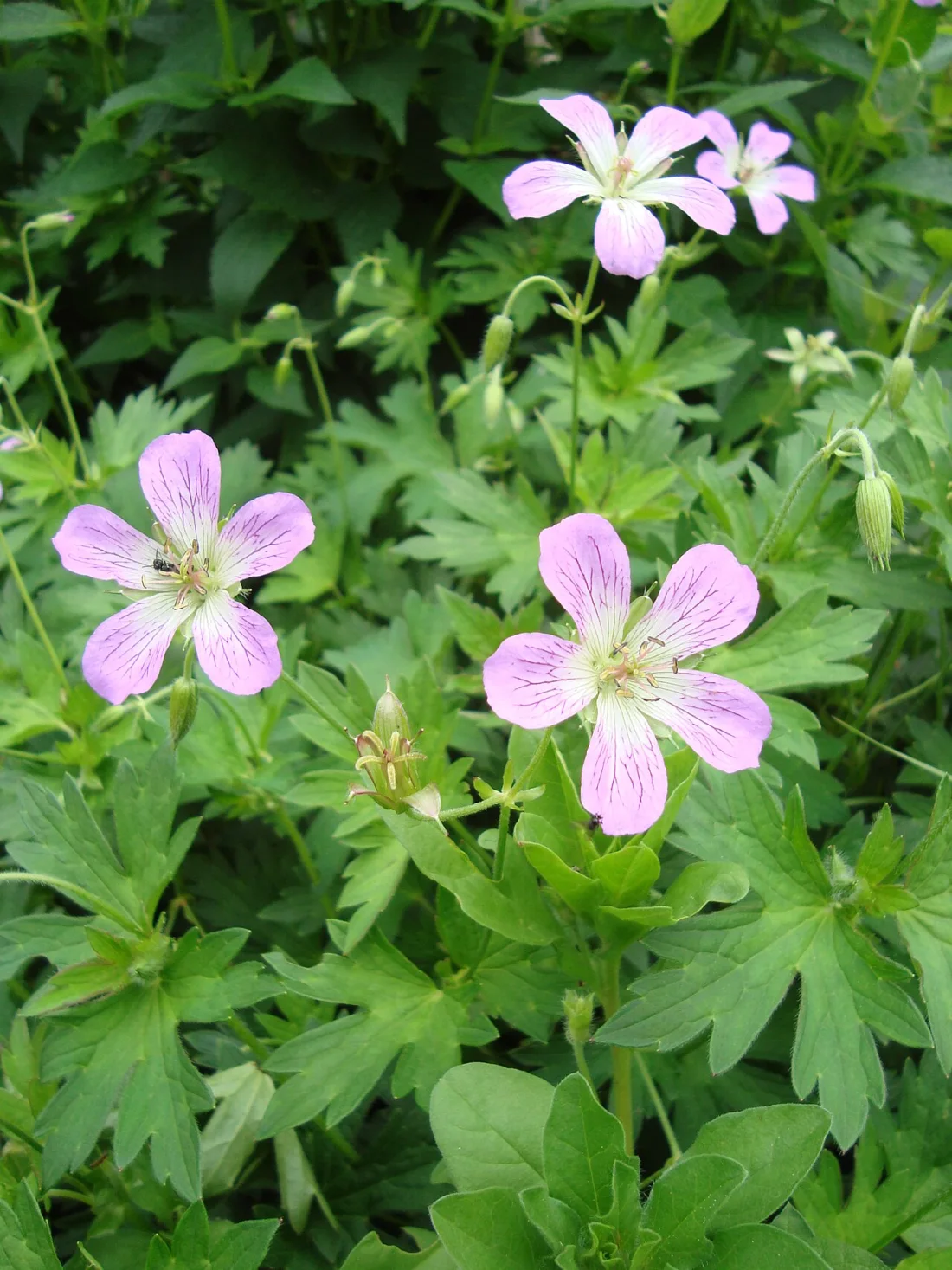
Geranium erianthum
Native blue-purple flowers add color to a moist border.
Instead of bloody cranesbill
Meet this plant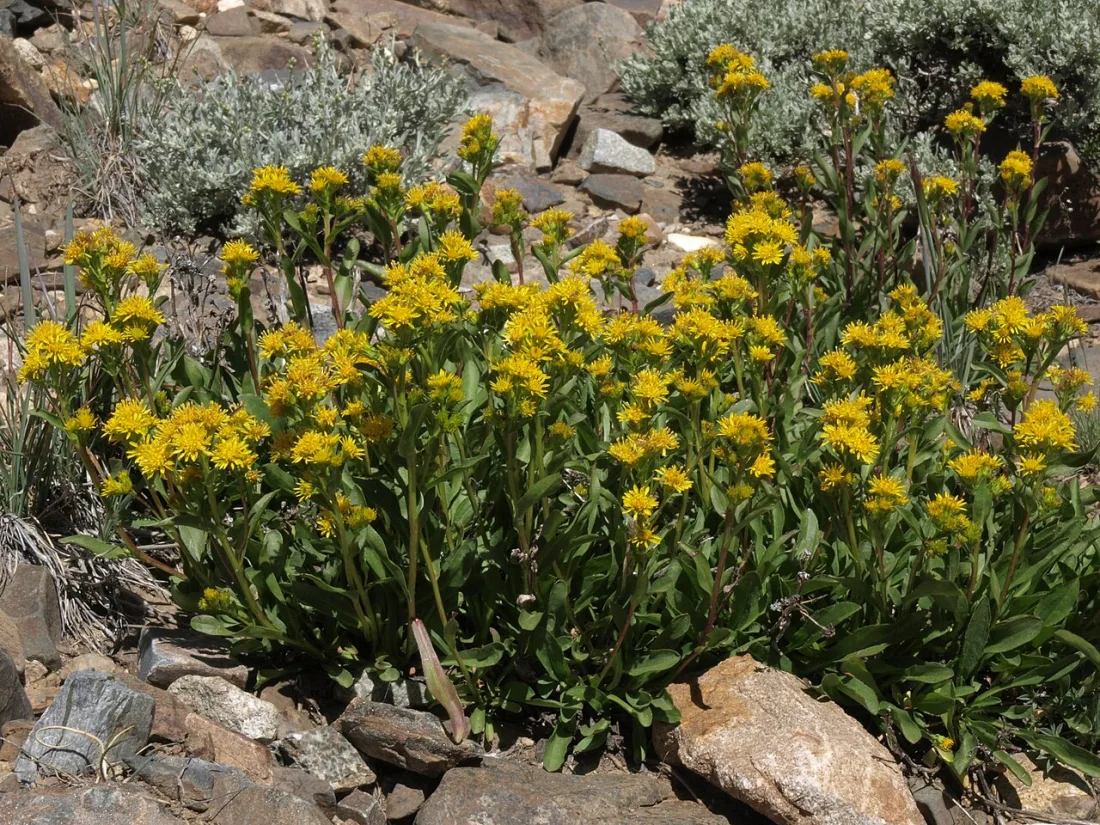
Solidago multiradiata
Native yellow flowers add color to a sunny, dry planting.
Instead of garden mum
Meet this plant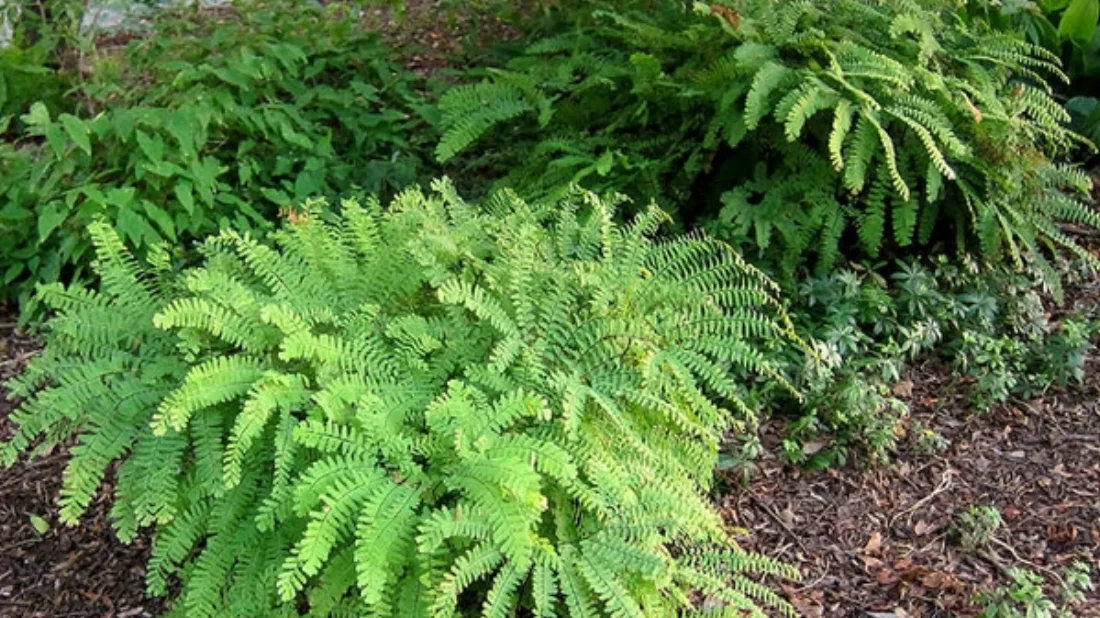
Adiantum pedatum
Lacy fronds shelter small woodland animals and provide material for bird nests.
Instead of japanese painted fern
Meet this plant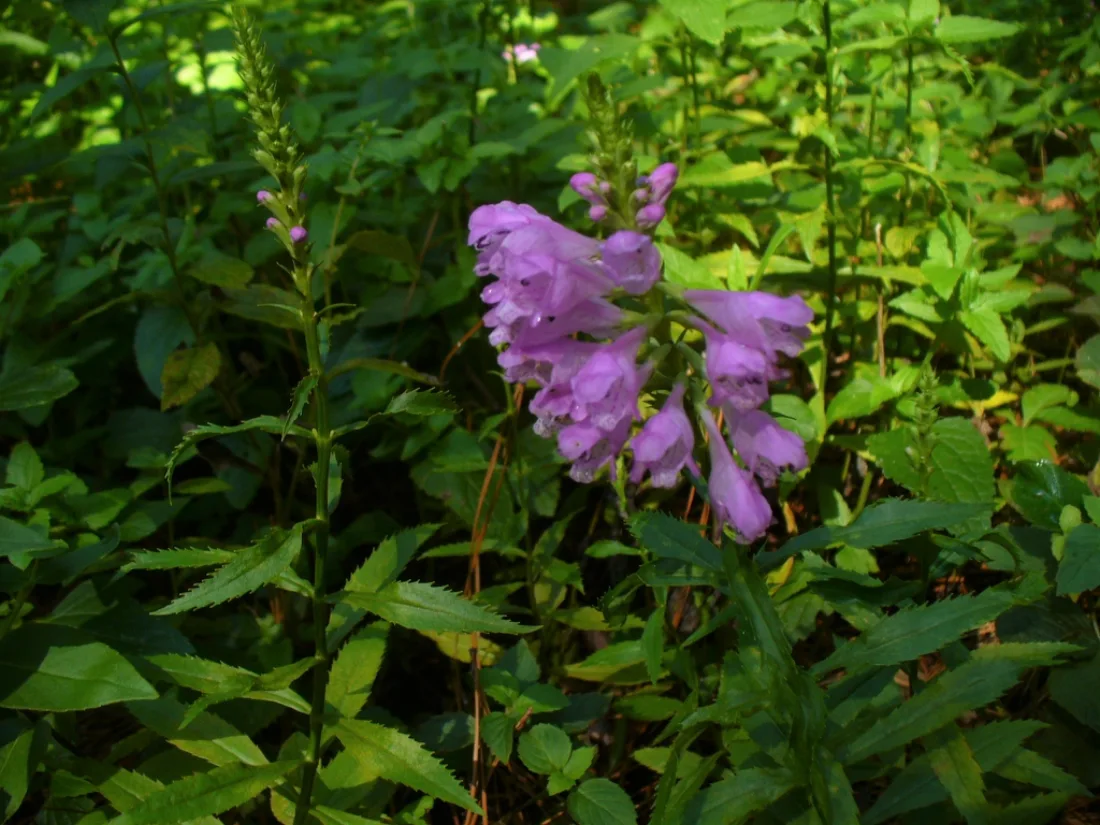
Physostegia virginiana
Native summer flowers attract bees, butterflies, and hummingbirds.
Instead of woodland sage
Meet this plantPhoto: Susan Strine · CC BY 2.0
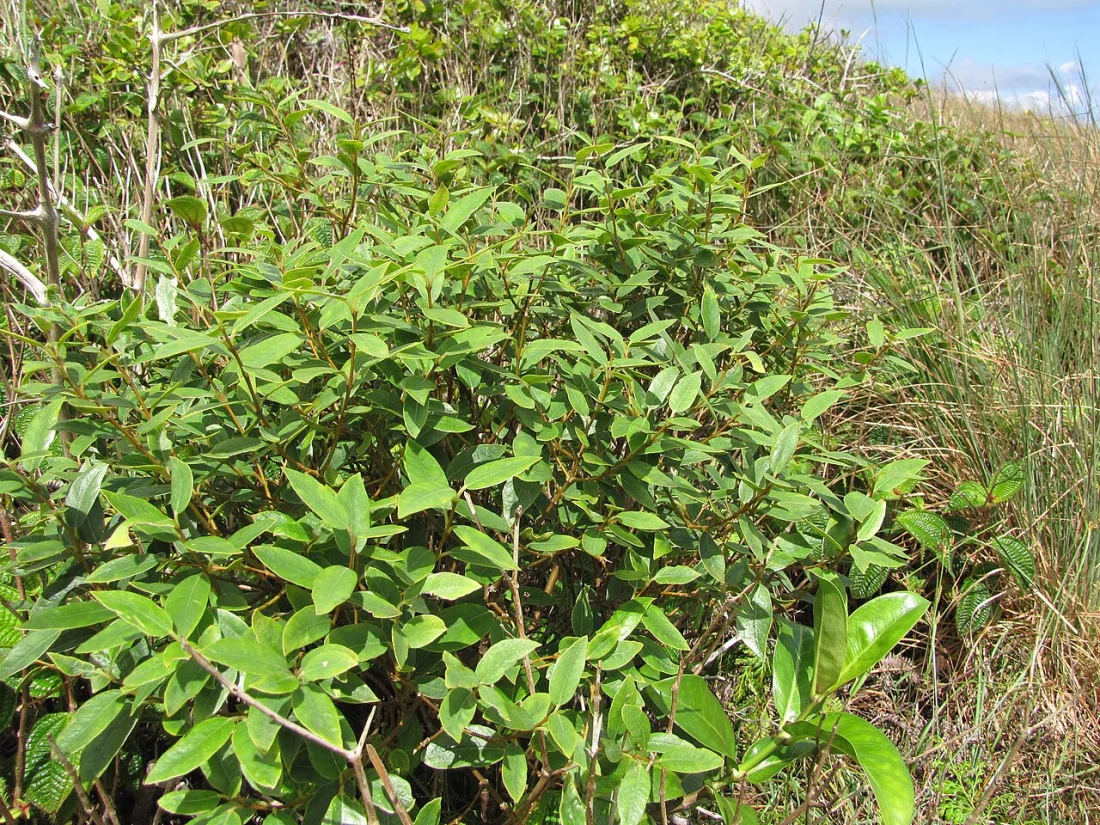
Wikstroemia oahuensis
Native flowers, foliage, and fruit give a low-water shrub seasonal interest.
Instead of heavenly bamboo
Meet this plantPhoto: Forest and Kim Starr · CC BY 3.0 us
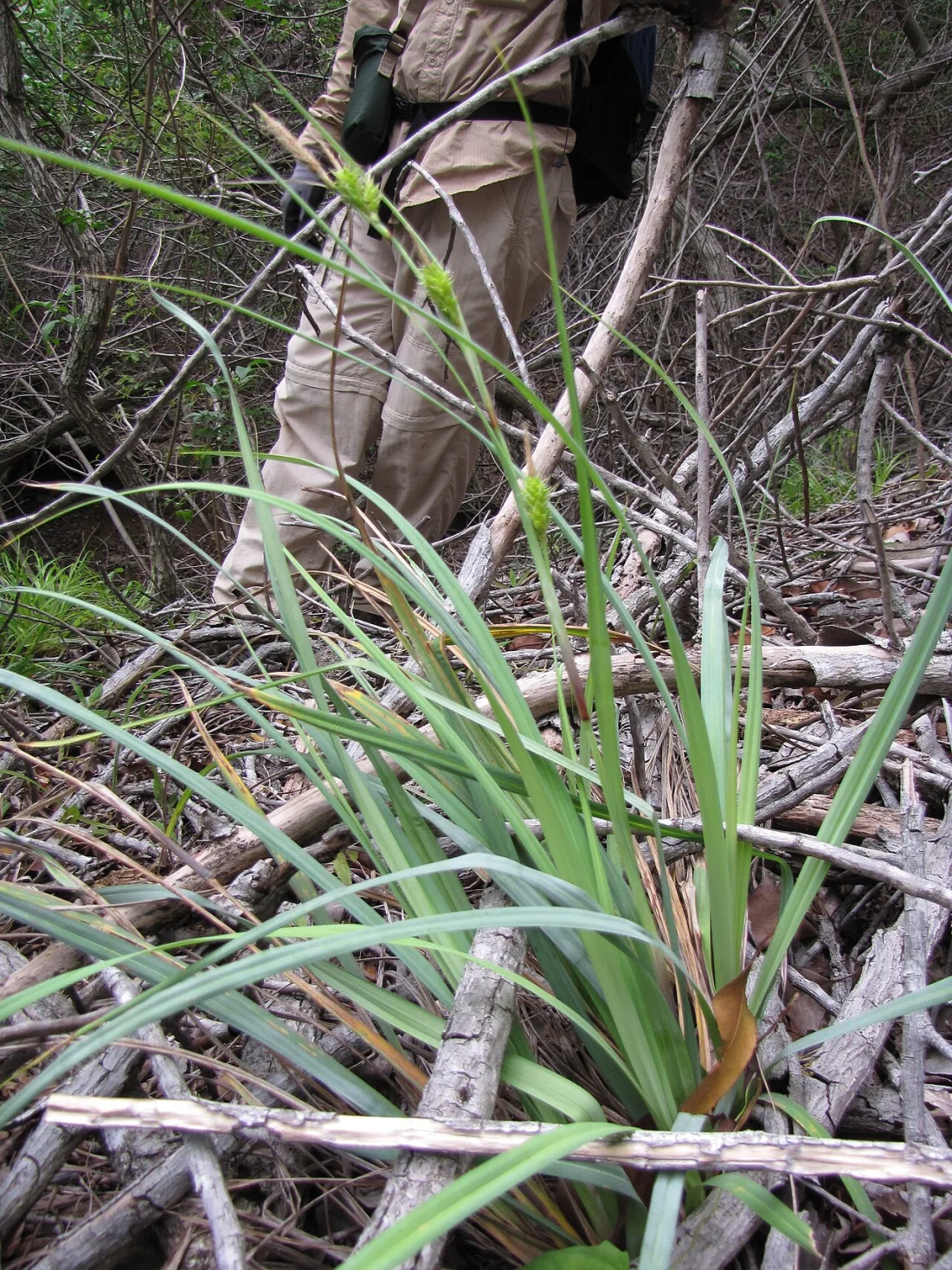
Carex wahuensis subsp. wahuensis
This tough native sedge adds groundcover and erosion control without relying on introduced umbrella sedges.
Instead of umbrella sedge
Meet this plantPhoto: Forest and Kim Starr · CC BY 3.0 us
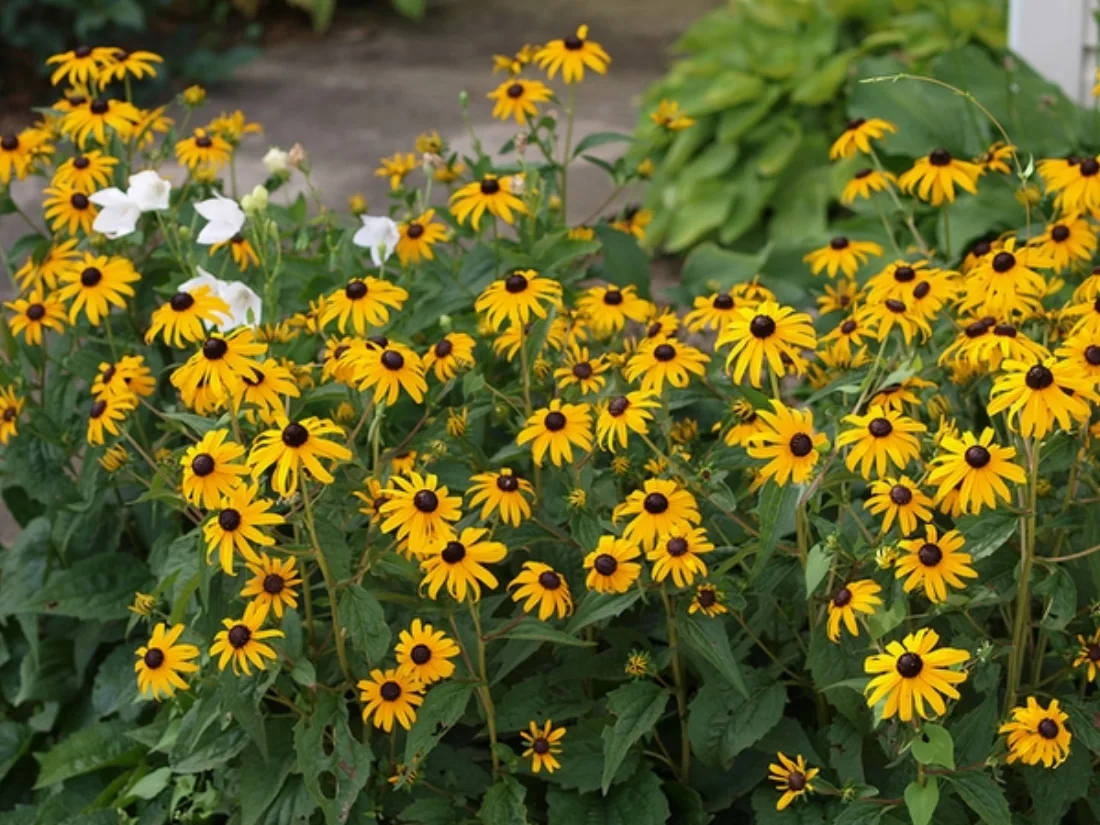
Rudbeckia fulgida
Golden flowers feed pollinators, and seedheads left standing become a fall food source for goldfinches.
Instead of shasta daisy
Meet this plantPhoto: F. D. Richards · CC-BY-SA 2.0
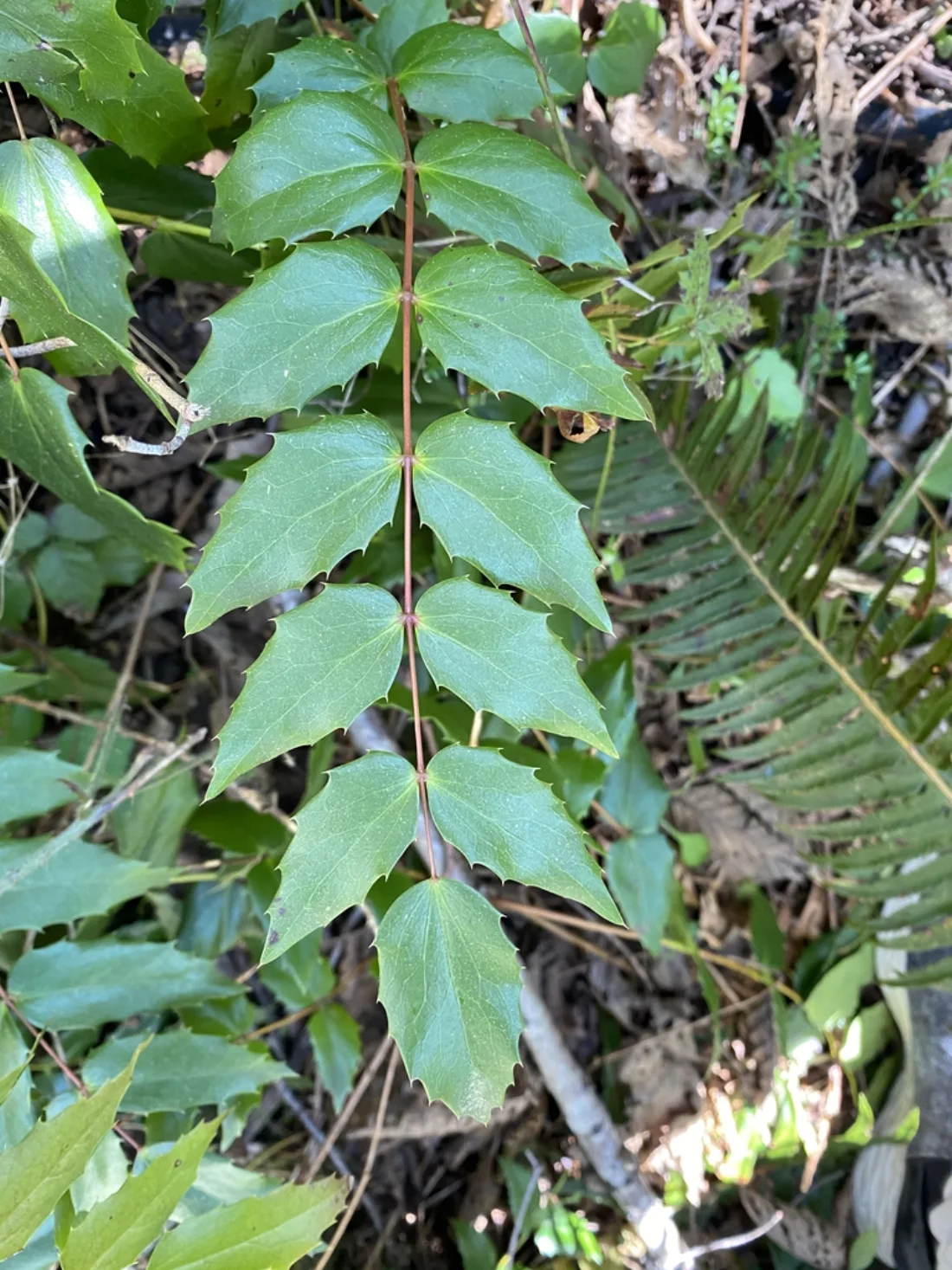
Berberis aquifolium
Dark berries feed birds, and evergreen leaves provide shelter through the seasons.
Instead of heavenly bamboo
Meet this plantPhoto: Kathleen Moore · CC BY 4.0
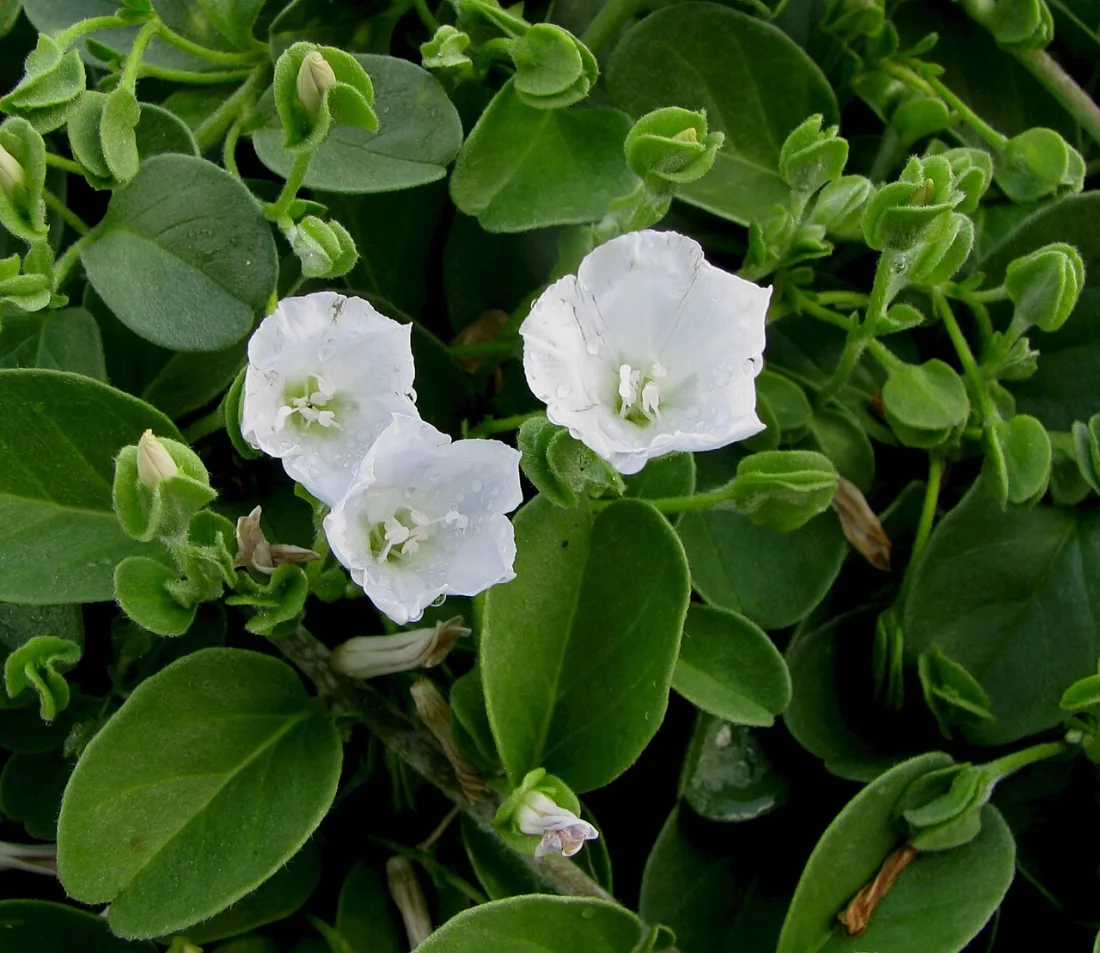
Jacquemontia sandwicensis
This native vine covers hot, salty ground with little irrigation.
Instead of common periwinkle
Meet this plantPhoto: David Eickhoff from Pearl City, Hawaii, USA · CC BY 2.0
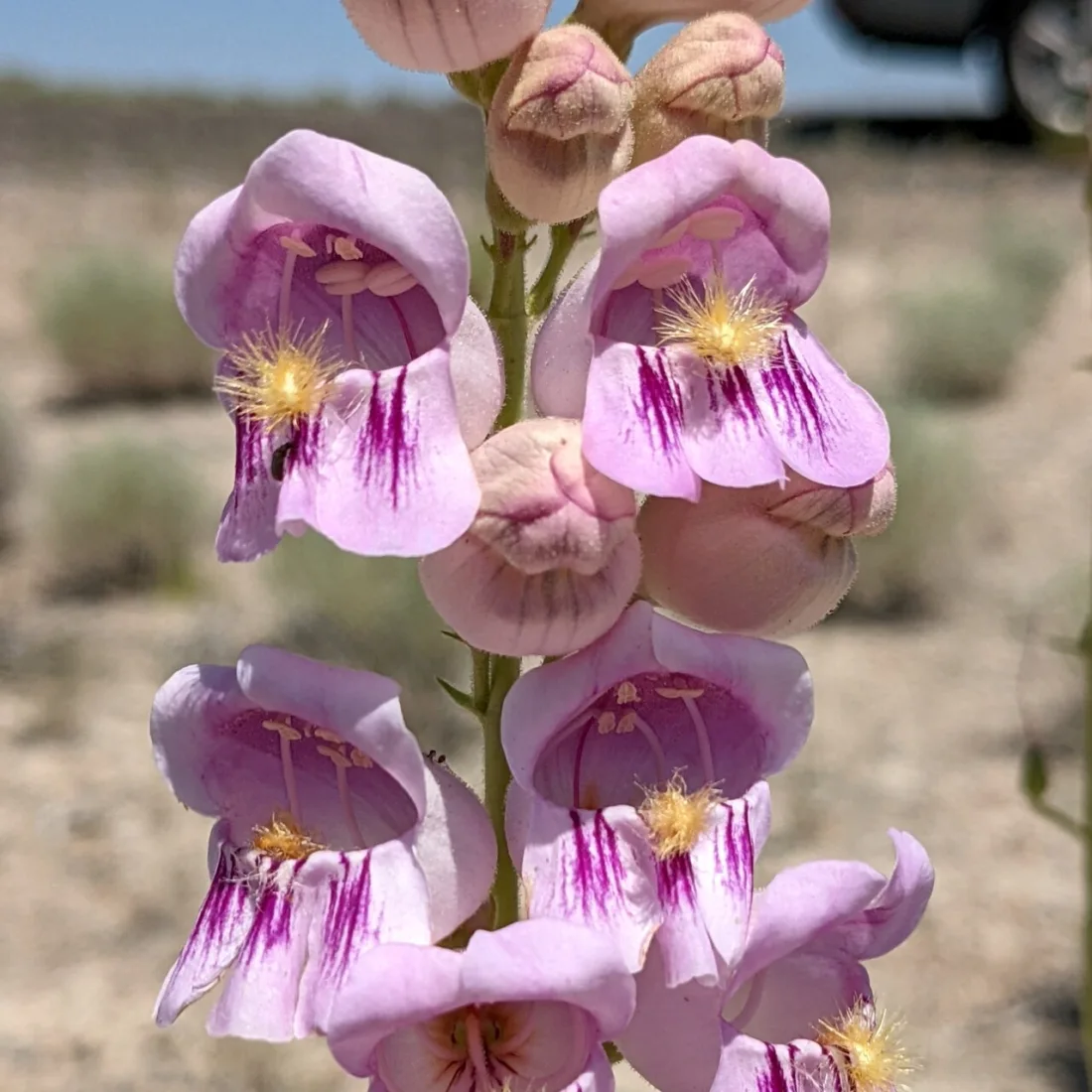
Penstemon palmeri
Native flowering stems add variety to a low-water border.
Instead of woodland sage
Meet this plantPhoto: P Holroyd https://www.inaturalist.org/people/pholroyd · CC BY 4.0
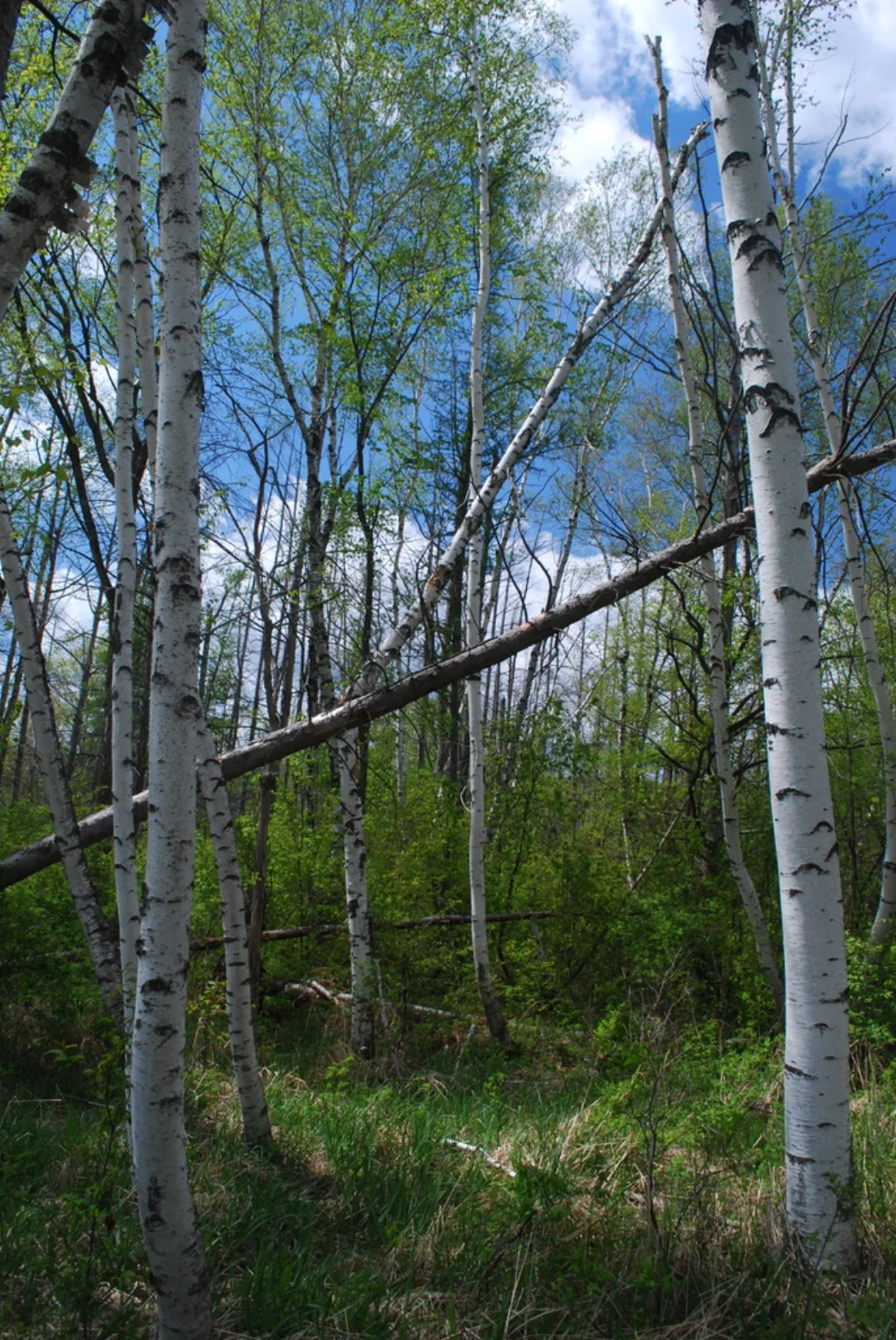
Betula papyrifera
Native birch leaves feed moth and butterfly caterpillars while the canopy adds light shade.
Instead of european white birch
Meet this plantPhoto: Joshua Mayer · CC-BY-SA 2.0
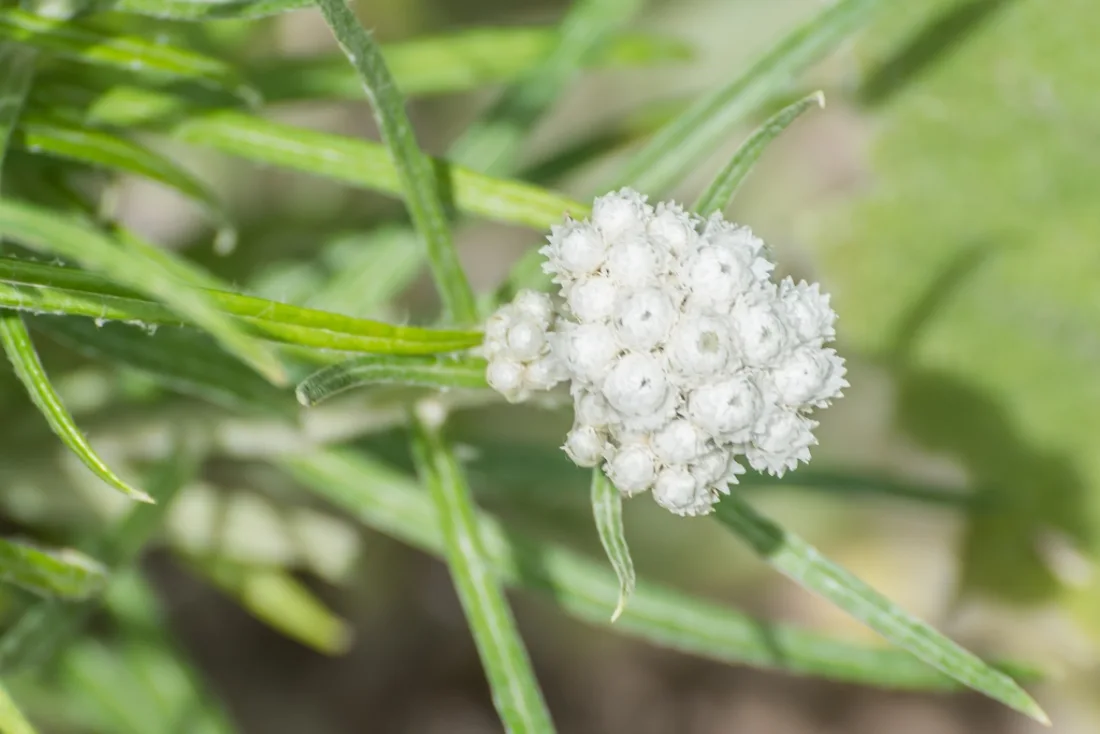
Anaphalis margaritacea
This native perennial feeds painted lady caterpillars as well as visiting pollinators.
Instead of garden mum
Meet this plantPhoto: Kryzystof Golik · CC BY-SA 4.0
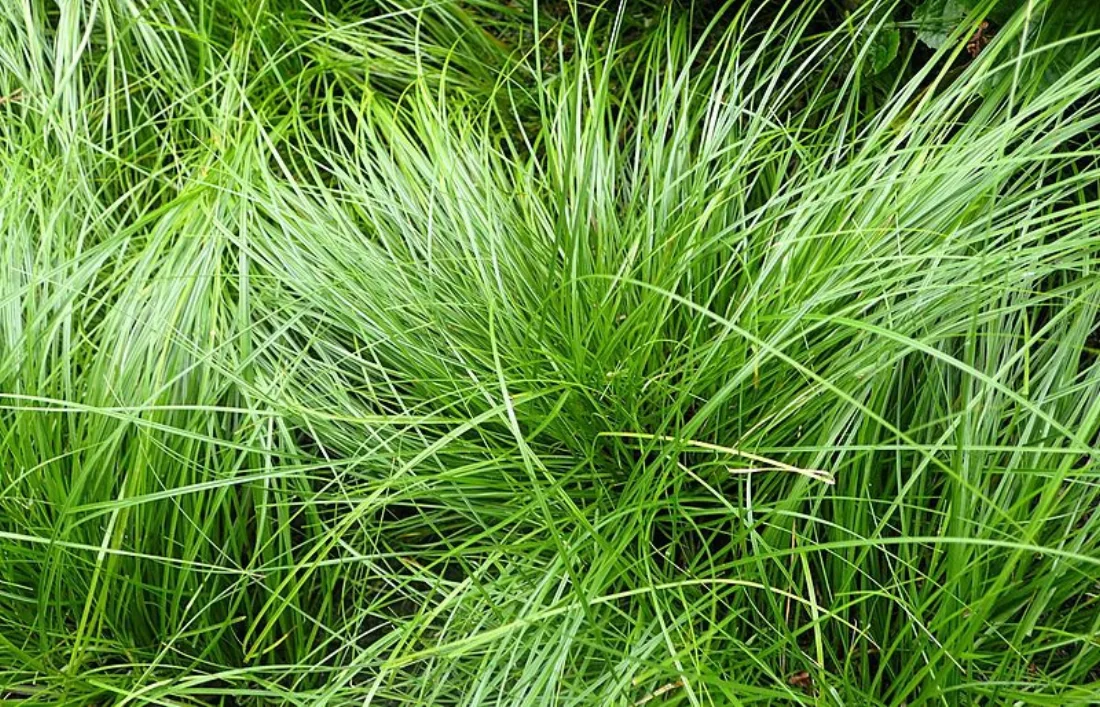
Carex pensylvanica
Fine native blades provide cover and support butterfly larvae, with seeds for birds and small mammals.
Instead of lilyturf
Meet this plantPhoto: Kenraiz · CC BY-SA 4.0
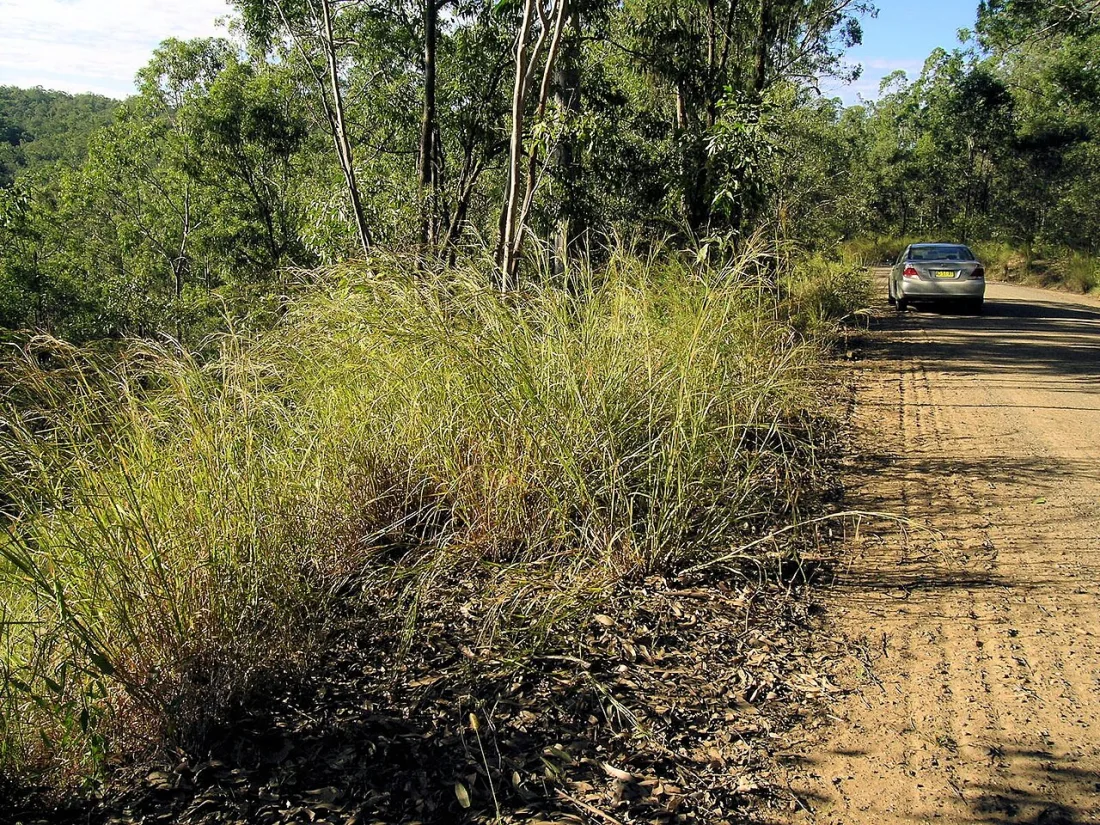
Heteropogon contortus
Native bunches add texture and ground cover to dry, sunny Hawaiian gardens.
Instead of maiden grass
Meet this plantPhoto: Harry Rose from South West Rocks, Australia · CC BY 2.0
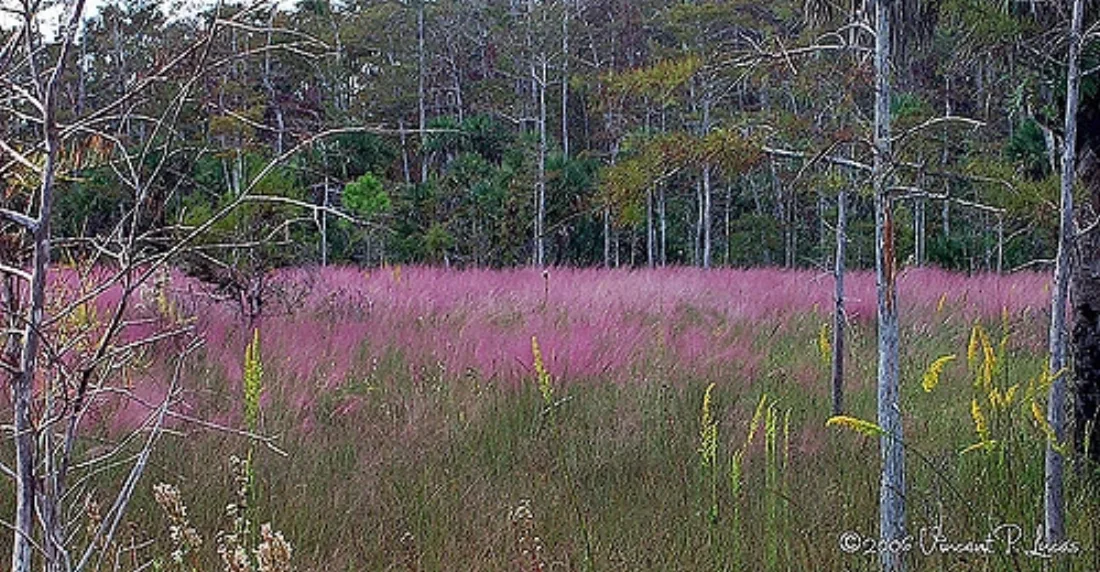
Muhlenbergia capillaris
Native grass clumps shelter wildlife, while seedheads feed songbirds and small mammals.
Instead of maiden grass
Meet this plant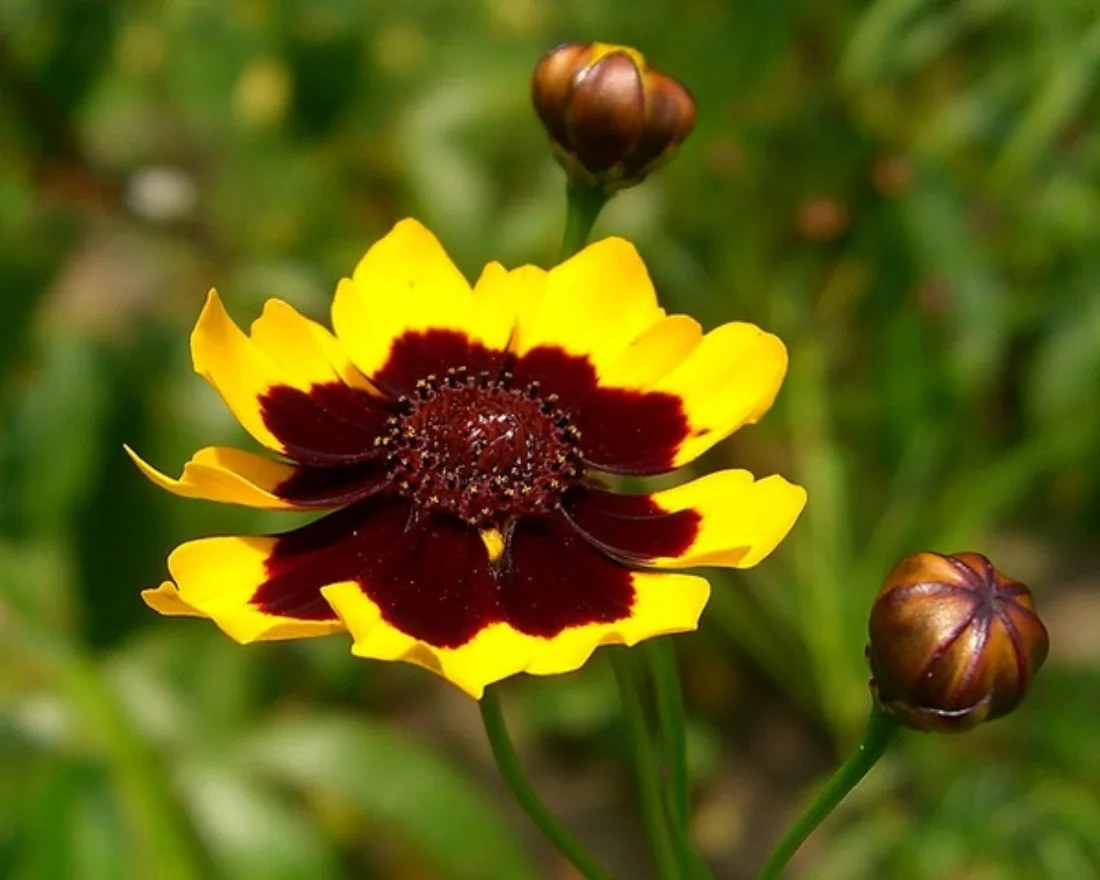
Coreopsis tinctoria
Native annual flowers offer nectar to a broad mix of bees, butterflies, and other insects.
Instead of garden mum
Meet this plantPhoto: Jason Hollinger · CC BY 2.0
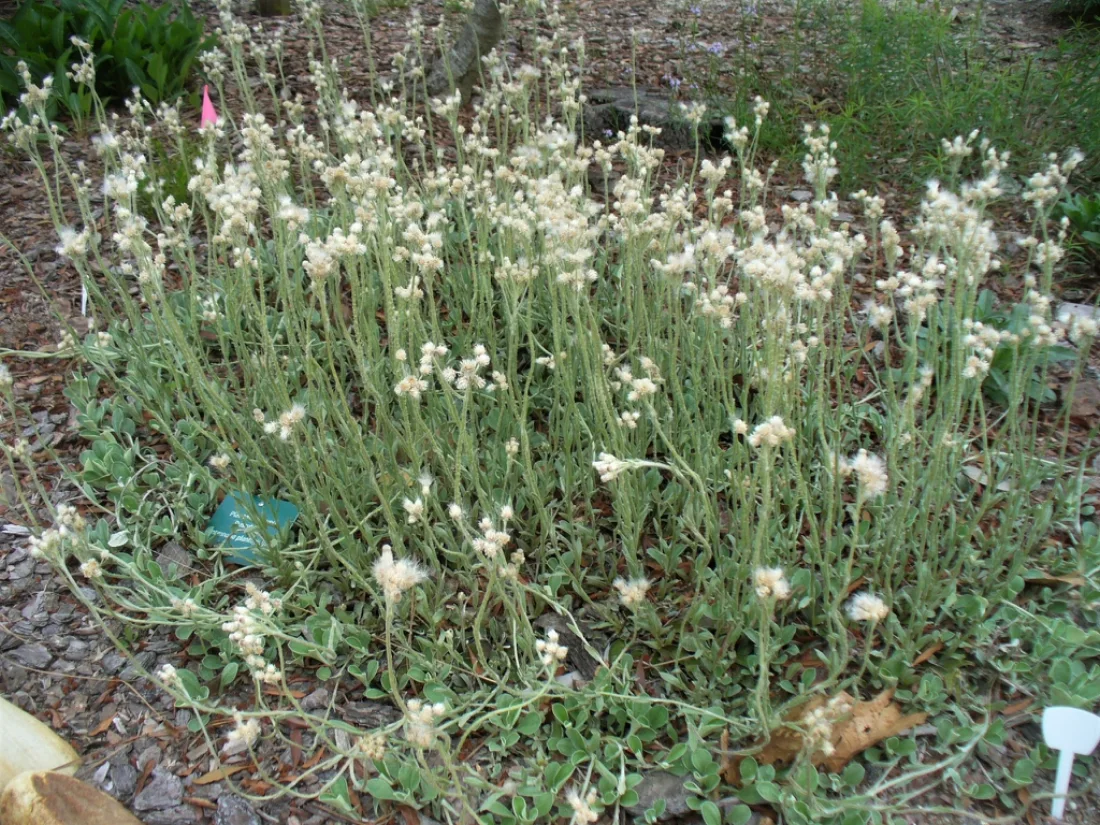
Antennaria plantaginifolia
Its native leaves feed American lady butterfly caterpillars.
Instead of bugleweed
Meet this plantPhoto: Susan Strine · CC BY 2.0
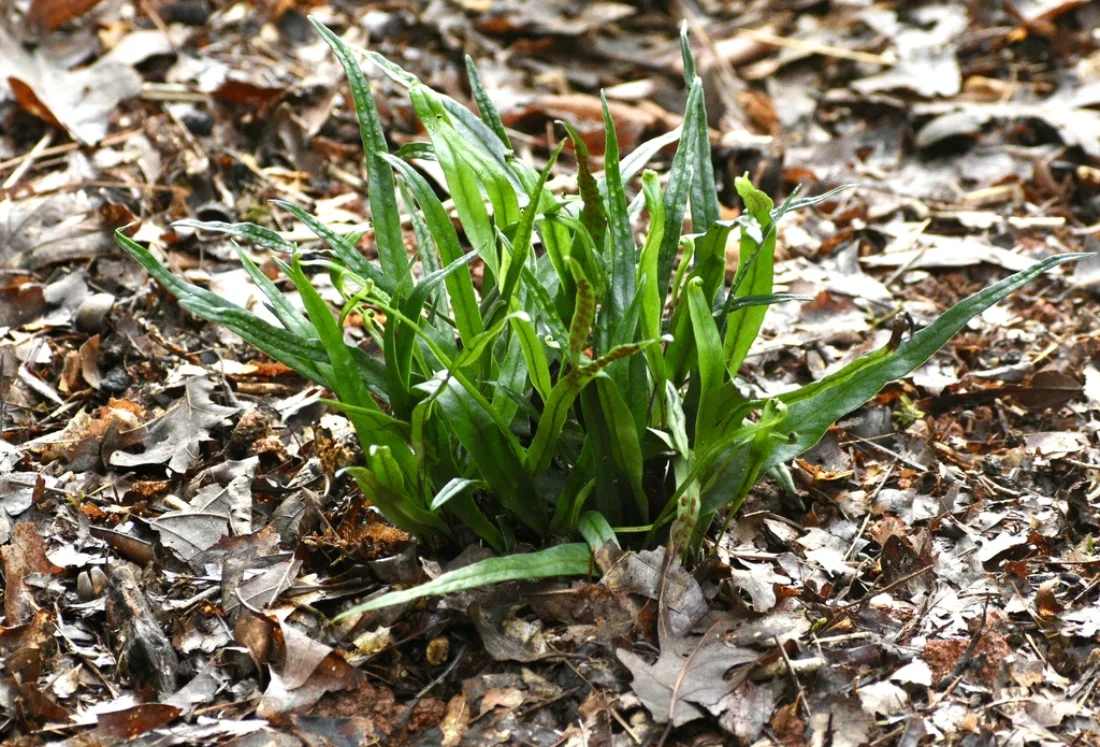
Carex plantaginea
Native sedge clumps shelter small wildlife and provide seeds for birds and small mammals.
Instead of lilyturf
Meet this plantPhoto: Cathy DeWitt · CC BY 4.0
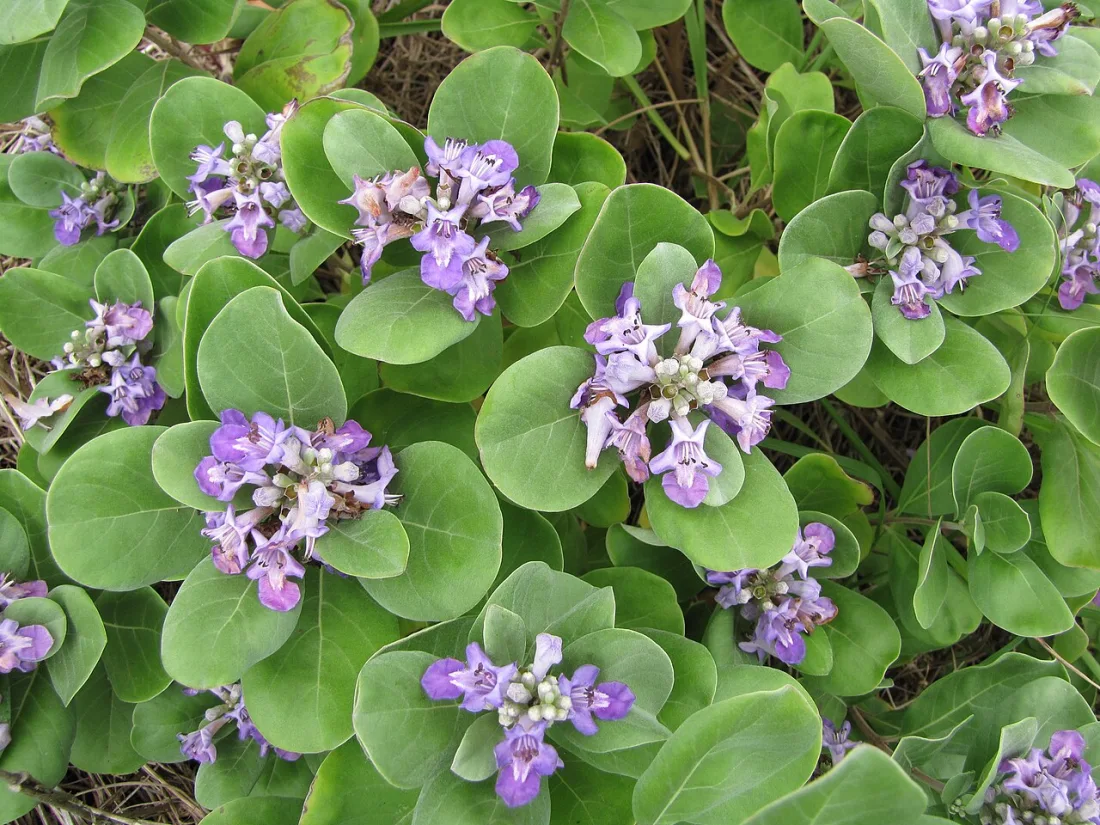
Vitex rotundifolia
Native coastal foliage covers exposed ground with little watering once established.
Instead of bearberry cotoneaster
Meet this plantPhoto: Forest and Kim Starr · CC BY 3.0 us
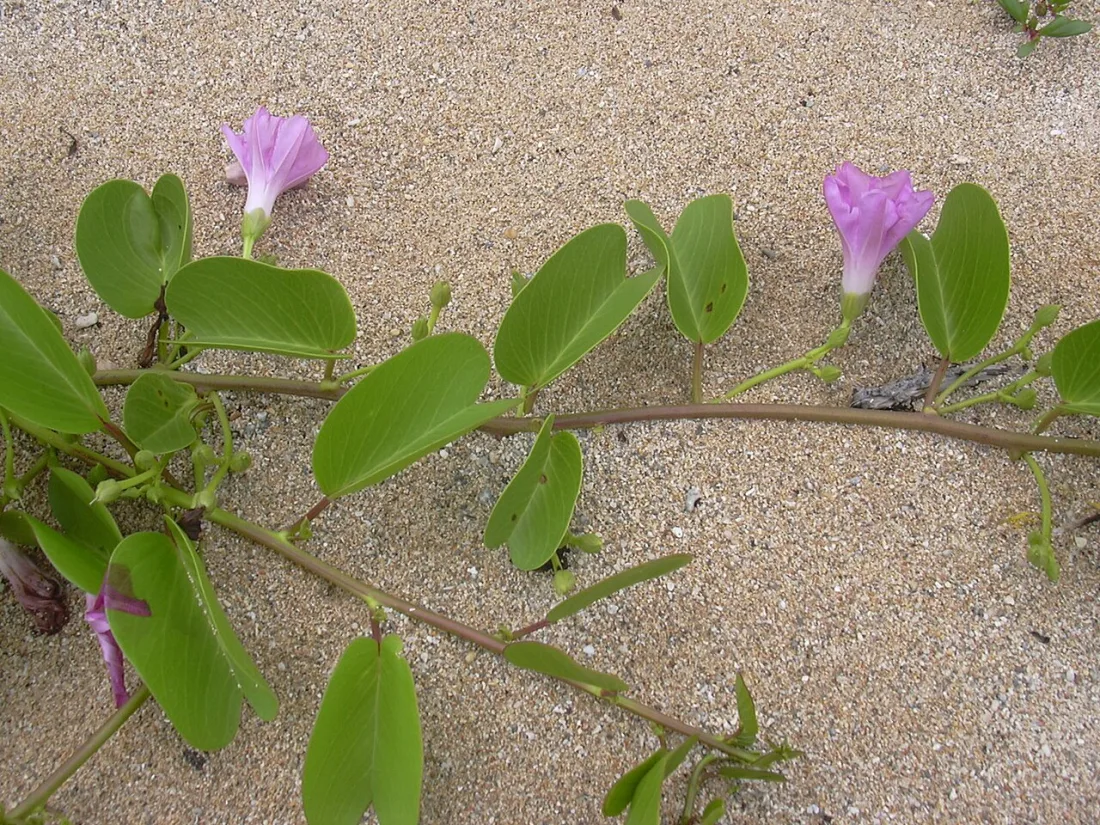
Ipomoea pes-caprae subsp. brasiliensis
Native trailing stems help stabilize sandy ground in salt spray and wind.
Instead of common periwinkle
Meet this plantPhoto: Forest & Kim Starr · CC BY 3.0
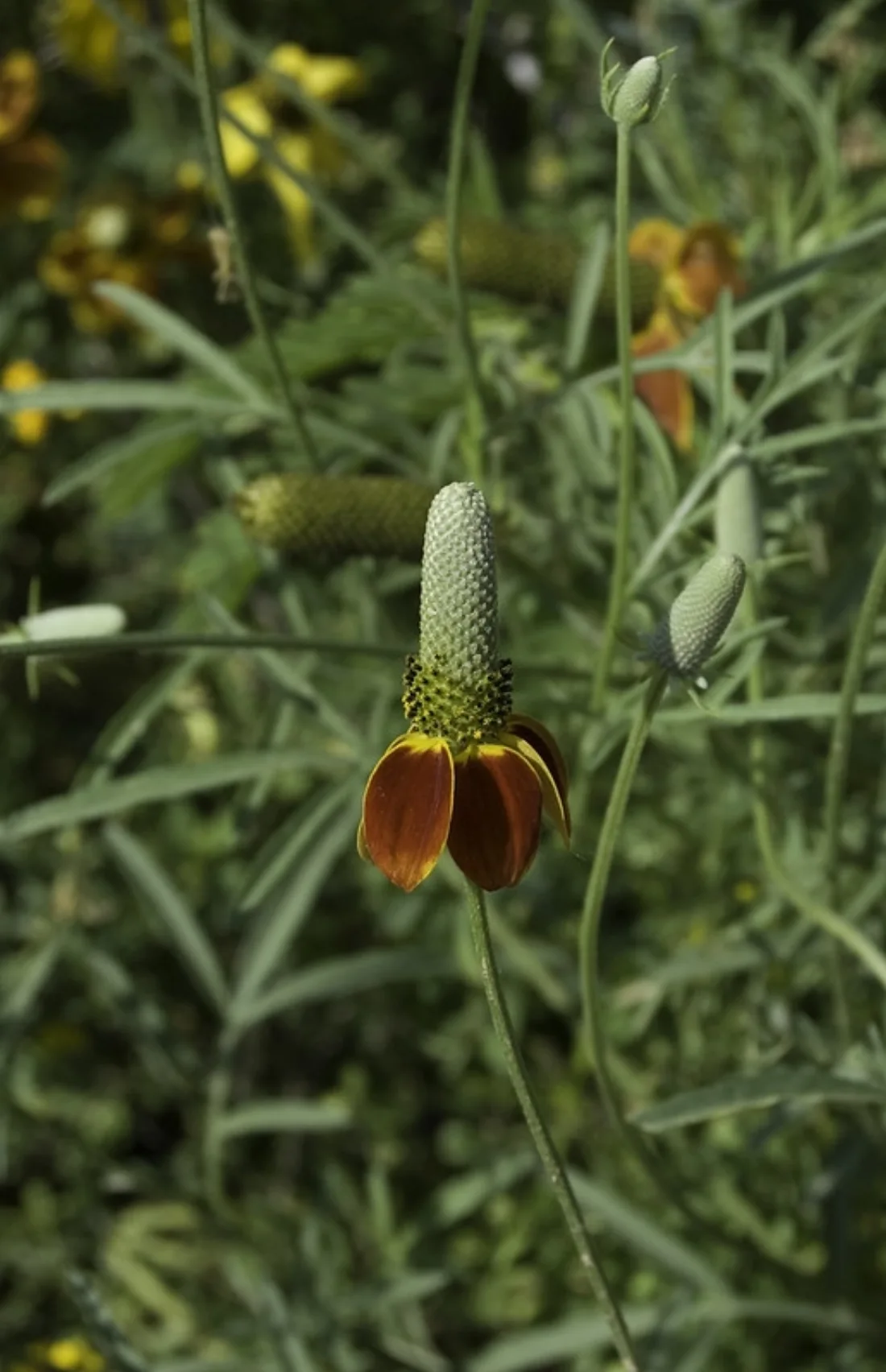
Ratibida columnifera
Native prairie flowers offer pollen and nectar for bees and butterflies in a sunny border.
Instead of shasta daisy
Meet this plantPhoto: Jeff Coffman · CC BY 2.0
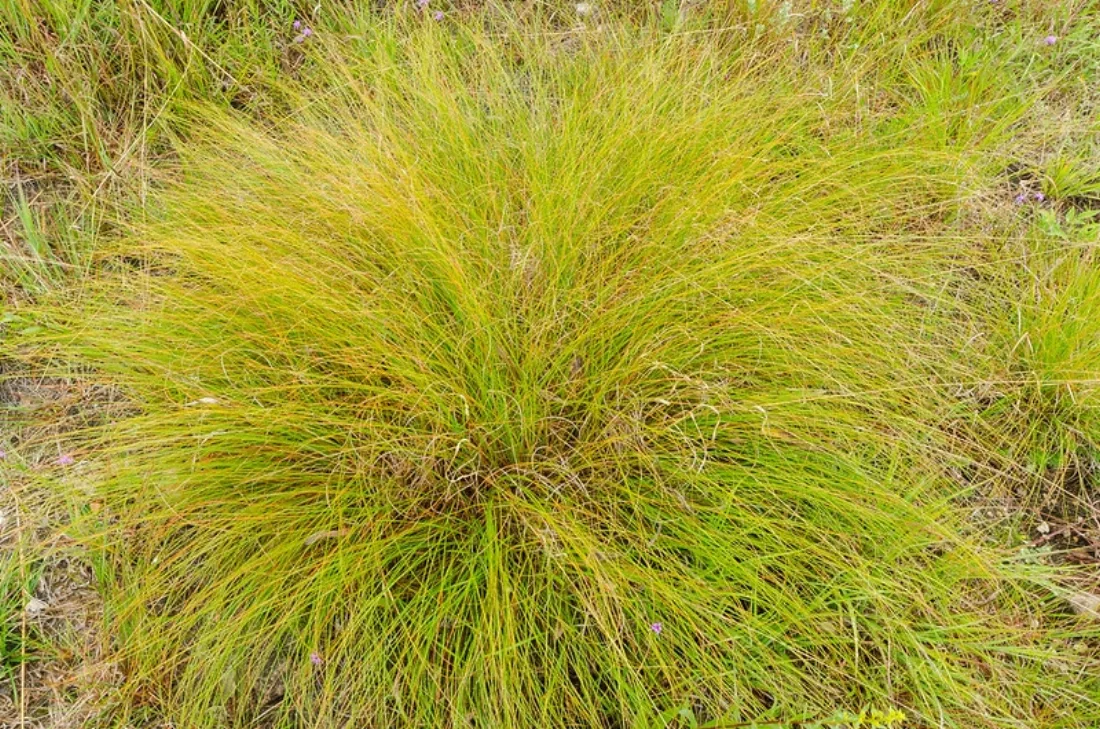
Sporobolus heterolepis
Native seeds feed sparrows and juncos, while foliage feeds prairie insects.
Instead of maiden grass
Meet this plantPhoto: Joshua Mayer · CC-BY-SA 2.0
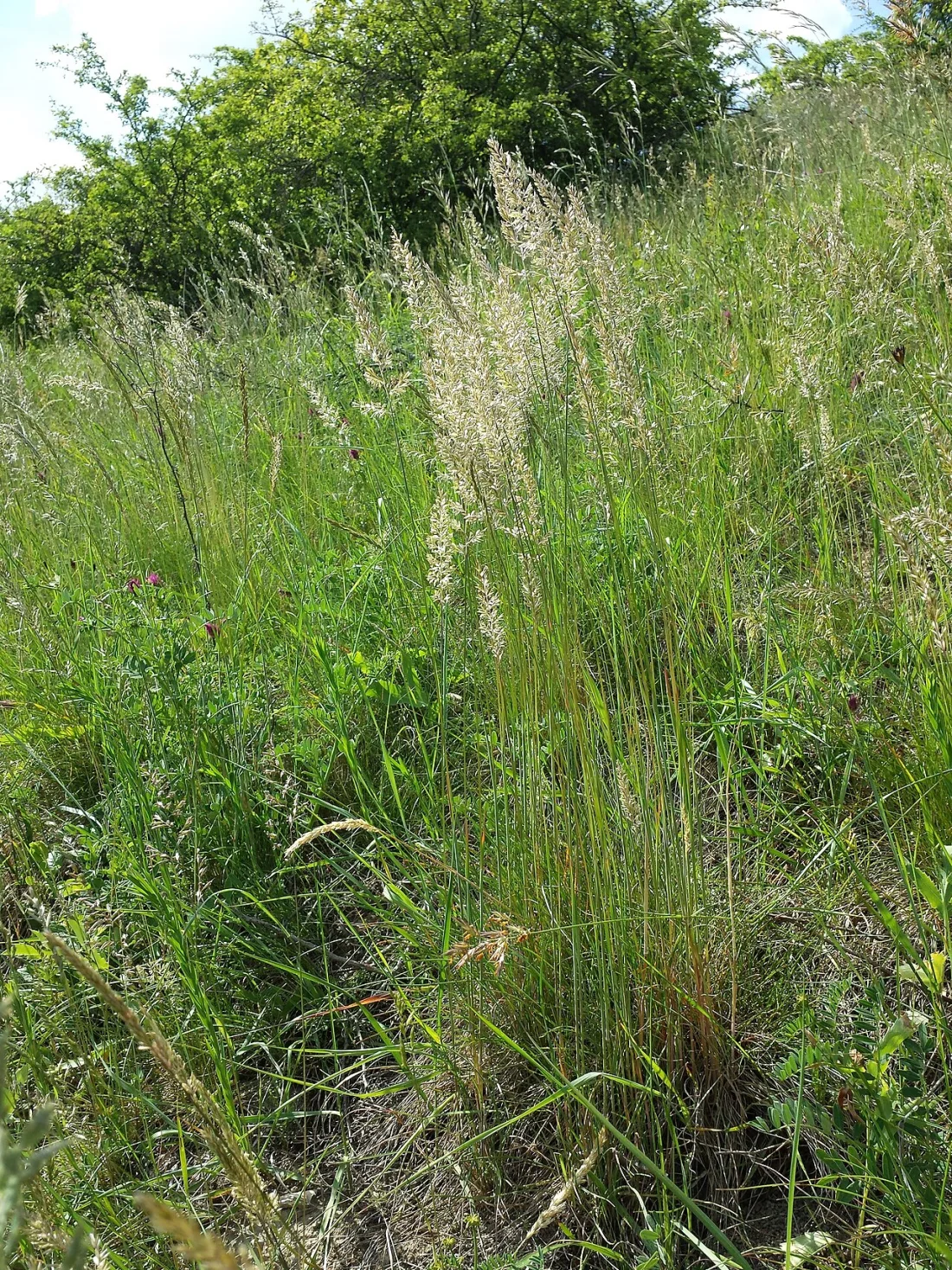
Koeleria macrantha
This native grass greens up early and tolerates drought once established.
Instead of maiden grass
Meet this plantPhoto: Stefan.lefnaer · CC BY-SA 4.0
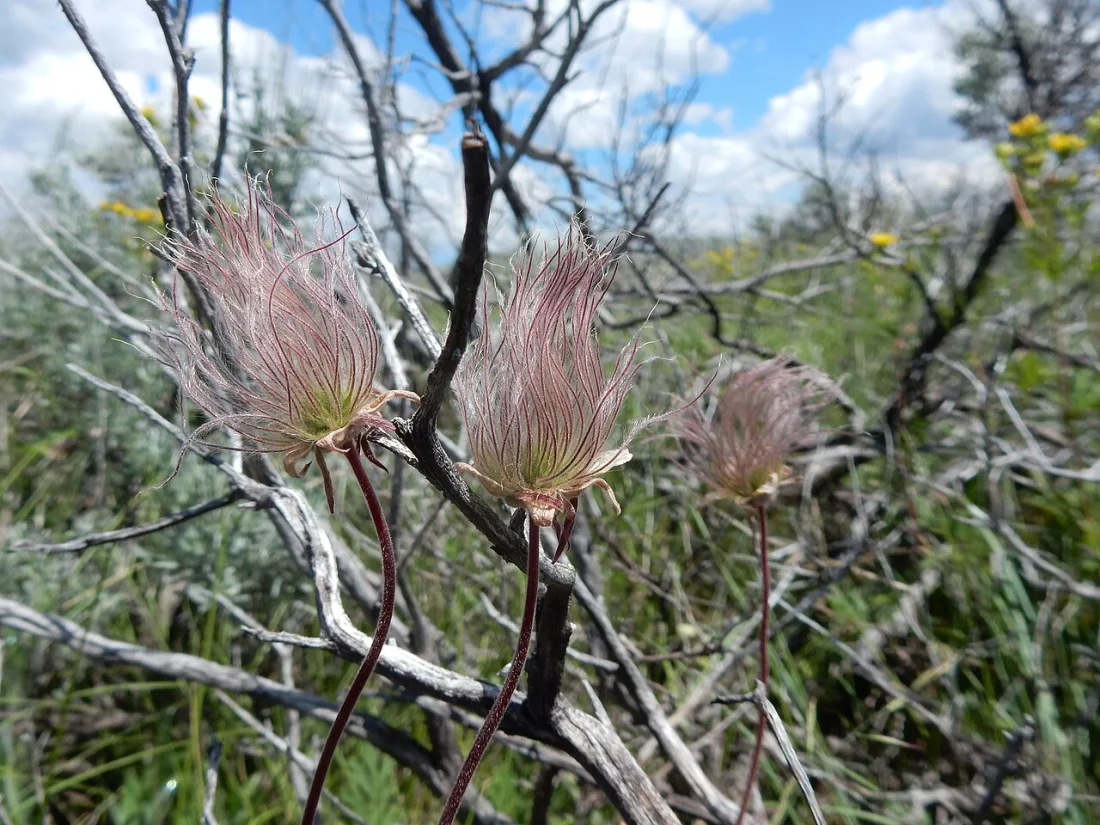
Geum triflorum
Native flowers feed bees and butterflies before turning into airy seedheads.
Instead of bloody cranesbill
Meet this plant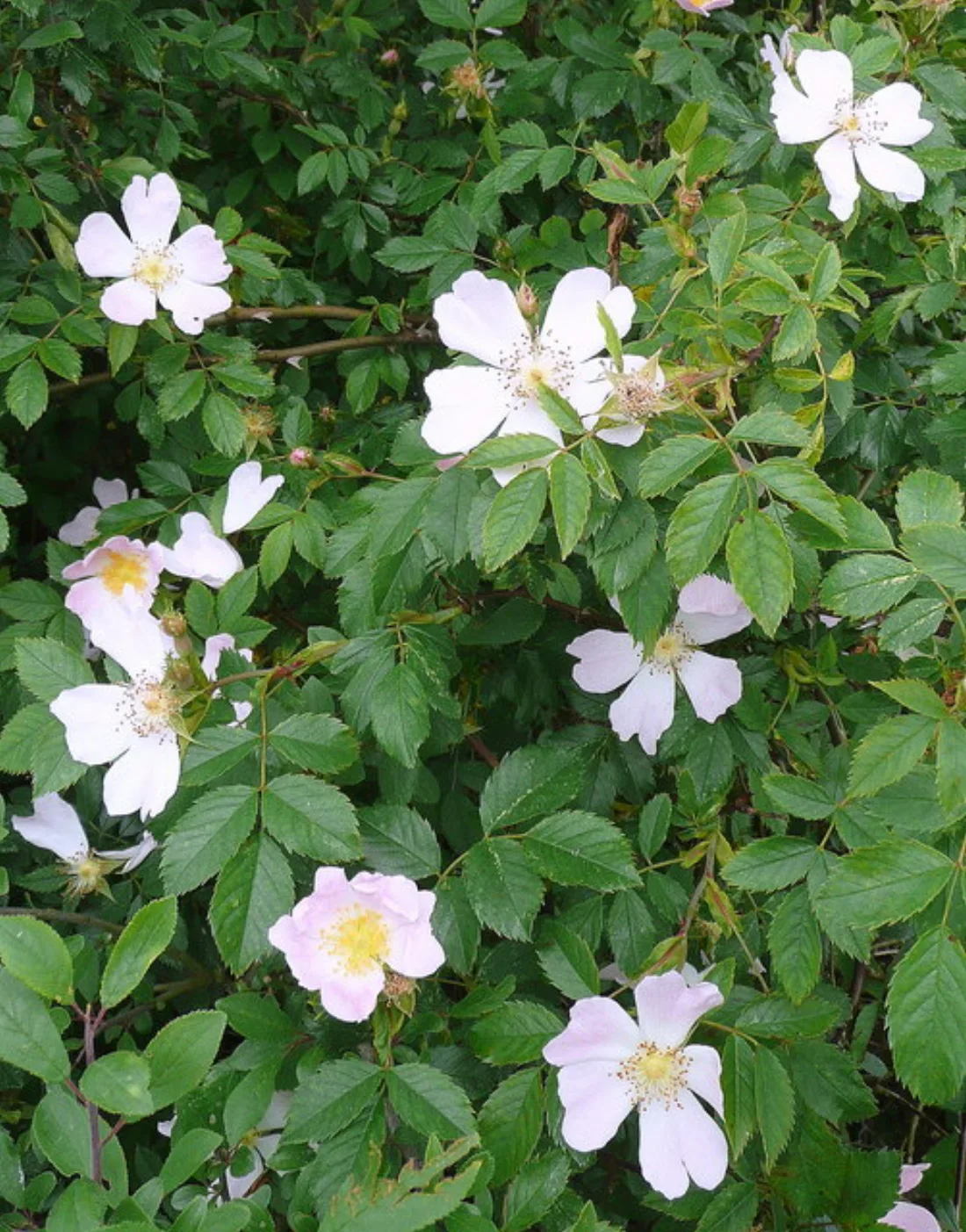
Rosa acicularis
Native pink flowers and red hips bring seasonal interest to a cold-climate hedge.
Instead of rugosa rose
Meet this plantPhoto: Jonathan Billinger · CC BY-SA 2.0
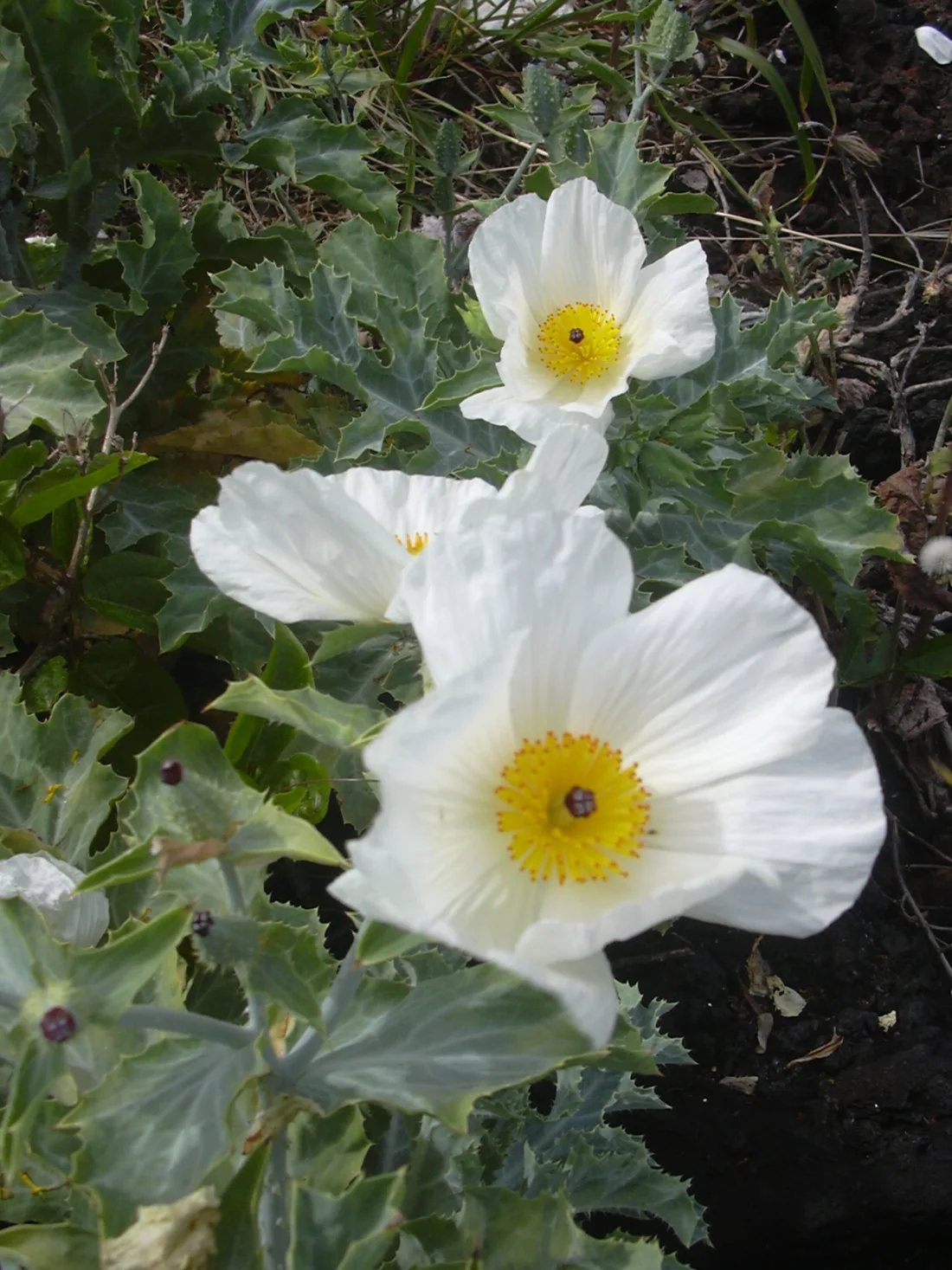
Argemone glauca
This Hawaiian poppy flowers in exposed, dry sites with little supplemental water.
Instead of treasure flower
Meet this plantPhoto: Forest & Kim Starr · CC BY 3.0
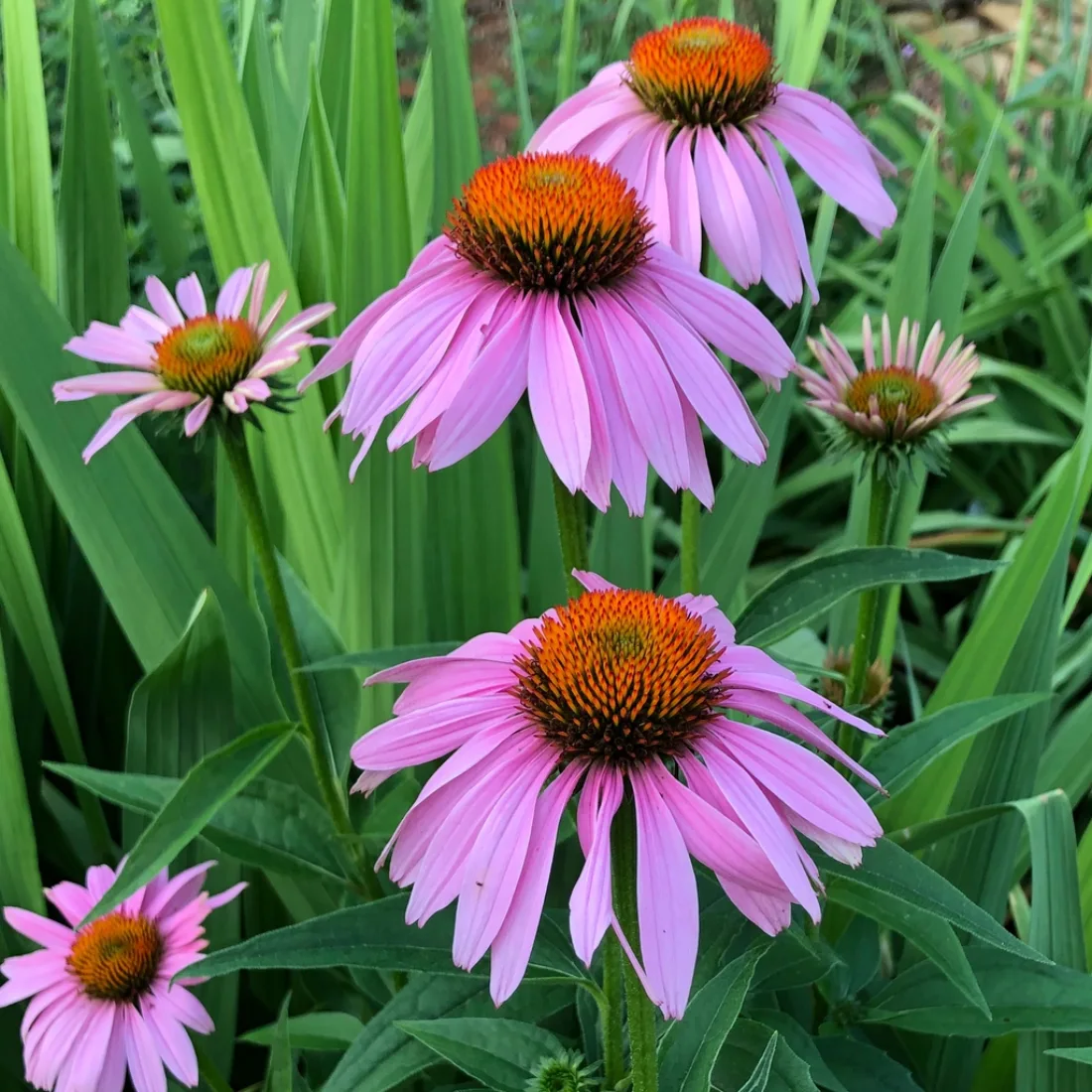
Echinacea purpurea
Open flowers feed bees and butterflies, and the seed-filled cones keep feeding songbirds after bloom.
Instead of shasta daisy
Meet this plantPhoto: Cathy Dewitt · CC BY 4.0
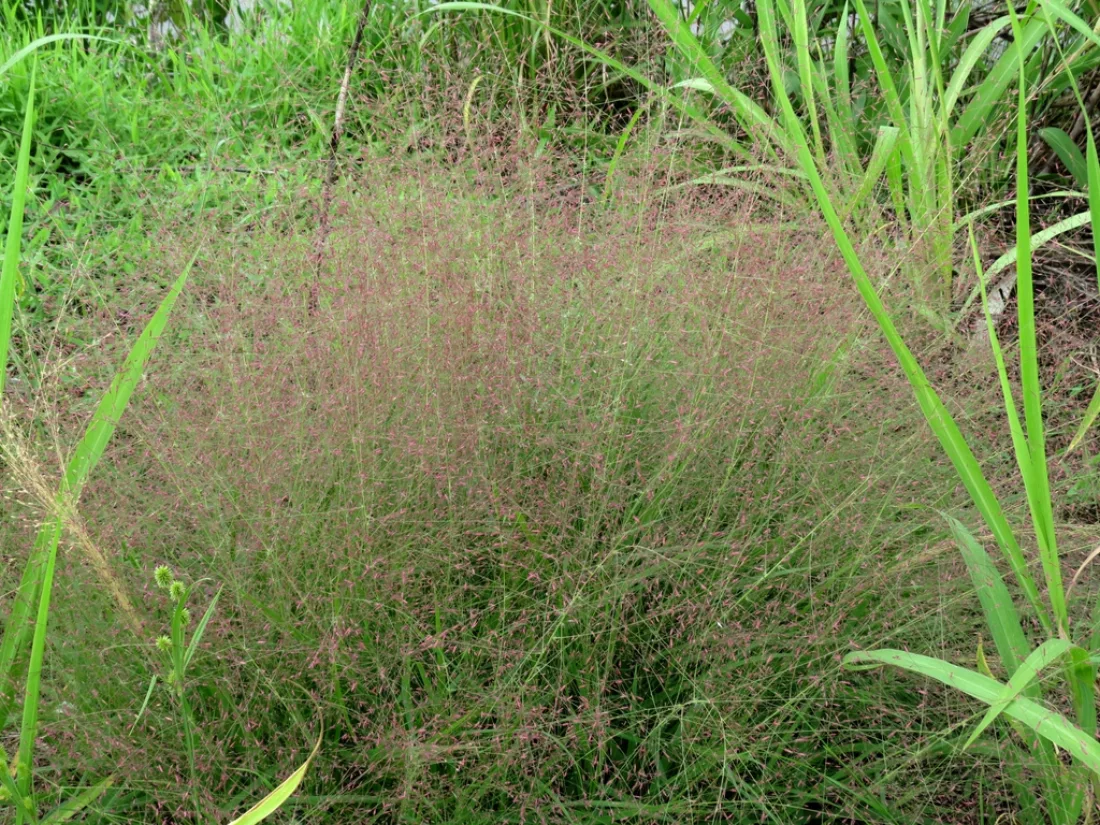
Eragrostis spectabilis
Airy native seedheads add fall color and attract songbirds and small mammals.
Instead of maiden grass
Meet this plantPhoto: Katja Schulz · CC BY 2.0
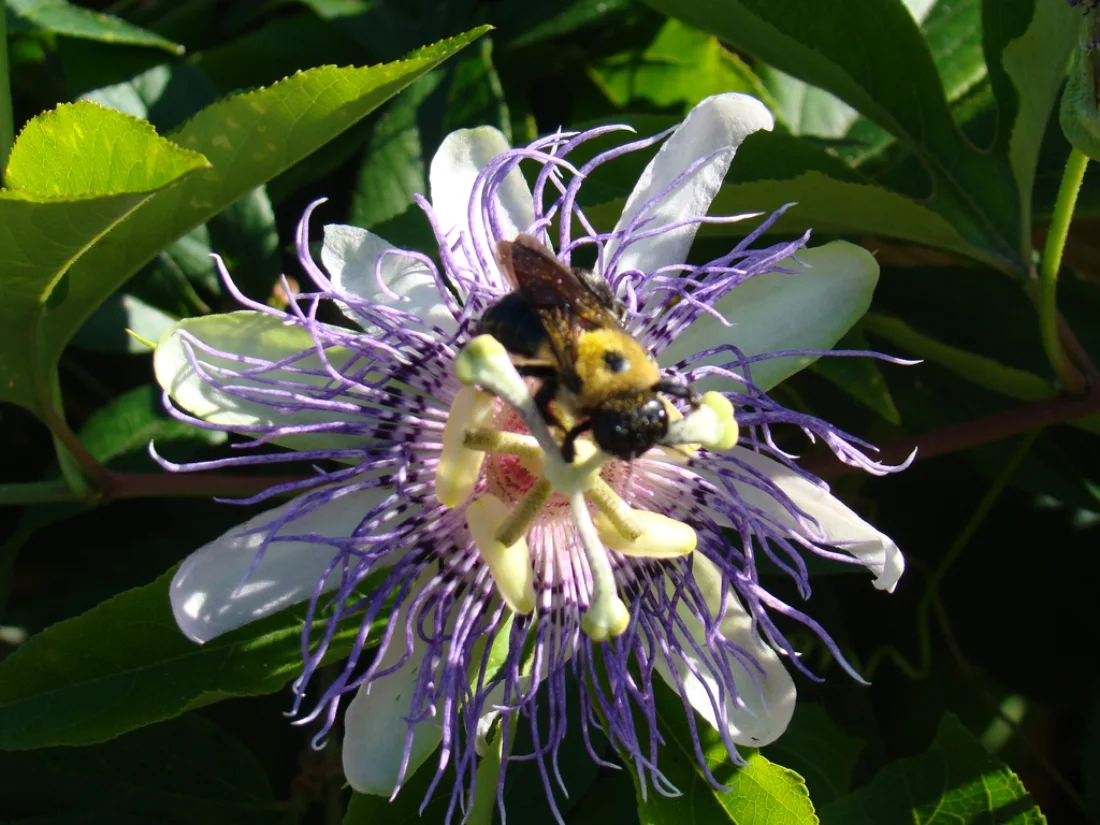
Passiflora incarnata
Native leaves feed several fritillary butterflies, and flowers provide nectar for pollinators.
Instead of english ivy
Meet this plantPhoto: Linda Querec · CC BY 2.0
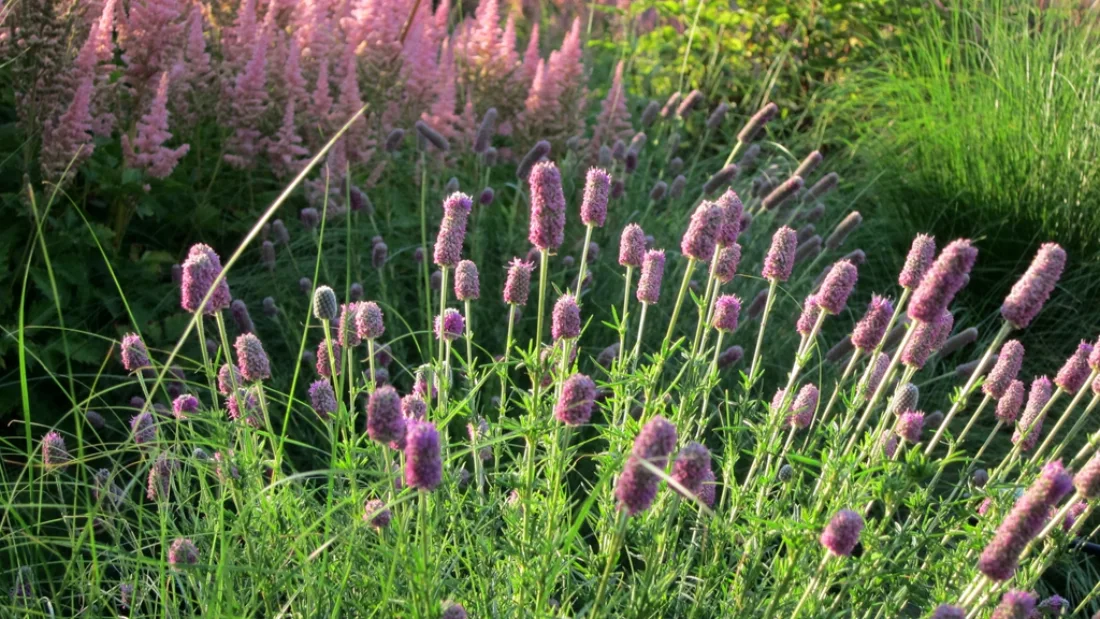
Dalea purpurea
Purple flower spikes feed pollinators, and the leaves host native butterfly caterpillars.
Instead of woodland sage
Meet this plantPhoto: cultivar413 · CC BY 2.0
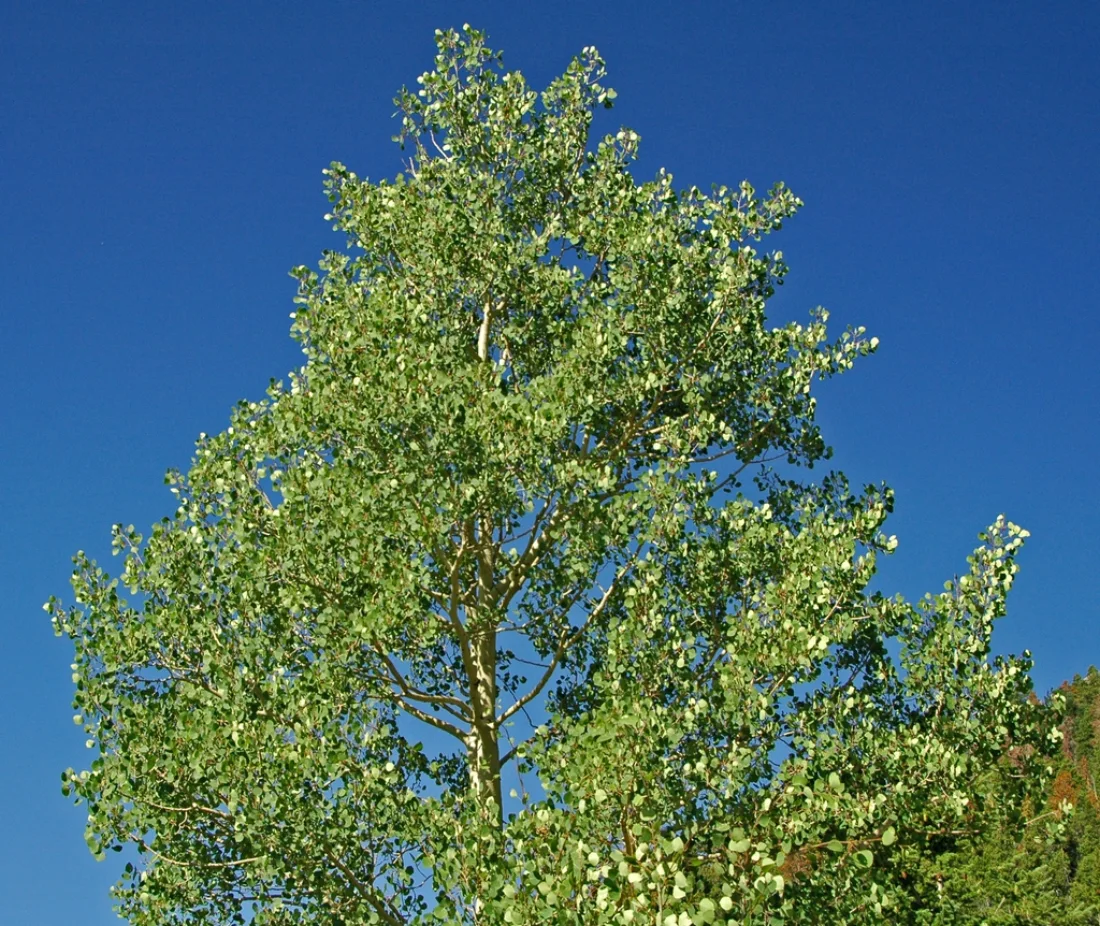
Populus tremuloides
This native tree adds wildlife cover and leaves that shimmer in the breeze.
Instead of european white birch
Meet this plantPhoto: James St. John · CC BY 2.0
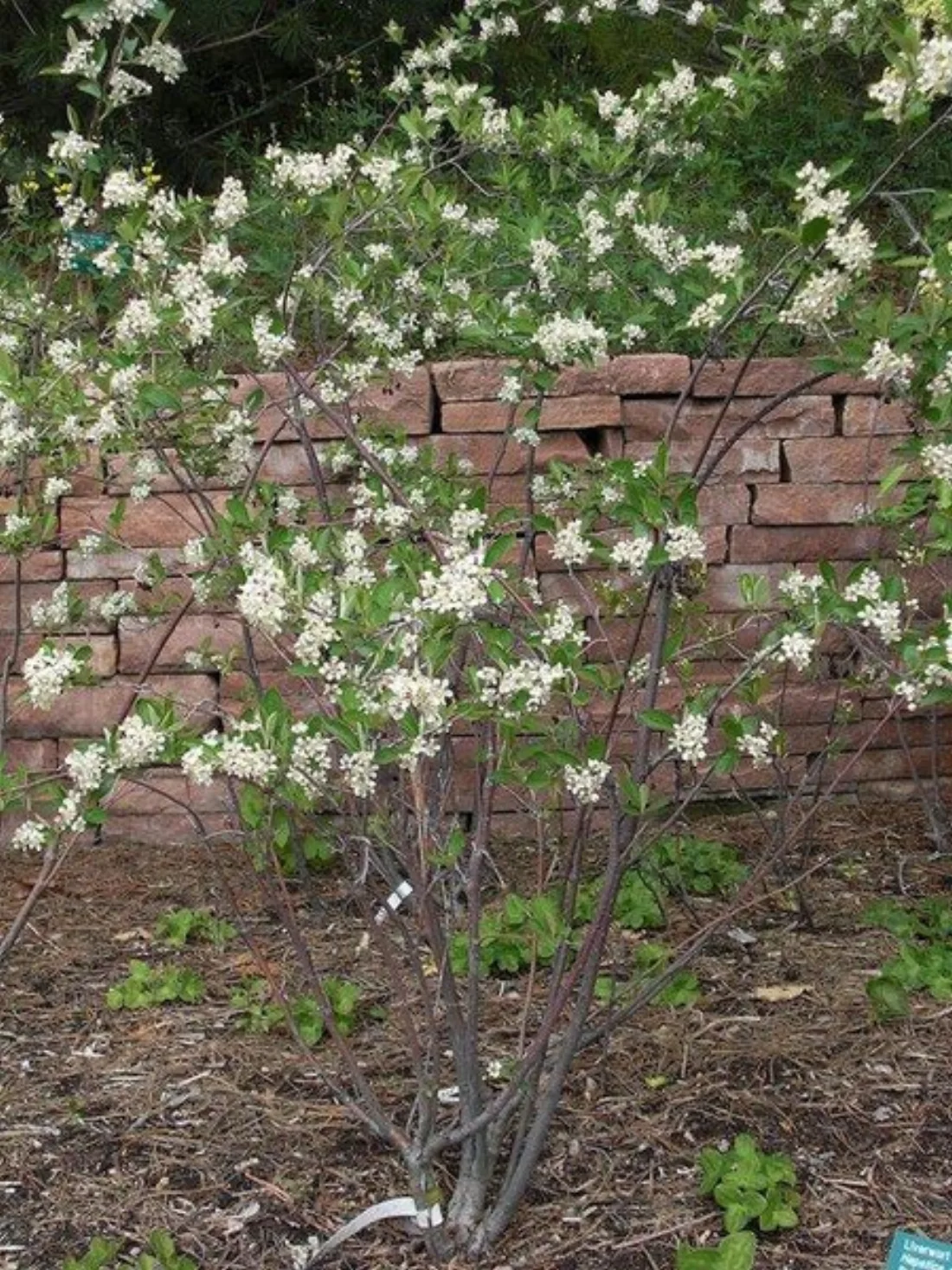
Aronia arbutifolia
Spring flowers feed pollinators, and persistent red berries supply winter food for wildlife.
Instead of burning bush
Meet this plantPhoto: Andrey Zharkikh · CC BY 2.0
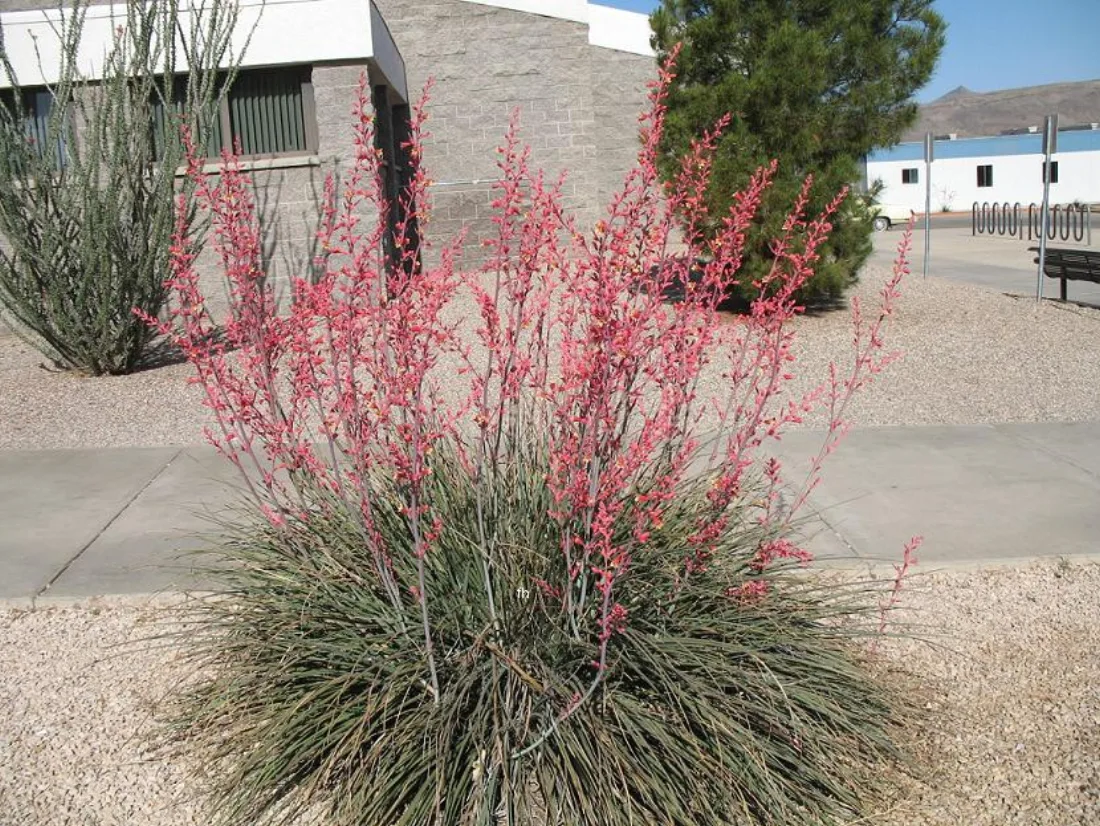
Hesperaloe parviflora
Long-lasting red tubular flowers give hummingbirds a nectar source in a dry garden.
Instead of orange daylily
Meet this plantPhoto: Fritz Hochstatter · CC BY-SA 3.0
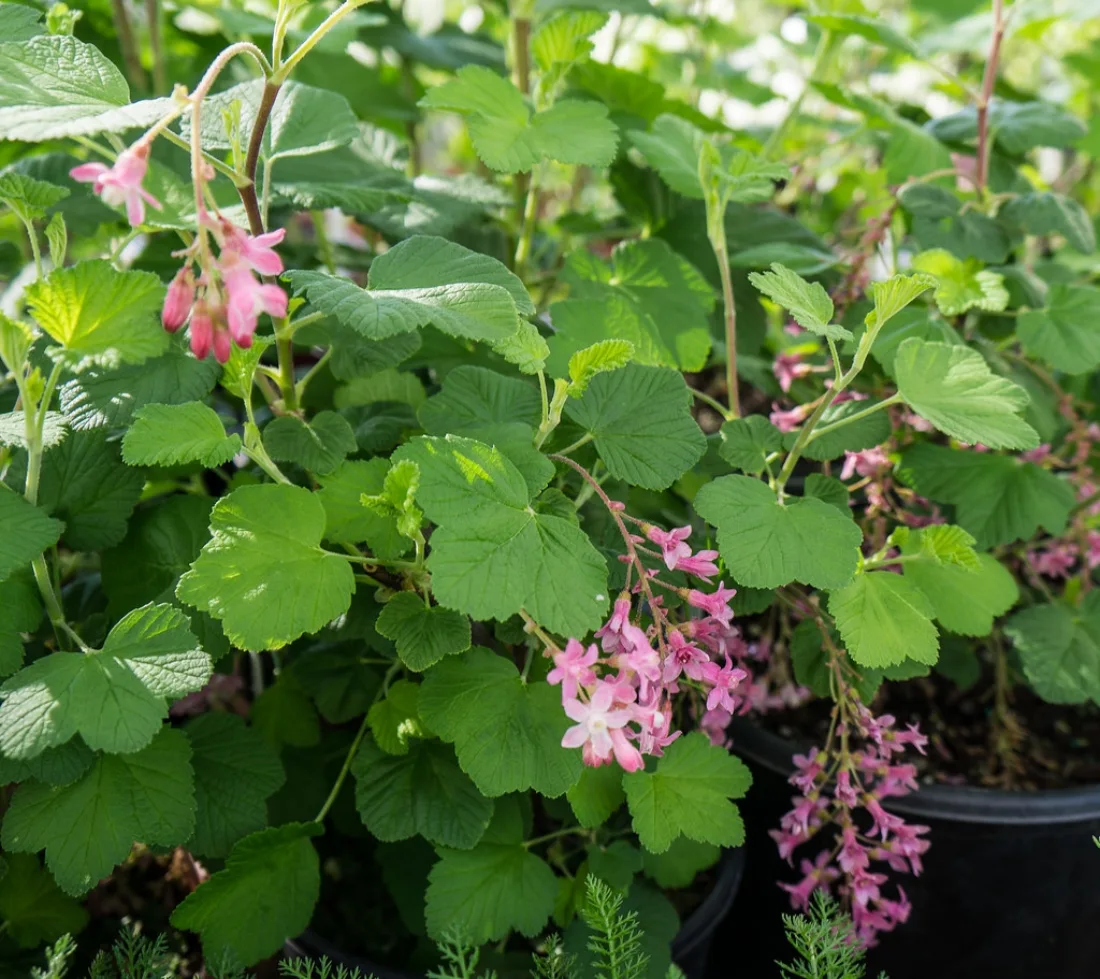
Ribes sanguineum
Spring flowers feed hummingbirds and bees, followed by fruit for birds and small mammals.
Instead of border forsythia
Meet this plantPhoto: Jackie Pascoe · CC BY 2.0
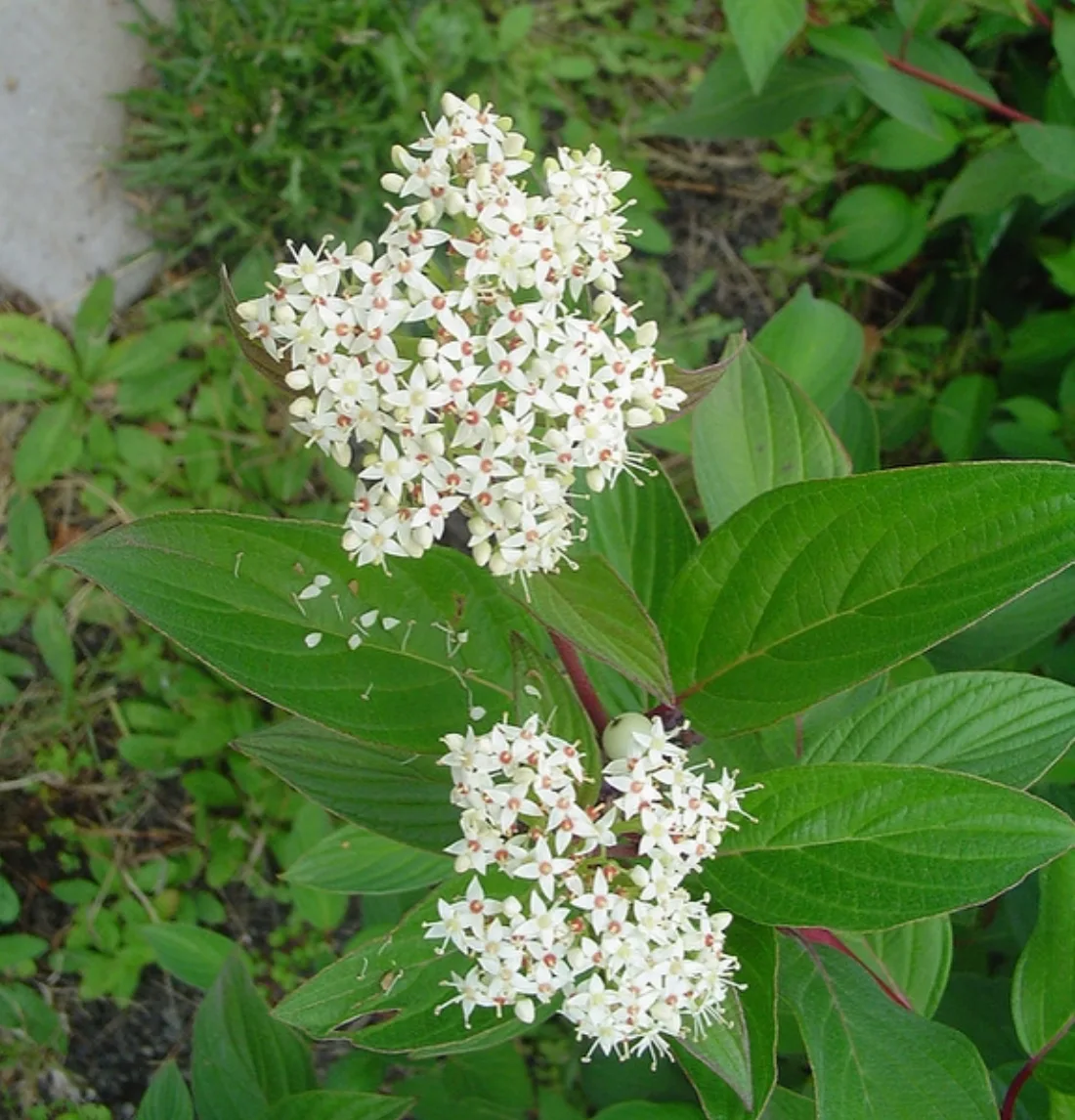
Cornus sericea
White berries feed birds, and this native shrub also hosts spring azure butterfly caterpillars.
Instead of burning bush
Meet this plantPhoto: Tom Brandt · CC BY 2.0
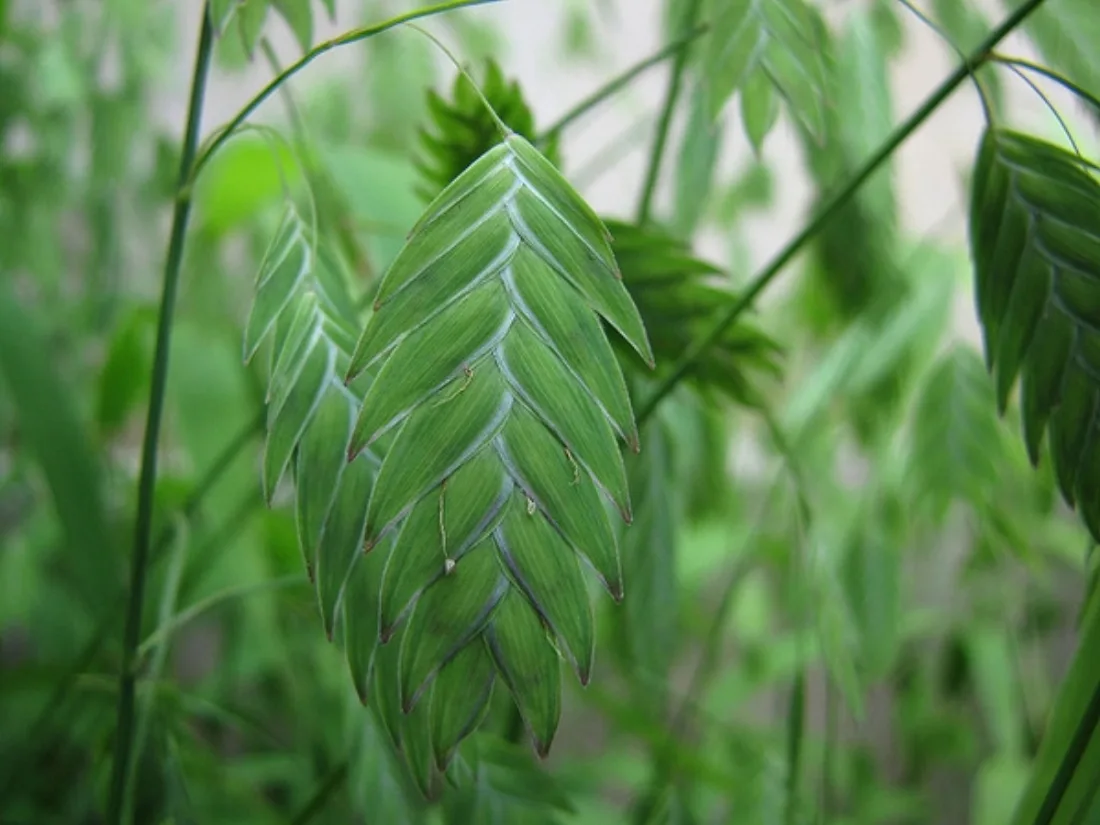
Chasmanthium latifolium
Leaves feed native skipper and pearly-eye caterpillars, and the nodding seeds feed birds.
Instead of lilyturf
Meet this plantPhoto: Katja Schultz · CC BY 2.0
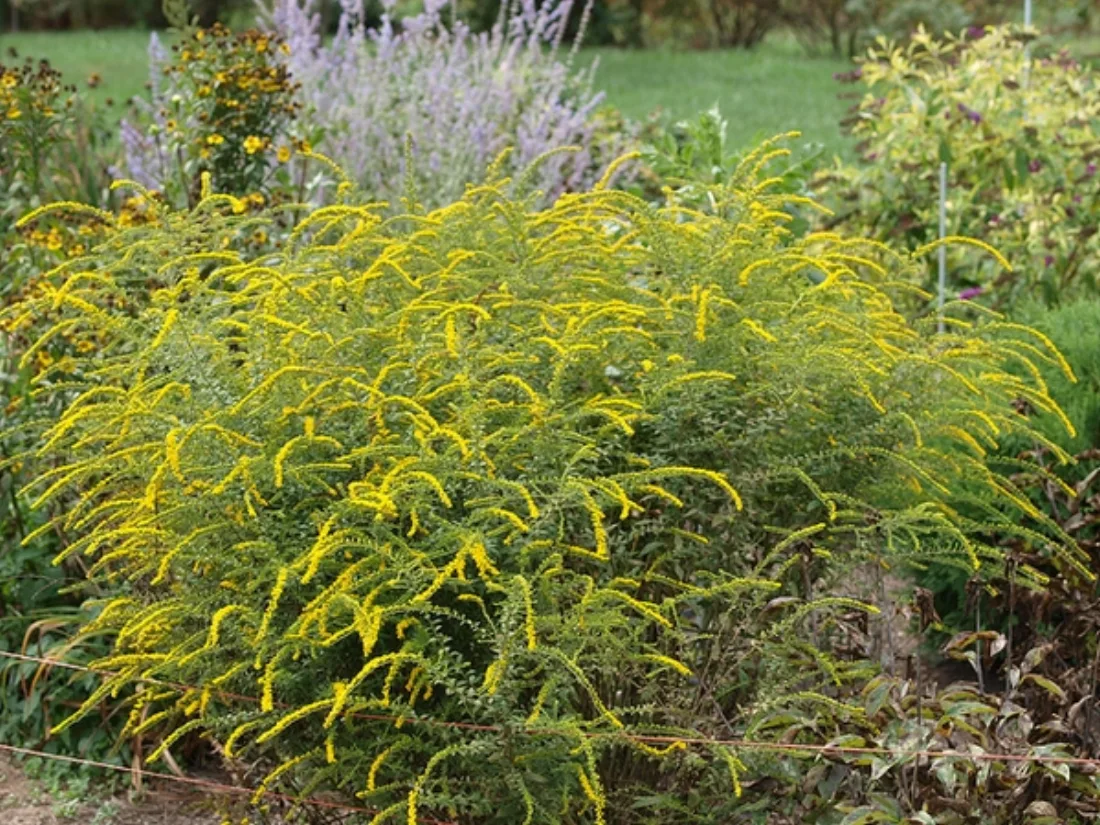
Solidago rugosa
Late yellow flowers feed bees and butterflies when many other garden blooms have finished.
Instead of garden mum
Meet this plantPhoto: F. D Richards · CC BY-SA 4.0
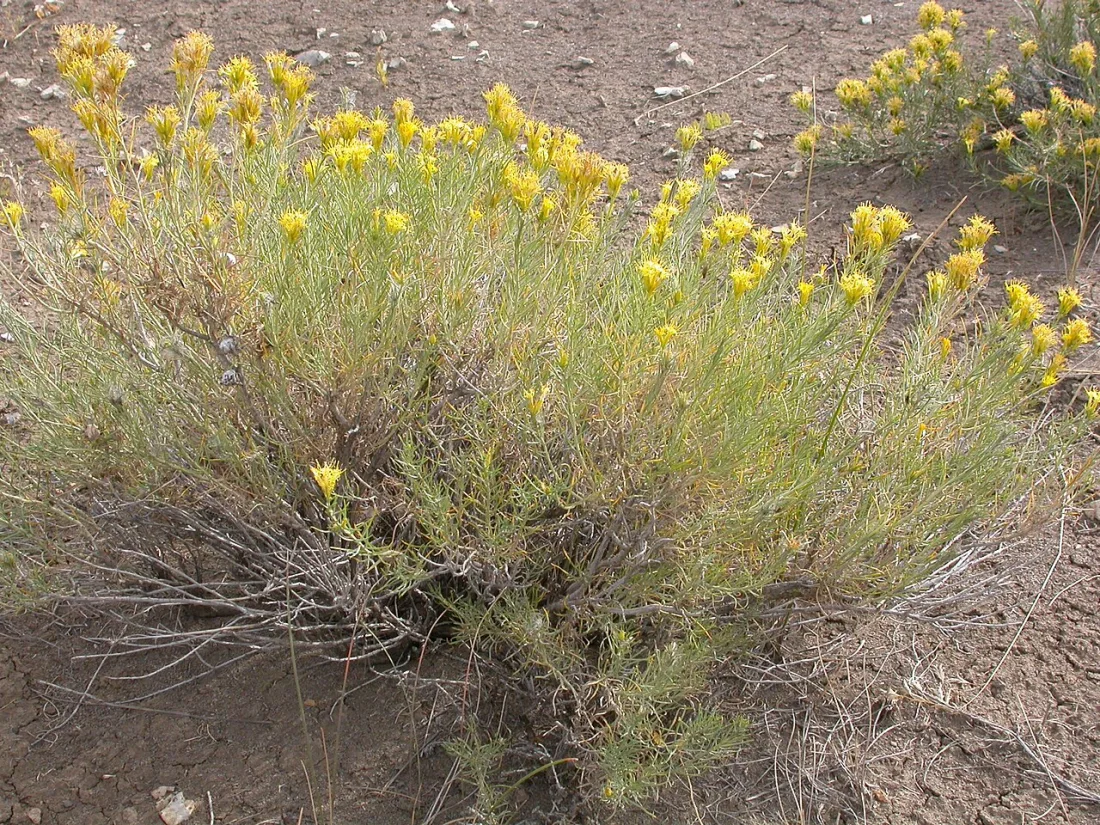
Ericameria nauseosa
This native dryland shrub supplies flowers and structure with little supplemental water.
Instead of japanese spirea
Meet this plant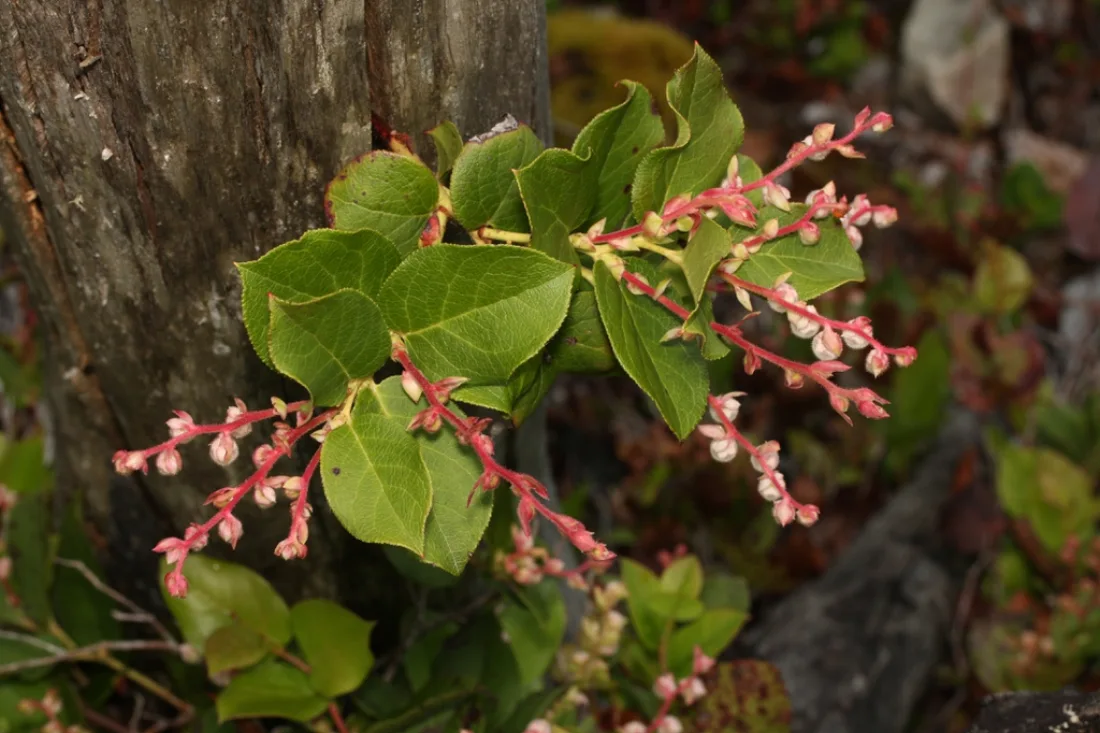
Gaultheria shallon
Native evergreen thickets shelter birds, and the dark berries feed birds and mammals.
Instead of heavenly bamboo
Meet this plantPhoto: Walter Siegmund · CC BY-SA 3.0
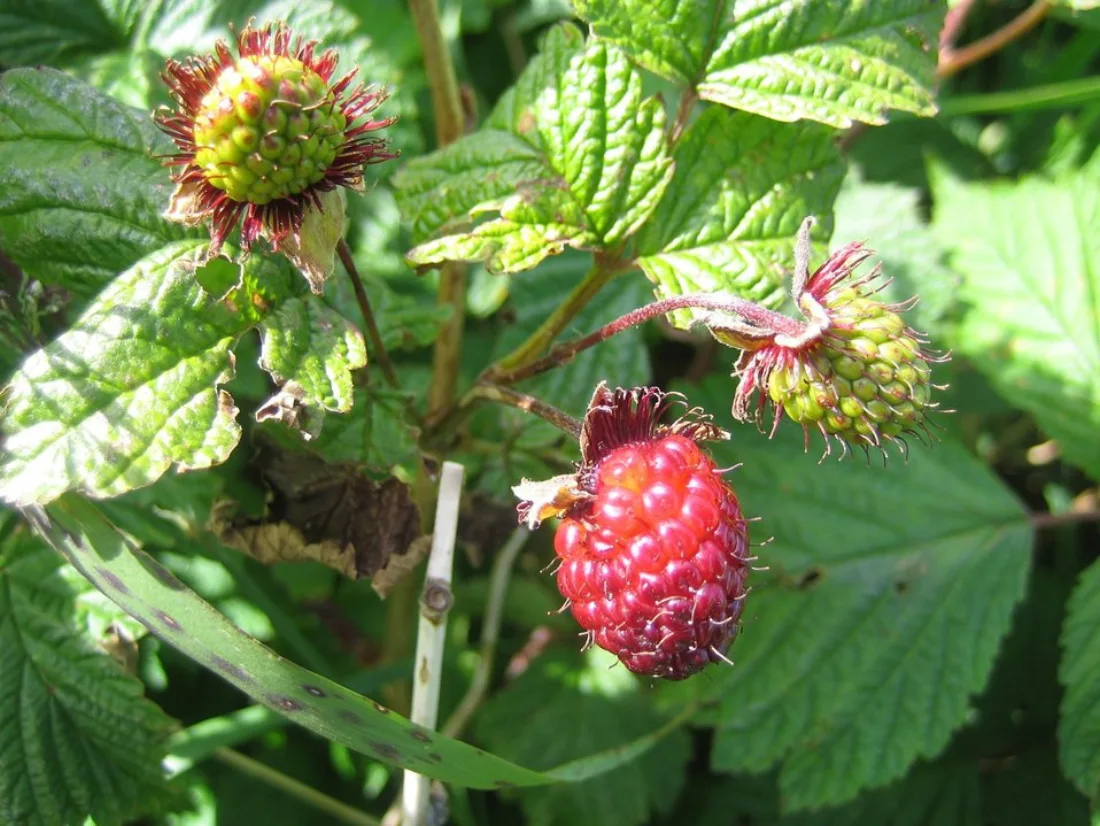
Rubus spectabilis
Native flowers feed pollinators, and berries and dense canes feed and shelter wildlife.
Instead of rugosa rose
Meet this plant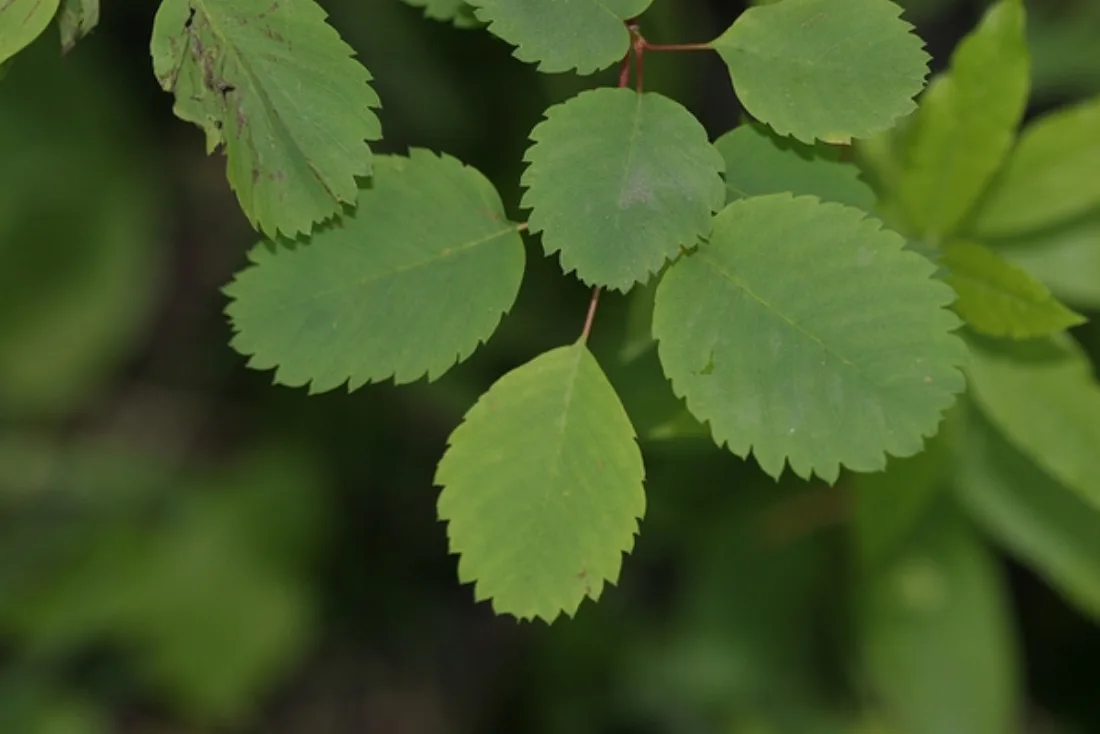
Amelanchier alnifolia
Spring flowers feed pollinators, followed by berries for birds and mammals.
Instead of heavenly bamboo
Meet this plantPhoto: Andrey Zhakikh · CC BY 2.0
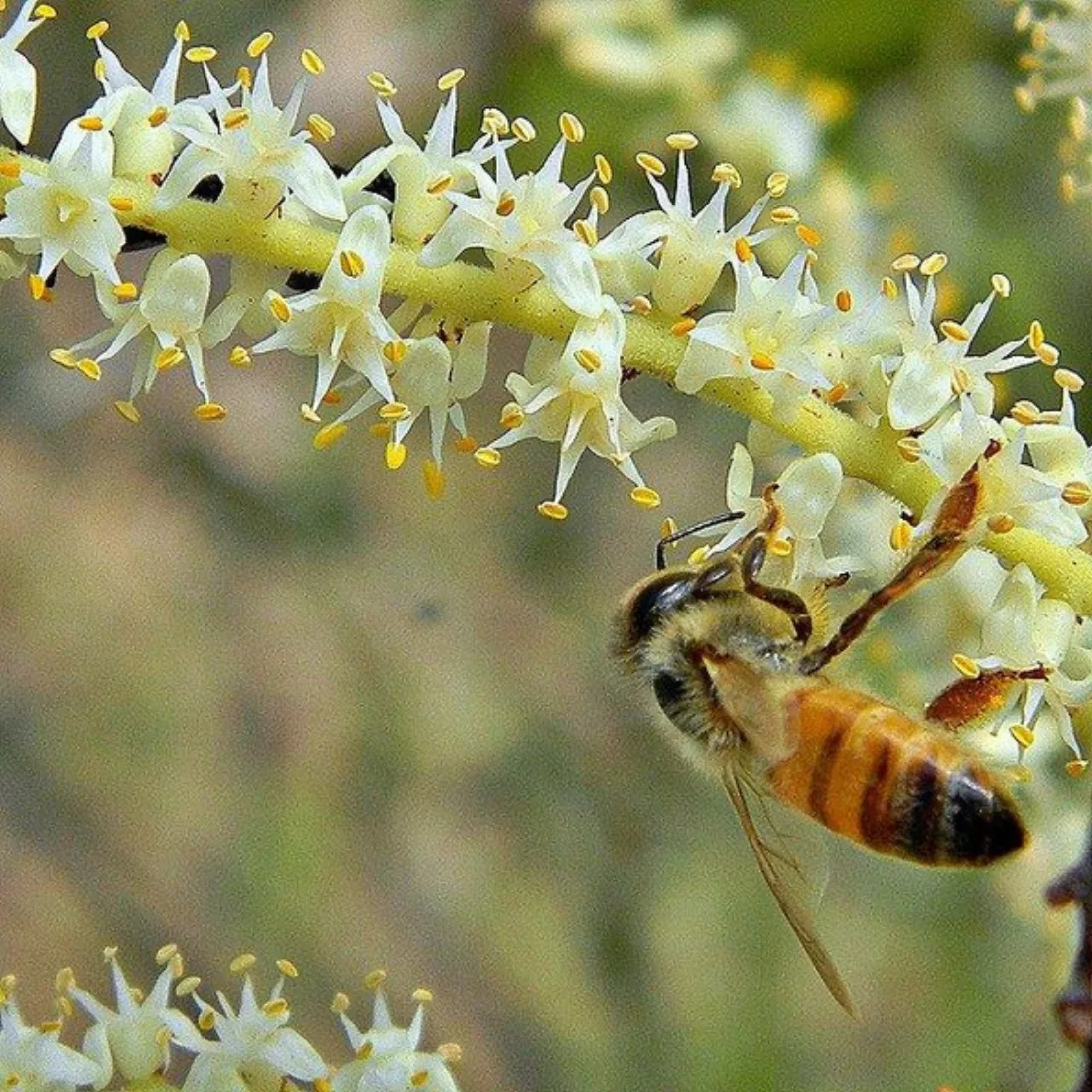
Serenoa repens
Native fruits feed wildlife, and foliage supports moth caterpillars adapted to this palm.
Instead of sago palm
Meet this plantPhoto: Bob Peterson · CC BY 2.0
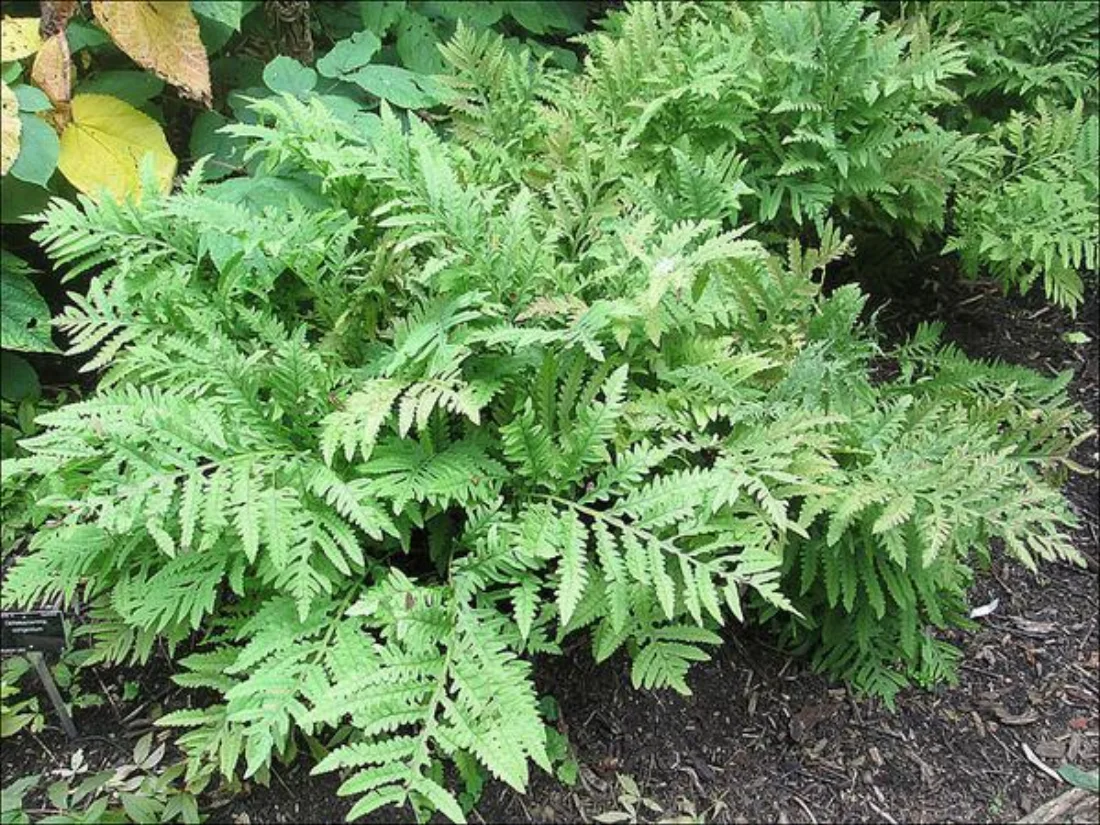
Onoclea sensibilis
Native fern colonies provide low cover for woodland wildlife.
Instead of japanese painted fern
Meet this plantPhoto: Hornet Photography · CC-BY-SA 2.0
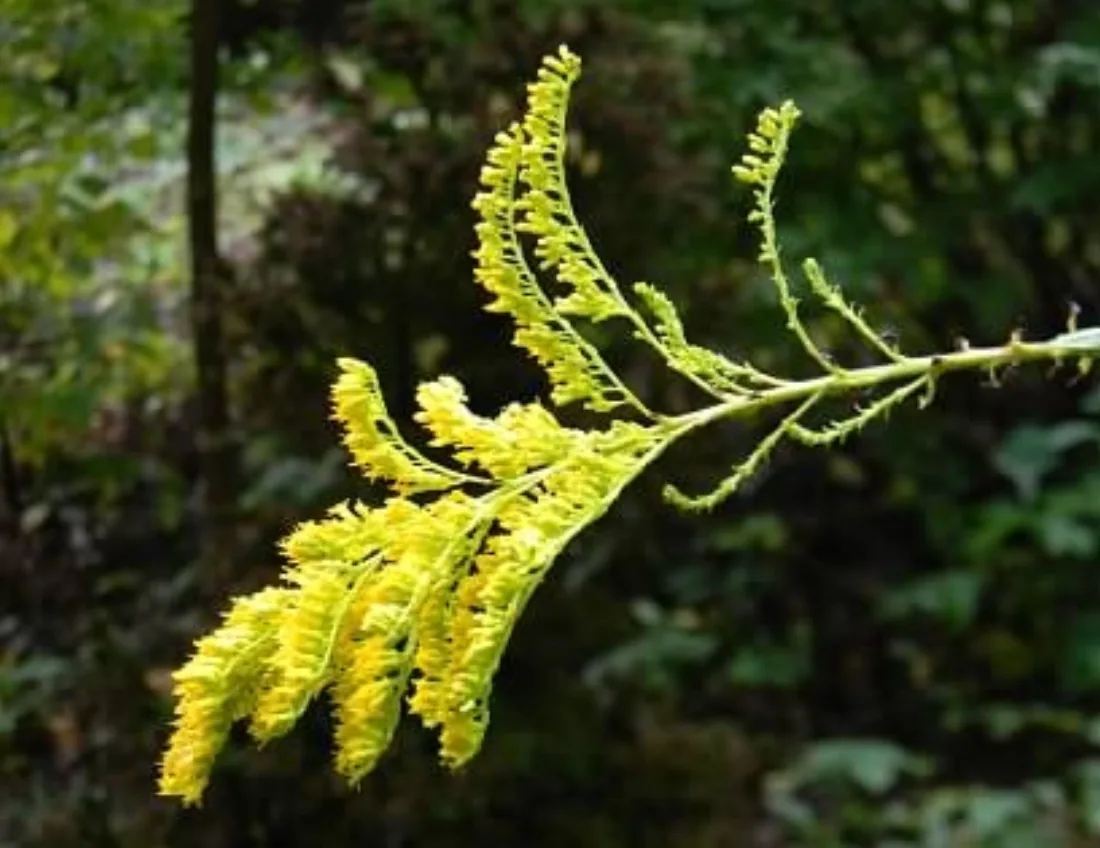
Solidago speciosa
Native flowers feed late-season pollinators, and seedheads feed songbirds.
Instead of garden mum
Meet this plantPhoto: Randy Harter · CC BY 4.0
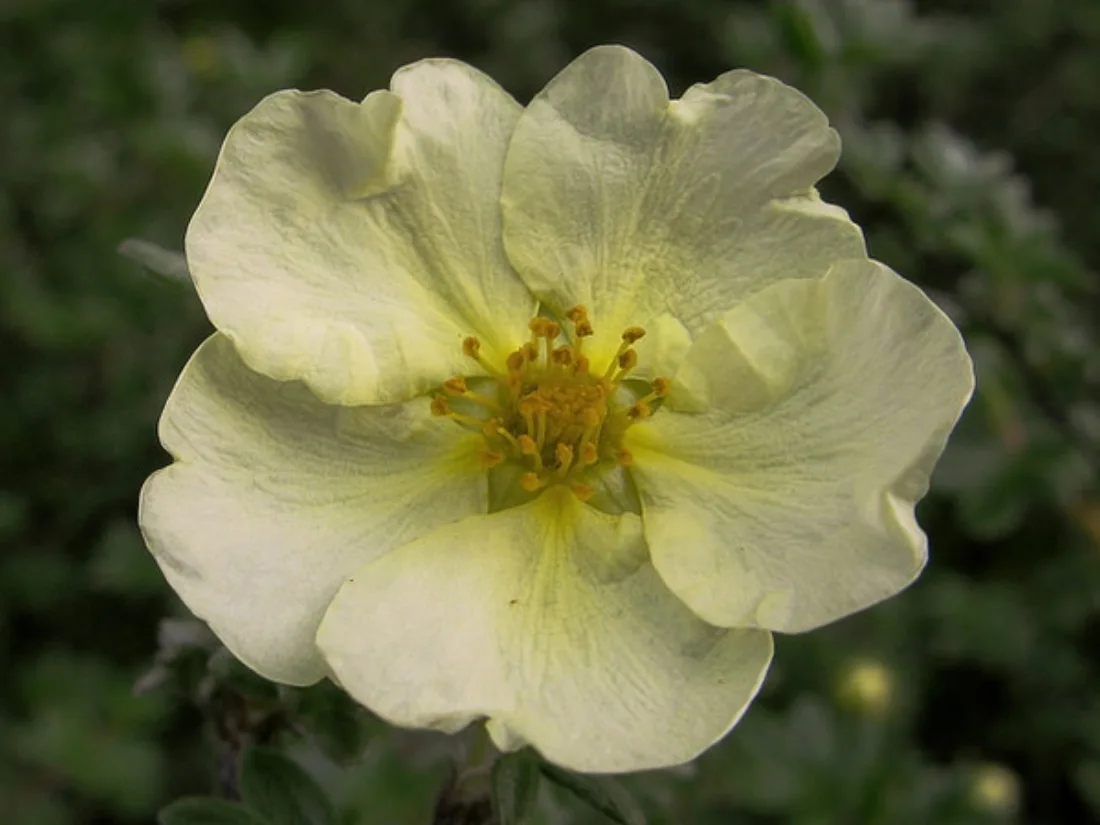
Dasiphora fruticosa
A long season of native flowers supports bumblebees, specialist bees, and butterflies.
Instead of japanese spirea
Meet this plantPhoto: jacinta lluch valero · CC-BY-SA 2.0
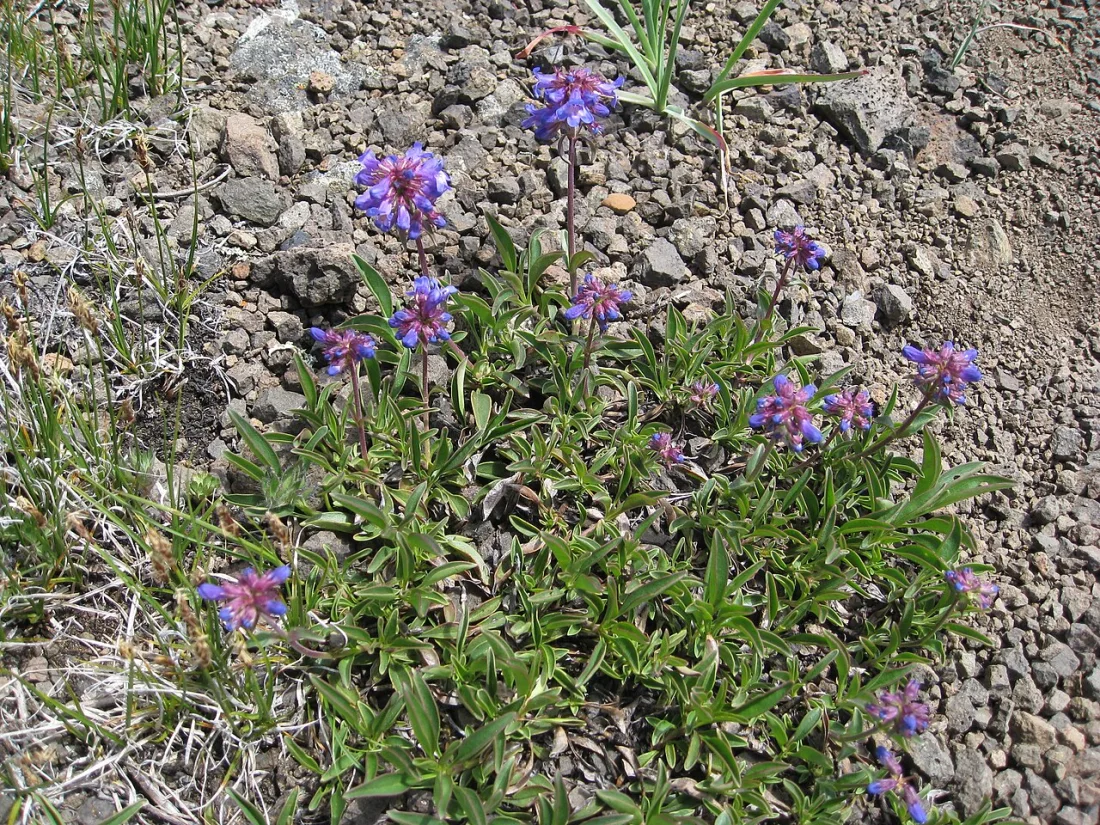
Penstemon procerus
Native blue flowers feed bees, butterflies, and hummingbirds.
Instead of woodland sage
Meet this plant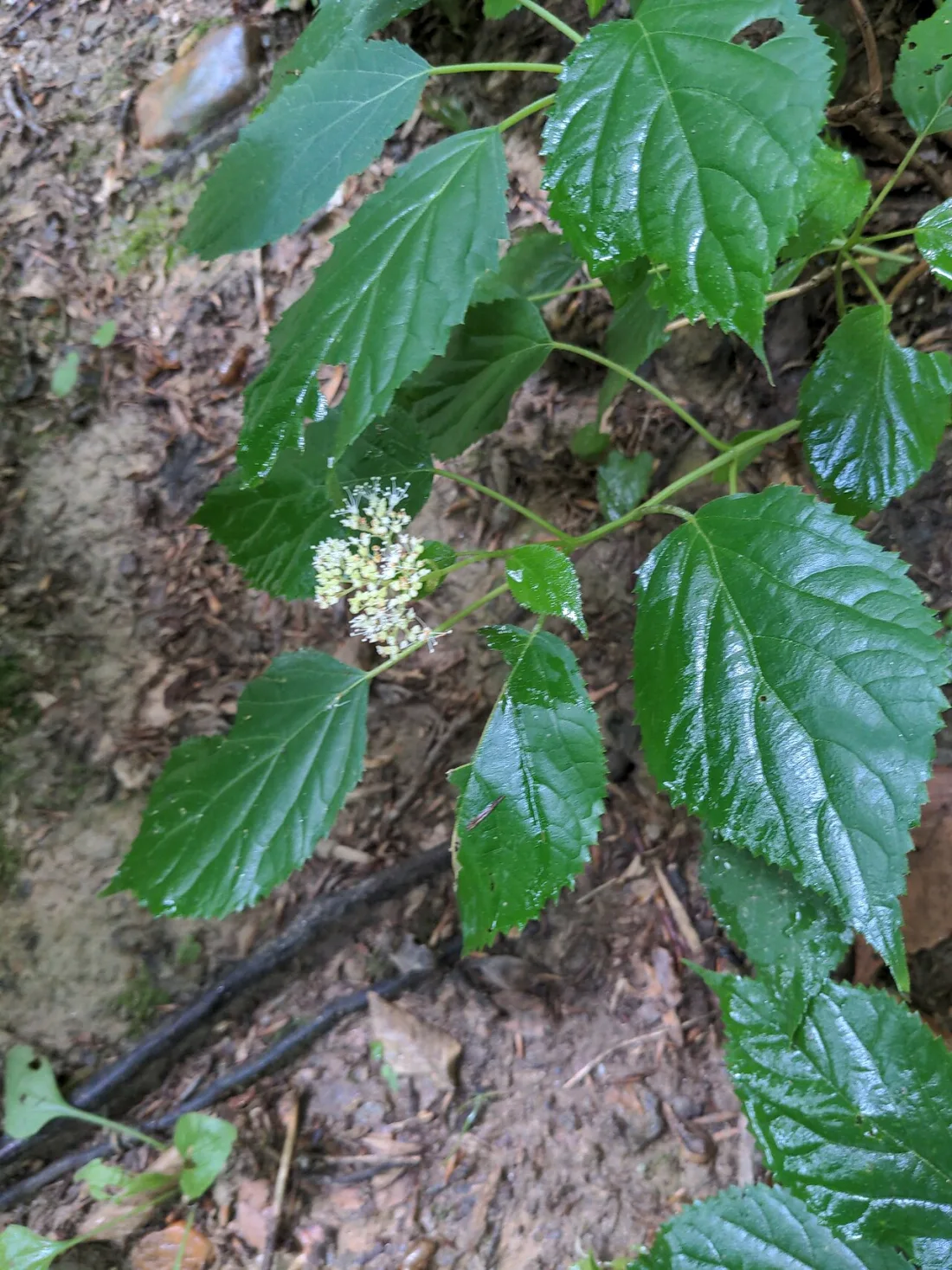
Hydrangea arborescens
Fertile native flowers feed pollinators, and the foliage hosts hydrangea sphinx moth caterpillars.
Instead of japanese spirea
Meet this plantPhoto: Michelle Campbell · CC0
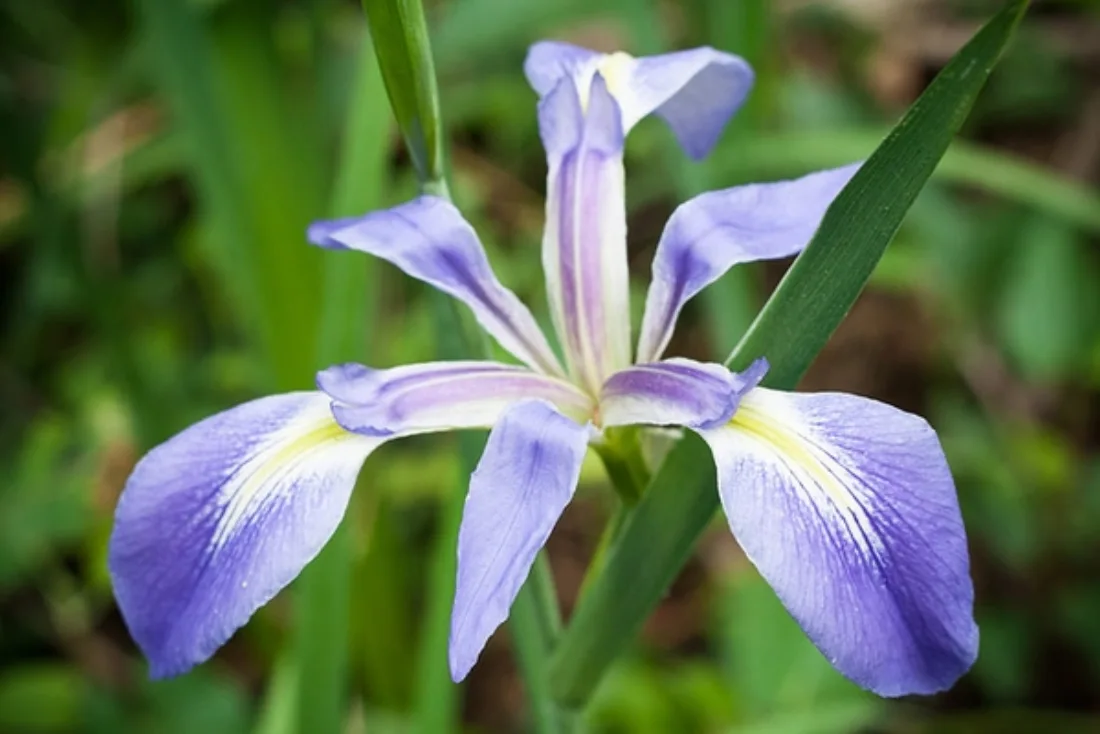
Iris virginica
Native violet flowers and upright leaves thrive where an ordinary border stays too wet.
Instead of orange daylily
Meet this plantPhoto: Justin Meissen · CC BY-SA 4.0
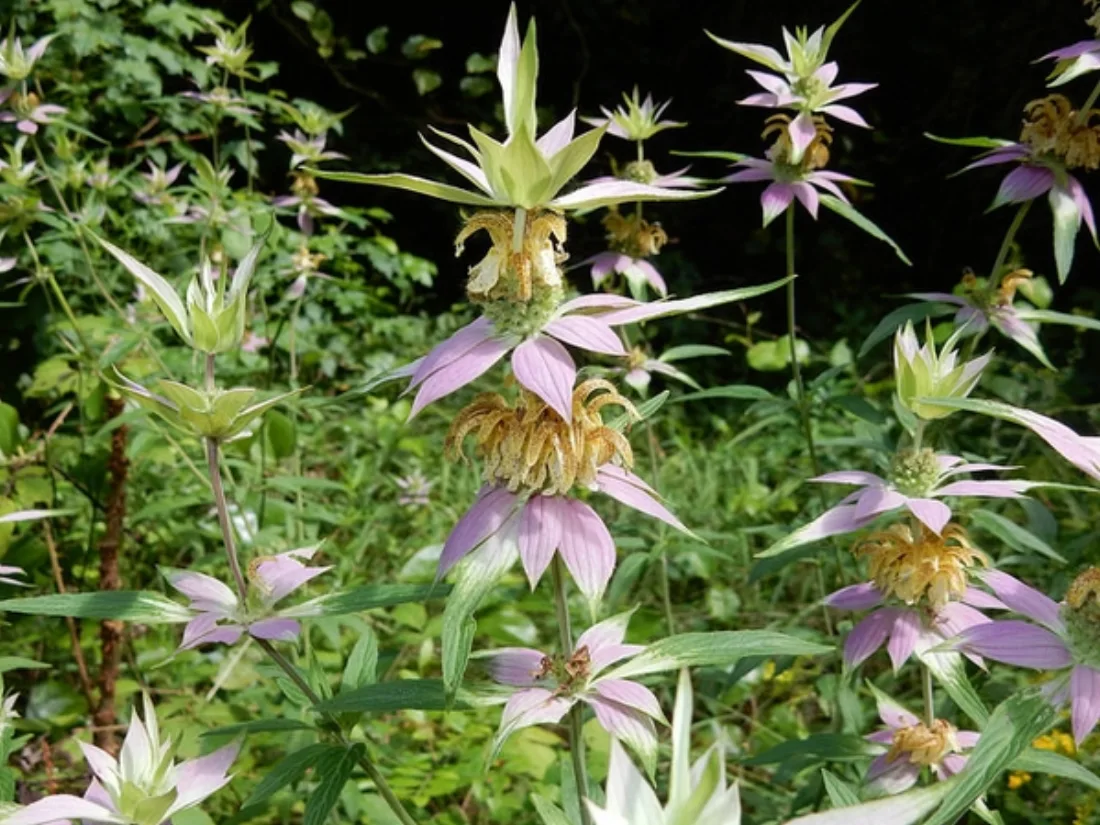
Monarda punctata
Native flowers feed bees, wasps, and hummingbirds, while leaves host moth caterpillars.
Instead of woodland sage
Meet this plantPhoto: johnx12 · CC BY-SA 4.0
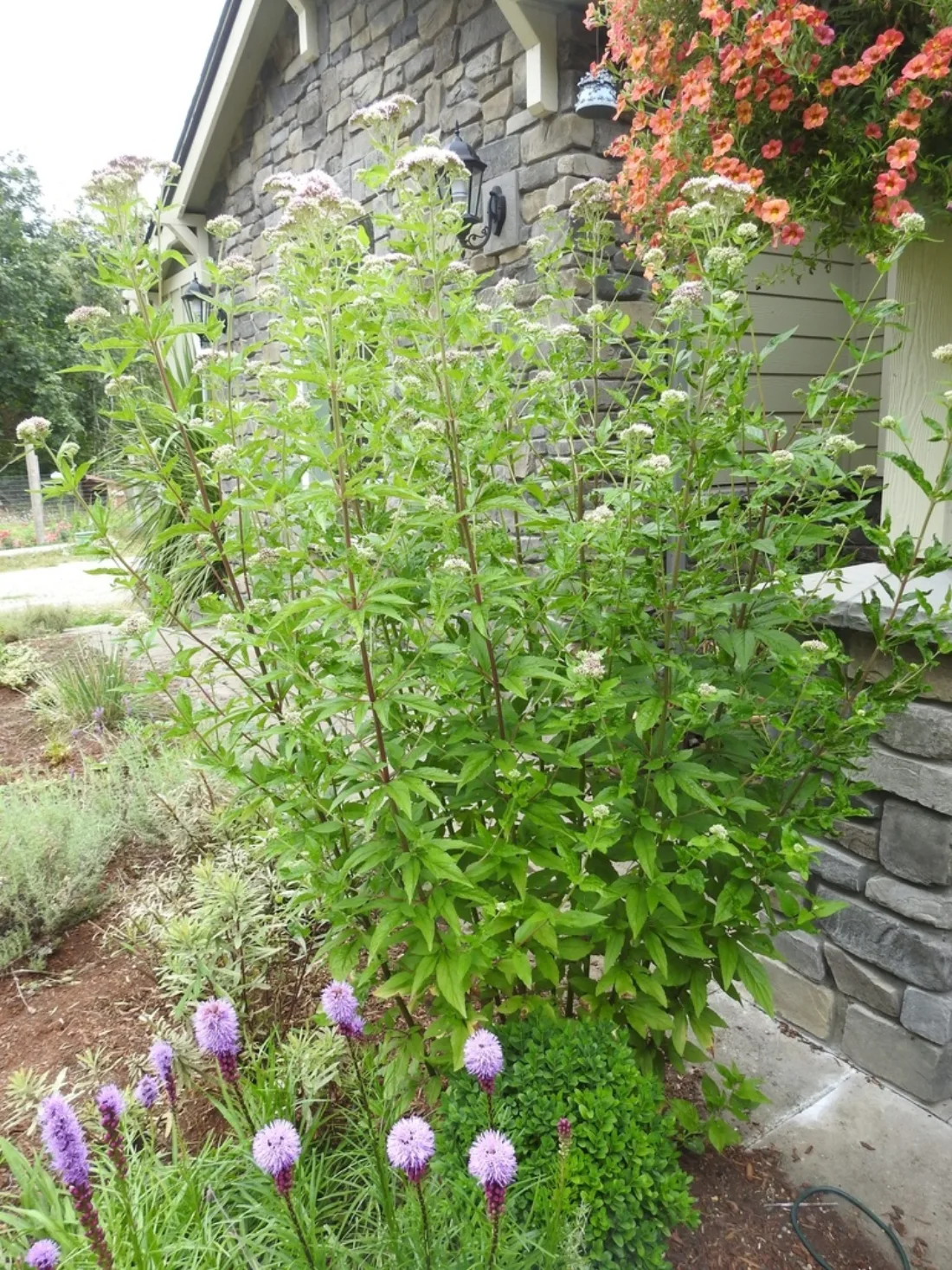
Eutrochium maculatum
Native flower clusters supply late-season nectar for bees and butterflies.
Instead of butterfly bush
Meet this plantPhoto: Kathleen Moore · CC BY 4.0
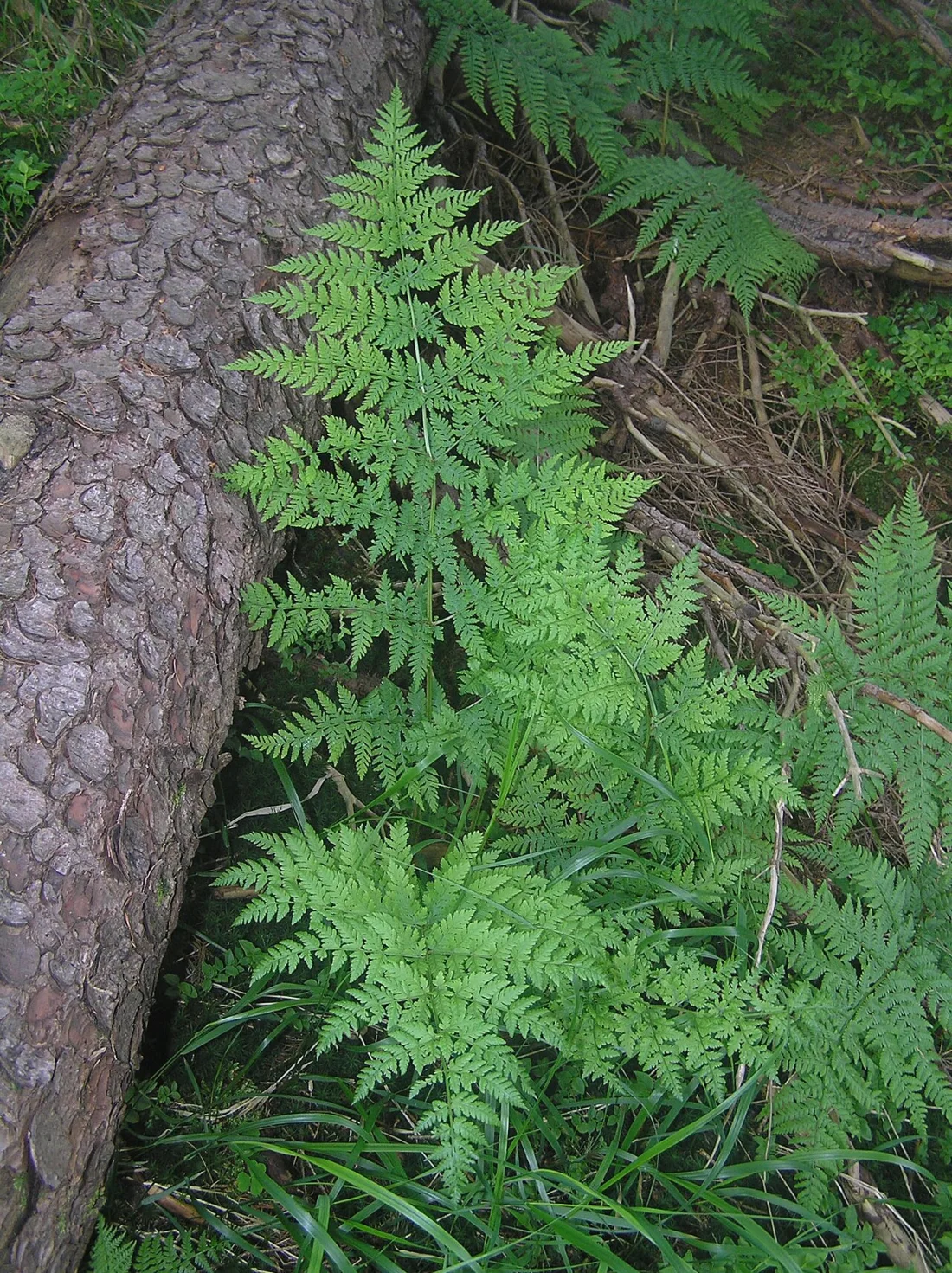
Dryopteris expansa
Native fern clumps add dense, finely divided foliage in cool, moist shade.
Instead of japanese holly fern
Meet this plantPhoto: Petr Filippov · CC BY 3.0
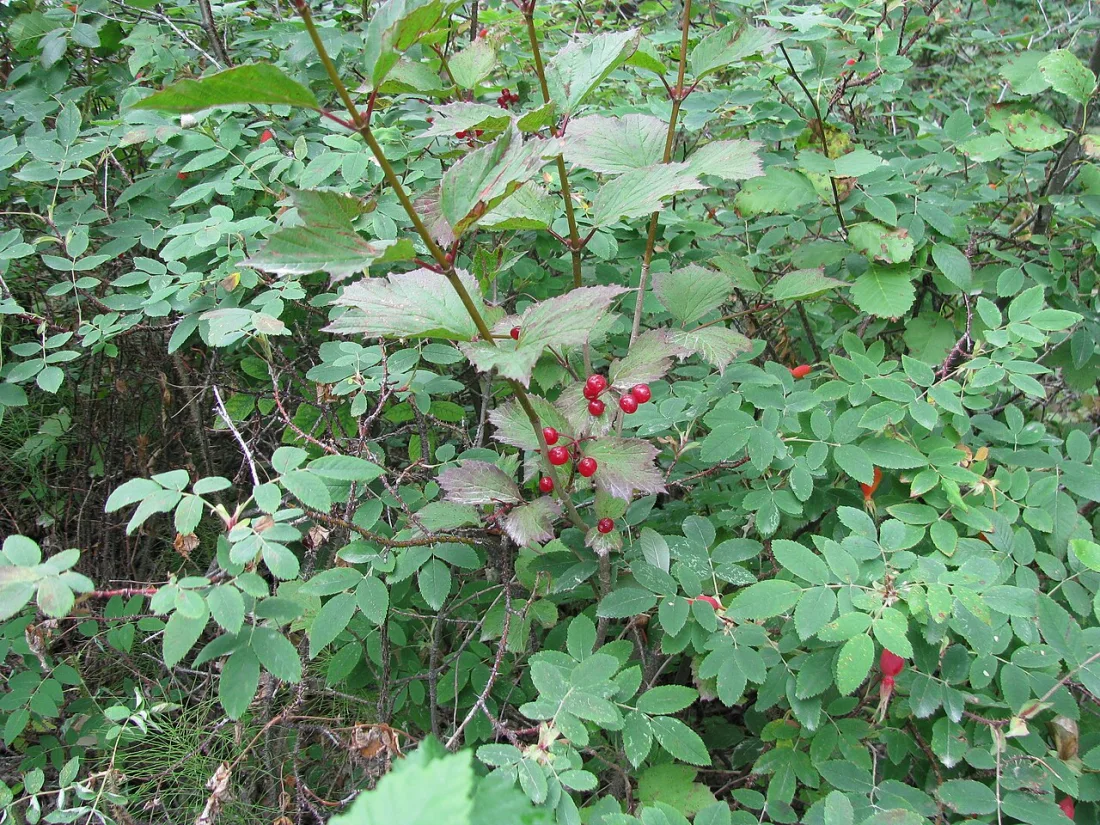
Viburnum edule
Native flowers and red fruit bring seasonal interest to a cool woodland garden.
Instead of heavenly bamboo
Meet this plantPhoto: Arthur Chapman · CC BY 2.0
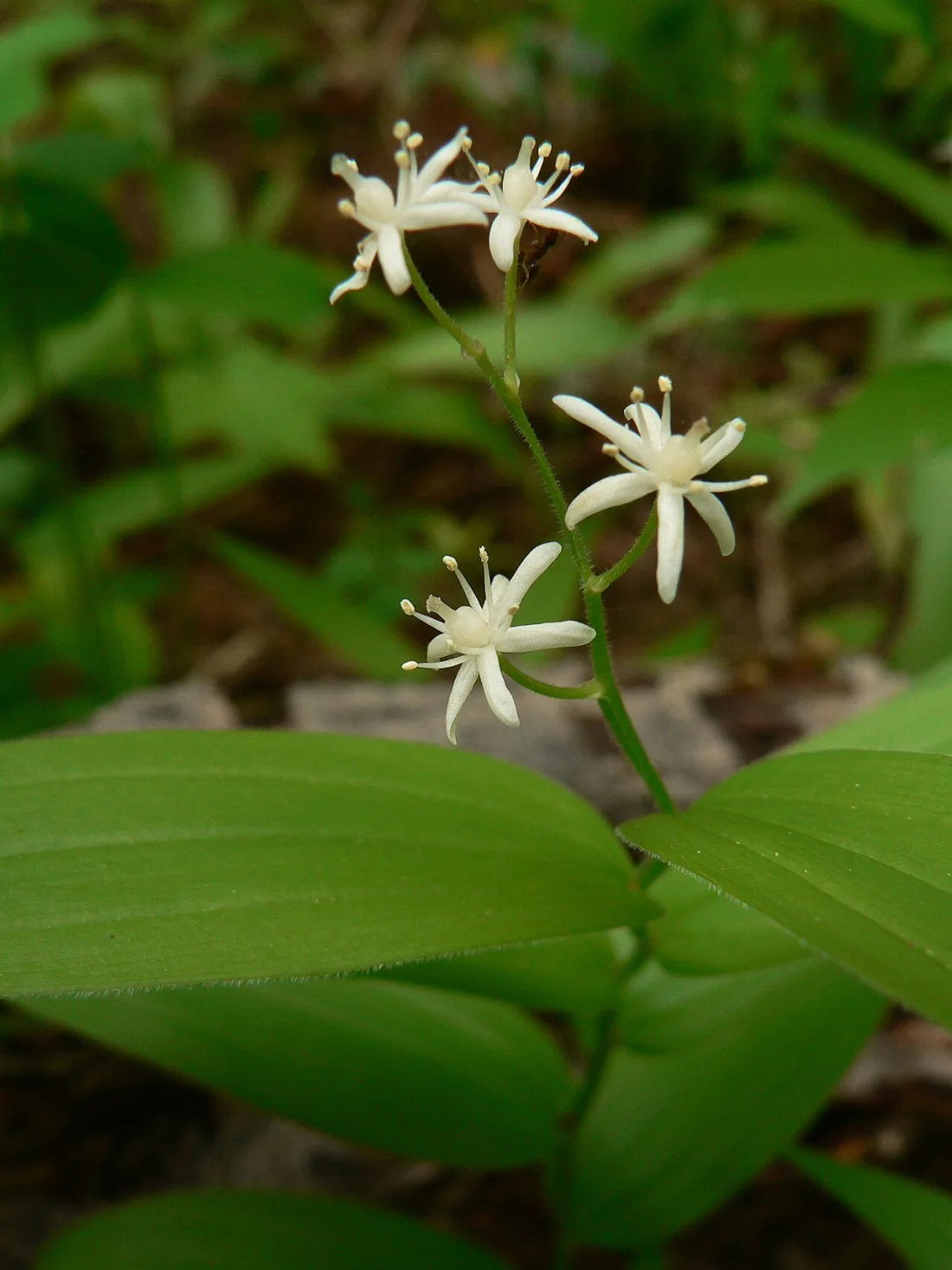
Maianthemum stellatum
Native berries attract birds and small mammals after the spring flower display.
Instead of fragrant hosta
Meet this plantPhoto: Walter Siegmund (talk) · CC BY 2.5
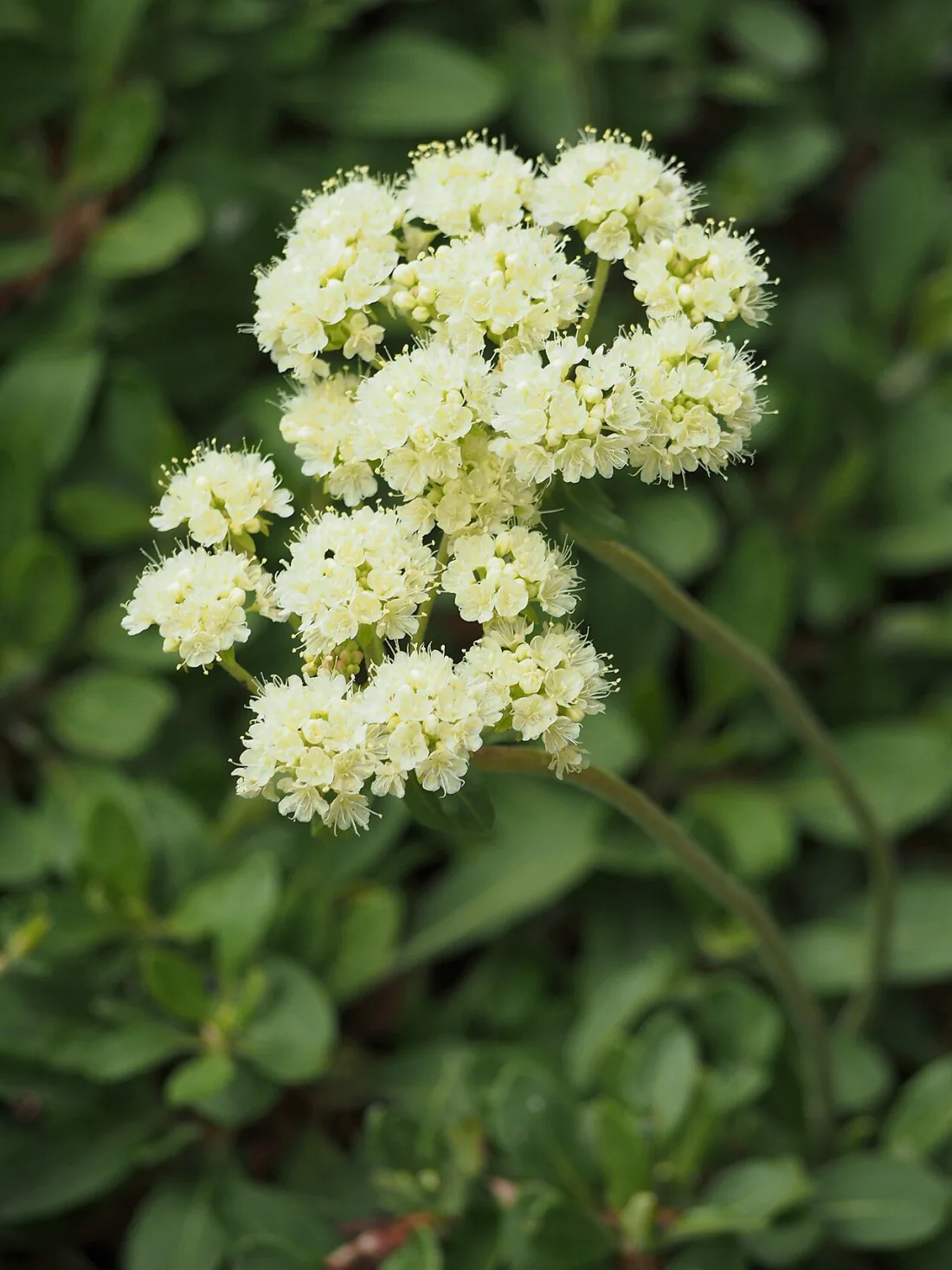
Eriogonum umbellatum
Native flowers feed bees, butterflies, and moths, followed by seeds for wildlife.
Instead of treasure flower
Meet this plantPhoto: Agnieszka Kwiecień, Nova · CC BY-SA 4.0
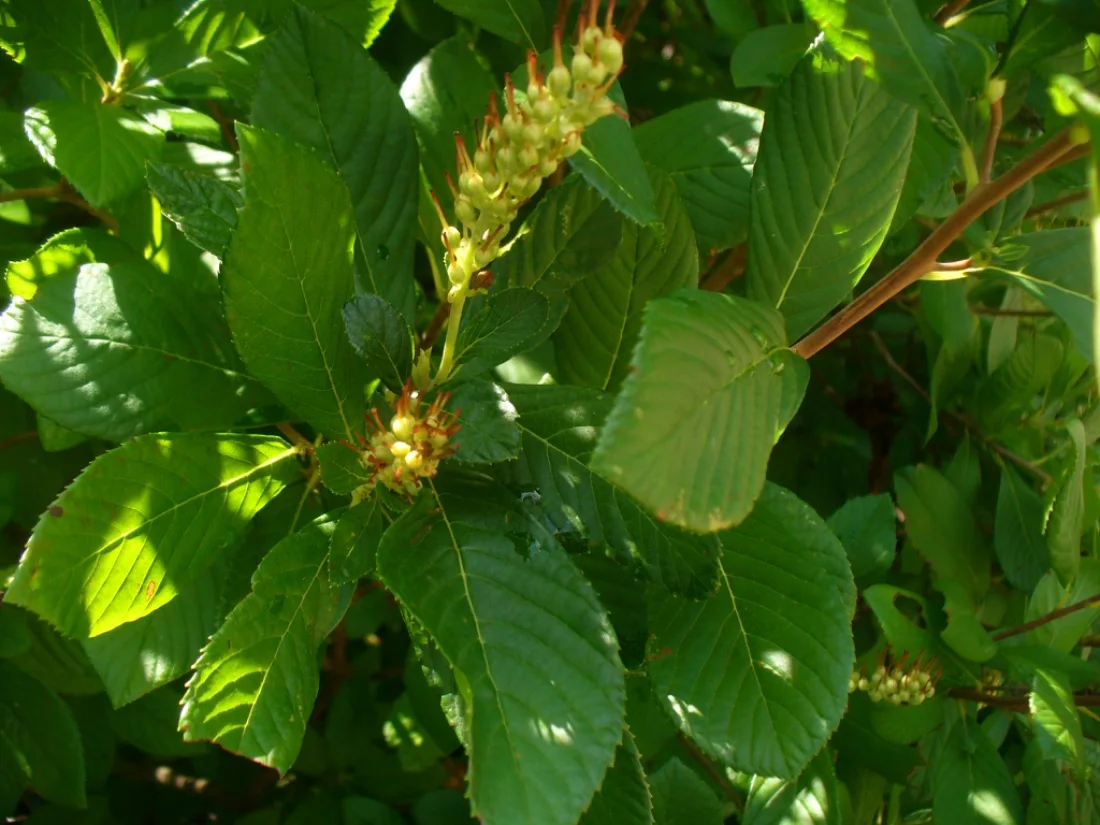
Clethra alnifolia
Fragrant summer flowers feed native bees and butterflies, and the fruit provides food for birds.
Instead of japanese spirea
Meet this plantPhoto: Susan Strine · CC BY 2.0
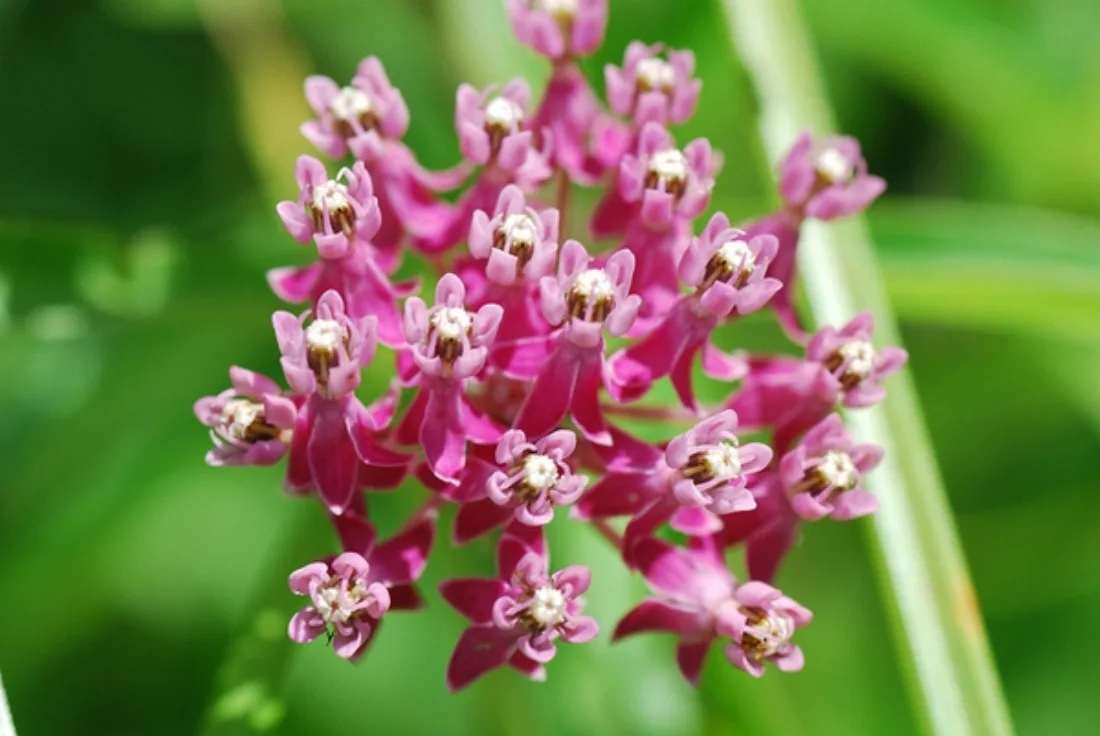
Asclepias incarnata
A locally native milkweed gives monarch caterpillars food and visiting butterflies a summer nectar stop.
Instead of tropical milkweed
Meet this plantPhoto: Joshua Mayer · CC-BY-SA 2.0
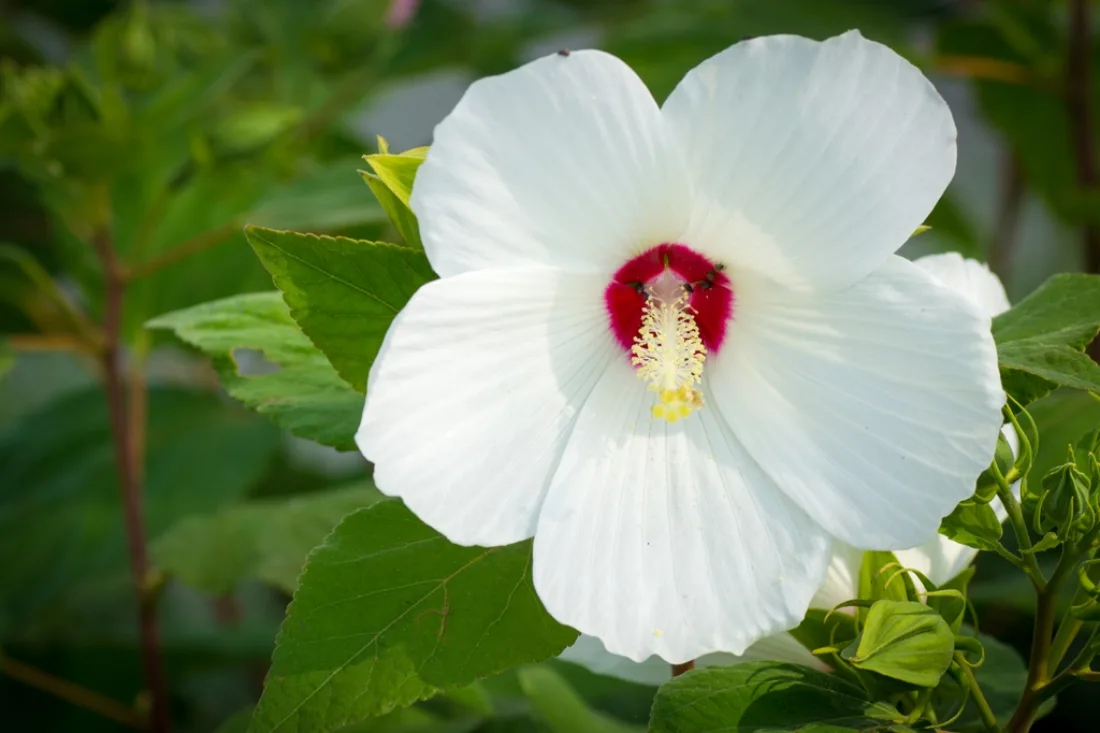
Hibiscus moscheutos
Large native flowers feed specialist bees, and standing hollow stems offer nesting places.
Instead of tropical hibiscus
Meet this plantPhoto: Andrew Cannizzaro · CC BY 2.0
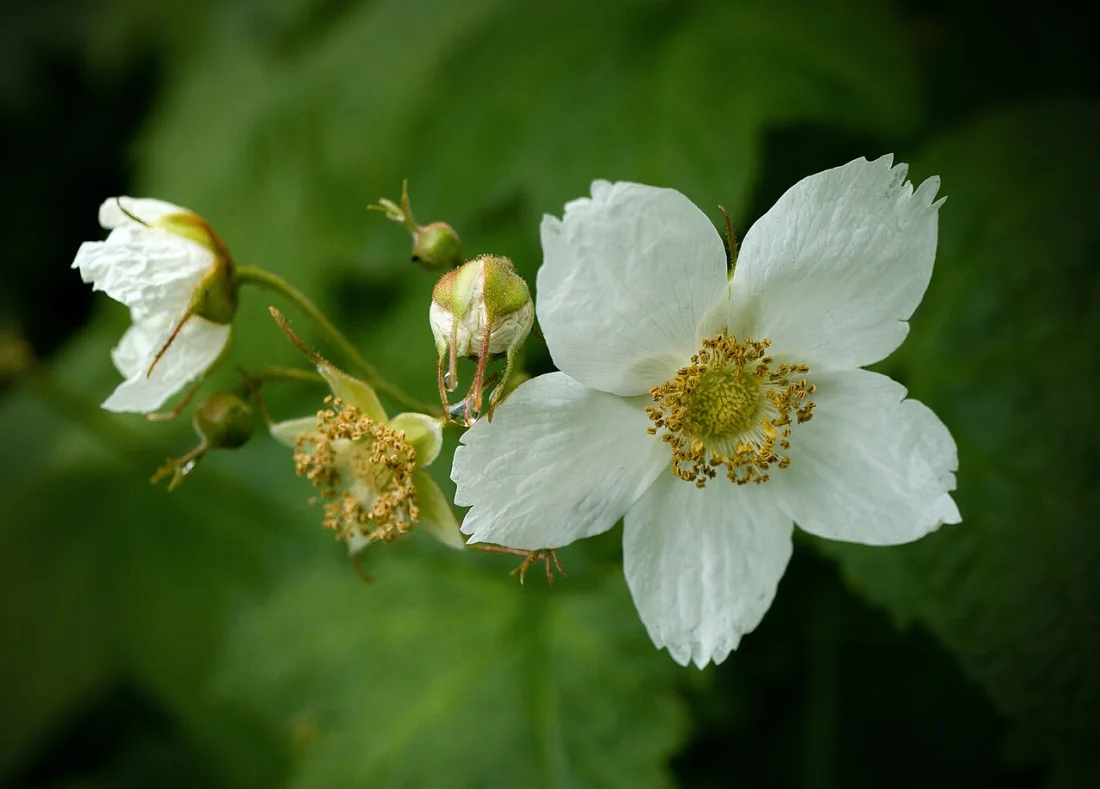
Rubus parviflorus
Native flowers and raspberry-like fruit add interest without thorny canes.
Instead of rugosa rose
Meet this plantPhoto: CAJC: in the PNW · CC BY-SA 2.0
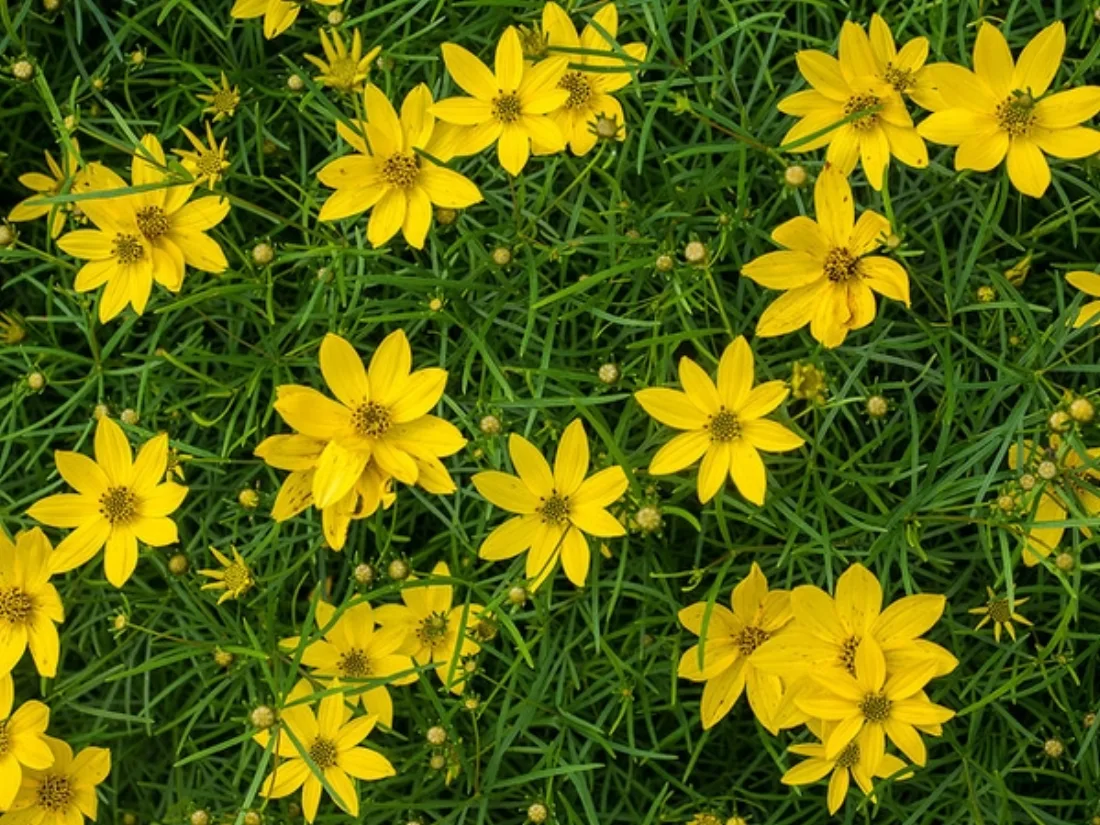
Coreopsis verticillata
Fine-textured foliage carries nectar-rich yellow flowers for butterflies, followed by seeds for songbirds.
Instead of garden mum
Meet this plantPhoto: F.D. Richards · CC-BY-SA 2.0
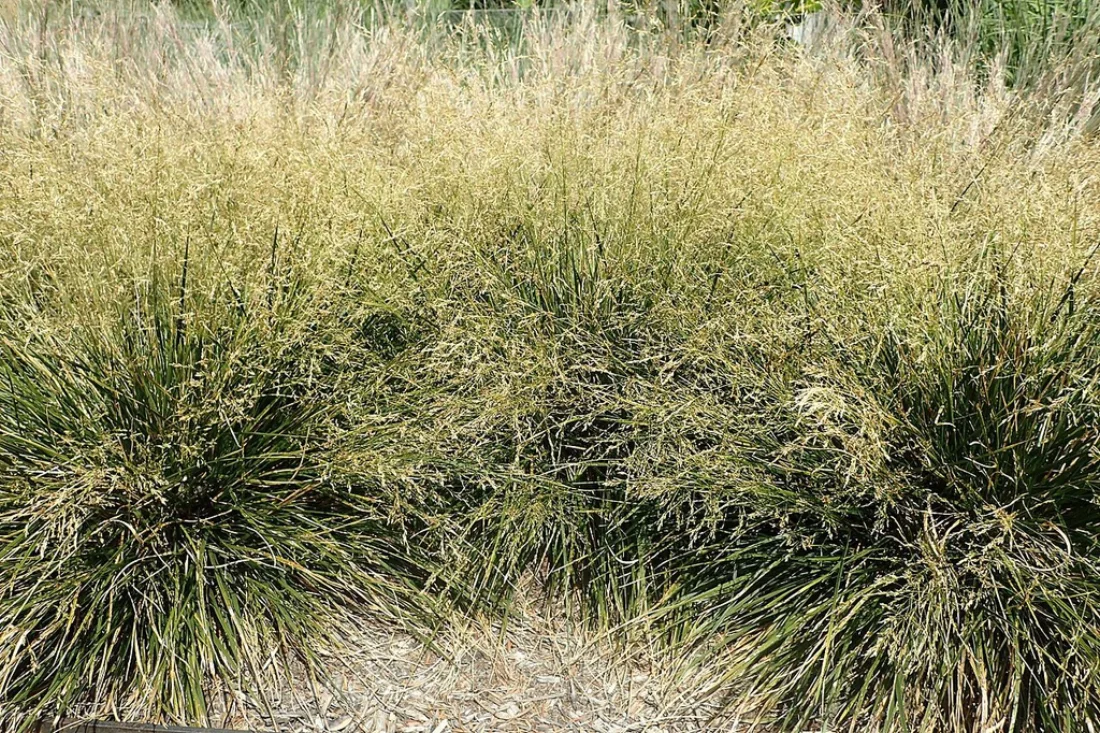
Deschampsia cespitosa
This native grass adds songbird habitat and flower plumes that persist into winter.
Instead of maiden grass
Meet this plantPhoto: Krzysztof Ziarnek, Kenraiz · CC BY-SA 4.0
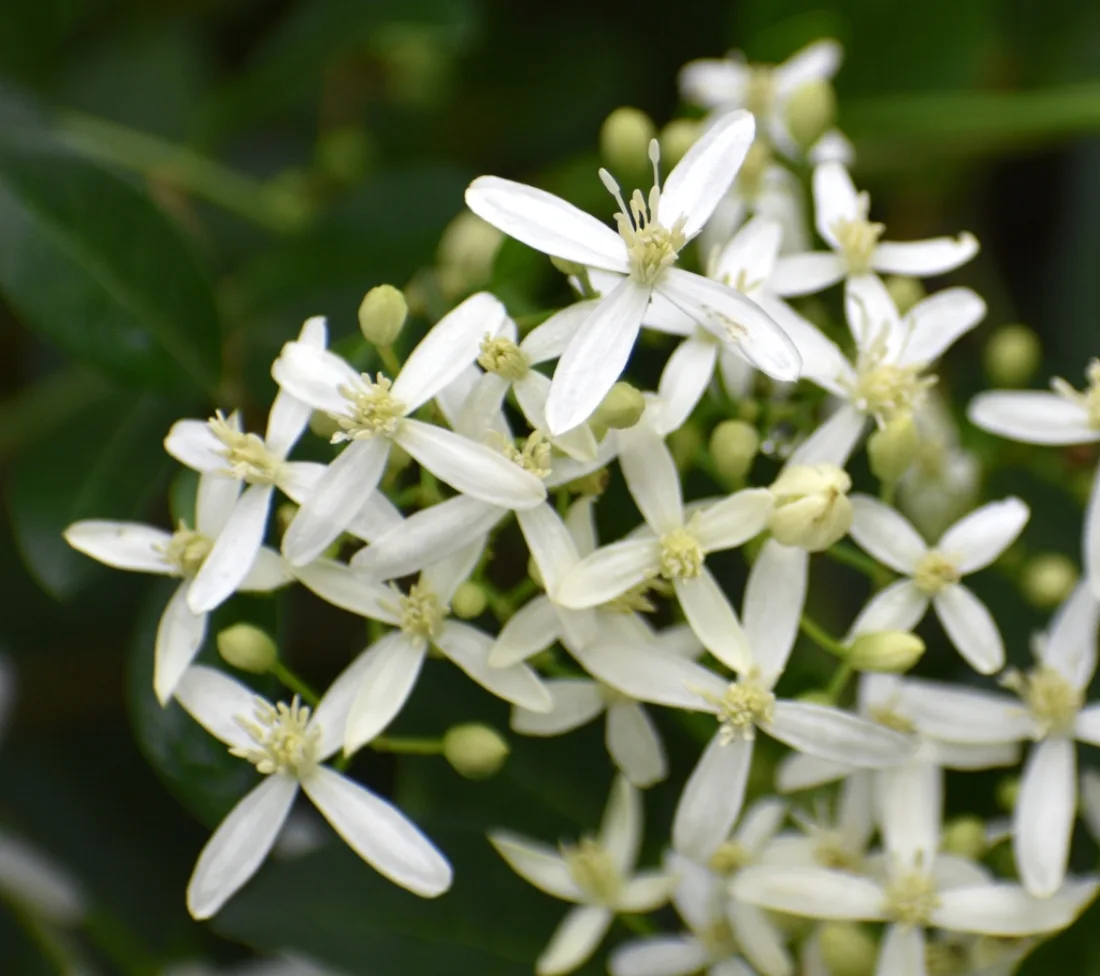
Clematis virginiana
Fragrant native flowers offer nectar for bees and hummingbirds, even in a shaded garden.
Instead of english ivy
Meet this plantPhoto: Cathy DeWitt · CC BY 4.0
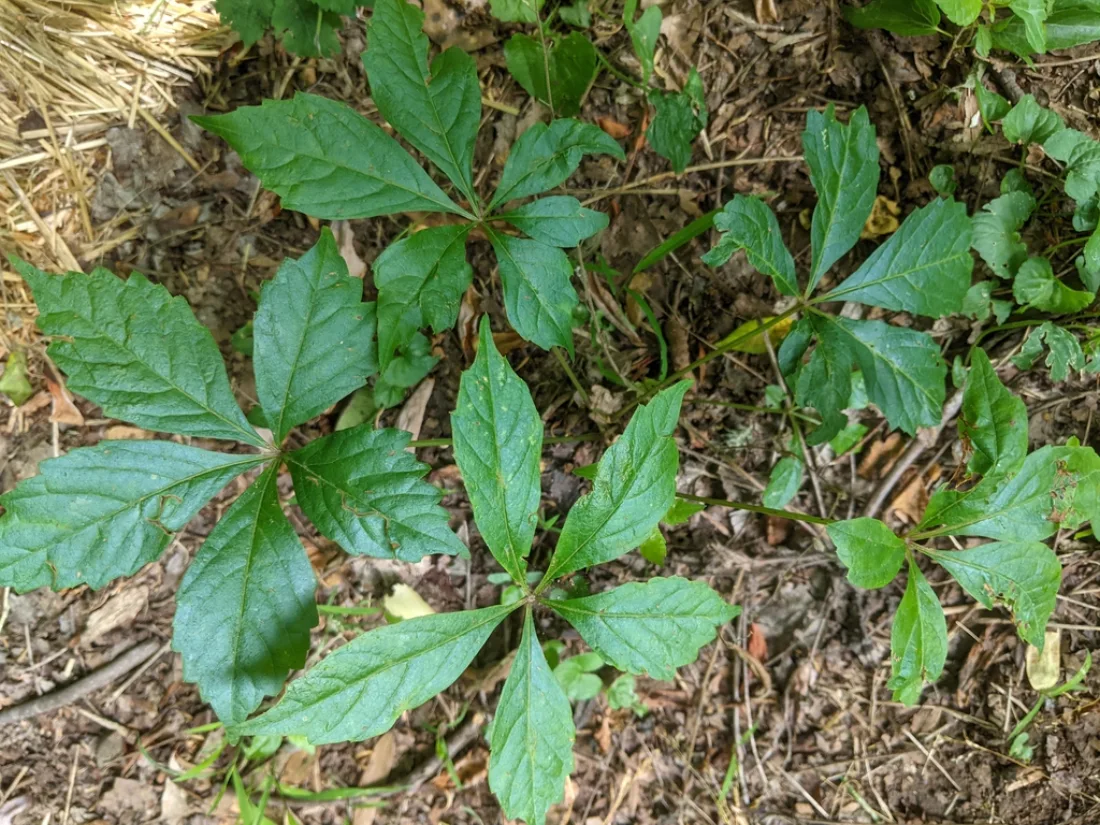
Parthenocissus quinquefolia
Native berries feed birds and mammals, while small flowers feed pollinators.
Instead of english ivy
Meet this plantPhoto: Hope Duckworth · CC BY 4.0
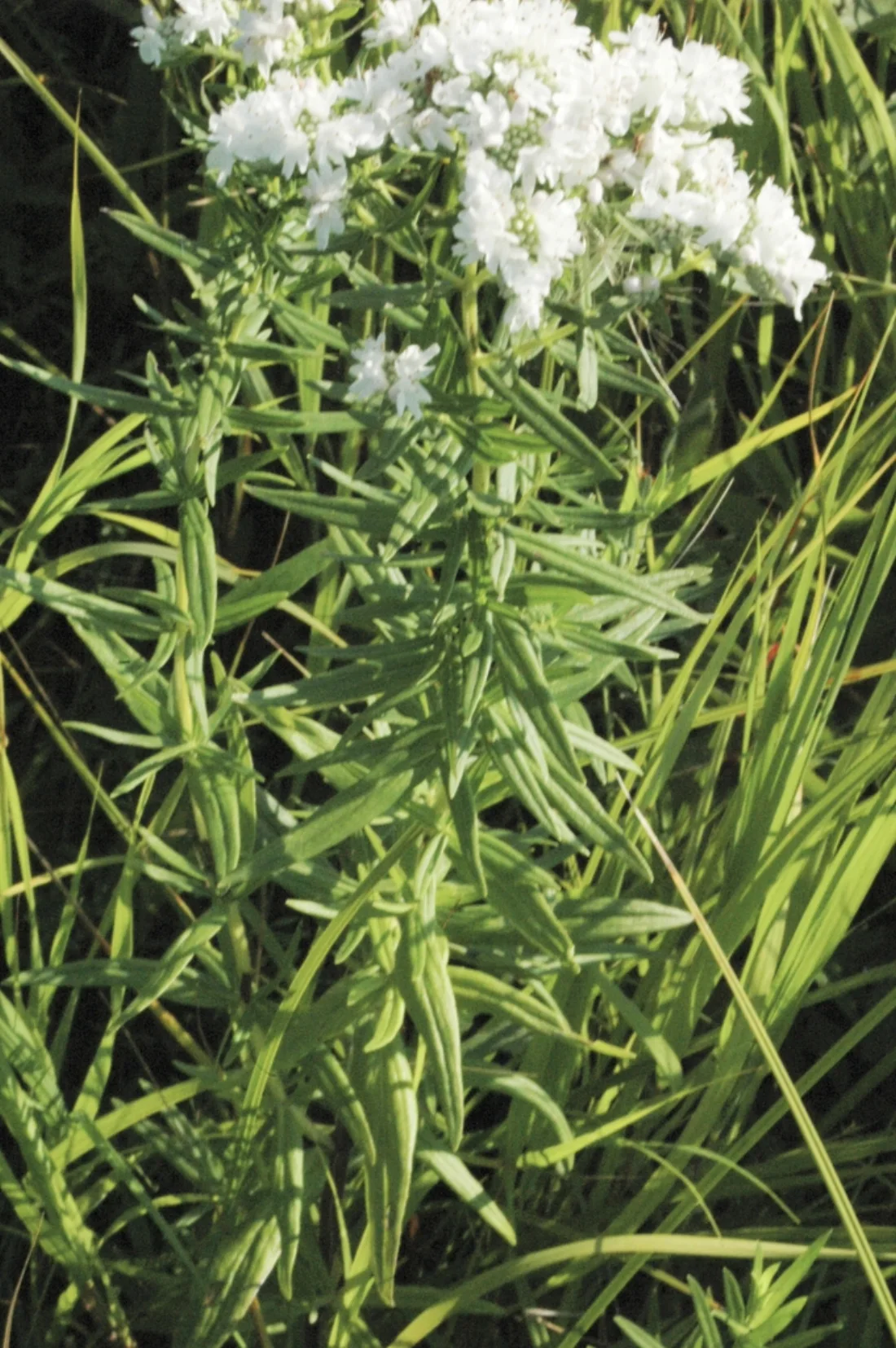
Pycnanthemum virginianum
Many small native flowers offer summer food for visiting pollinators.
Instead of woodland sage
Meet this plantPhoto: Frank Mayfield · CC-BY-SA 2.0
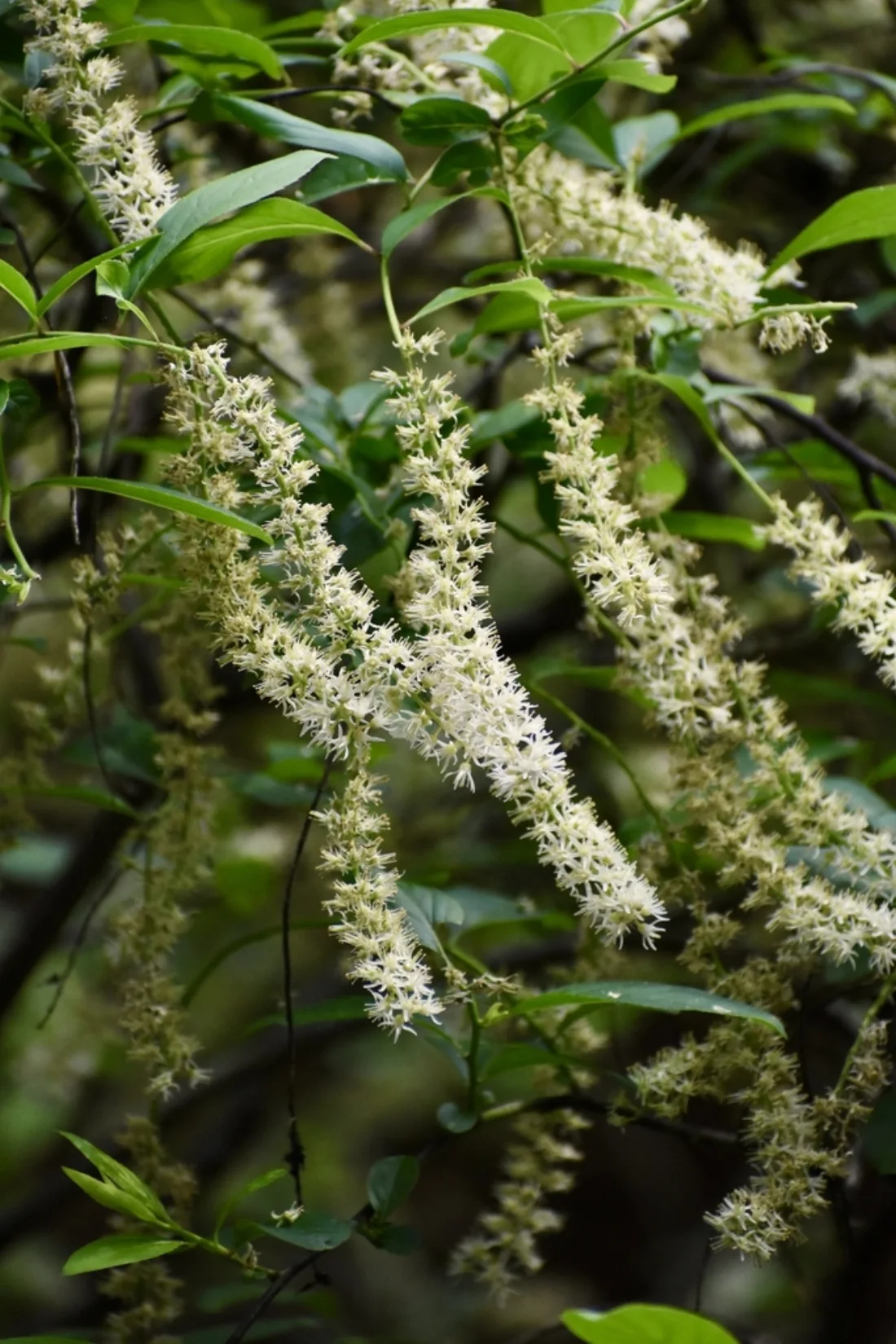
Itea virginica
Fragrant flowers feed local pollinators, and the seeds give songbirds another food source.
Instead of japanese spirea
Meet this plantPhoto: Cathy DeWitt · CC BY 4.0
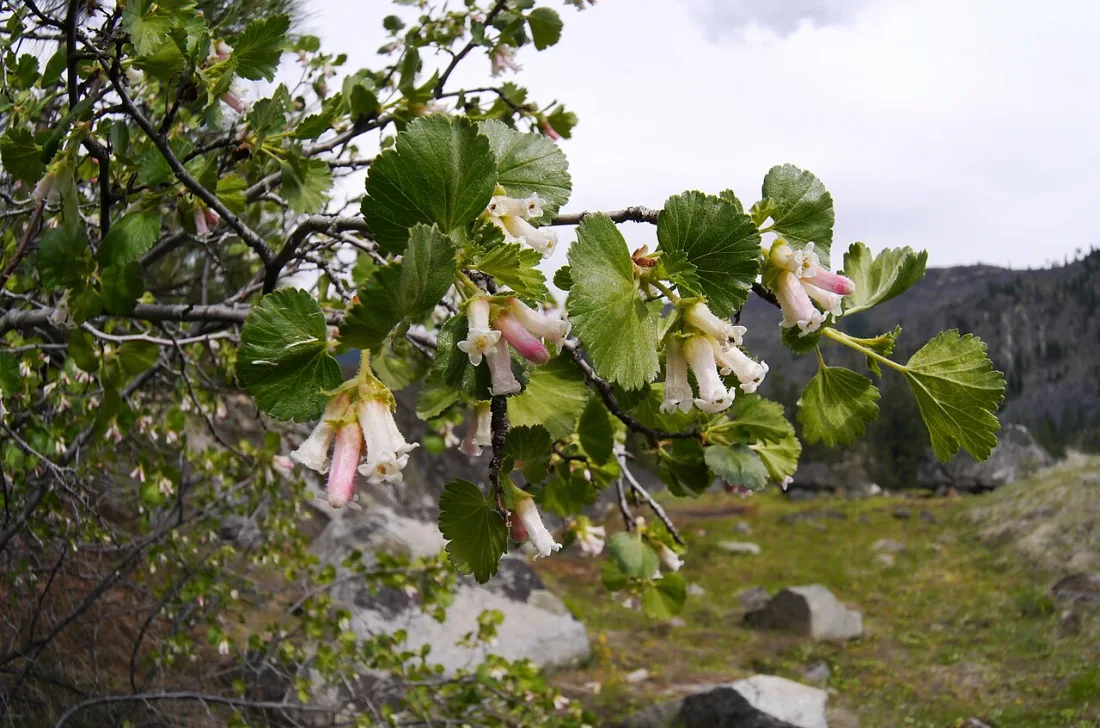
Ribes cereum
Native foliage and bright berries add variety to a dry, rocky border.
Instead of heavenly bamboo
Meet this plantPhoto: Thayne Tuason · CC BY-SA 4.0
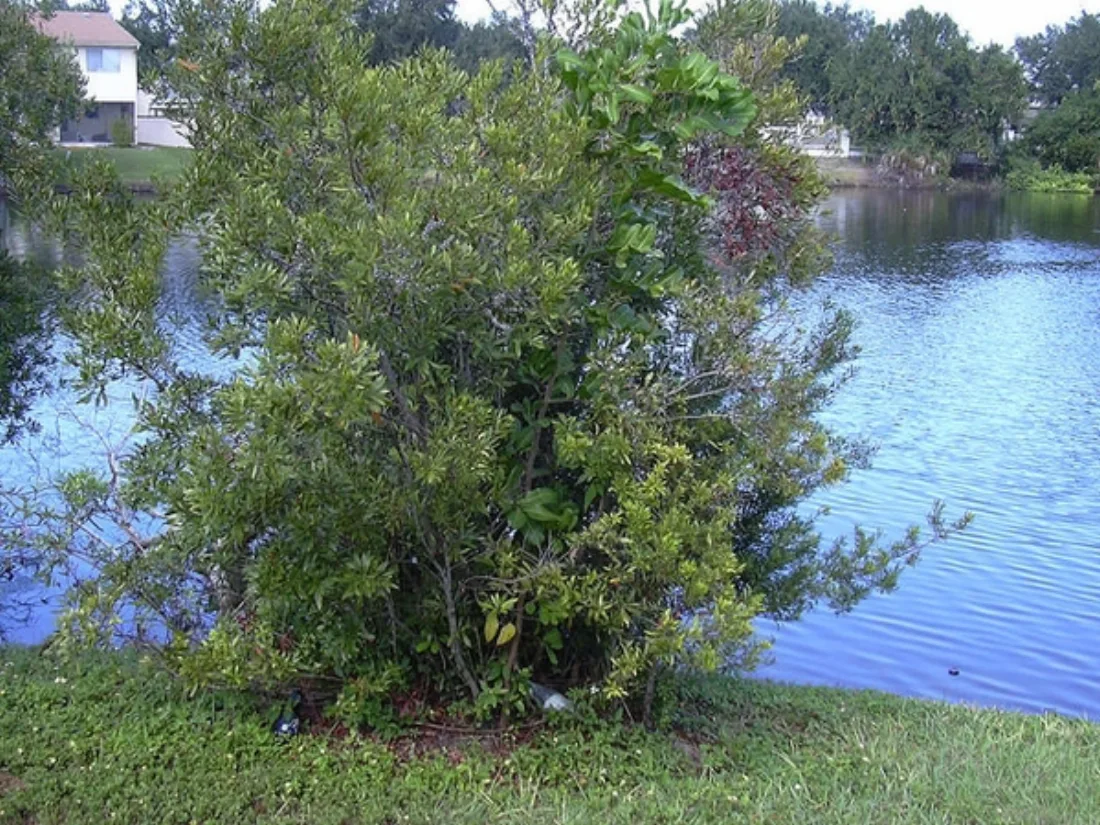
Myrica cerifera
Native berries feed birds, while dense evergreen branches provide winter cover.
Instead of heavenly bamboo
Meet this plantPhoto: Forest and Kim Starr · CC BY 2.0
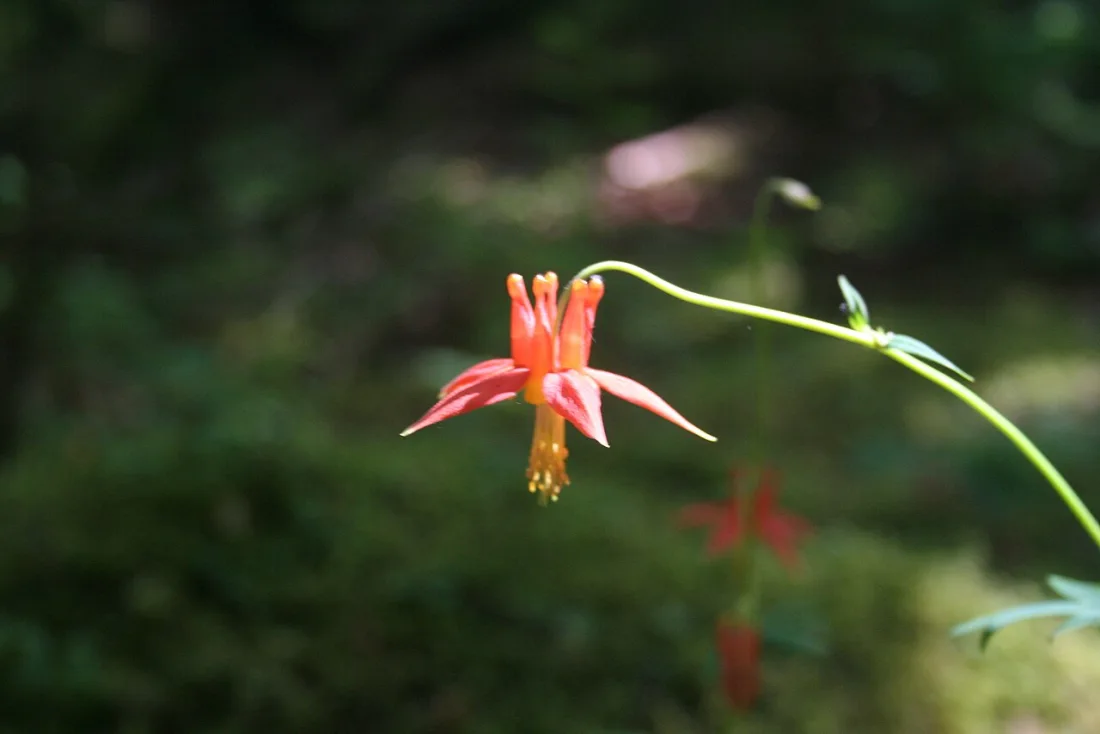
Aquilegia formosa
Native red-and-yellow flowers feed hummingbirds, bees, and butterflies.
Instead of asian bleeding heart
Meet this plantPhoto: MyCatIsAChonk · CC BY-SA 4.0
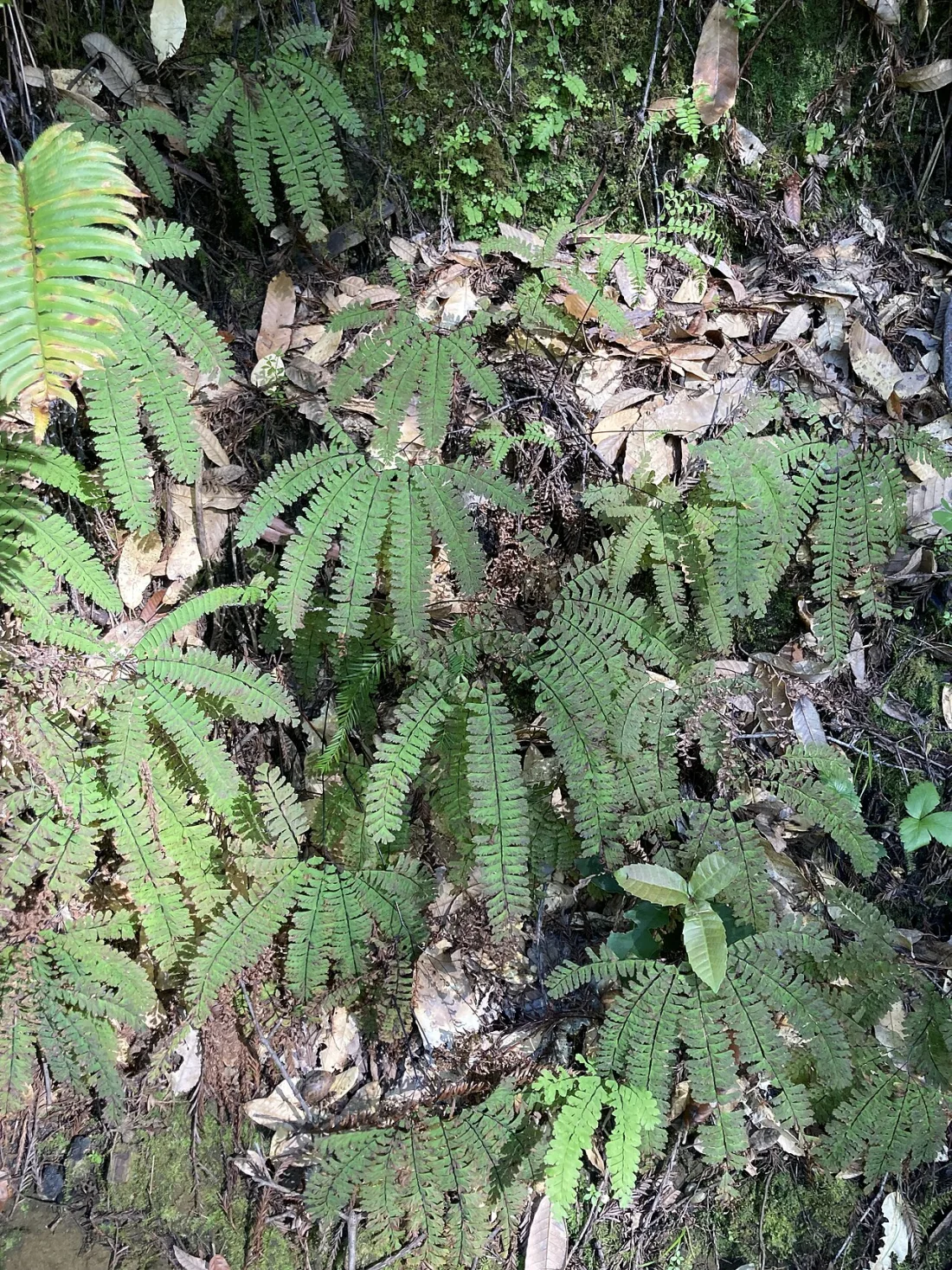
Adiantum aleuticum
Native fan-shaped fronds add fine texture to a shaded woodland garden.
Instead of japanese painted fern
Meet this plantPhoto: Awinch1001 · CC0
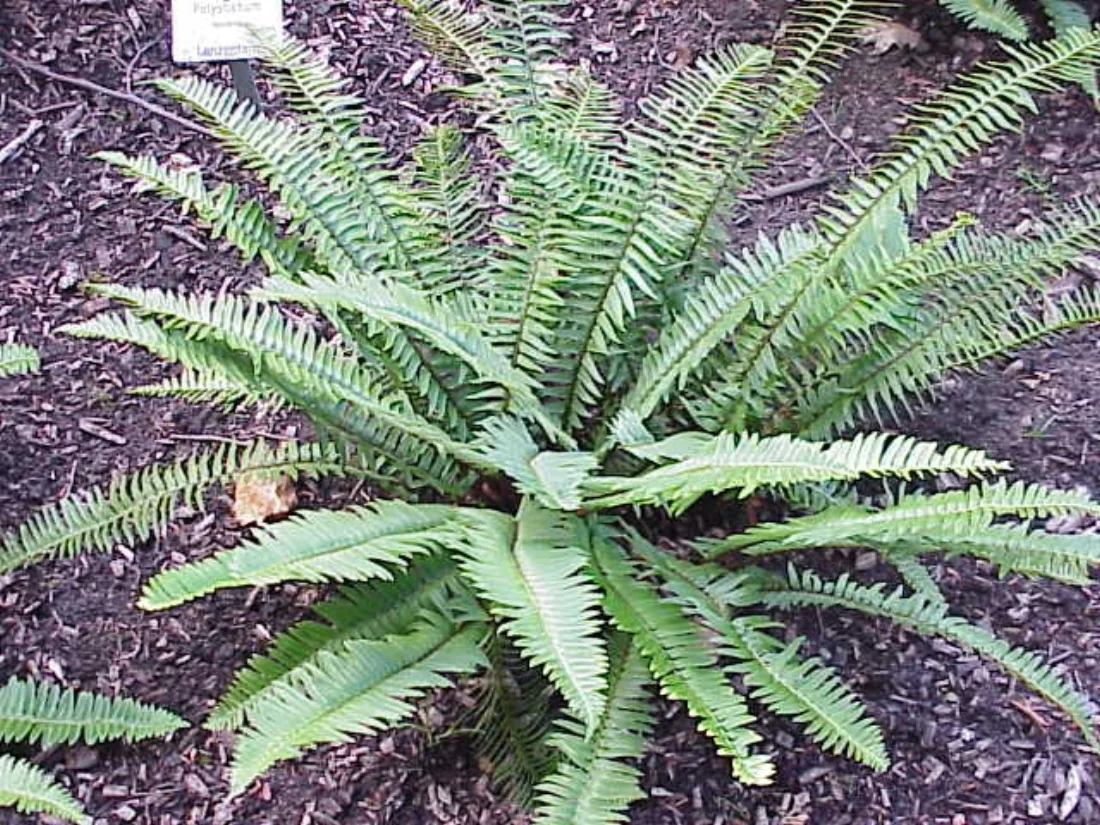
Polystichum munitum
Arching evergreen fronds give native wildlife shelter and nesting cover beneath trees.
Instead of japanese holly fern
Meet this plantPhoto: Kurt Stüber · CC BY-SA 3.0
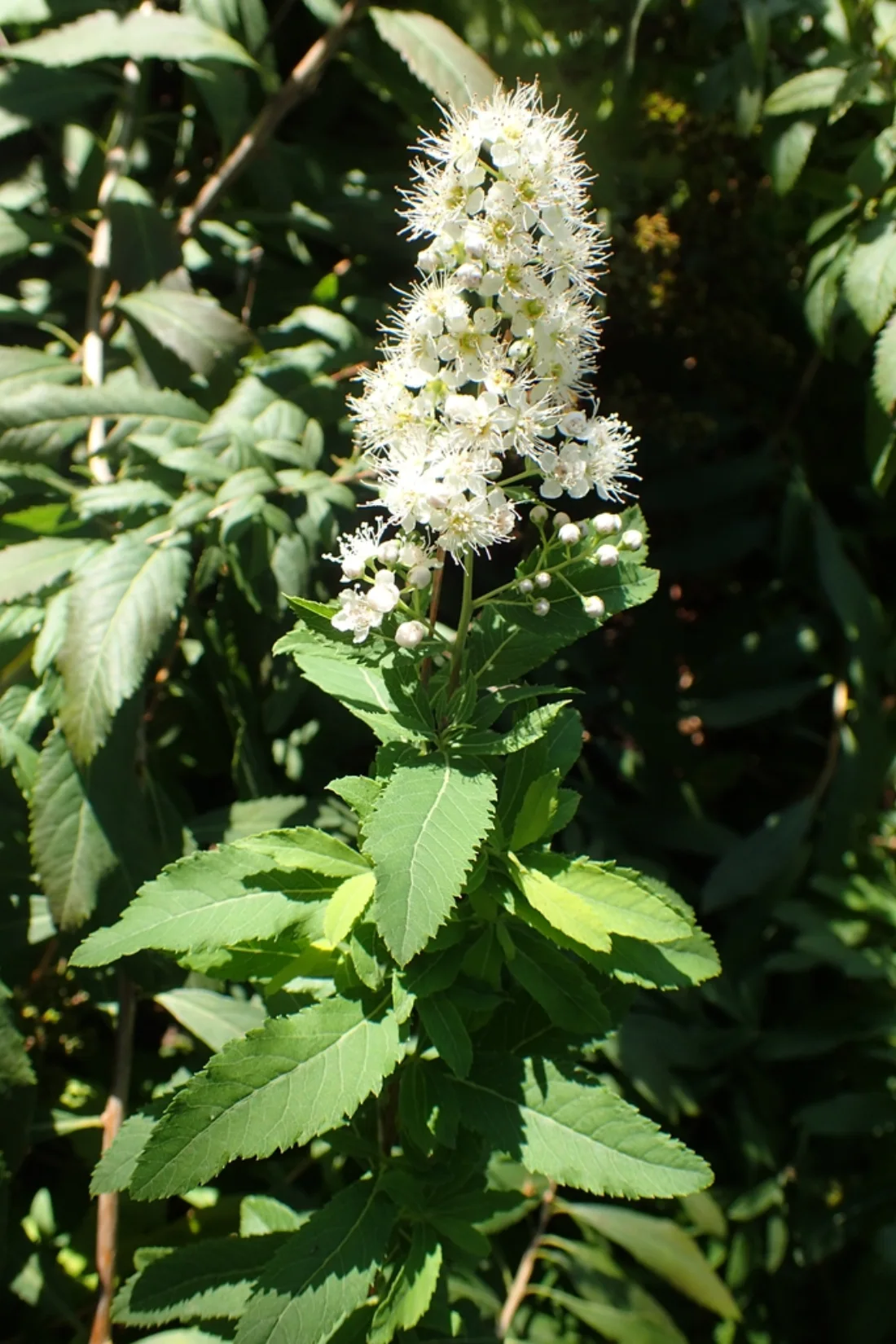
Spiraea alba
Native flowers feed pollinators, and foliage hosts spring azure caterpillars.
Instead of japanese spirea
Meet this plantPhoto: Krzysztof Ziarnek, Kenraiz · CC BY-SA 4.0
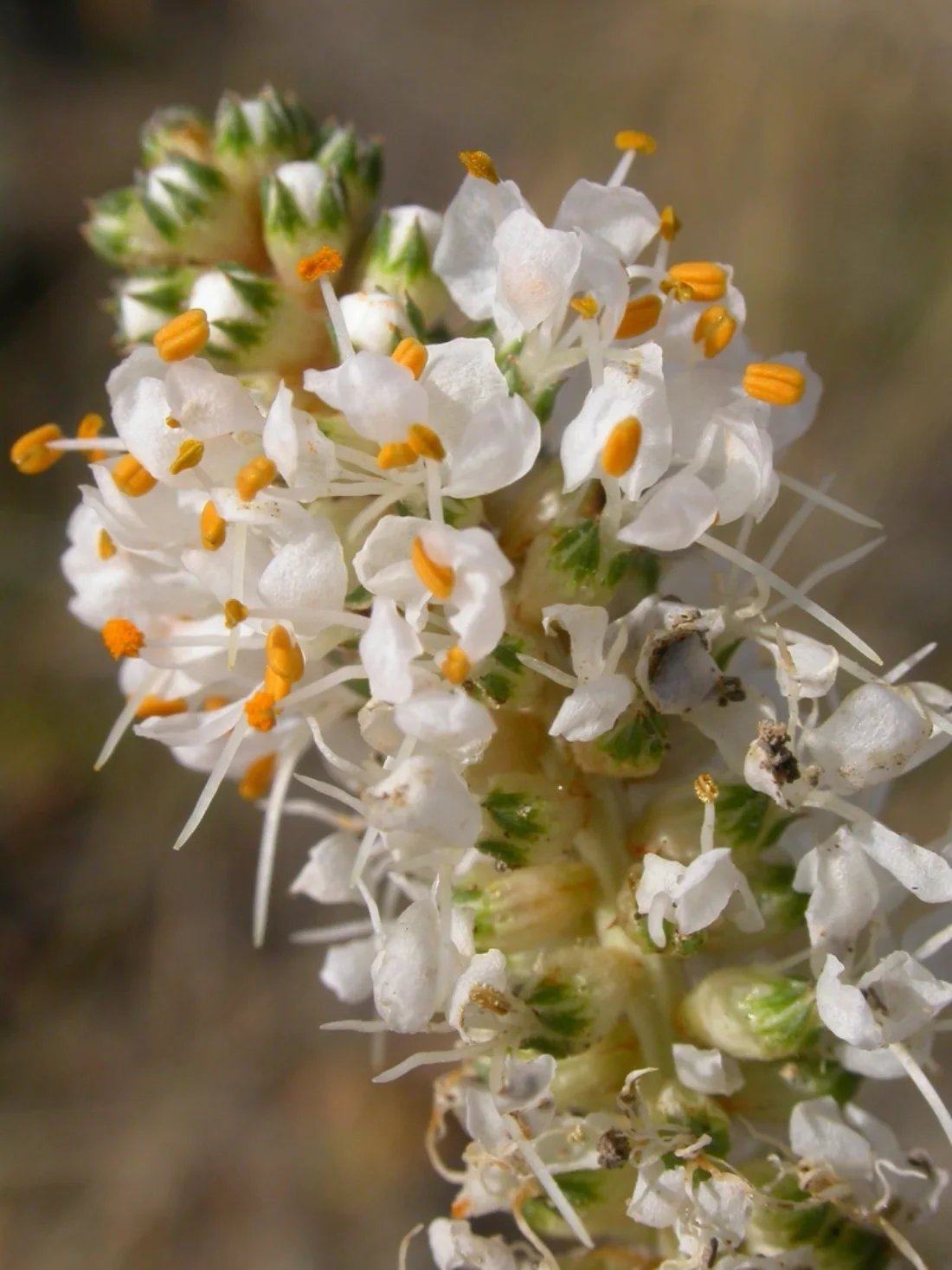
Dalea candida
Native flower spikes feed pollinators, and foliage hosts dogface butterfly caterpillars.
Instead of woodland sage
Meet this plantPhoto: Matt Lavin · CC-BY-SA 2.0
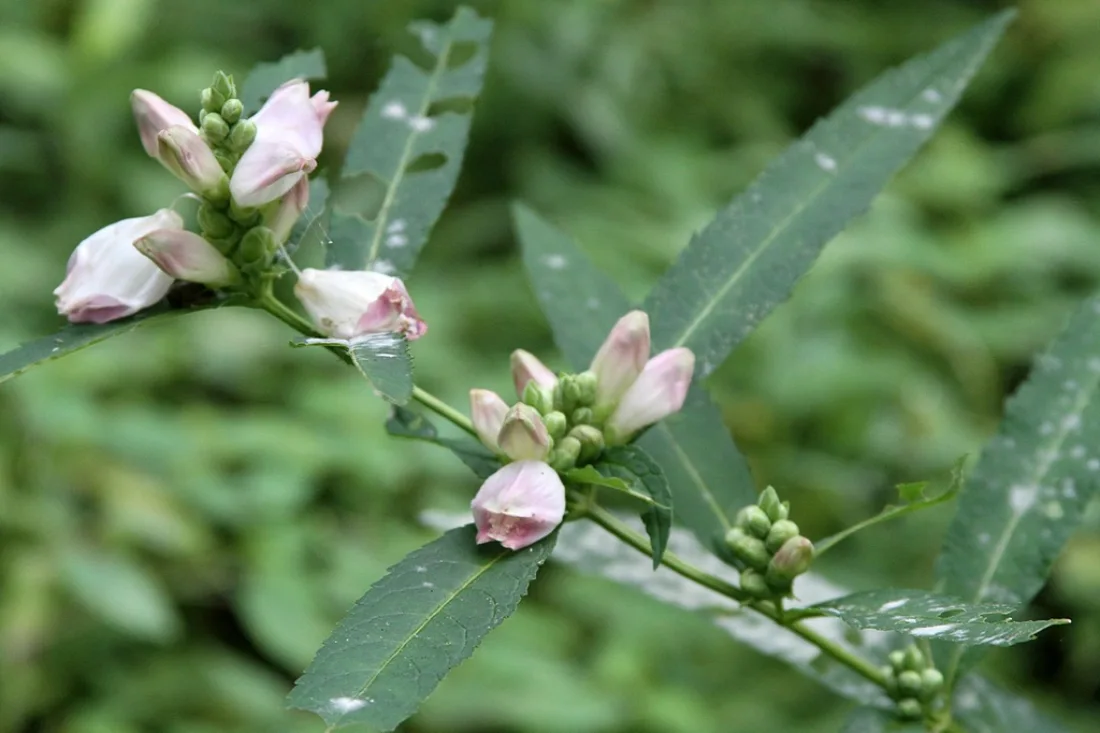
Chelone glabra
Native leaves feed Baltimore checkerspot caterpillars, and late blooms feed pollinators.
Instead of woodland sage
Meet this plantPhoto: R.A Nonenmacher · CC BY-SA 4.0
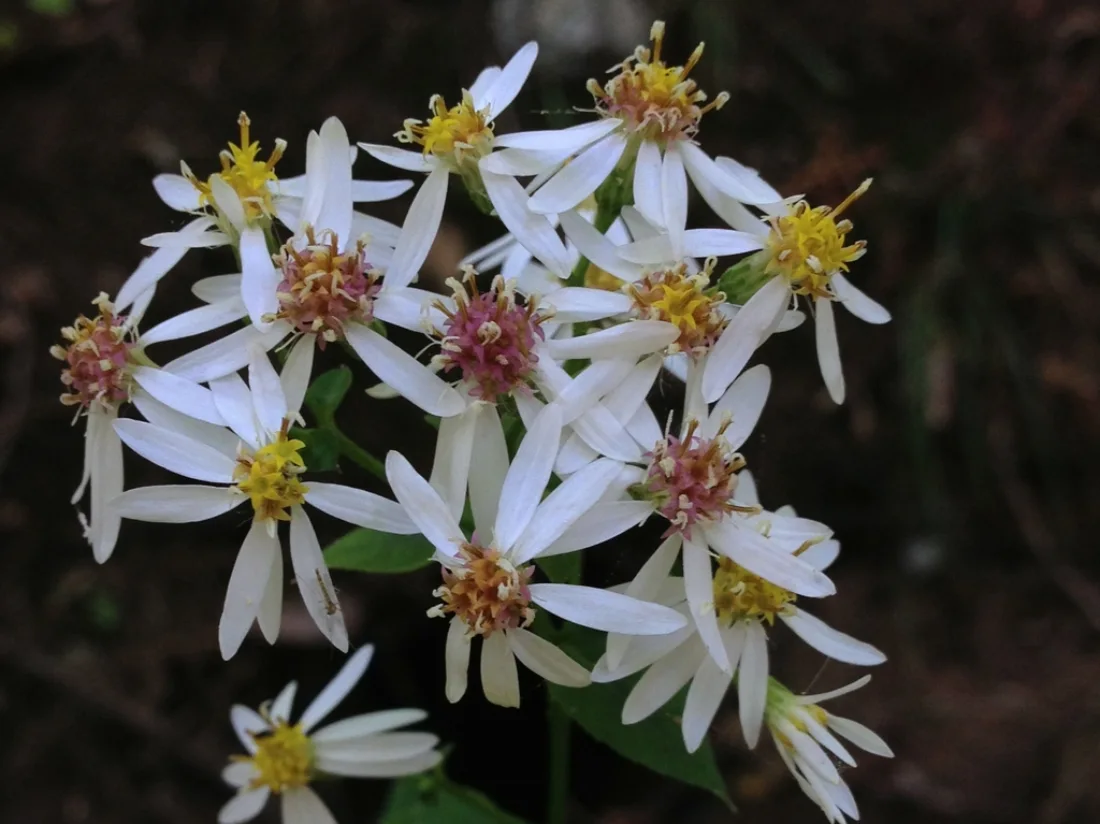
Eurybia divaricata
Late flowers feed bees and butterflies, and seeds support birds into the colder months.
Instead of garden mum
Meet this plantPhoto: Fritzflohrreynolds · CC BY-SA 3.0
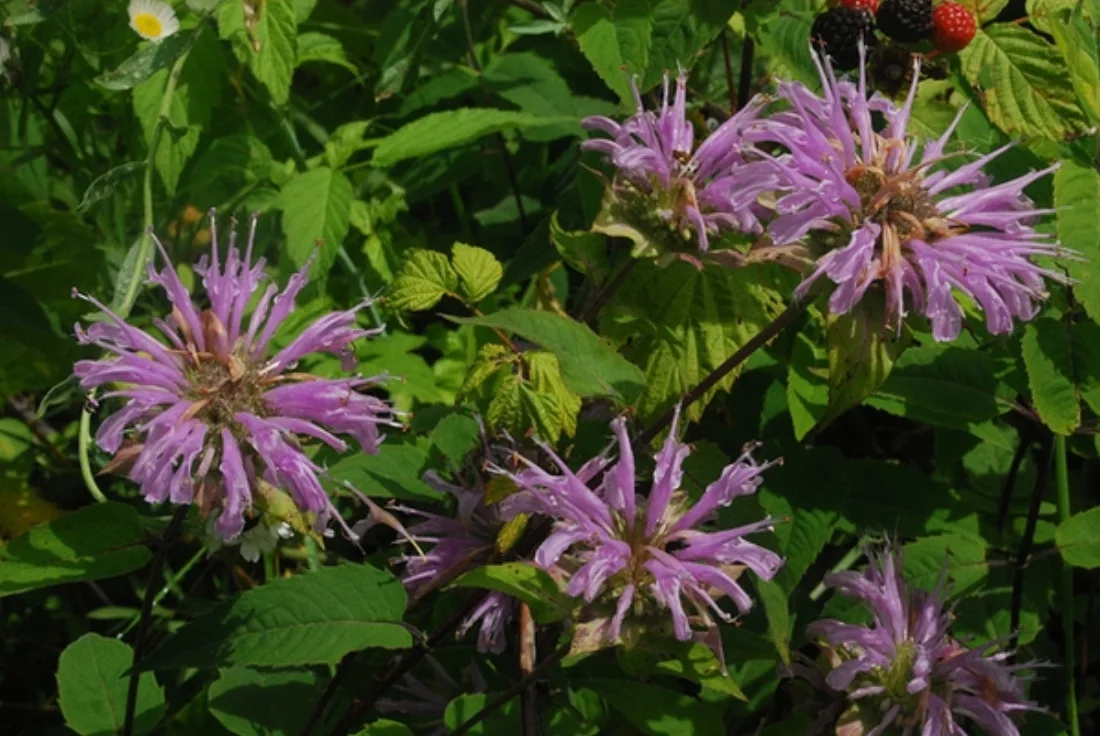
Monarda fistulosa
Its lavender blooms feed bees and hummingbirds, and hollow stems can shelter nesting bees.
Instead of garden mum
Meet this plantPhoto: Joshua Mayer · CC-BY-SA 2.0
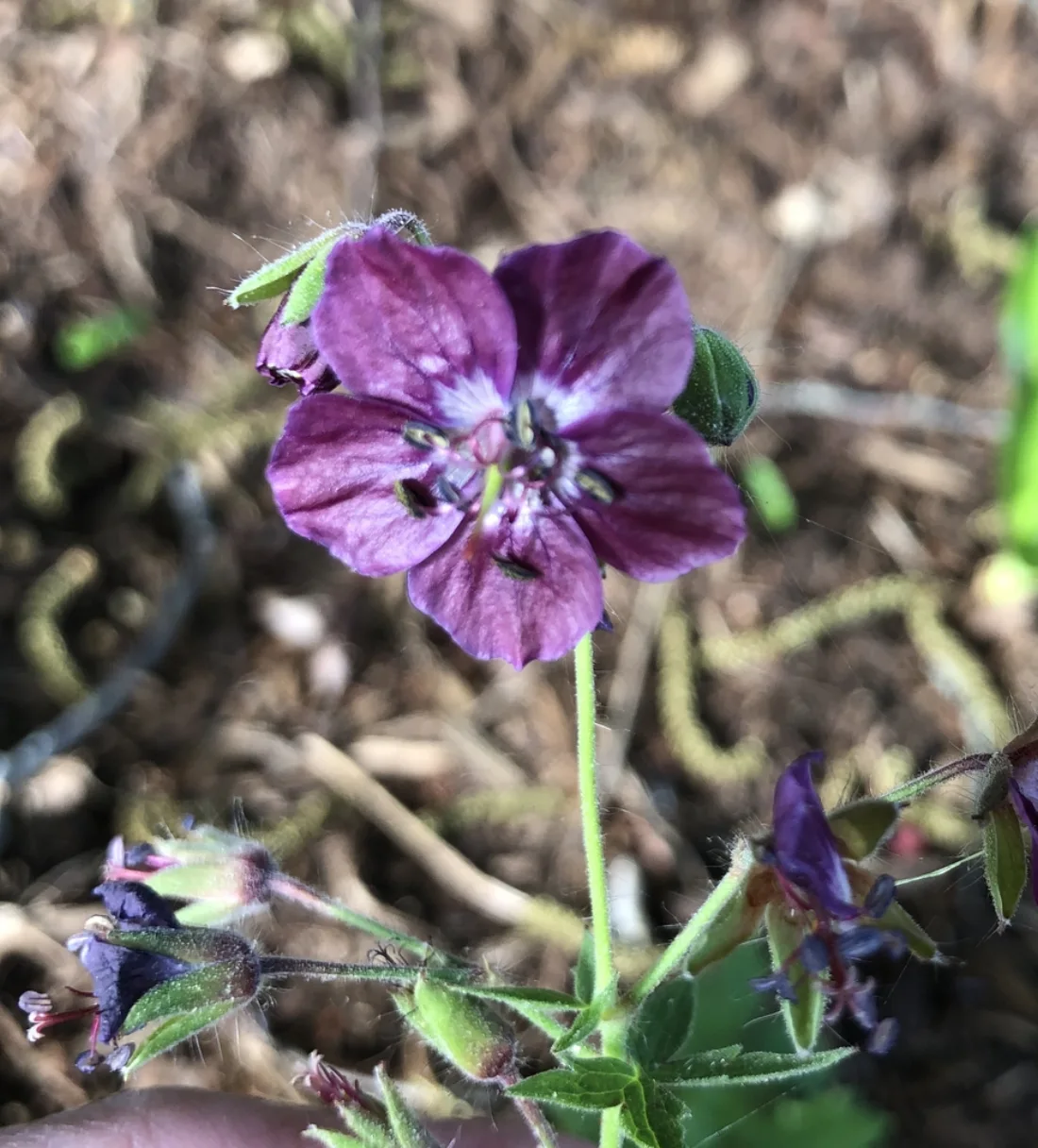
Geranium maculatum
Spring flowers feed bees and butterflies, and songbirds can eat the seeds that follow.
Instead of bloody cranesbill
Meet this plantPhoto: Cathy Dewitt · CC BY 4.0
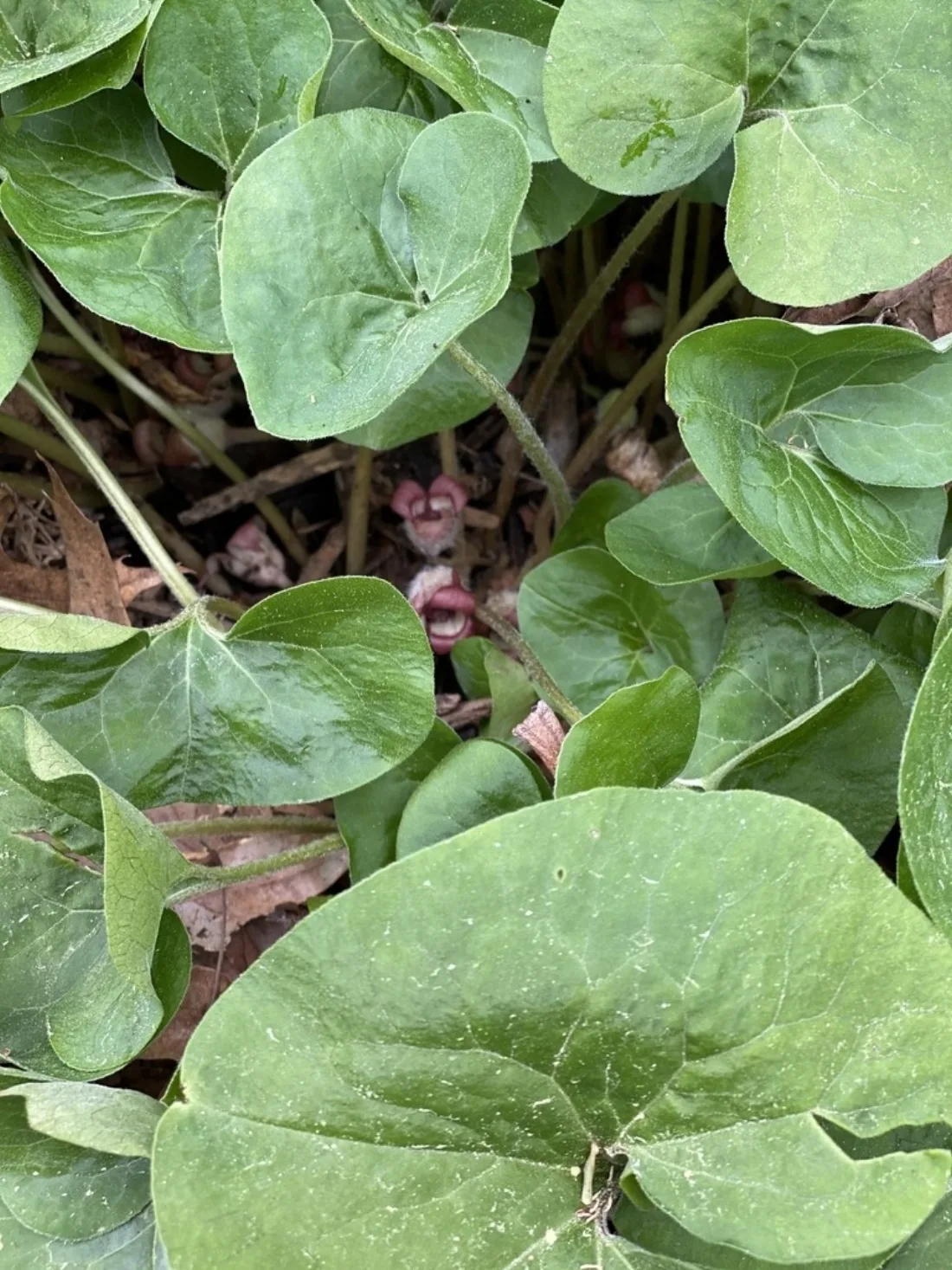
Asarum canadense
Broad native leaves protect woodland soil, while its hidden flowers are pollinated by flies and beetles.
Instead of english ivy
Meet this plantPhoto: Kathy Sill · CC BY 4.0
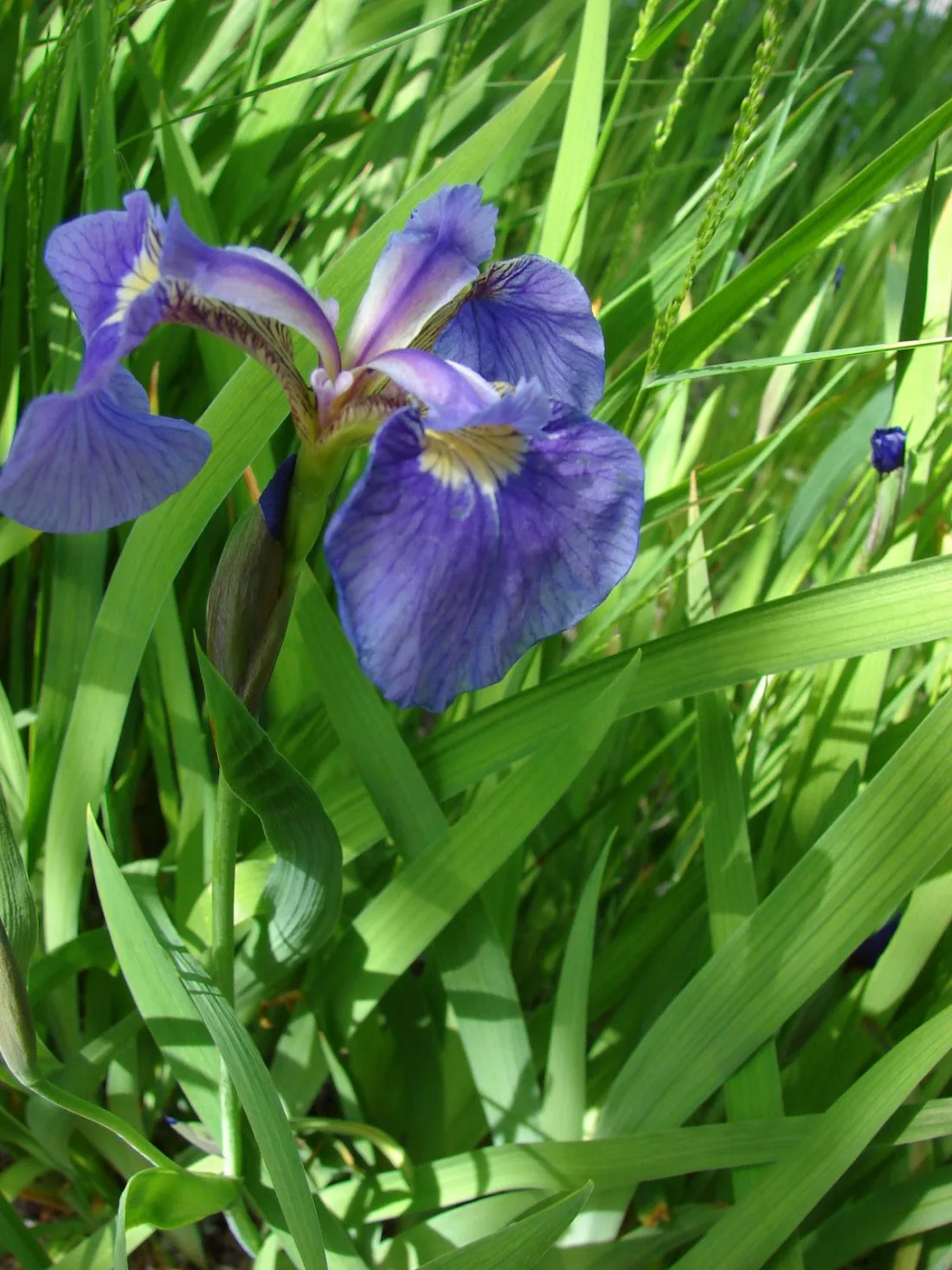
Iris setosa
Showy native flowers and rhizomes add color and help hold soil.
Instead of orange daylily
Meet this plant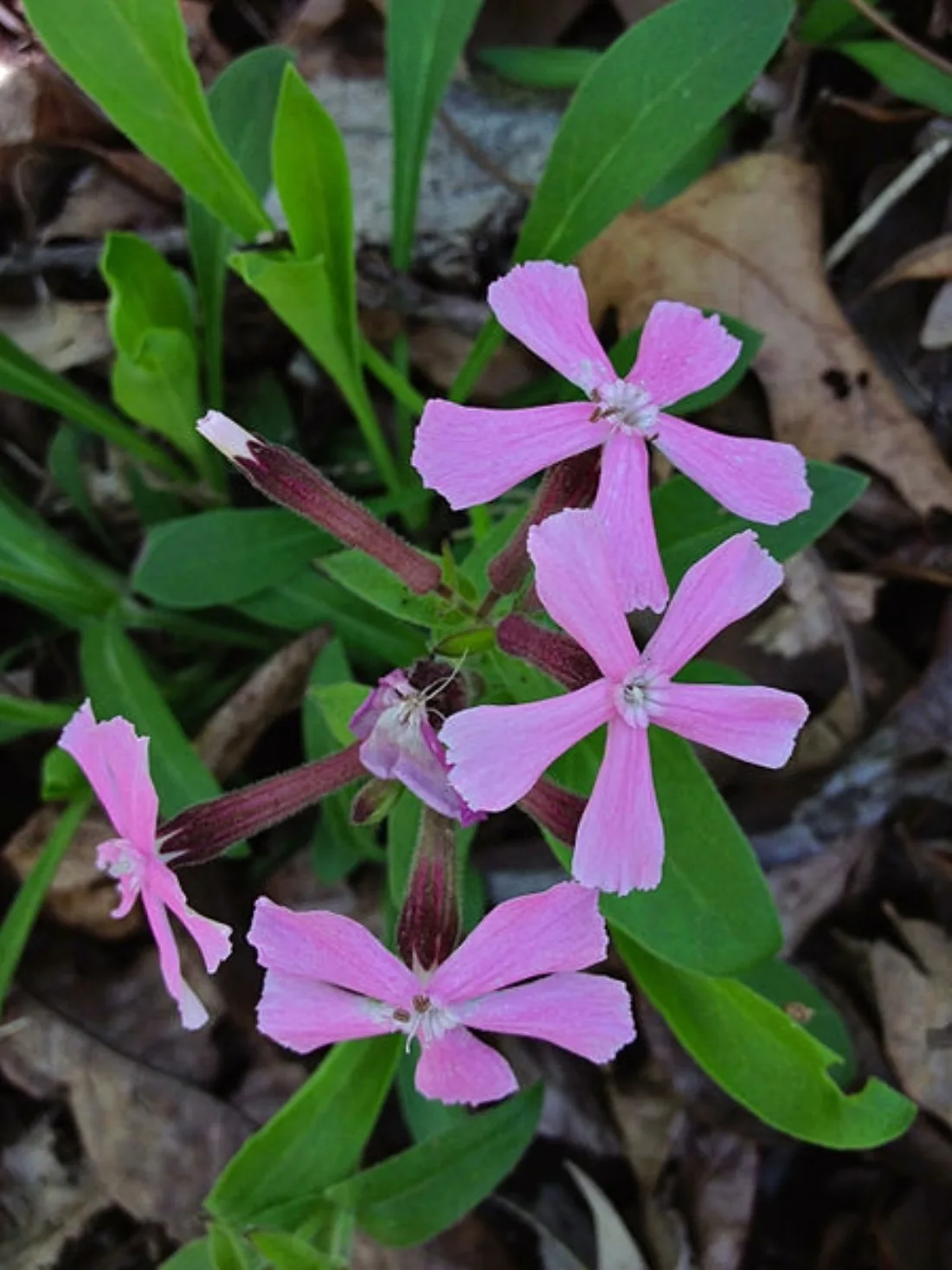
Silene caroliniana
Native spring flowers attract butterflies, hummingbirds, and other pollinators.
Instead of bloody cranesbill
Meet this plantPhoto: Fritzflohrreynolds · CC BY-SA 3.0
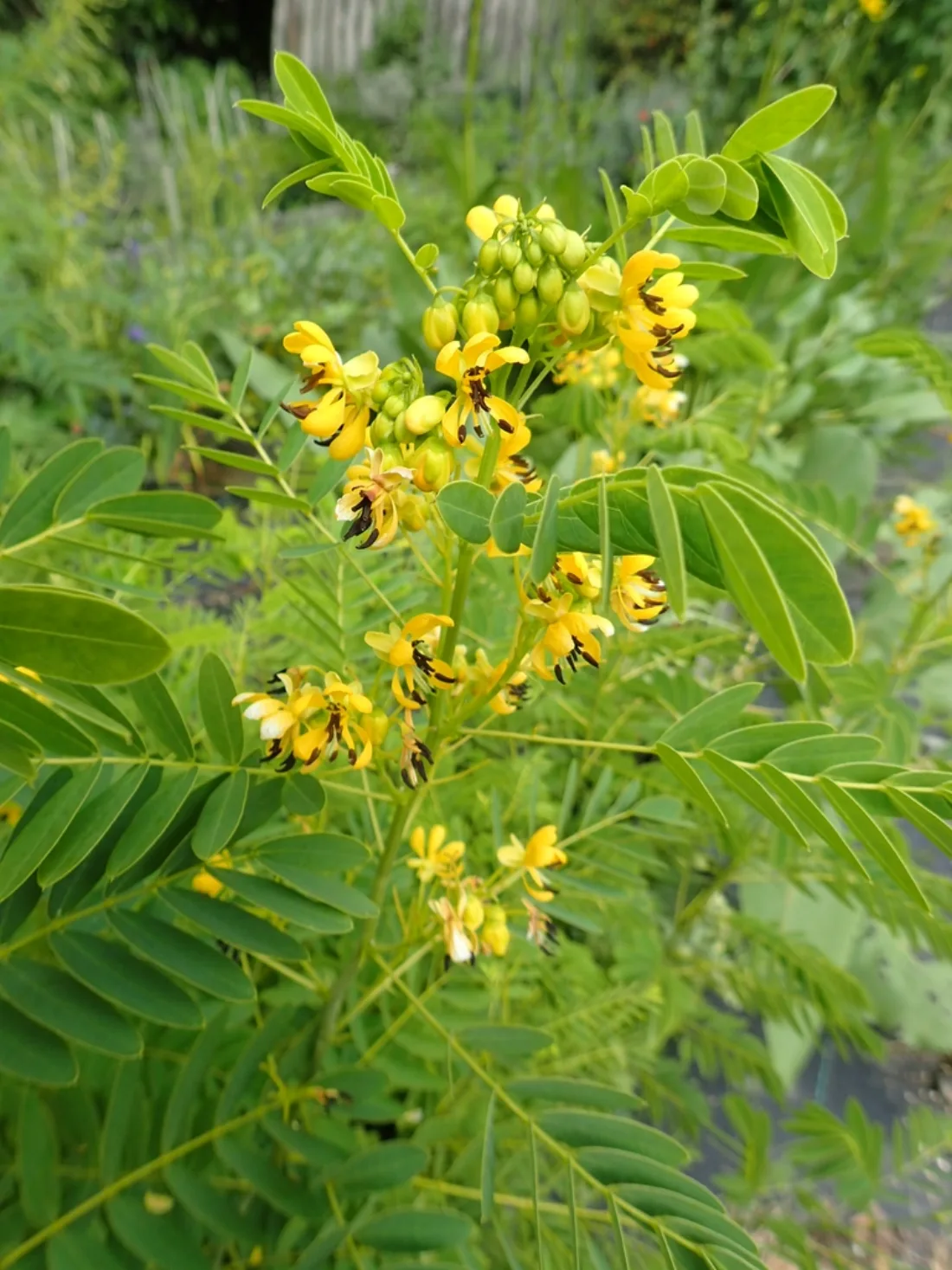
Senna hebecarpa
Native leaves feed sulphur butterfly caterpillars, while flowers supply pollen for bumblebees.
Instead of butterfly bush
Meet this plantPhoto: Steve Law · CC-BY-SA 2.0
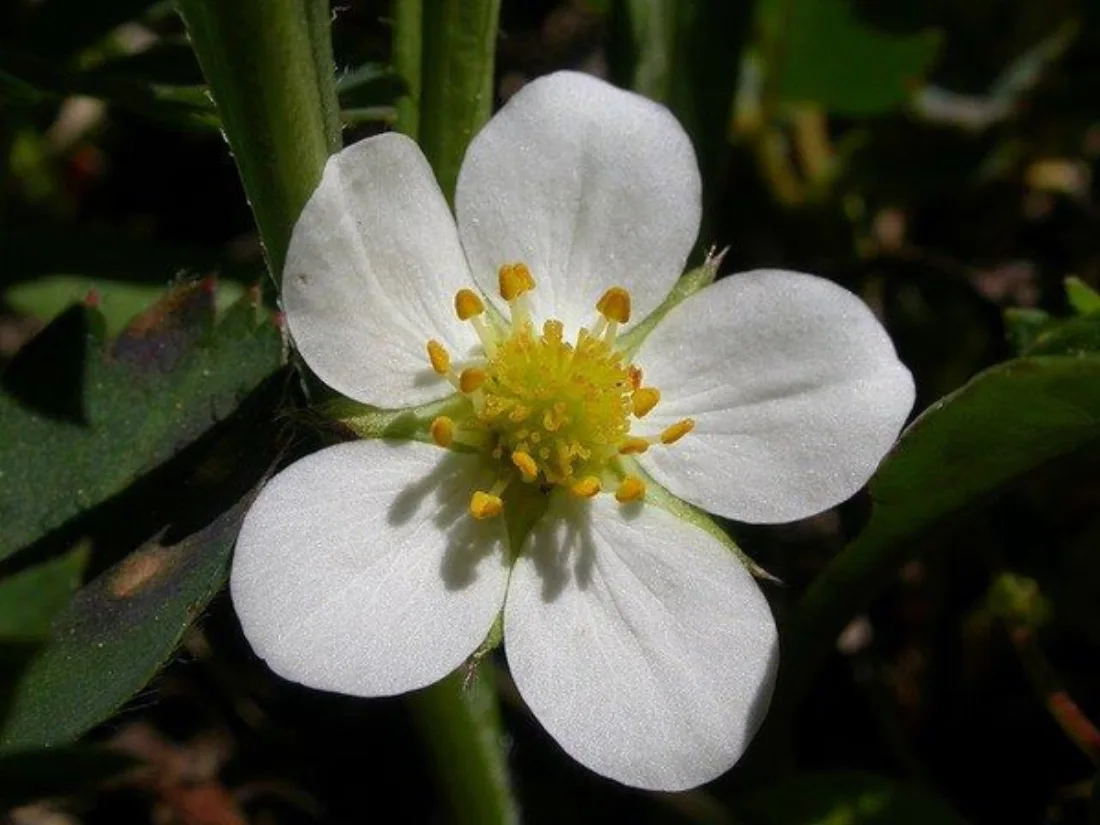
Fragaria virginiana
Native spring flowers feed pollinators, including specialist bees.
Instead of bugleweed
Meet this plantPhoto: Matt Lavin · CC-BY-SA 2.0
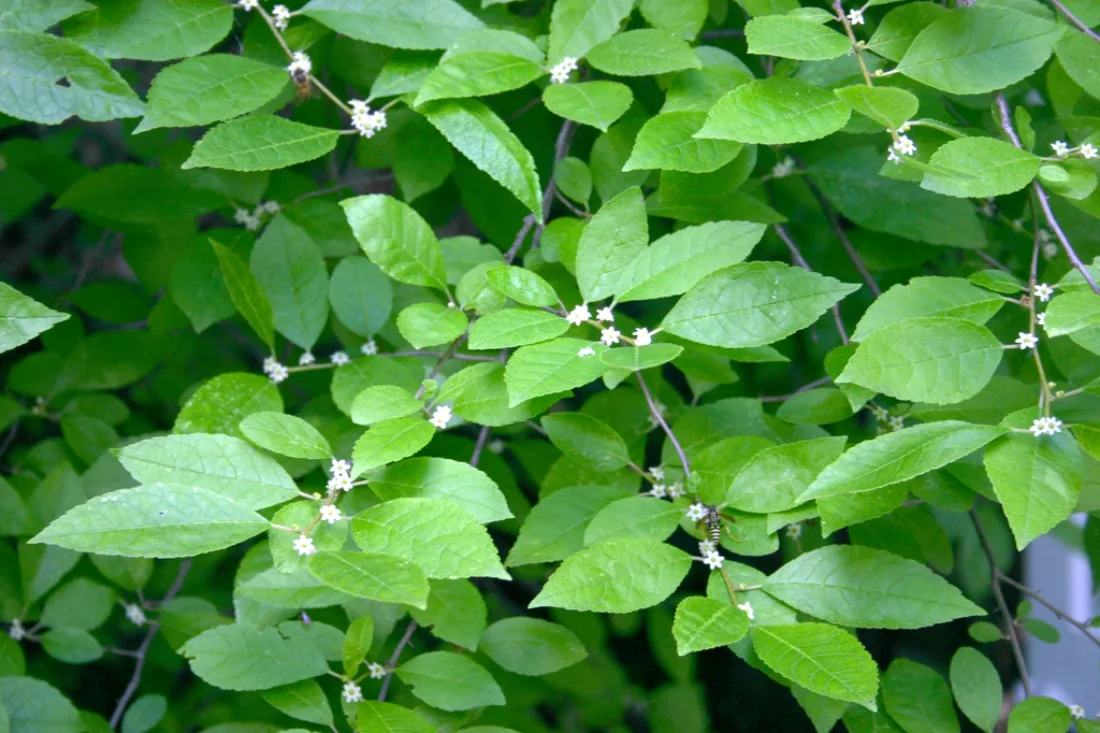
Ilex verticillata
Native berries supply winter food for birds, while leaves host Henry's elfin caterpillars.
Instead of heavenly bamboo
Meet this plantPhoto: SB Johnny · CC BY-SA 3.0
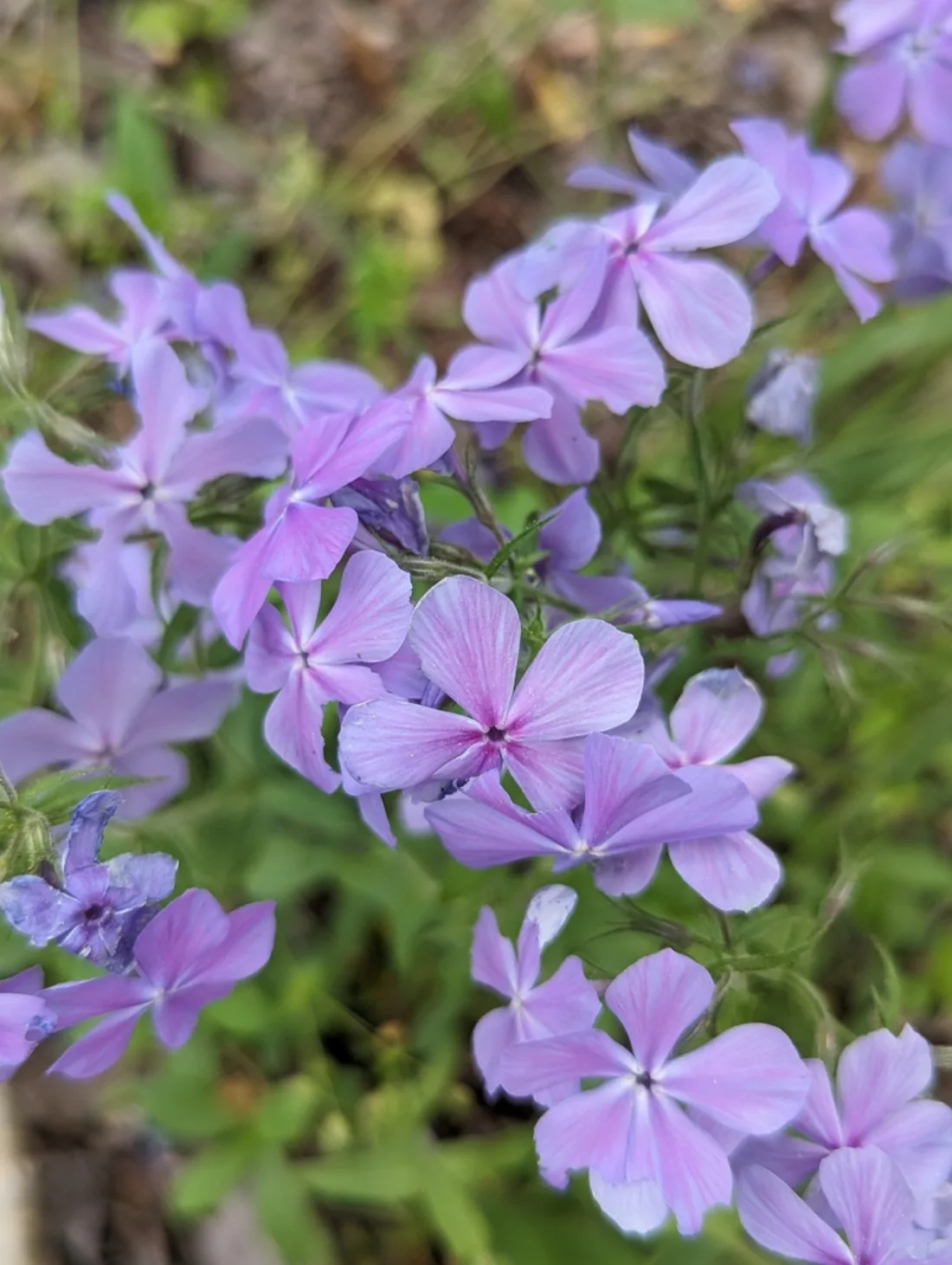
Phlox divaricata
Its soft spring flowers offer nectar for butterflies and bees at the woodland edge.
Instead of common periwinkle
Meet this plantPhoto: Hope Duckworth · CC BY 4.0
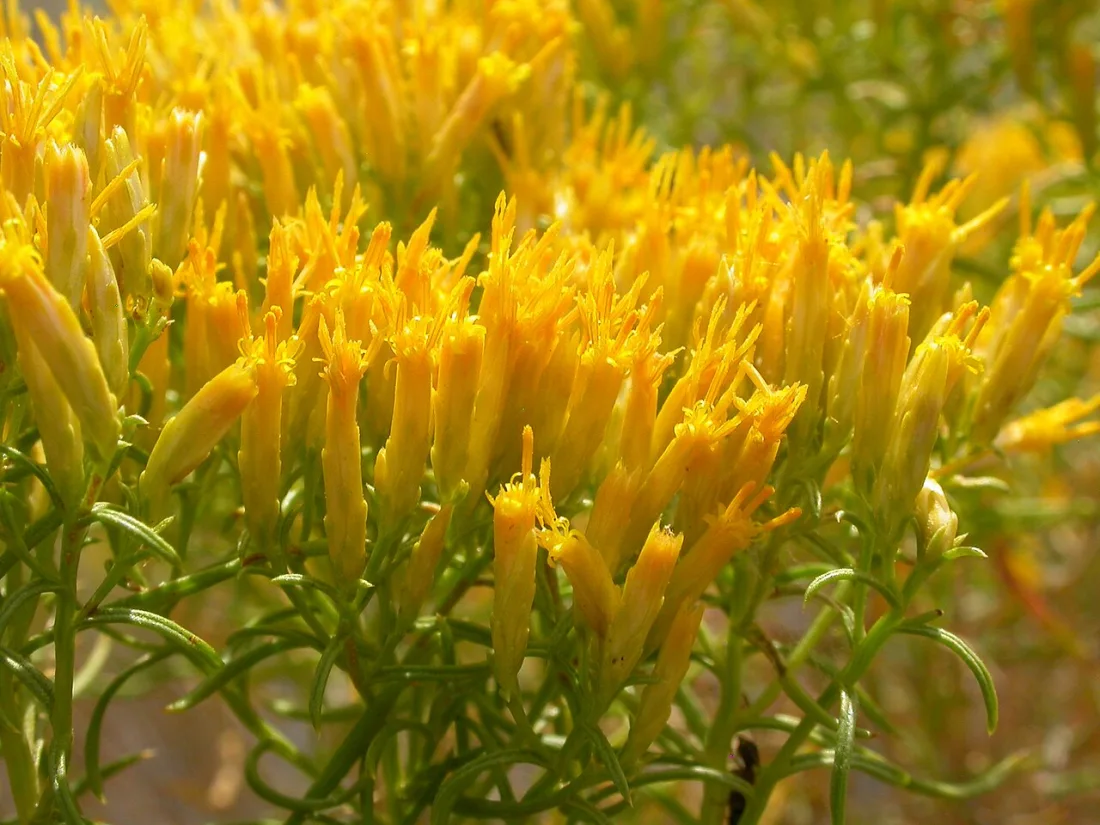
Chrysothamnus viscidiflorus
Native yellow flowers add late color with little water once established.
Instead of japanese spirea
Meet this plant