Compare plants.
COMMON CHOICETropical milkweedAsclepias curassavica |
NATIVE ALTERNATIVESwamp milkweedAsclepias incarnata |
|---|---|
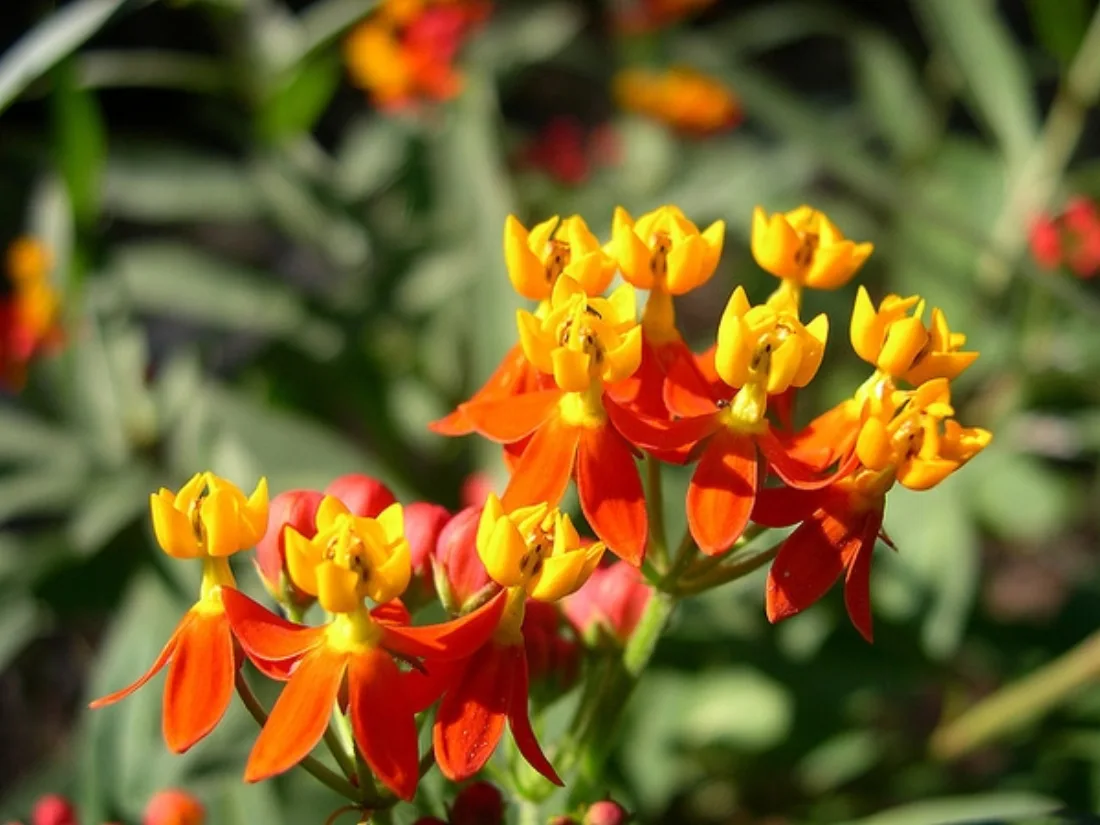 |
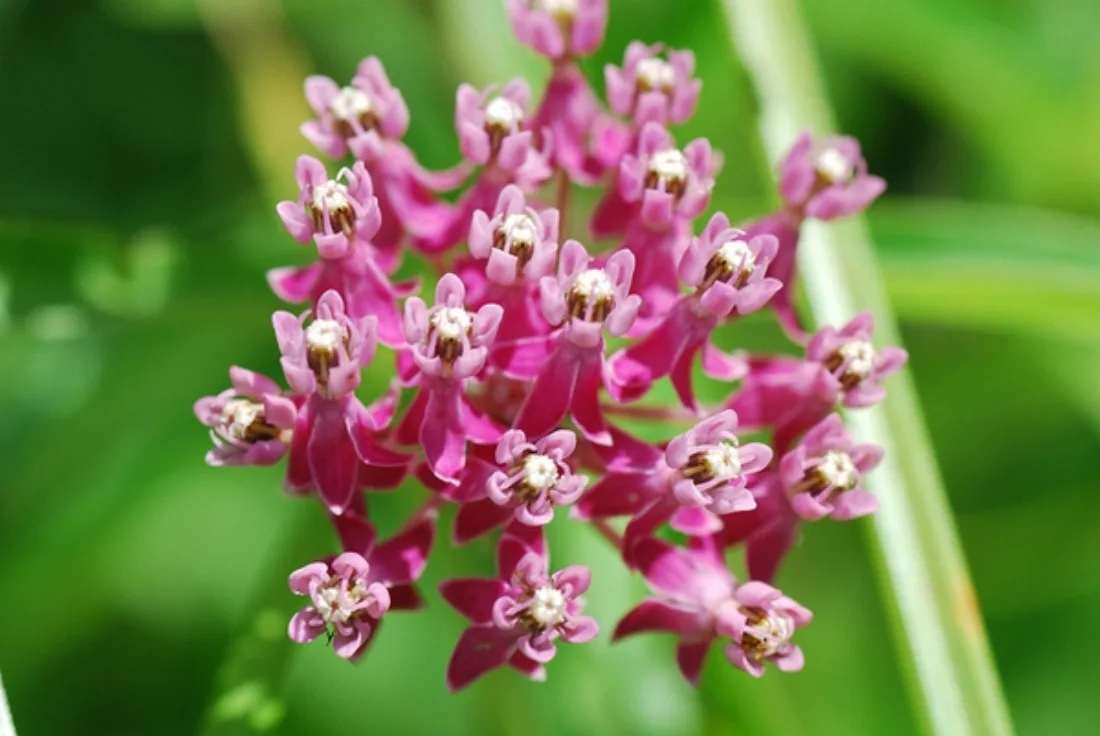 GO NATIVE |
| Native range | |
| Mexico and tropical America | Central and eastern North AmericaSee state guides |
| Sunlight | |
| Full sun | Full sun |
| Soil moisture | |
| Average moisture; well-drained soil | Moist to wet / Average moisture |
| Mature height | |
| 2–3 ft | 3–5 ft |
| Mature spread | |
| 1–2 ft | 2–3 ft |
| USDA hardiness zones | |
| 8–11 | 3–9 |
| Season of interest | |
| Summer–fall | Summer |
| Garden & wildlife value | |
| Provides nectar for butterflies, hummingbirds, bees, and moths; also feeds monarch caterpillars. | A locally native milkweed gives monarch caterpillars food and visiting butterflies a summer nectar stop. |
| Growing notes | |
| Often grown as an annual in colder climates. Year-round growth in warm areas can disrupt monarch seasonal patterns. | Best in consistently moist soil; a good candidate for a sunny rain garden. |
| Growing information | Growing information |
Sizes describe the species; individual cultivars can differ.