Compare plants.
COMMON CHOICEButterfly bushBuddleja davidii |
NATIVE ALTERNATIVEButterfly weedAsclepias tuberosa |
|---|---|
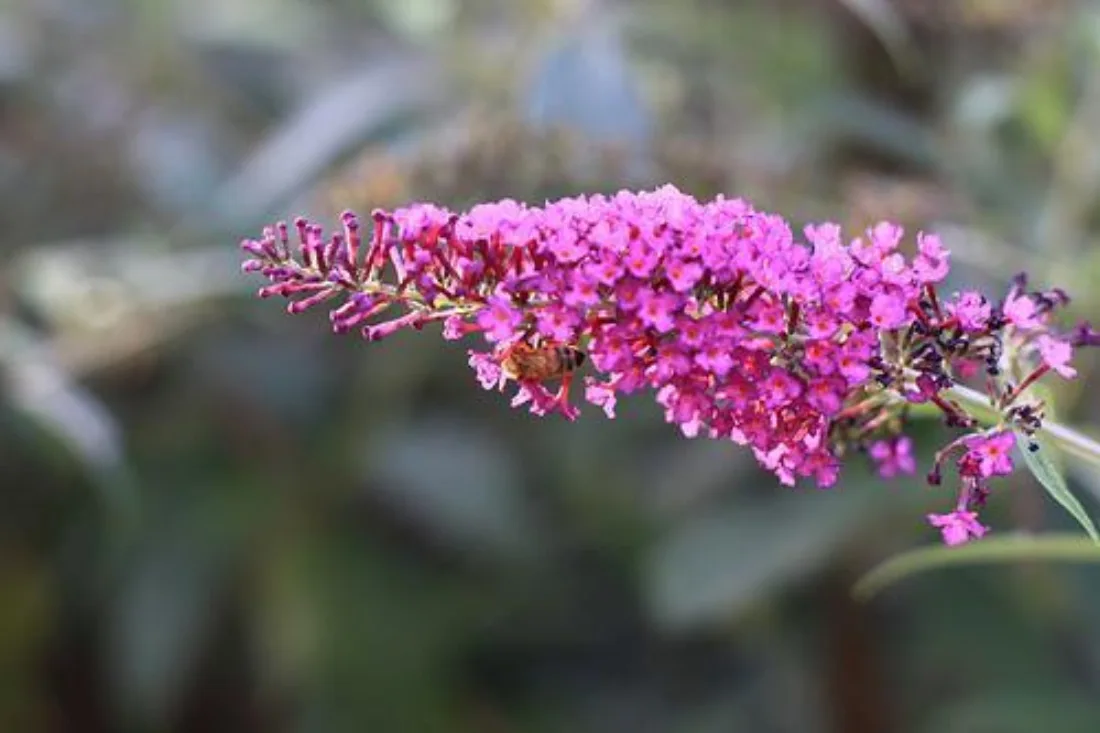 |
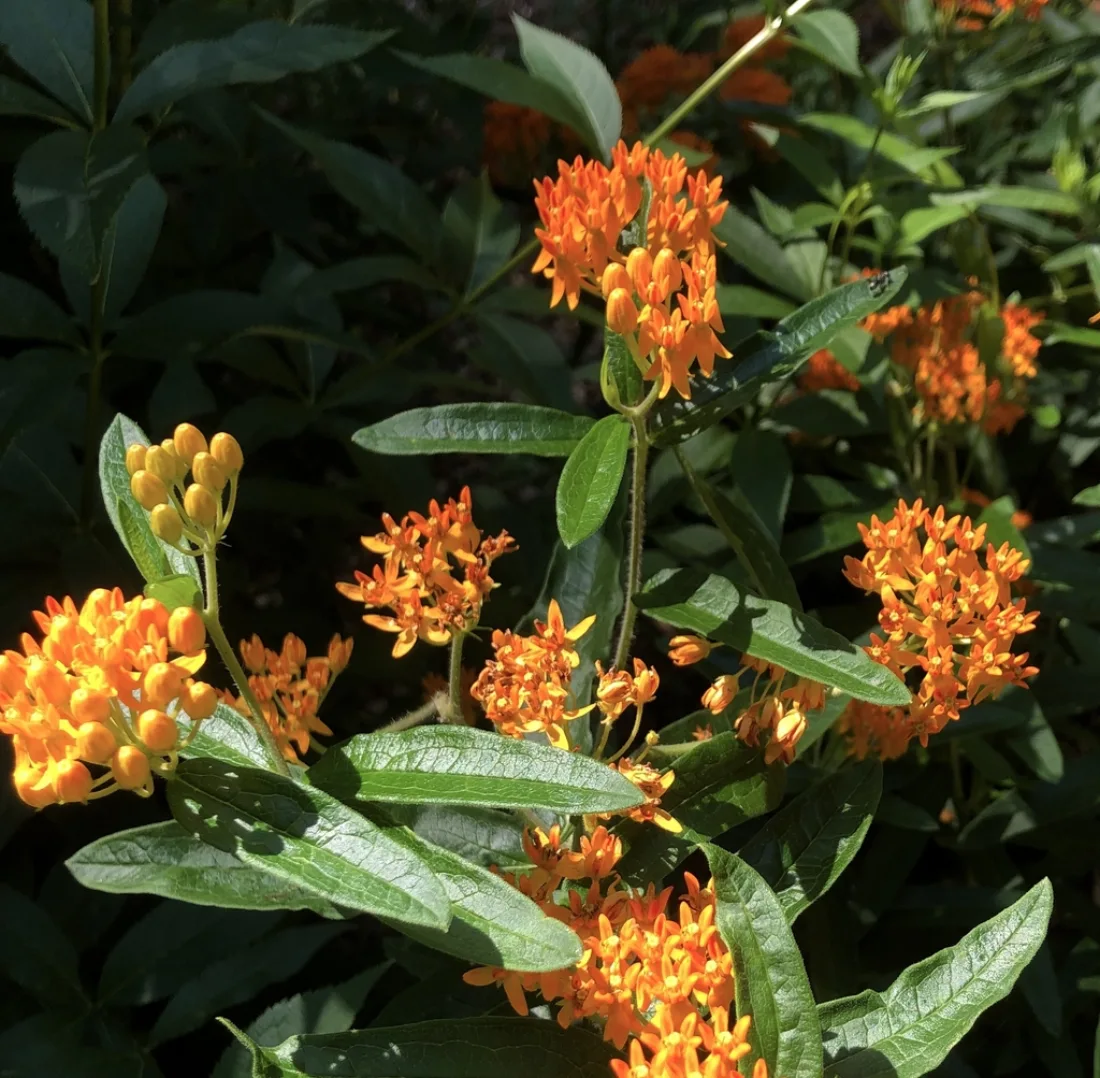 GO NATIVE |
| Native range | |
| Tibet and central to southern China | Eastern and southern United StatesSee state guides |
| Sunlight | |
| Full sun | Full sun |
| Soil moisture | |
| Average moisture; well-drained soil; tolerates some dryness | Dry soil / Average moisture |
| Mature height | |
| 6–12 ft | 1–2 ft |
| Mature spread | |
| 4–15 ft | 1–1½ ft |
| USDA hardiness zones | |
| 5–9 | 3–9 |
| Season of interest | |
| Summer–fall | Summer |
| Garden & wildlife value | |
| Nectar feeds adult butterflies and other pollinators; its leaves do not feed native butterfly caterpillars. | Unlike butterfly bush, this native milkweed feeds monarch caterpillars as well as nectar-seeking butterflies. |
| Growing notes | |
| A large, fast-growing shrub that can self-seed into natural areas. Compact and sterile cultivars differ from the species. | Much smaller than a butterfly bush; plant a group for a similar splash of color. Needs drainage. |
| Growing information | Growing information |
Sizes describe the species; individual cultivars can differ.