Compare plants.
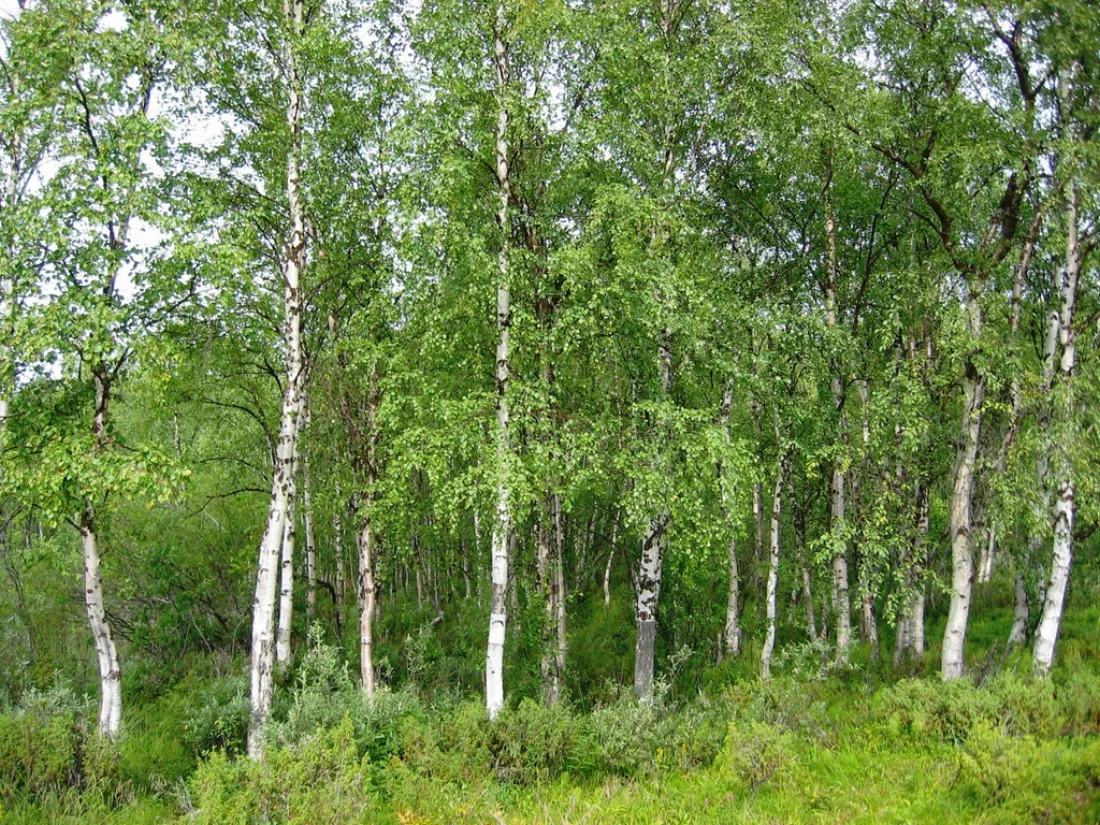
COMMON CHOICEEuropean white birchBetula pendula |
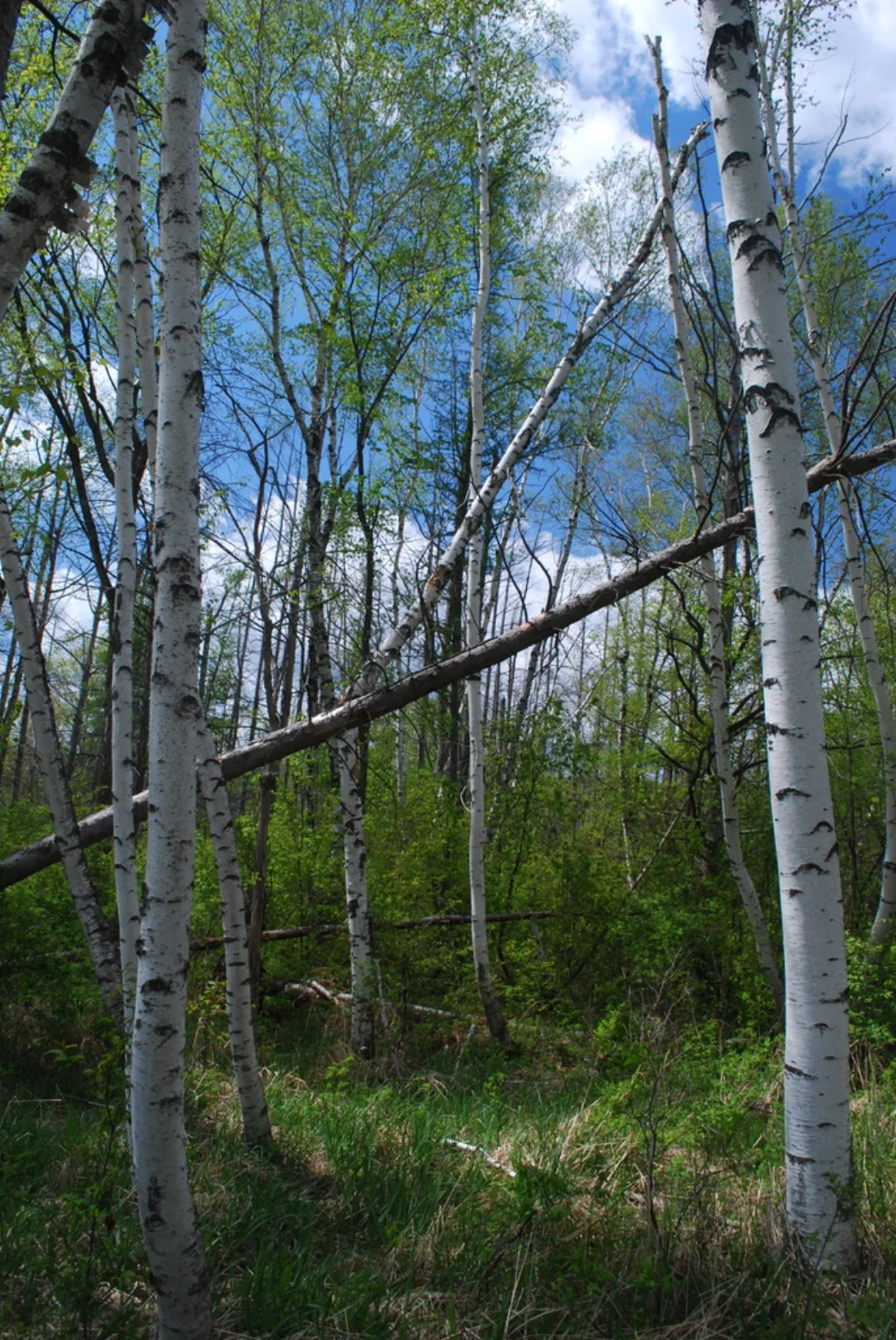
NATIVE ALTERNATIVEPaper birchBetula papyrifera |
|---|---|
 |
 GO NATIVE |
| Native range | |
| Europe and Asia | Subarctic America to Canada, N. U.S.A. to Virginia.See state guides |
| Sunlight | |
| Full sun to part shade | Full sun |
| Soil moisture | |
| Moist, well-drained soil; tolerates occasional dryness | Average moisture |
| Mature height | |
| 30–50 ft | 50–70 ft |
| Mature spread | |
| 10–30 ft | 25–45 ft |
| USDA hardiness zones | |
| 2–7 | 2–7 |
| Season of interest | |
| Spring catkins & ornamental bark | Spring |
| Garden & wildlife value | |
| Foliage can support eastern tiger swallowtail caterpillars. | Native birch leaves feed moth and butterfly caterpillars while the canopy adds light shade. |
| Growing notes | |
| A deciduous tree; heat and drought stress can increase pest problems. | A large tree for cool climates and moist, drained soil; heat and drought shorten its life. |
| Growing information | Growing information Native range: Kew |
Sizes describe the species; individual cultivars can differ.