Compare plants.
COMMON CHOICEButterfly bushBuddleja davidii |
NATIVE ALTERNATIVEButtonbushCephalanthus occidentalis |
|---|---|
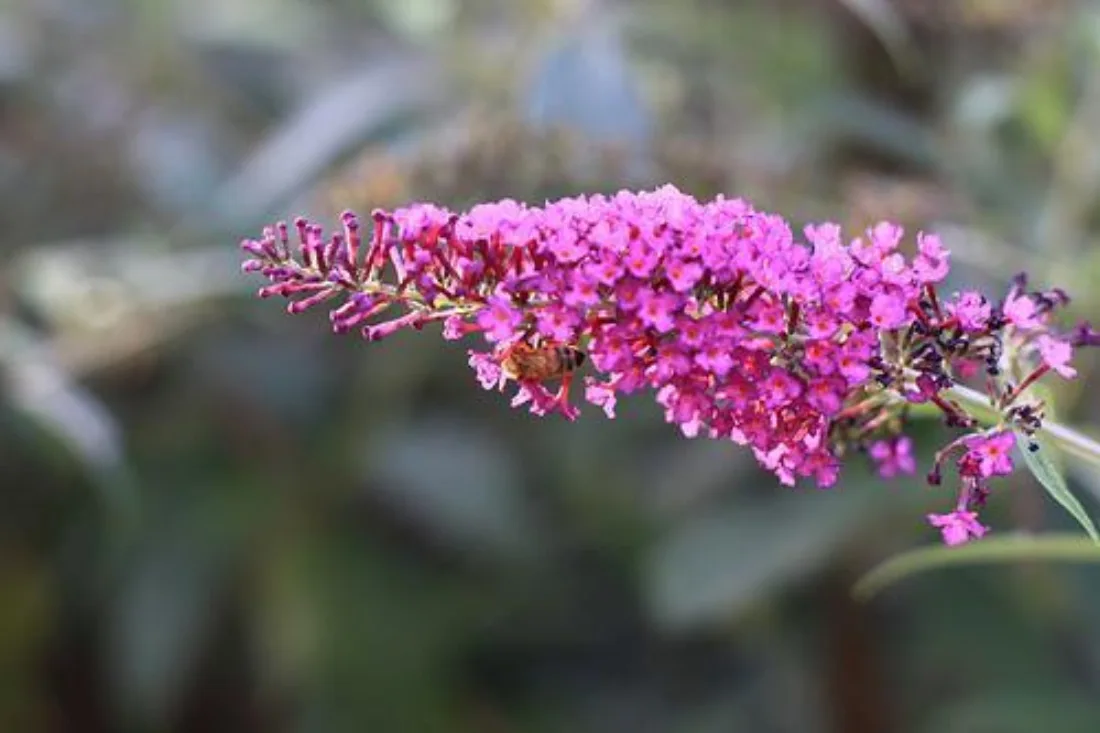 |
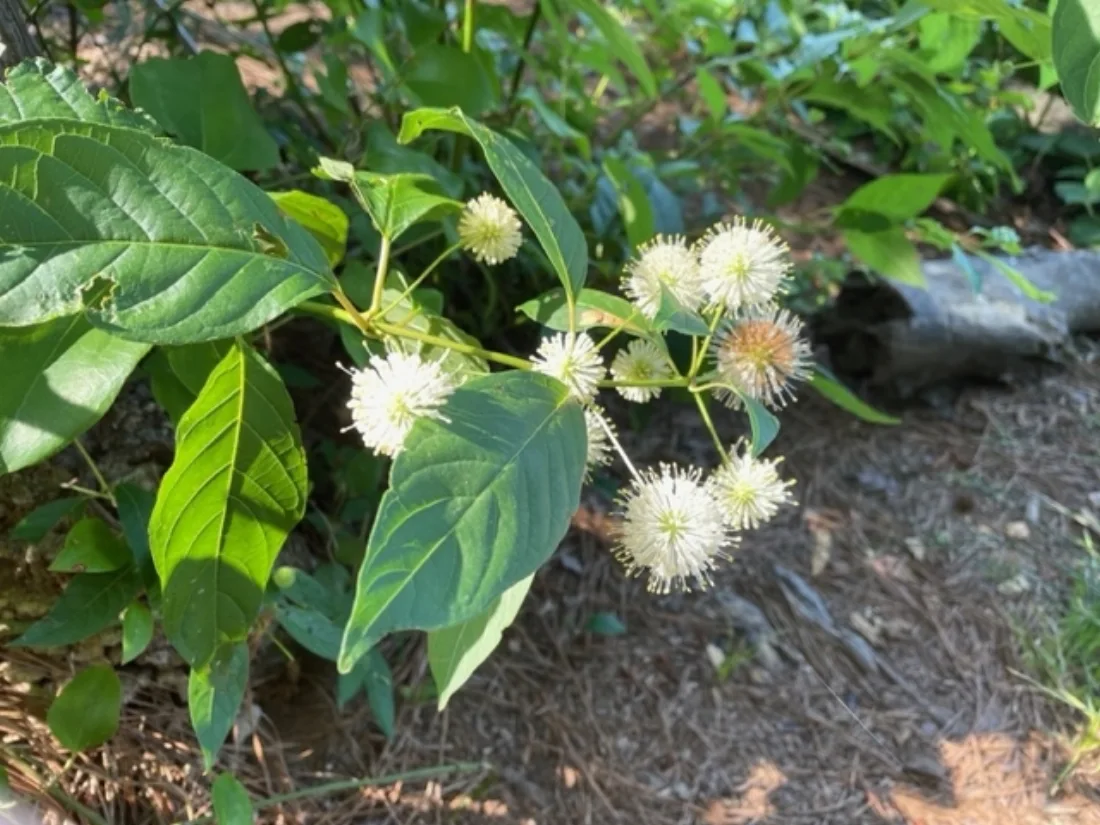 GO NATIVE |
| Native range | |
| Tibet and central to southern China | North America into Central America and CubaSee state guides |
| Sunlight | |
| Full sun | Full sun |
| Soil moisture | |
| Average moisture; well-drained soil; tolerates some dryness | Moist to wet |
| Mature height | |
| 6–12 ft | 5–8 ft |
| Mature spread | |
| 4–15 ft | 3–6 ft |
| USDA hardiness zones | |
| 5–9 | 5–9 |
| Season of interest | |
| Summer–fall | Summer |
| Garden & wildlife value | |
| Nectar feeds adult butterflies and other pollinators; its leaves do not feed native butterfly caterpillars. | Round flower clusters feed bees, butterflies, and hummingbirds, followed by seeds for birds. |
| Growing notes | |
| A large, fast-growing shrub that can self-seed into natural areas. Compact and sterile cultivars differ from the species. | A choice for genuinely moist to wet ground or a rain garden, rather than a dry butterfly-bush bed. |
| Growing information | Growing information |
Sizes describe the species; individual cultivars can differ.