Compare plants.
COMMON CHOICEBurning bushEuonymus alatus |
NATIVE ALTERNATIVERed-osier dogwoodCornus sericea |
|---|---|
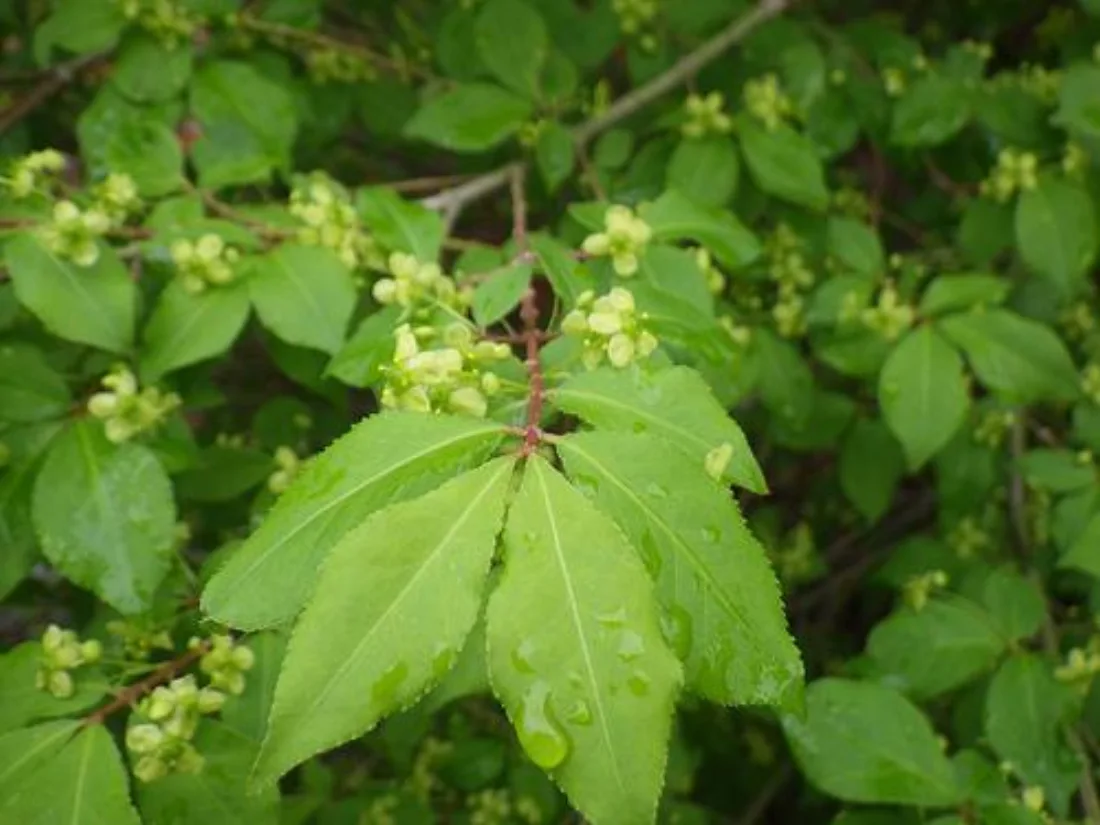 |
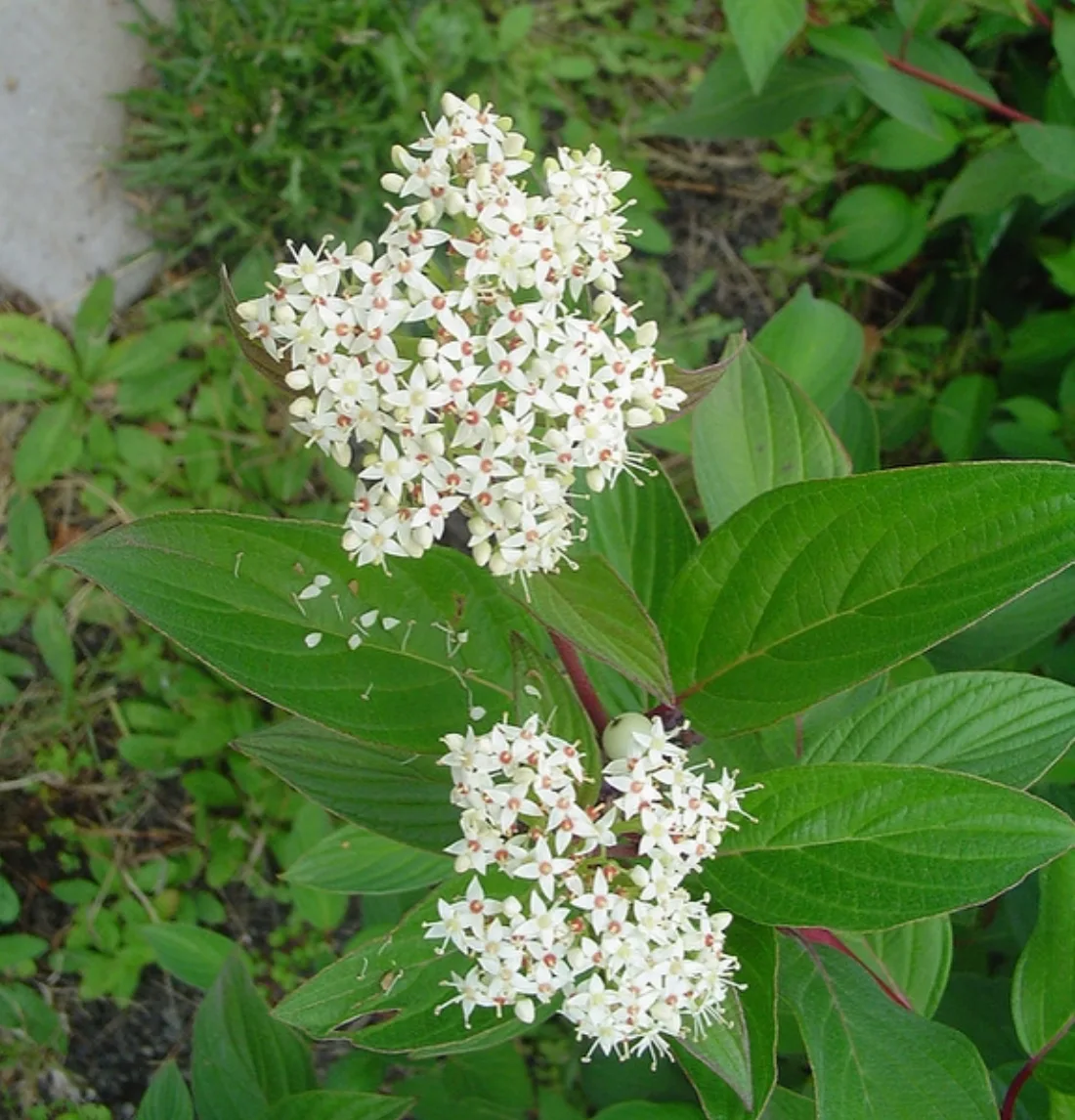 GO NATIVE |
| Native range | |
| Southern Siberia and eastern Asia | North AmericaSee state guides |
| Sunlight | |
| Full sun to part shade | Part sun & shade |
| Soil moisture | |
| Moist, well-drained soil; tolerates some dryness | Moist to wet / Average moisture |
| Mature height | |
| 15–20 ft | 5–9 ft |
| Mature spread | |
| 15–20 ft | 5–10 ft |
| USDA hardiness zones | |
| 4–8 | 2–7 |
| Season of interest | |
| Fall foliage and berries | Spring–summer |
| Garden & wildlife value | |
| Birds eat the fruit and carry its seeds into new areas. | White berries feed birds, and this native shrub also hosts spring azure butterfly caterpillars. |
| Growing notes | |
| The species becomes a large shrub. Bird-dispersed seedlings can establish beyond the garden. | A spreading shrub for cool, moist sites; its red winter stems replace the seasonal color of burning bush. |
| Growing information | Growing information |
Sizes describe the species; individual cultivars can differ.