Compare plants.
COMMON CHOICEMaiden grassMiscanthus sinensis |
NATIVE ALTERNATIVEBlue wildryeElymus glaucus |
|---|---|
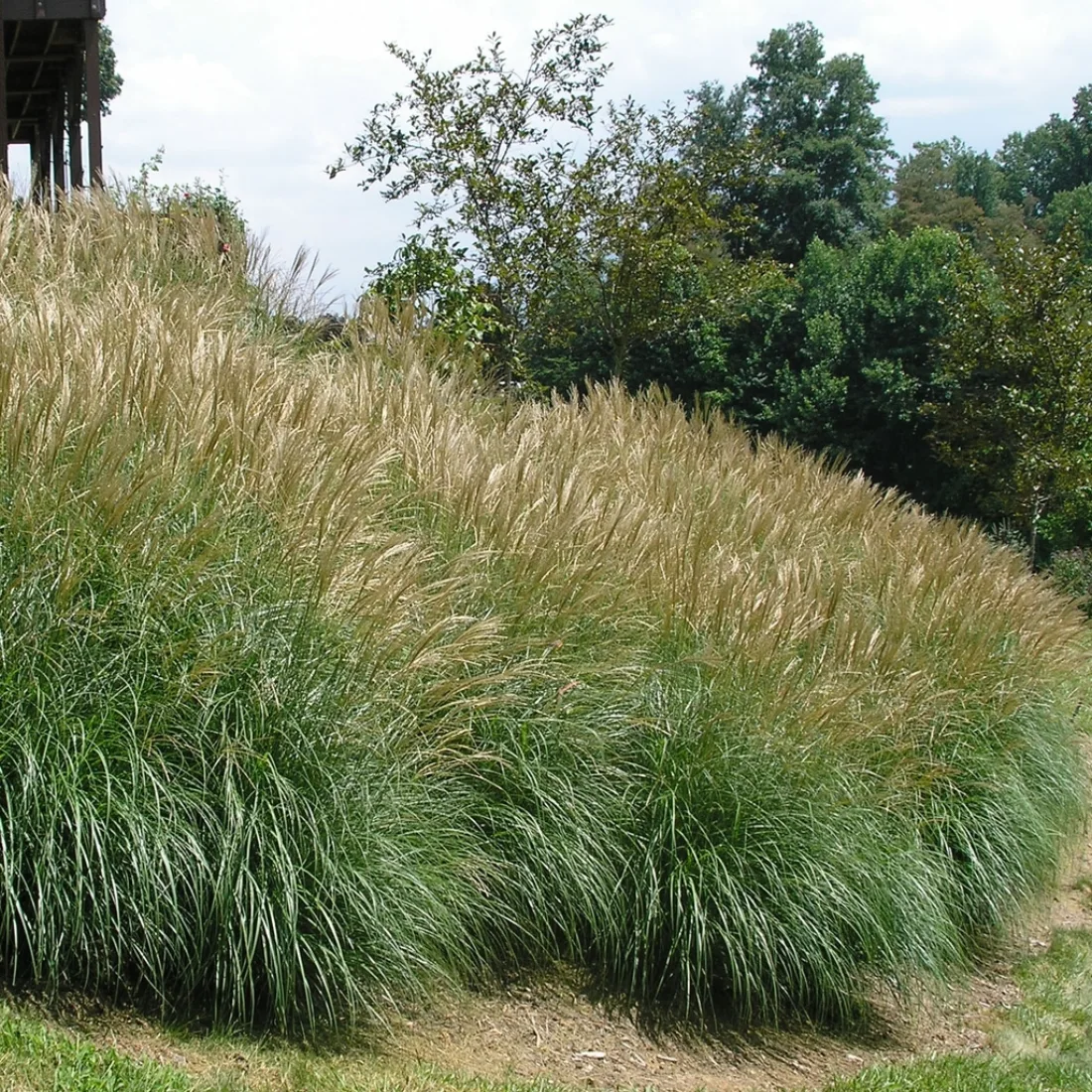 |
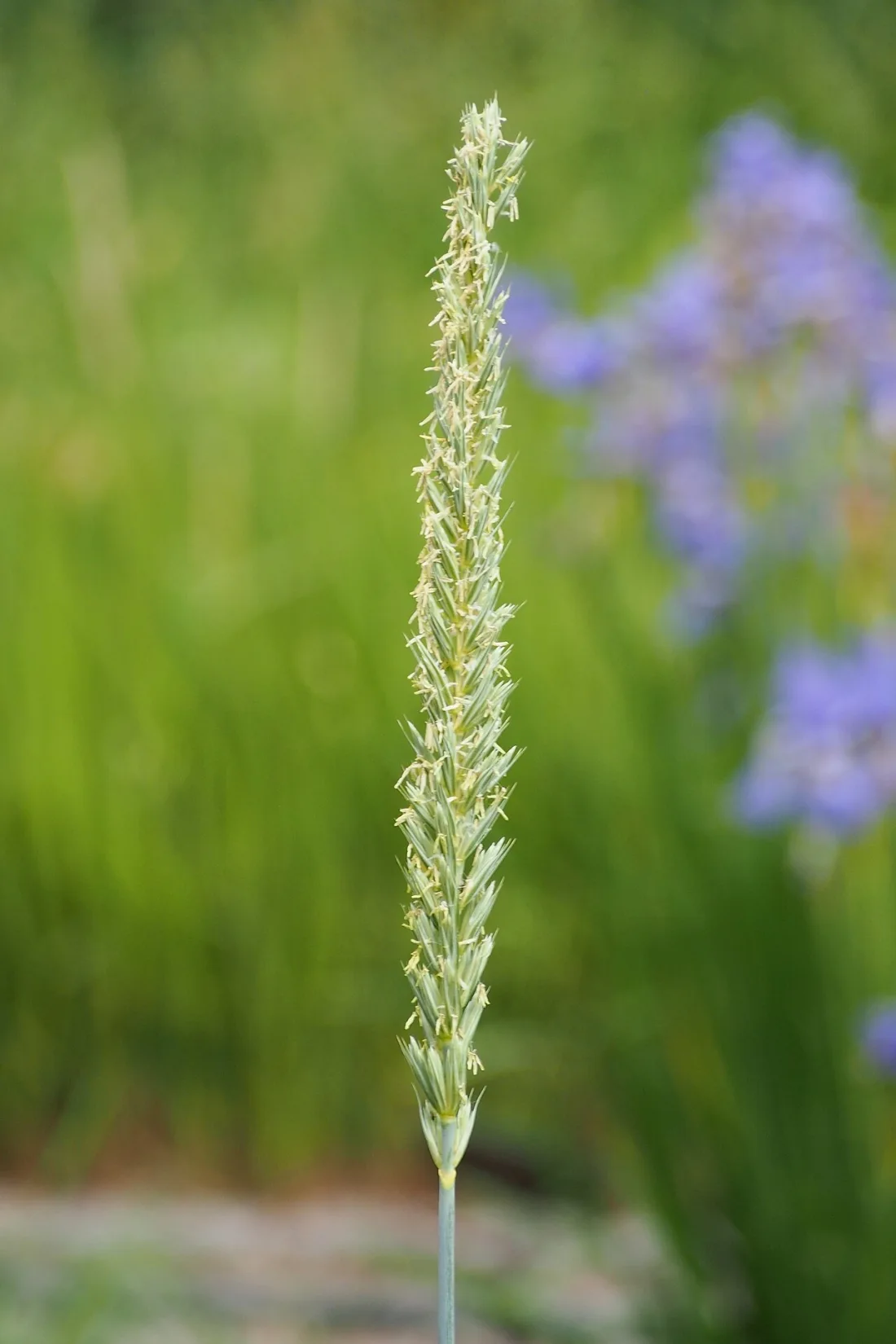 GO NATIVE |
| Native range | |
| Eastern Asia | N. America to NW. Mexico.See state guides |
| Sunlight | |
| Full sun to part shade | Part sun & shade |
| Soil moisture | |
| Average moisture; tolerates dry or occasionally wet soil | Average moisture / Dry soil |
| Mature height | |
| 4–12 ft | Up to 5 ft |
| Mature spread | |
| 4–6 ft | Upright bunchgrass |
| USDA hardiness zones | |
| 5–9 | Choose nursery stock suited to local winters. |
| Season of interest | |
| Late summer–fall plumes; winter structure | Spring–summer seedheads |
| Garden & wildlife value | |
| Birds are attracted to its seeds. | Native bunches provide habitat for birds and mammals and help stabilize disturbed ground. |
| Growing notes | |
| A tall, clumping grass that can spread by seed. Size and seed production vary among cultivars. | Prefers moisture but tolerates dry periods; choose a local ecotype for the site's sun and soil. |
| Growing information | Growing information Native range: Kew |
Sizes describe the species; individual cultivars can differ.