Compare plants.
COMMON CHOICETropical hibiscusHibiscus rosa-sinensis |
NATIVE ALTERNATIVEʻAkiohalaHibiscus furcellatus |
|---|---|
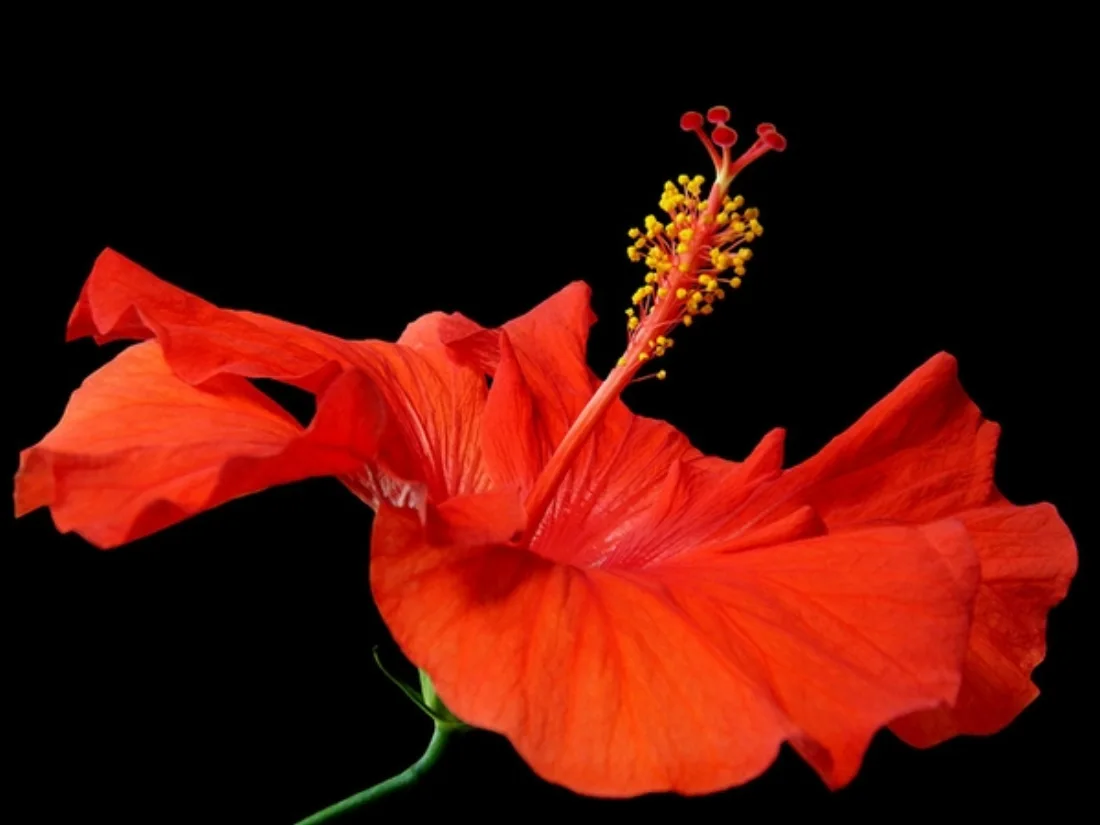 |
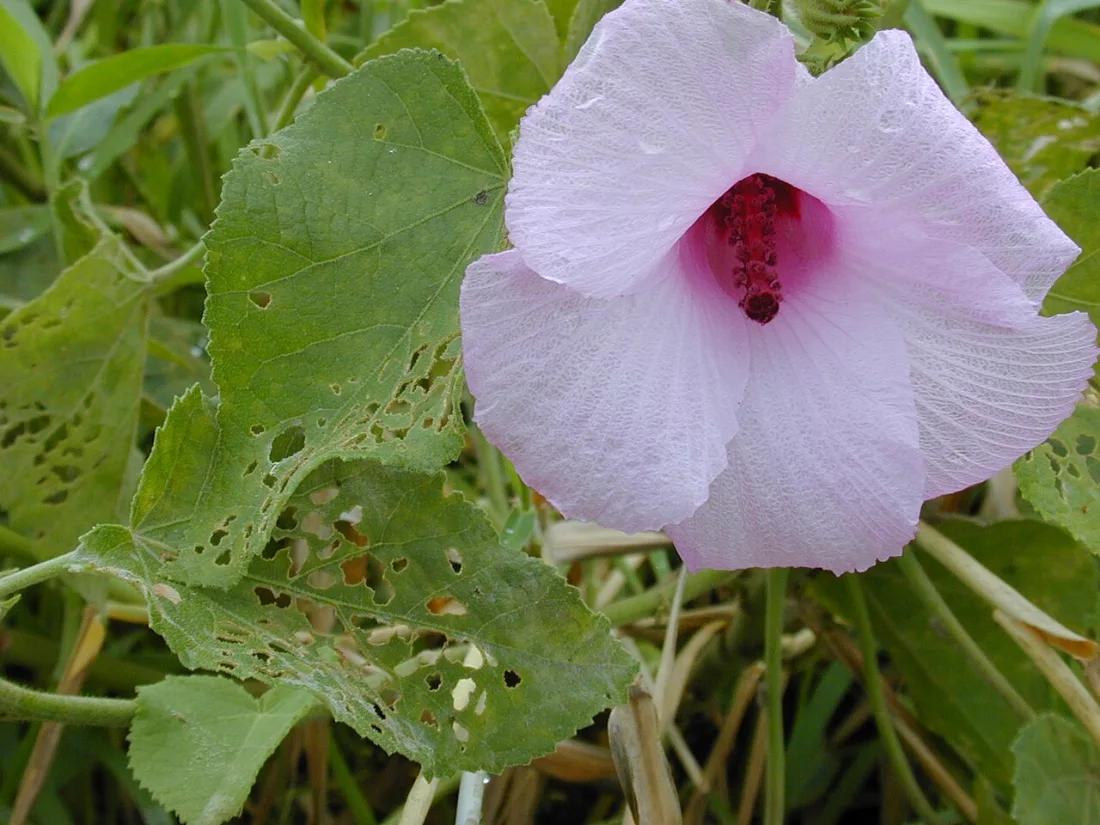 GO NATIVE |
| Native range | |
| Asia | Hawaiian native range: Kauaʻi, Oʻahu, Maui, Hawaiʻi.See state guides |
| Sunlight | |
| Full sun to part shade | Full sun |
| Soil moisture | |
| Moist, well-drained soil | Average moisture / Moist to wet |
| Mature height | |
| 4–10 ft | 6–10+ ft |
| Mature spread | |
| 5–8 ft | 6–8 ft |
| USDA hardiness zones | |
| 9–11 | Choose by island, elevation, and rainfall. |
| Season of interest | |
| Spring–fall | Year-round flowers |
| Garden & wildlife value | |
| Flowers attract hummingbirds and butterflies. | Large pink native flowers bring color to moist ground and the edges of water features. |
| Growing notes | |
| An evergreen tropical shrub. In colder climates it needs a container and frost-free winter protection. | Suited to moist or wet soil; allow room for a large shrub. |
| Growing information | Growing information |
Sizes describe the species; individual cultivars can differ.