Compare plants.
COMMON CHOICEOrange daylilyHemerocallis fulva |
NATIVE ALTERNATIVEWild irisIris setosa |
|---|---|
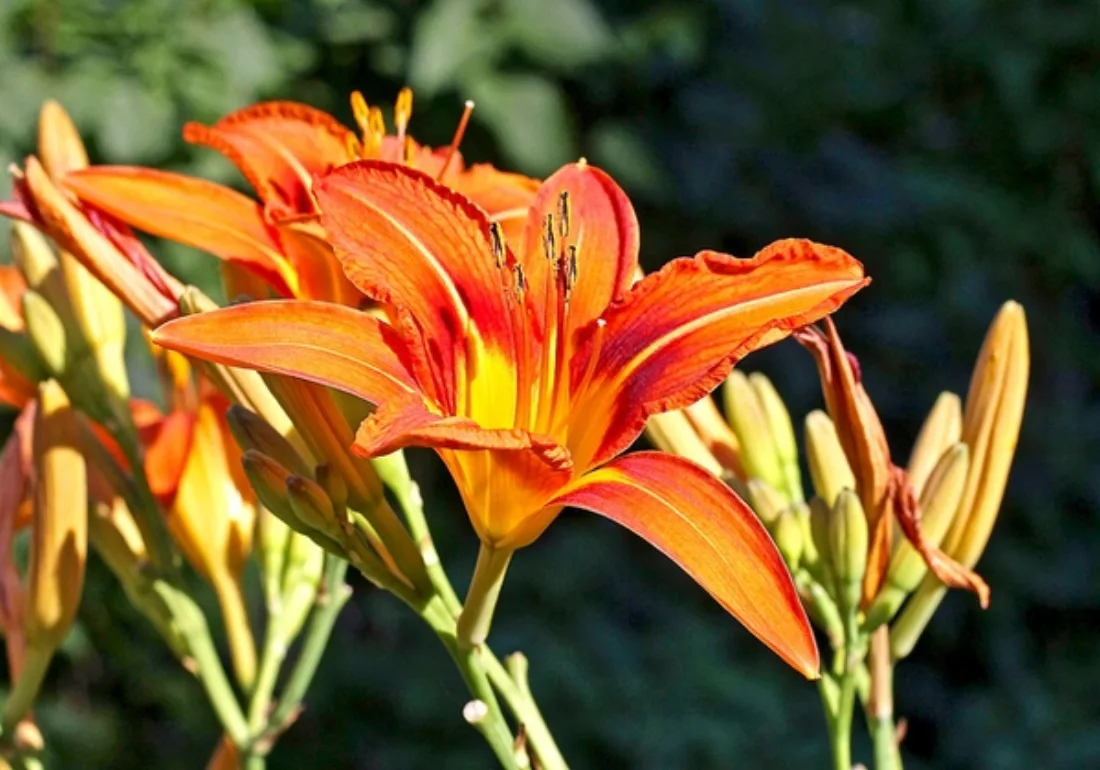 |
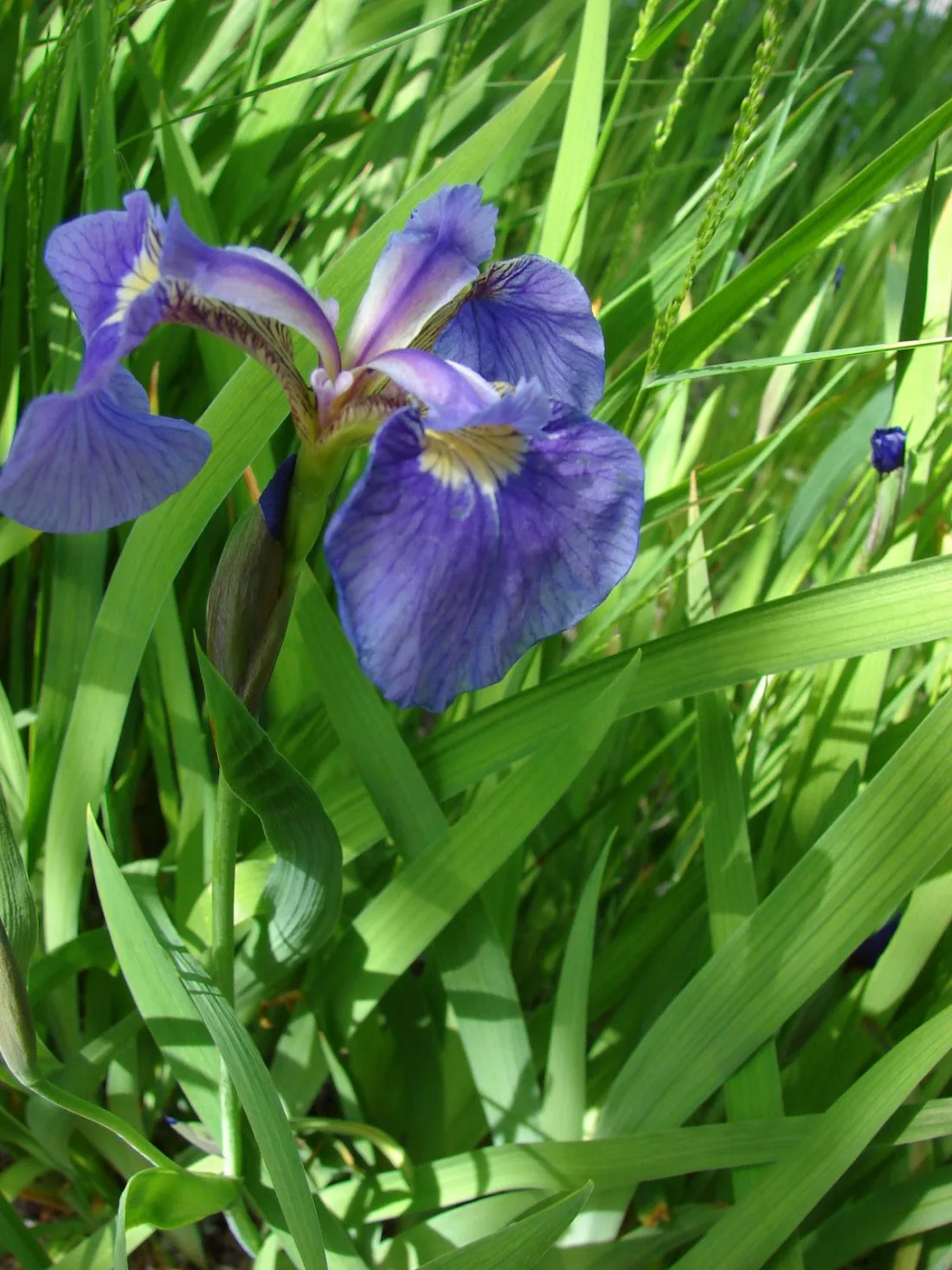 GO NATIVE |
| Native range | |
| Asia, including China and Japan | N. European Russia to N. & Central Japan, Alaska to W. Canada.See state guides |
| Sunlight | |
| Full sun to part shade | Full sun |
| Soil moisture | |
| Average moisture; well-drained soil | Moist to wet / Average moisture |
| Mature height | |
| 3–6 ft including flower stalks | Up to 2 ft |
| Mature spread | |
| 2–2½ ft; colonies spread farther | Spreading clumps |
| USDA hardiness zones | |
| 3–8 | Choose nursery stock suited to local winters. |
| Season of interest | |
| Summer | Early summer flowers |
| Garden & wildlife value | |
| Used in butterfly and pollinator gardens for its flowers. | Showy native flowers and rhizomes add color and help hold soil. |
| Growing notes | |
| Spreads rapidly by underground rhizomes. Each orange flower lasts a single day. | Choose a locally native form; unsuitable for dry beds. |
| Growing information | Growing information Native range: Kew Additional growing guidance |
Sizes describe the species; individual cultivars can differ.