Compare plants.
COMMON CHOICETropical hibiscusHibiscus rosa-sinensis |
NATIVE ALTERNATIVEʻŌhiʻa lehuaMetrosideros polymorpha |
|---|---|
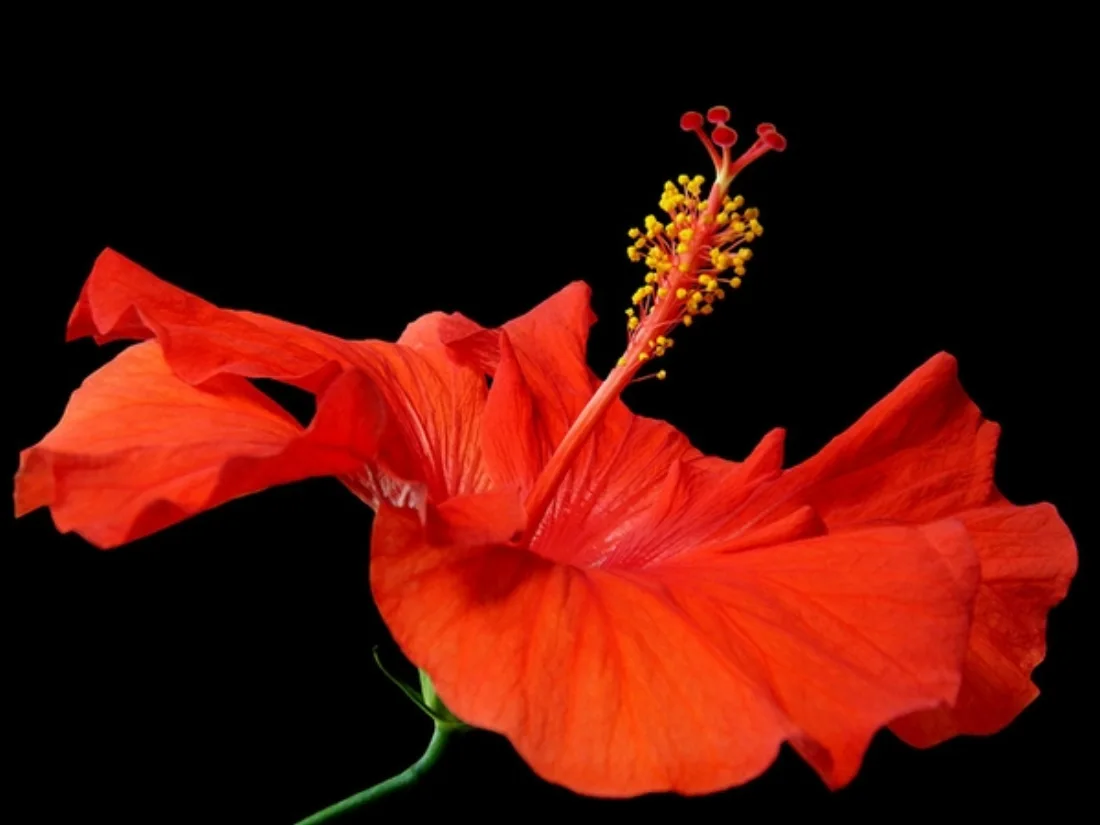 |
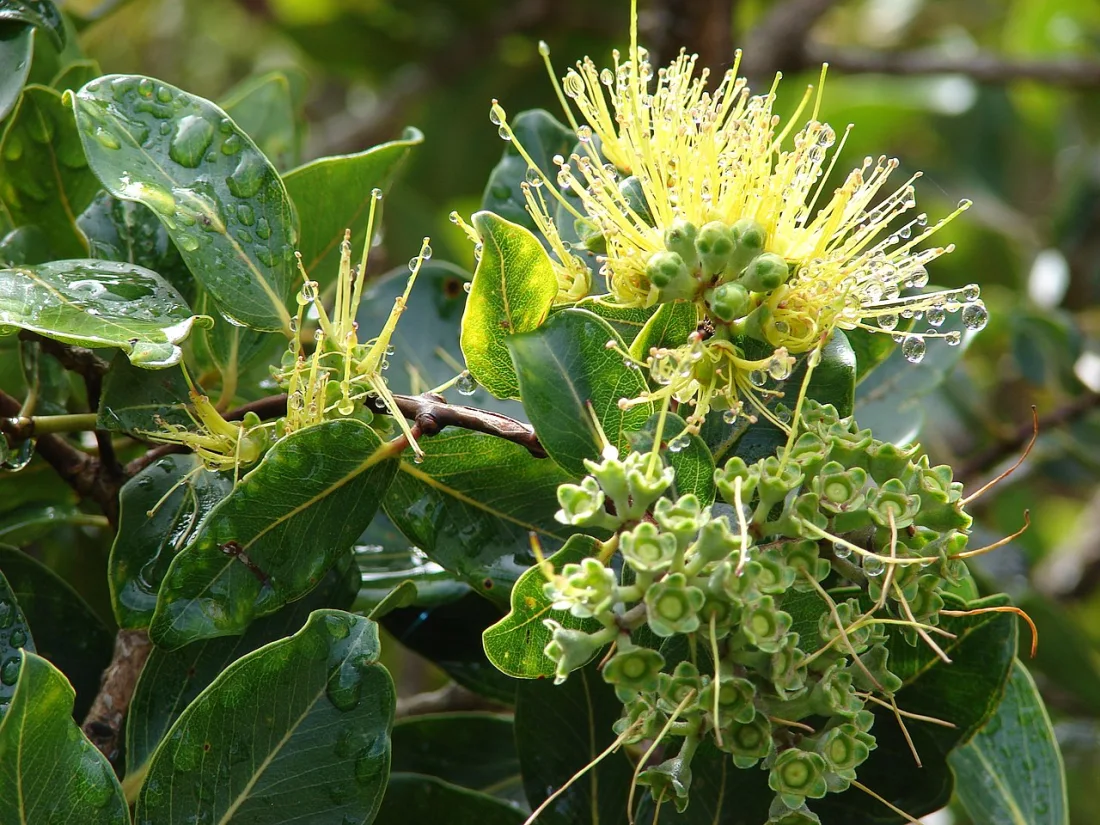 GO NATIVE |
| Native range | |
| Asia | Hawaiian native range: Kauaʻi, Oʻahu, Molokaʻi, Lānaʻi, Maui, Hawaiʻi.See state guides |
| Sunlight | |
| Full sun to part shade | Full sun |
| Soil moisture | |
| Moist, well-drained soil | Dry soil / Average moisture |
| Mature height | |
| 4–10 ft | Under 2 to over 50 ft, by form |
| Mature spread | |
| 5–8 ft | 10–20 ft, sometimes 40+ ft |
| USDA hardiness zones | |
| 9–11 | Choose by island, elevation, and rainfall. |
| Season of interest | |
| Spring–fall | Intermittent flowers |
| Garden & wildlife value | |
| Flowers attract hummingbirds and butterflies. | Native ʻōhiʻa flowers supply nectar to Hawaiian birds where those birds occur. |
| Growing notes | |
| An evergreen tropical shrub. In colder climates it needs a container and frost-free winter protection. | Choose locally propagated stock suited to your elevation and rainfall; avoid root-bound plants and provide excellent drainage. |
| Growing information | Growing information |
Sizes describe the species; individual cultivars can differ.