Compare plants.
COMMON CHOICECommon periwinkleVinca minor |
NATIVE ALTERNATIVECreeping woodland phloxPhlox stolonifera |
|---|---|
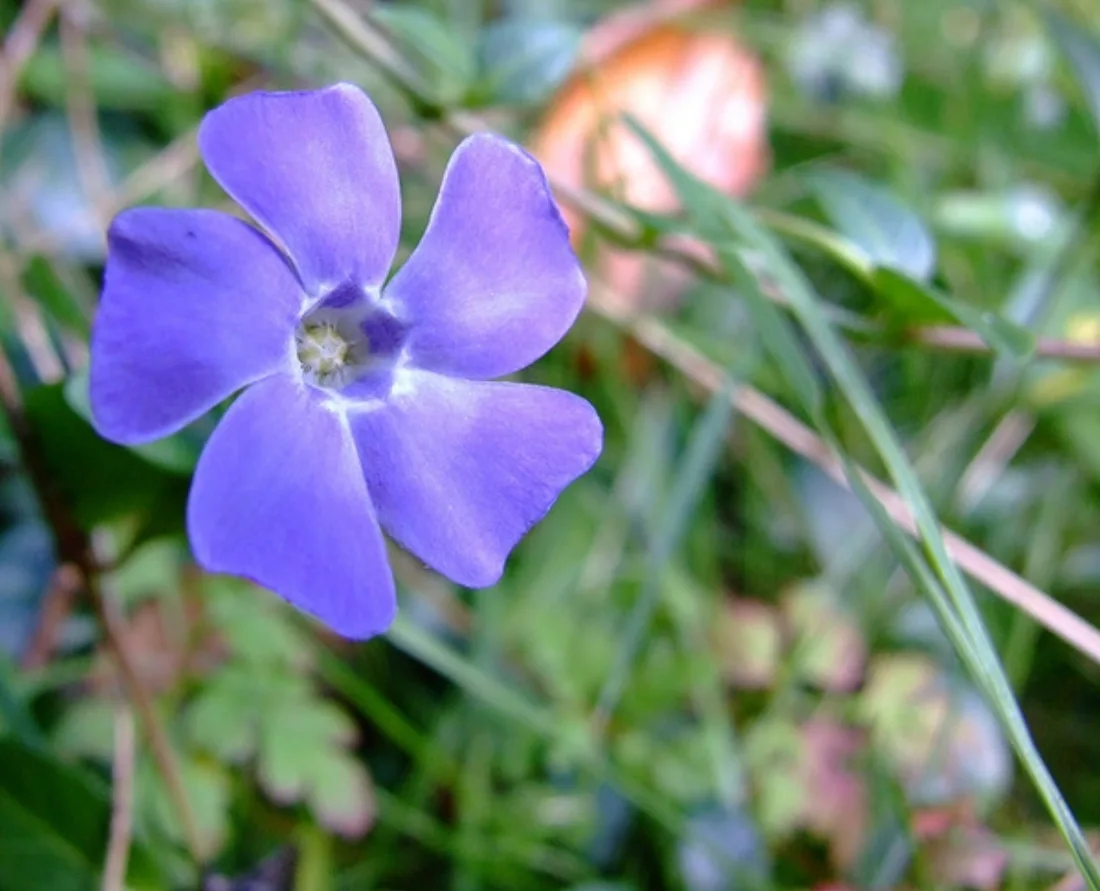 |
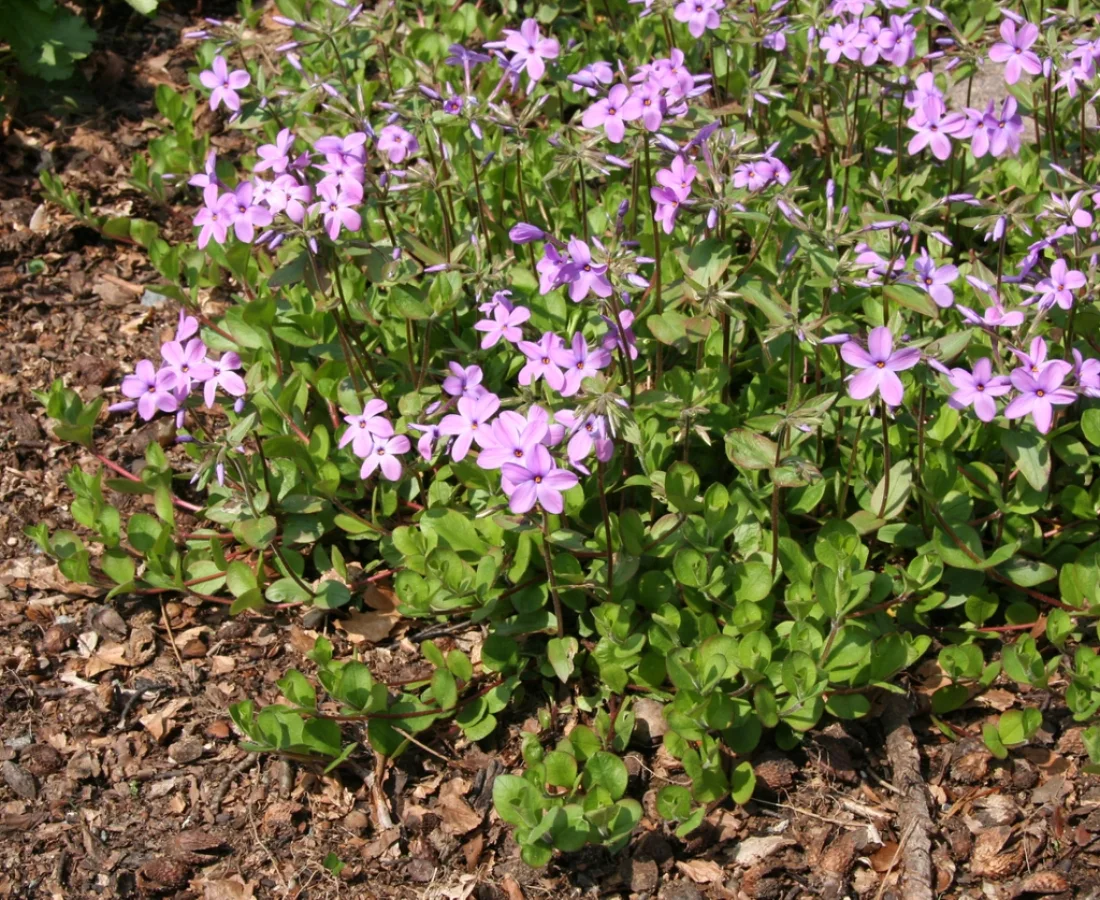 GO NATIVE |
| Native range | |
| Europe to the Caucasus | Appalachian region of the eastern United StatesSee state guides |
| Sunlight | |
| Sun to part or dappled shade | Shade |
| Soil moisture | |
| Moist, well-drained soil; tolerates some dryness | Average moisture |
| Mature height | |
| 3–6 in | 6–12 in |
| Mature spread | |
| 6–18 in; stems root and spread farther | 9–18 in |
| USDA hardiness zones | |
| 4–9 | 4–8 |
| Season of interest | |
| Spring–summer flowers; evergreen foliage | Spring |
| Garden & wildlife value | |
| Flowers attract bumblebees. | A low carpet of native spring flowers offers nectar for butterflies and hummingbirds. |
| Growing notes | |
| Trailing stems root where they touch soil and can form dense, spreading mats. | A woodland species distinct from sun-loving moss phlox; use moist, well-drained, humus-rich soil. |
| Growing information | Growing information |
Sizes describe the species; individual cultivars can differ.