Compare plants.
COMMON CHOICEWoodland sageSalvia nemorosa |
NATIVE ALTERNATIVENarrowleaf mountain mintPycnanthemum tenuifolium |
|---|---|
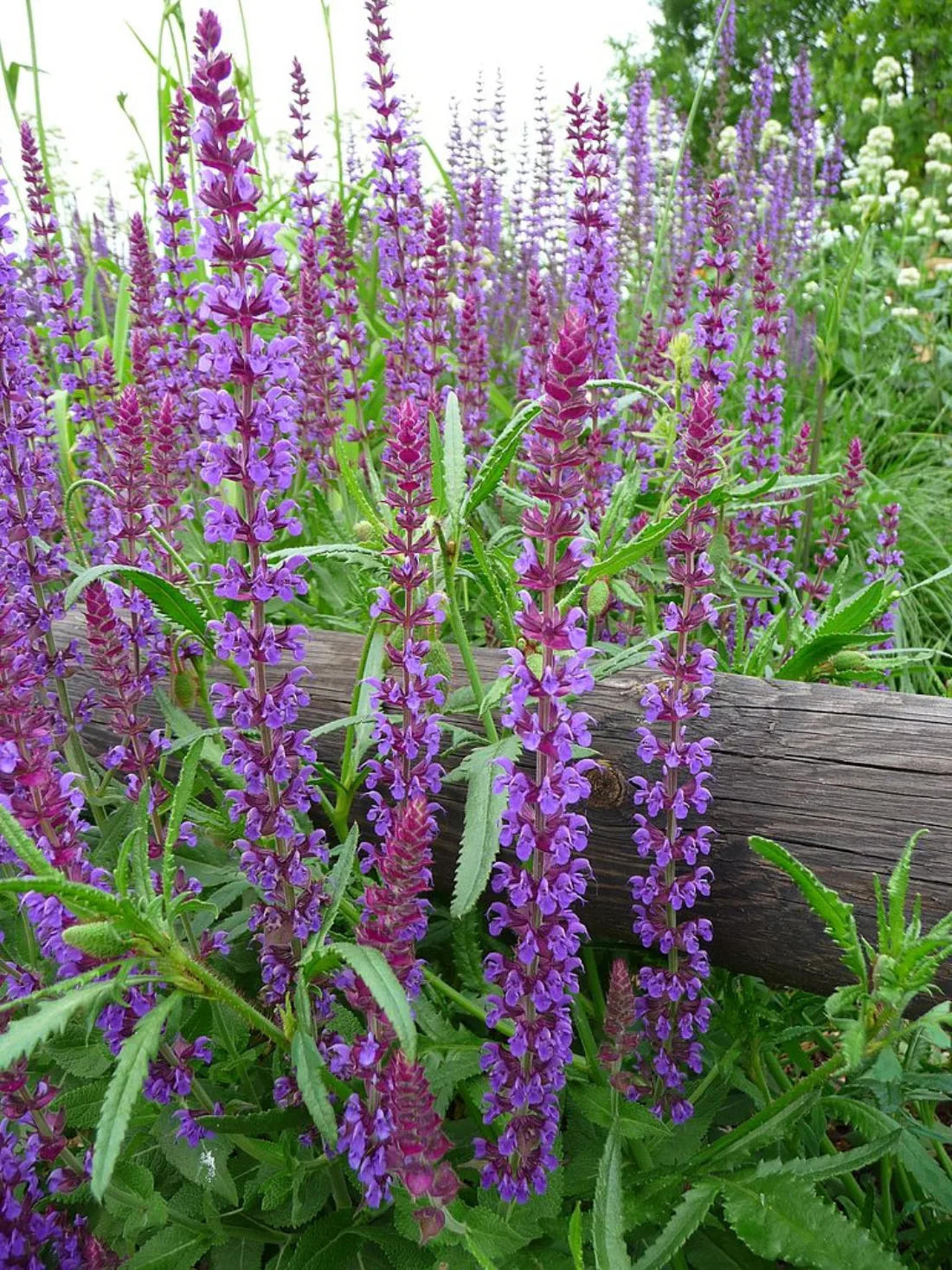 |
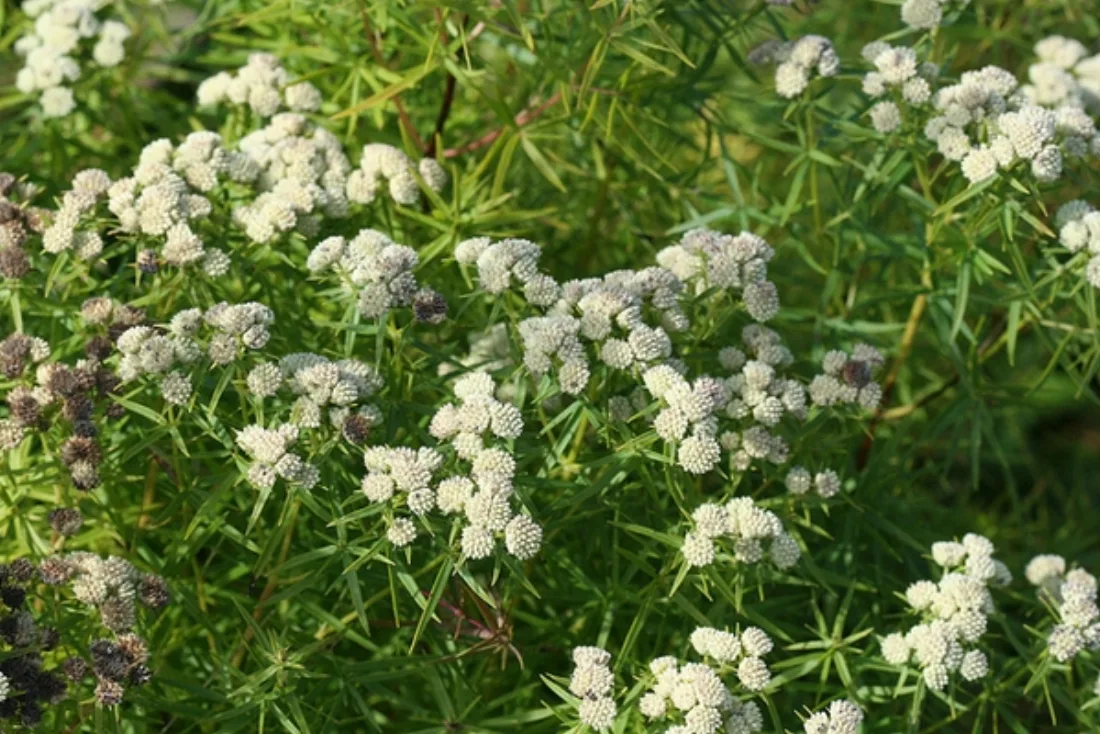 GO NATIVE |
| Native range | |
| Europe and west-central Asia | E. Canada to Central & E. U.S.A.See state guides |
| Sunlight | |
| Full sun to part shade | Full sun |
| Soil moisture | |
| Moist to occasionally dry; well-drained soil | Average moisture / Dry soil |
| Mature height | |
| 1½–3 ft | 2–4 ft |
| Mature spread | |
| 6 in–2 ft | 2–3 ft |
| USDA hardiness zones | |
| 4–8 | 4–8 |
| Season of interest | |
| Summer–early fall | Summer–Fall |
| Garden & wildlife value | |
| Flowers provide nectar for bees, butterflies, and hummingbirds. | Native flowers feed sweat bees and butterflies, and leaves host wavy-lined emerald caterpillars. |
| Growing notes | |
| A compact, clumping perennial. Cutting back spent flower spikes can encourage another flush. | Use well-drained soil; this clumping mint suits a meadow or mixed perennial border. |
| Growing information | Growing information Native range: Kew |
Sizes describe the species; individual cultivars can differ.