Compare plants.
COMMON CHOICEShasta daisyLeucanthemum × superbum |
NATIVE ALTERNATIVEPrairie coneflowerRatibida columnifera |
|---|---|
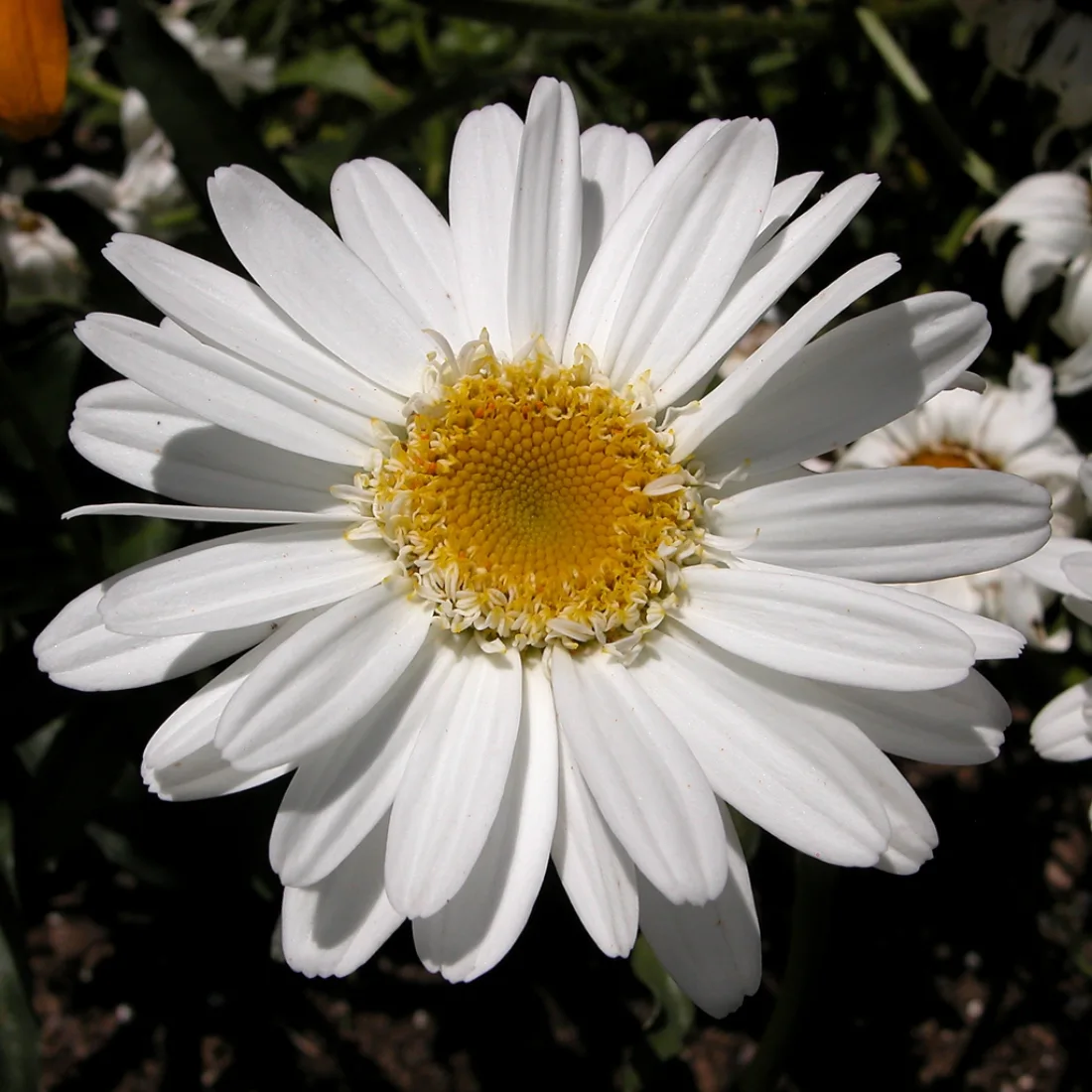 |
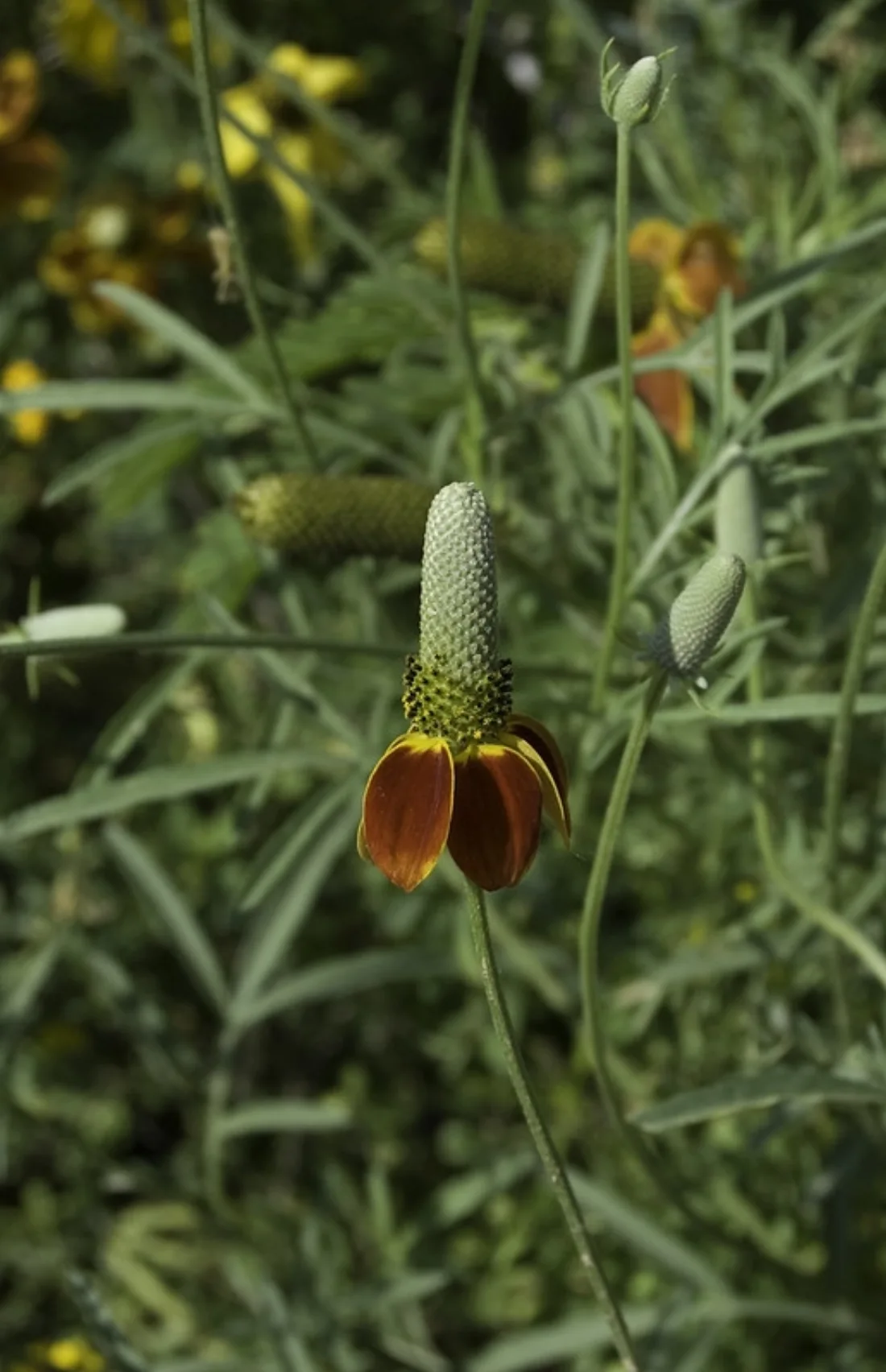 GO NATIVE |
| Native range | |
| Garden hybrid; no natural native range | Central and western North AmericaSee state guides |
| Sunlight | |
| Full sun to part shade | Full sun |
| Soil moisture | |
| Moist, well-drained soil; tolerates some dryness | Dry soil / Average moisture |
| Mature height | |
| 2–4 ft | 1–3 ft |
| Mature spread | |
| 1–3 ft | spreading clumps |
| USDA hardiness zones | |
| 5–9 | 4–9 |
| Season of interest | |
| Spring–summer | Summer |
| Garden & wildlife value | |
| Flowers attract bees, butterflies, and other insects. | Native prairie flowers offer pollen and nectar for bees and butterflies in a sunny border. |
| Growing notes | |
| An upright, clumping perennial. Cultivars differ in height and flower form. | Best in open, well-drained sites; may reseed freely. Eastern naturalized occurrences are excluded from this guide. |
| Growing information | Growing information Native range: Kew |
Sizes describe the species; individual cultivars can differ.