Compare plants.
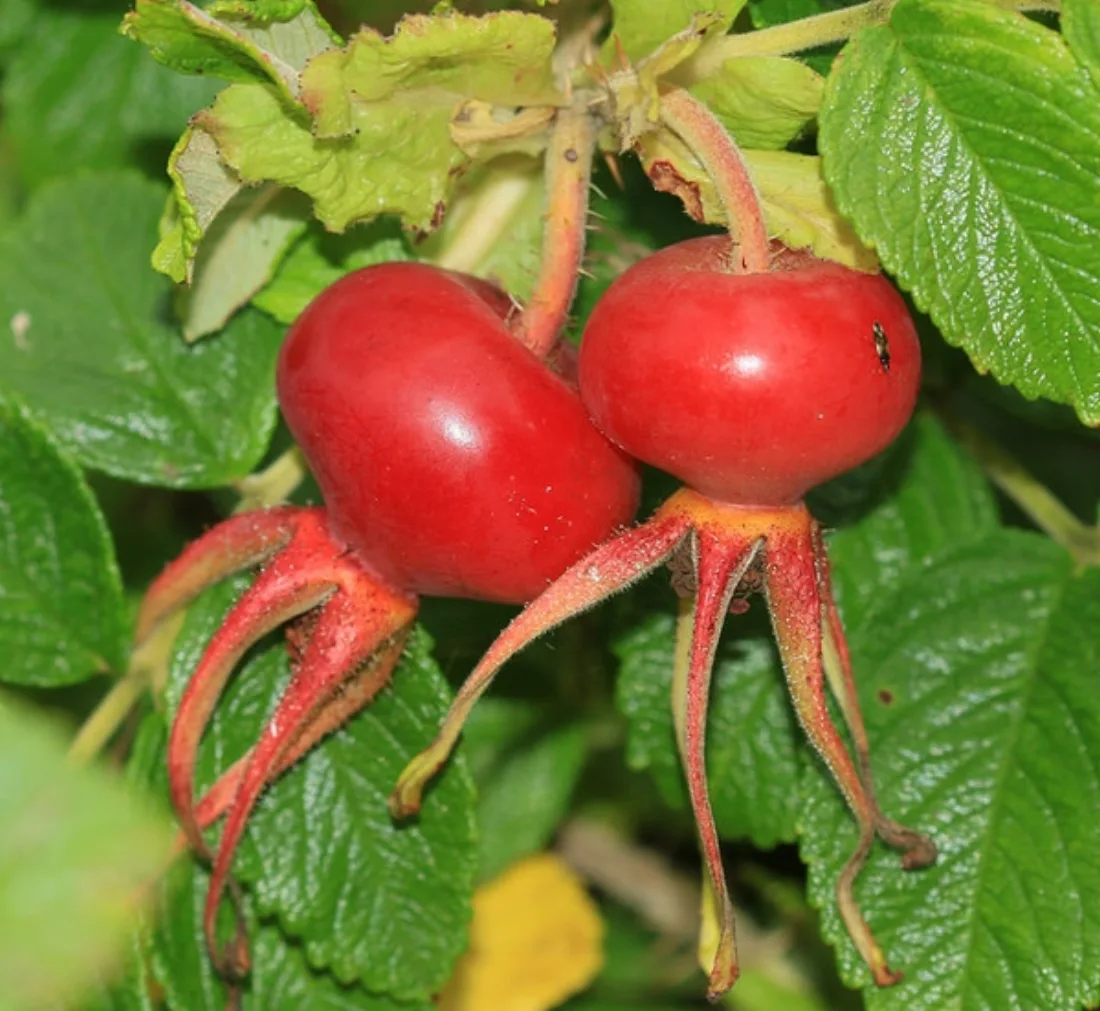
COMMON CHOICERugosa roseRosa rugosa |
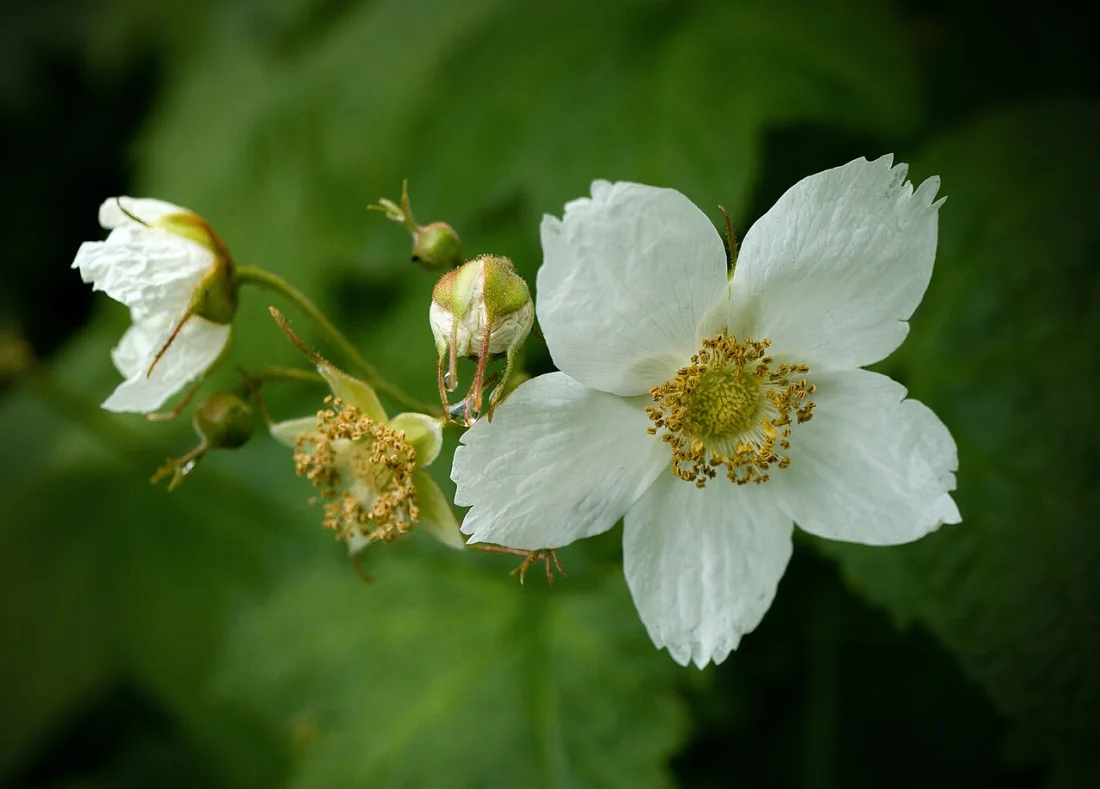
NATIVE ALTERNATIVEThimbleberryRubus parviflorus |
|---|---|
 |
 GO NATIVE |
| Native range | |
| Eastern Russia, Korea, Japan, and northern China | Alaska to W. & E. Central U.S.A. and N. Mexico.See state guides |
| Sunlight | |
| Full sun | Shade |
| Soil moisture | |
| Moist, well-drained soil | Average moisture / Dry soil |
| Mature height | |
| 4–6 ft | 3–8 ft |
| Mature spread | |
| 4–6 ft | Spreading thickets |
| USDA hardiness zones | |
| 2–7 | Cold hardy to USDA zone 3; upper zone not specified. |
| Season of interest | |
| Summer–fall flowers & hips | White flowers & red berries |
| Garden & wildlife value | |
| Flowers attract pollinating insects; birds eat the hips. | Native flowers and raspberry-like fruit add interest without thorny canes. |
| Growing notes | |
| A prickly, suckering shrub that can spread beyond a garden. | A spreading shrub for a roomy woodland edge; moist soil supports the strongest growth. |
| Growing information | Growing information Native range: Kew |
Sizes describe the species; individual cultivars can differ.