Compare plants.
COMMON CHOICESago palmCycas revoluta |
NATIVE ALTERNATIVEDwarf palmettoSabal minor |
|---|---|
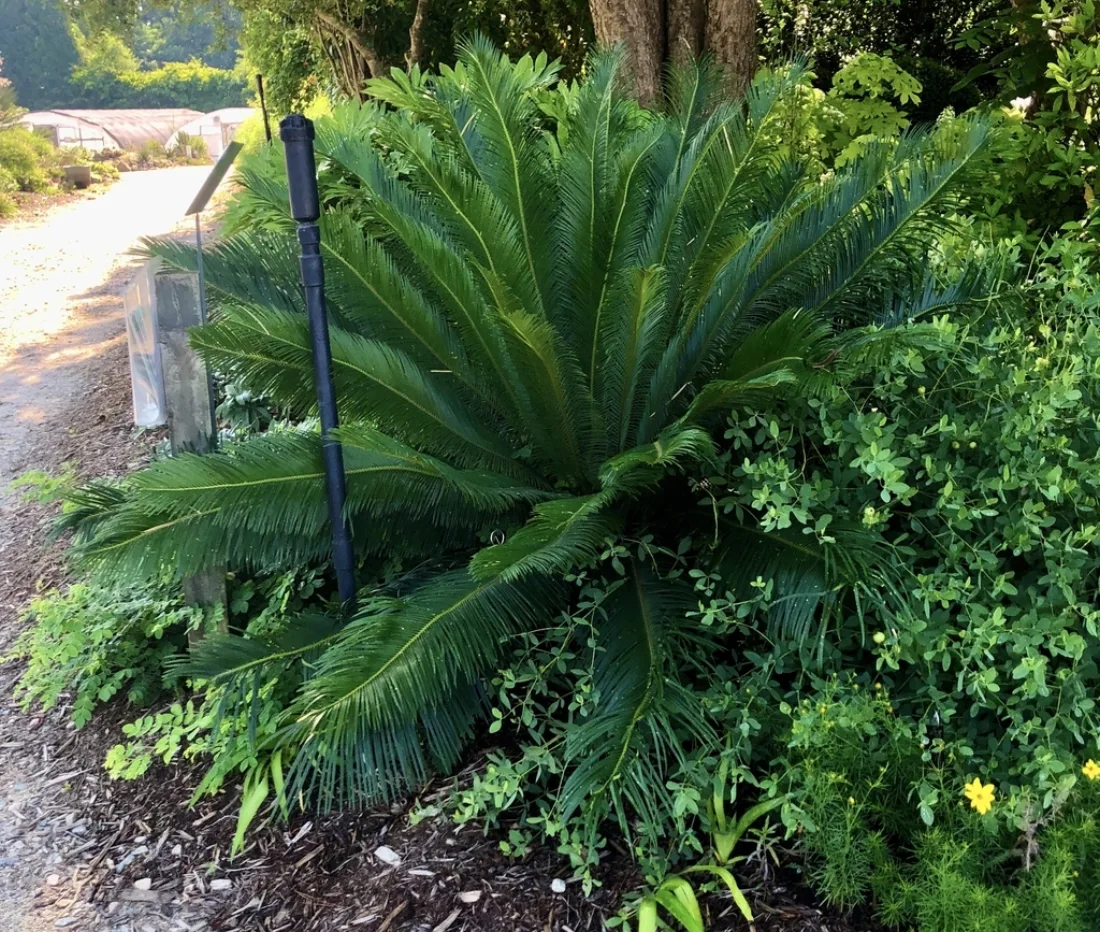 |
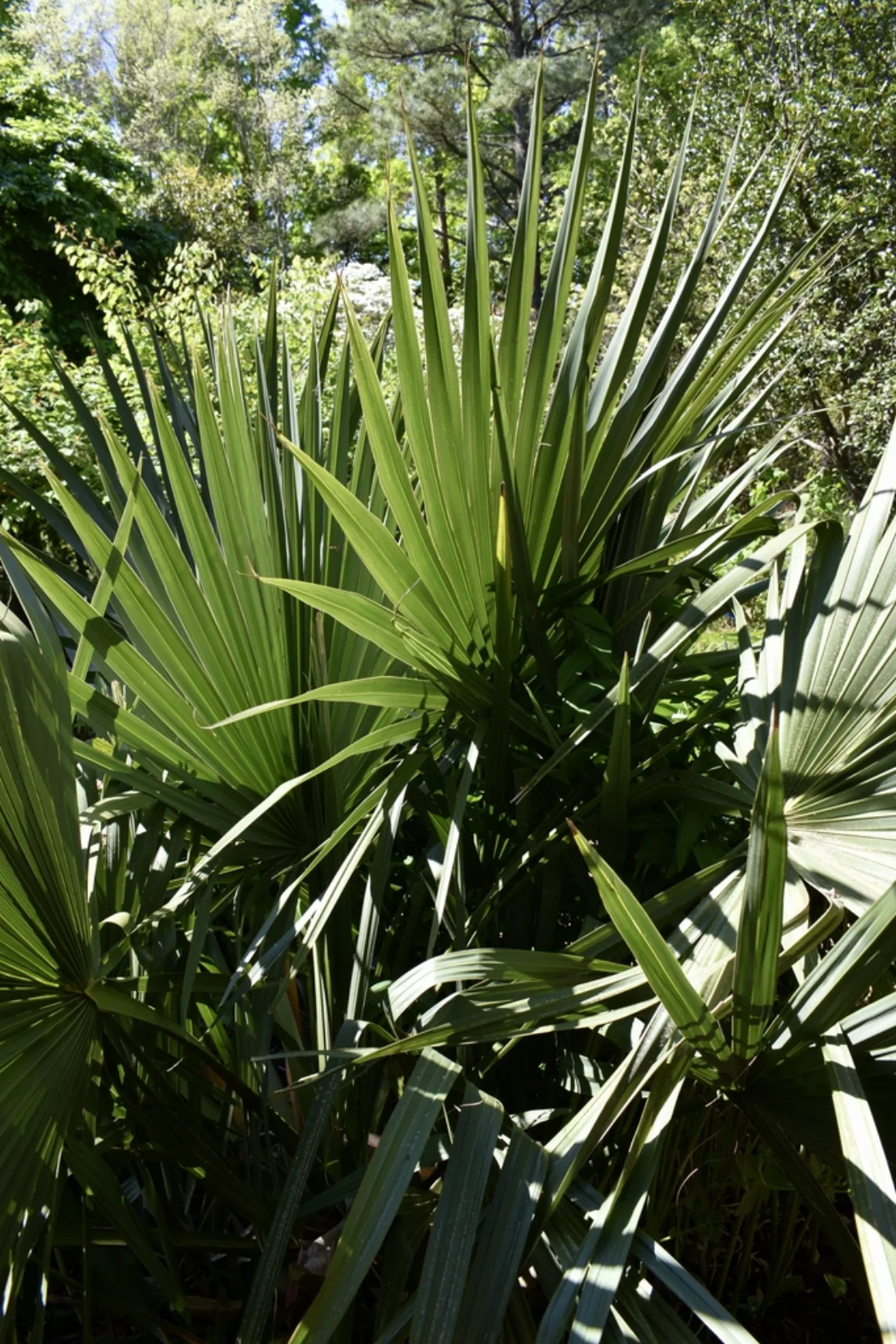 GO NATIVE |
| Native range | |
| Southern Japan | S. Oklahoma to SE. U.S.A. and E. & SE. Texas.See state guides |
| Sunlight | |
| Part shade | Part sun & shade |
| Soil moisture | |
| Moist, well-drained soil | Moist to wet / Average moisture |
| Mature height | |
| 3–10 ft | 2–10 ft |
| Mature spread | |
| 3–10 ft | 4–6 ft |
| USDA hardiness zones | |
| 9–12 | 7–10 |
| Season of interest | |
| Evergreen foliage & cones | Spring–Summer |
| Garden & wildlife value | |
| Pollinated by insects. | Native palm fruit feeds birds and mammals while broad leaves add year-round structure. |
| Growing notes | |
| A very slow-growing cycad, despite its palm-like leaves. All parts are highly poisonous if eaten. | Slow growing; allow for a broad clump and use winter protection at the cold edge of its range. |
| Growing information | Growing information Native range: Kew |
Sizes describe the species; individual cultivars can differ.