Compare plants.
COMMON CHOICELilyturfLiriope muscari |
NATIVE ALTERNATIVEBlue-eyed grassSisyrinchium angustifolium |
|---|---|
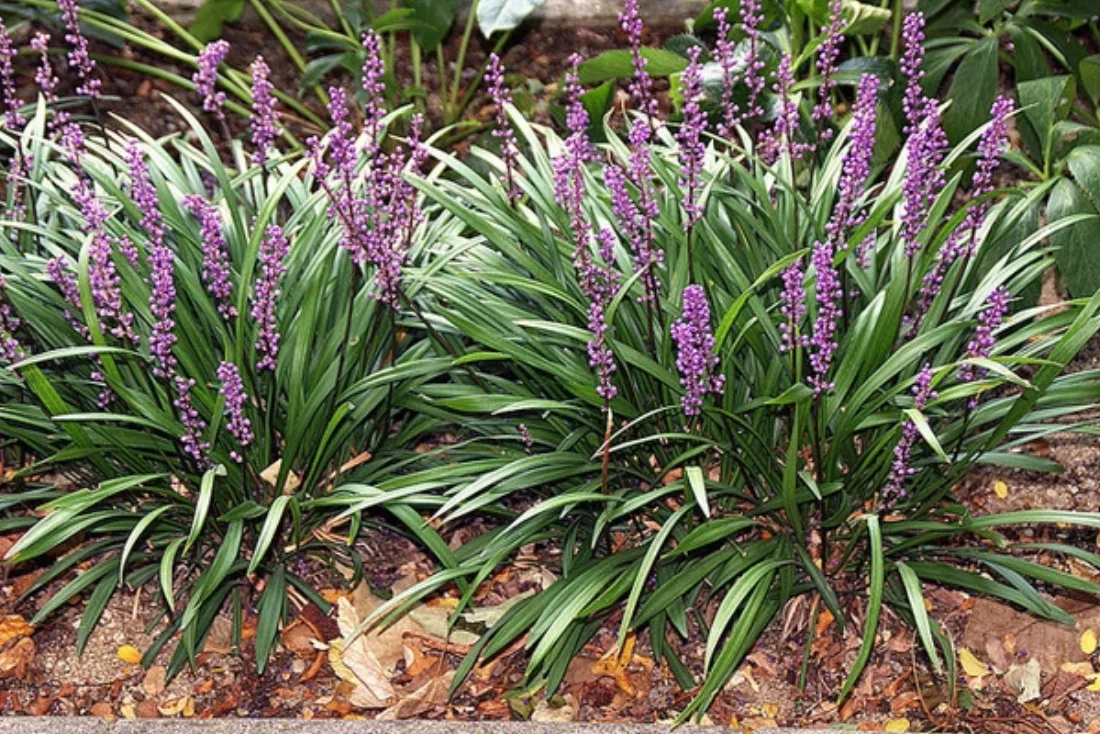 |
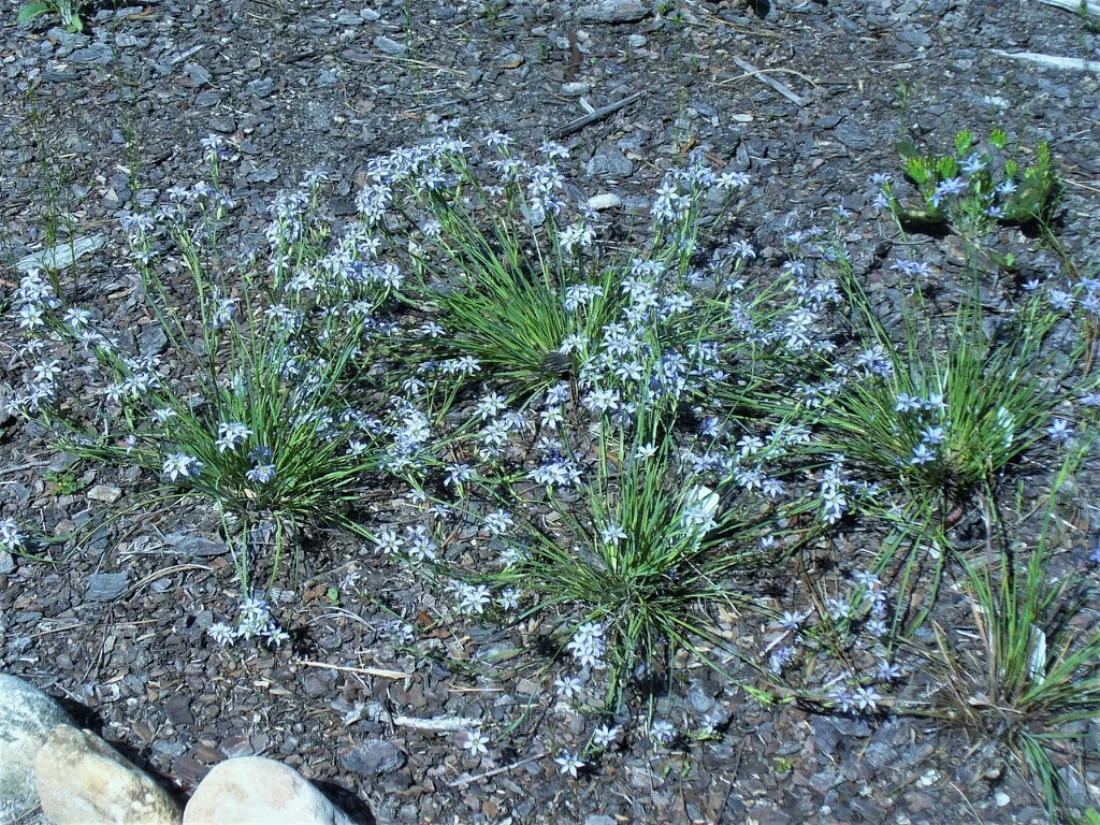 GO NATIVE |
| Native range | |
| China, Taiwan, and Japan | E. Canada to Central & E. U.S.A.See state guides |
| Sunlight | |
| Sun to full shade | Full sun |
| Soil moisture | |
| Average moisture; tolerates dryness once established | Average moisture |
| Mature height | |
| 1–1½ ft | 1½–2 ft |
| Mature spread | |
| 1–1½ ft | 6–12 in |
| USDA hardiness zones | |
| 5–10 | 4–9 |
| Season of interest | |
| Late summer flowers; evergreen foliage | Spring–Summer |
| Garden & wildlife value | |
| No specific food or host-plant benefit listed in the source profile. | Small native flowers feed bumblebees, sweat bees, butterflies, and flies. |
| Growing notes | |
| Forms dense clumps. This is lilyturf, not the more aggressively running Liriope spicata. | A member of the iris family; divide clumps periodically and remove seedheads if volunteers are unwanted. |
| Growing information | Growing information Native range: Kew |
Sizes describe the species; individual cultivars can differ.