Compare plants.
COMMON CHOICEBearberry cotoneasterCotoneaster dammeri |
NATIVE ALTERNATIVELowbush blueberryVaccinium angustifolium |
|---|---|
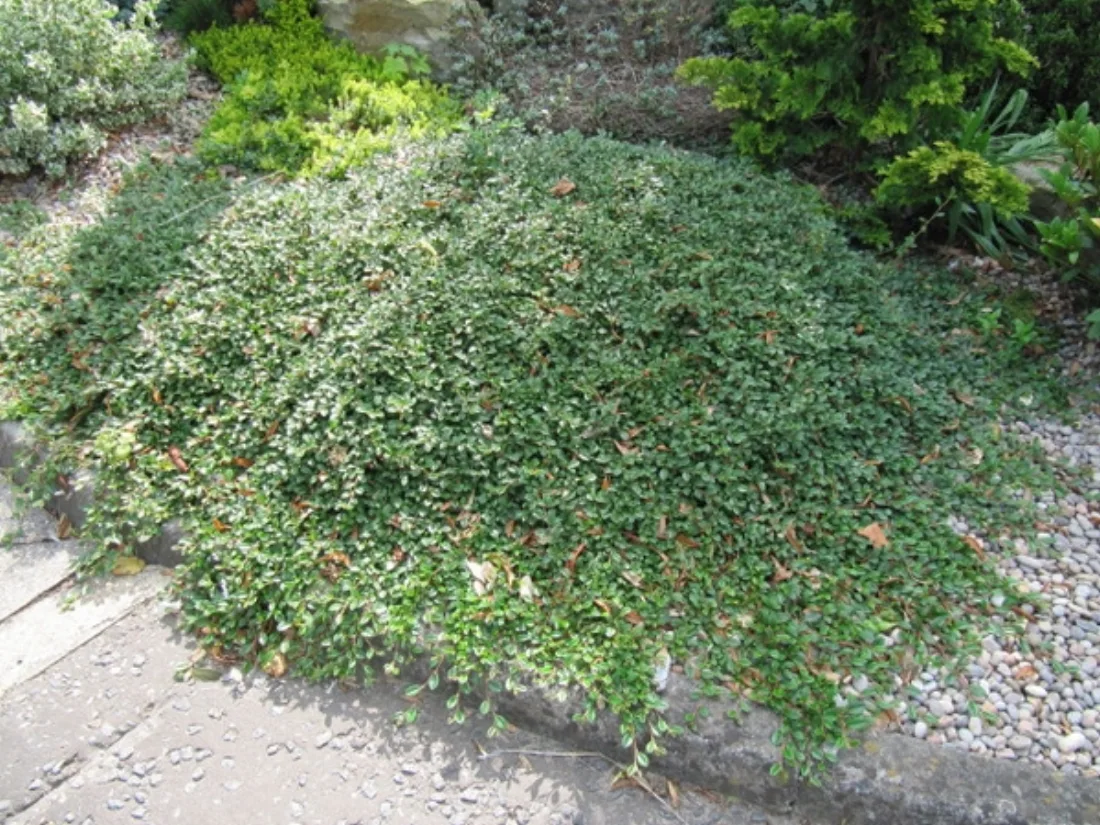 |
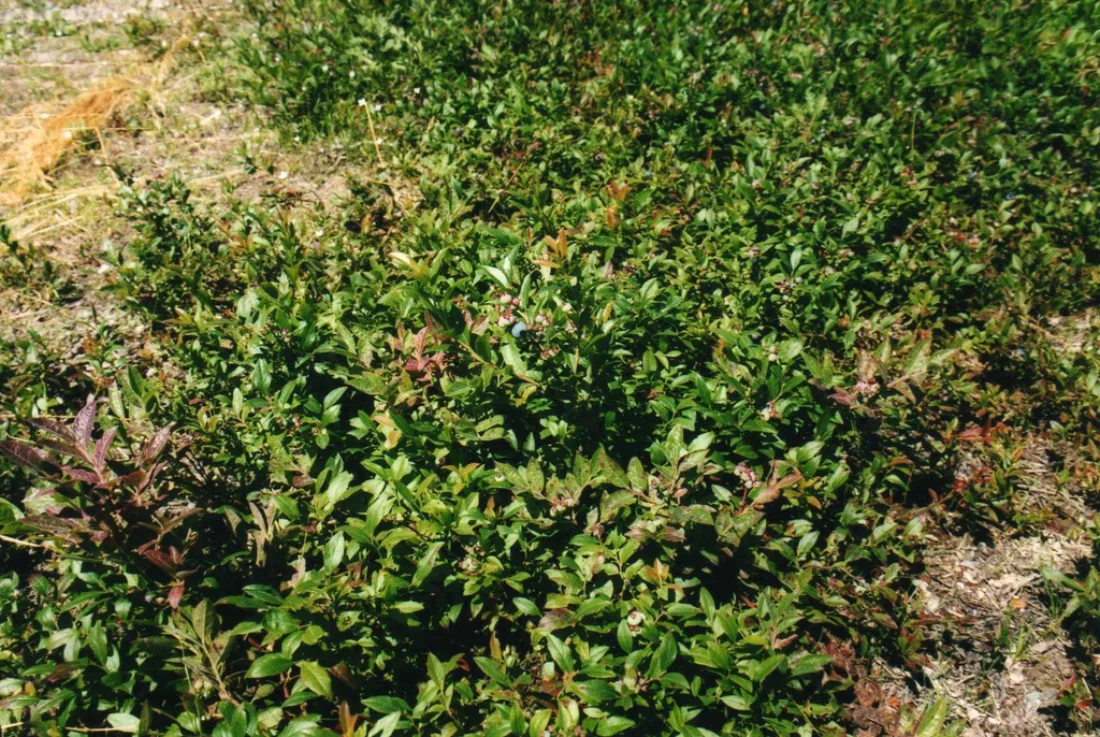 GO NATIVE |
| Native range | |
| Tibet and central China | Central & E. Canada to N. Central & E. U.S.A.See state guides |
| Sunlight | |
| Full sun to part shade | Part sun & shade |
| Soil moisture | |
| Moist, well-drained soil | Average moisture / Dry soil |
| Mature height | |
| About 1 ft | 0½–2 ft |
| Mature spread | |
| 4–6 ft | 0½–2 ft |
| USDA hardiness zones | |
| 5–8 | 2–8 |
| Season of interest | |
| Spring–summer flowers; berries follow | Spring |
| Garden & wildlife value | |
| Attracts butterflies, birds, and other wildlife. | Native bees pollinate spring flowers, followed by berries for birds and other wildlife. |
| Growing notes | |
| A low, spreading evergreen shrub; stems can root as they spread across the ground. | Needs acidic, drained soil; more sun and several plants improve flowering and fruiting. |
| Growing information | Growing information Native range: Kew |
Sizes describe the species; individual cultivars can differ.