Compare plants.
COMMON CHOICEBearberry cotoneasterCotoneaster dammeri |
NATIVE ALTERNATIVEBog blueberryVaccinium uliginosum |
|---|---|
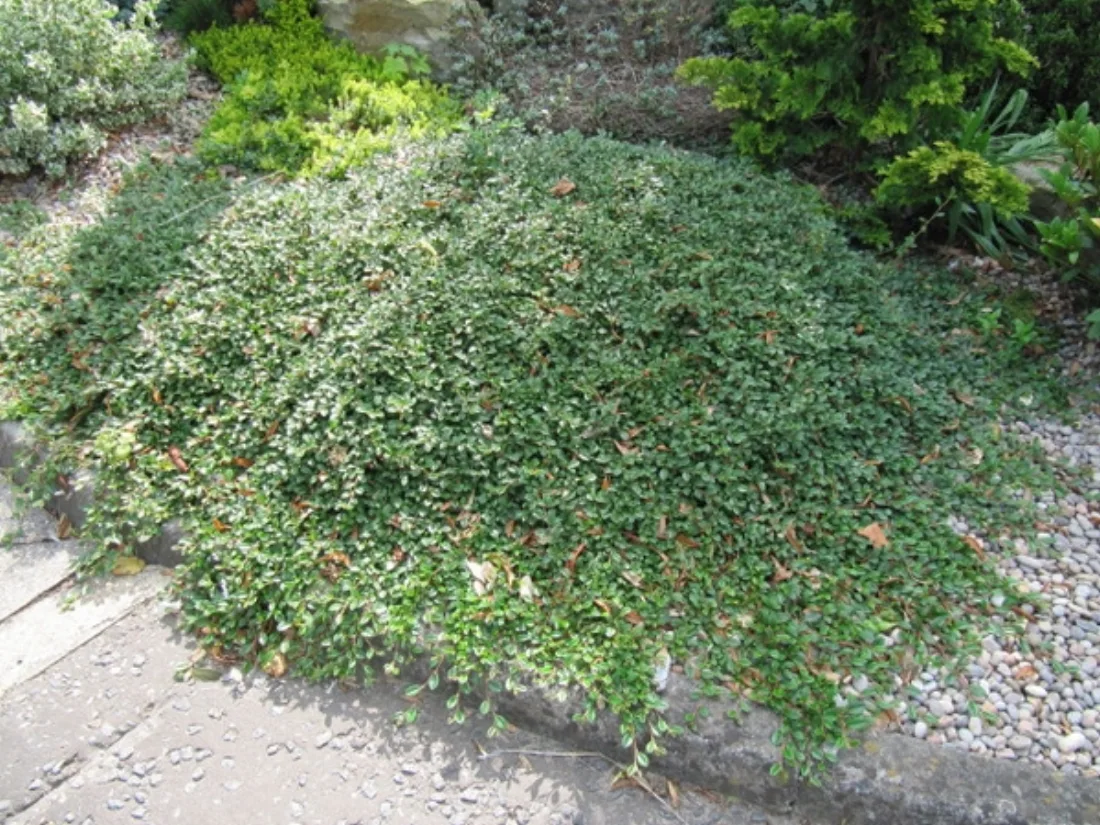 |
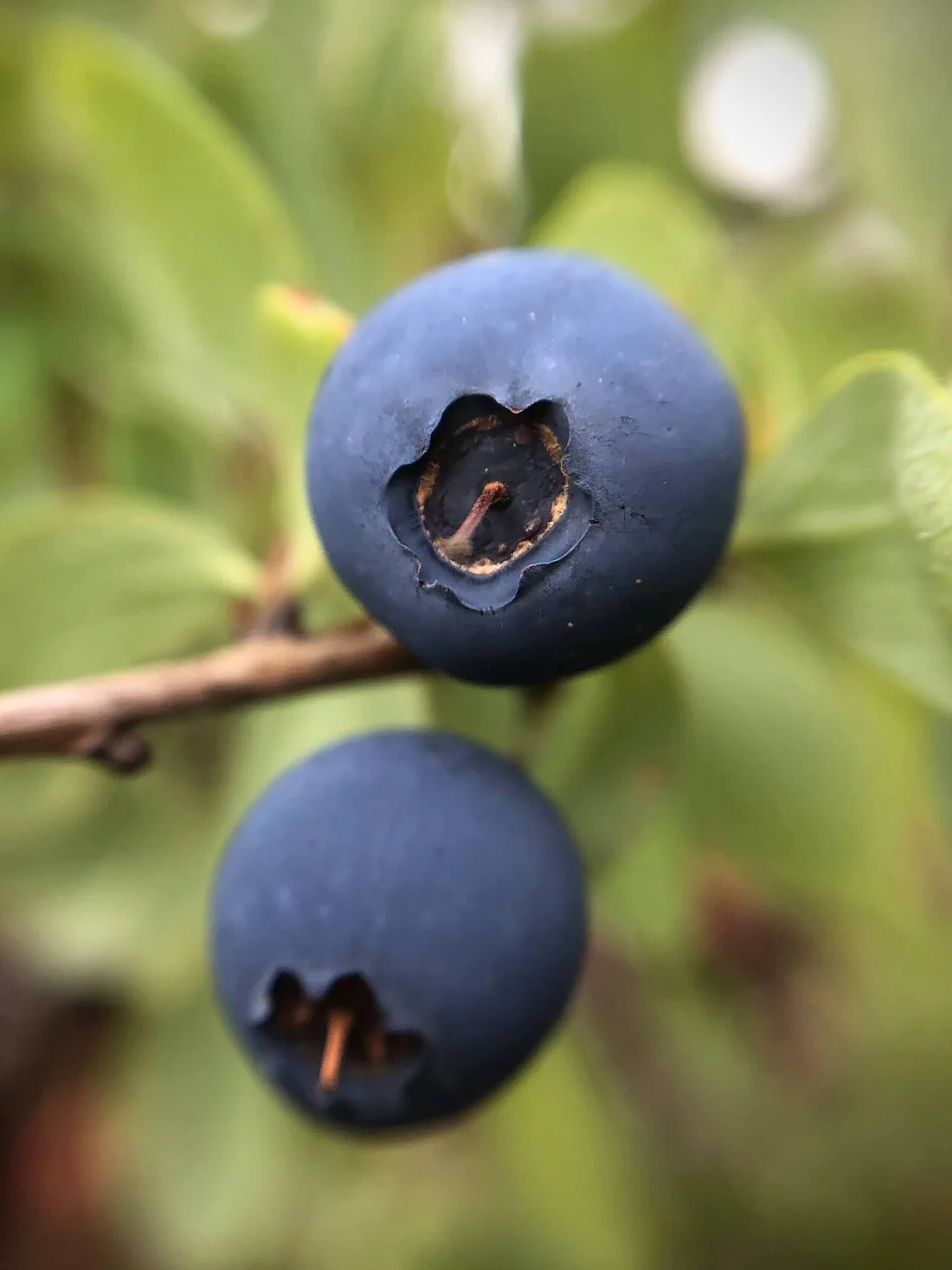 GO NATIVE |
| Native range | |
| Tibet and central China | Subarctic & Temp. Northern Hemisphere.See state guides |
| Sunlight | |
| Full sun to part shade | Part sun & shade |
| Soil moisture | |
| Moist, well-drained soil | Moist to wet / Average moisture |
| Mature height | |
| About 1 ft | 8–25 in |
| Mature spread | |
| 4–6 ft | Spreading shrub |
| USDA hardiness zones | |
| 5–8 | Cold hardy to USDA zone 2; upper zone not specified. |
| Season of interest | |
| Spring–summer flowers; berries follow | White-pink flowers & blue berries |
| Garden & wildlife value | |
| Attracts butterflies, birds, and other wildlife. | Native flowers and blue berries add seasonal interest to a cold-climate garden. |
| Growing notes | |
| A low, spreading evergreen shrub; stems can root as they spread across the ground. | Keep acidic soil moist and rich in organic matter; plants can root along their branches. |
| Growing information | Growing information Native range: Kew |
Sizes describe the species; individual cultivars can differ.