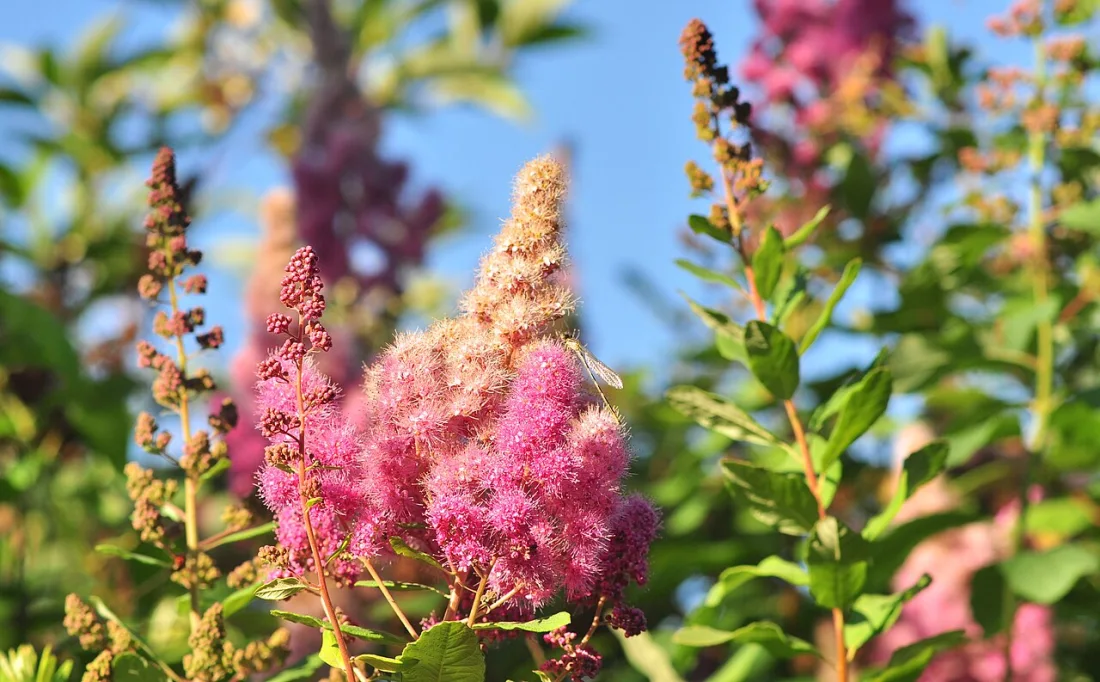
A flowering shrub for wet ground
Douglas spirea
Spiraea douglasii
Dense native flower clusters bring summer color to a moist hedge or rain garden.
Instead of japanese spirea
Meet this plantA GARDEN THAT BELONGS HERE
Familiar garden favorites, with native roots.
Find your first swap for sun, shade, and the soil underfoot.
6+ hours of direct sun
Spiraea douglasii
Dense native flower clusters bring summer color to a moist hedge or rain garden.
Instead of japanese spirea
Meet this plant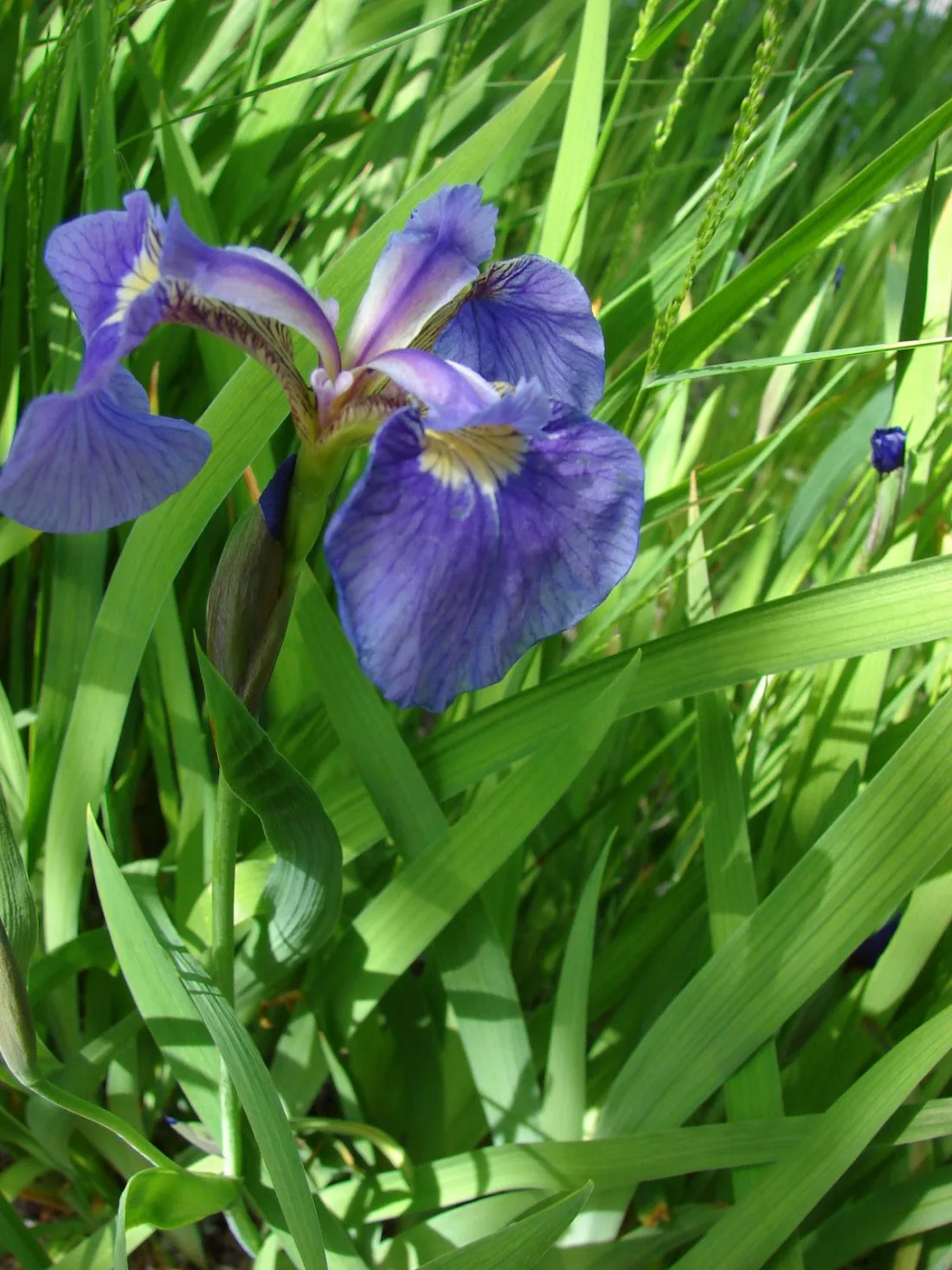
Iris setosa
Showy native flowers and rhizomes add color and help hold soil.
Instead of orange daylily
Meet this plant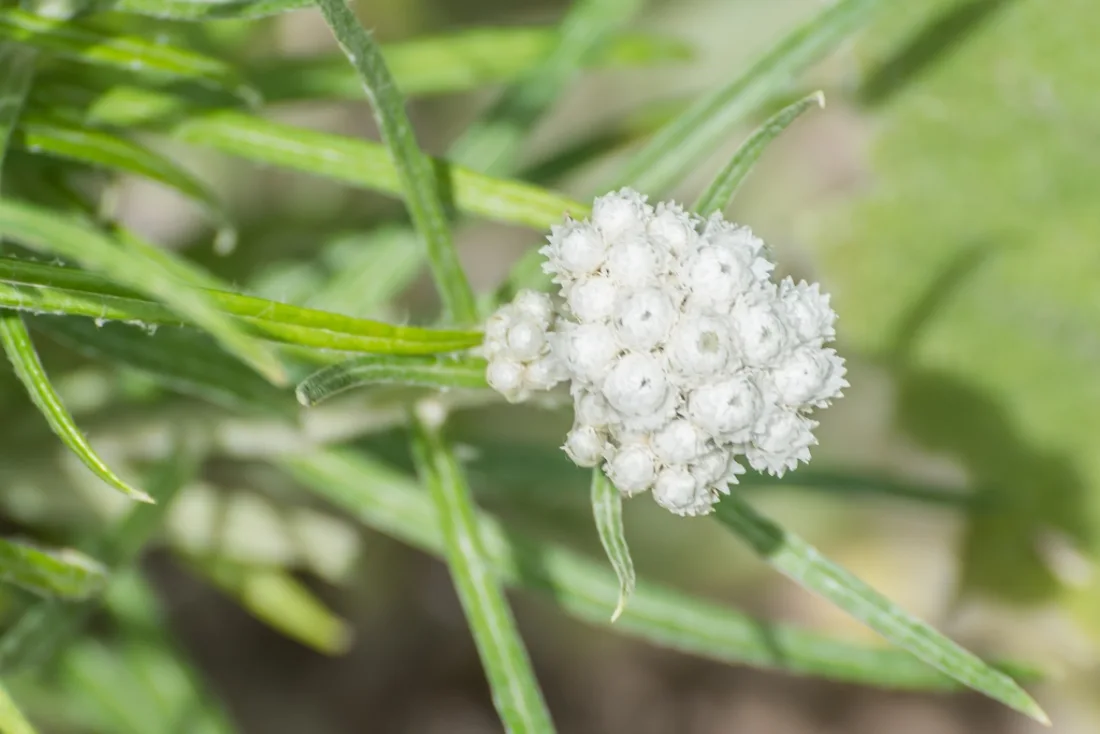
Anaphalis margaritacea
This native perennial feeds painted lady caterpillars as well as visiting pollinators.
Instead of garden mum
Meet this plantPhoto: Kryzystof Golik · CC BY-SA 4.0
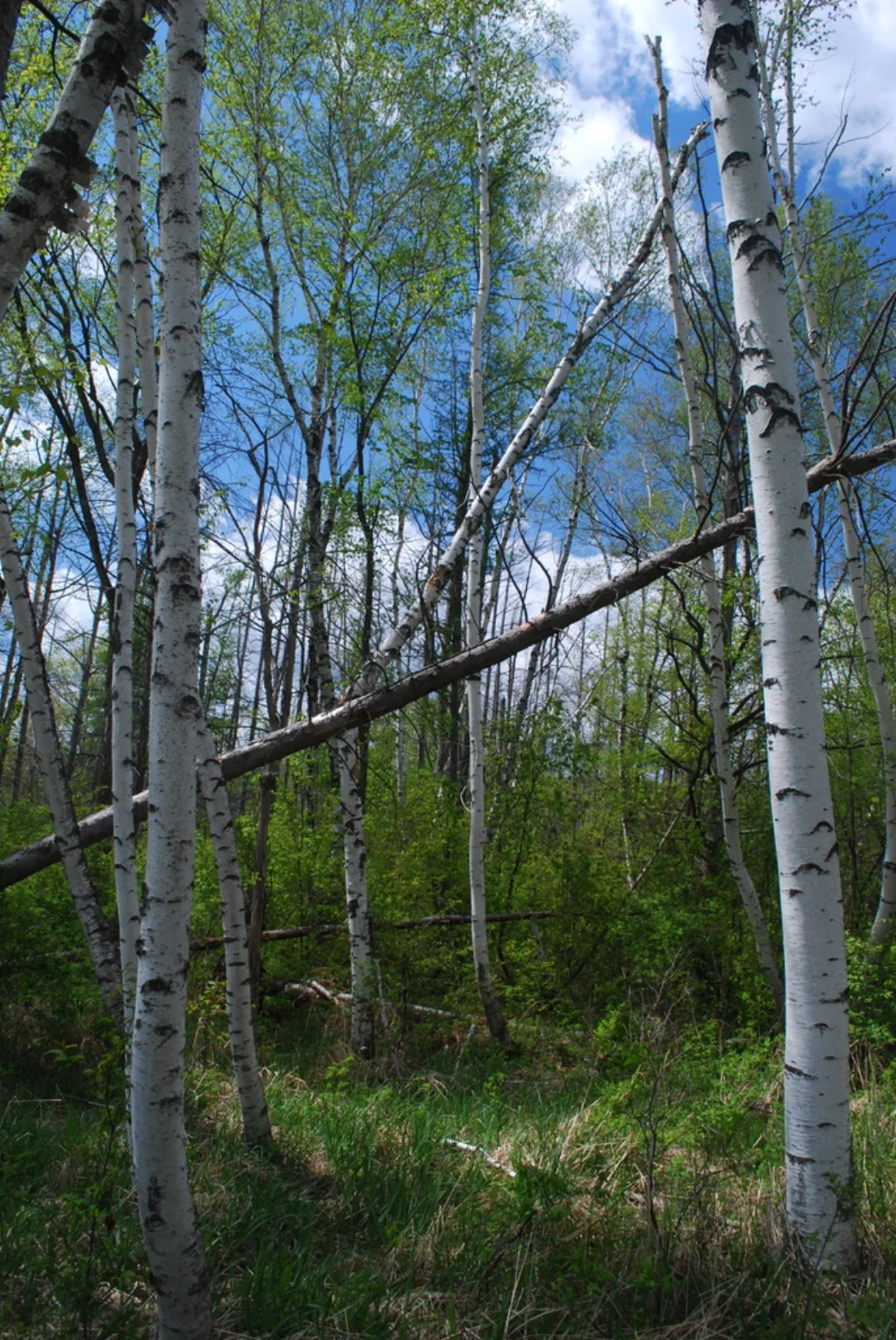
Betula papyrifera
Native birch leaves feed moth and butterfly caterpillars while the canopy adds light shade.
Instead of european white birch
Meet this plantPhoto: Joshua Mayer · CC-BY-SA 2.0
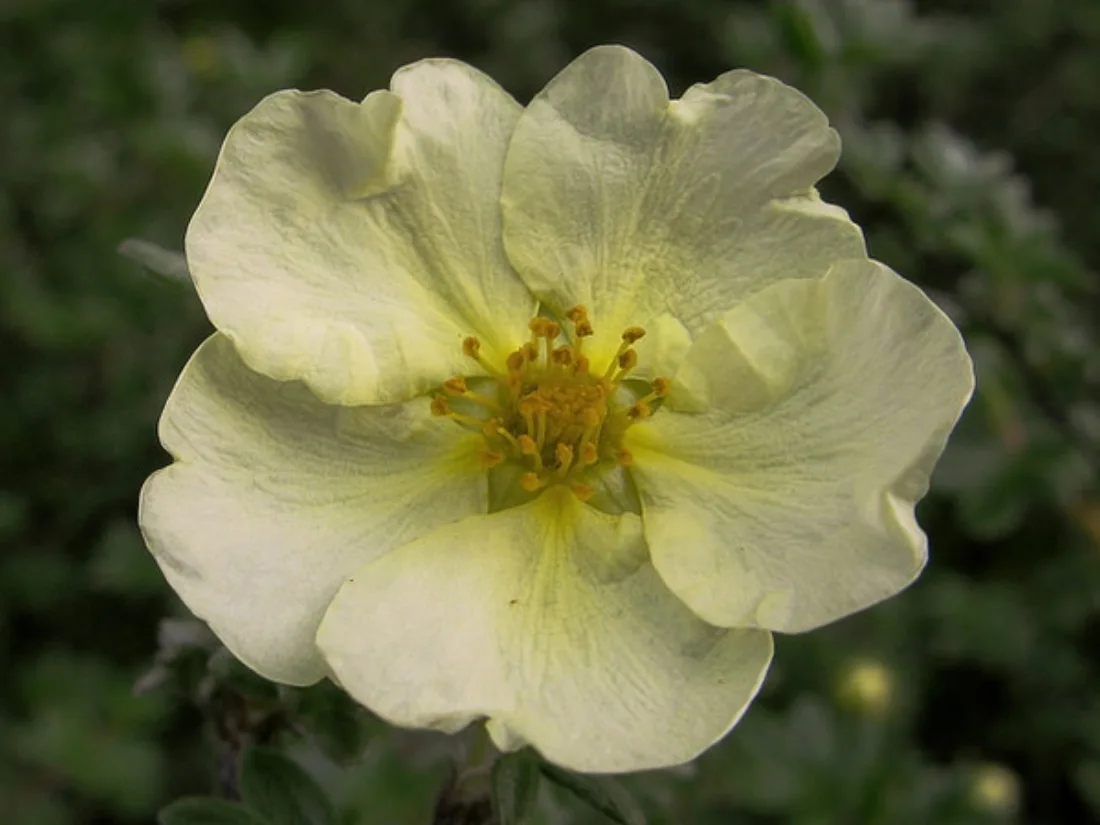
Dasiphora fruticosa
A long season of native flowers supports bumblebees, specialist bees, and butterflies.
Instead of japanese spirea
Meet this plantPhoto: jacinta lluch valero · CC-BY-SA 2.0
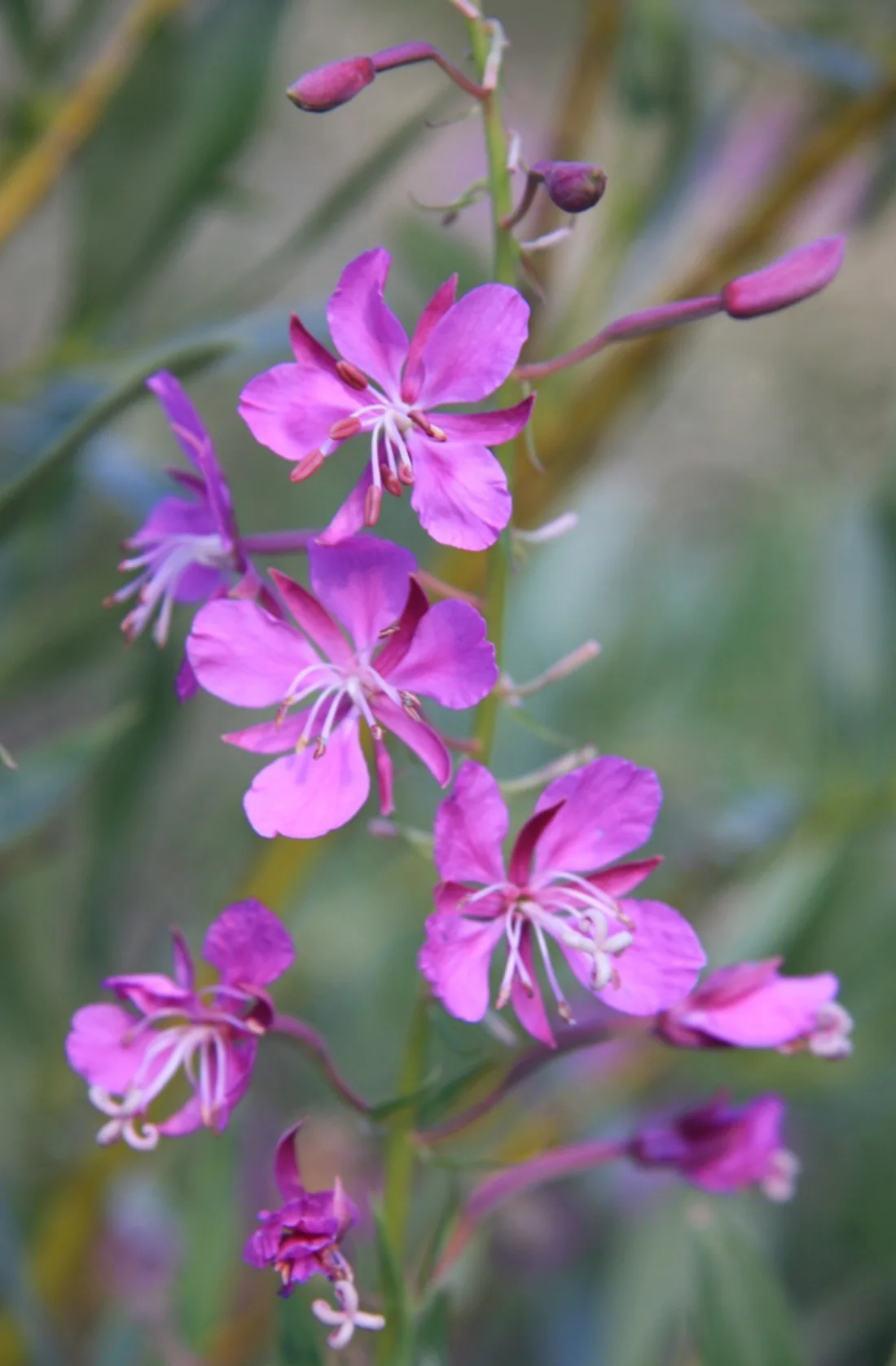
Epilobium angustifolium
Native flowers feed bees, and the foliage supports moth and butterfly caterpillars.
Instead of woodland sage
Meet this plant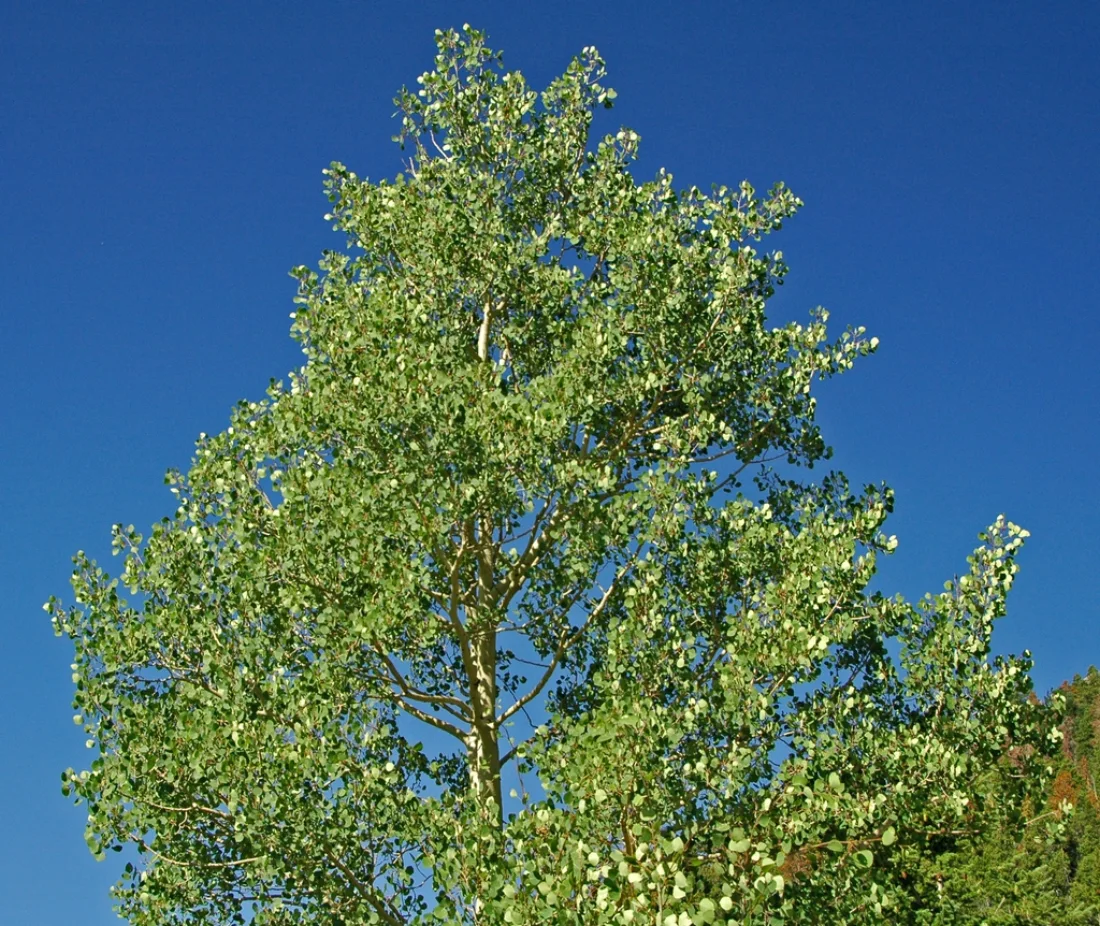
Populus tremuloides
This native tree adds wildlife cover and leaves that shimmer in the breeze.
Instead of european white birch
Meet this plantPhoto: James St. John · CC BY 2.0
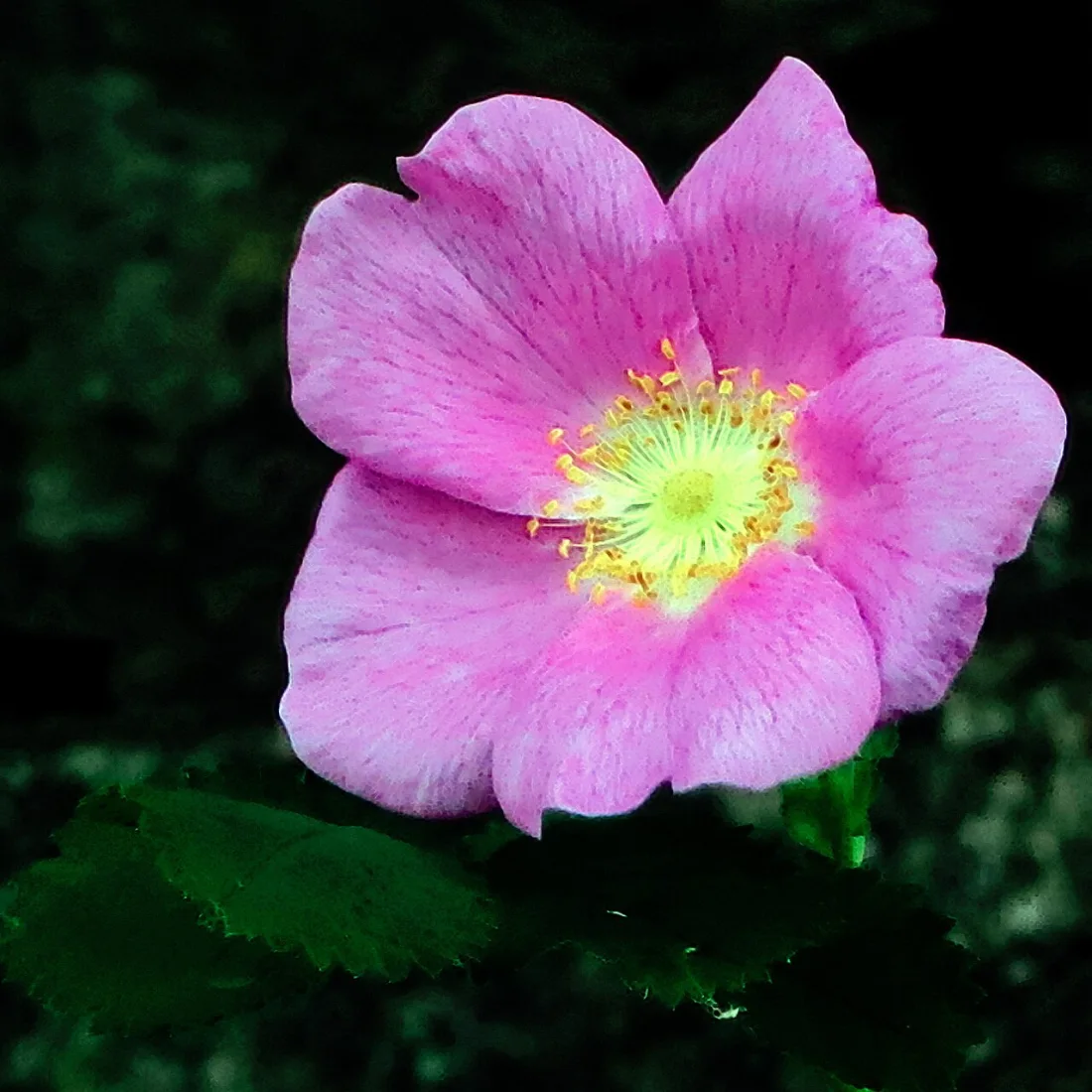
Rosa nutkana
Native pink flowers and red hips extend a hedge's seasonal interest.
Instead of rugosa rose
Meet this plantPhoto: John Rusk from Berkeley, CA, United States of America · CC BY 2.0
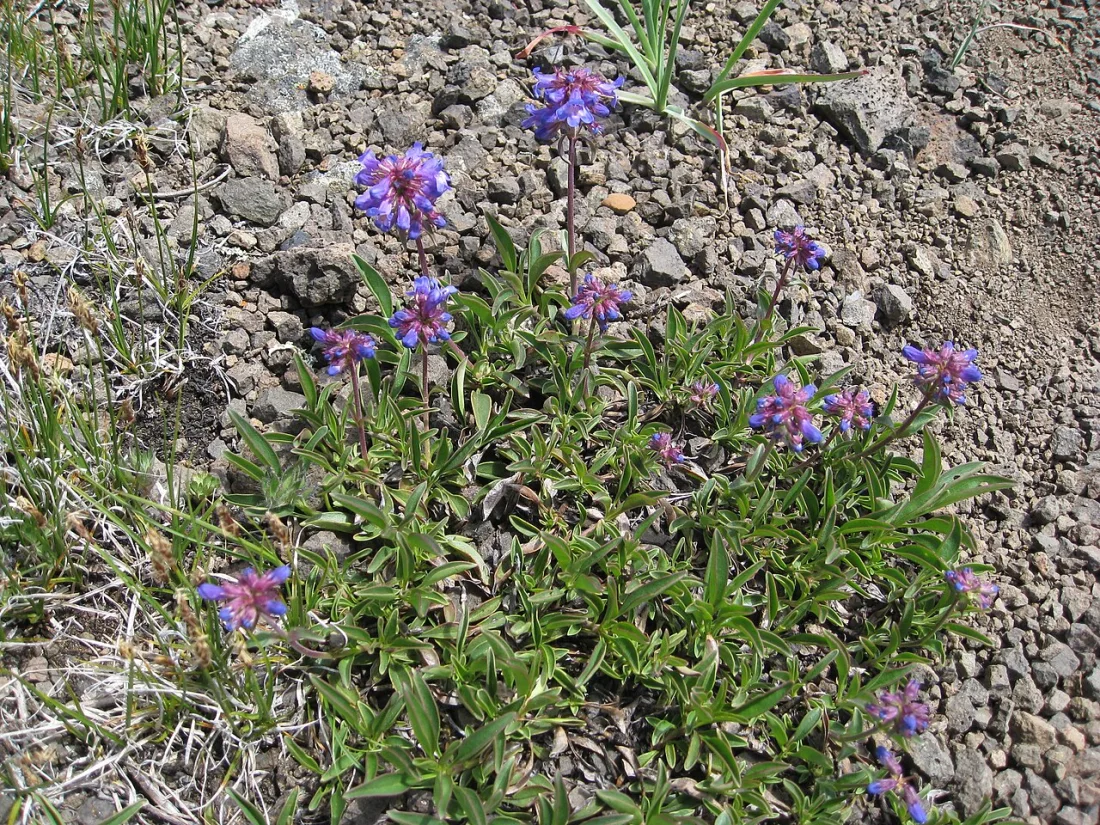
Penstemon procerus
Native blue flowers feed bees, butterflies, and hummingbirds.
Instead of woodland sage
Meet this plant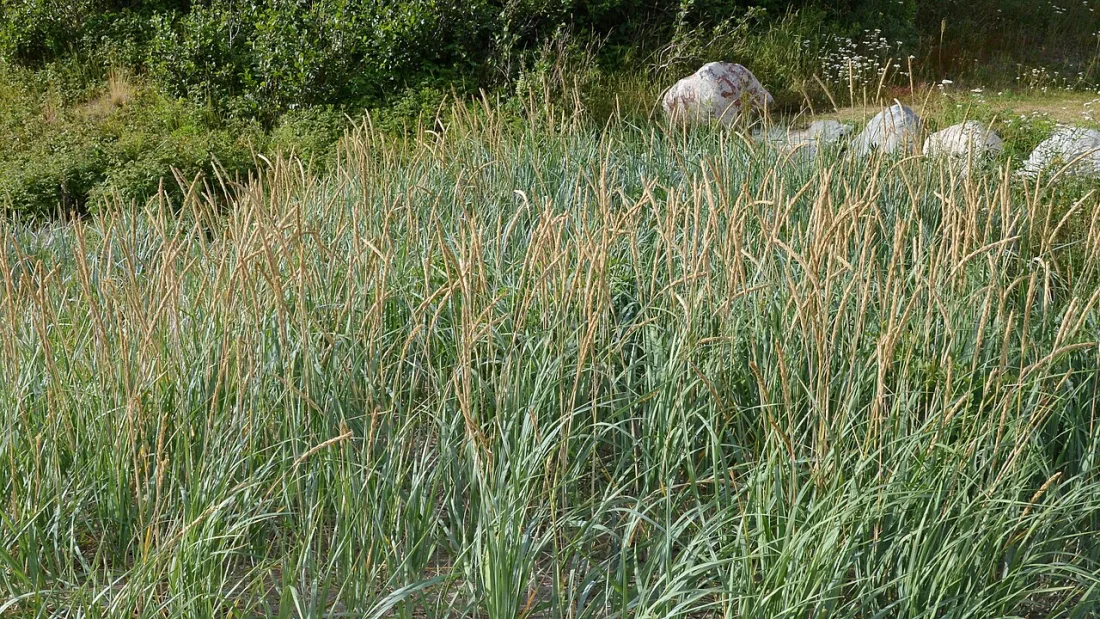
Leymus mollis
Native rhizomes help stabilize sandy coastal ground.
Instead of maiden grass
Meet this plantPhoto: Ryan Hodnett · CC BY-SA 4.0
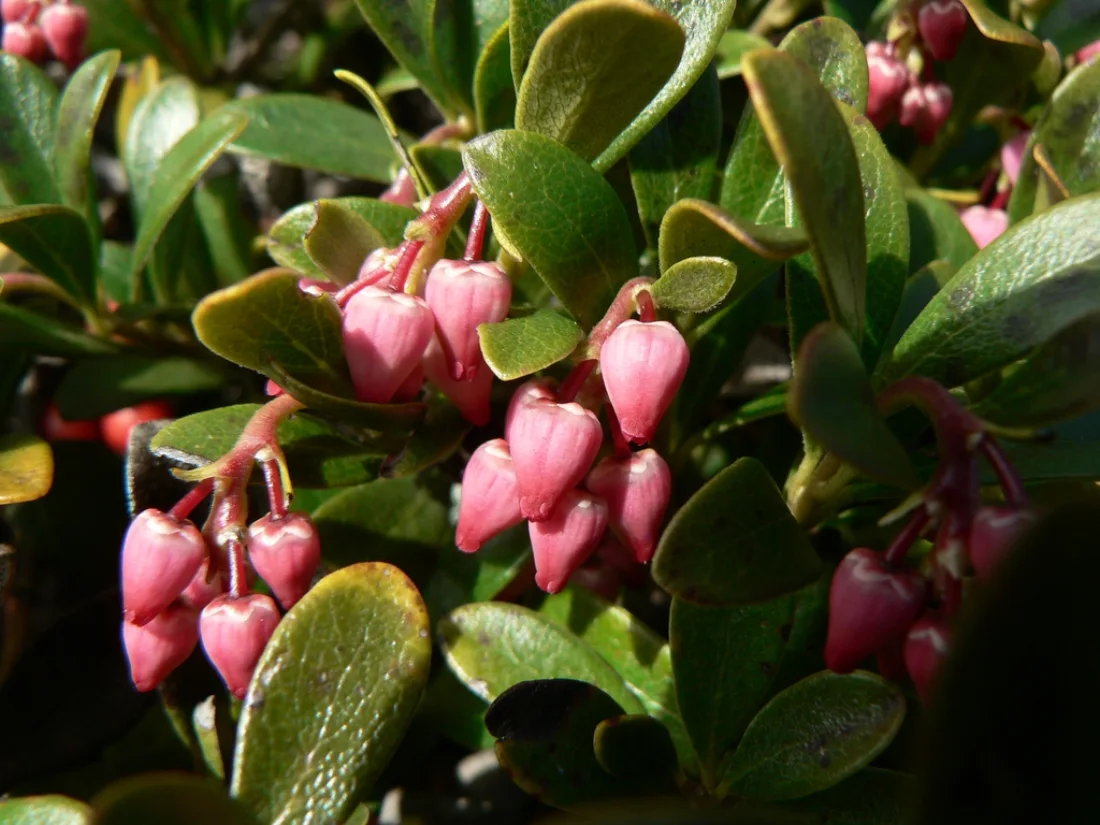
Arctostaphylos uva-ursi
Its flowers support pollinators and its red berries provide food for birds and other wildlife.
Instead of bearberry cotoneaster
Meet this plantPhoto: Walter Siegmund · CC BY-SA 3.0
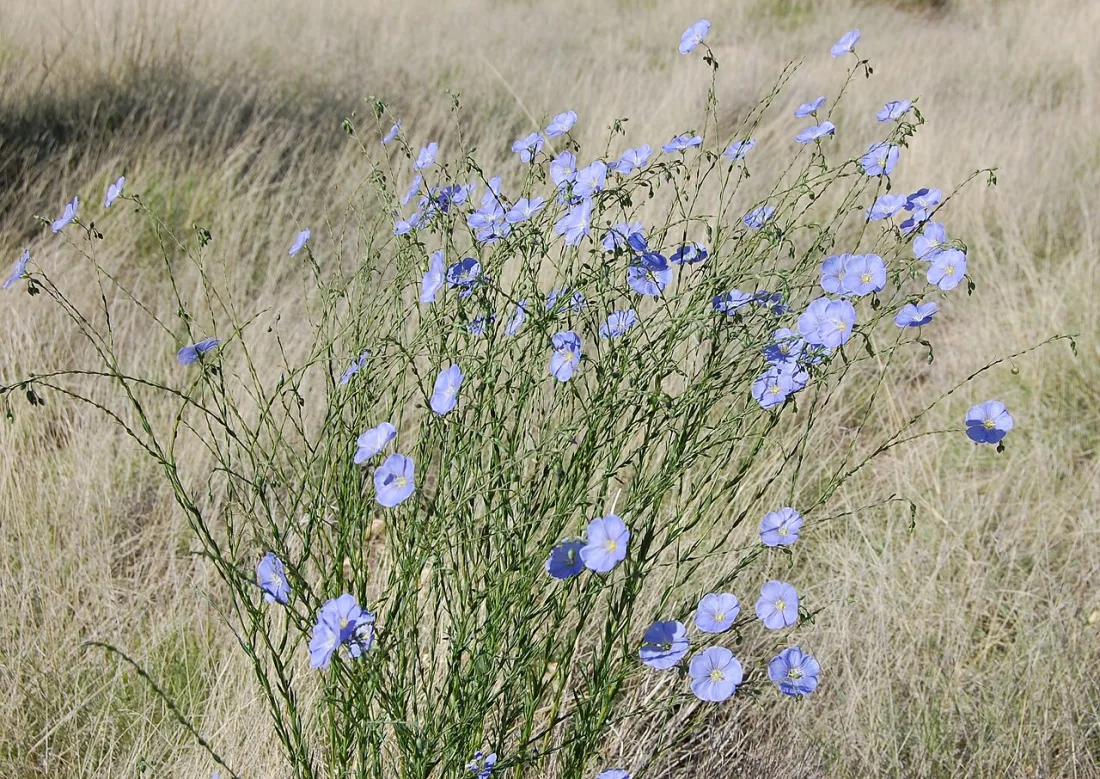
Linum lewisii
Native blue flowers feed small bees and flies, followed by seeds for wildlife.
Instead of woodland sage
Meet this plantPhoto: Skoch3 · CC BY-SA 3.0
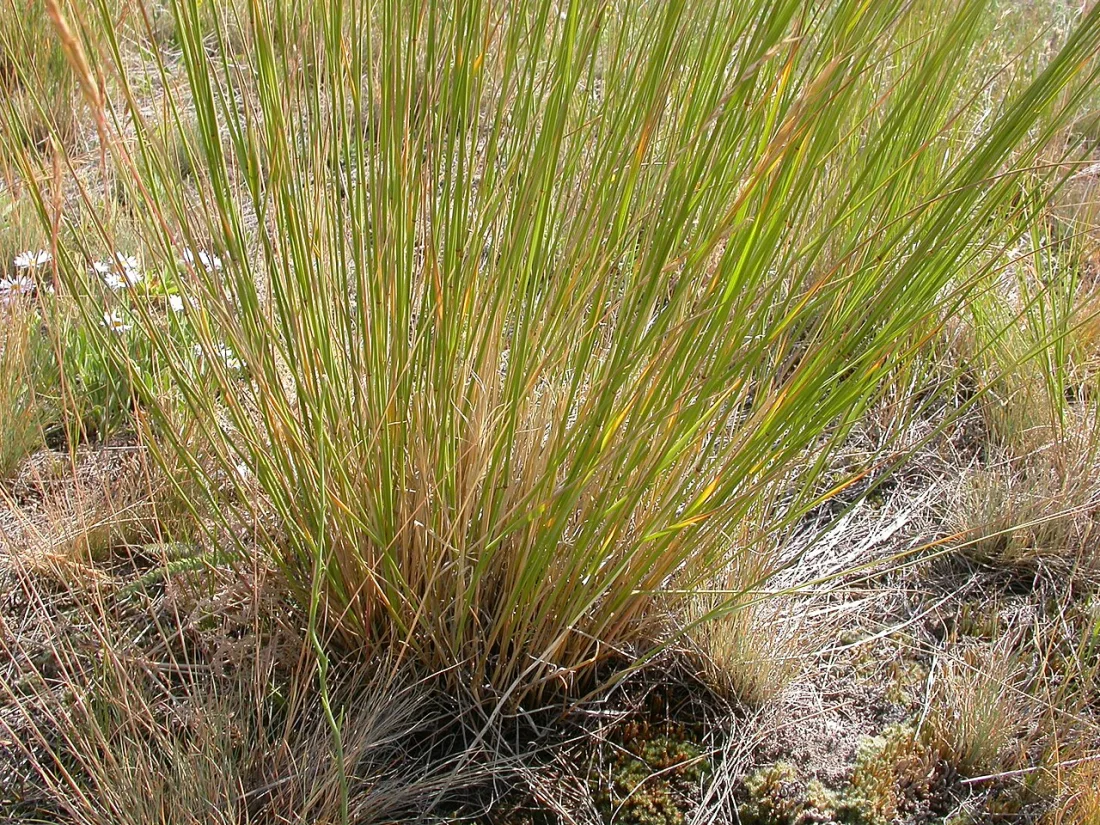
Pseudoroegneria spicata
Deep native roots help stabilize dry ground while the foliage feeds grazing wildlife.
Instead of maiden grass
Meet this plant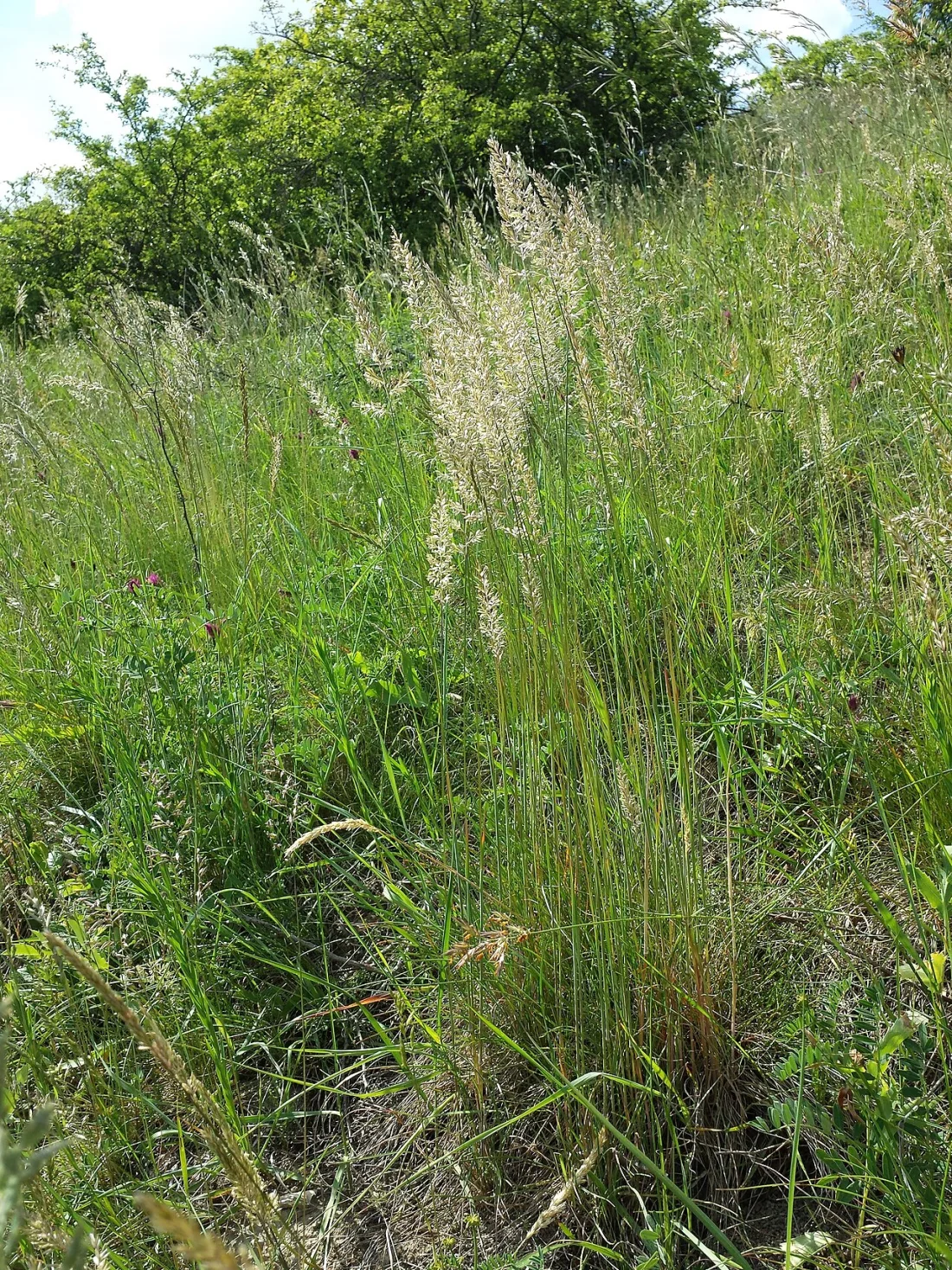
Koeleria macrantha
This native grass greens up early and tolerates drought once established.
Instead of maiden grass
Meet this plantPhoto: Stefan.lefnaer · CC BY-SA 4.0
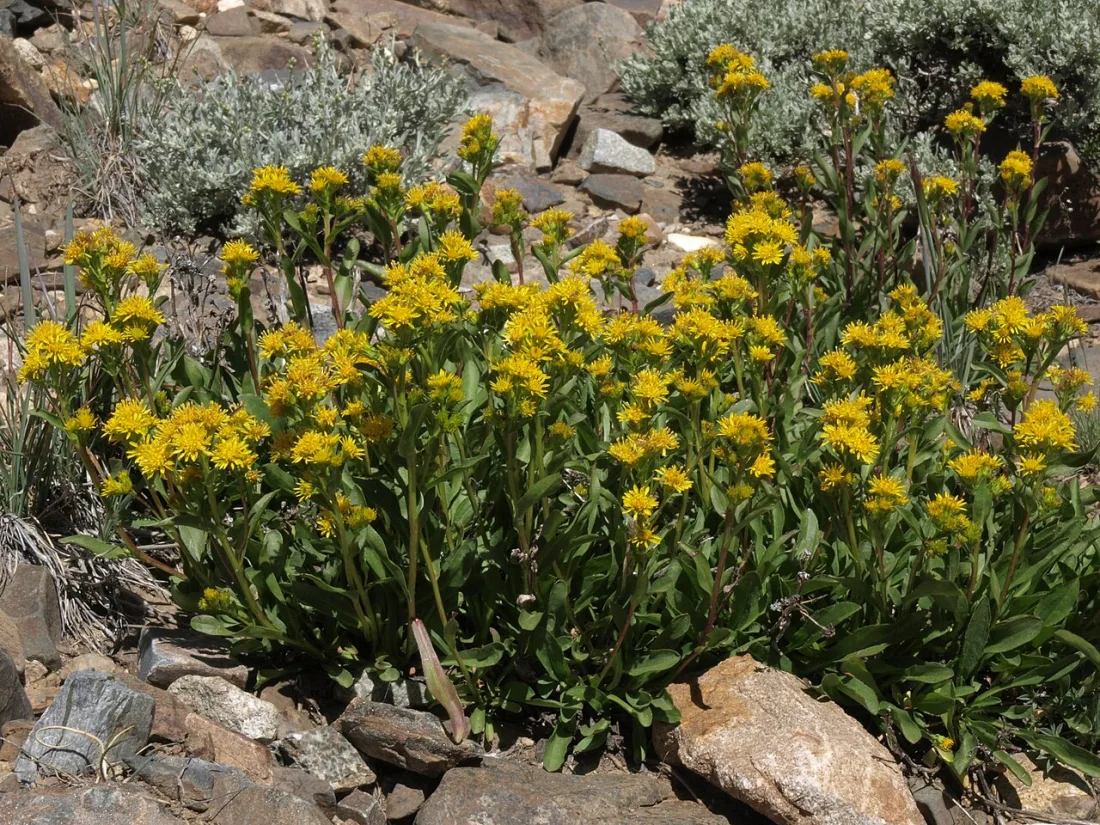
Solidago multiradiata
Native yellow flowers add color to a sunny, dry planting.
Instead of garden mum
Meet this plant2–6 hours of direct sun
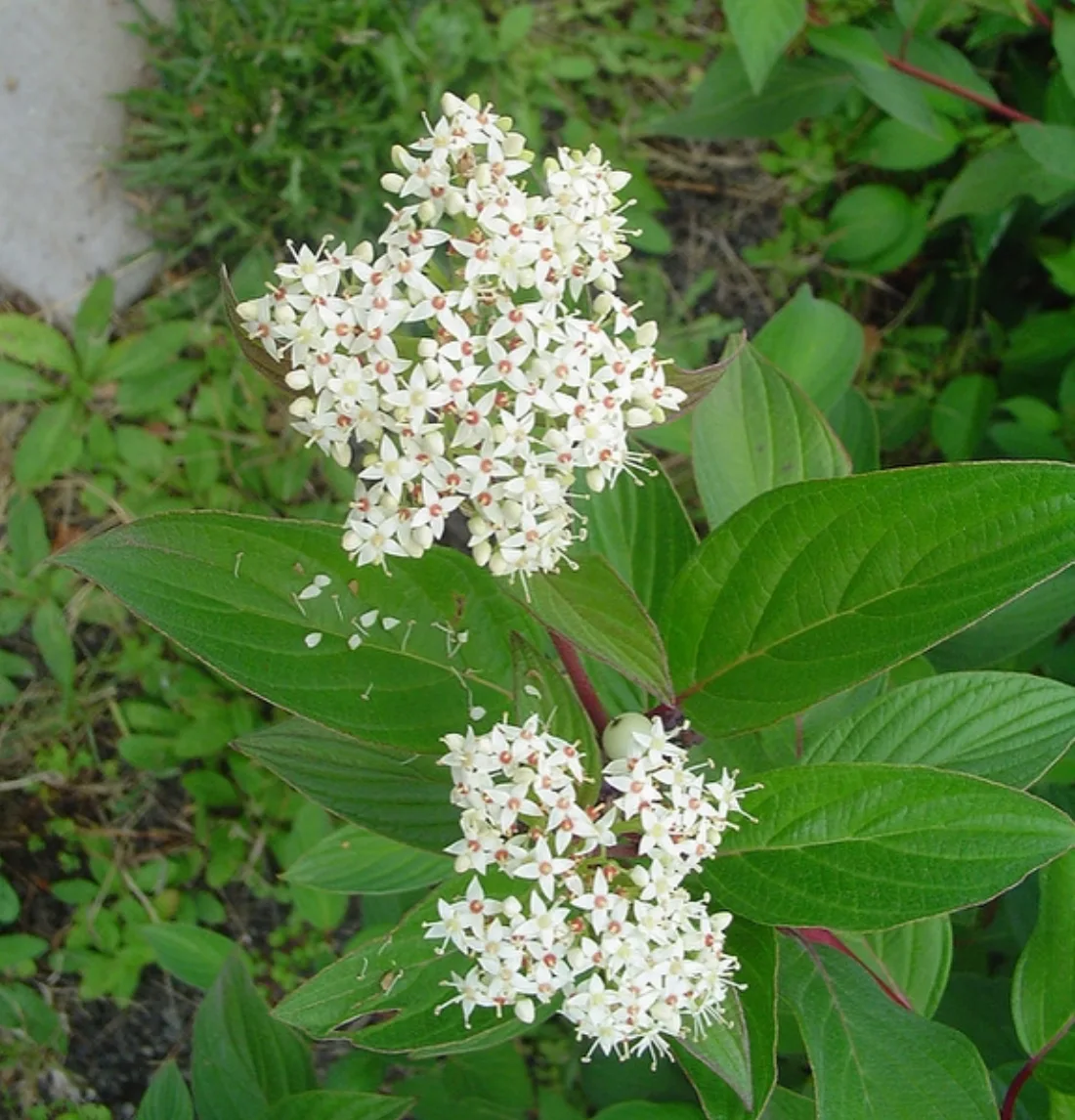
Cornus sericea
White berries feed birds, and this native shrub also hosts spring azure butterfly caterpillars.
Instead of burning bush
Meet this plantPhoto: Tom Brandt · CC BY 2.0
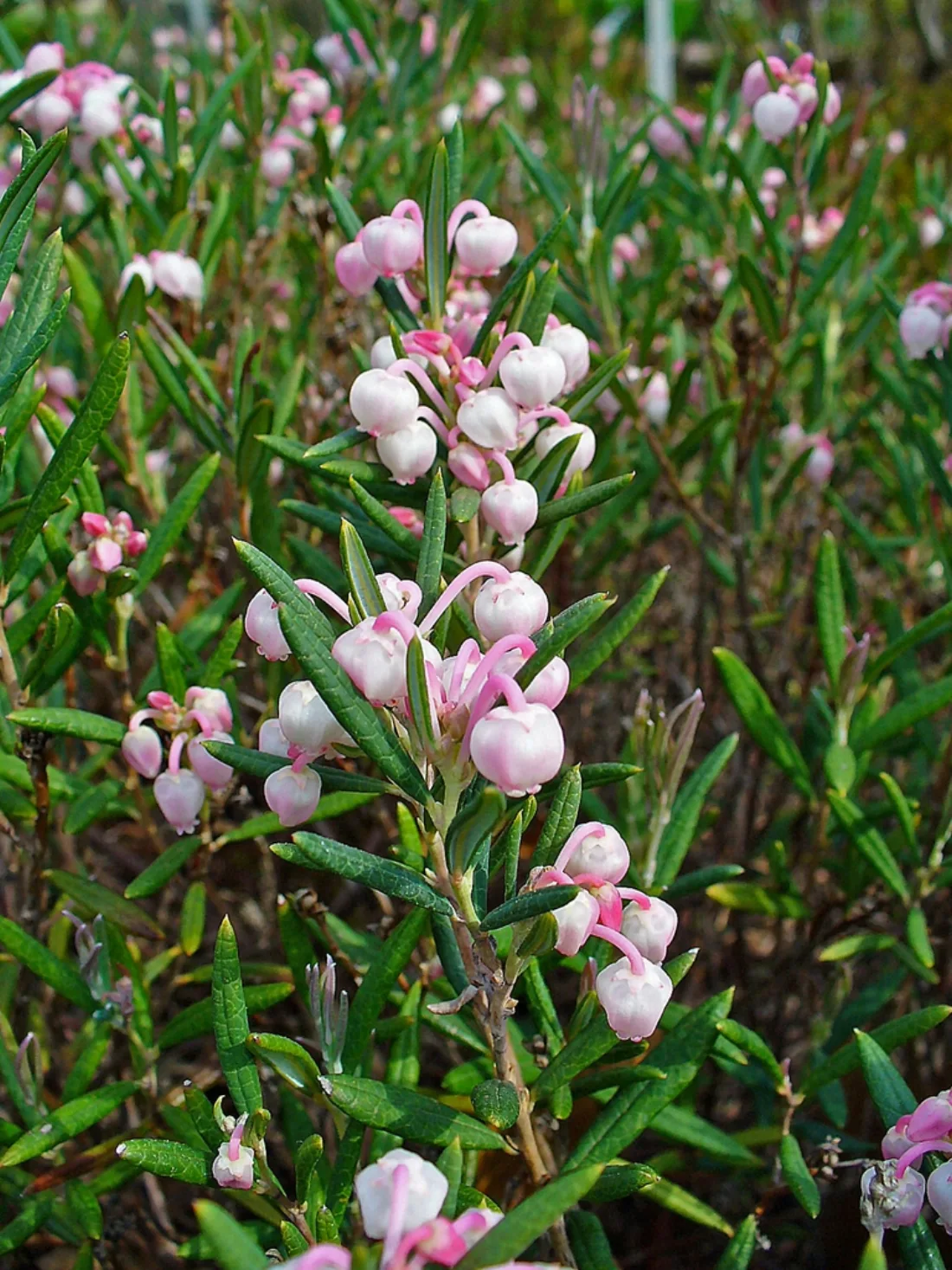
Andromeda polifolia
Low native evergreen foliage and pink bells bring year-round structure to a cool bog garden.
Instead of bearberry cotoneaster
Meet this plantPhoto: H. Zell · CC BY-SA 3.0
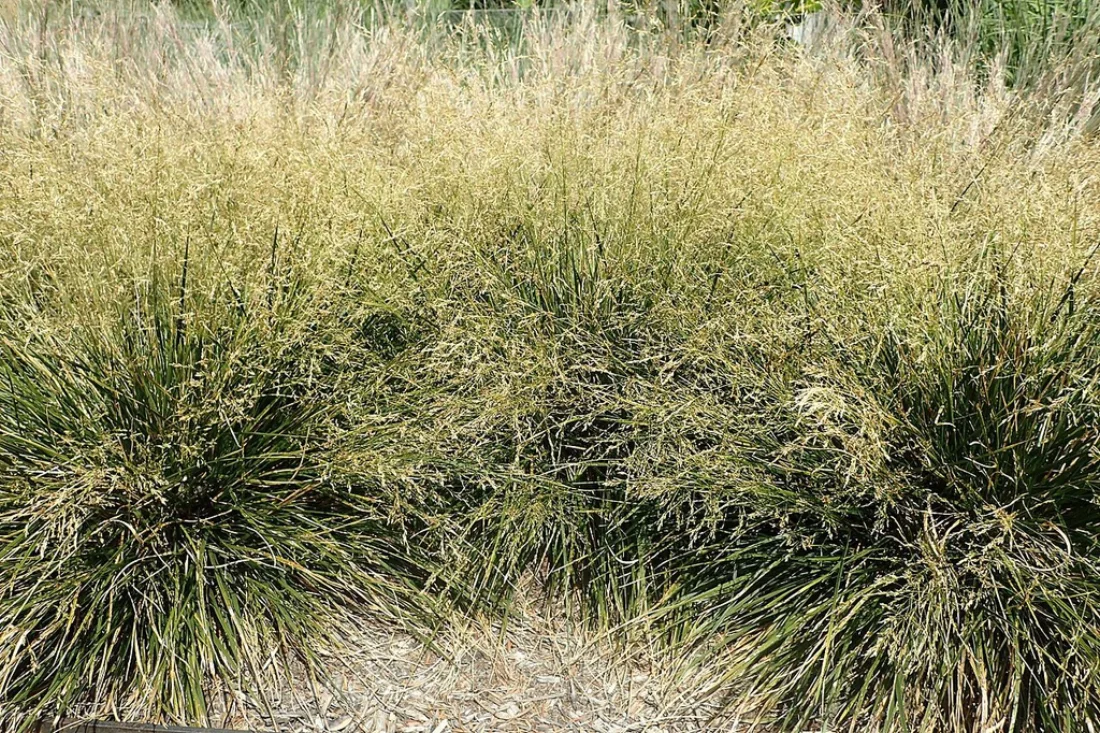
Deschampsia cespitosa
This native grass adds songbird habitat and flower plumes that persist into winter.
Instead of maiden grass
Meet this plantPhoto: Krzysztof Ziarnek, Kenraiz · CC BY-SA 4.0
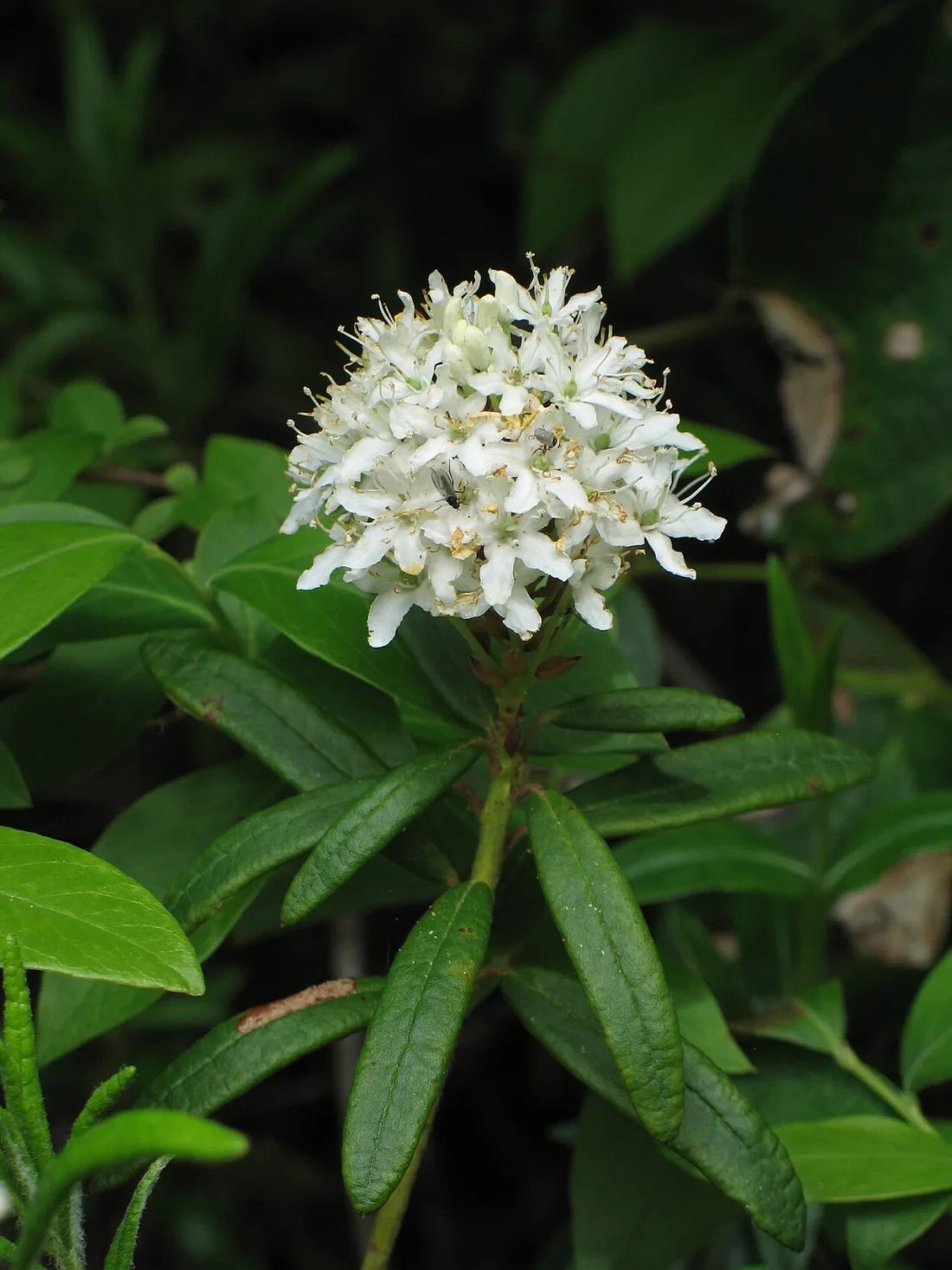
Rhododendron groenlandicum
Native evergreen foliage adds lasting structure to a cool, acidic bog garden.
Instead of japanese pittosporum
Meet this plantPhoto: Robert Flogaus-Faust · CC BY 4.0
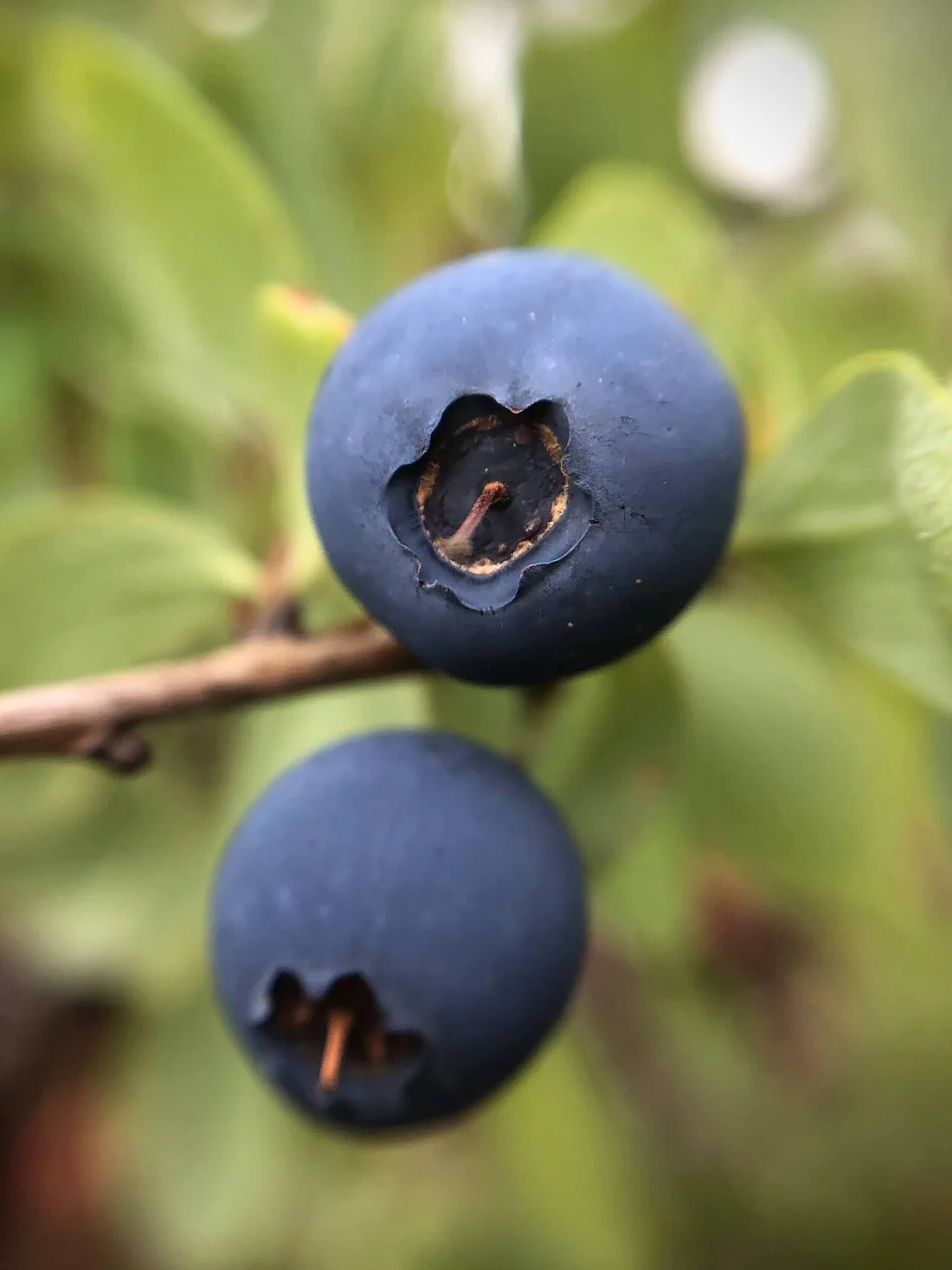
Vaccinium uliginosum
Native flowers and blue berries add seasonal interest to a cold-climate garden.
Instead of bearberry cotoneaster
Meet this plantPhoto: Wkee4ager · CC BY-SA 4.0
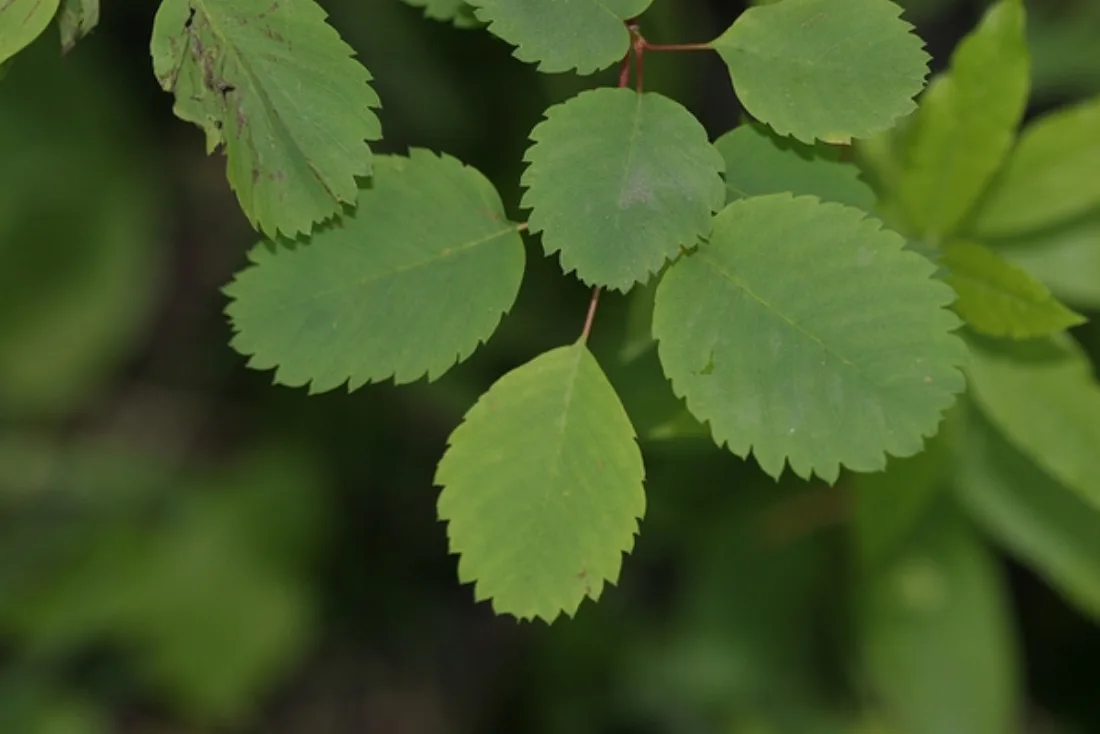
Amelanchier alnifolia
Spring flowers feed pollinators, followed by berries for birds and mammals.
Instead of heavenly bamboo
Meet this plantPhoto: Andrey Zhakikh · CC BY 2.0
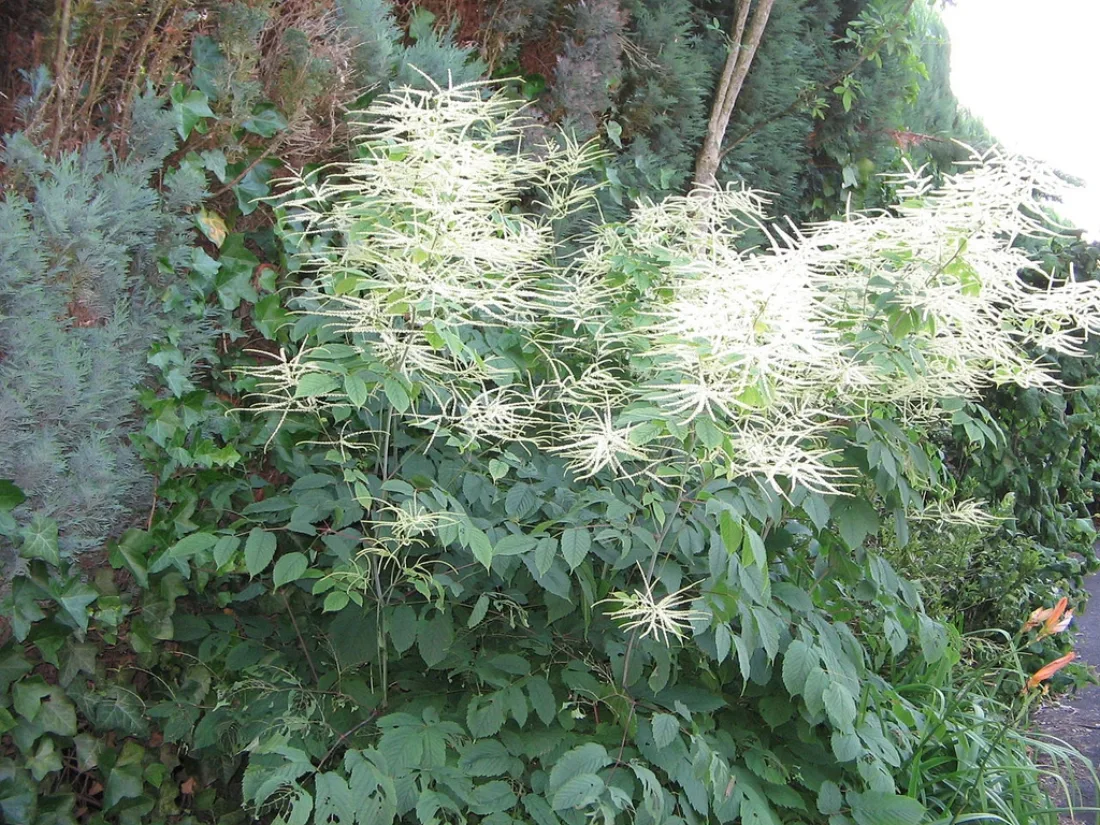
Aruncus dioicus
Native flower plumes attract pollinators, and the foliage feeds dusky azure caterpillars.
Instead of japanese spirea
Meet this plantPhoto: Meneekre bloem · CC BY-SA 4.0
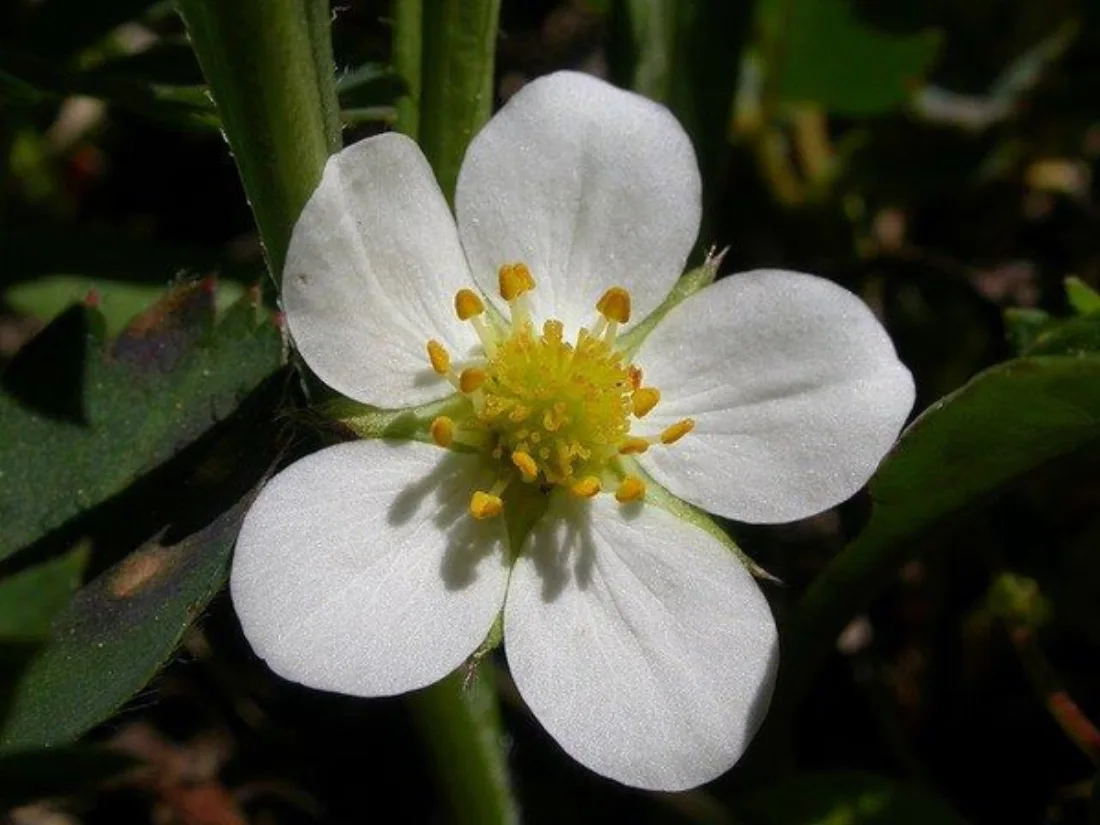
Fragaria virginiana
Native spring flowers feed pollinators, including specialist bees.
Instead of bugleweed
Meet this plantPhoto: Matt Lavin · CC-BY-SA 2.0
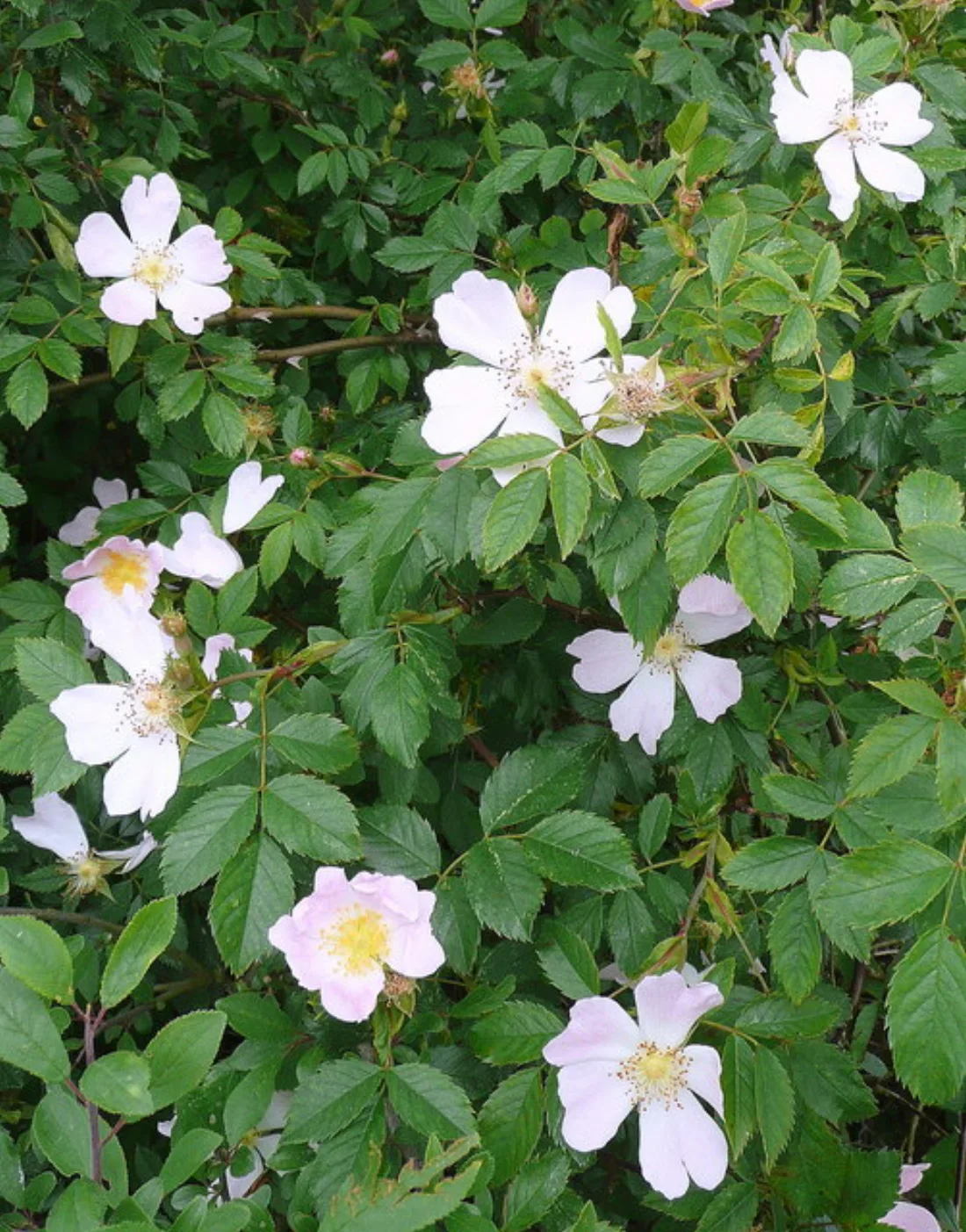
Rosa acicularis
Native pink flowers and red hips bring seasonal interest to a cold-climate hedge.
Instead of rugosa rose
Meet this plantPhoto: Jonathan Billinger · CC BY-SA 2.0
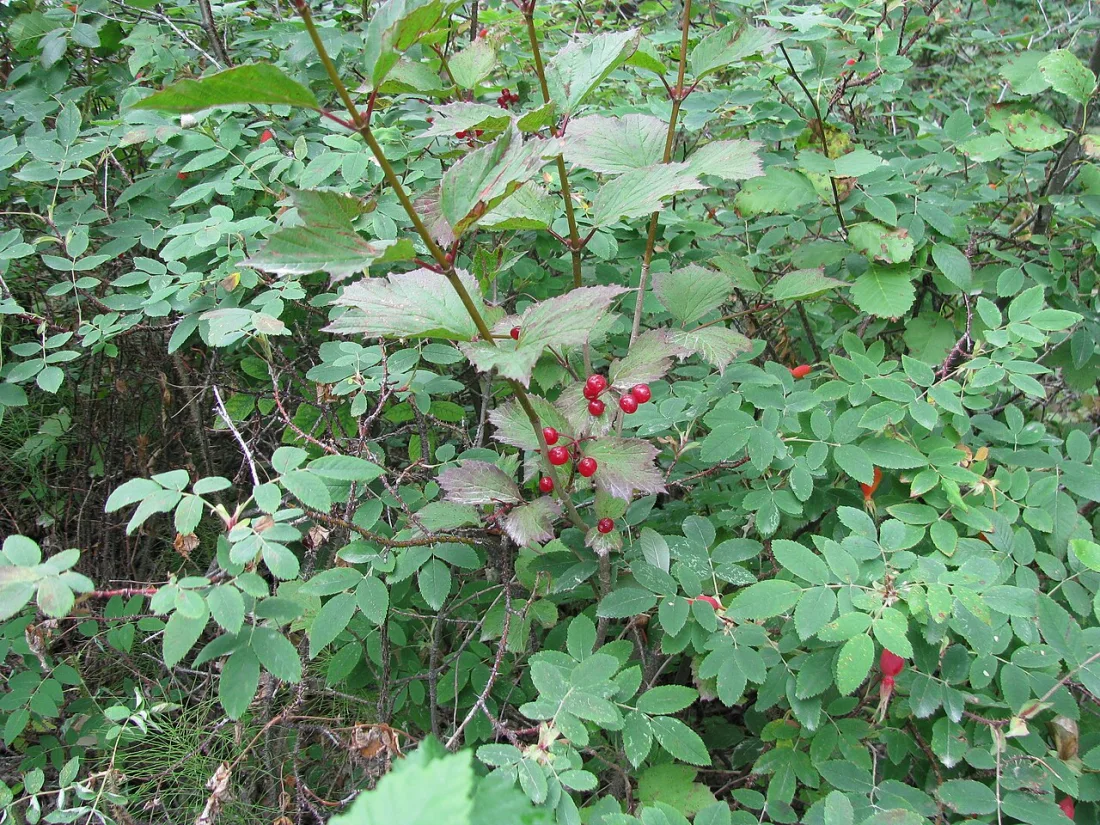
Viburnum edule
Native flowers and red fruit bring seasonal interest to a cool woodland garden.
Instead of heavenly bamboo
Meet this plantPhoto: Arthur Chapman · CC BY 2.0
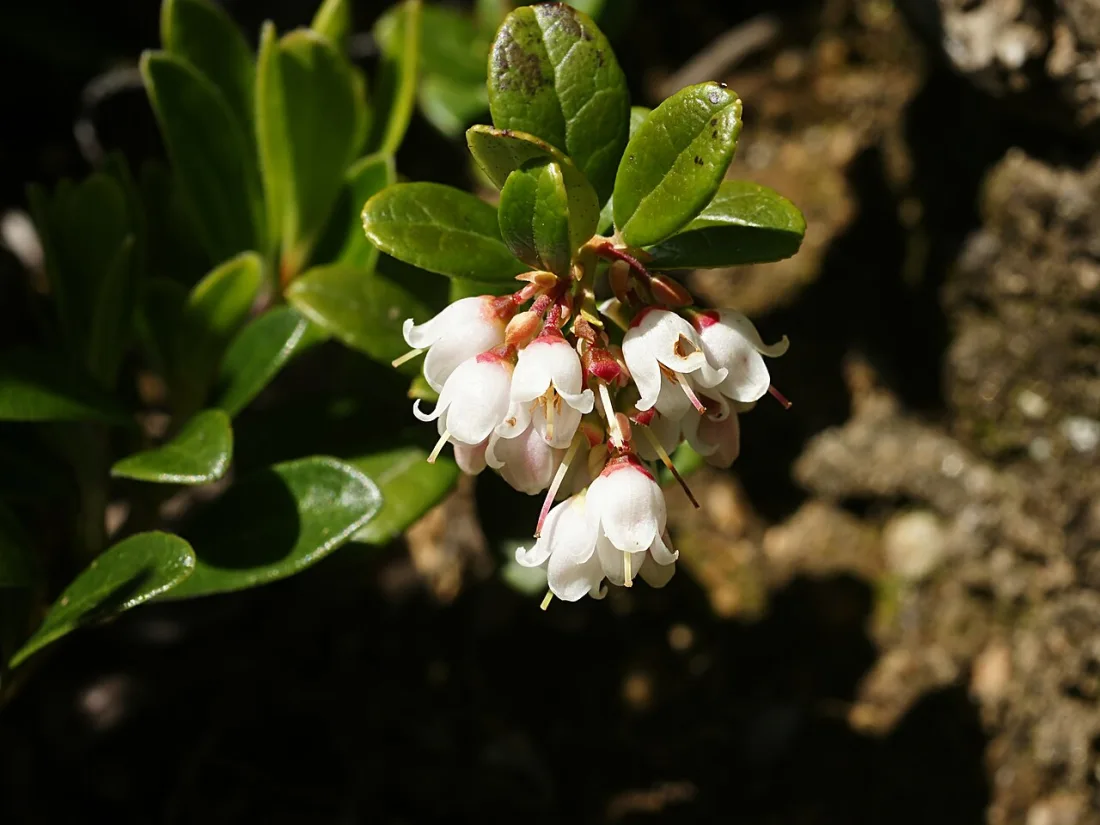
Vaccinium vitis-idaea
Native evergreen leaves and red berries add interest to a cool-climate groundcover.
Instead of bearberry cotoneaster
Meet this plantPhoto: Hans Hillewaert · CC BY-SA 3.0
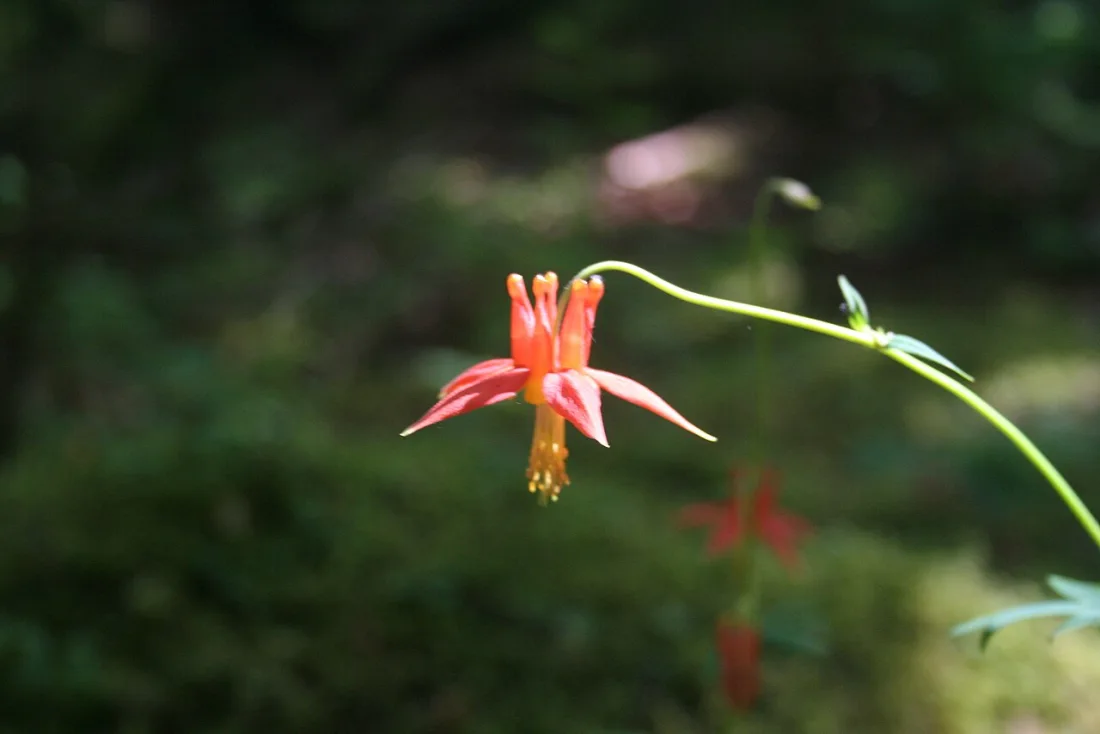
Aquilegia formosa
Native red-and-yellow flowers feed hummingbirds, bees, and butterflies.
Instead of asian bleeding heart
Meet this plantPhoto: MyCatIsAChonk · CC BY-SA 4.0
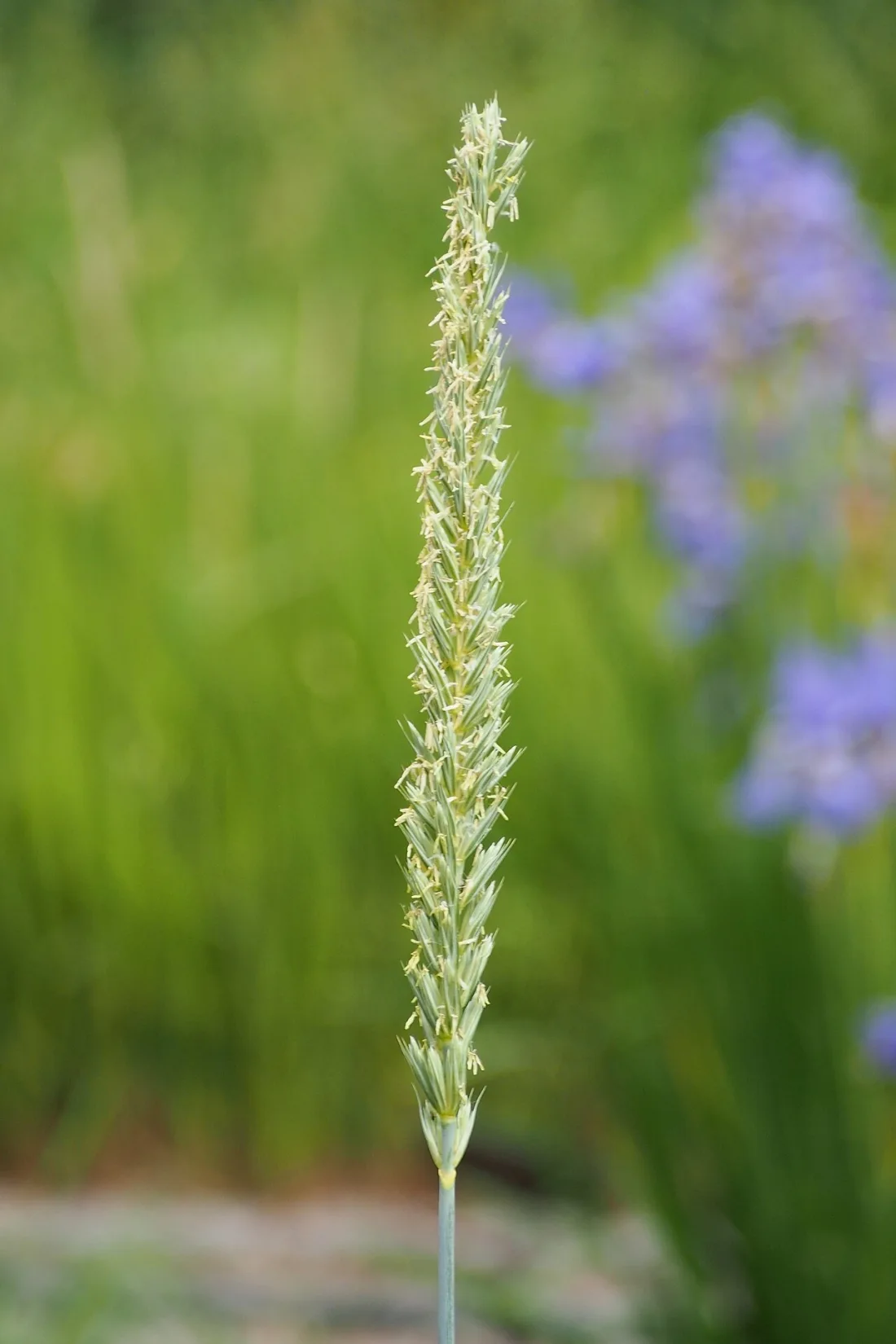
Elymus glaucus
Native bunches provide habitat for birds and mammals and help stabilize disturbed ground.
Instead of maiden grass
Meet this plantPhoto: Agnieszka Kwiecień, Nova · CC BY-SA 4.0
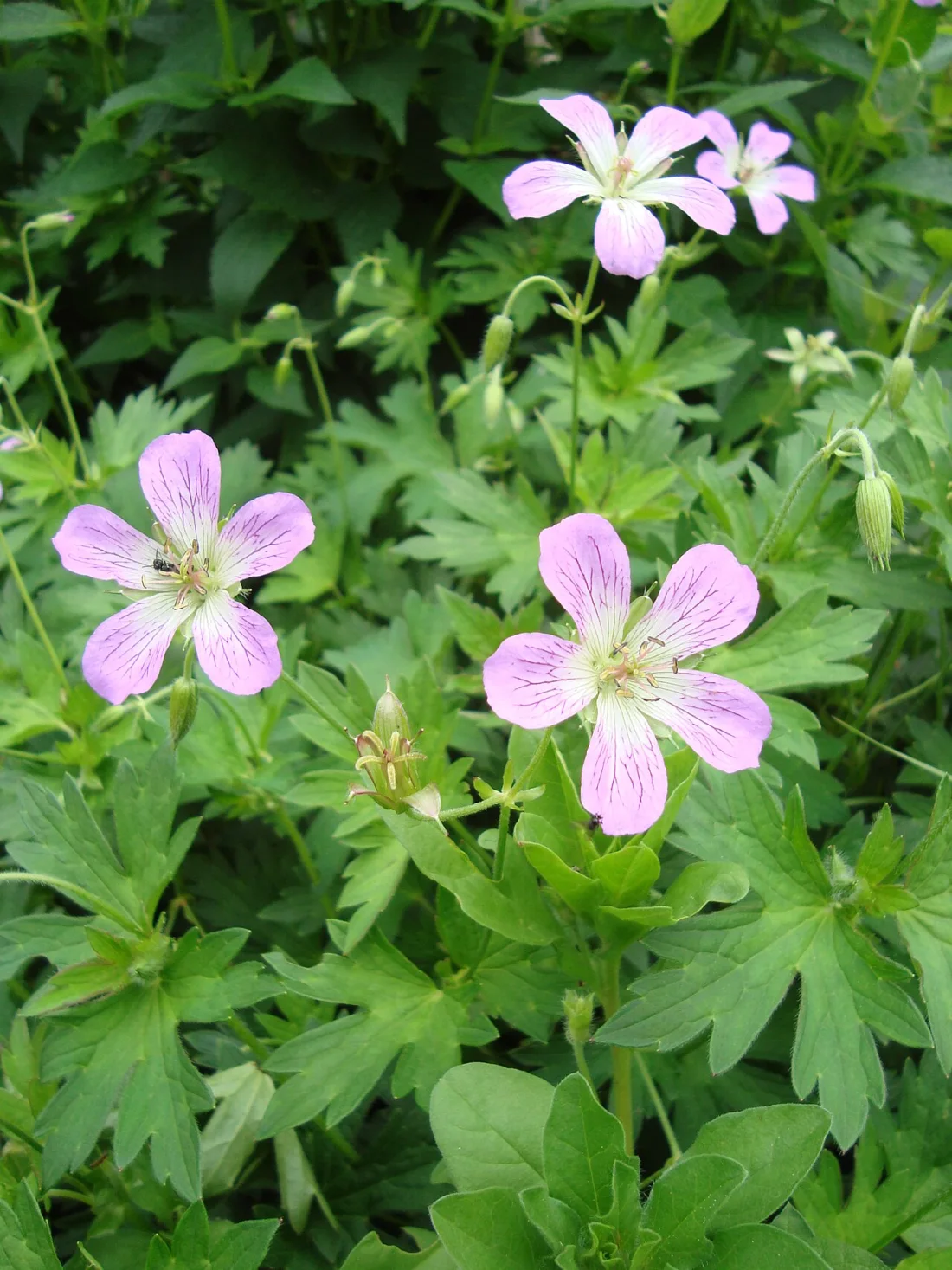
Geranium erianthum
Native blue-purple flowers add color to a moist border.
Instead of bloody cranesbill
Meet this plant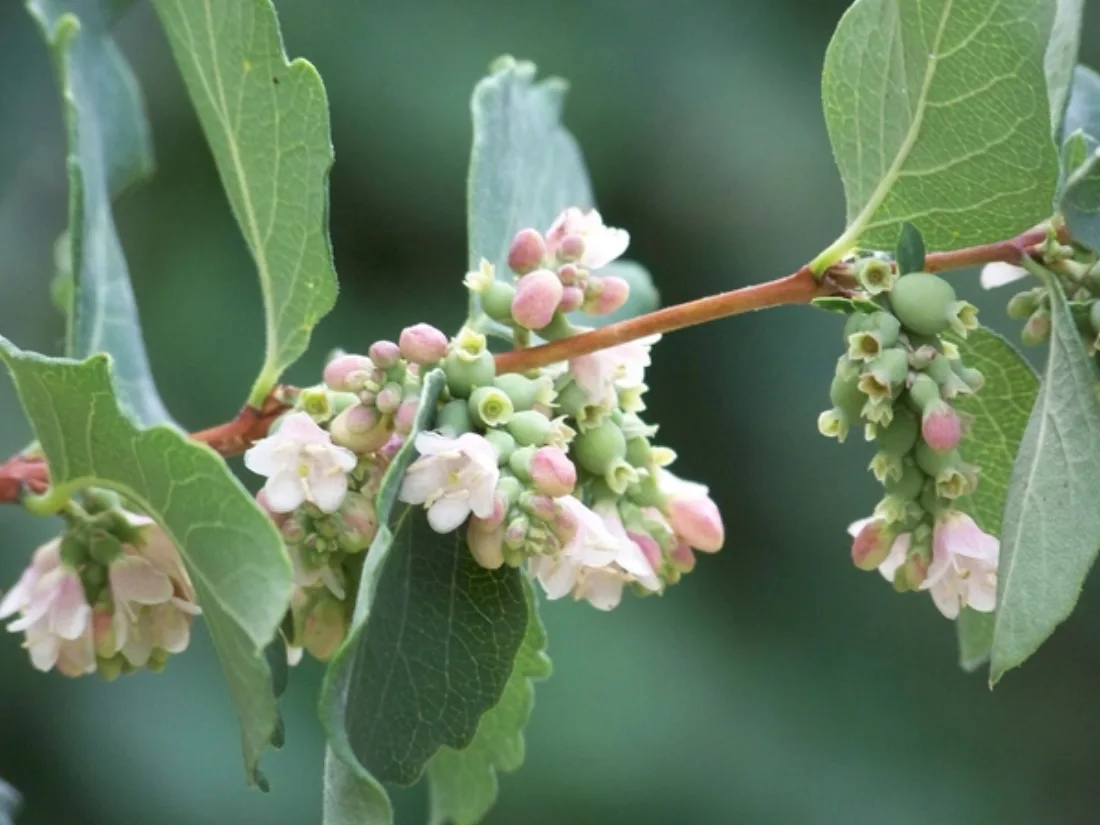
Symphoricarpos albus
Native foliage feeds snowberry clearwing caterpillars, and white berries provide food for wildlife.
Instead of heavenly bamboo
Meet this plantPhoto: Patrick Standish · CC BY 2.0
Less than 2 hours of direct sun
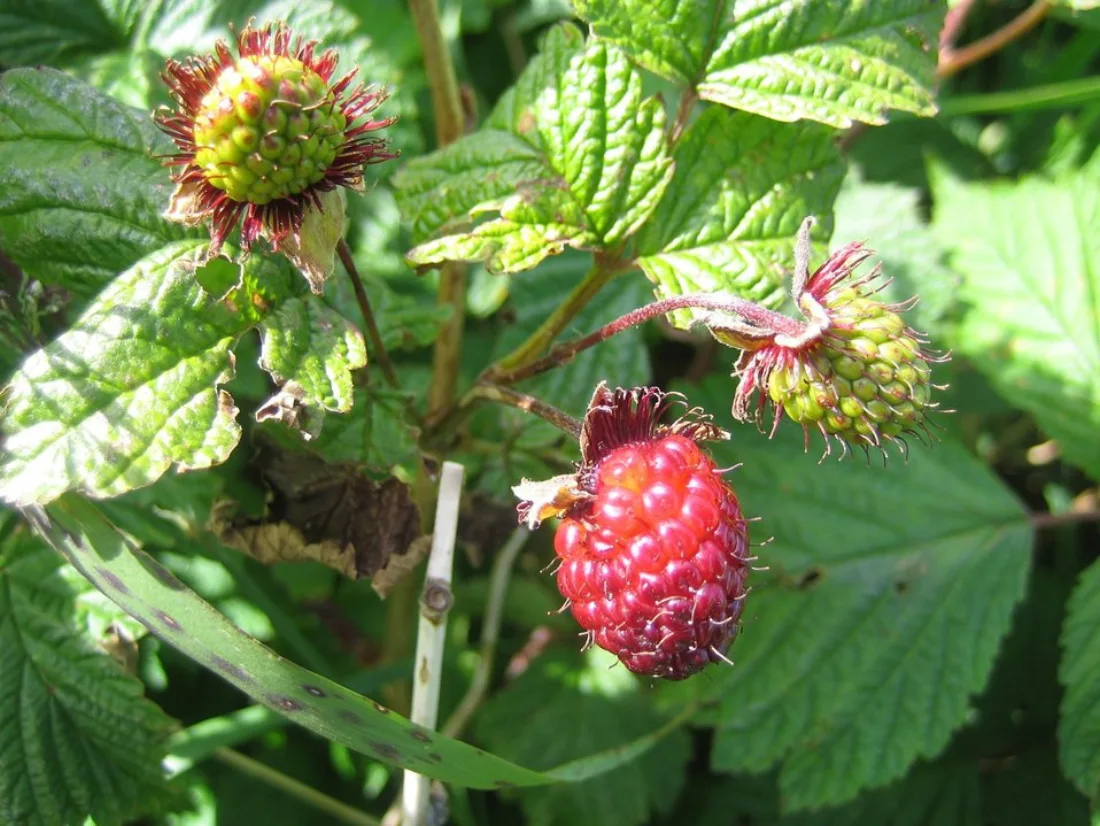
Rubus spectabilis
Native flowers feed pollinators, and berries and dense canes feed and shelter wildlife.
Instead of rugosa rose
Meet this plant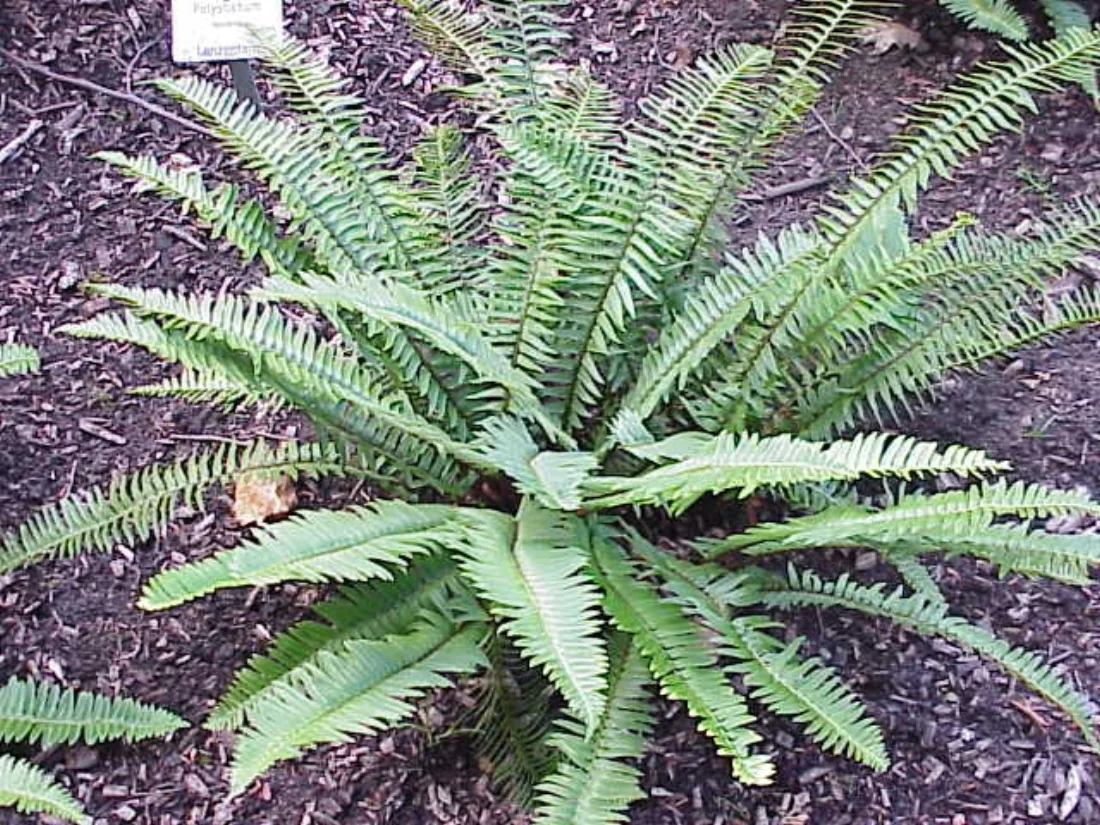
Polystichum munitum
Arching evergreen fronds give native wildlife shelter and nesting cover beneath trees.
Instead of japanese holly fern
Meet this plantPhoto: Kurt Stüber · CC BY-SA 3.0
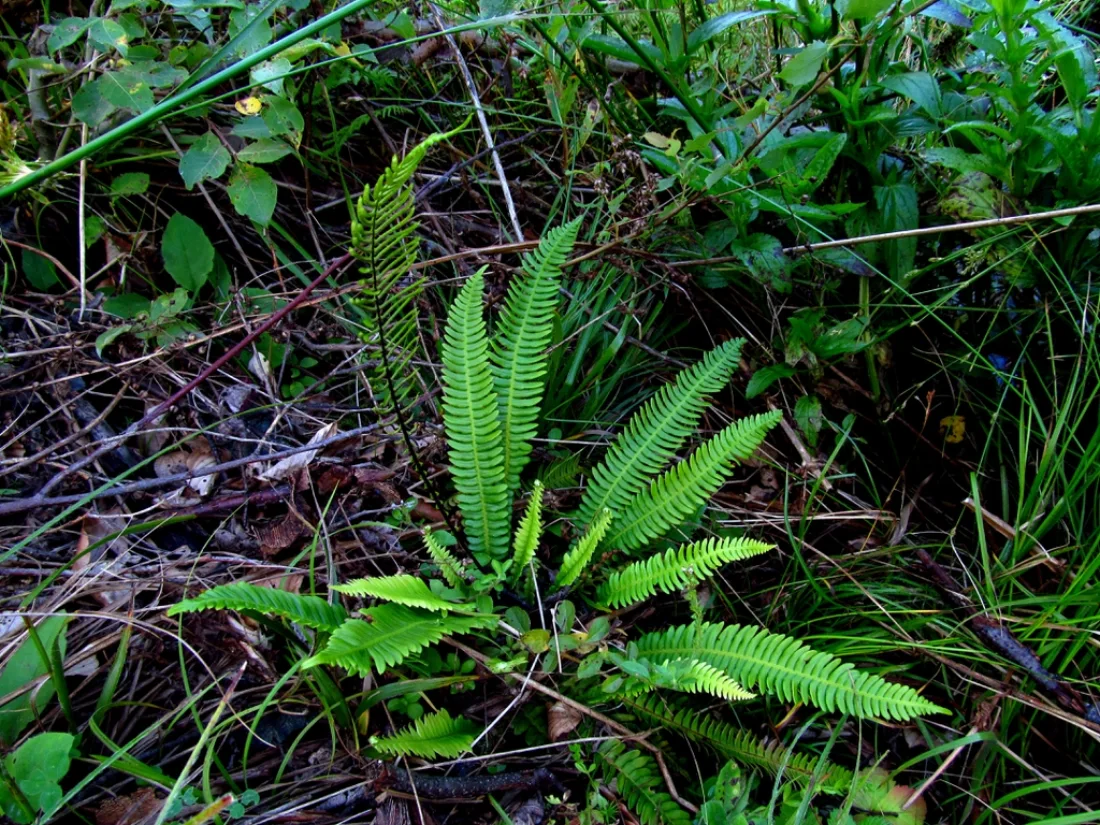
Blechnum spicant
Evergreen fronds bring a layer of native woodland cover to cool, shaded northwestern gardens.
Instead of japanese holly fern
Meet this plantPhoto: Sdjurovic · CC BY-SA 4.0
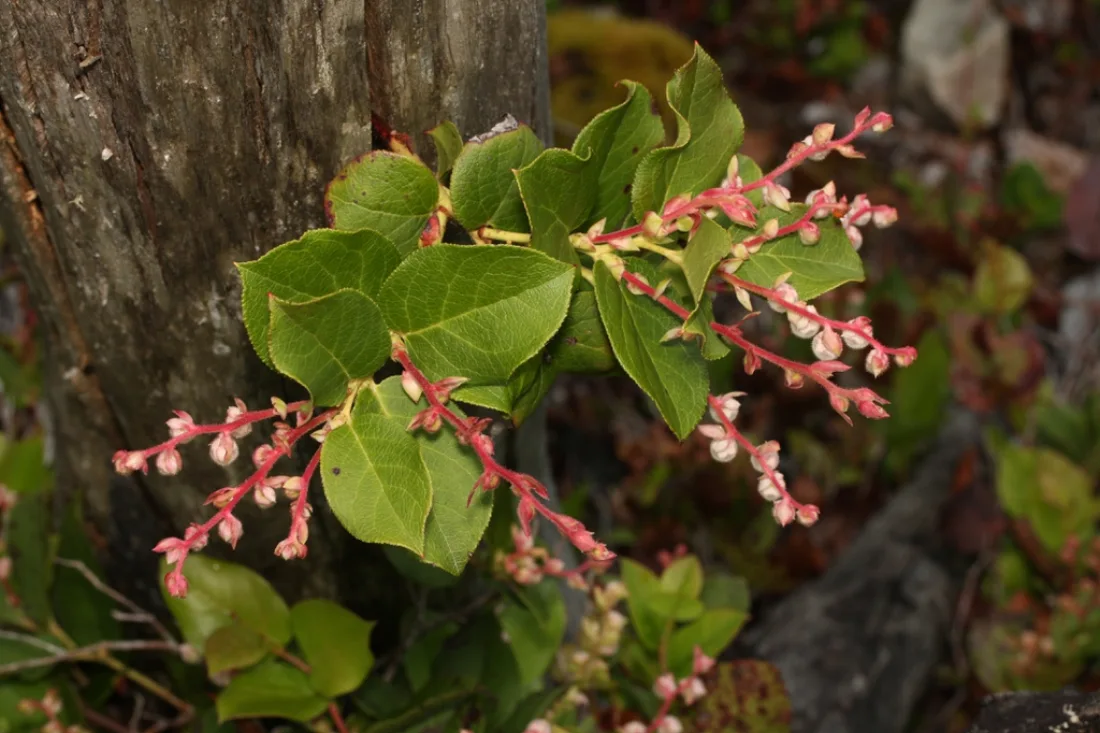
Gaultheria shallon
Native evergreen thickets shelter birds, and the dark berries feed birds and mammals.
Instead of heavenly bamboo
Meet this plantPhoto: Walter Siegmund · CC BY-SA 3.0
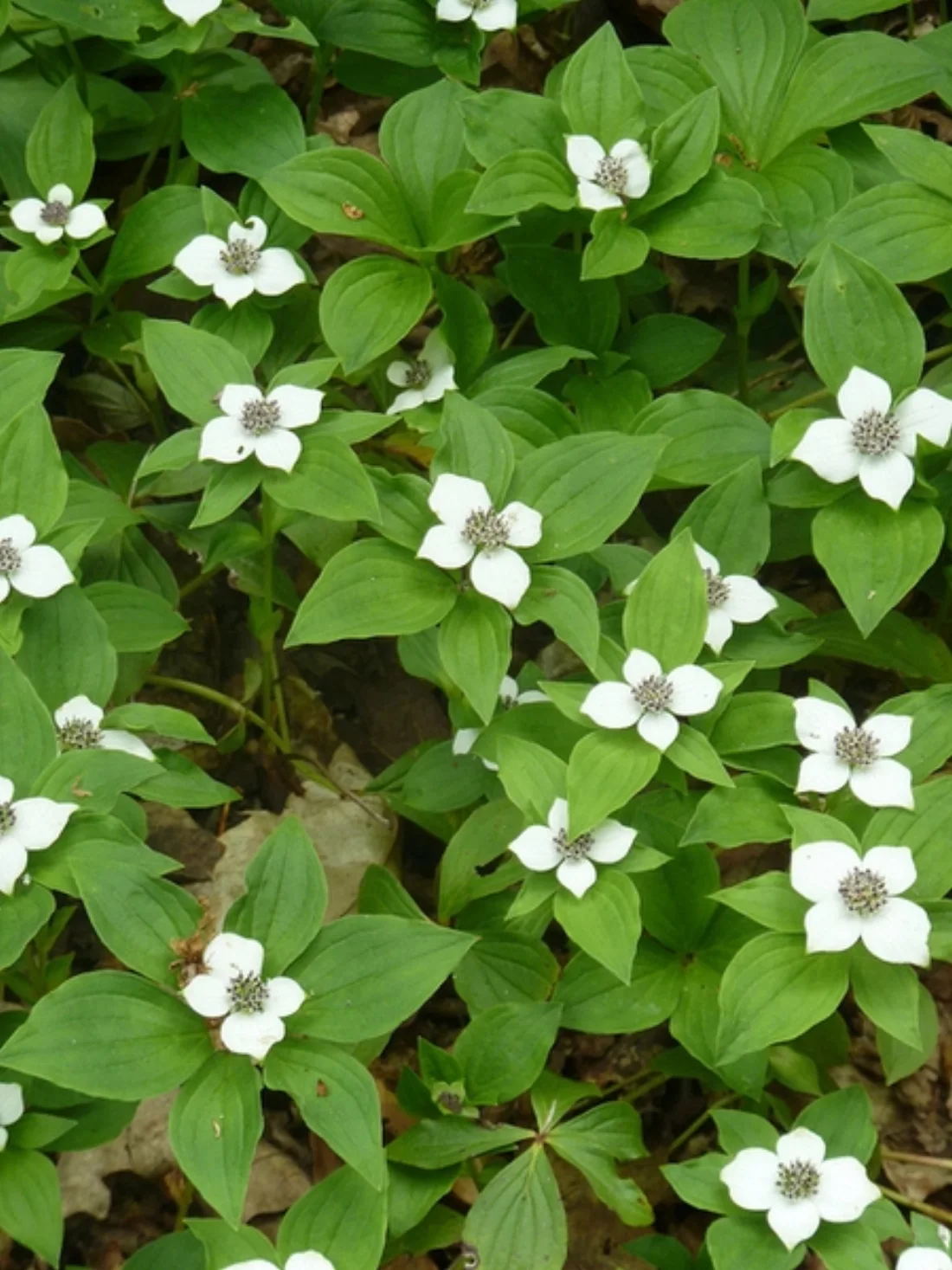
Cornus canadensis
Small native flowers feed pollinators, and red berries provide food for birds.
Instead of common periwinkle
Meet this plantPhoto: Peganum · CC-BY-SA 2.0
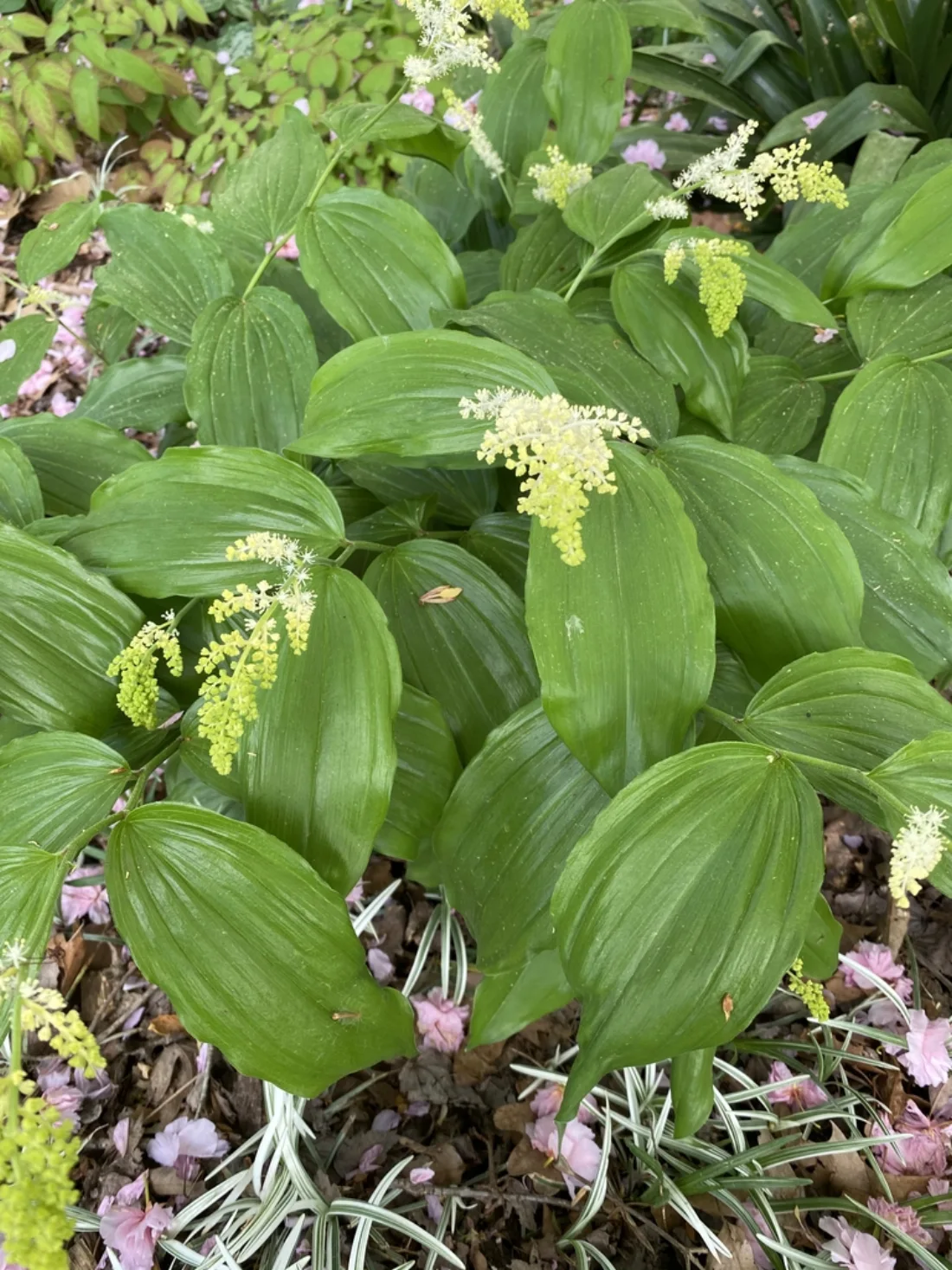
Maianthemum racemosum
Native spring flowers feed insects, followed by berries for birds and small mammals.
Instead of fragrant hosta
Meet this plantPhoto: Kathy Sill · CC BY 4.0
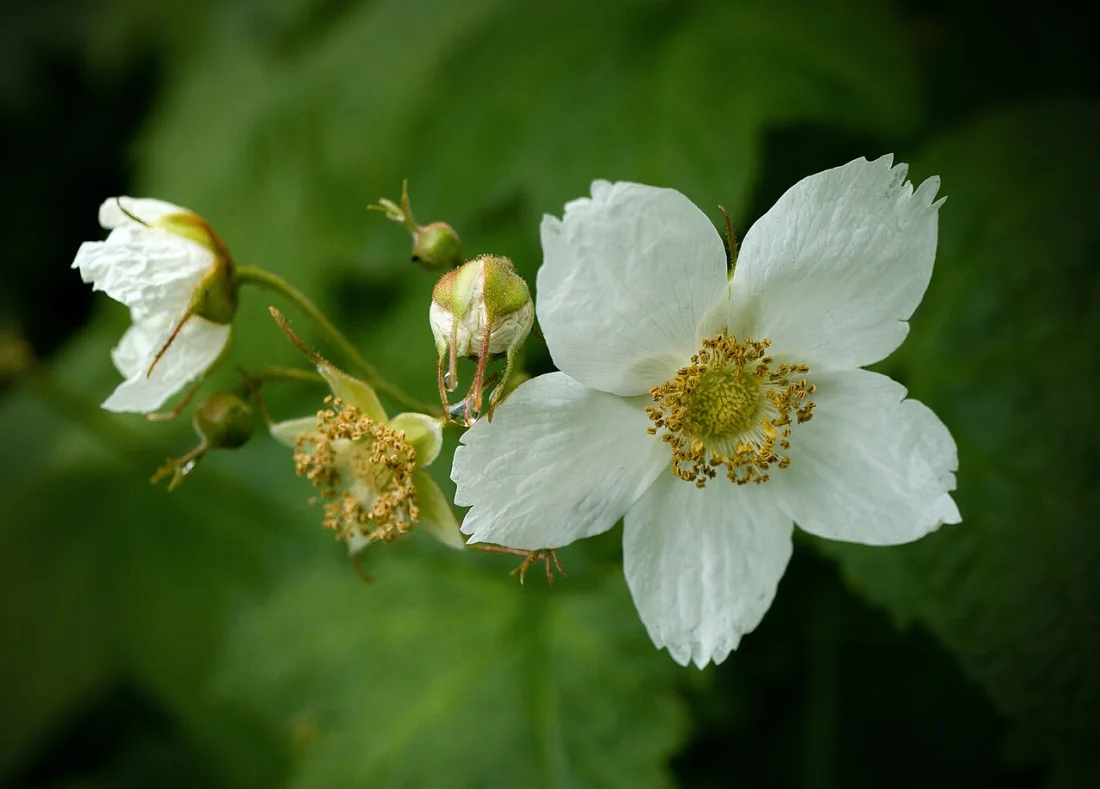
Rubus parviflorus
Native flowers and raspberry-like fruit add interest without thorny canes.
Instead of rugosa rose
Meet this plantPhoto: CAJC: in the PNW · CC BY-SA 2.0
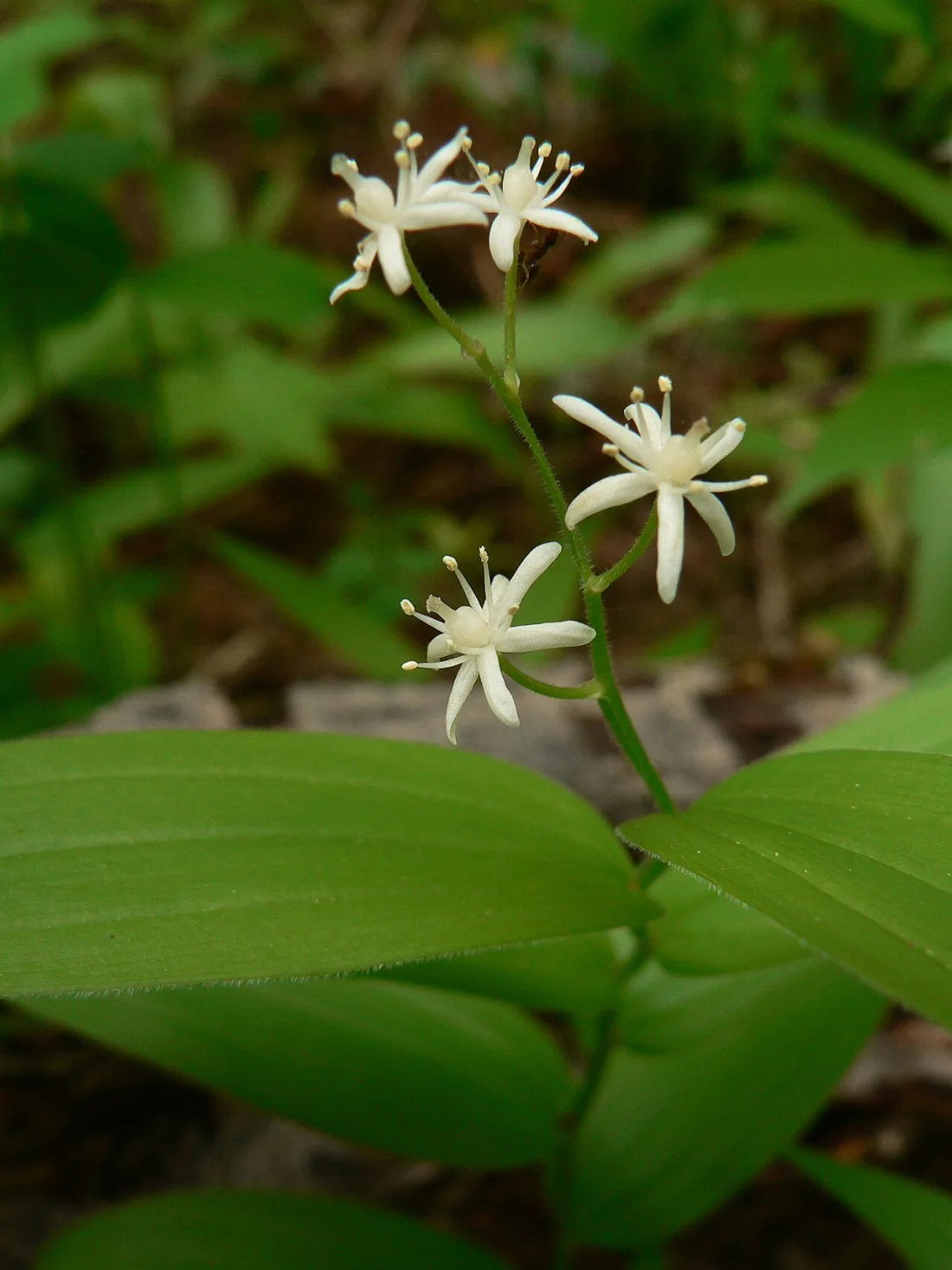
Maianthemum stellatum
Native berries attract birds and small mammals after the spring flower display.
Instead of fragrant hosta
Meet this plantPhoto: Walter Siegmund (talk) · CC BY 2.5
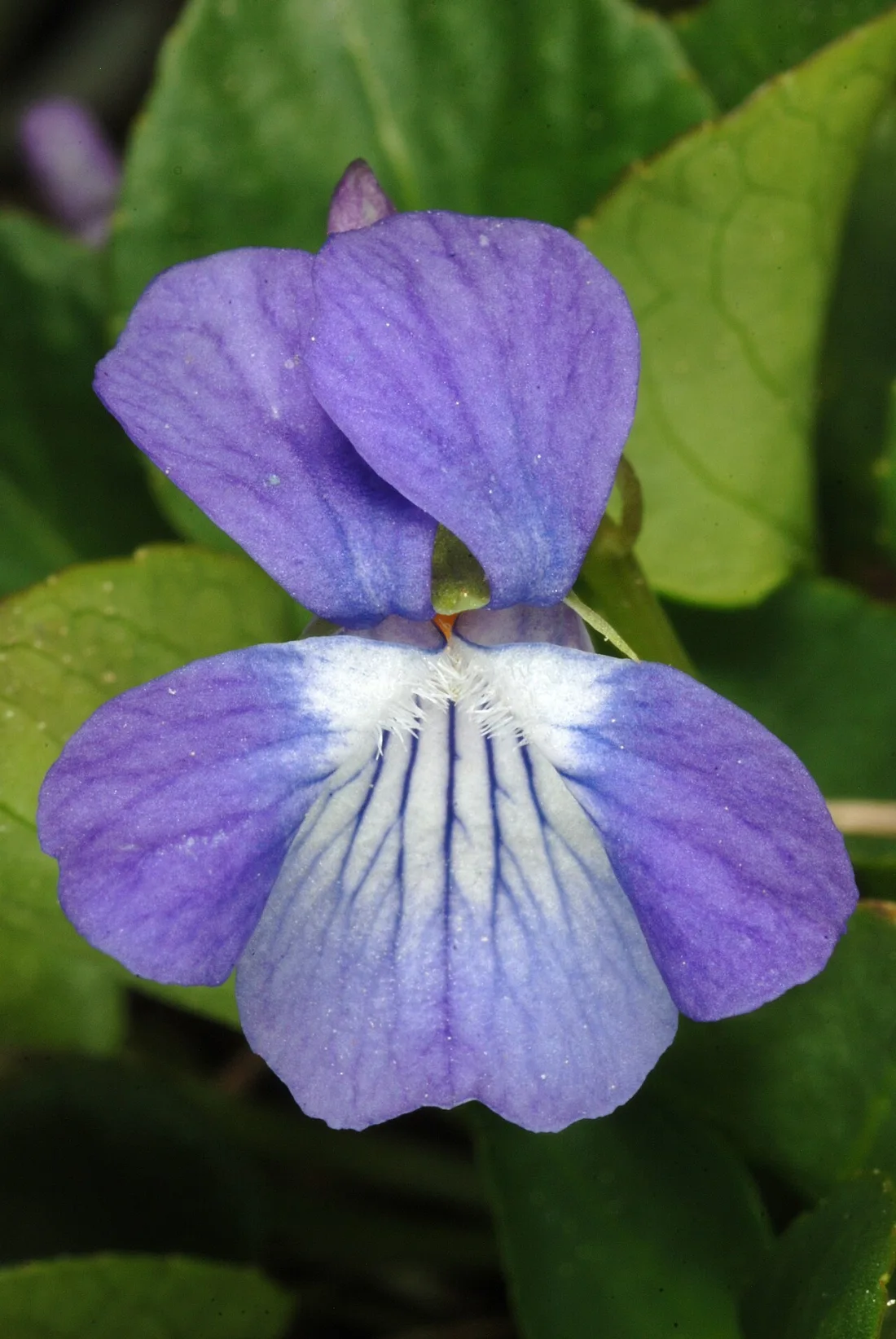
Viola adunca
Native leaves feed fritillary caterpillars, and flowers feed bumblebees and butterflies.
Instead of bugleweed
Meet this plantPhoto: DouglasGoldman · CC BY-SA 4.0
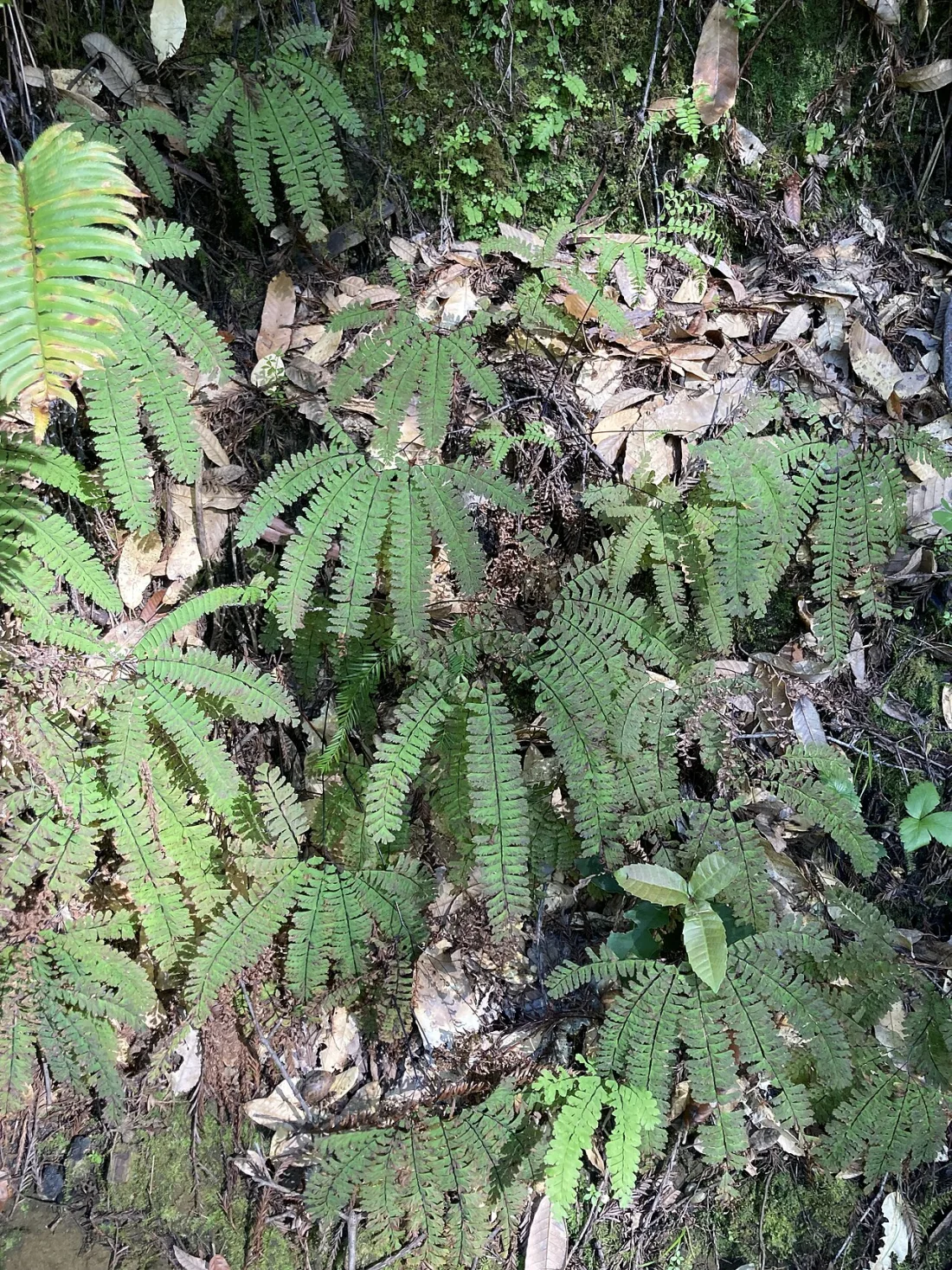
Adiantum aleuticum
Native fan-shaped fronds add fine texture to a shaded woodland garden.
Instead of japanese painted fern
Meet this plantPhoto: Awinch1001 · CC0
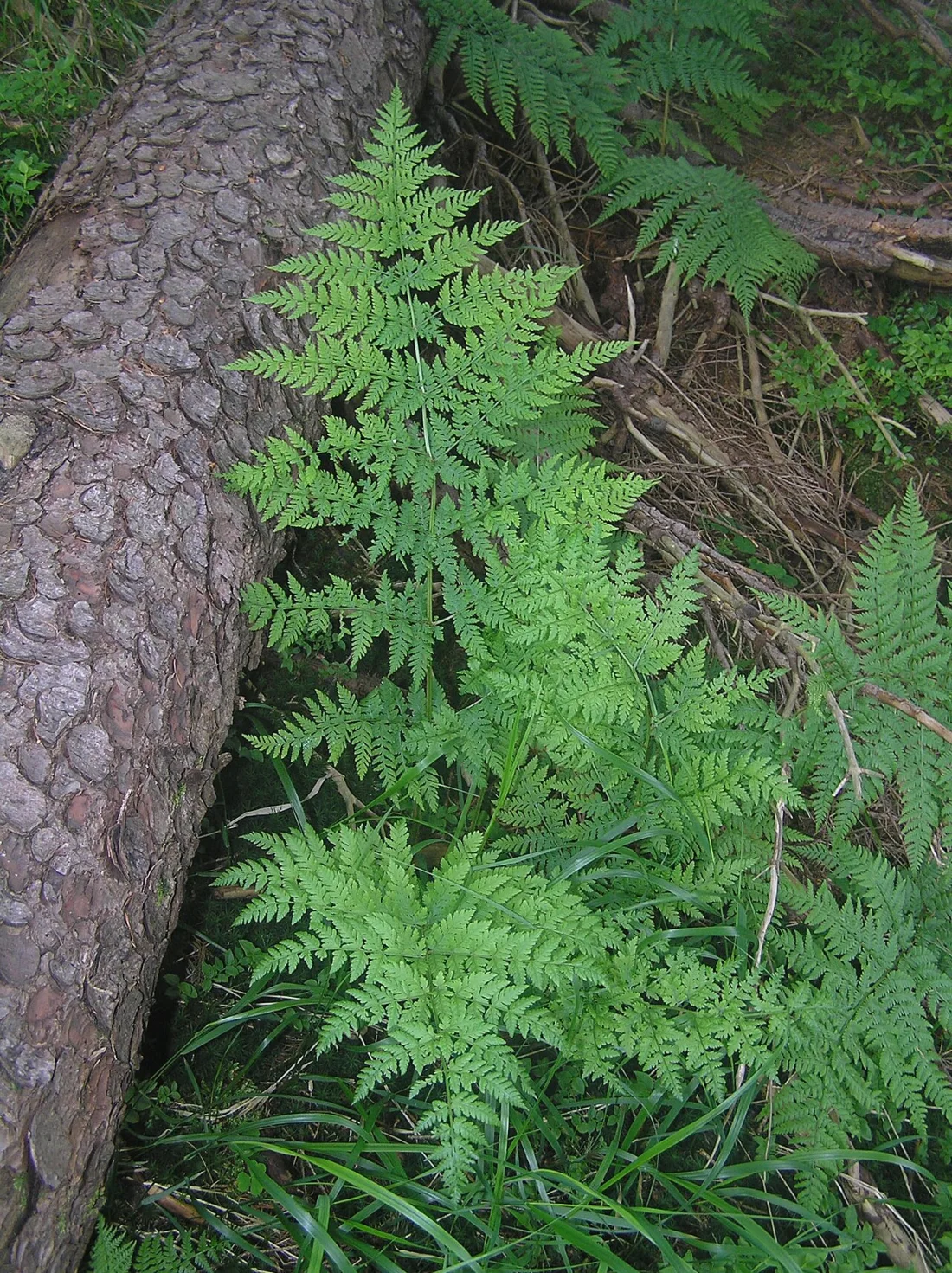
Dryopteris expansa
Native fern clumps add dense, finely divided foliage in cool, moist shade.
Instead of japanese holly fern
Meet this plantPhoto: Petr Filippov · CC BY 3.0
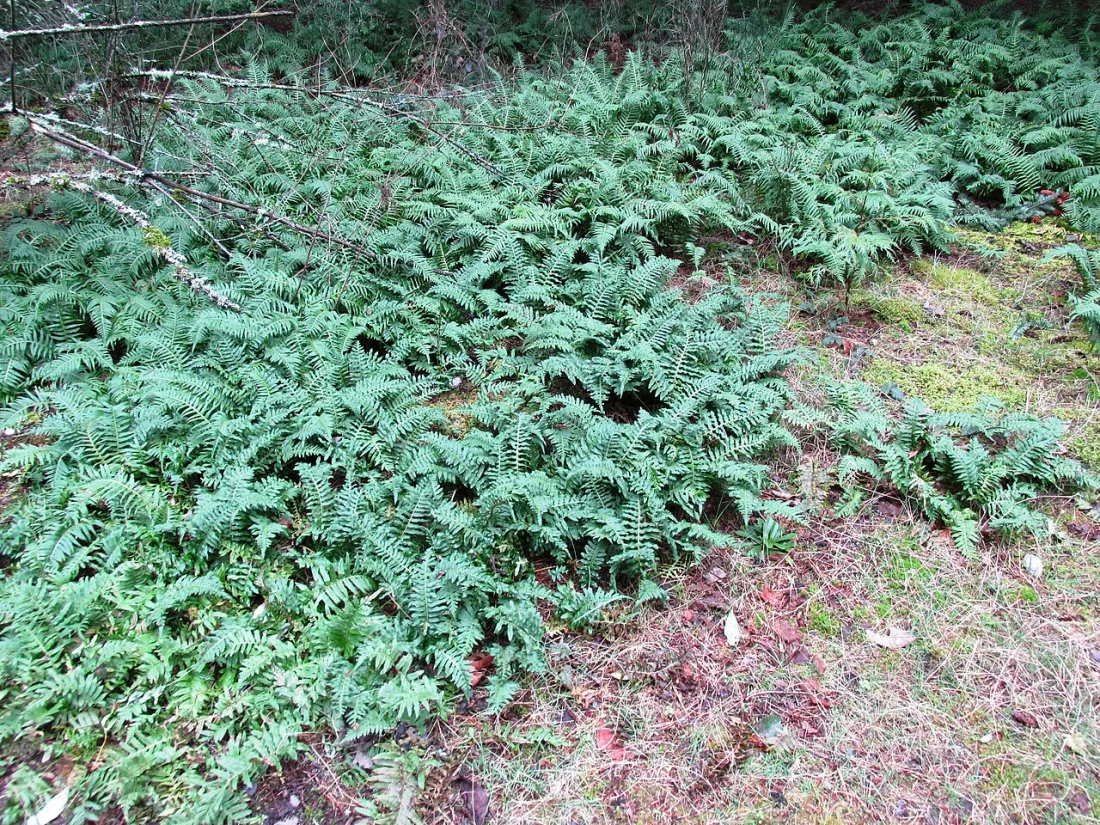
Polypodium glycyrrhiza
Native fronds green up a shaded garden during the cooler, wetter part of the year.
Instead of japanese painted fern
Meet this plantUse your garden’s sunlight, soil moisture, and available space to narrow the list.
Compare all Alaska swaps