Tall late-season pollinator flowers
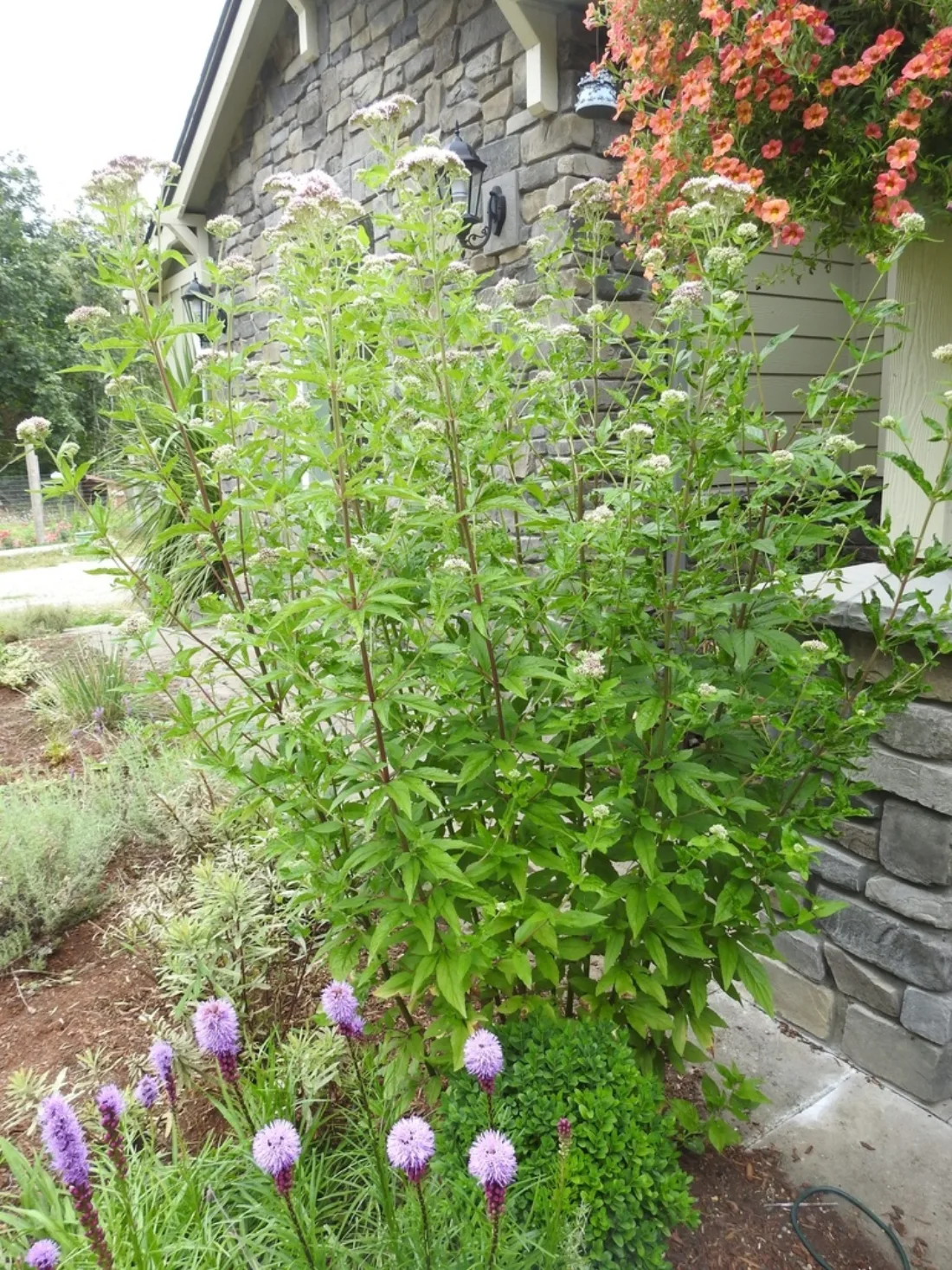
Spotted Joe-Pye weed
Eutrochium maculatum
Native flower clusters supply late-season nectar for bees and butterflies.
Instead of butterfly bush
Meet this plantPhoto: Kathleen Moore · CC BY 4.0
A GARDEN THAT BELONGS HERE
Familiar garden favorites, with native roots.
Find your first swap for sun, shade, and the soil underfoot.
6+ hours of direct sun
Eutrochium maculatum
Native flower clusters supply late-season nectar for bees and butterflies.
Instead of butterfly bush
Meet this plantPhoto: Kathleen Moore · CC BY 4.0
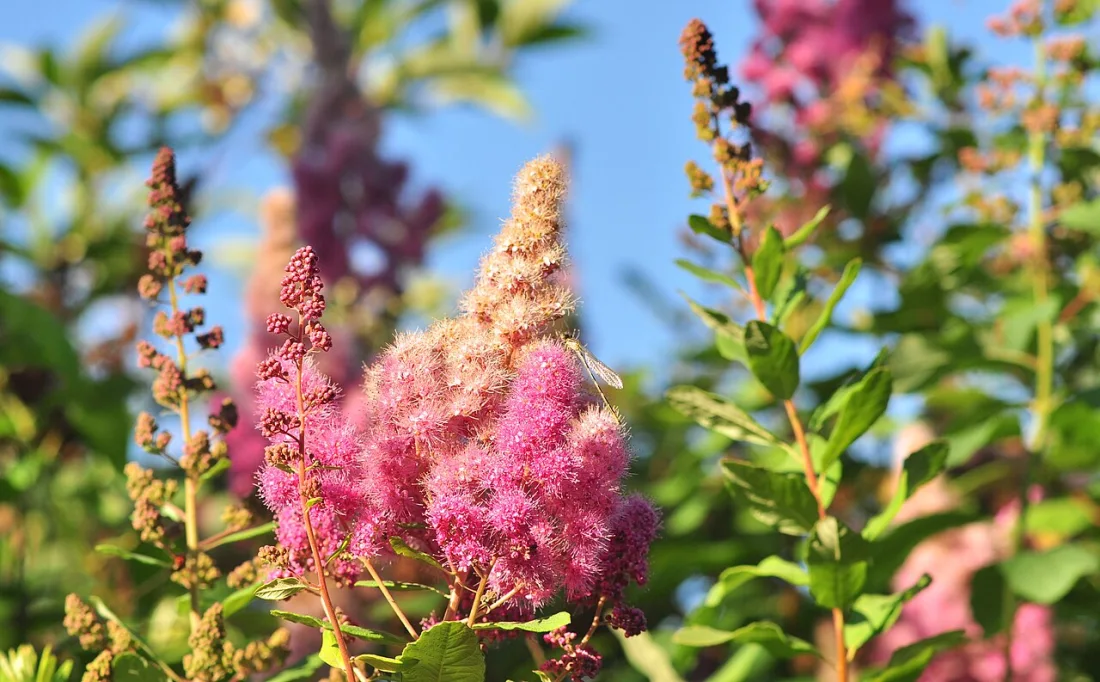
Spiraea douglasii
Dense native flower clusters bring summer color to a moist hedge or rain garden.
Instead of japanese spirea
Meet this plant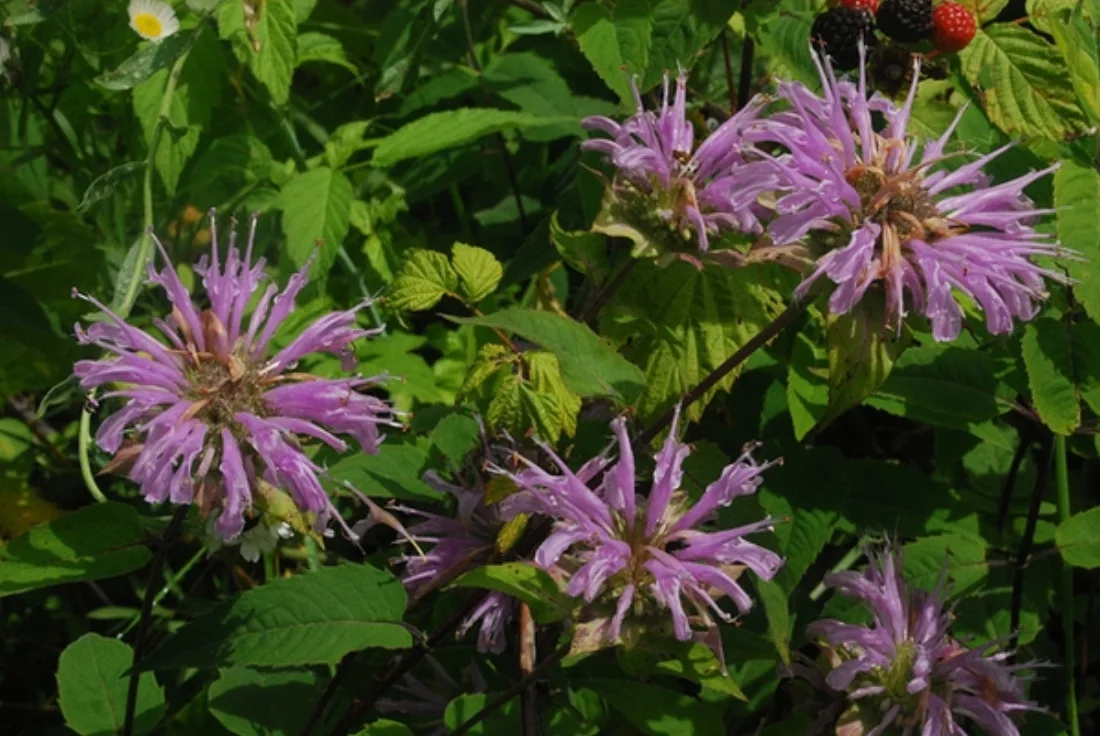
Monarda fistulosa
Its lavender blooms feed bees and hummingbirds, and hollow stems can shelter nesting bees.
Instead of garden mum
Meet this plantPhoto: Joshua Mayer · CC-BY-SA 2.0
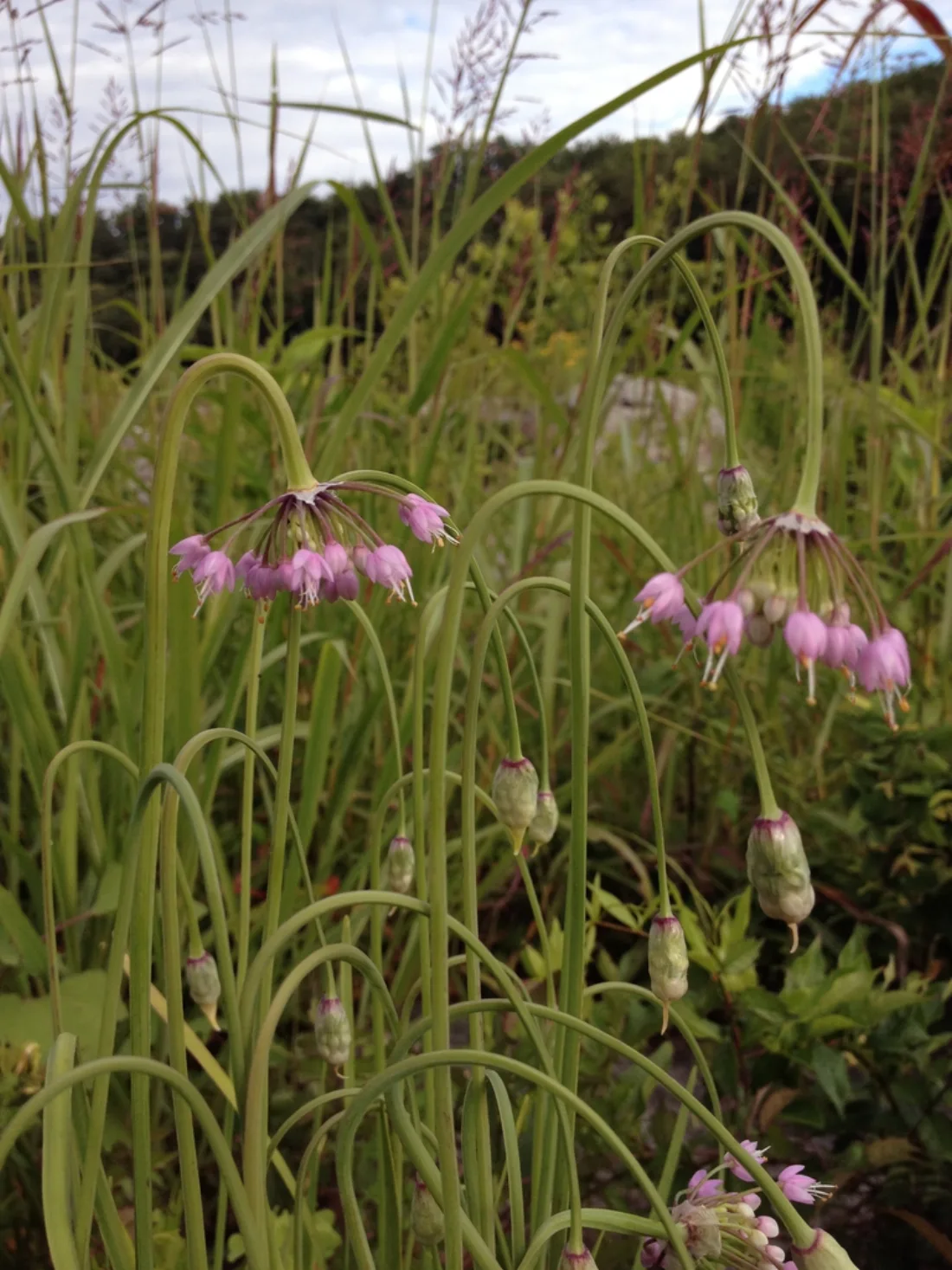
Allium cernuum
Nodding flower clusters feed bees and butterflies, with seeds for songbirds.
Instead of lilyturf
Meet this plantPhoto: Fritzflohrreynolds · CC BY-SA 3.0
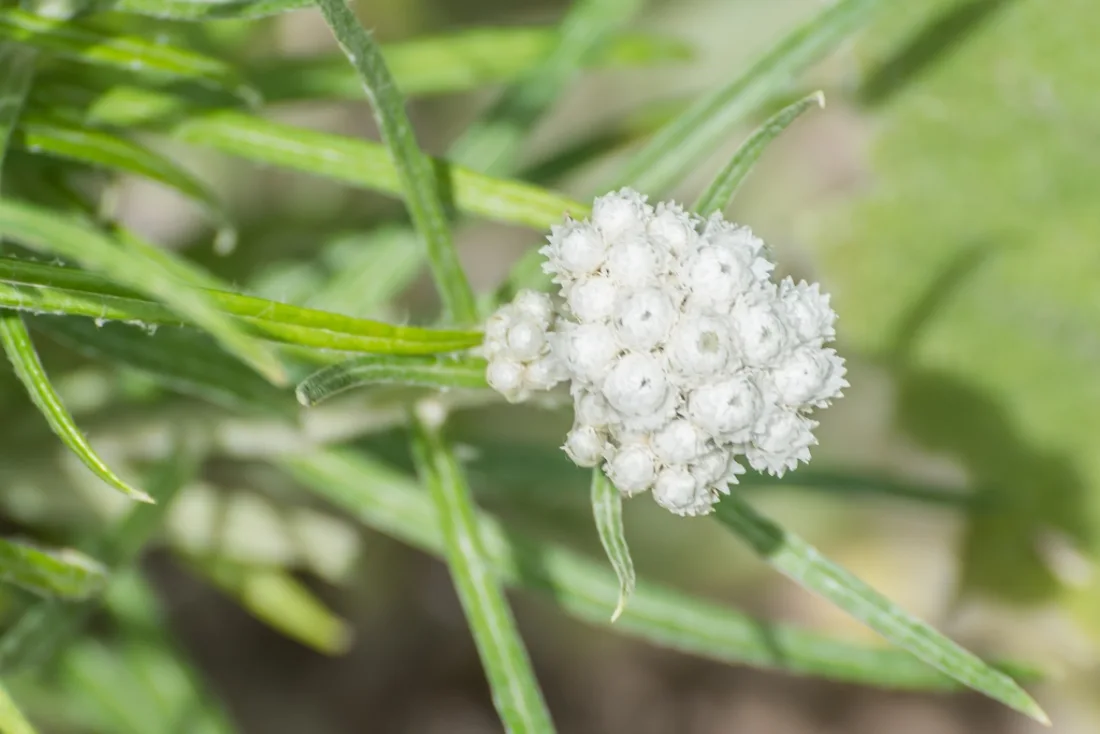
Anaphalis margaritacea
This native perennial feeds painted lady caterpillars as well as visiting pollinators.
Instead of garden mum
Meet this plantPhoto: Kryzystof Golik · CC BY-SA 4.0
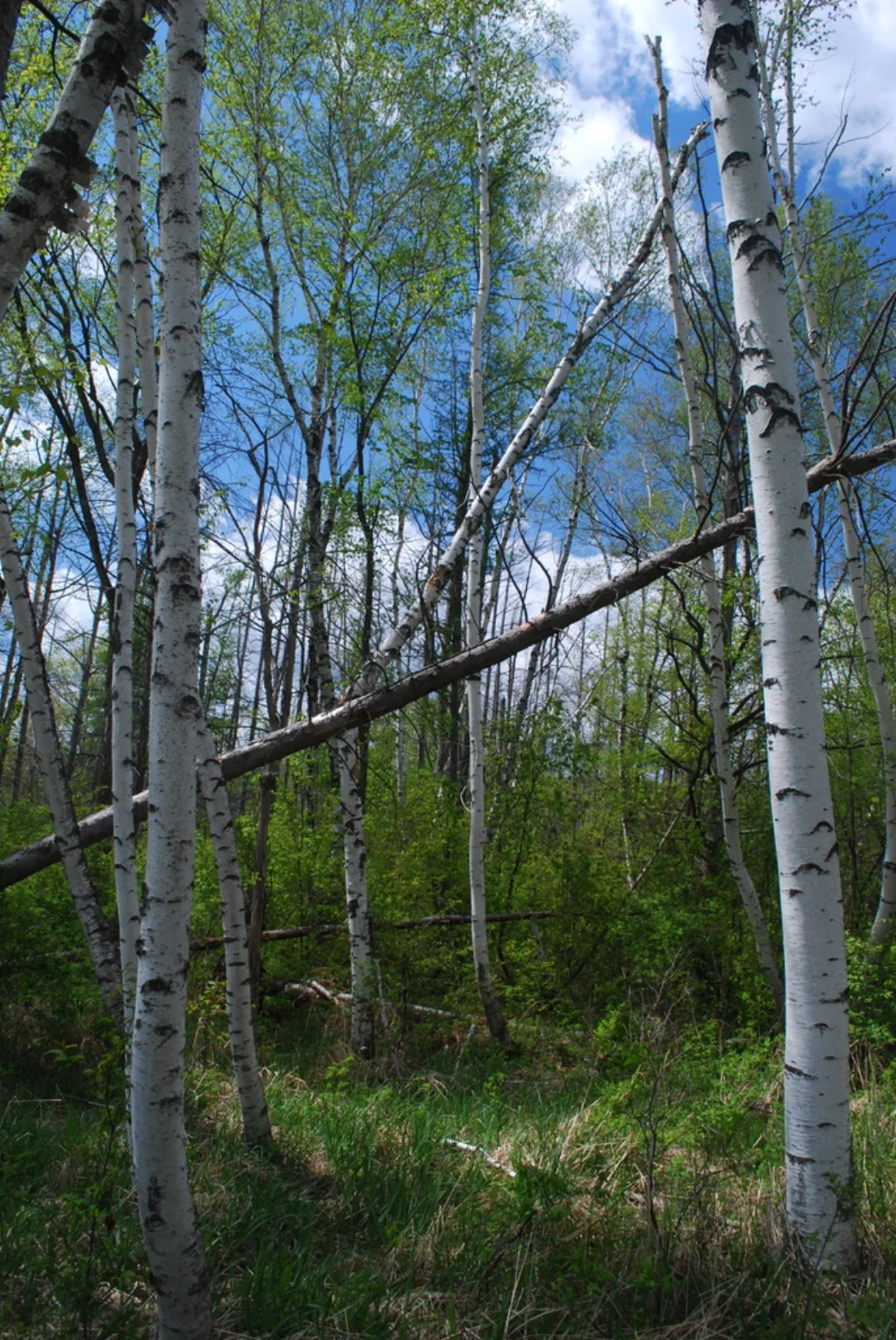
Betula papyrifera
Native birch leaves feed moth and butterfly caterpillars while the canopy adds light shade.
Instead of european white birch
Meet this plantPhoto: Joshua Mayer · CC-BY-SA 2.0
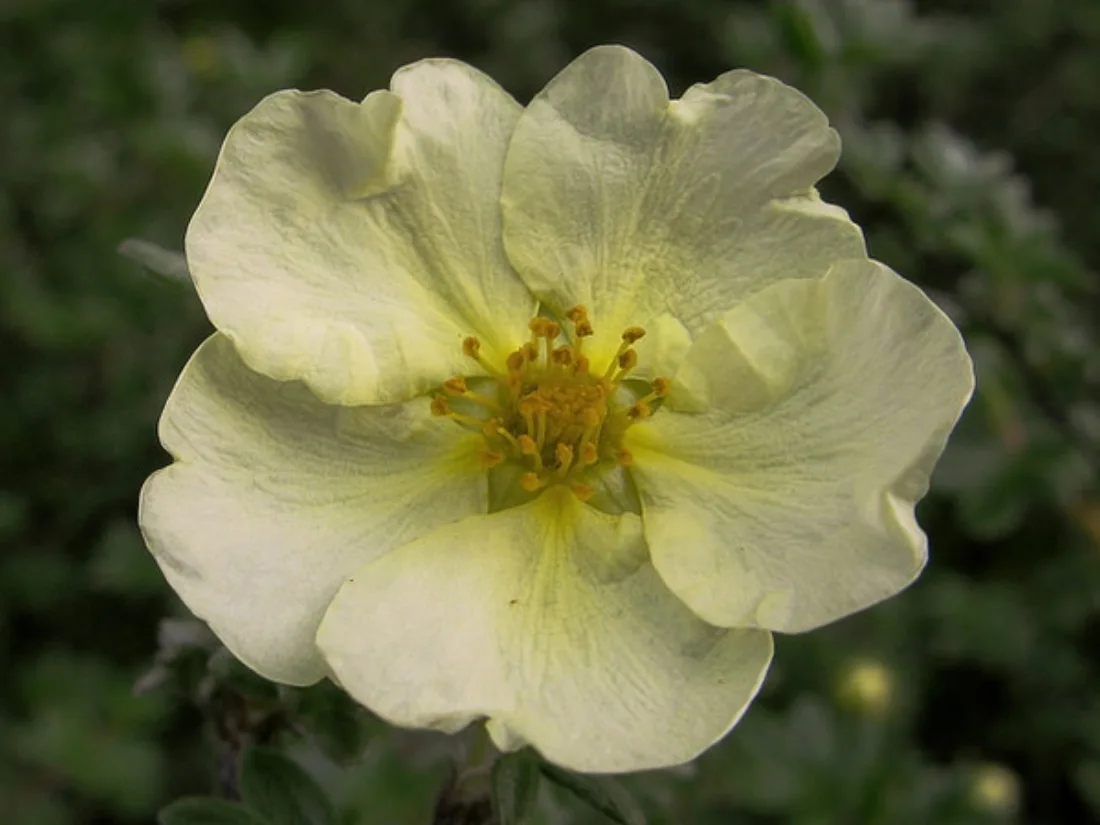
Dasiphora fruticosa
A long season of native flowers supports bumblebees, specialist bees, and butterflies.
Instead of japanese spirea
Meet this plantPhoto: jacinta lluch valero · CC-BY-SA 2.0
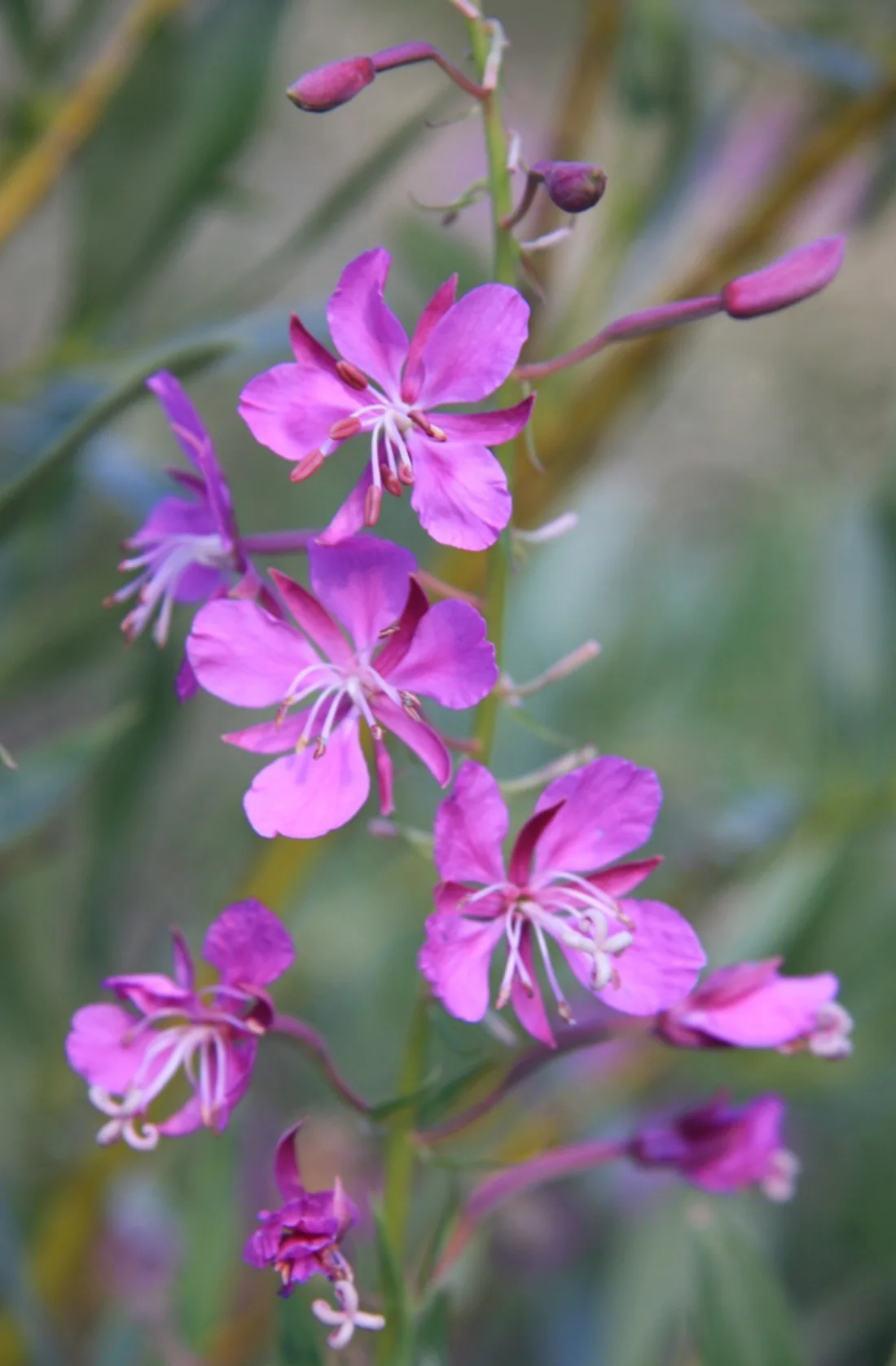
Epilobium angustifolium
Native flowers feed bees, and the foliage supports moth and butterfly caterpillars.
Instead of woodland sage
Meet this plant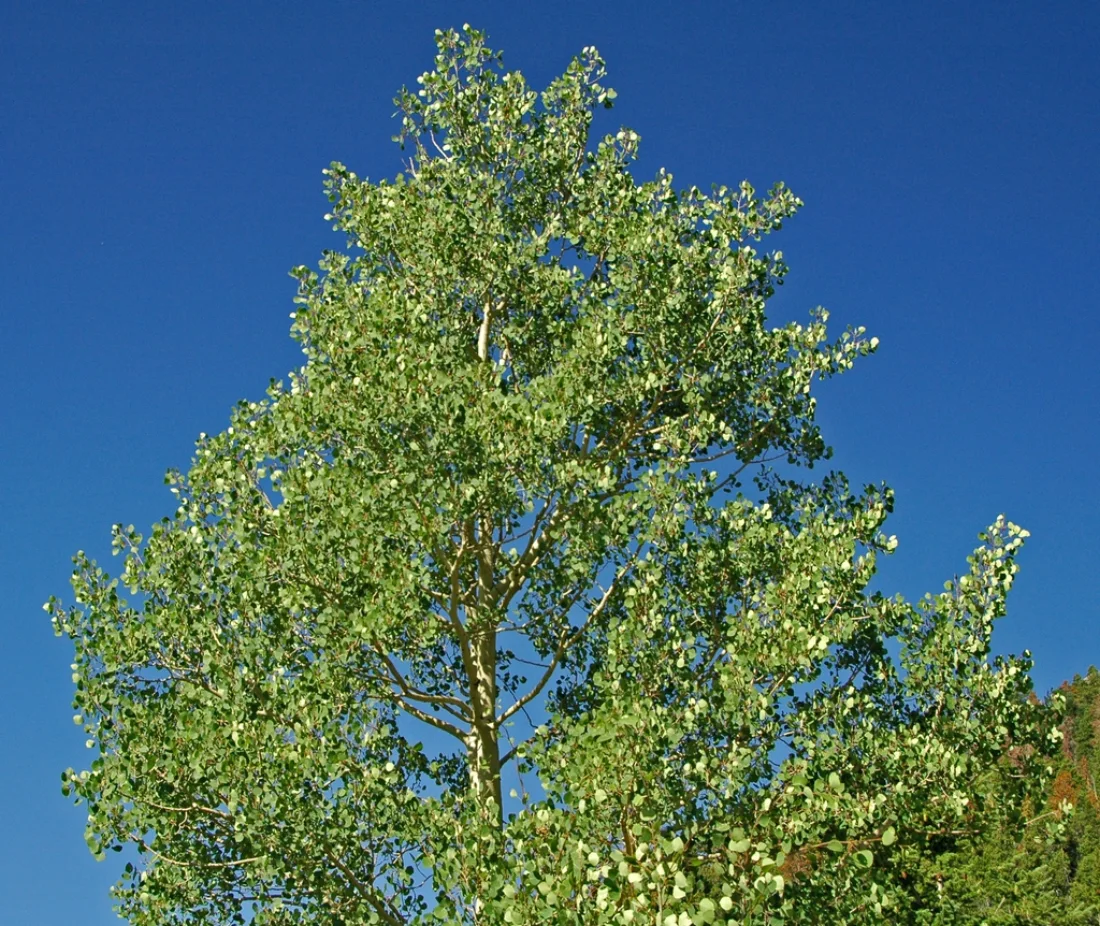
Populus tremuloides
This native tree adds wildlife cover and leaves that shimmer in the breeze.
Instead of european white birch
Meet this plantPhoto: James St. John · CC BY 2.0
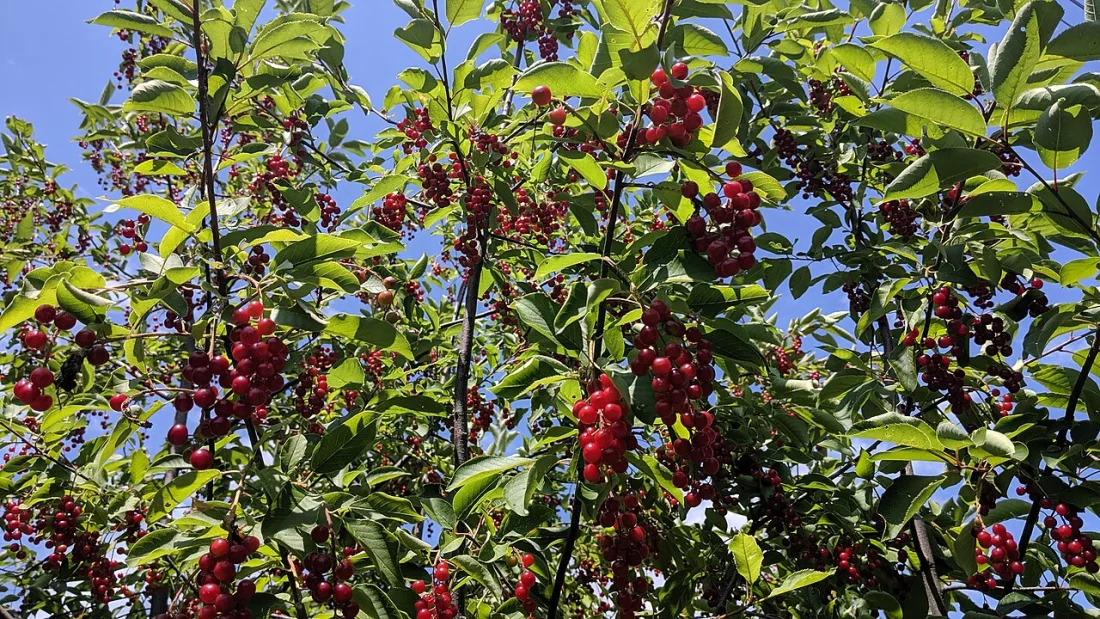
Prunus virginiana
Native foliage feeds swallowtail caterpillars, and the fruit feeds birds.
Instead of heavenly bamboo
Meet this plantPhoto: Maxime Laterreur · CC BY-SA 4.0
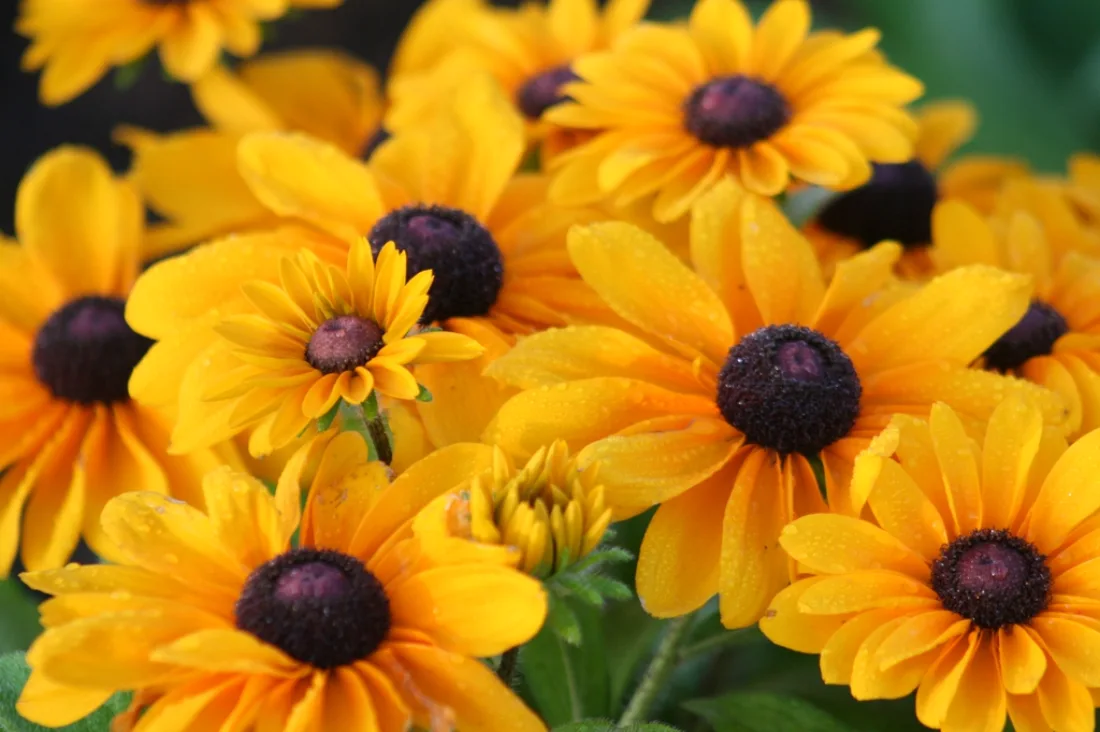
Rudbeckia hirta
Native flowers feed butterflies, and seedheads feed goldfinches in fall.
Instead of shasta daisy
Meet this plantPhoto: Dotty Leatherwood · CC BY 4.0
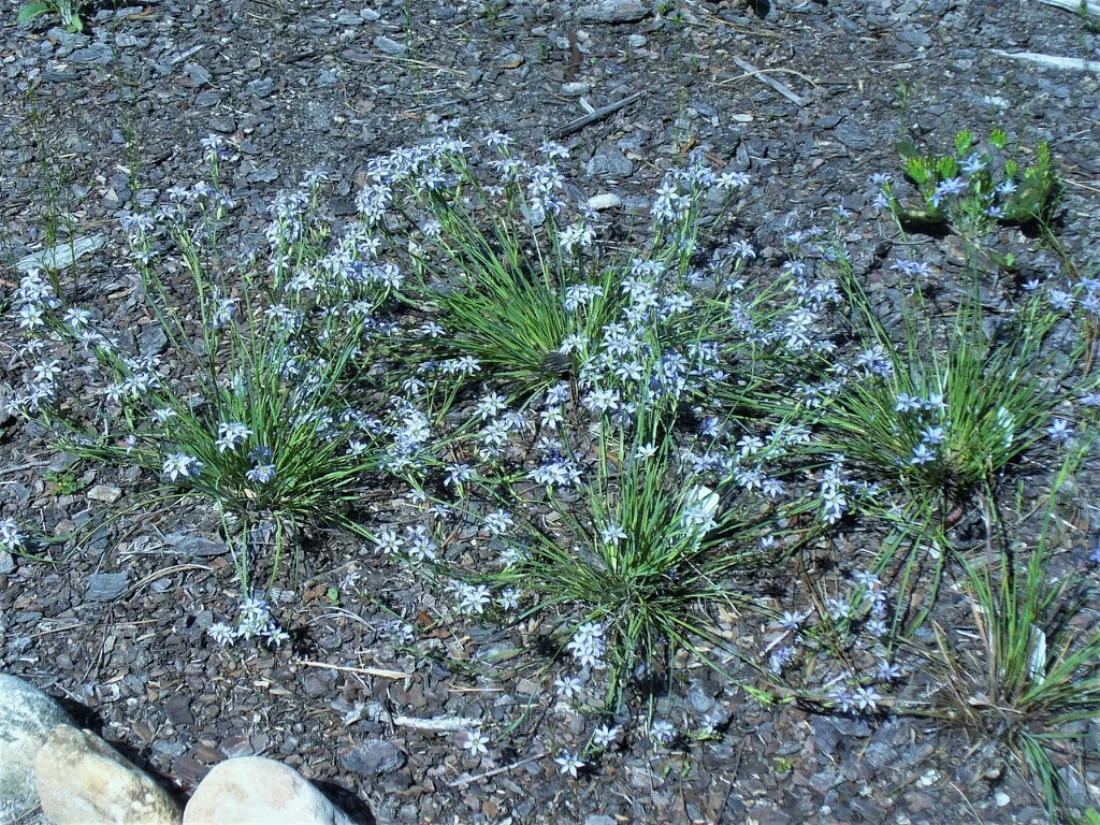
Sisyrinchium angustifolium
Small native flowers feed bumblebees, sweat bees, butterflies, and flies.
Instead of lilyturf
Meet this plantPhoto: Susan Shrine · CC BY 2.0
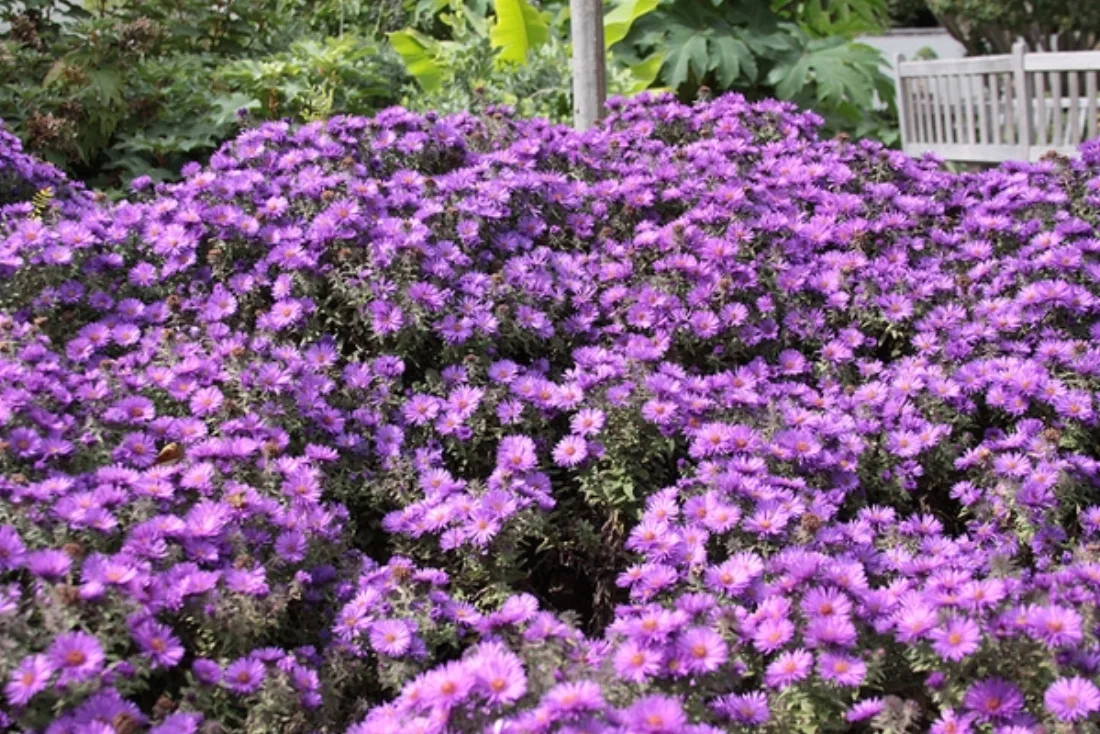
Symphyotrichum novae-angliae
Native flowers feed late-season bees and migrating monarchs, while seeds feed birds.
Instead of garden mum
Meet this plantPhoto: Drew Avery · CC BY 2.0
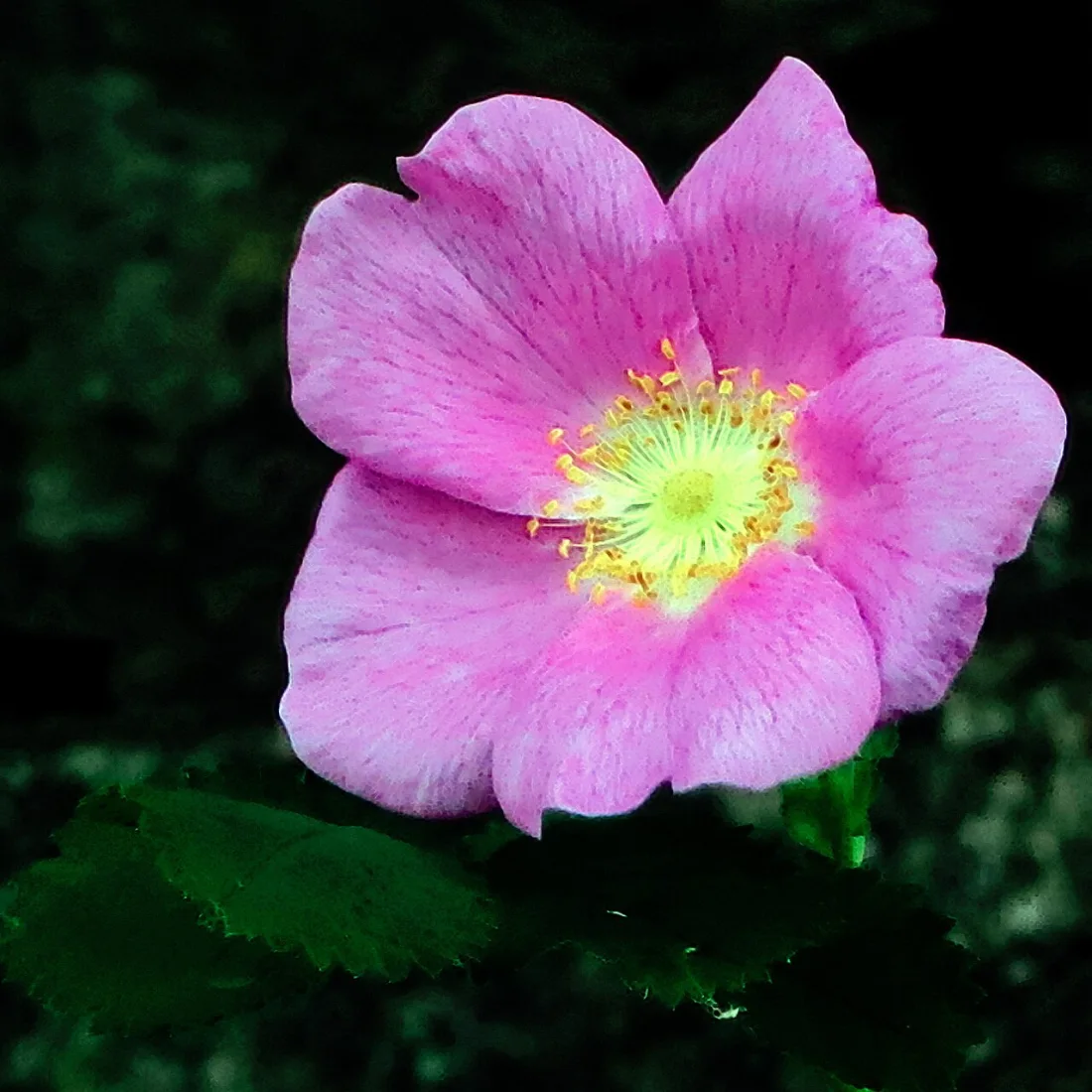
Rosa nutkana
Native pink flowers and red hips extend a hedge's seasonal interest.
Instead of rugosa rose
Meet this plantPhoto: John Rusk from Berkeley, CA, United States of America · CC BY 2.0
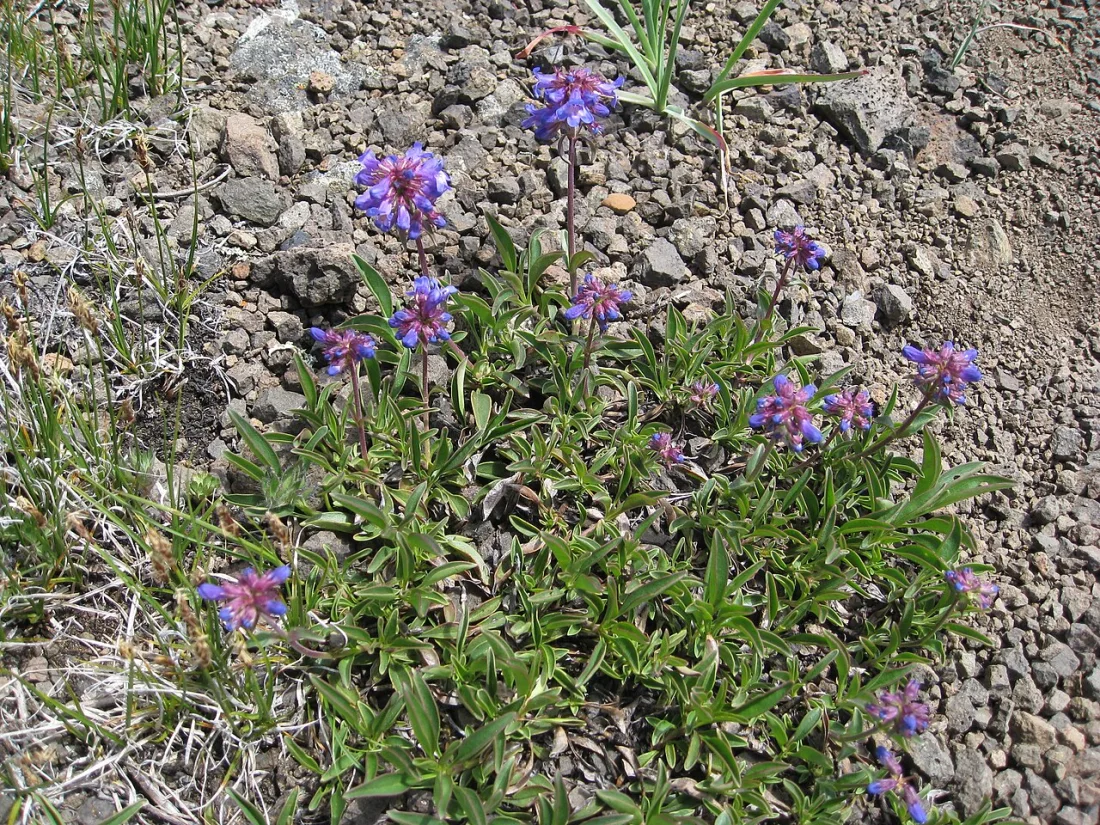
Penstemon procerus
Native blue flowers feed bees, butterflies, and hummingbirds.
Instead of woodland sage
Meet this plant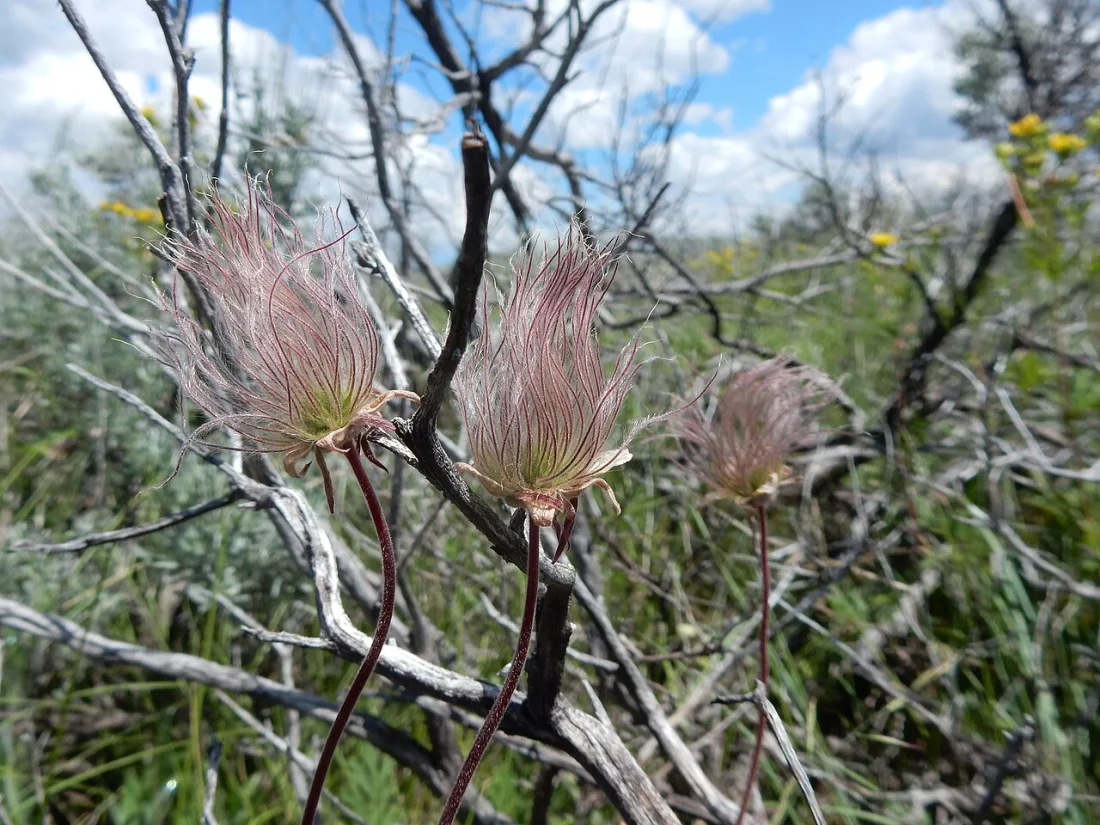
Geum triflorum
Native flowers feed bees and butterflies before turning into airy seedheads.
Instead of bloody cranesbill
Meet this plant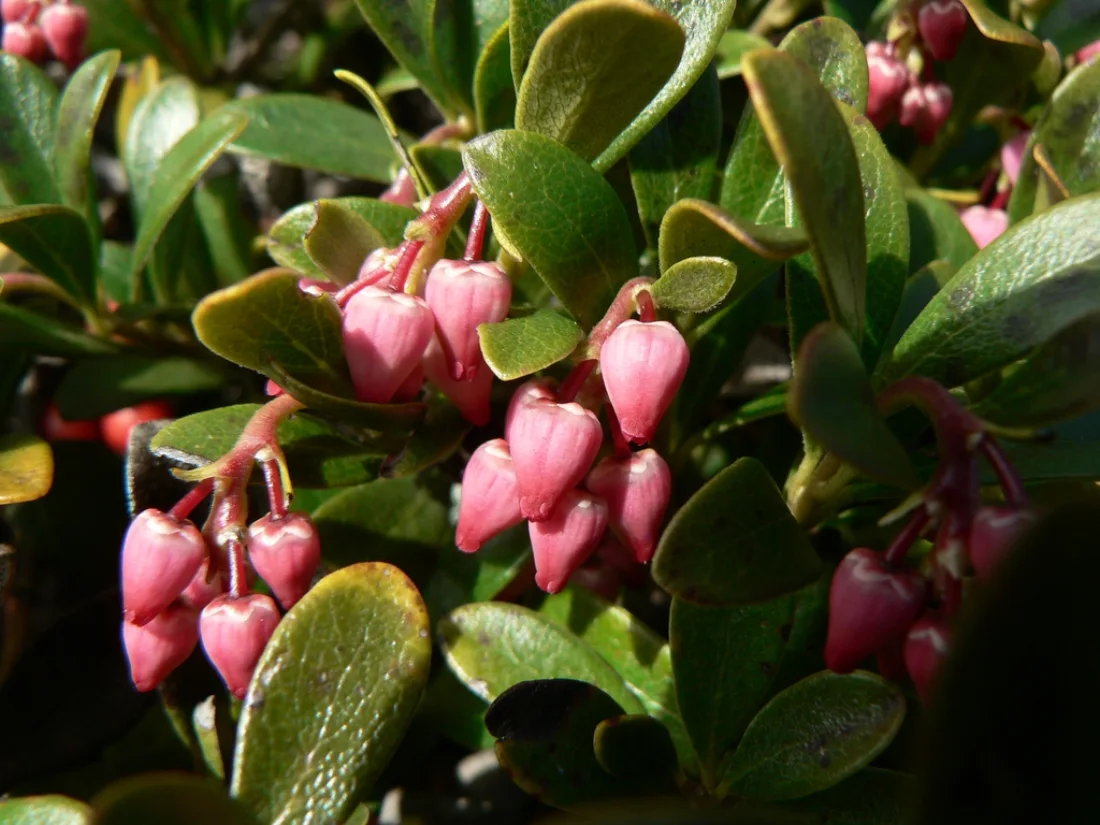
Arctostaphylos uva-ursi
Its flowers support pollinators and its red berries provide food for birds and other wildlife.
Instead of bearberry cotoneaster
Meet this plantPhoto: Walter Siegmund · CC BY-SA 3.0
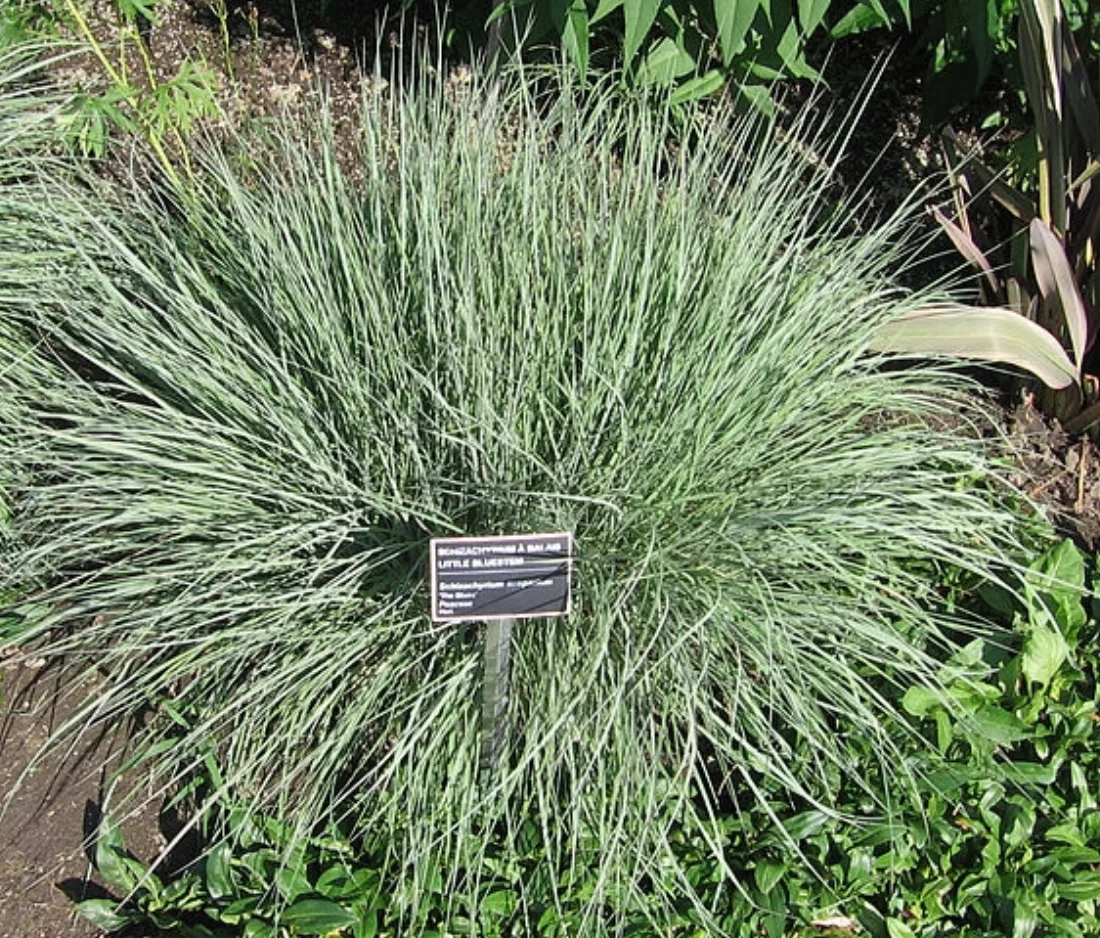
Schizachyrium scoparium
Native grass blades feed skipper caterpillars, and standing clumps shelter wildlife through winter.
Instead of chinese silvergrass
Meet this plantPhoto: Montrealais · CC BY-SA 3.0
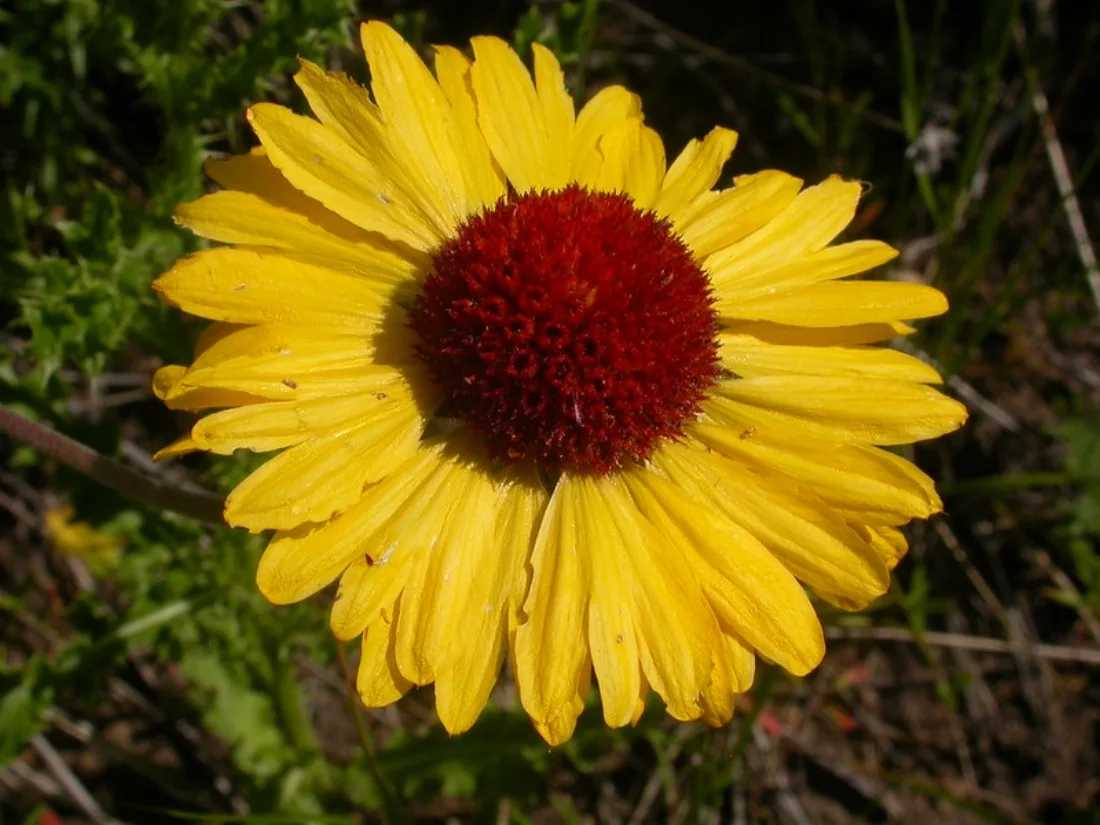
Gaillardia aristata
Long-lasting native flowerheads supply food for bees, butterflies, and visiting birds.
Instead of shasta daisy
Meet this plantPhoto: Matt Lavin · CC-BY-SA 2.0
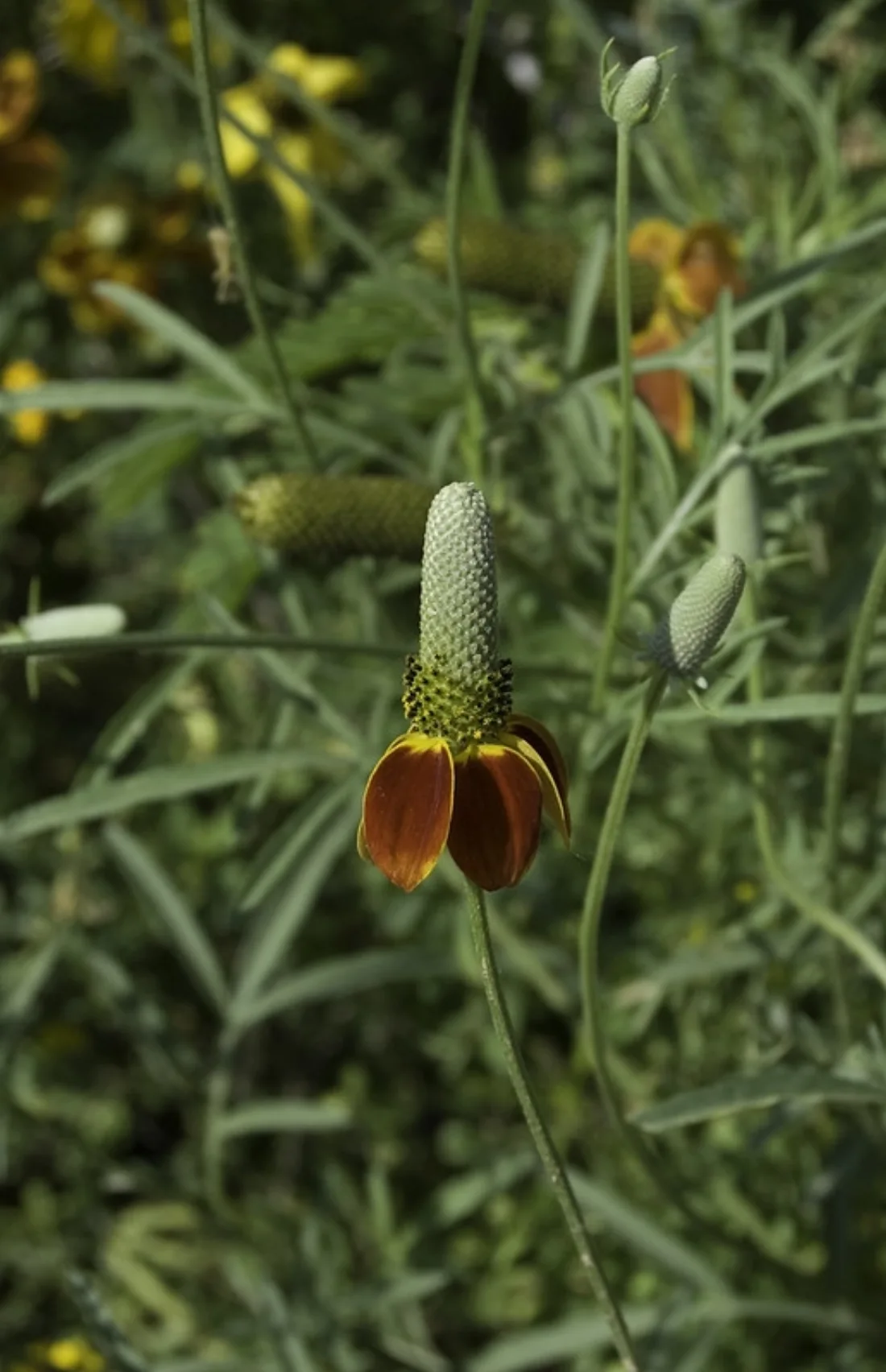
Ratibida columnifera
Native prairie flowers offer pollen and nectar for bees and butterflies in a sunny border.
Instead of shasta daisy
Meet this plantPhoto: Jeff Coffman · CC BY 2.0
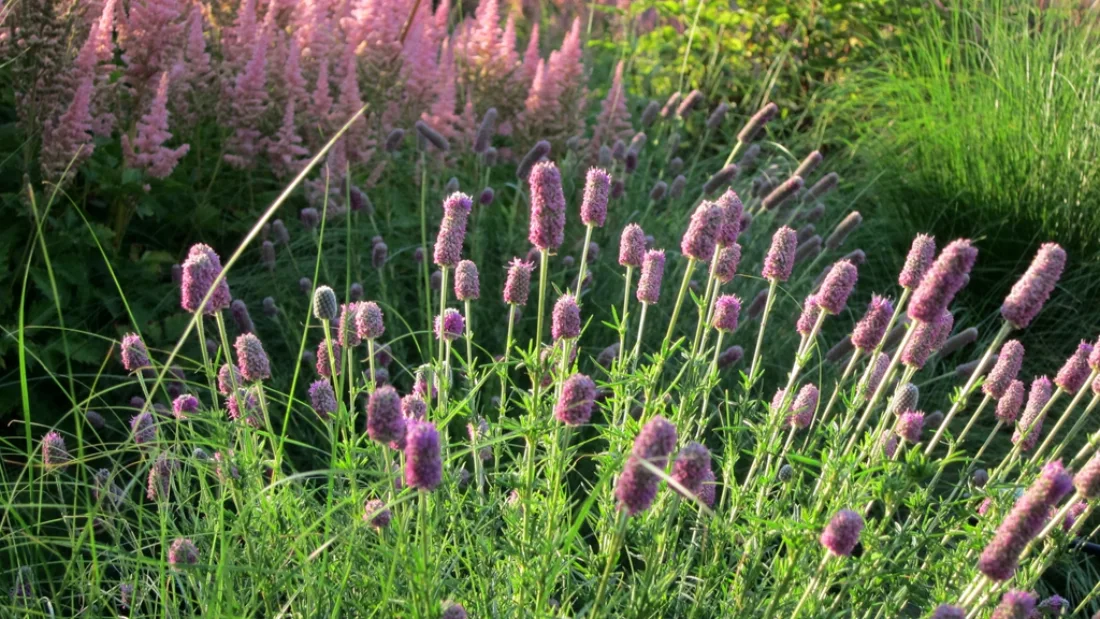
Dalea purpurea
Purple flower spikes feed pollinators, and the leaves host native butterfly caterpillars.
Instead of woodland sage
Meet this plantPhoto: cultivar413 · CC BY 2.0
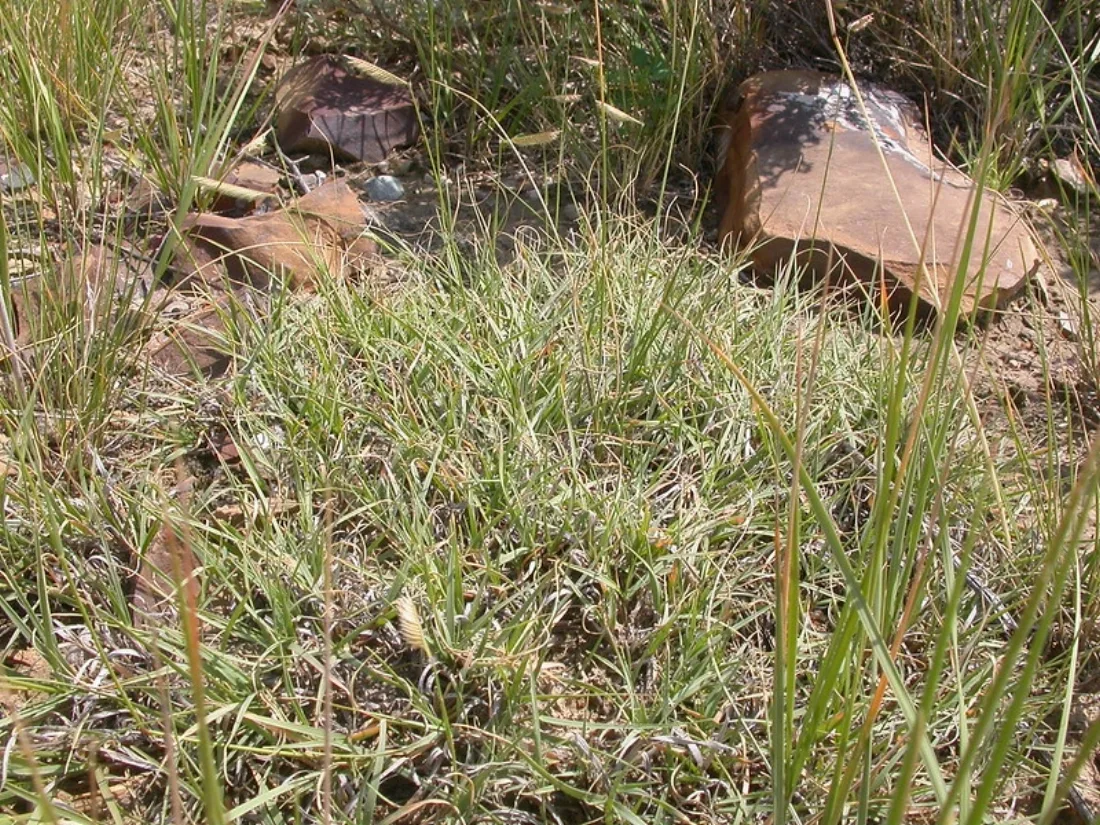
Bouteloua gracilis
A low native prairie grass brings lasting ground-level cover to a dry garden.
Instead of maiden grass
Meet this plantPhoto: Matt Lavin · CC-BY-SA 2.0
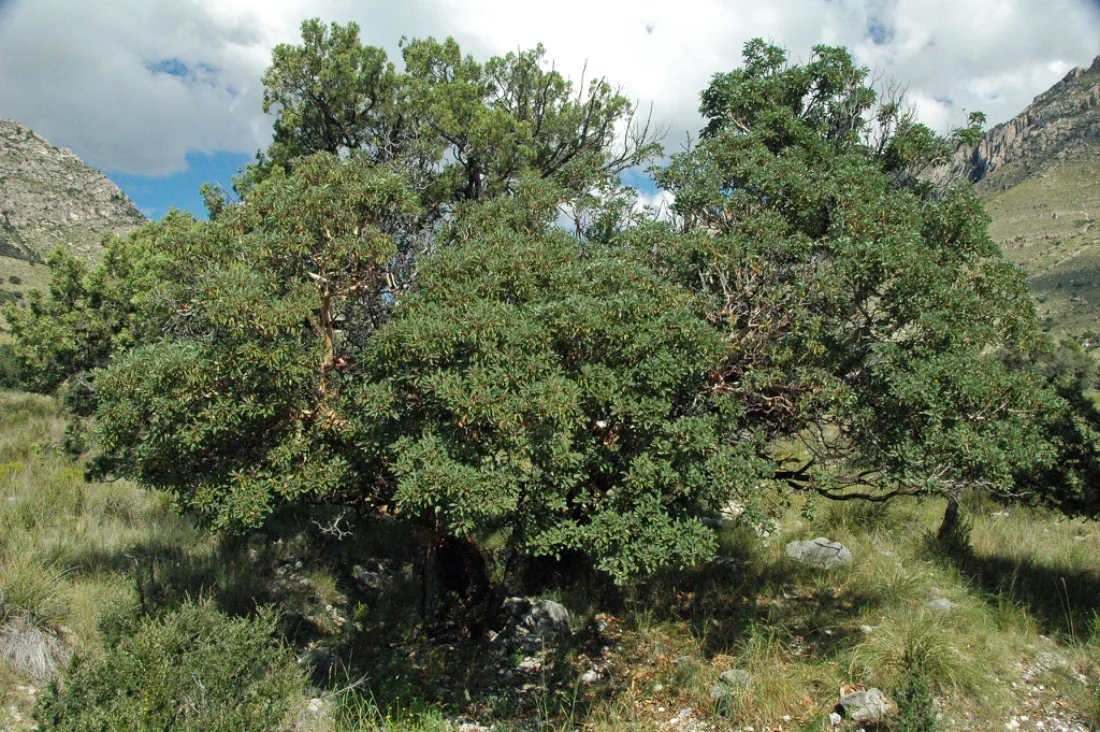
Cercocarpus montanus
Native foliage hosts western sheepmoth and mountain mahogany hairstreak caterpillars.
Instead of heavenly bamboo
Meet this plantPhoto: James St.John · CC BY 2.0
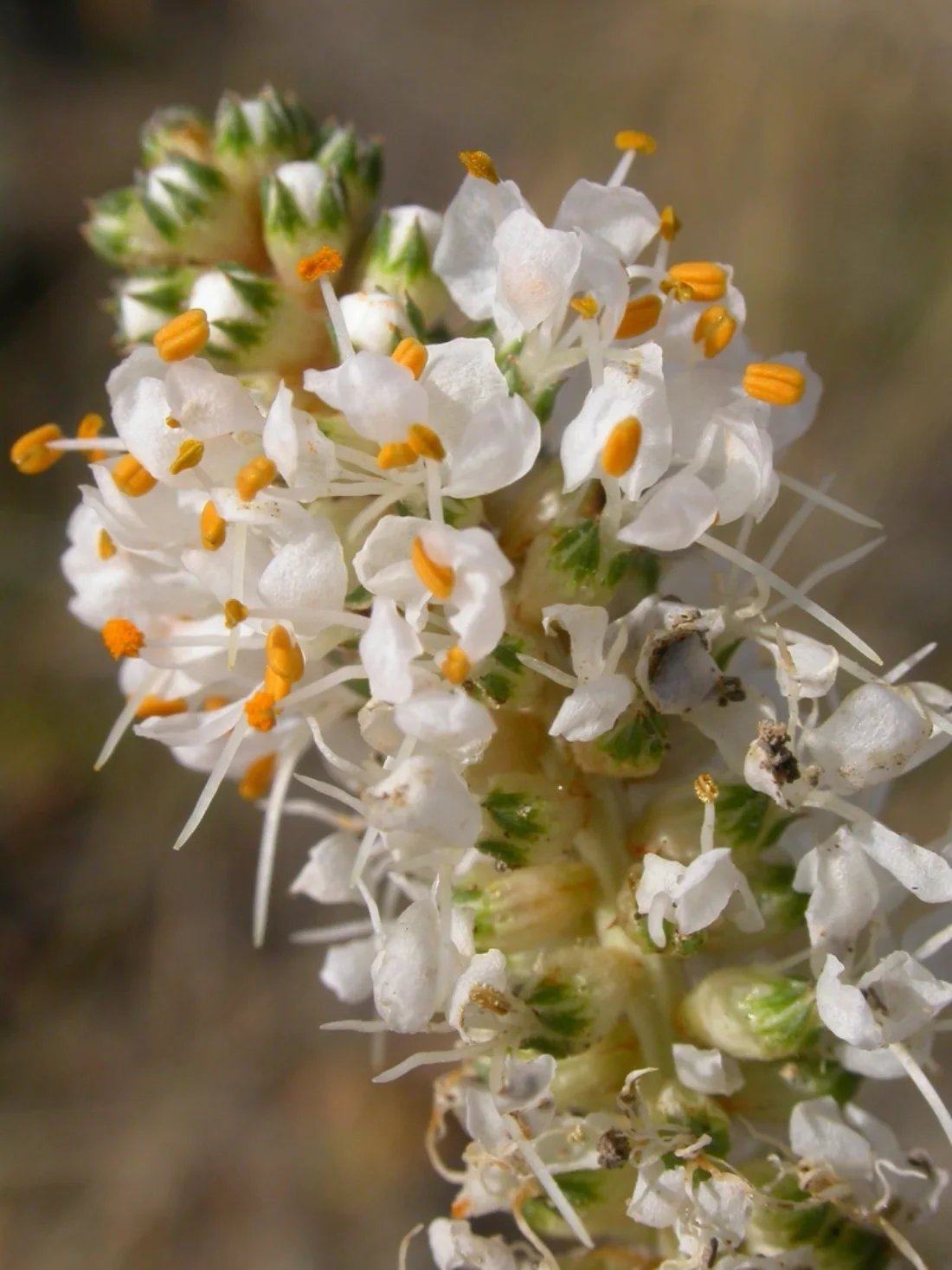
Dalea candida
Native flower spikes feed pollinators, and foliage hosts dogface butterfly caterpillars.
Instead of woodland sage
Meet this plantPhoto: Matt Lavin · CC-BY-SA 2.0
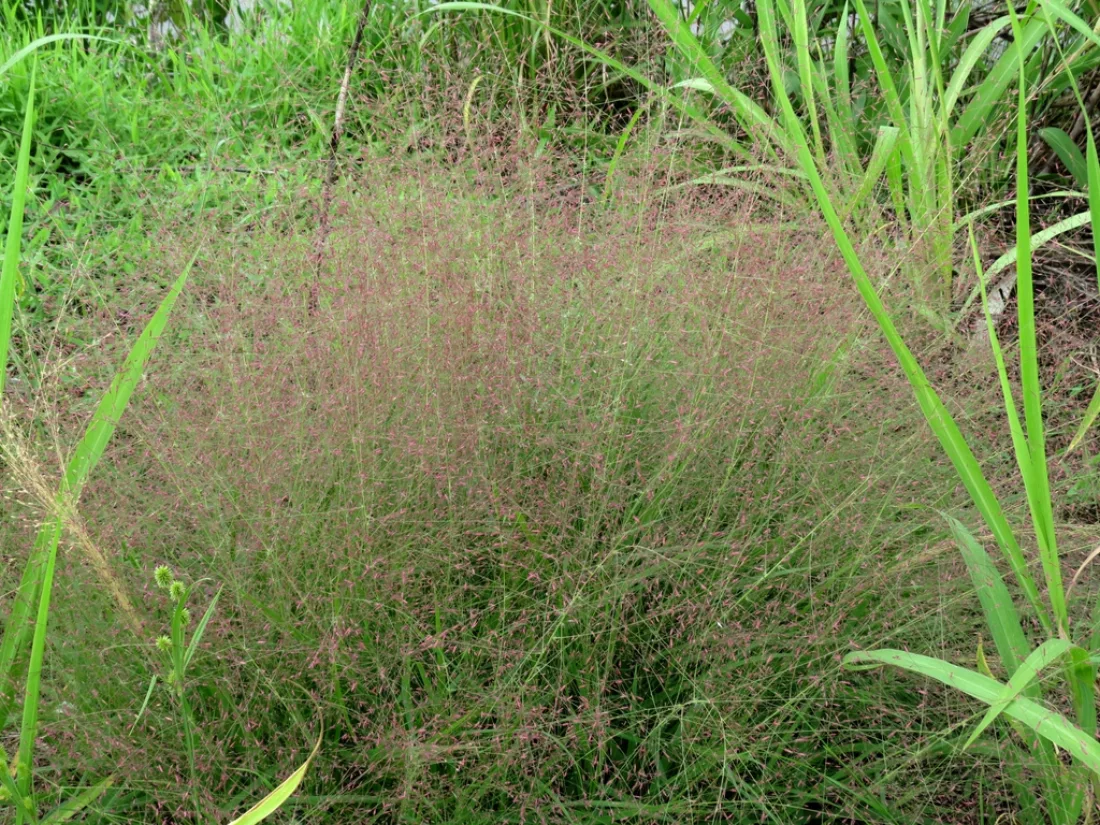
Eragrostis spectabilis
Airy native seedheads add fall color and attract songbirds and small mammals.
Instead of maiden grass
Meet this plantPhoto: Katja Schulz · CC BY 2.0
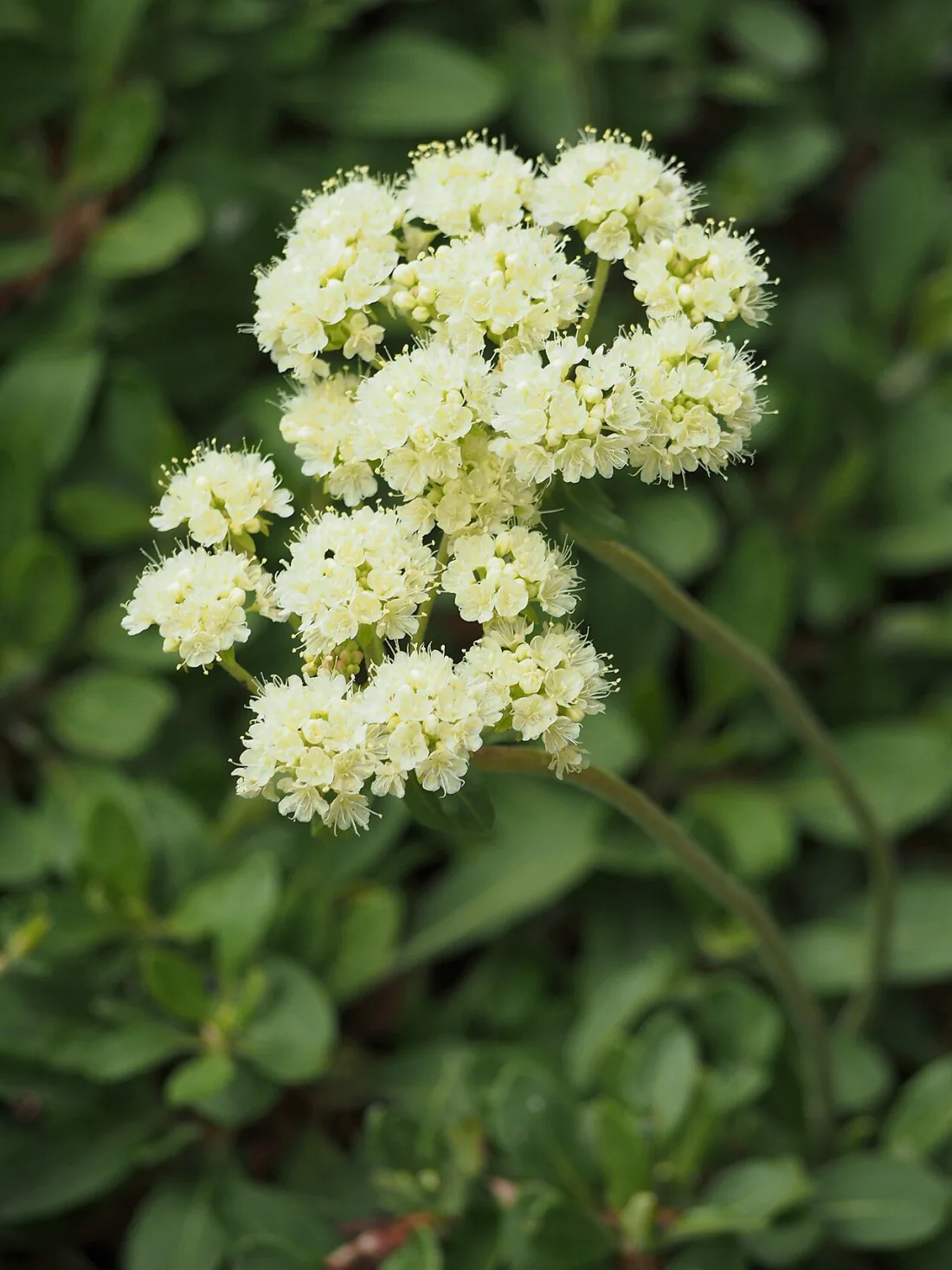
Eriogonum umbellatum
Native flowers feed bees, butterflies, and moths, followed by seeds for wildlife.
Instead of treasure flower
Meet this plantPhoto: Agnieszka Kwiecień, Nova · CC BY-SA 4.0
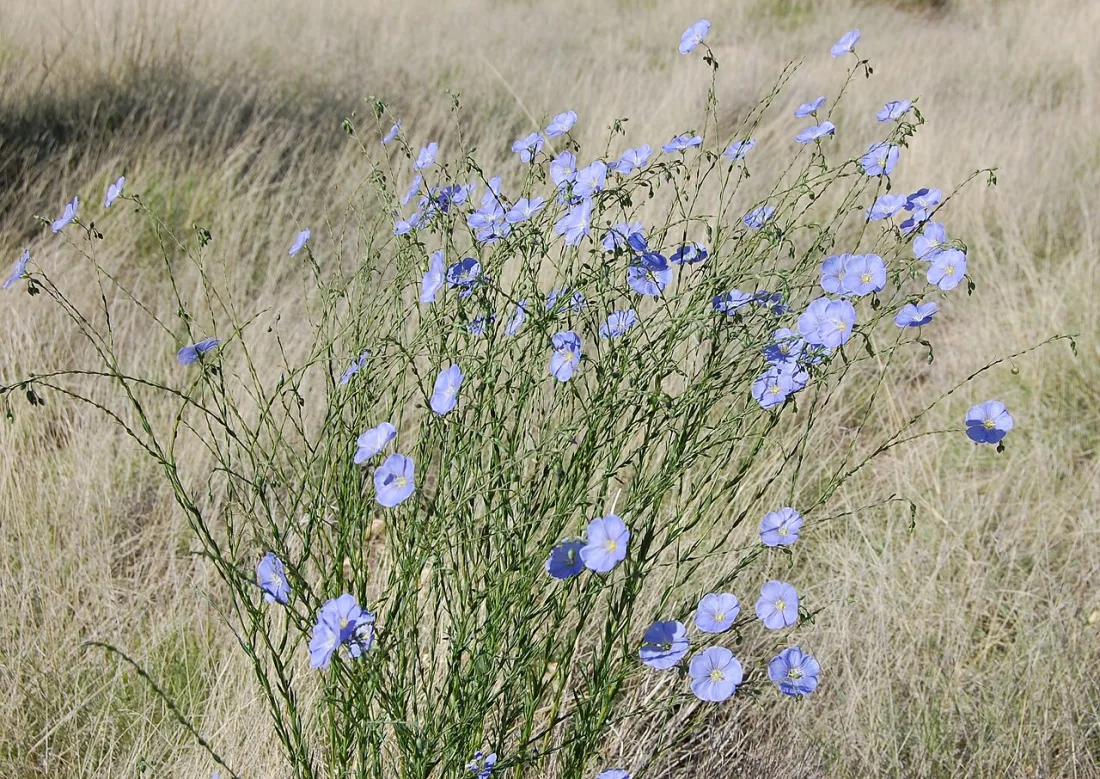
Linum lewisii
Native blue flowers feed small bees and flies, followed by seeds for wildlife.
Instead of woodland sage
Meet this plantPhoto: Skoch3 · CC BY-SA 3.0
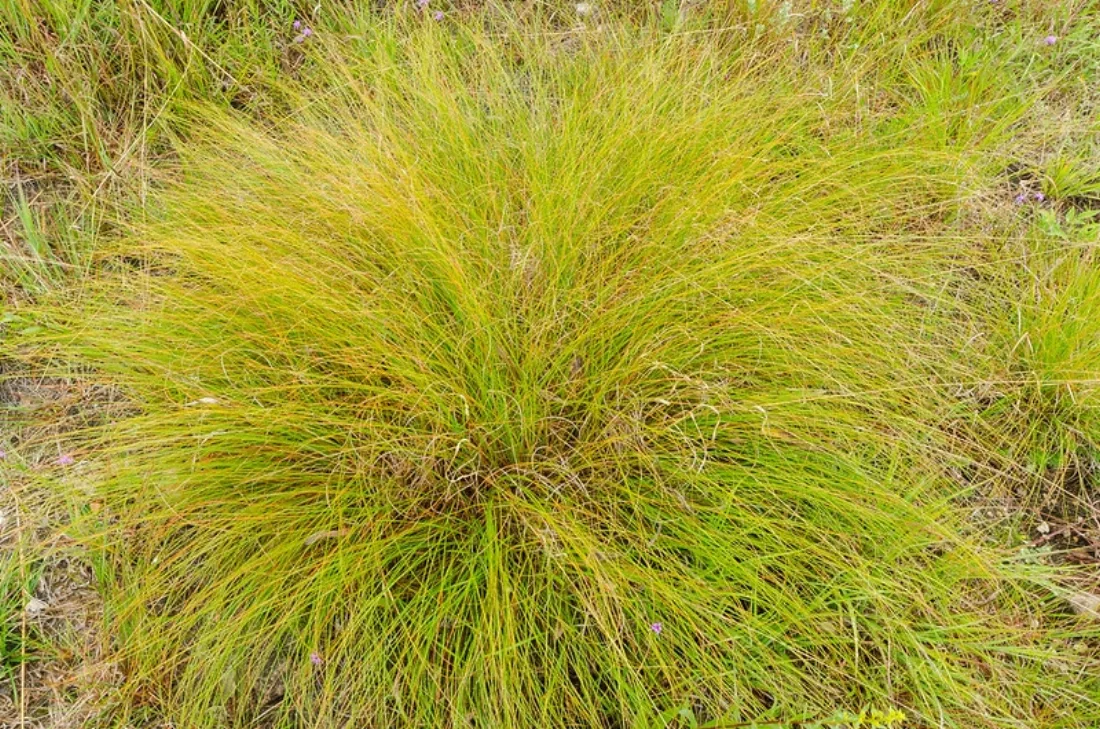
Sporobolus heterolepis
Native seeds feed sparrows and juncos, while foliage feeds prairie insects.
Instead of maiden grass
Meet this plantPhoto: Joshua Mayer · CC-BY-SA 2.0
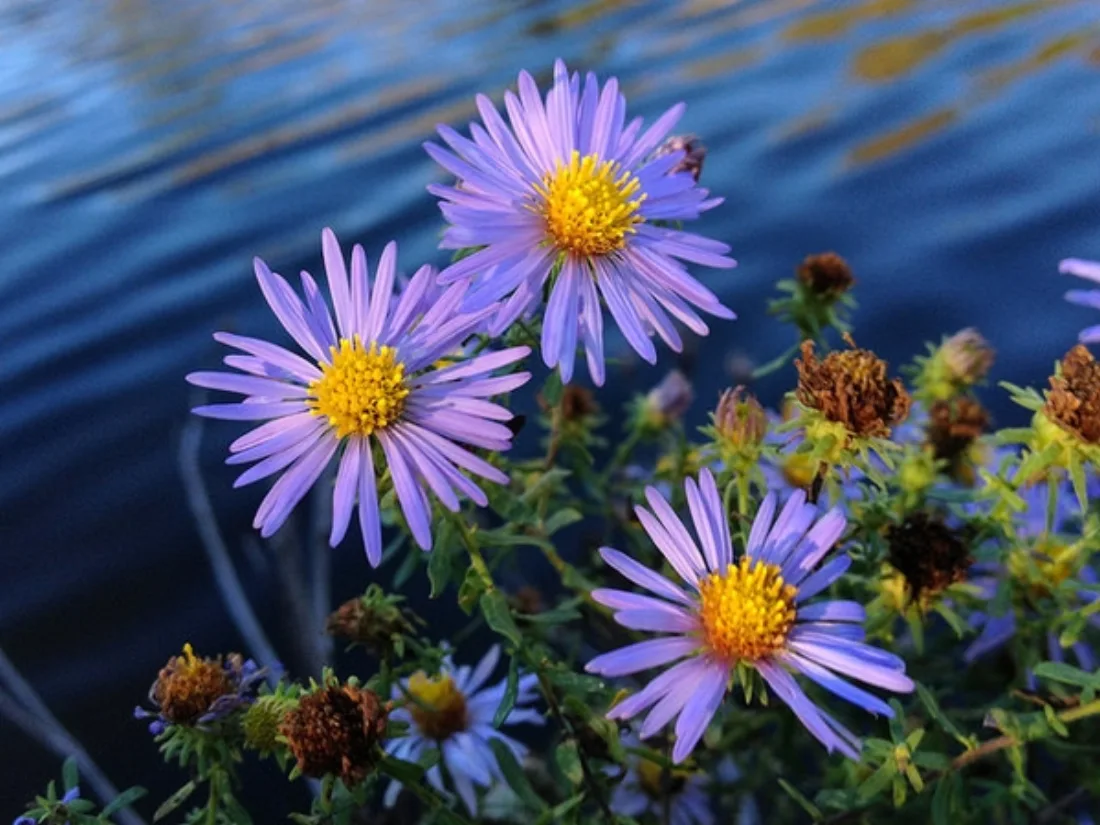
Symphyotrichum oblongifolium
Late native flowers feed pollinators, and hollow stems can shelter nesting bees.
Instead of garden mum
Meet this plantPhoto: Fritz Flohr Reynolds · CC BY-SA 4.0
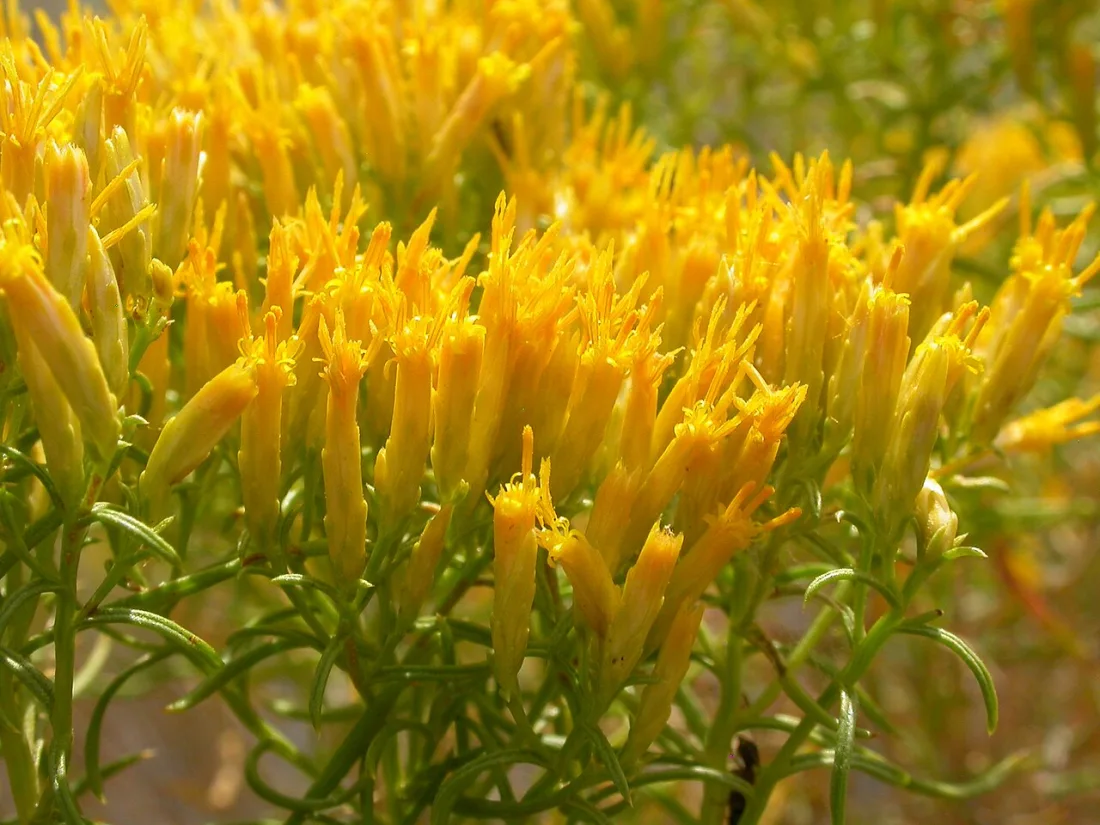
Chrysothamnus viscidiflorus
Native yellow flowers add late color with little water once established.
Instead of japanese spirea
Meet this plant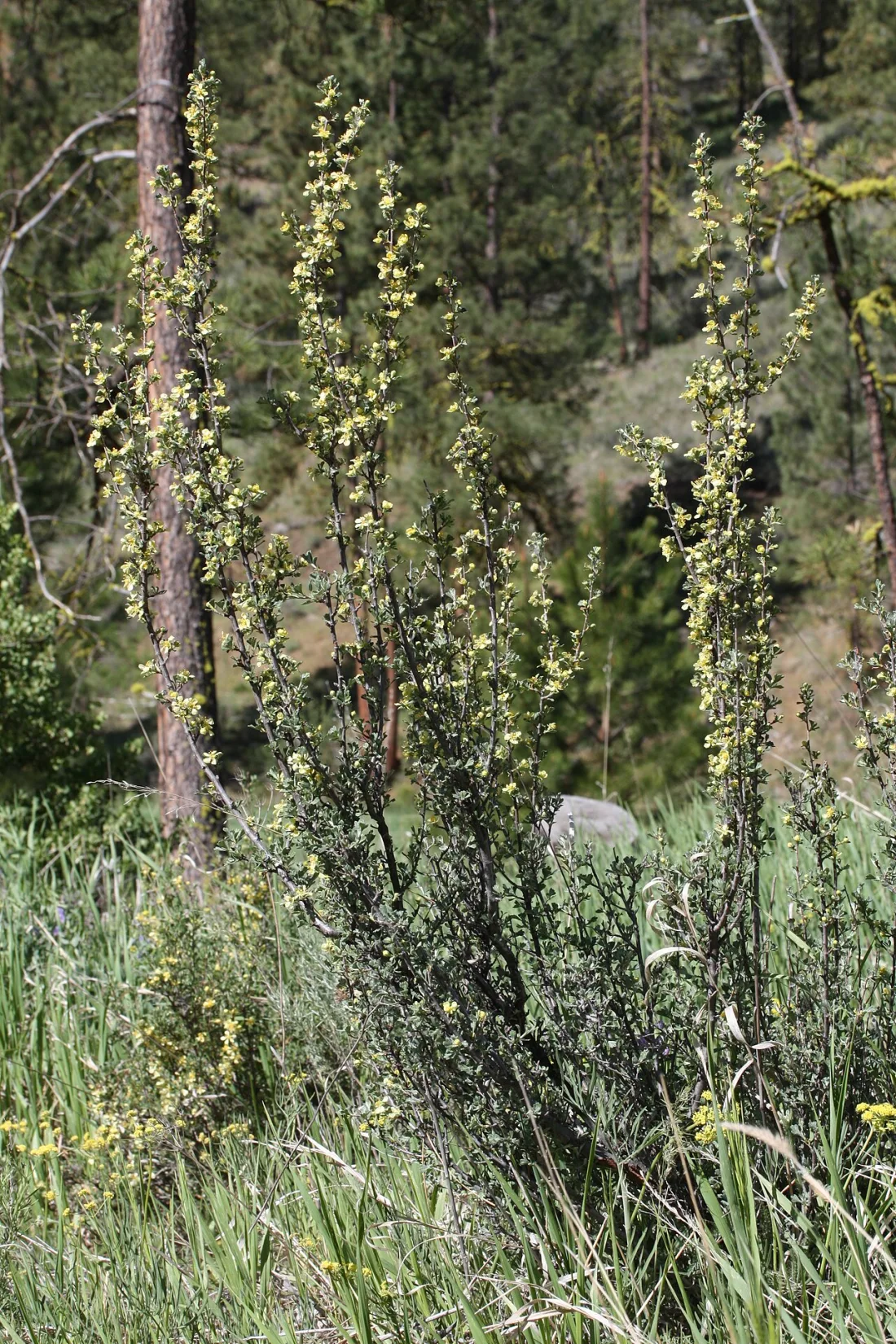
Purshia tridentata
This native shrub provides branching structure without frequent irrigation.
Instead of heavenly bamboo
Meet this plantPhoto: Walter Siegmund (talk) · CC BY-SA 3.0
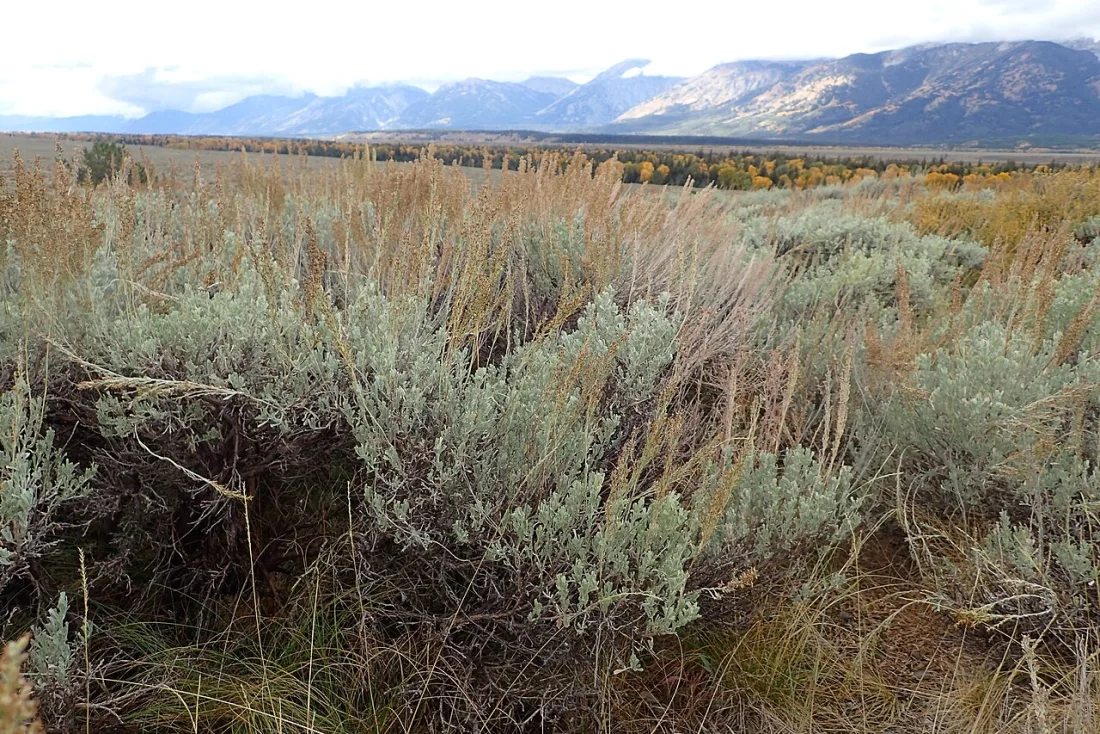
Artemisia tridentata
Native silver foliage brings year-round structure with little or no irrigation after establishment.
Instead of japanese pittosporum
Meet this plantPhoto: Krzysztof Ziarnek, Kenraiz · CC BY-SA 4.0
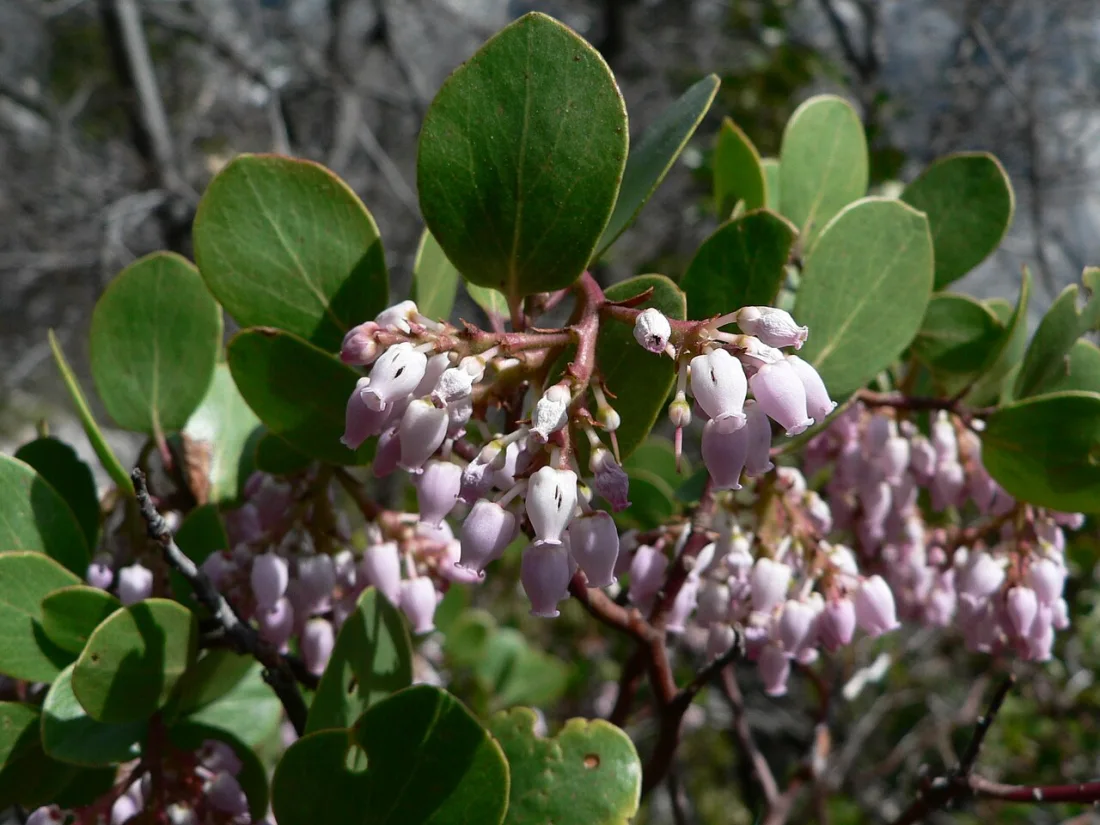
Arctostaphylos patula
Native evergreen foliage, pink-white flowers, and red bark add interest without frequent watering.
Instead of japanese pittosporum
Meet this plantPhoto: Walter Siegmund · CC BY 2.5
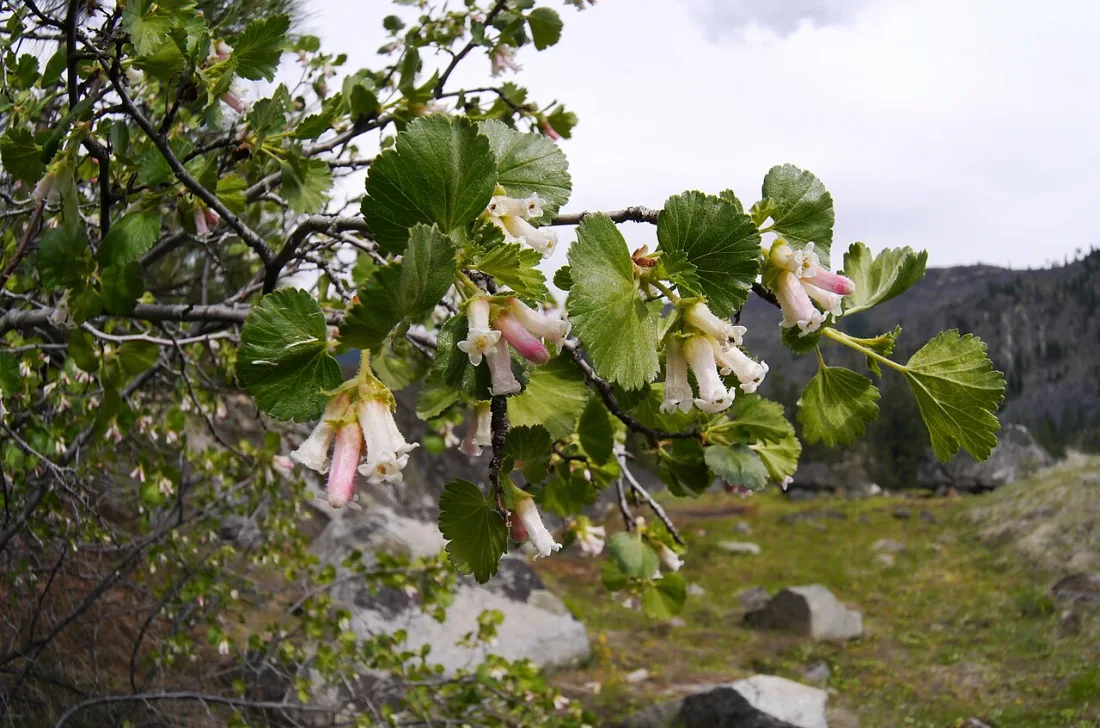
Ribes cereum
Native foliage and bright berries add variety to a dry, rocky border.
Instead of heavenly bamboo
Meet this plantPhoto: Thayne Tuason · CC BY-SA 4.0
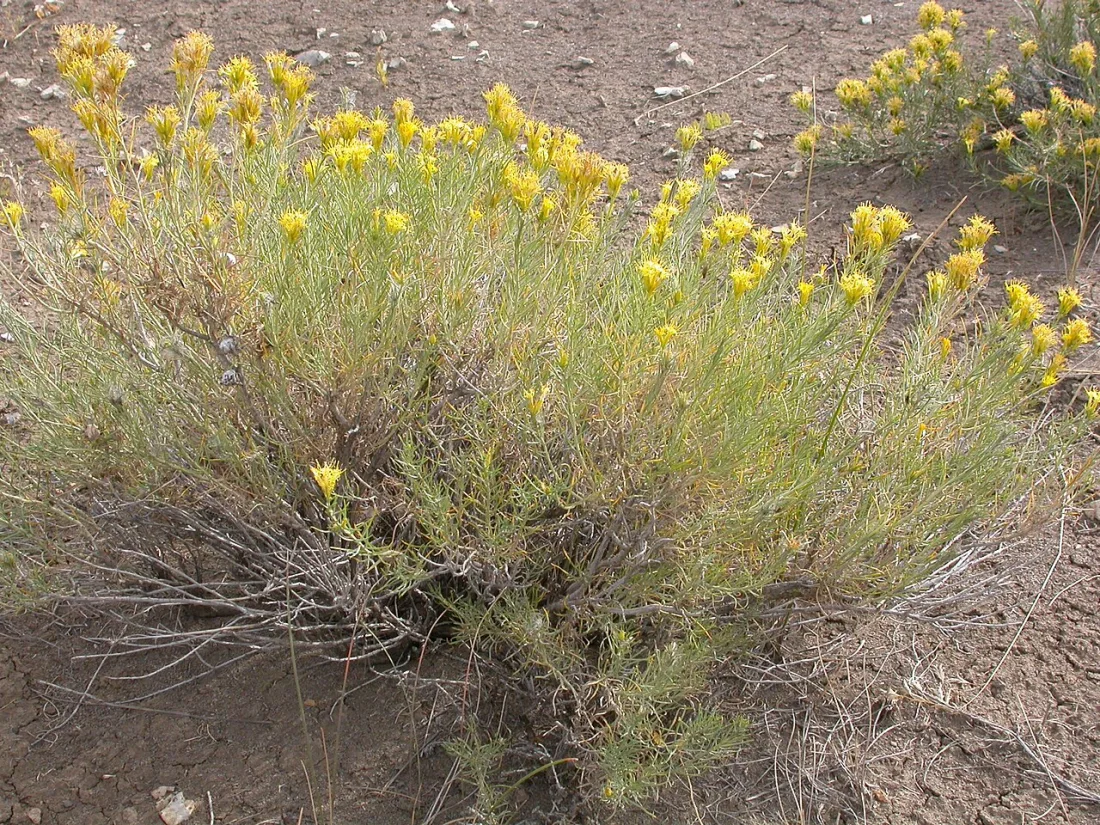
Ericameria nauseosa
This native dryland shrub supplies flowers and structure with little supplemental water.
Instead of japanese spirea
Meet this plant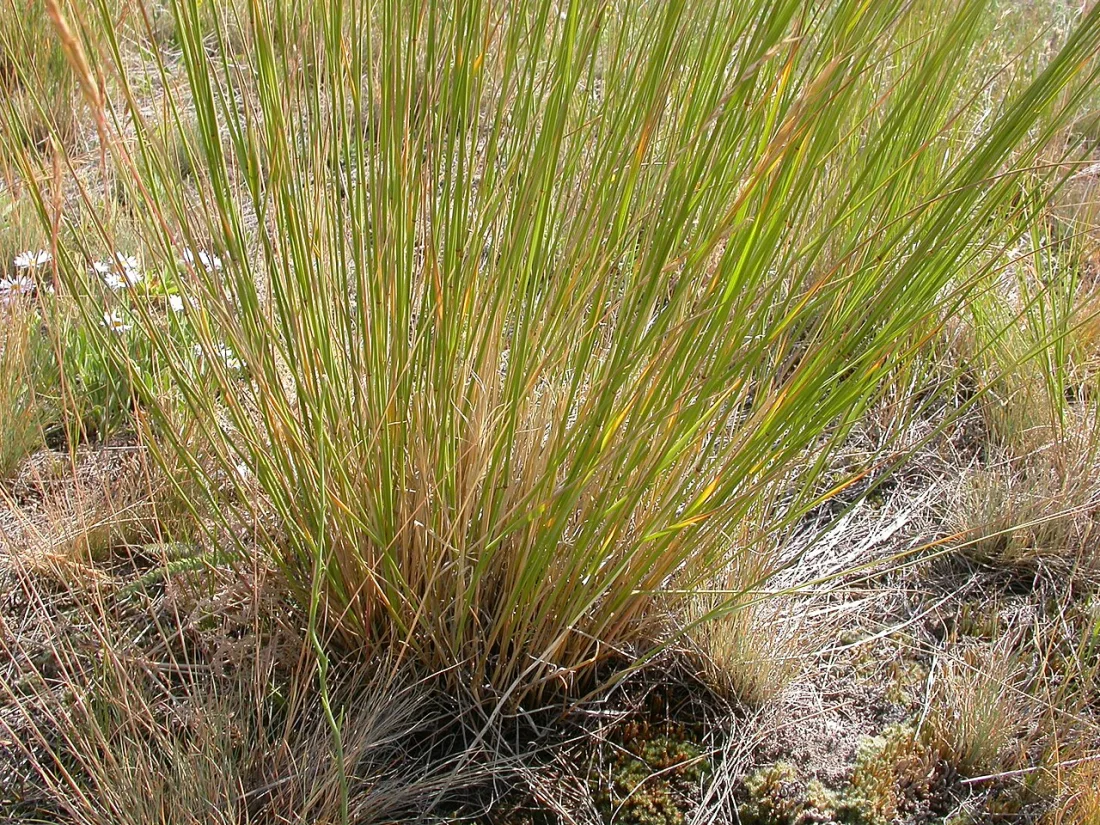
Pseudoroegneria spicata
Deep native roots help stabilize dry ground while the foliage feeds grazing wildlife.
Instead of maiden grass
Meet this plant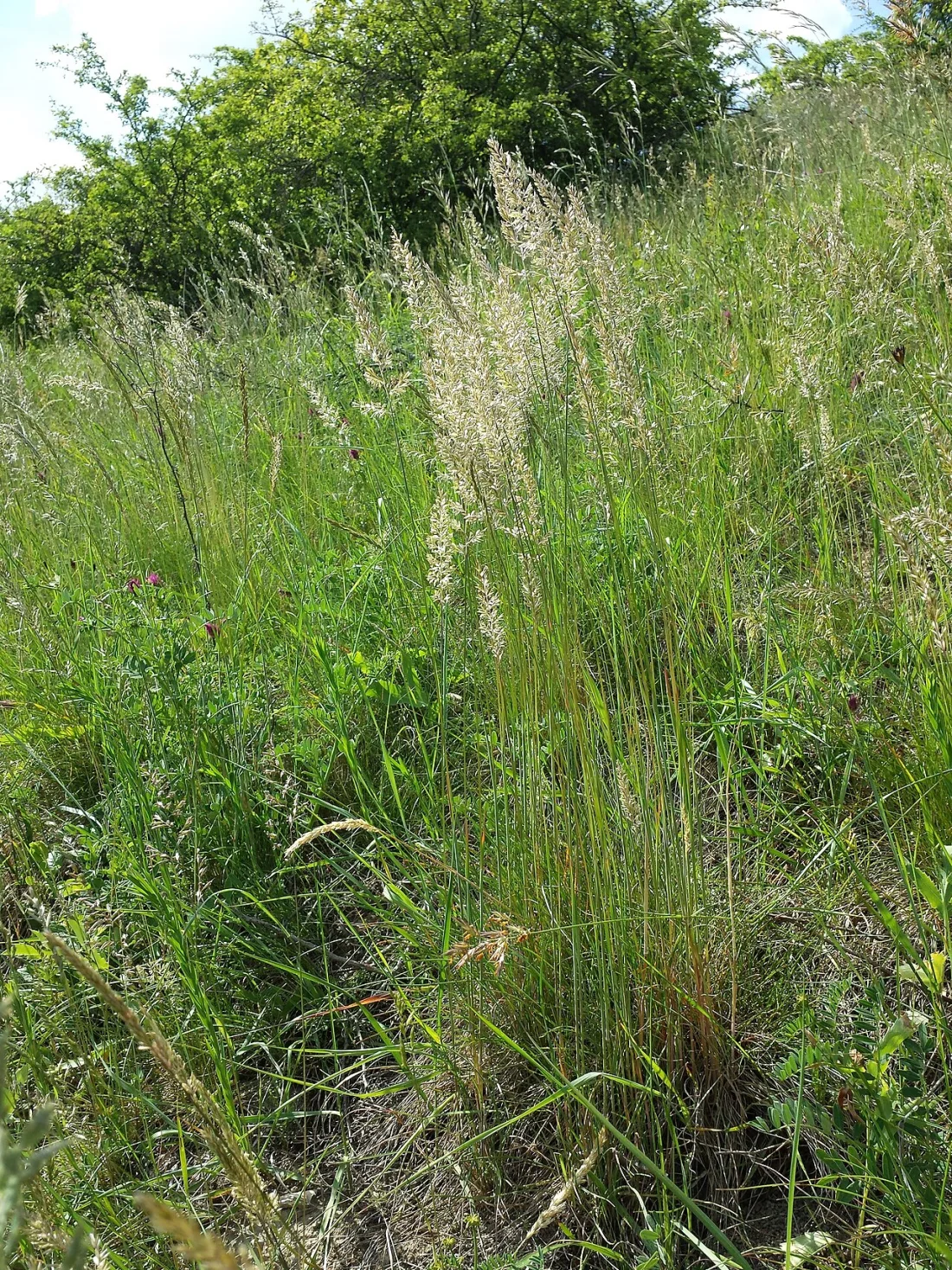
Koeleria macrantha
This native grass greens up early and tolerates drought once established.
Instead of maiden grass
Meet this plantPhoto: Stefan.lefnaer · CC BY-SA 4.0
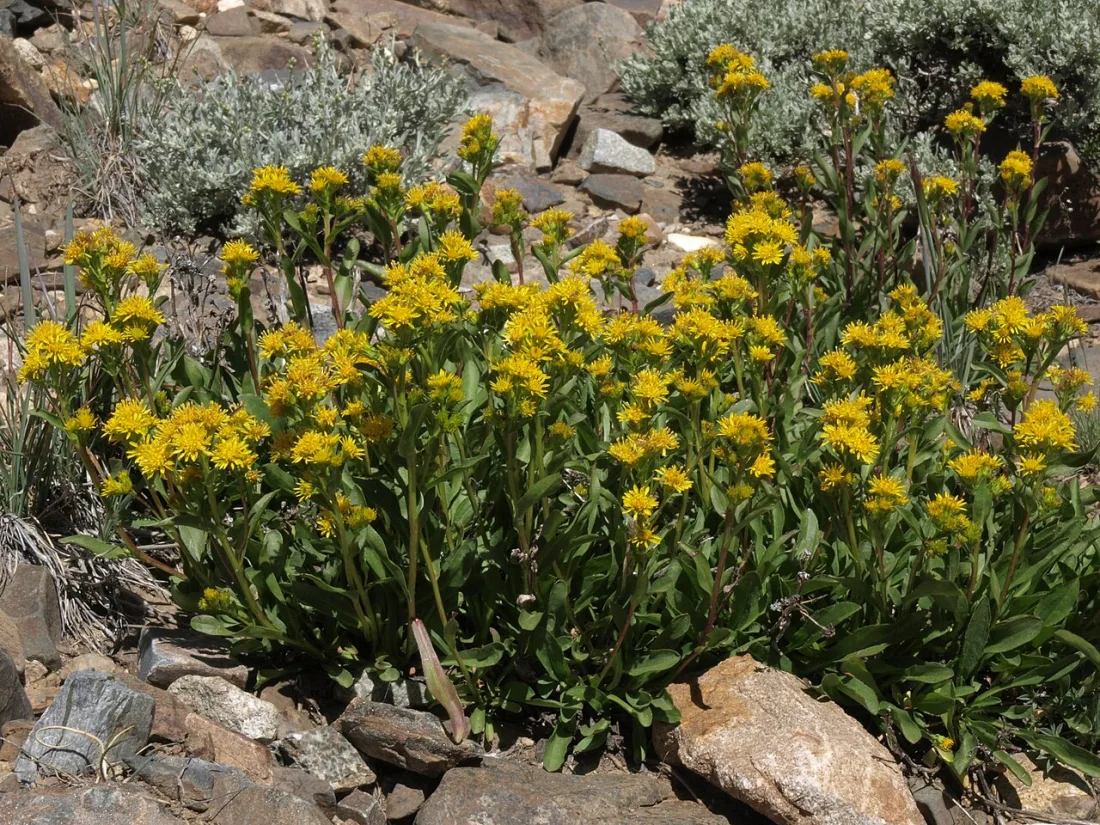
Solidago multiradiata
Native yellow flowers add color to a sunny, dry planting.
Instead of garden mum
Meet this plant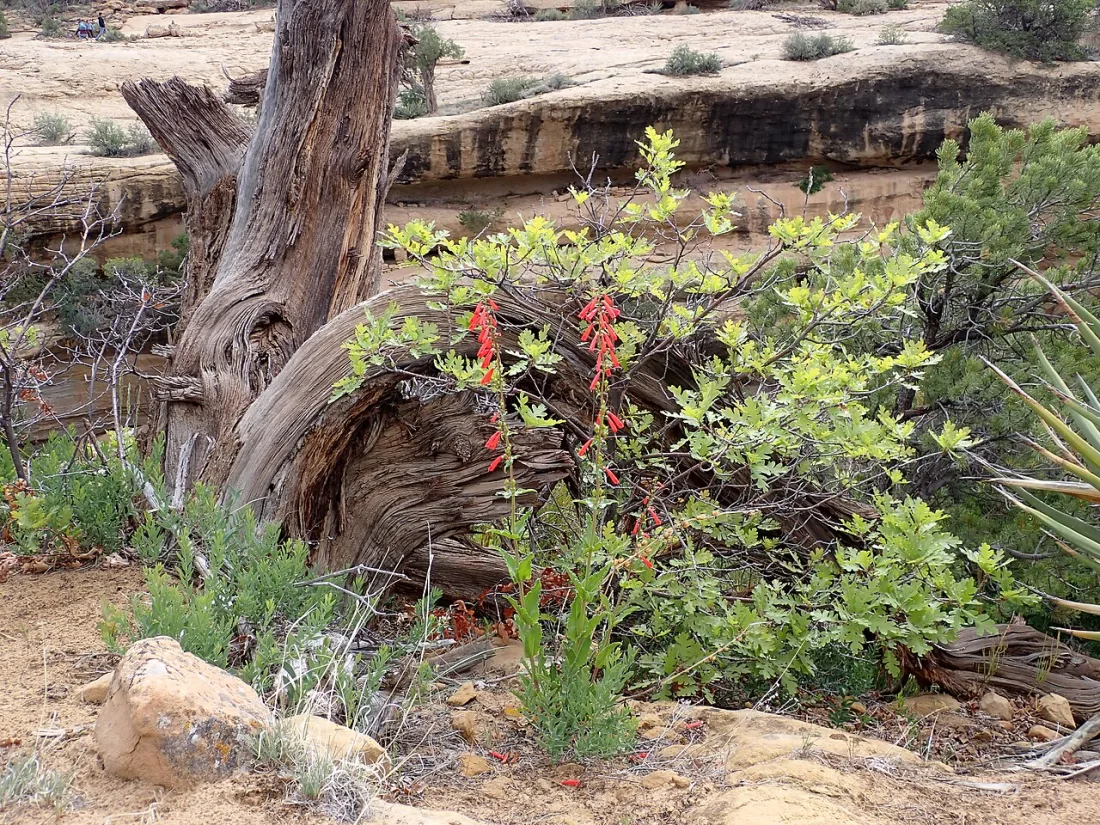
Penstemon eatonii
Native red flower tubes supply nectar for hummingbirds.
Instead of woodland sage
Meet this plantPhoto: Matt Lavin · CC BY-SA 2.0
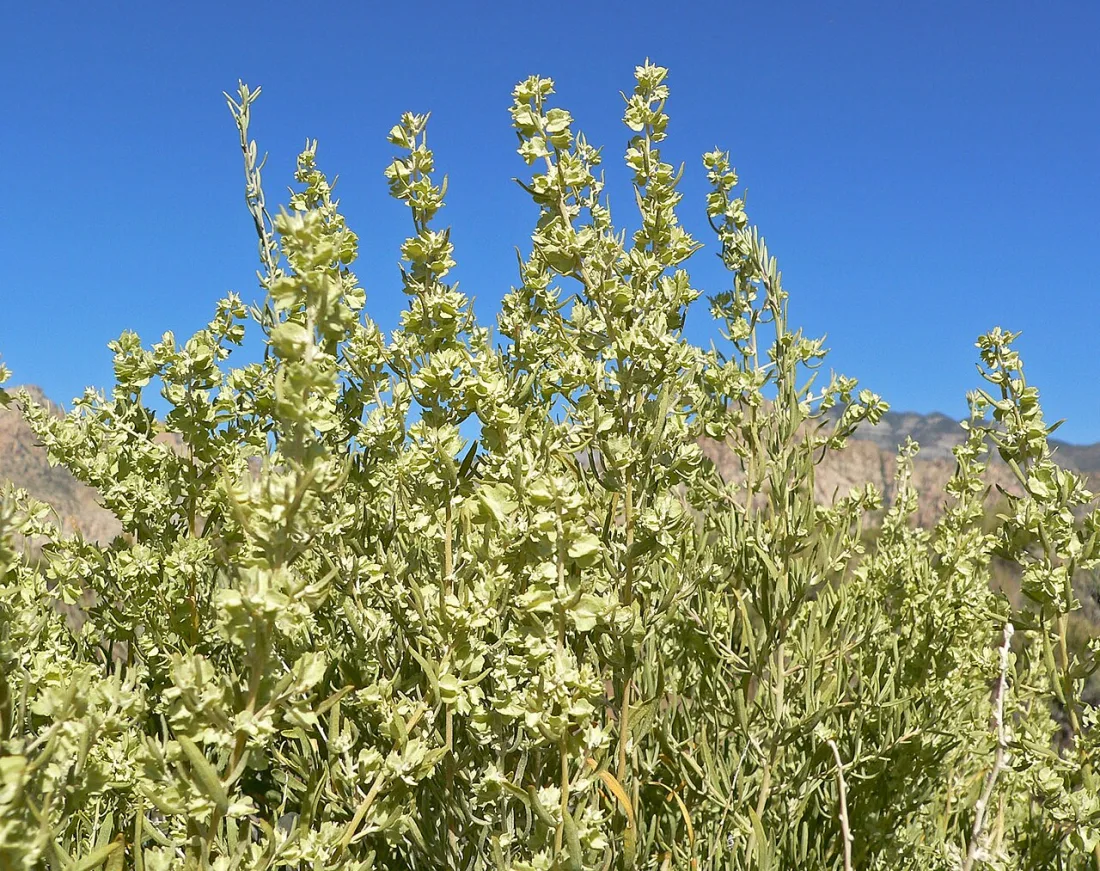
Atriplex canescens
Native roots help hold soil while the shrub provides wildlife food and cover.
Instead of japanese pittosporum
Meet this plantPhoto: Stan Shebs · CC BY-SA 3.0
2–6 hours of direct sun
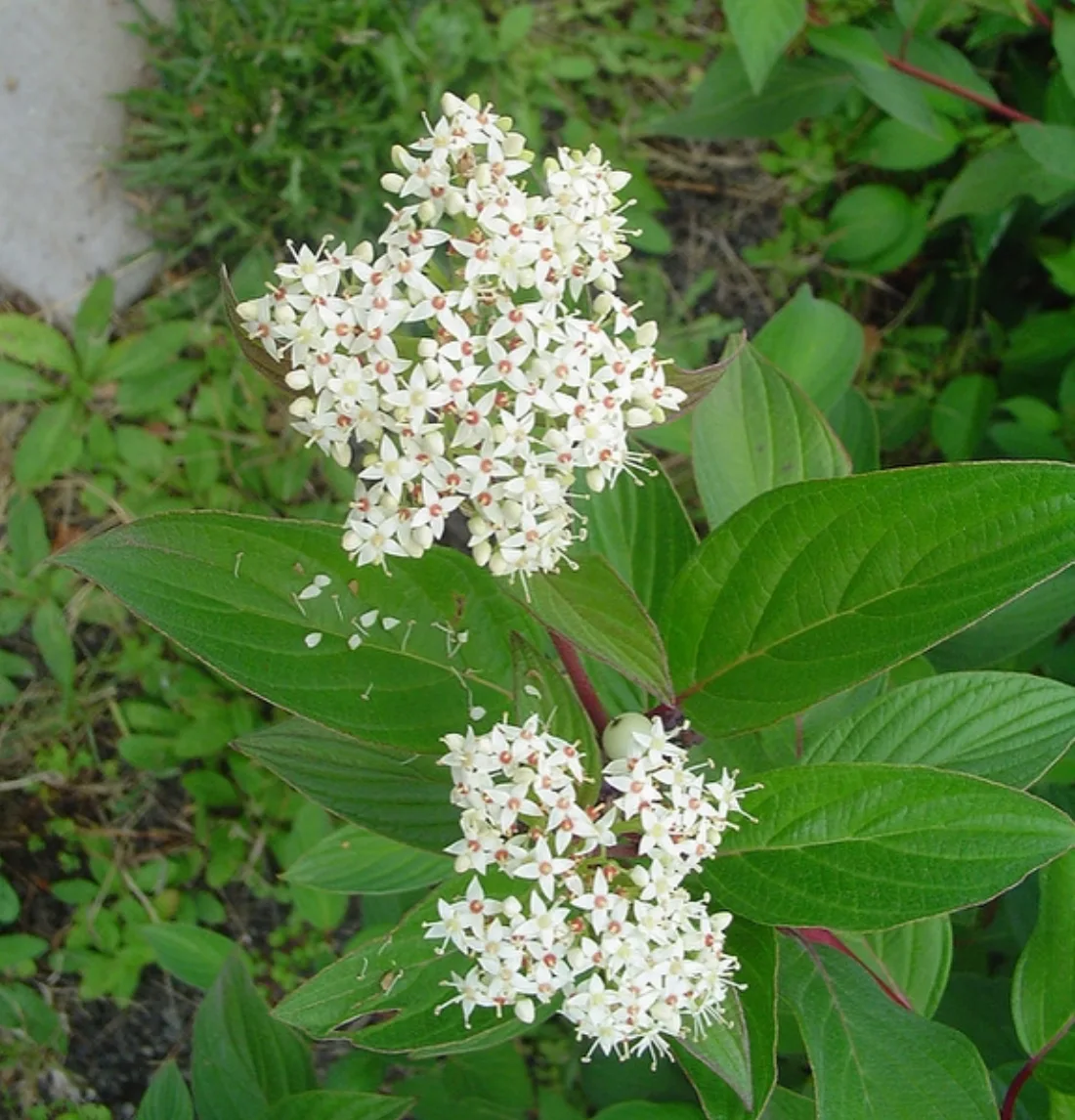
Cornus sericea
White berries feed birds, and this native shrub also hosts spring azure butterfly caterpillars.
Instead of burning bush
Meet this plantPhoto: Tom Brandt · CC BY 2.0
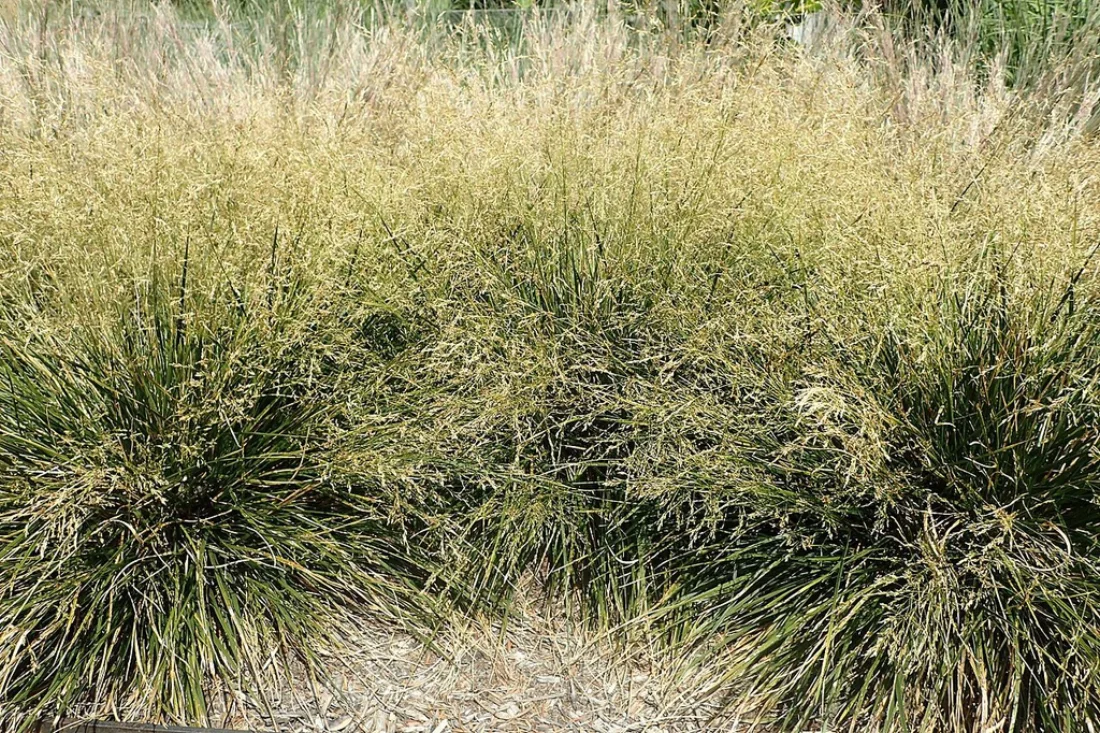
Deschampsia cespitosa
This native grass adds songbird habitat and flower plumes that persist into winter.
Instead of maiden grass
Meet this plantPhoto: Krzysztof Ziarnek, Kenraiz · CC BY-SA 4.0
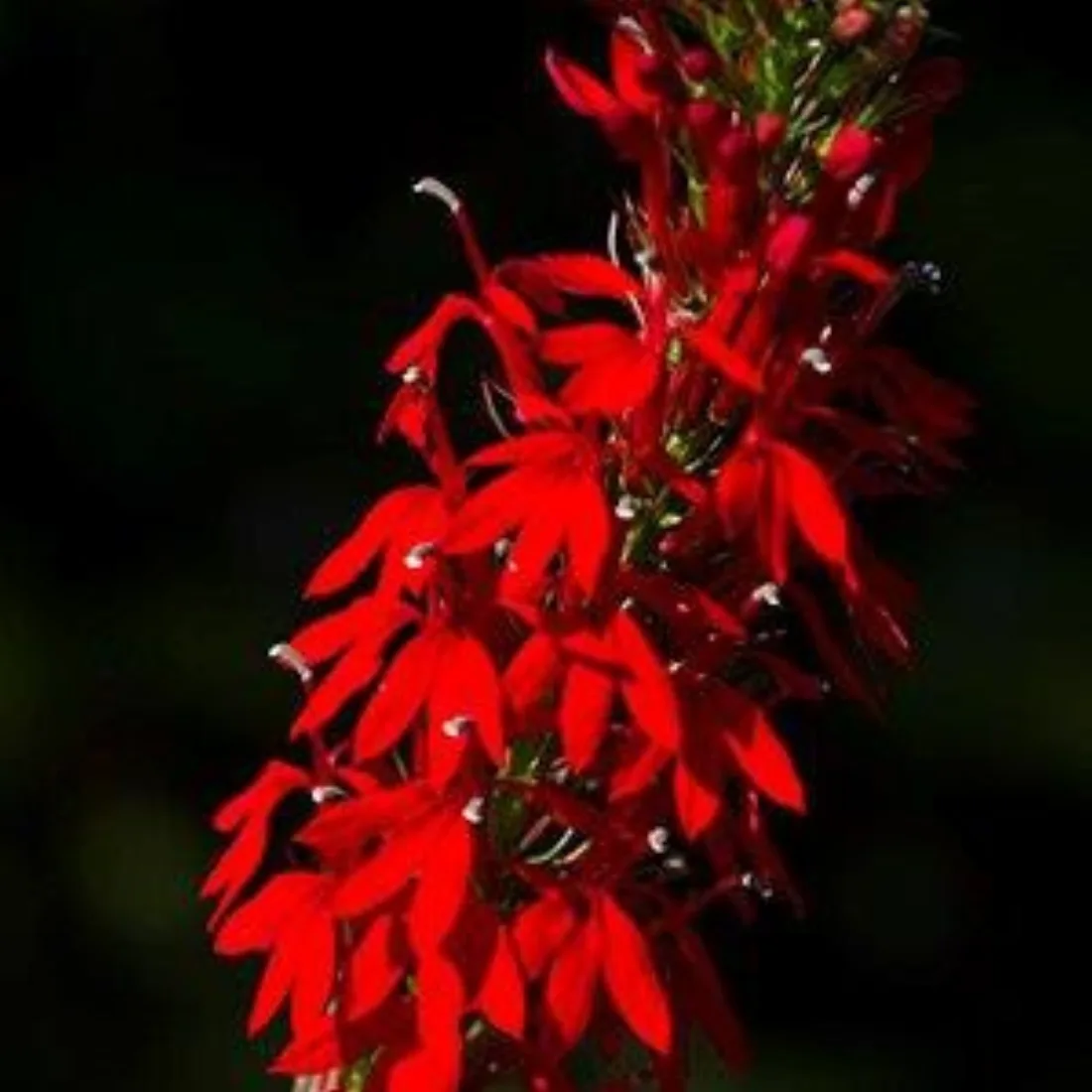
Lobelia cardinalis
Late red flowers supply nectar for hummingbirds and butterflies.
Instead of woodland sage
Meet this plantPhoto: Debbie Roos · CC BY 2.0
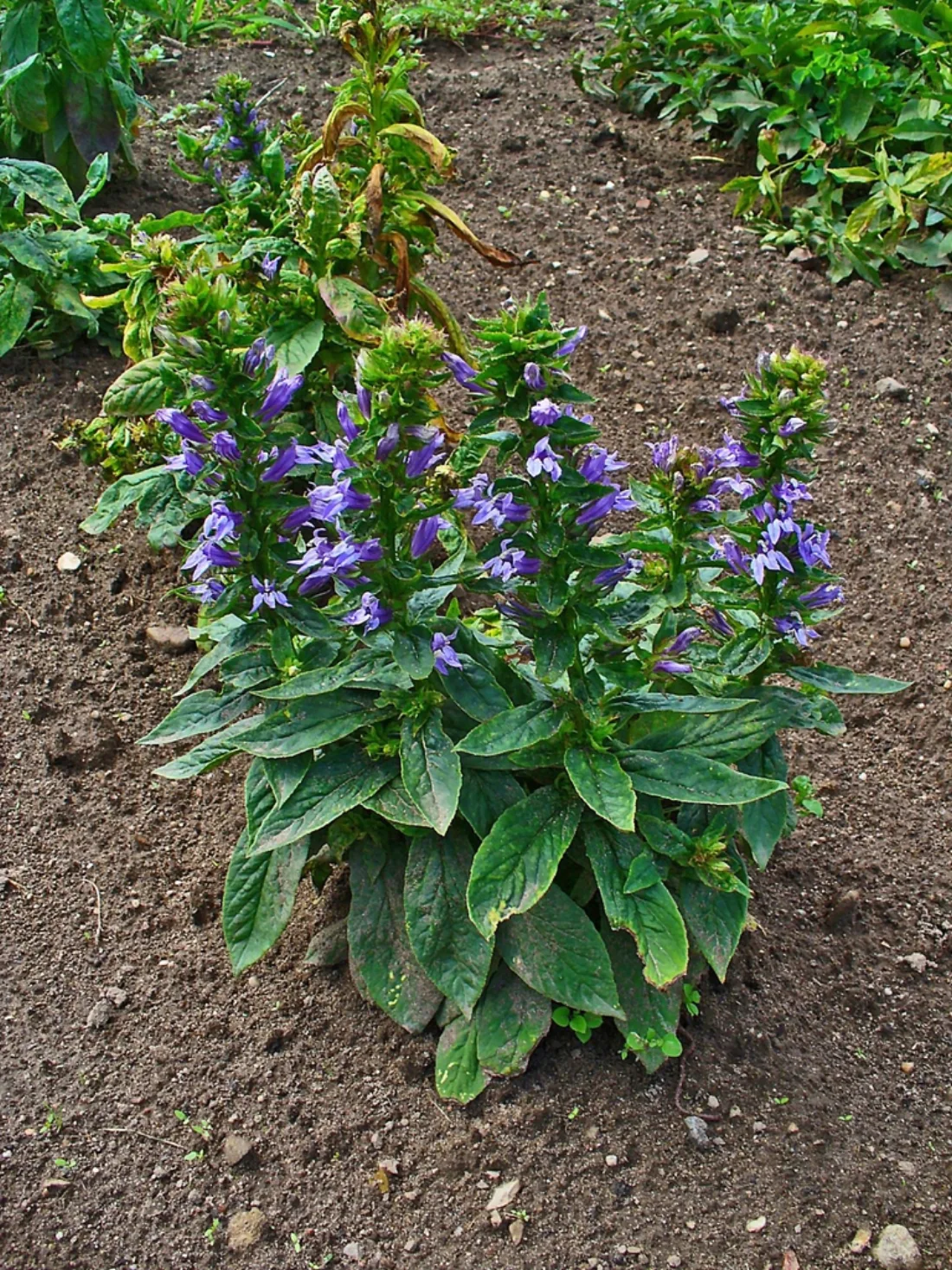
Lobelia siphilitica
Native flower tubes feed bumblebees and other long-tongued pollinators.
Instead of woodland sage
Meet this plantPhoto: H. Zell · CC BY-SA 3.0
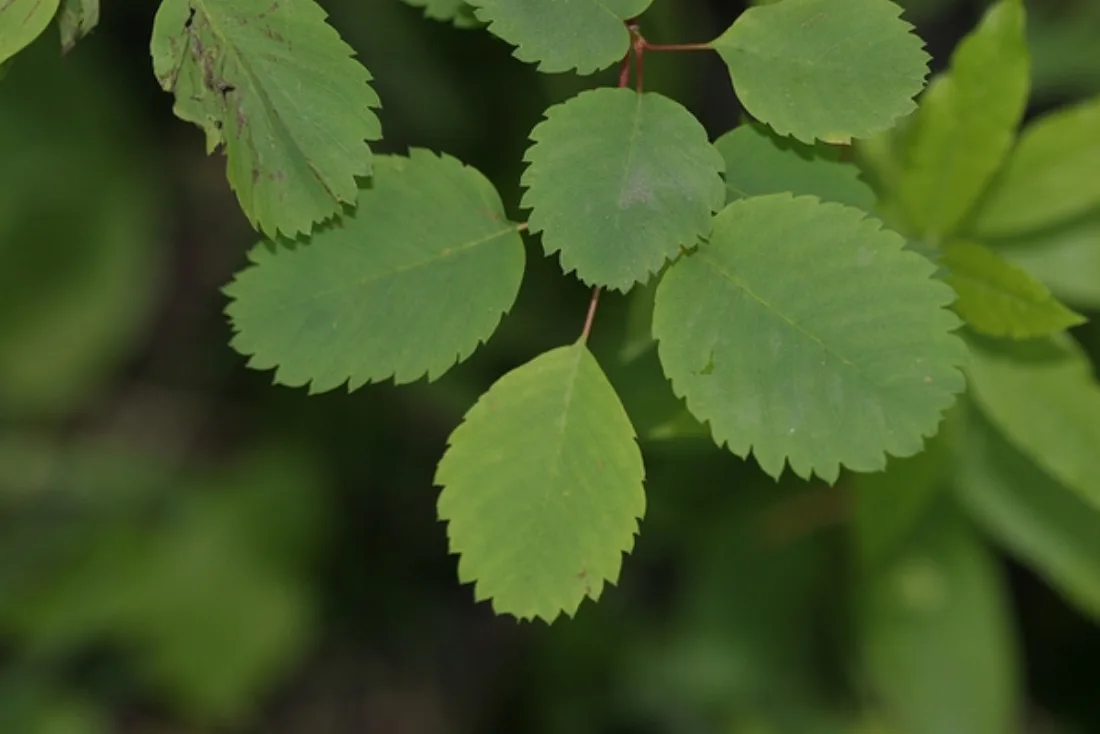
Amelanchier alnifolia
Spring flowers feed pollinators, followed by berries for birds and mammals.
Instead of heavenly bamboo
Meet this plantPhoto: Andrey Zhakikh · CC BY 2.0
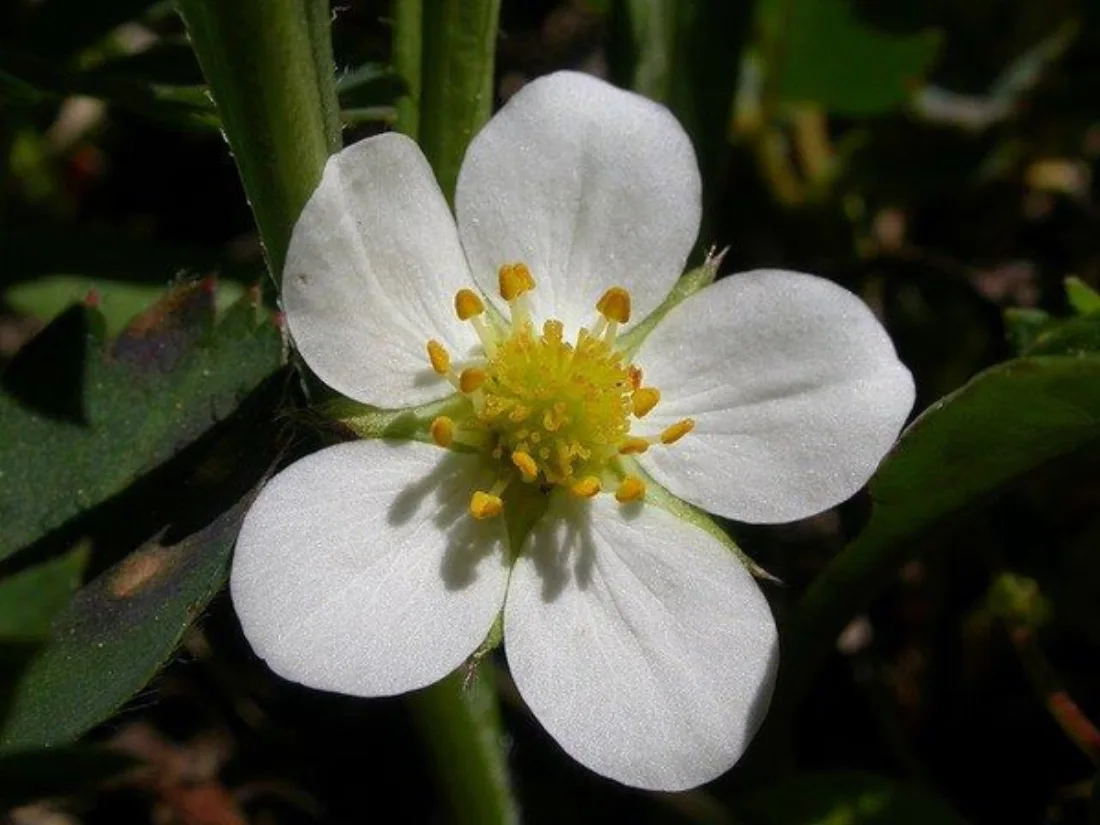
Fragaria virginiana
Native spring flowers feed pollinators, including specialist bees.
Instead of bugleweed
Meet this plantPhoto: Matt Lavin · CC-BY-SA 2.0
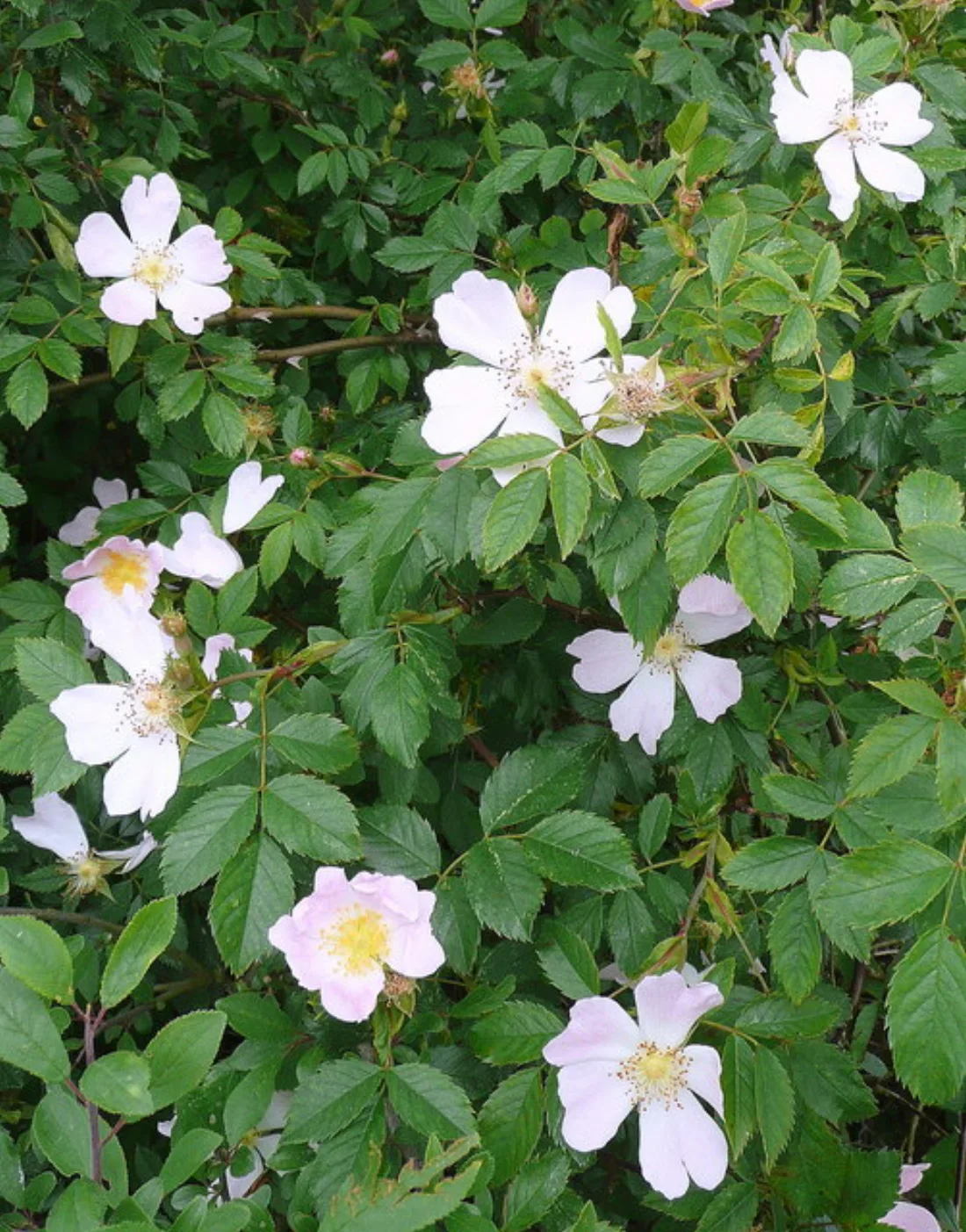
Rosa acicularis
Native pink flowers and red hips bring seasonal interest to a cold-climate hedge.
Instead of rugosa rose
Meet this plantPhoto: Jonathan Billinger · CC BY-SA 2.0
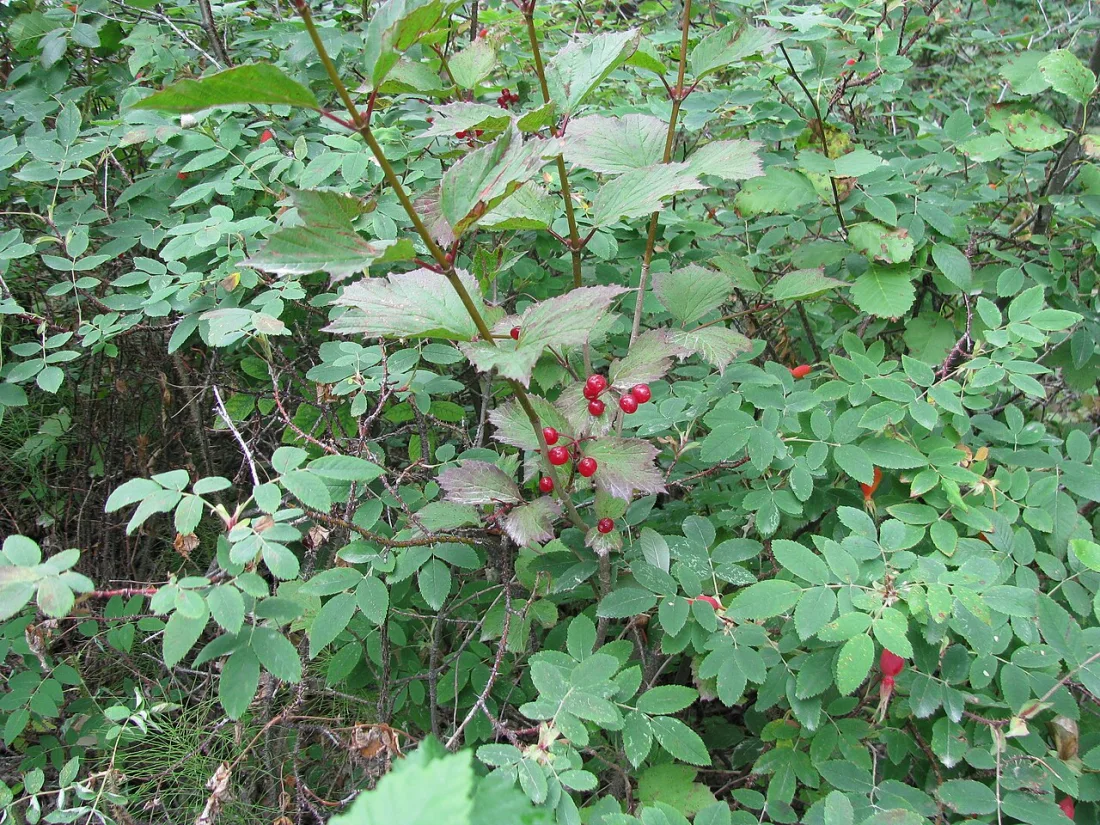
Viburnum edule
Native flowers and red fruit bring seasonal interest to a cool woodland garden.
Instead of heavenly bamboo
Meet this plantPhoto: Arthur Chapman · CC BY 2.0
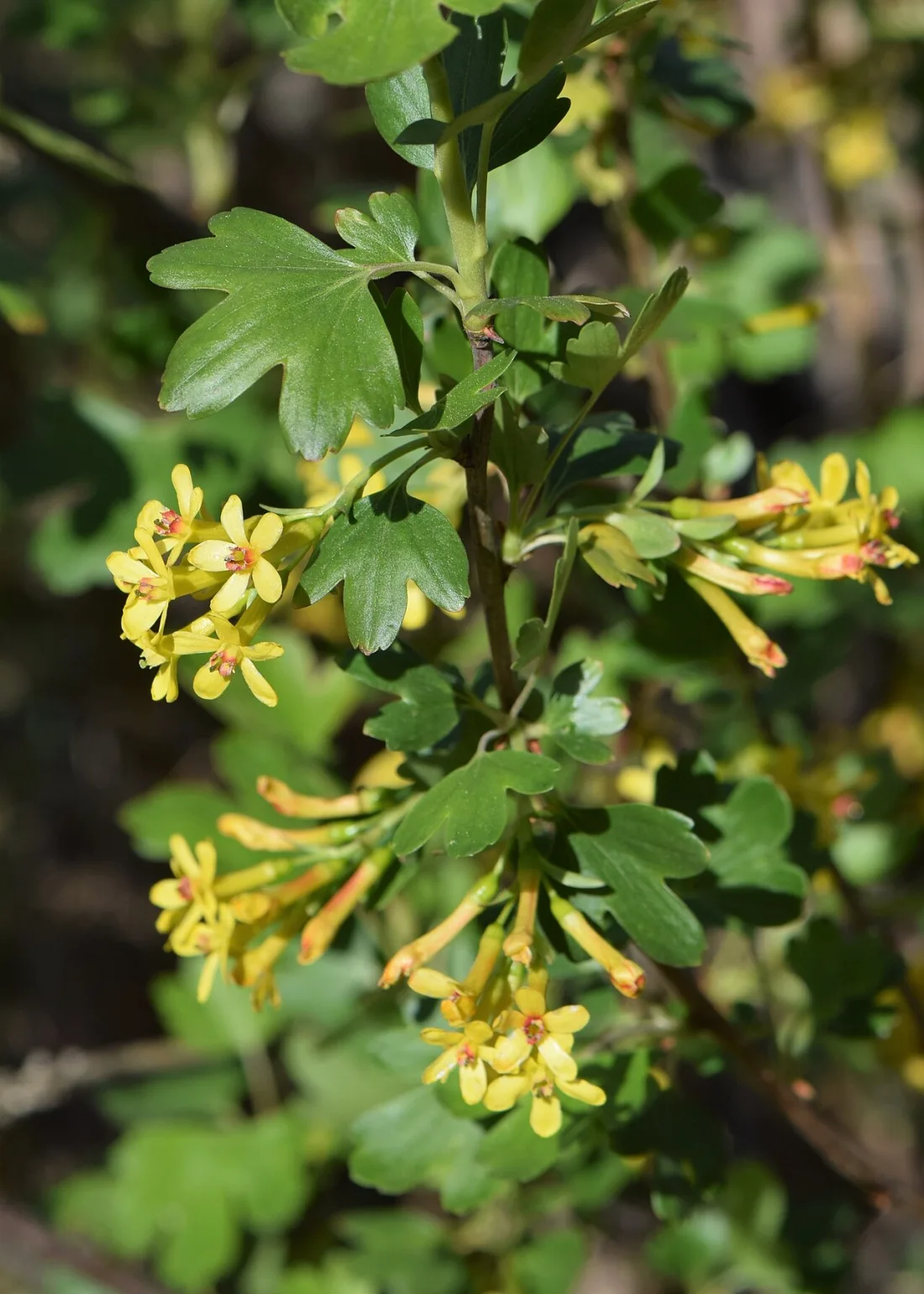
Ribes aureum
Native spring flowers are followed by fruit for birds and colorful autumn leaves.
Instead of border forsythia
Meet this plantPhoto: Krzysztof Ziarnek, Kenraiz · CC BY-SA 4.0
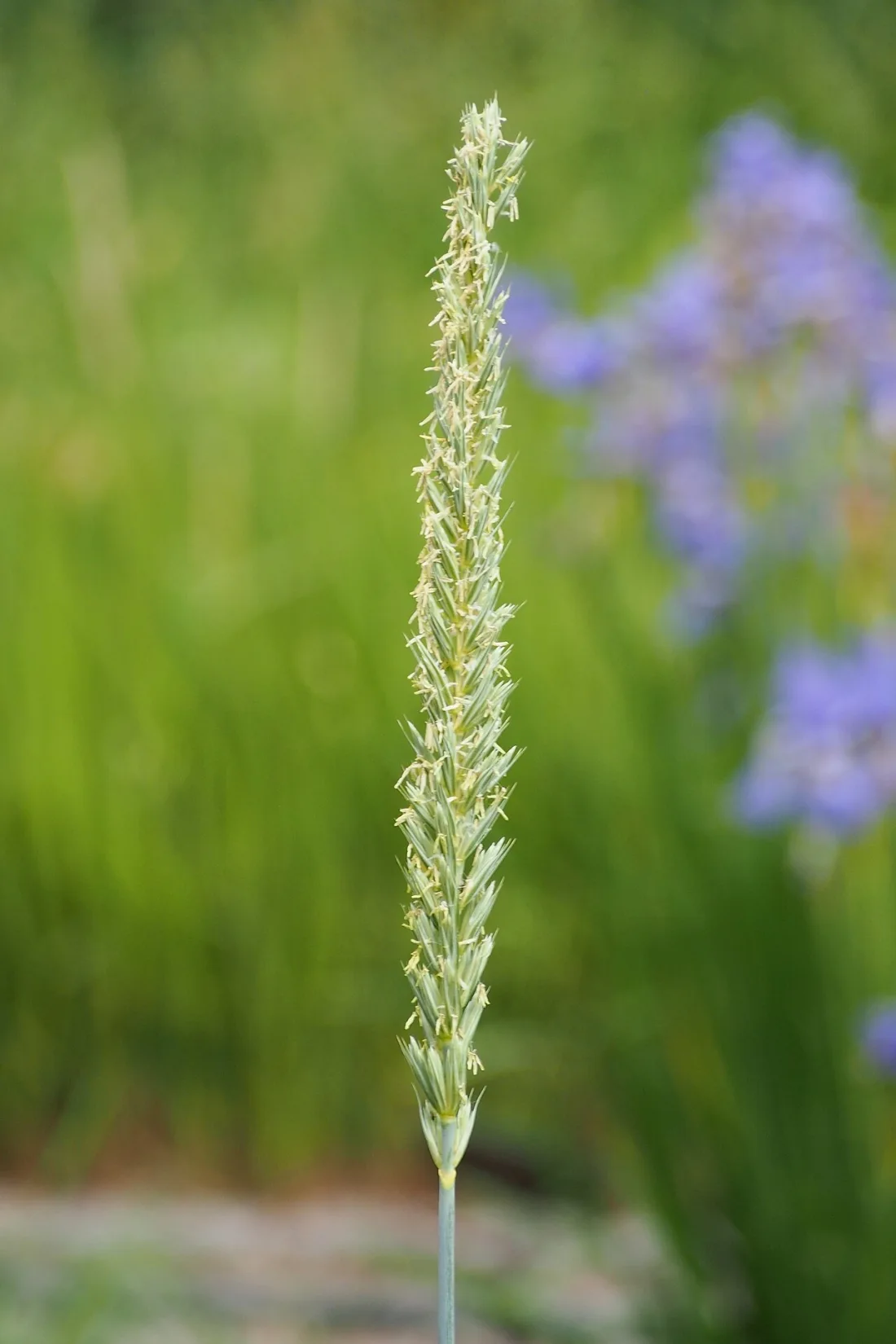
Elymus glaucus
Native bunches provide habitat for birds and mammals and help stabilize disturbed ground.
Instead of maiden grass
Meet this plantPhoto: Agnieszka Kwiecień, Nova · CC BY-SA 4.0
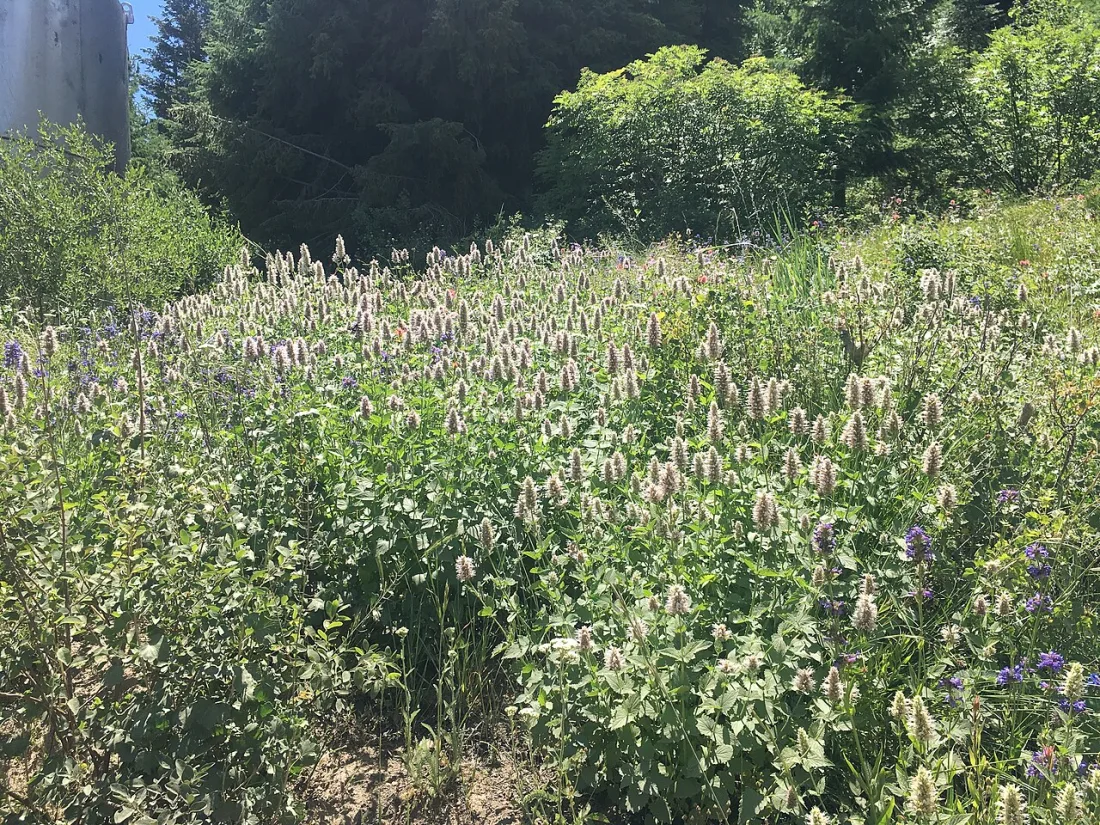
Agastache urticifolia
Native flowers feed bumblebees and other bees through summer.
Instead of woodland sage
Meet this plantPhoto: Matt Lavin · CC BY-SA 2.0
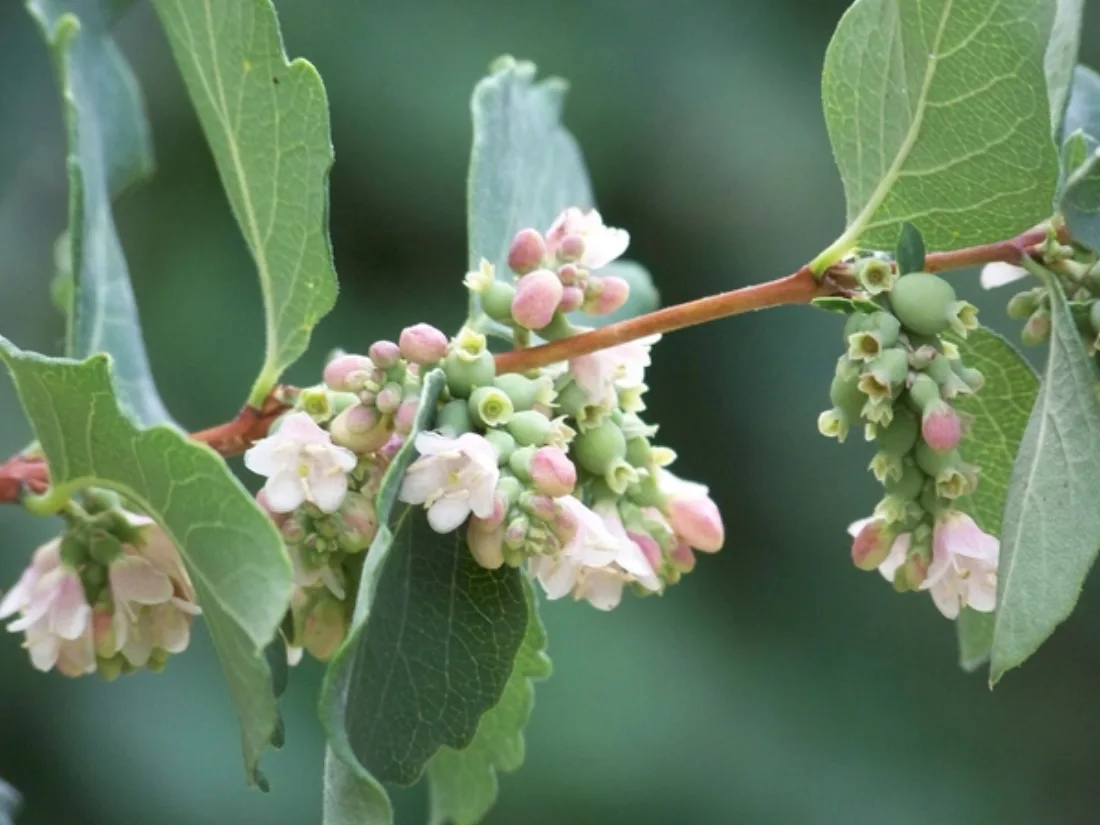
Symphoricarpos albus
Native foliage feeds snowberry clearwing caterpillars, and white berries provide food for wildlife.
Instead of heavenly bamboo
Meet this plantPhoto: Patrick Standish · CC BY 2.0
Less than 2 hours of direct sun
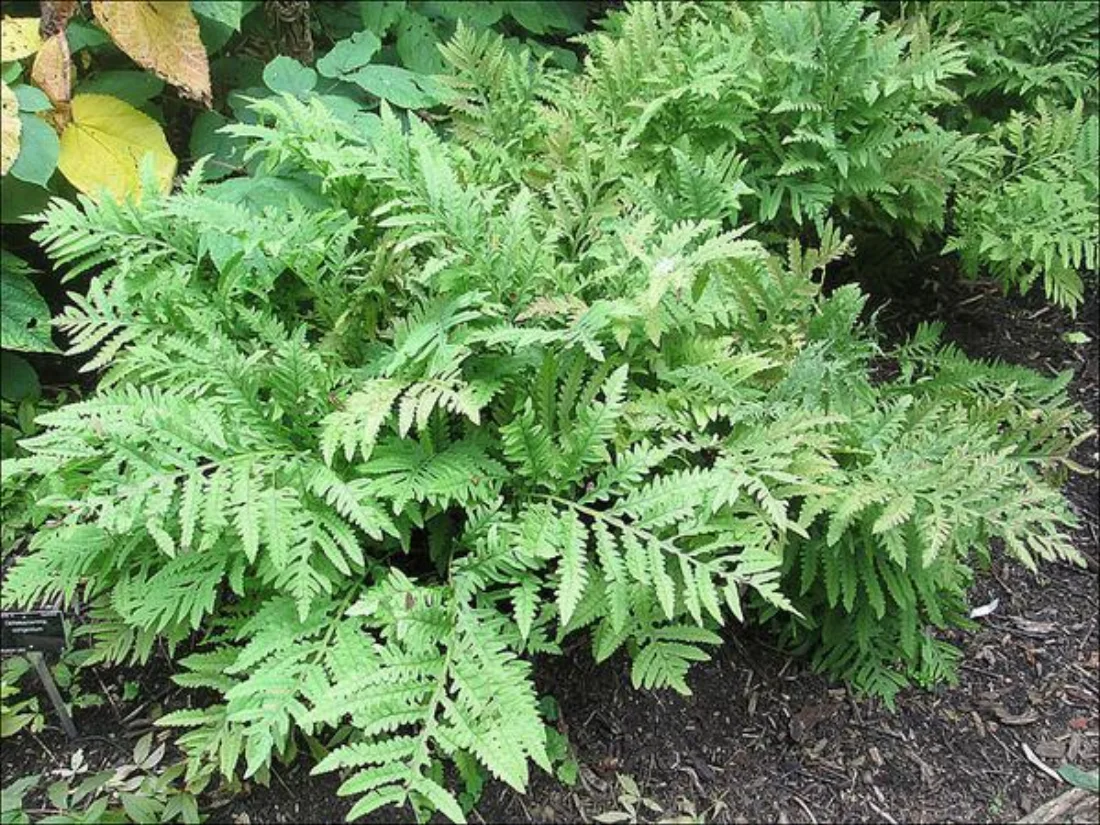
Onoclea sensibilis
Native fern colonies provide low cover for woodland wildlife.
Instead of japanese painted fern
Meet this plantPhoto: Hornet Photography · CC-BY-SA 2.0
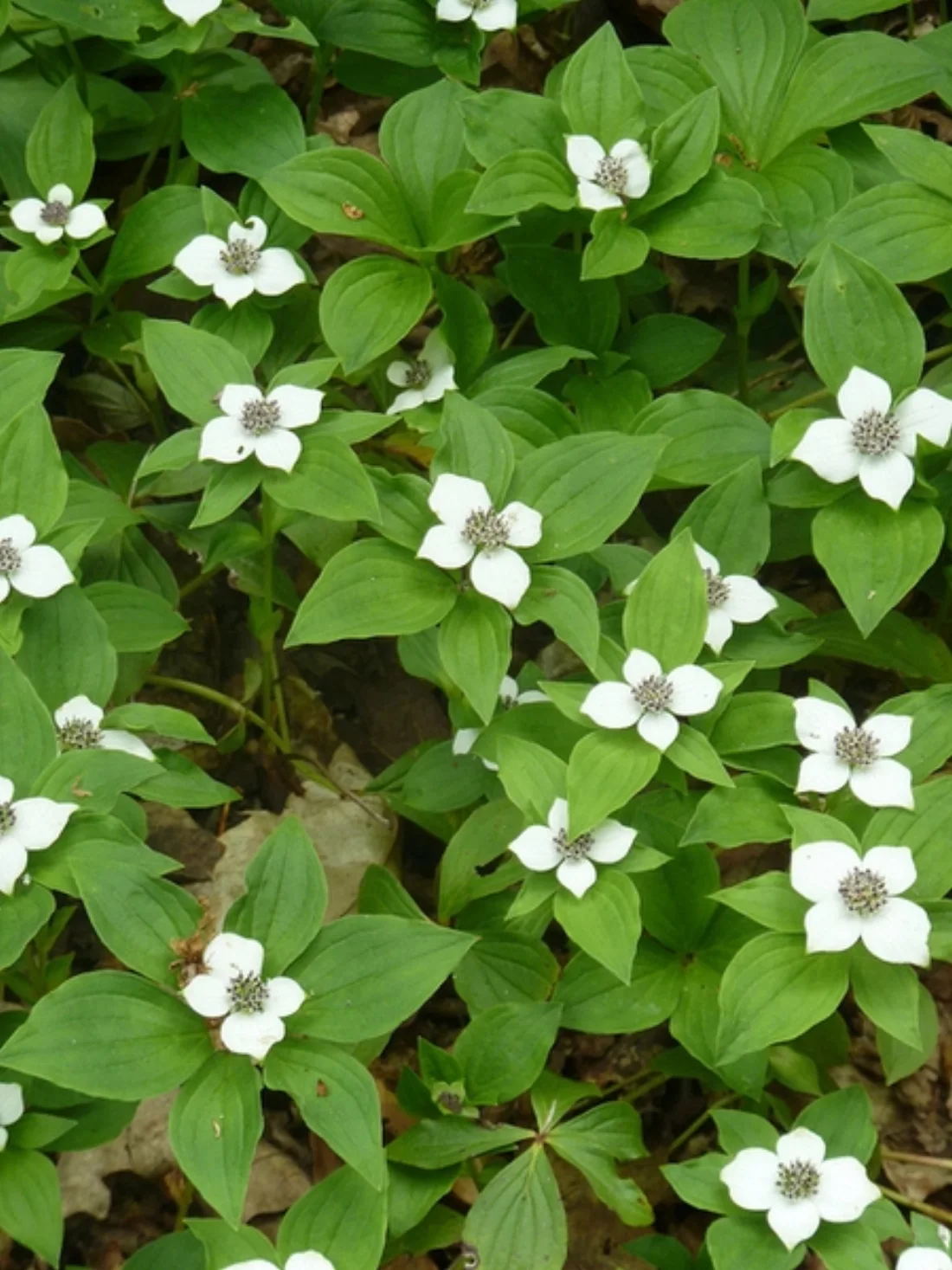
Cornus canadensis
Small native flowers feed pollinators, and red berries provide food for birds.
Instead of common periwinkle
Meet this plantPhoto: Peganum · CC-BY-SA 2.0
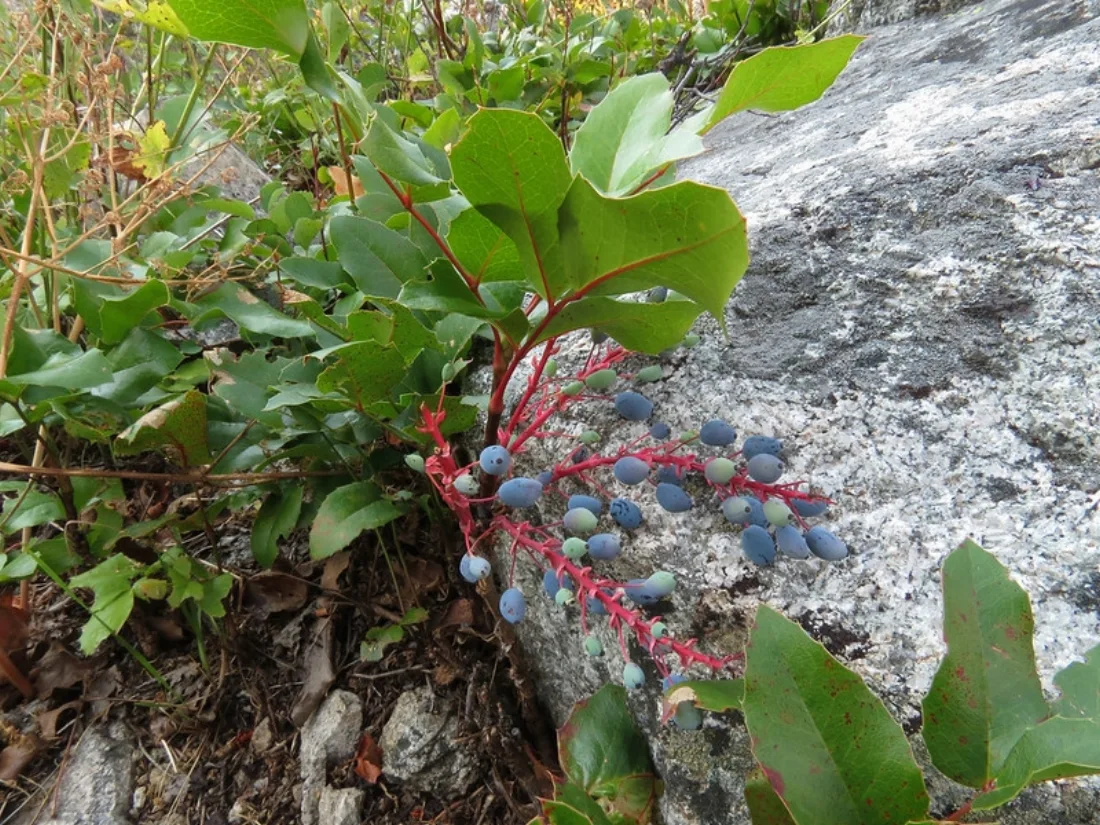
Berberis repens
Native flowers feed pollinators, and berries and evergreen cover support birds and small mammals.
Instead of common periwinkle
Meet this plantPhoto: Katja Schulz · CC BY 2.0
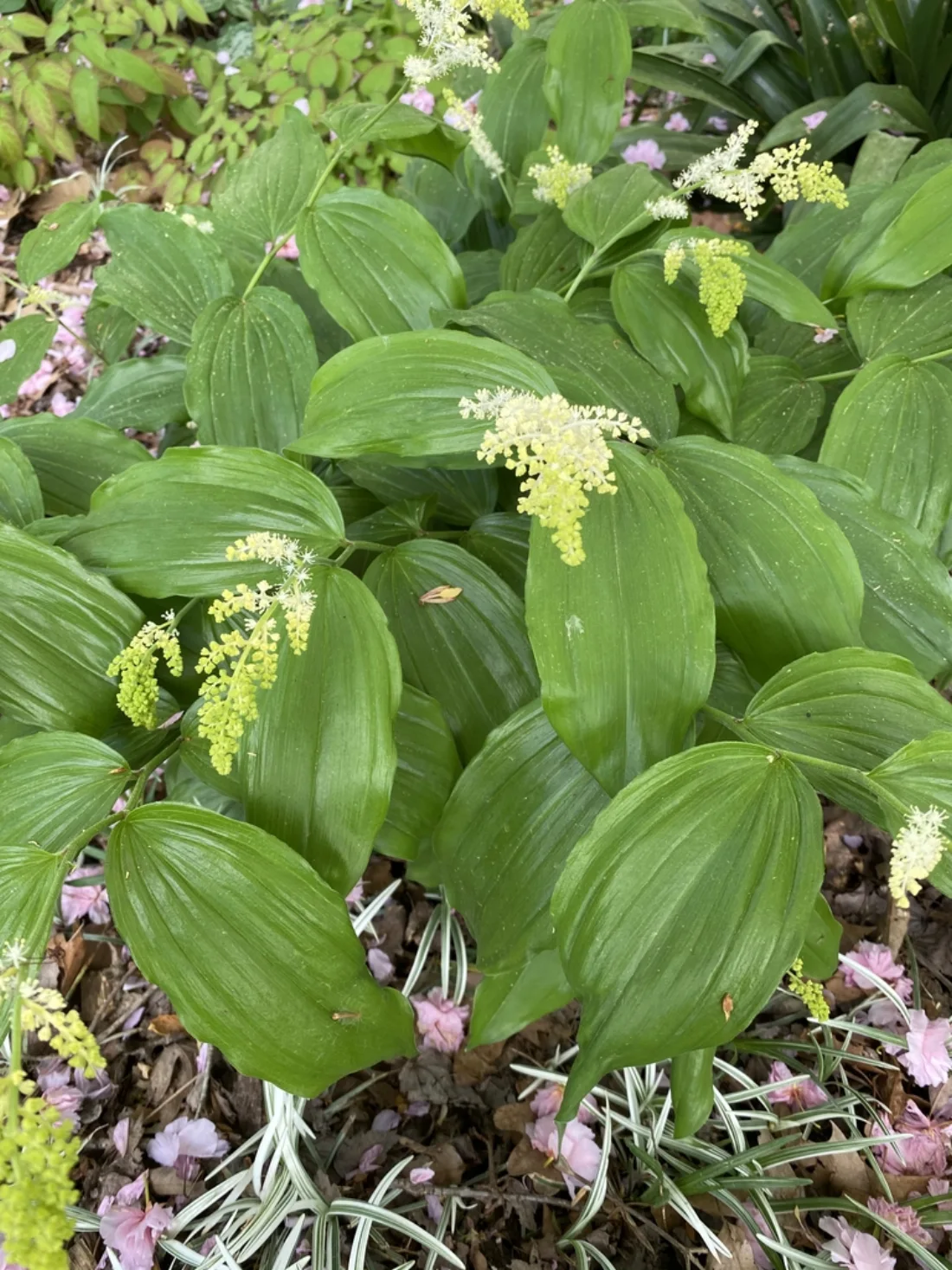
Maianthemum racemosum
Native spring flowers feed insects, followed by berries for birds and small mammals.
Instead of fragrant hosta
Meet this plantPhoto: Kathy Sill · CC BY 4.0
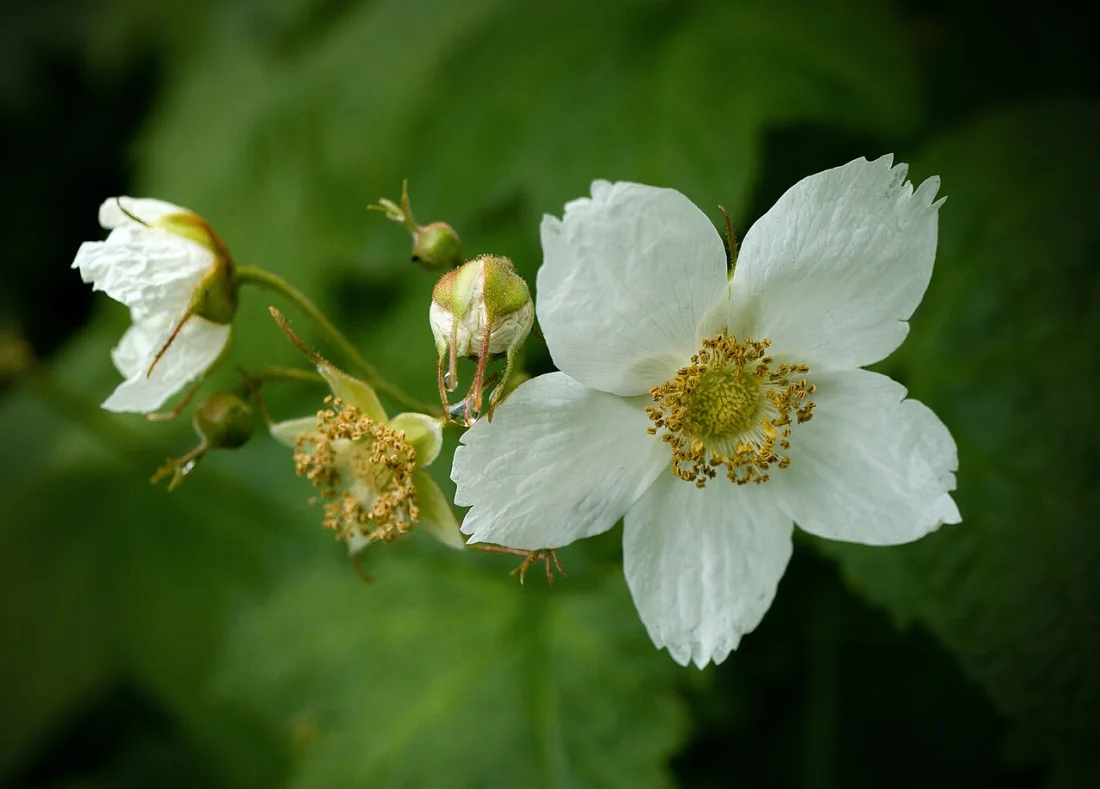
Rubus parviflorus
Native flowers and raspberry-like fruit add interest without thorny canes.
Instead of rugosa rose
Meet this plantPhoto: CAJC: in the PNW · CC BY-SA 2.0
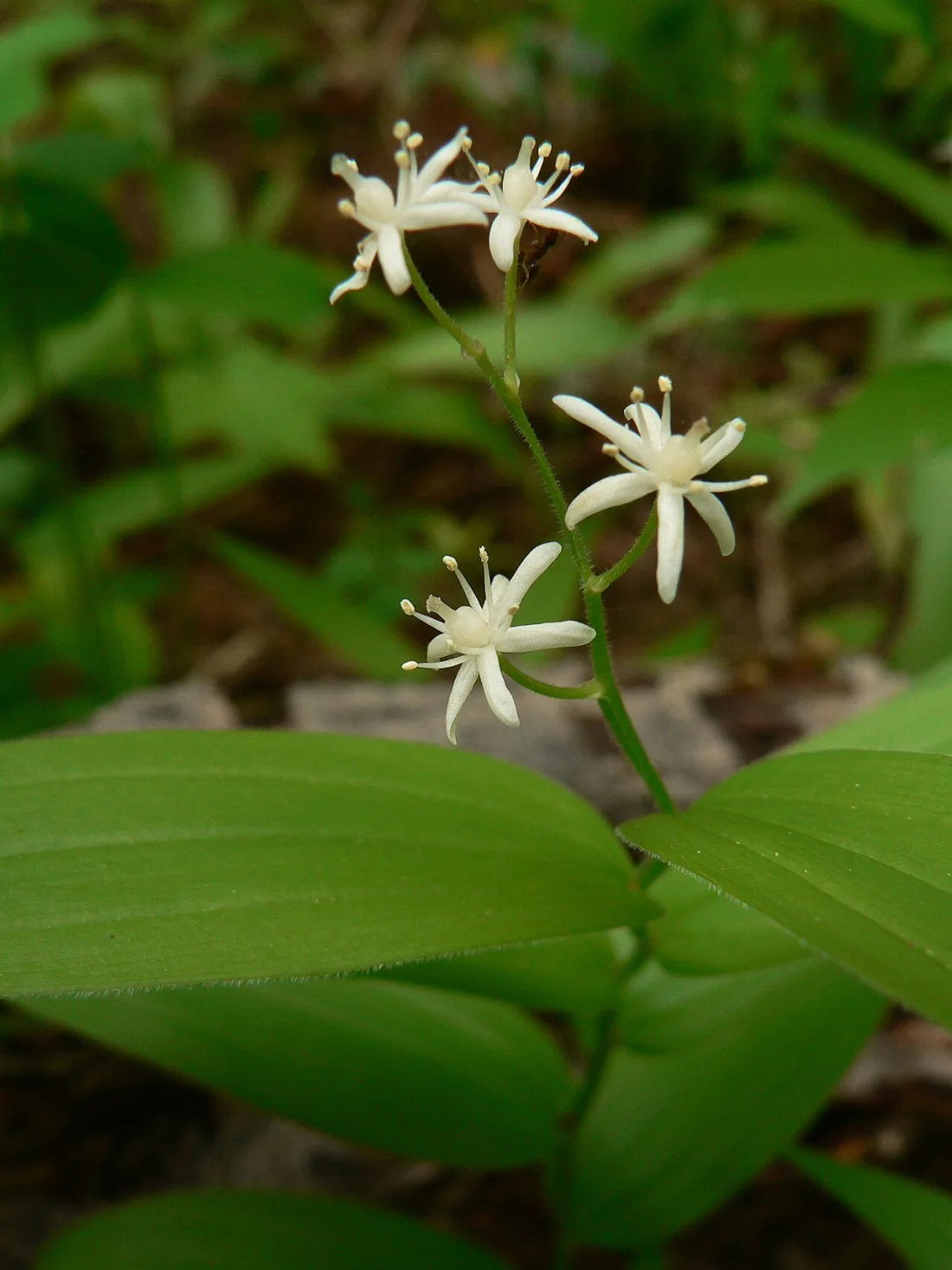
Maianthemum stellatum
Native berries attract birds and small mammals after the spring flower display.
Instead of fragrant hosta
Meet this plantPhoto: Walter Siegmund (talk) · CC BY 2.5
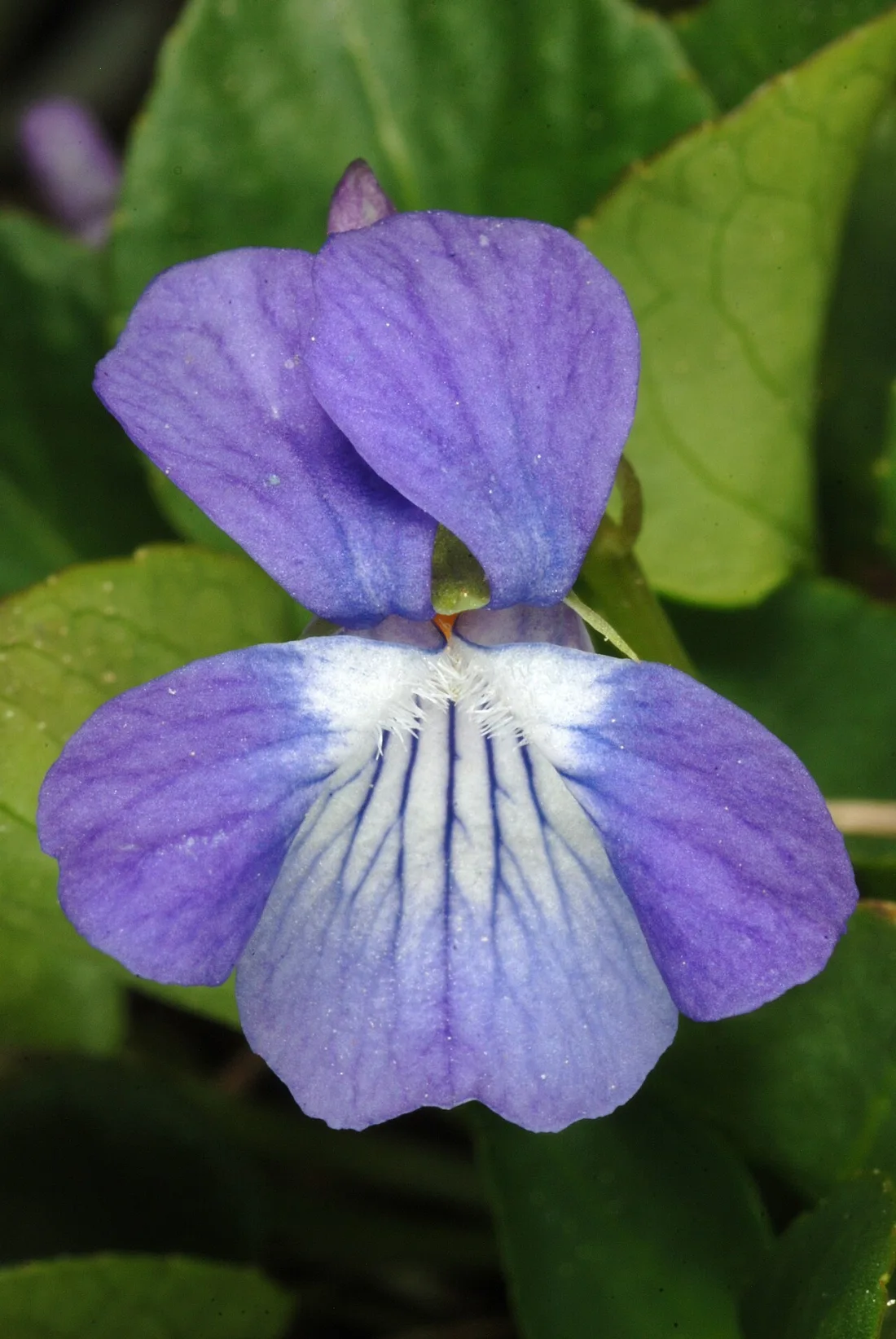
Viola adunca
Native leaves feed fritillary caterpillars, and flowers feed bumblebees and butterflies.
Instead of bugleweed
Meet this plantPhoto: DouglasGoldman · CC BY-SA 4.0
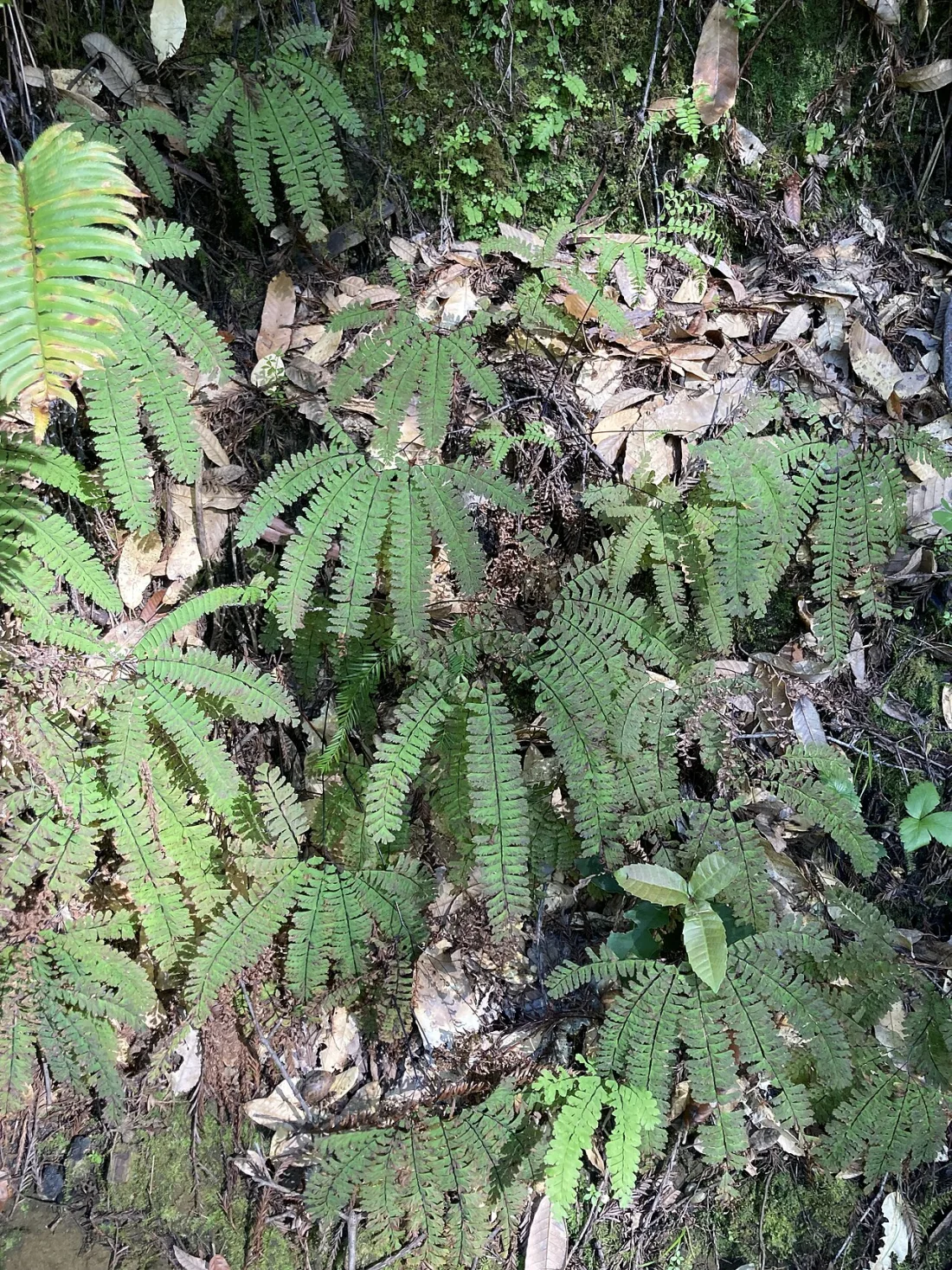
Adiantum aleuticum
Native fan-shaped fronds add fine texture to a shaded woodland garden.
Instead of japanese painted fern
Meet this plantPhoto: Awinch1001 · CC0
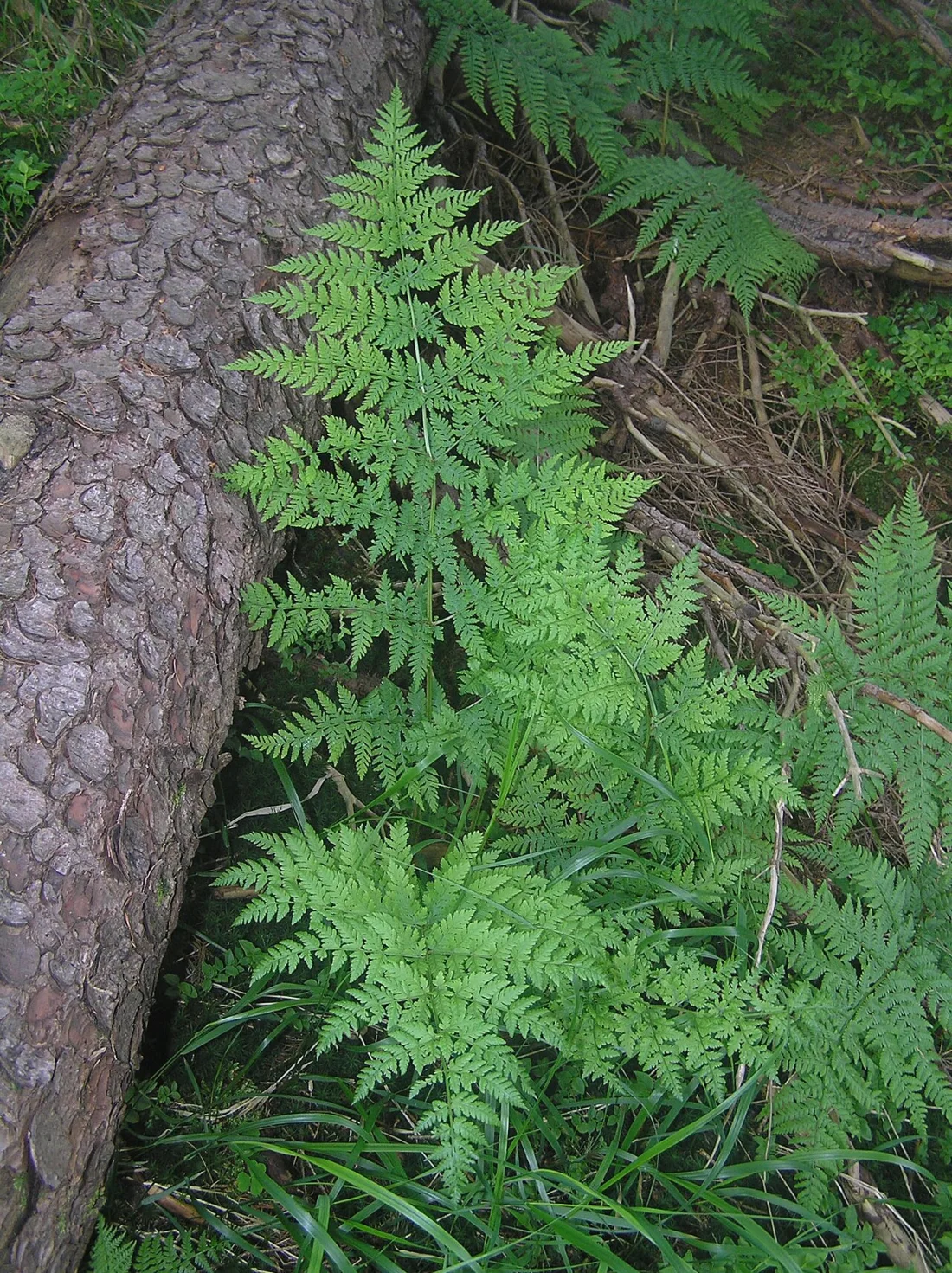
Dryopteris expansa
Native fern clumps add dense, finely divided foliage in cool, moist shade.
Instead of japanese holly fern
Meet this plantPhoto: Petr Filippov · CC BY 3.0
Use your garden’s sunlight, soil moisture, and available space to narrow the list.
Compare all Colorado swaps