Summer flowers
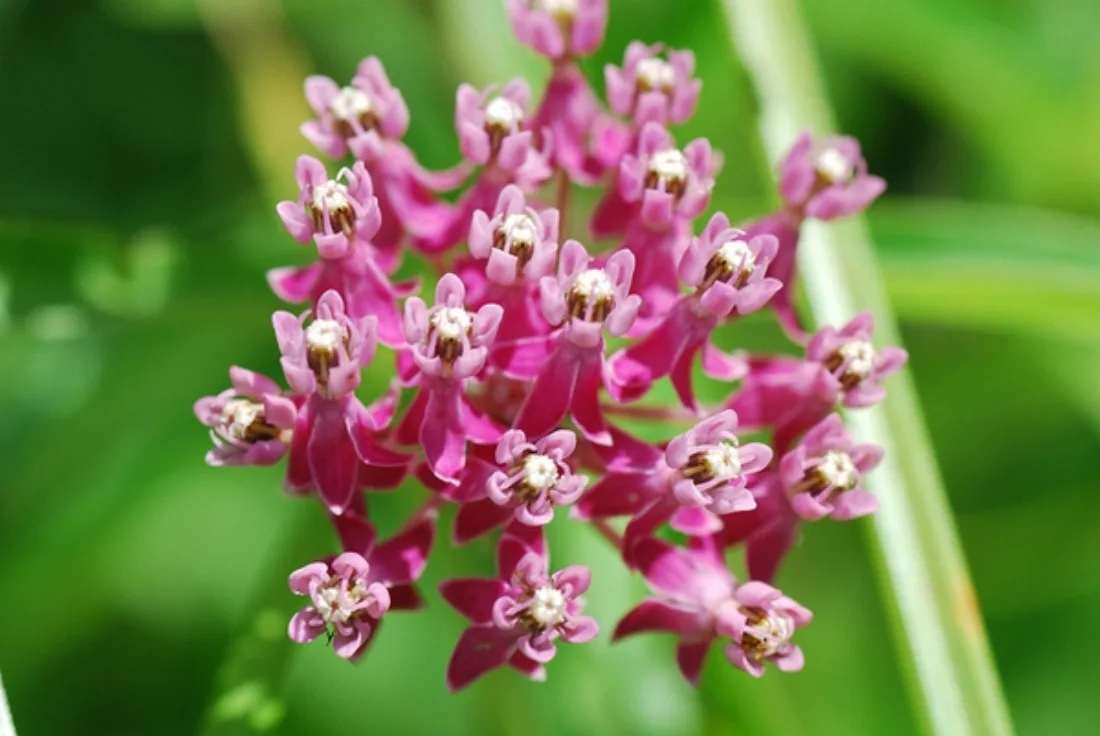
Swamp milkweed
Asclepias incarnata
A locally native milkweed gives monarch caterpillars food and visiting butterflies a summer nectar stop.
Instead of tropical milkweed
Meet this plantPhoto: Joshua Mayer · CC-BY-SA 2.0
A GARDEN THAT BELONGS HERE
Familiar garden favorites, with native roots.
Find your first swap for sun, shade, and the soil underfoot.
6+ hours of direct sun
Asclepias incarnata
A locally native milkweed gives monarch caterpillars food and visiting butterflies a summer nectar stop.
Instead of tropical milkweed
Meet this plantPhoto: Joshua Mayer · CC-BY-SA 2.0
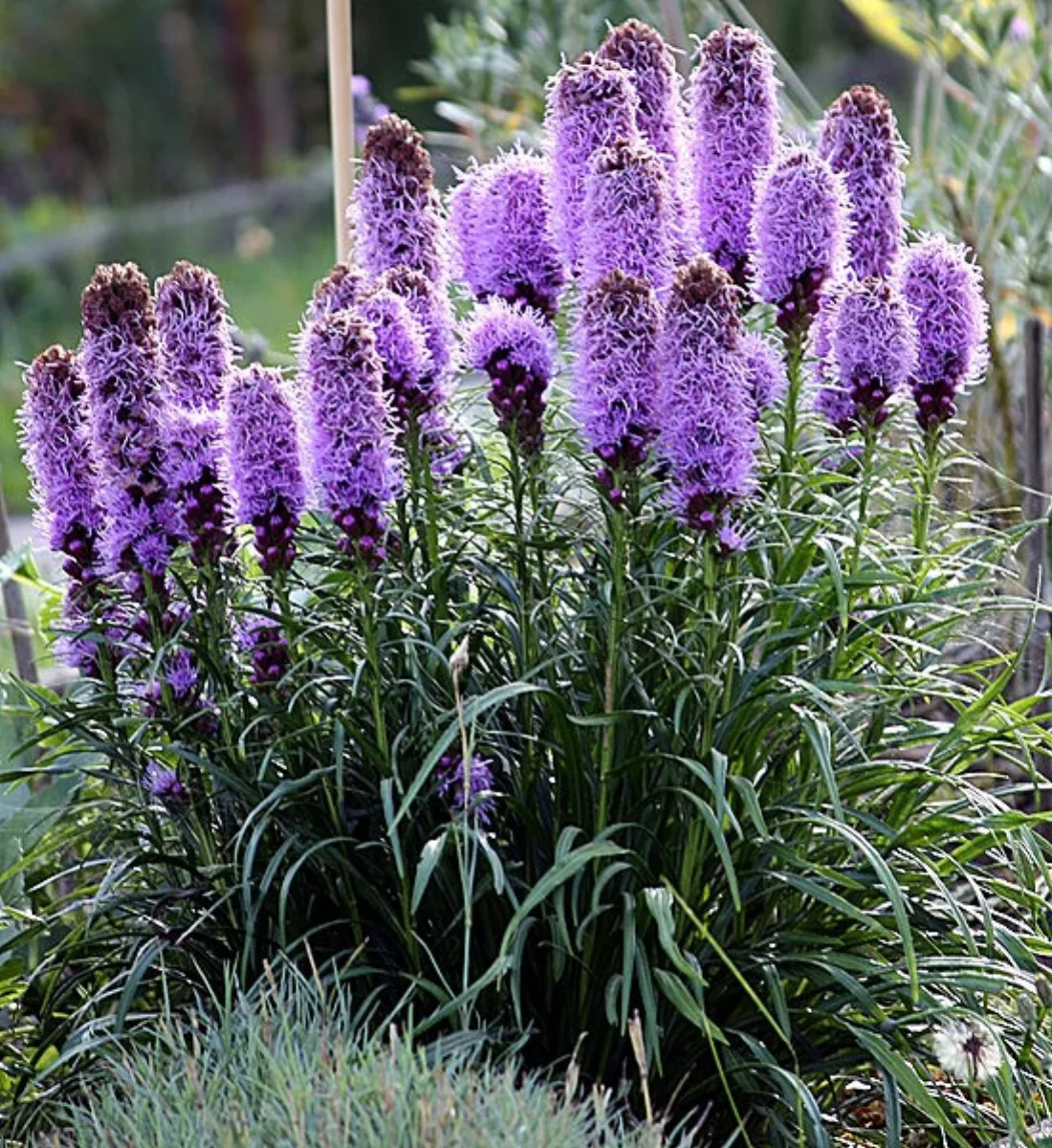
Liatris spicata
Purple flower spikes draw bees and butterflies, while their seeds feed goldfinches later in the season.
Instead of woodland sage
Meet this plantPhoto: Hedwig Storch · CC BY-SA 3.0
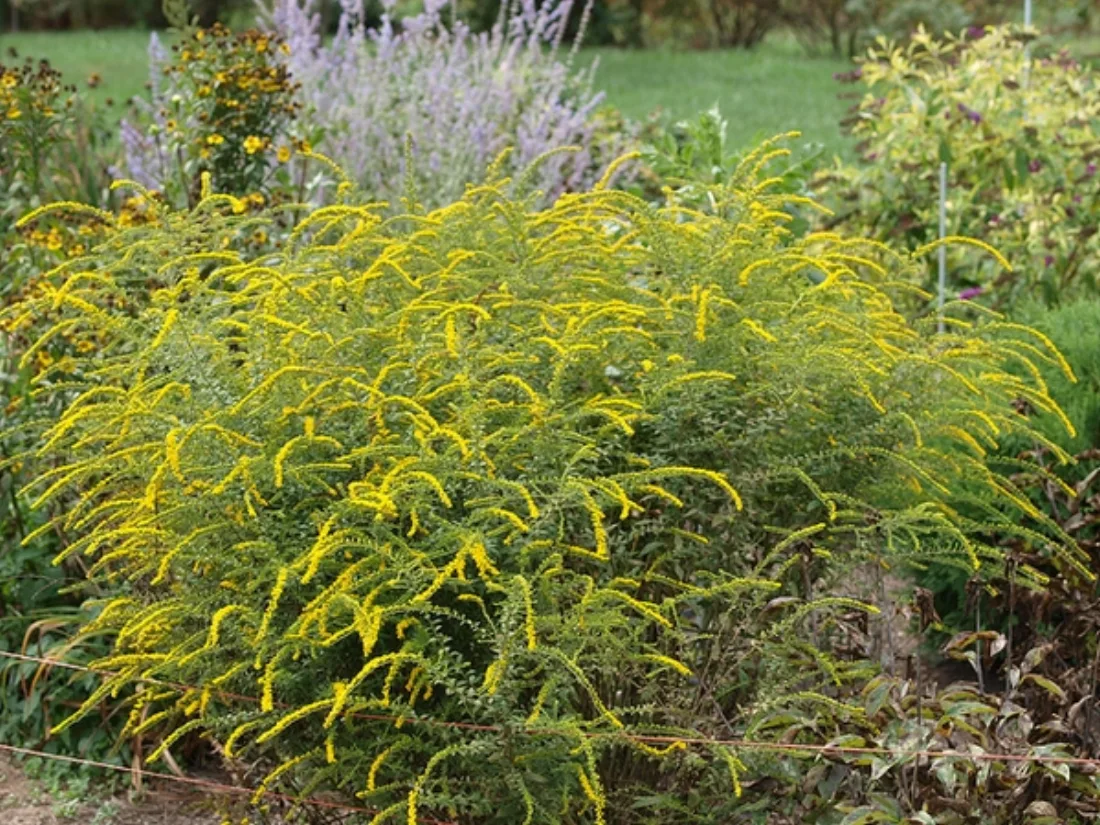
Solidago rugosa
Late yellow flowers feed bees and butterflies when many other garden blooms have finished.
Instead of garden mum
Meet this plantPhoto: F. D Richards · CC BY-SA 4.0
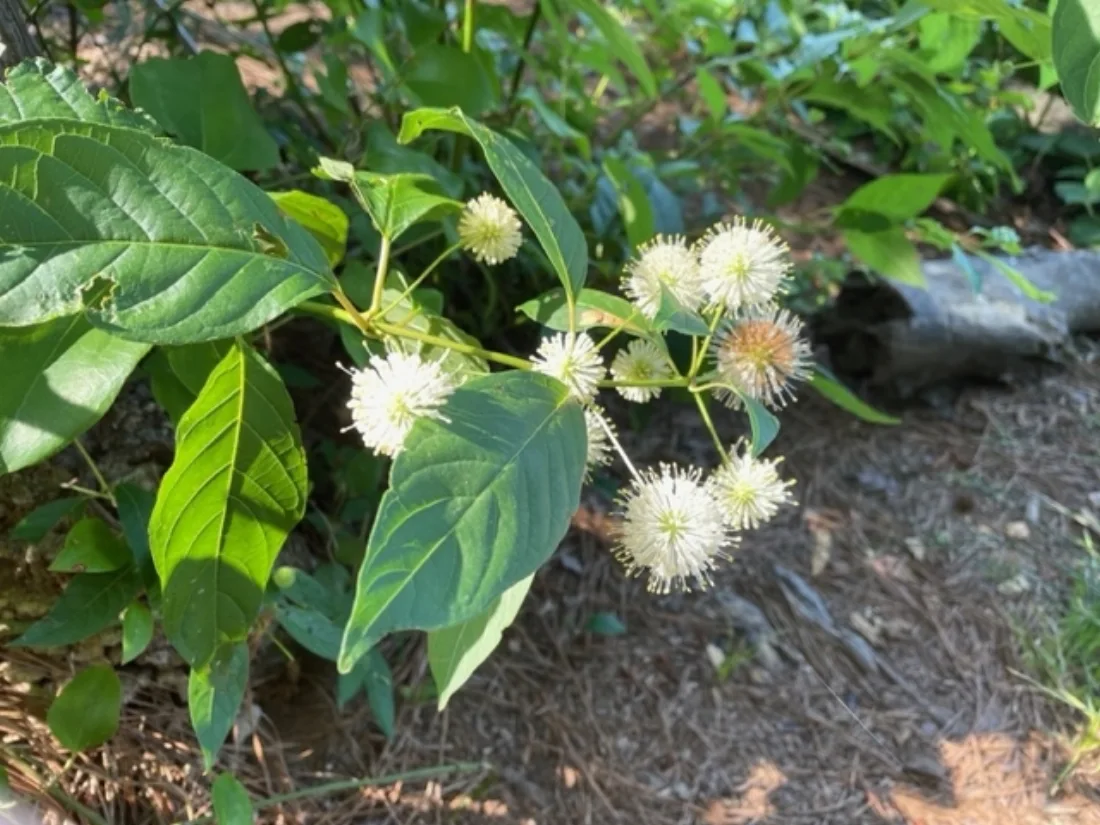
Cephalanthus occidentalis
Round flower clusters feed bees, butterflies, and hummingbirds, followed by seeds for birds.
Instead of butterfly bush
Meet this plantPhoto: Al Riordan · CC BY 4.0
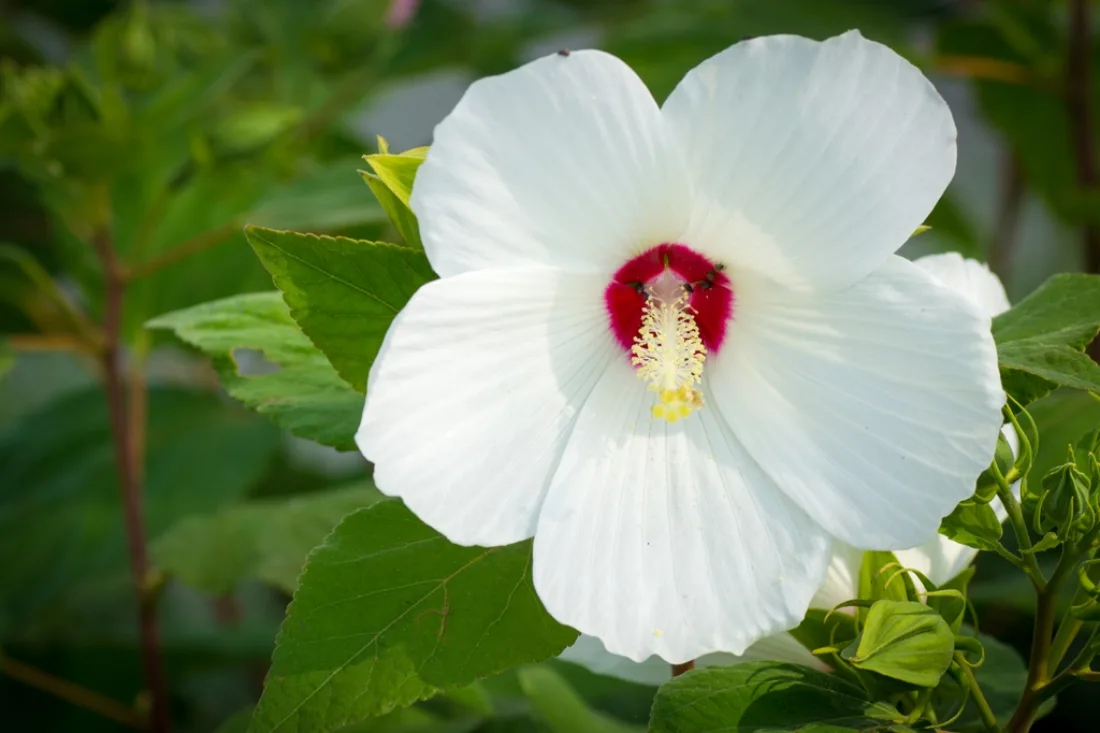
Hibiscus moscheutos
Large native flowers feed specialist bees, and standing hollow stems offer nesting places.
Instead of tropical hibiscus
Meet this plantPhoto: Andrew Cannizzaro · CC BY 2.0
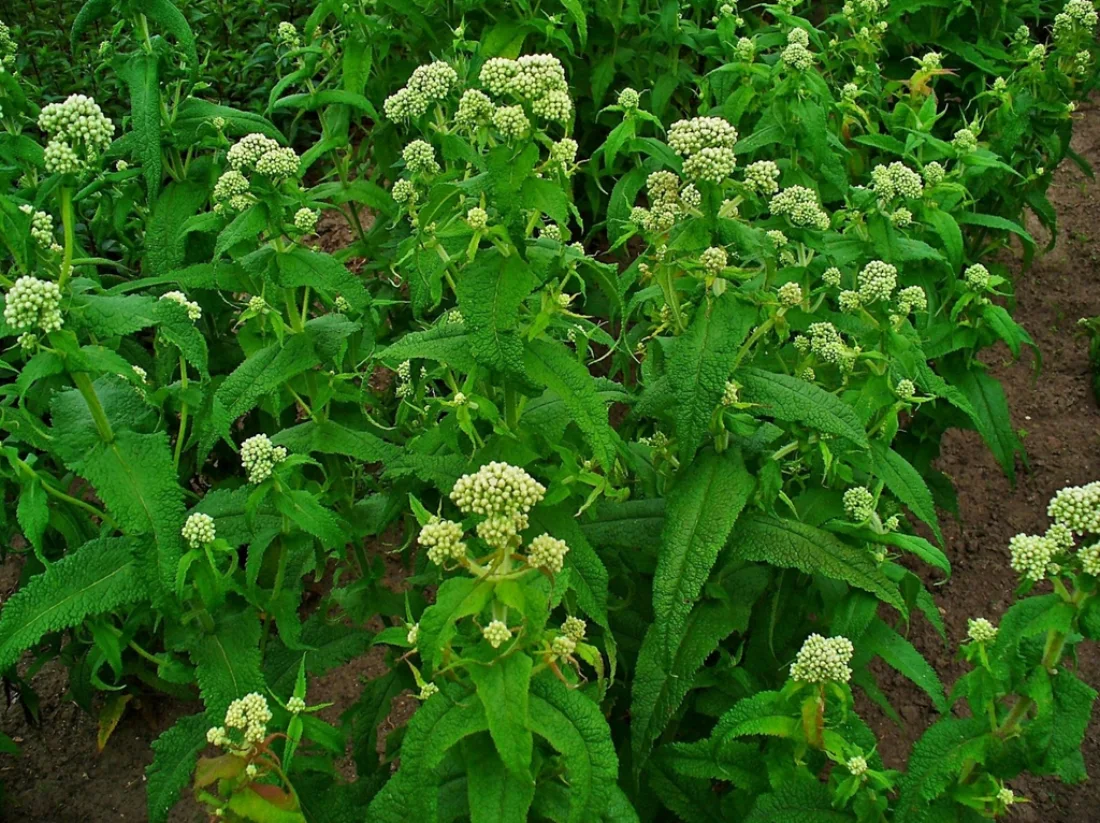
Eupatorium perfoliatum
Late native flowers feed many pollinators, and seedheads supply food for birds.
Instead of butterfly bush
Meet this plantPhoto: H. Zell · CC BY-SA 3.0
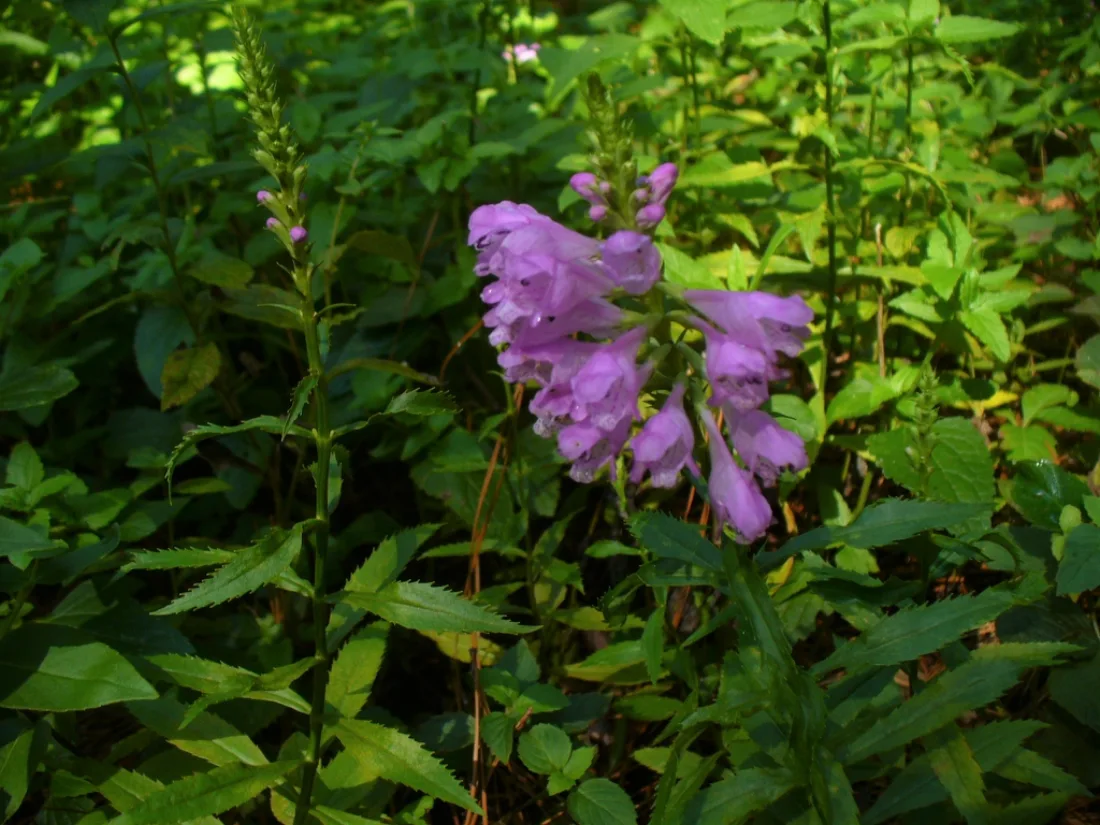
Physostegia virginiana
Native summer flowers attract bees, butterflies, and hummingbirds.
Instead of woodland sage
Meet this plantPhoto: Susan Strine · CC BY 2.0
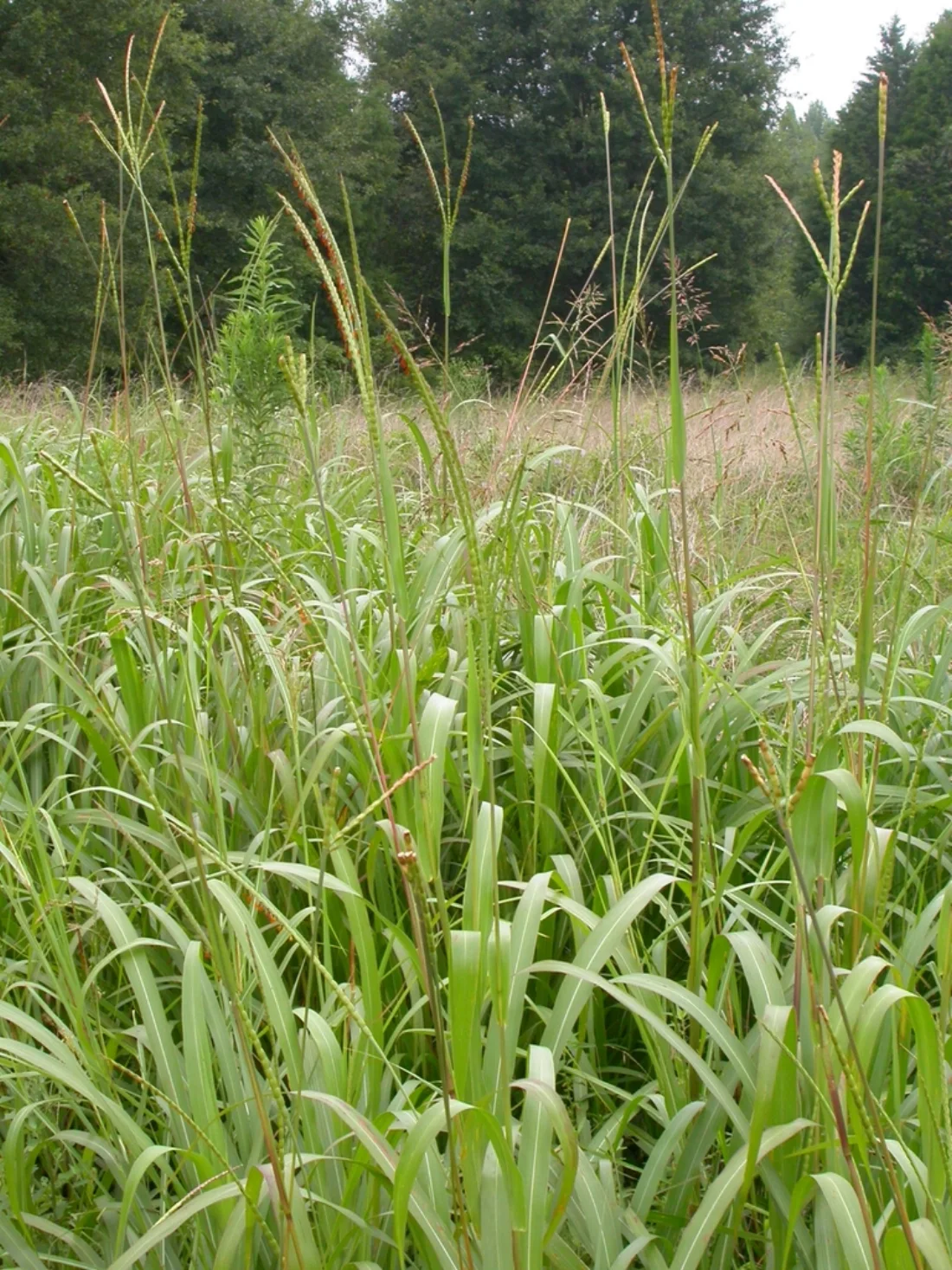
Tripsacum dactyloides
Native grass clumps shelter quail, feed seed-eating birds, and host skipper caterpillars.
Instead of maiden grass
Meet this plantPhoto: Matt Lavin · CC BY-SA 2.0 DE
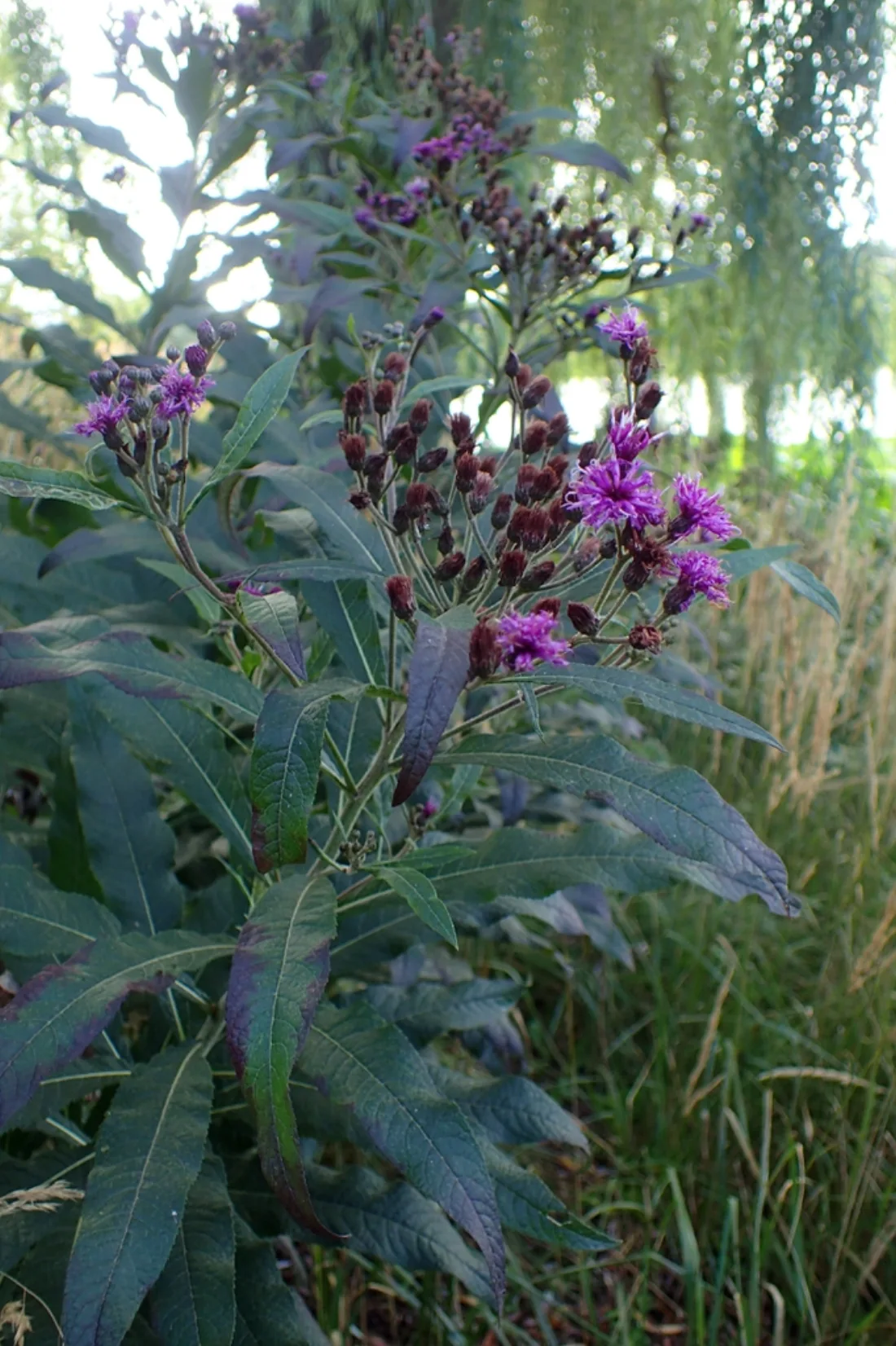
Vernonia noveboracensis
Native flowers feed bees and butterflies, and seedheads feed songbirds.
Instead of butterfly bush
Meet this plantPhoto: Krzysztof Ziarnek, Kenraiz · CC BY-SA 4.0
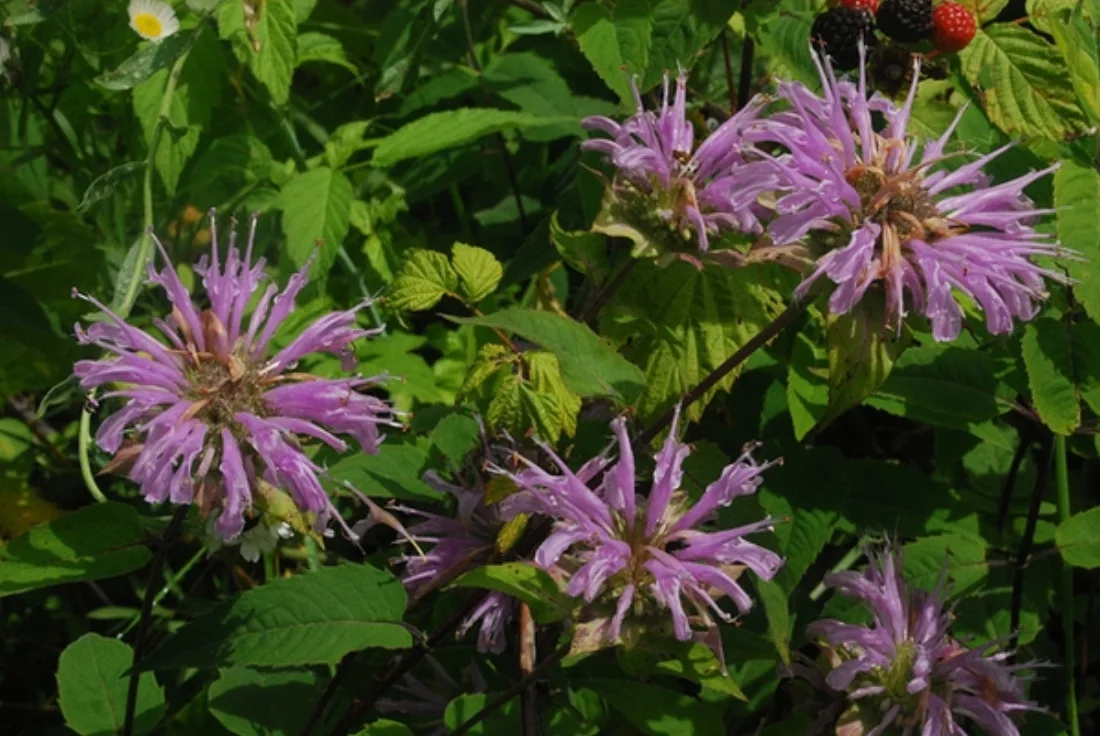
Monarda fistulosa
Its lavender blooms feed bees and hummingbirds, and hollow stems can shelter nesting bees.
Instead of garden mum
Meet this plantPhoto: Joshua Mayer · CC-BY-SA 2.0
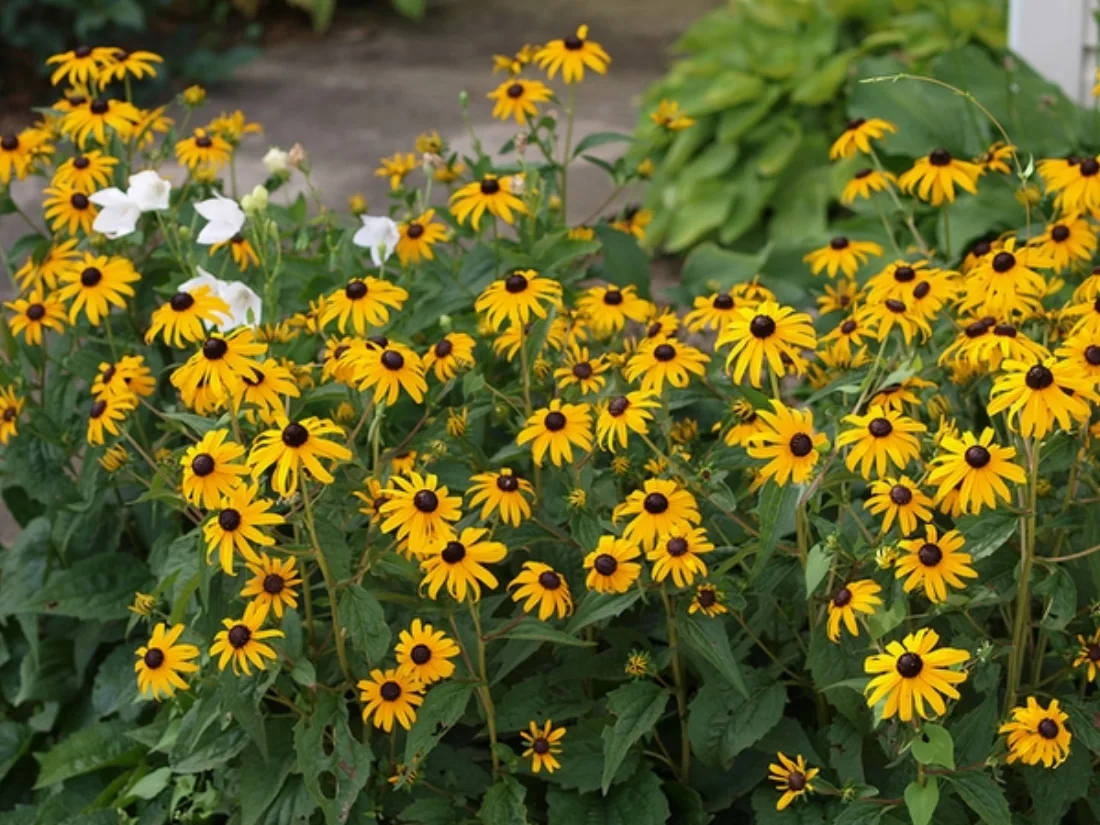
Rudbeckia fulgida
Golden flowers feed pollinators, and seedheads left standing become a fall food source for goldfinches.
Instead of shasta daisy
Meet this plantPhoto: F. D. Richards · CC-BY-SA 2.0
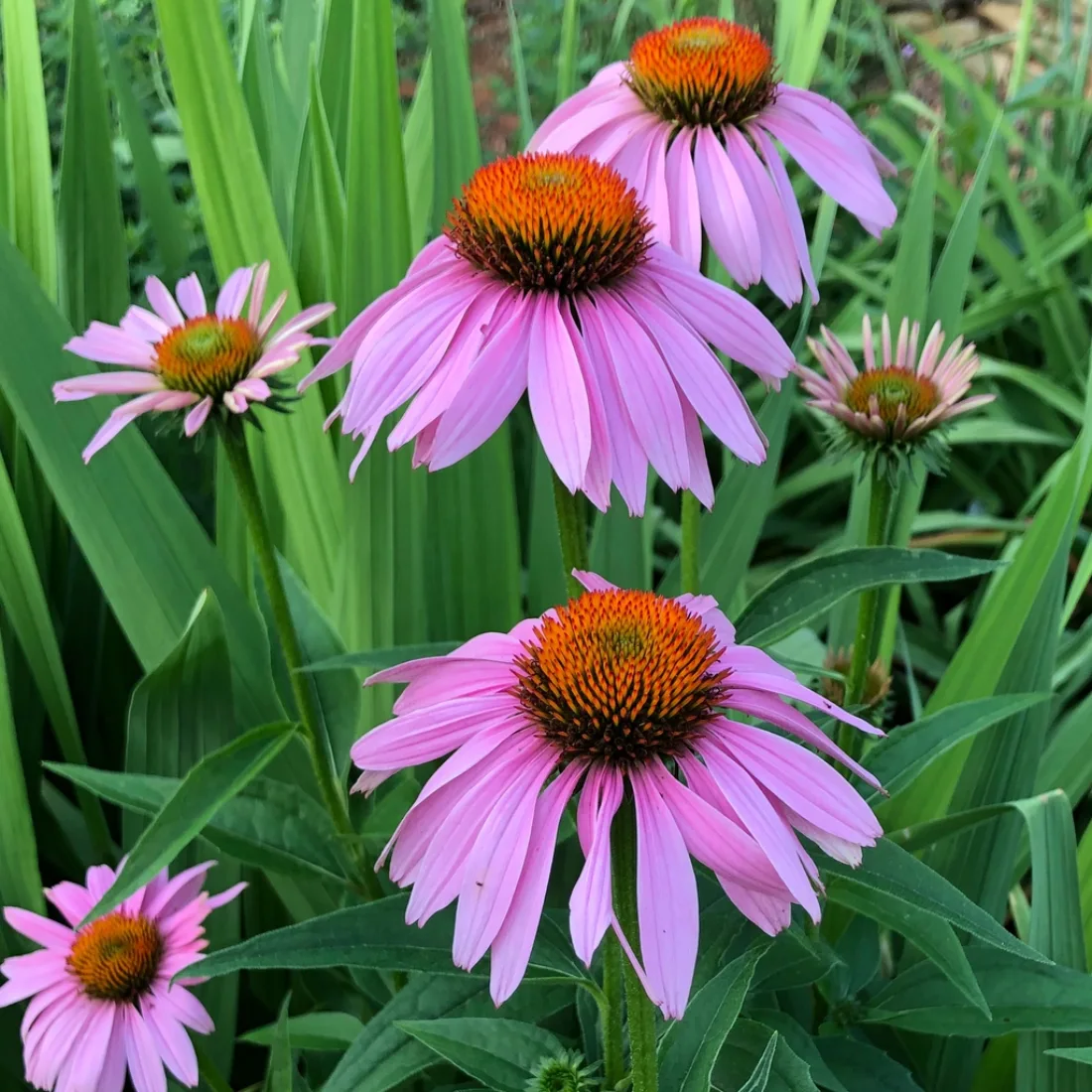
Echinacea purpurea
Open flowers feed bees and butterflies, and the seed-filled cones keep feeding songbirds after bloom.
Instead of shasta daisy
Meet this plantPhoto: Cathy Dewitt · CC BY 4.0
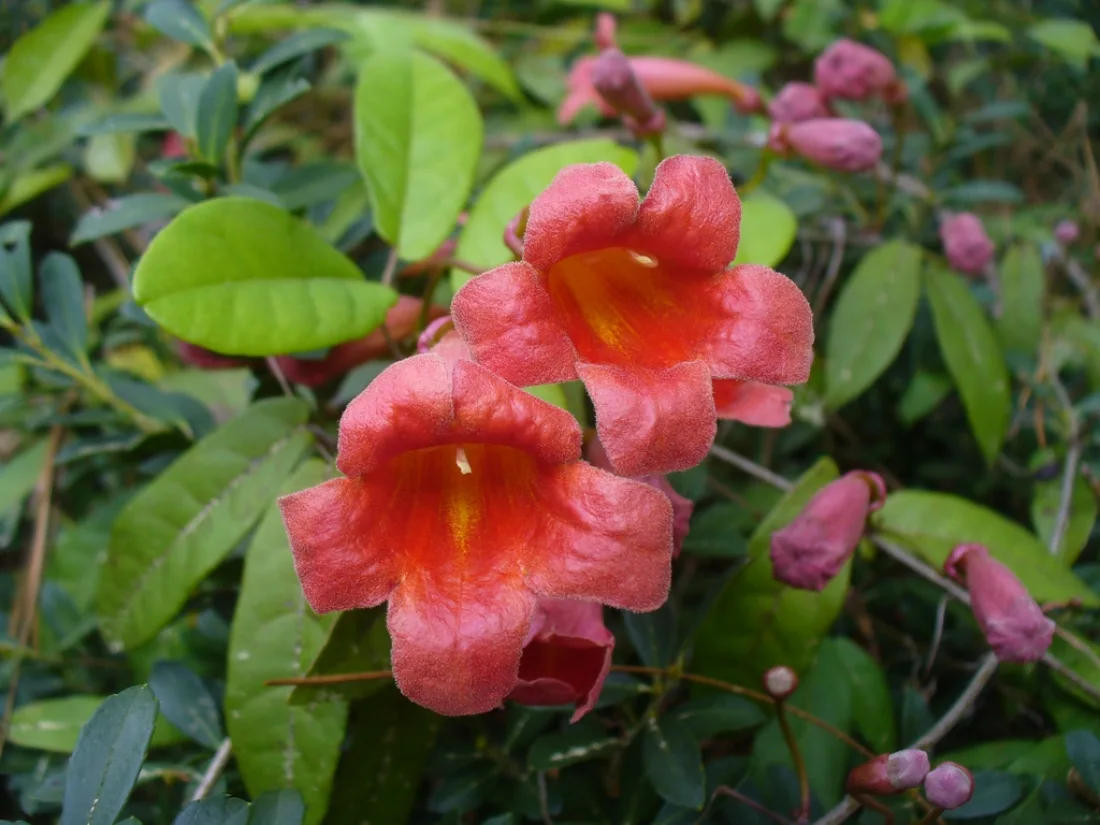
Bignonia capreolata
Early trumpet-shaped flowers supply nectar for hummingbirds and other pollinators.
Instead of english ivy
Meet this plantPhoto: Susan Strine · CC BY 2.0
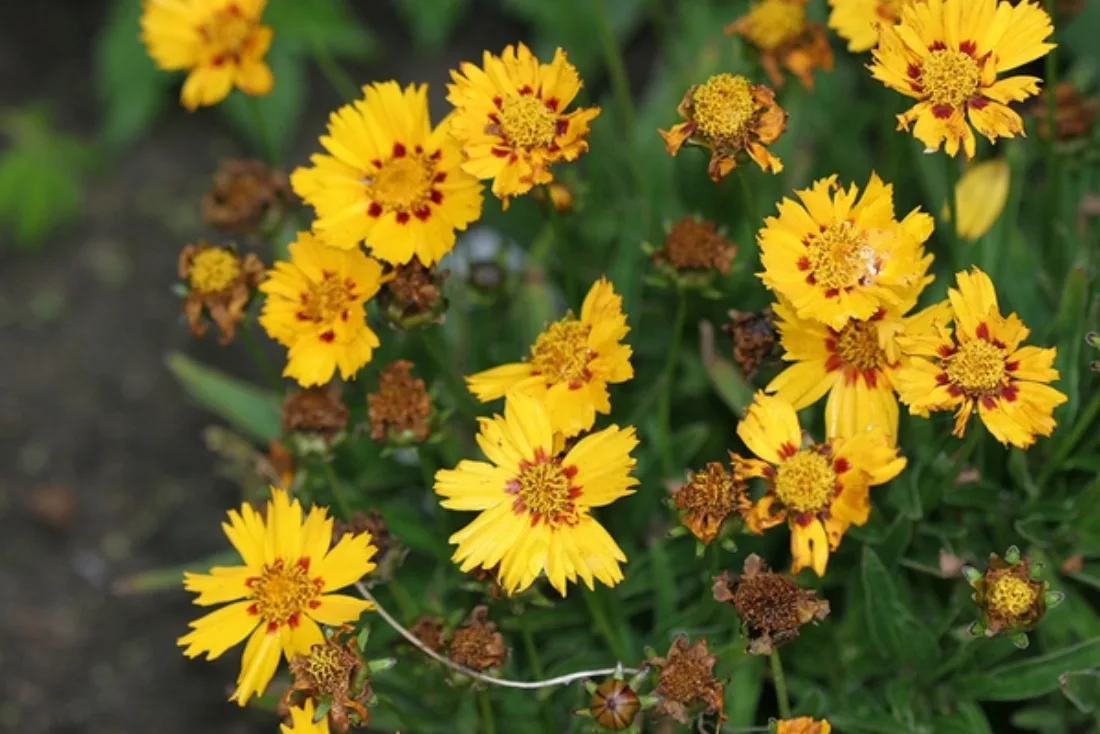
Coreopsis lanceolata
Golden native flowers feed bees and butterflies, with seeds for birds.
Instead of shasta daisy
Meet this plantPhoto: Andrey Zharkikh · CC BY 2.0
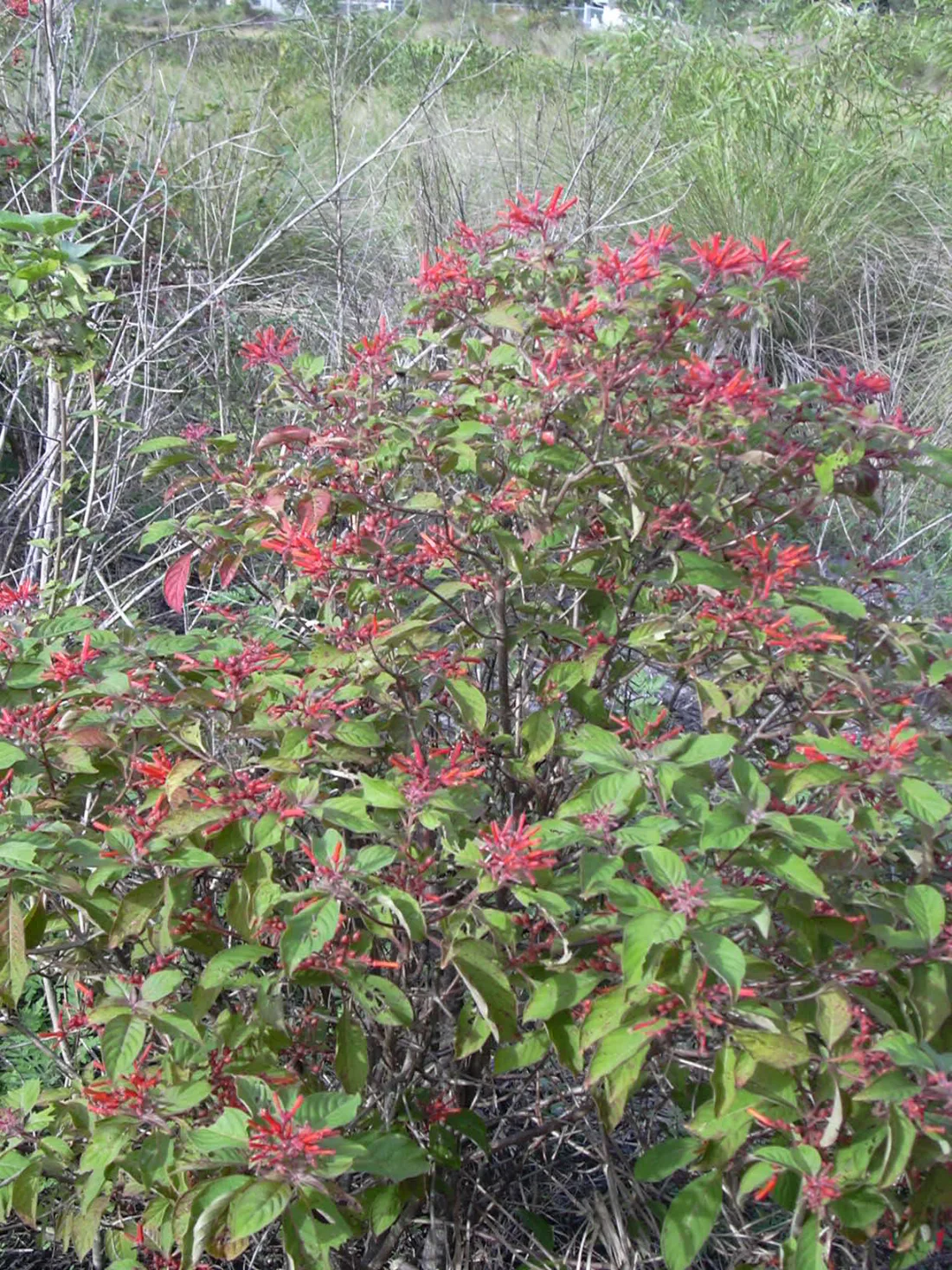
Hamelia patens
Red native flowers feed hummingbirds and butterflies, followed by berries for birds.
Instead of butterfly bush
Meet this plantPhoto: Forest & Kim Starr · CC BY 3.0
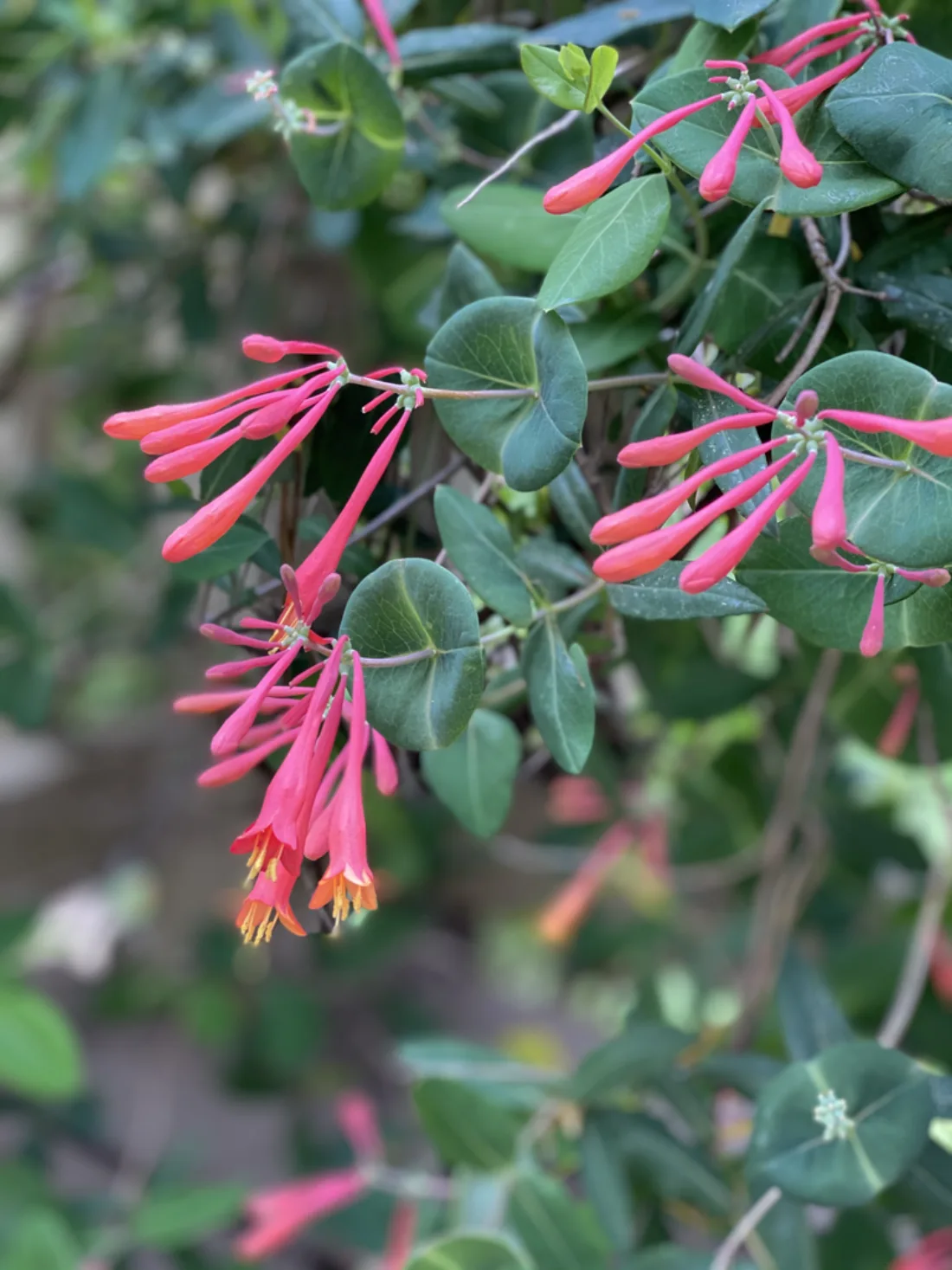
Lonicera sempervirens
Native trumpet flowers feed hummingbirds, and red berries feed songbirds.
Instead of english ivy
Meet this plantPhoto: Kathy Sill · CC BY 4.0
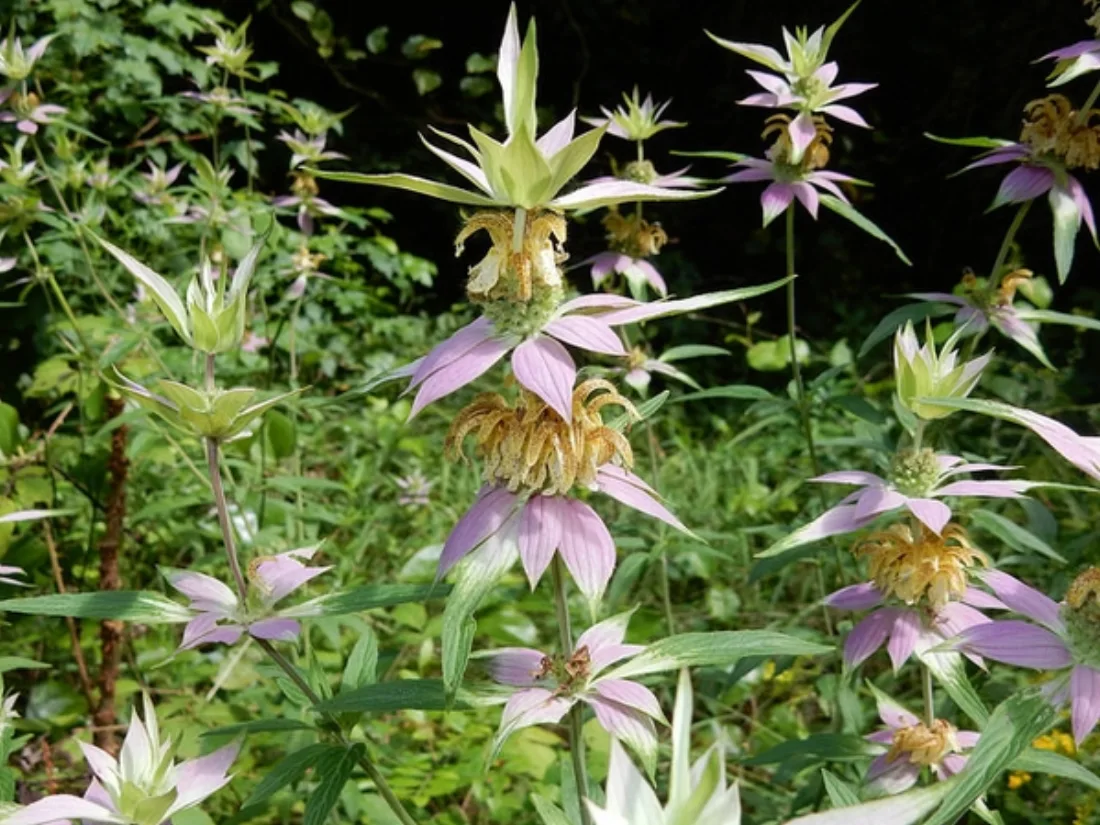
Monarda punctata
Native flowers feed bees, wasps, and hummingbirds, while leaves host moth caterpillars.
Instead of woodland sage
Meet this plantPhoto: johnx12 · CC BY-SA 4.0
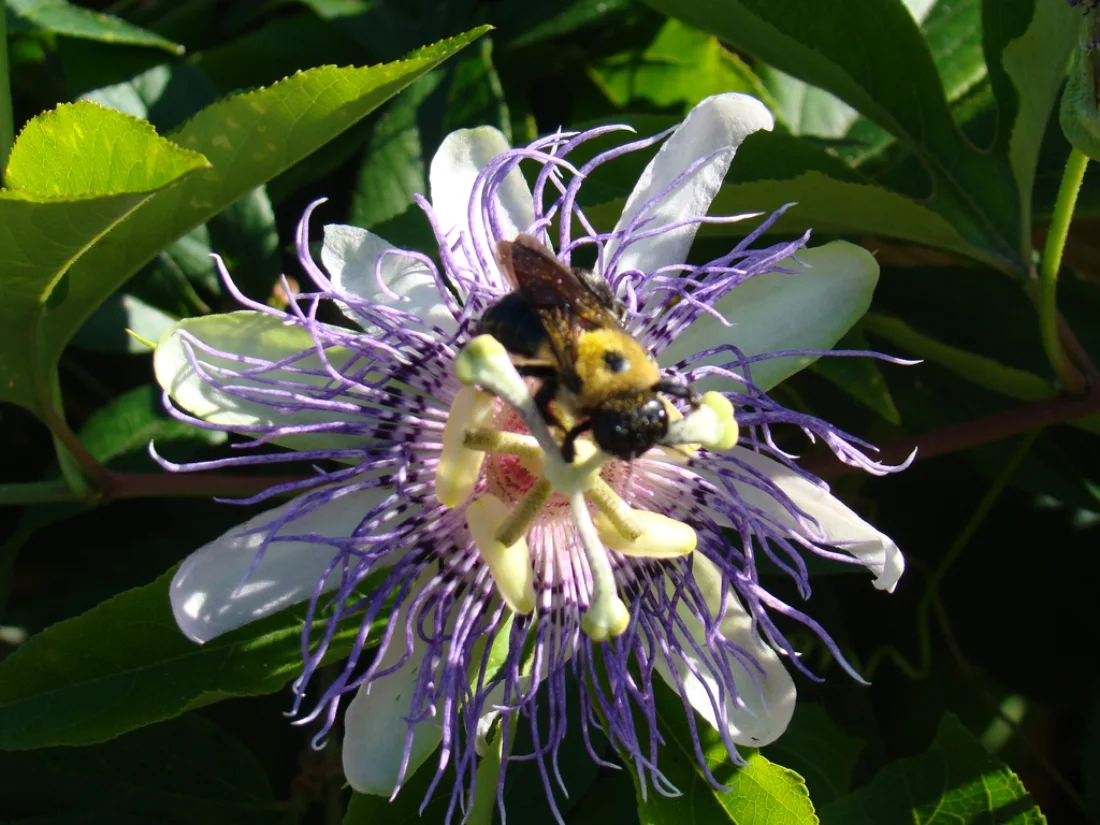
Passiflora incarnata
Native leaves feed several fritillary butterflies, and flowers provide nectar for pollinators.
Instead of english ivy
Meet this plantPhoto: Linda Querec · CC BY 2.0
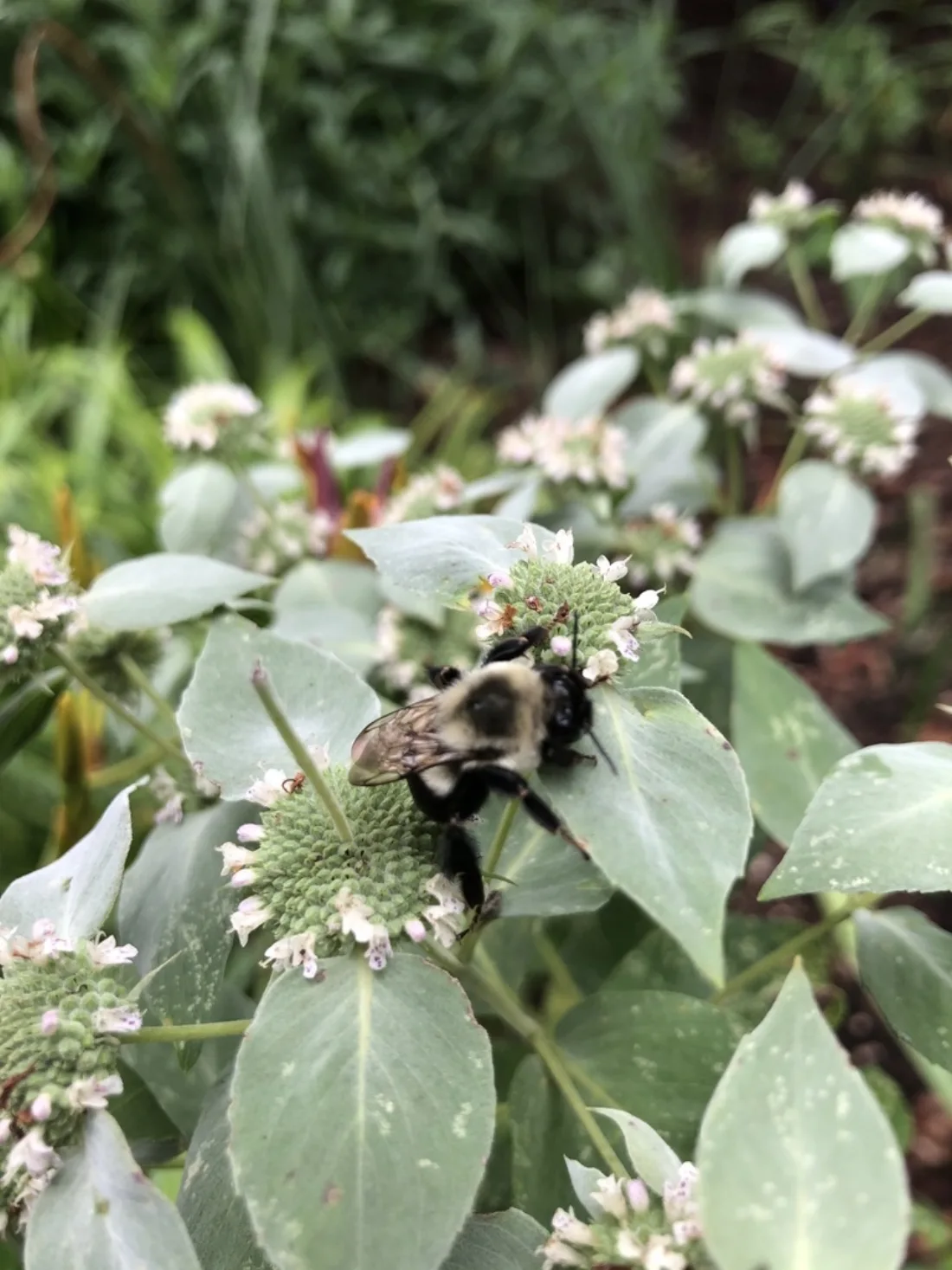
Pycnanthemum muticum
Native flowers feed butterflies and other pollinators, while leaves host wavy-lined emerald caterpillars.
Instead of woodland sage
Meet this plantPhoto: Cathy Dewitt · CC BY 4.0
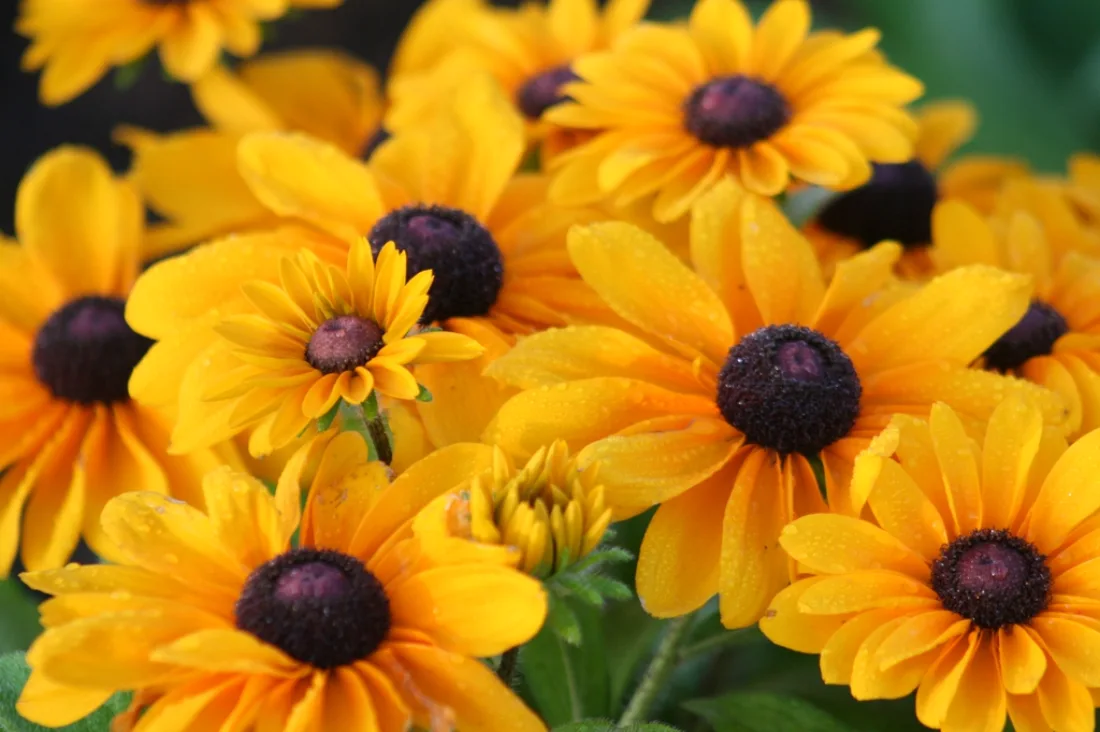
Rudbeckia hirta
Native flowers feed butterflies, and seedheads feed goldfinches in fall.
Instead of shasta daisy
Meet this plantPhoto: Dotty Leatherwood · CC BY 4.0
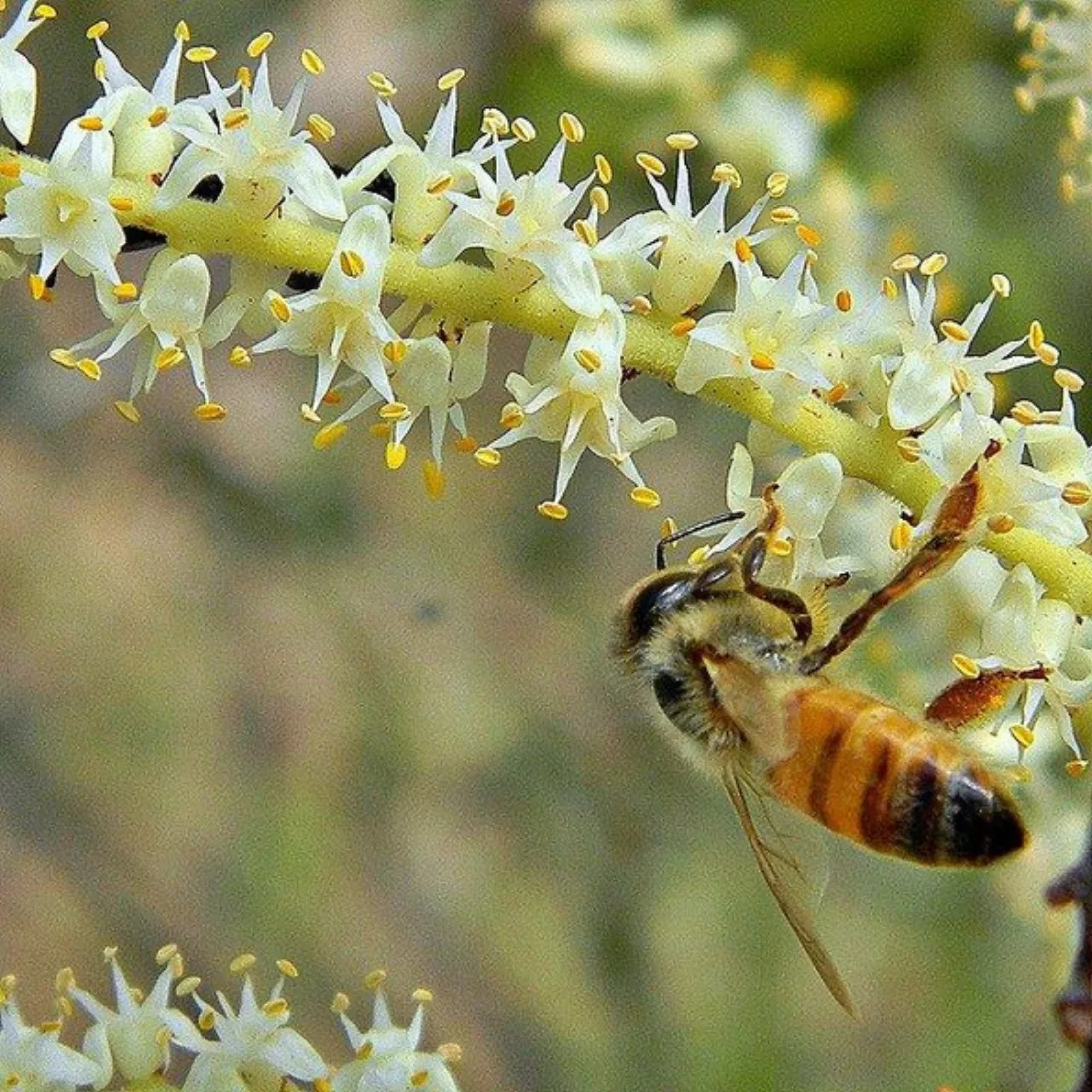
Serenoa repens
Native fruits feed wildlife, and foliage supports moth caterpillars adapted to this palm.
Instead of sago palm
Meet this plantPhoto: Bob Peterson · CC BY 2.0
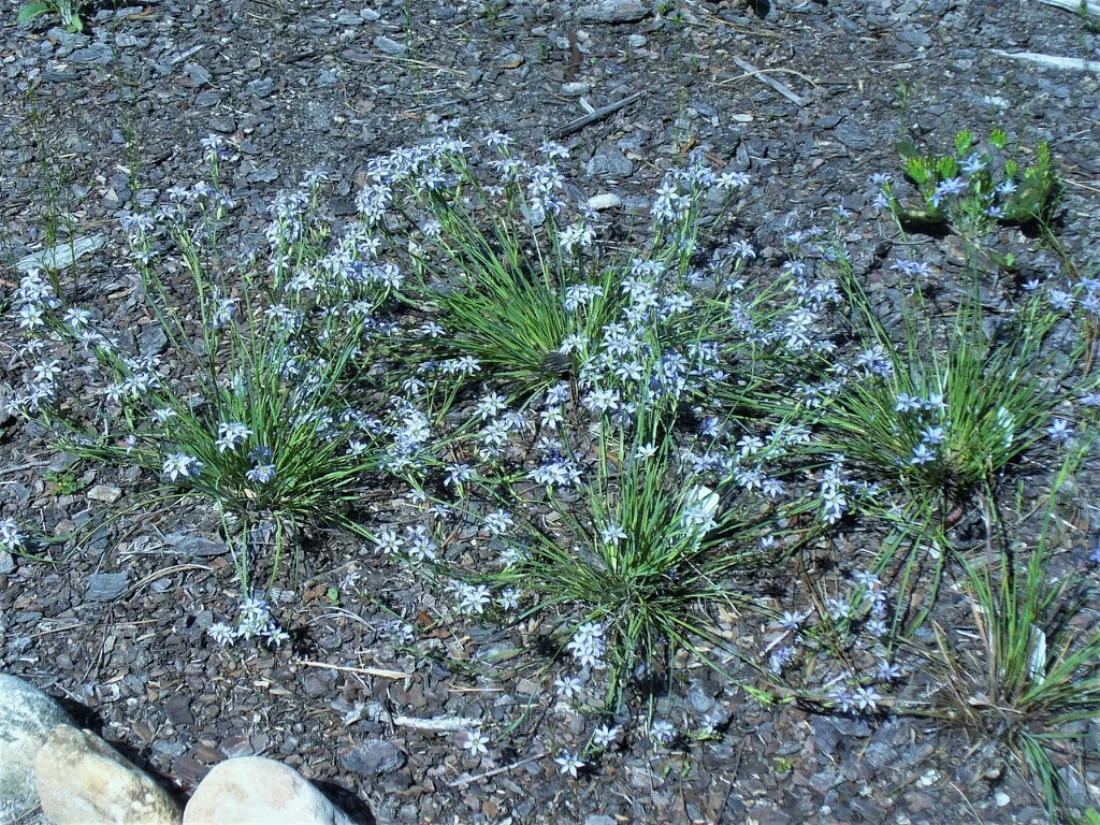
Sisyrinchium angustifolium
Small native flowers feed bumblebees, sweat bees, butterflies, and flies.
Instead of lilyturf
Meet this plantPhoto: Susan Shrine · CC BY 2.0
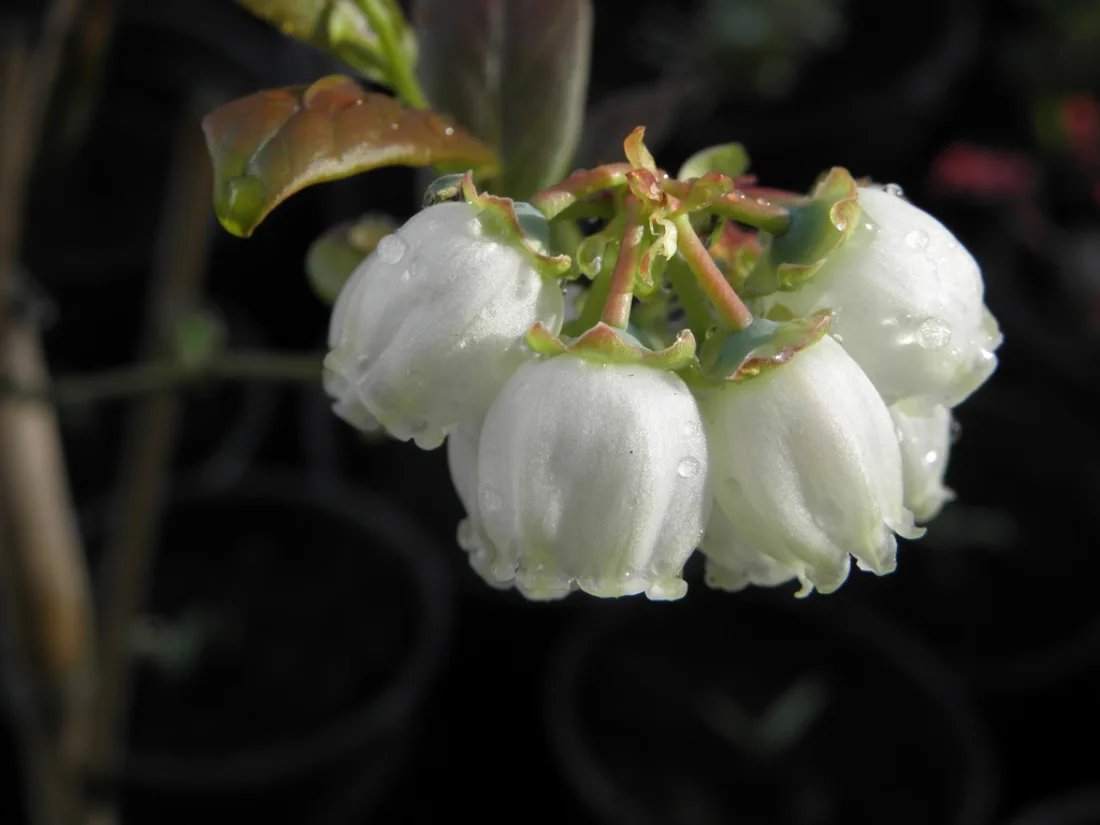
Vaccinium corymbosum
Native flowers feed bees, and berries feed a wide range of birds and mammals.
Instead of burning bush
Meet this plantPhoto: Rob Hille · CC BY-SA 3.0
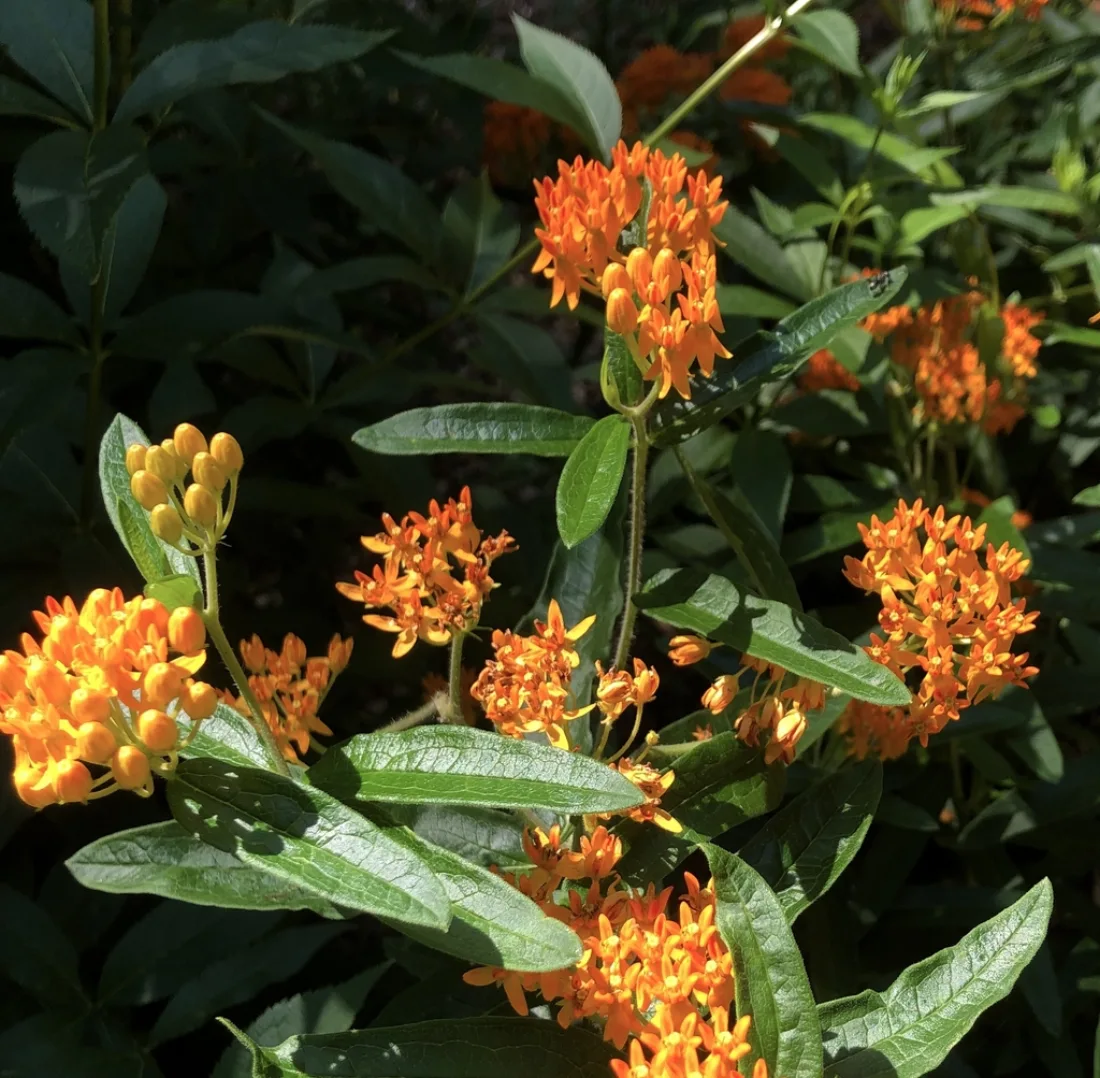
Asclepias tuberosa
Unlike butterfly bush, this native milkweed feeds monarch caterpillars as well as nectar-seeking butterflies.
Instead of butterfly bush
Meet this plantPhoto: Cathy DeWitt · CC BY 4.0
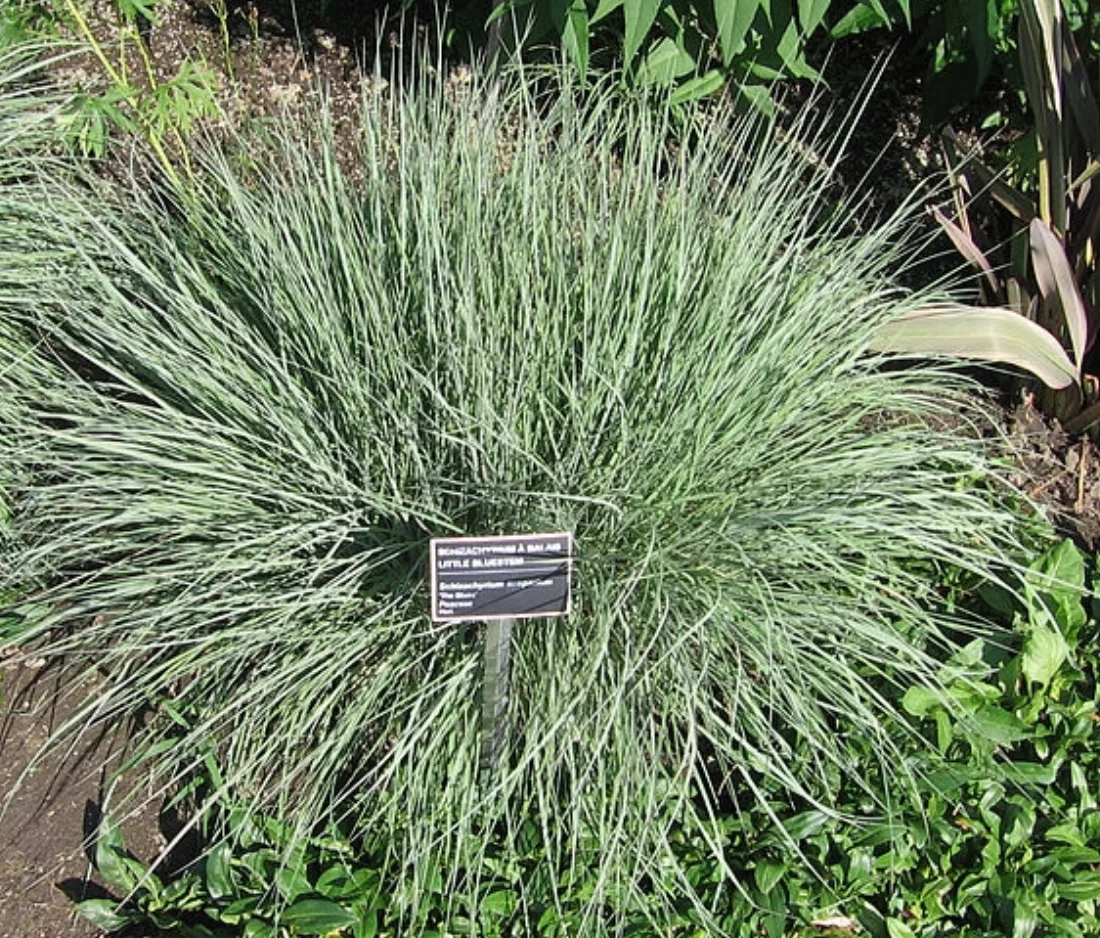
Schizachyrium scoparium
Native grass blades feed skipper caterpillars, and standing clumps shelter wildlife through winter.
Instead of chinese silvergrass
Meet this plantPhoto: Montrealais · CC BY-SA 3.0
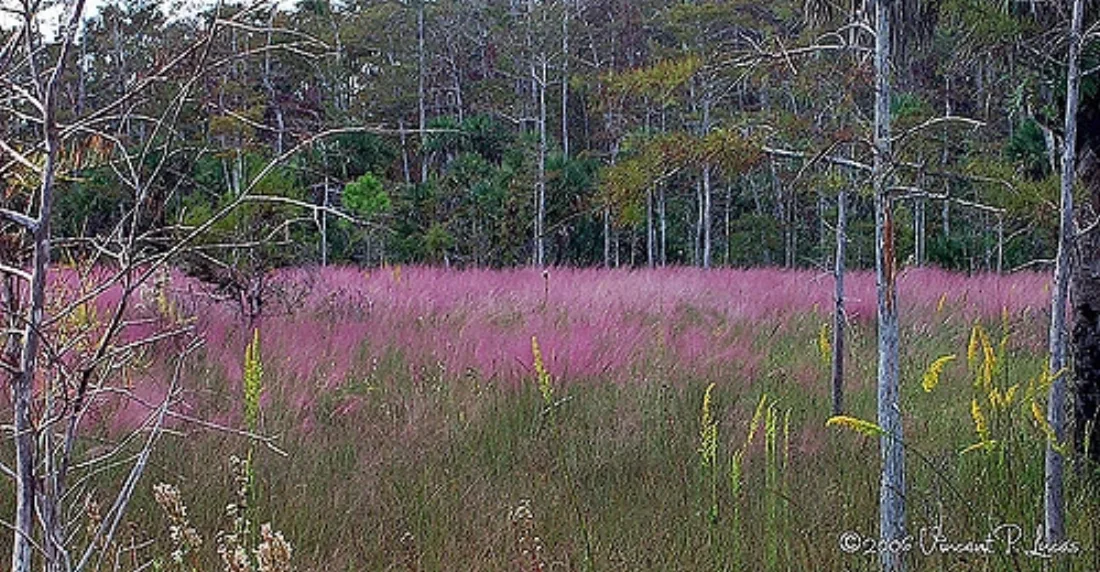
Muhlenbergia capillaris
Native grass clumps shelter wildlife, while seedheads feed songbirds and small mammals.
Instead of maiden grass
Meet this plant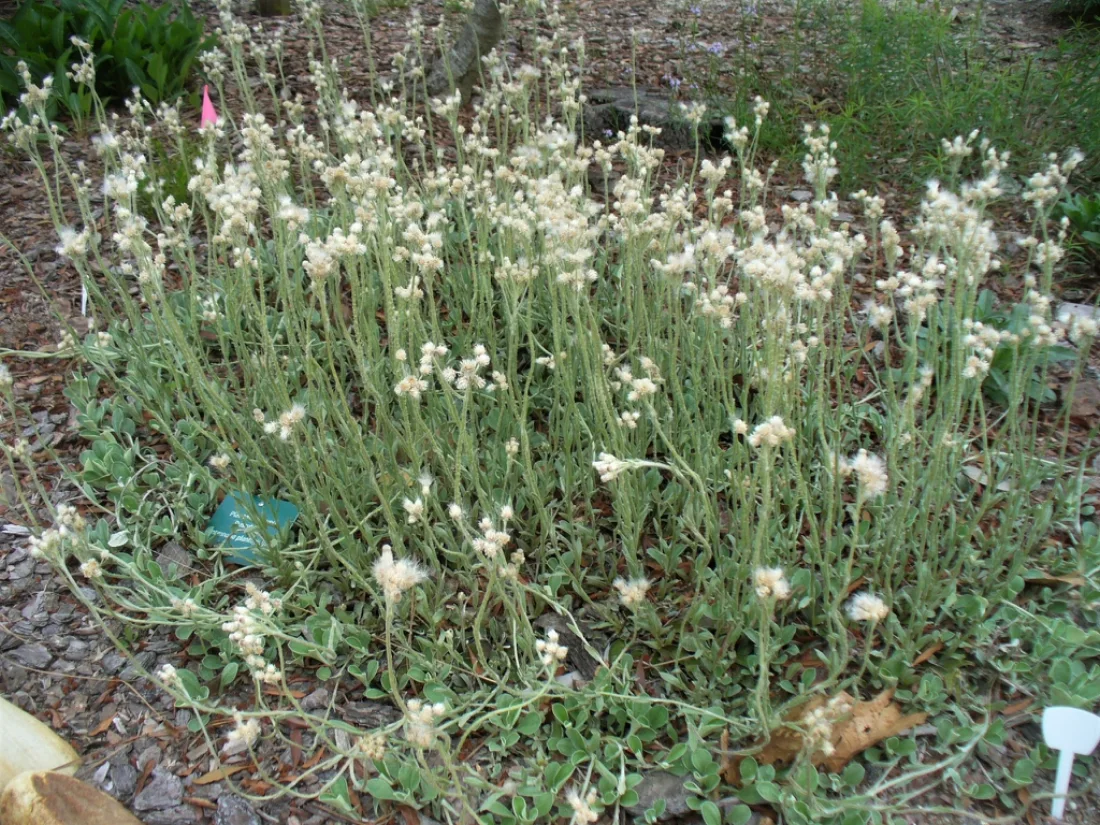
Antennaria plantaginifolia
Its native leaves feed American lady butterfly caterpillars.
Instead of bugleweed
Meet this plantPhoto: Susan Strine · CC BY 2.0
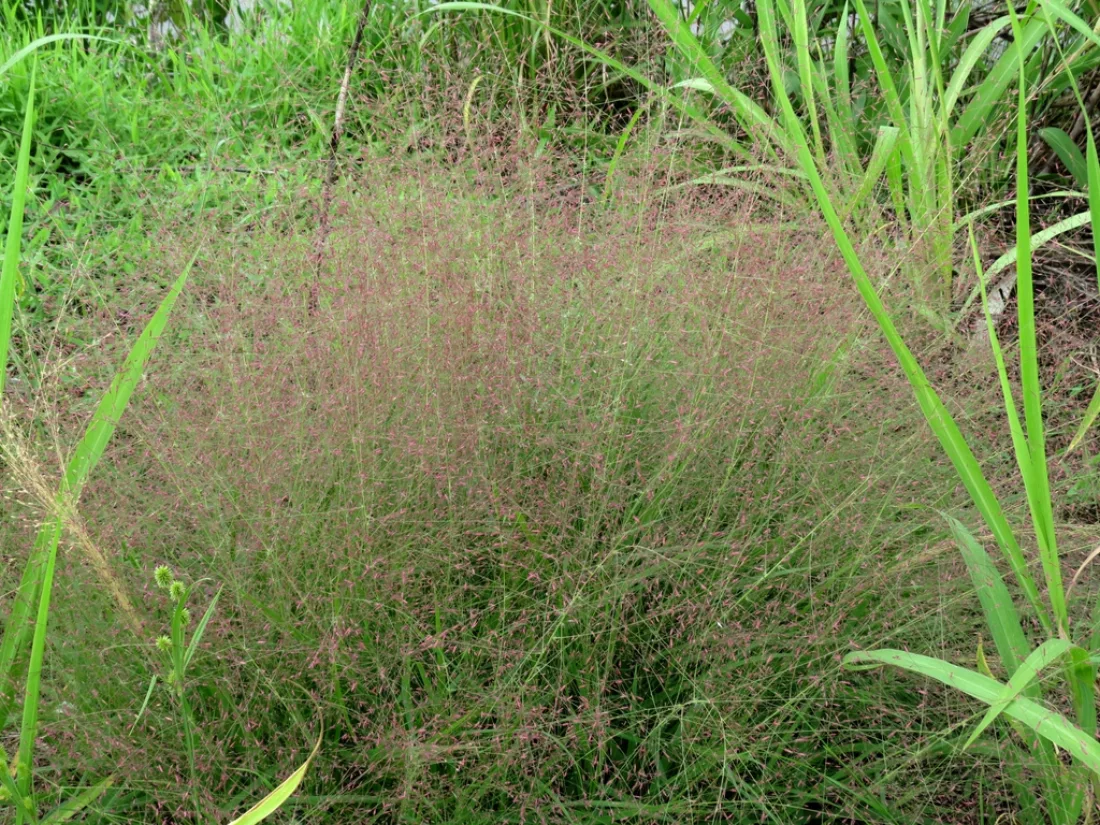
Eragrostis spectabilis
Airy native seedheads add fall color and attract songbirds and small mammals.
Instead of maiden grass
Meet this plantPhoto: Katja Schulz · CC BY 2.0
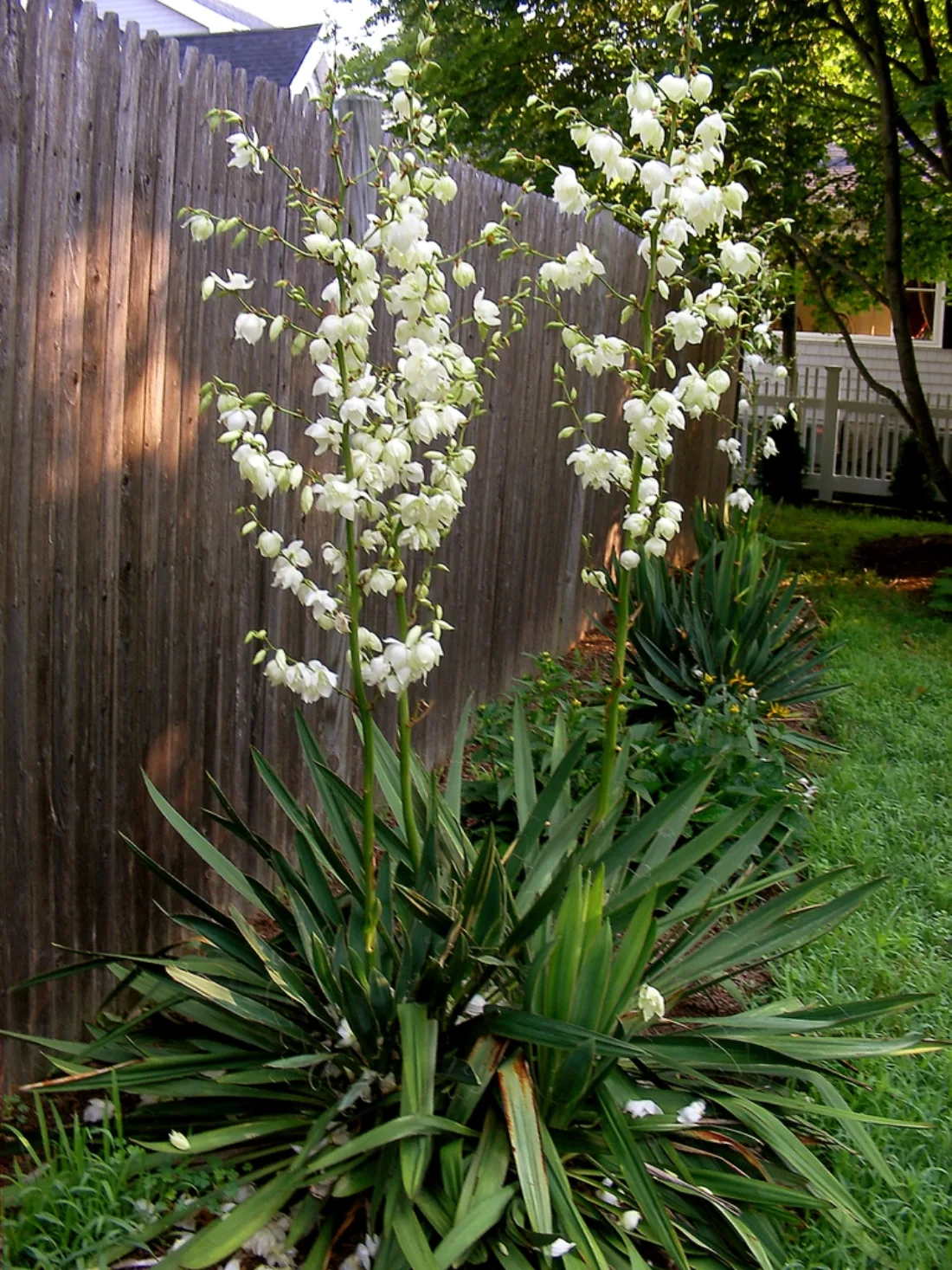
Yucca filamentosa
Native yucca supports the specialized moths that pollinate its flowers.
Instead of orange daylily
Meet this plantPhoto: Carl Lewis · CC BY 2.0
2–6 hours of direct sun
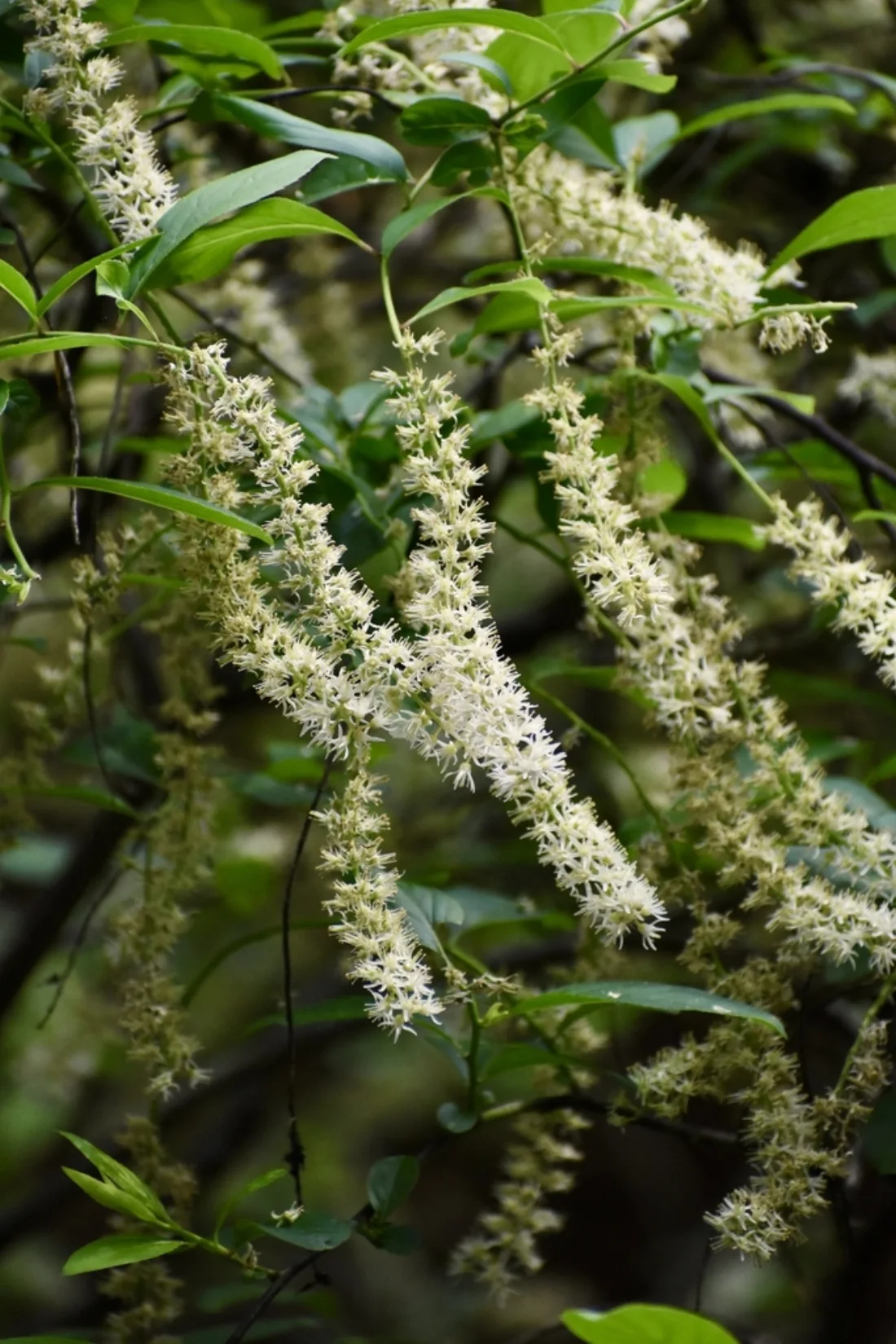
Itea virginica
Fragrant flowers feed local pollinators, and the seeds give songbirds another food source.
Instead of japanese spirea
Meet this plantPhoto: Cathy DeWitt · CC BY 4.0
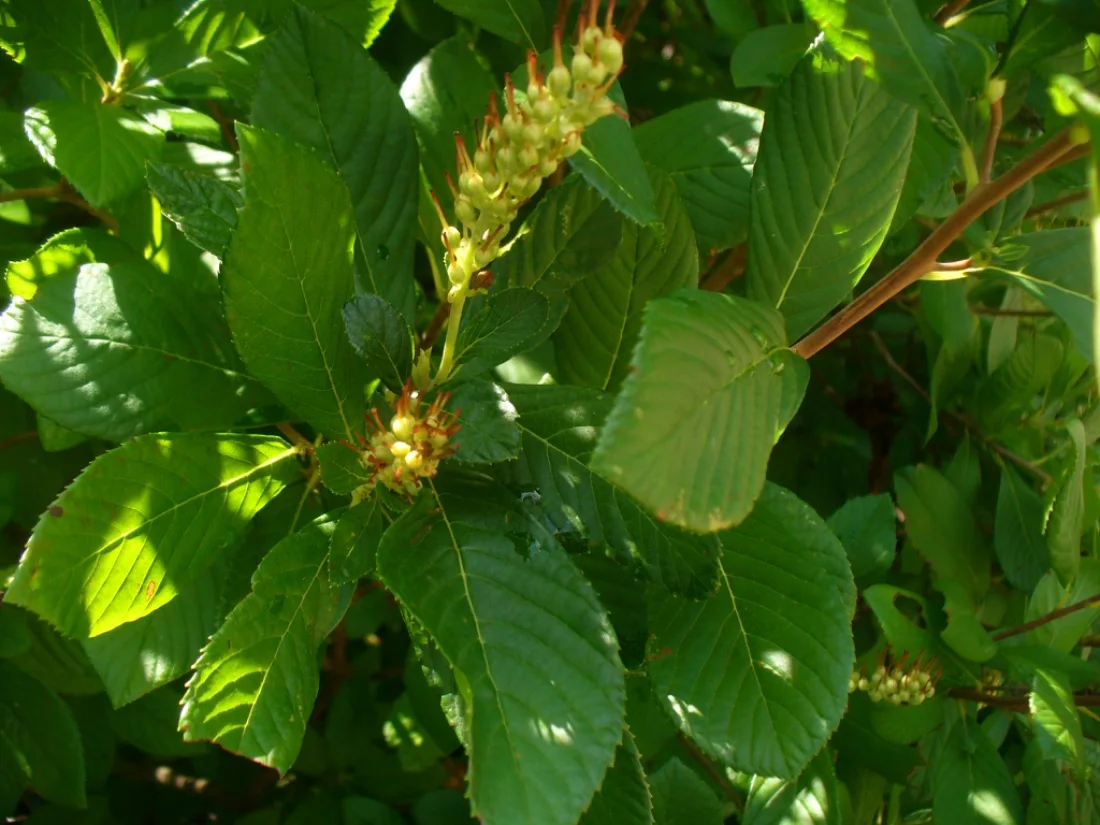
Clethra alnifolia
Fragrant summer flowers feed native bees and butterflies, and the fruit provides food for birds.
Instead of japanese spirea
Meet this plantPhoto: Susan Strine · CC BY 2.0
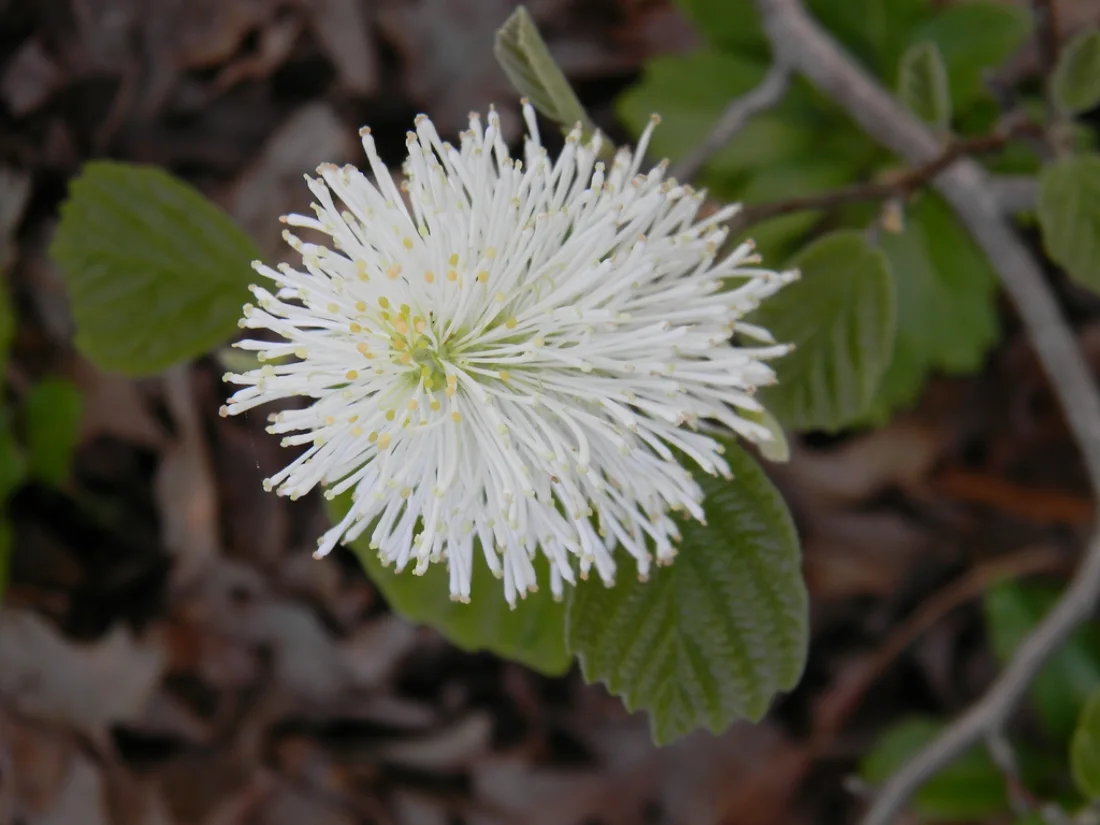
Fothergilla gardenii
Bottlebrush flowers offer spring nectar for bees, paired with colorful autumn foliage.
Instead of burning bush
Meet this plantPhoto: Randy Harter · CC BY 4.0
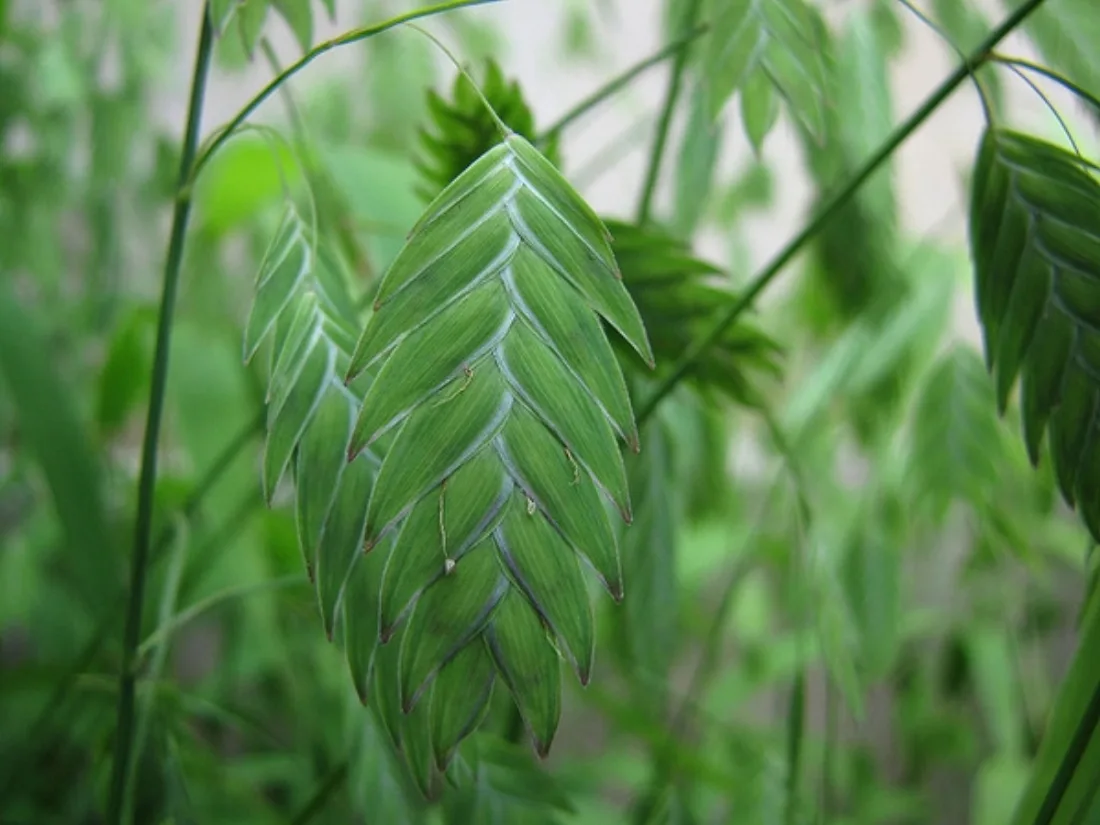
Chasmanthium latifolium
Leaves feed native skipper and pearly-eye caterpillars, and the nodding seeds feed birds.
Instead of lilyturf
Meet this plantPhoto: Katja Schultz · CC BY 2.0
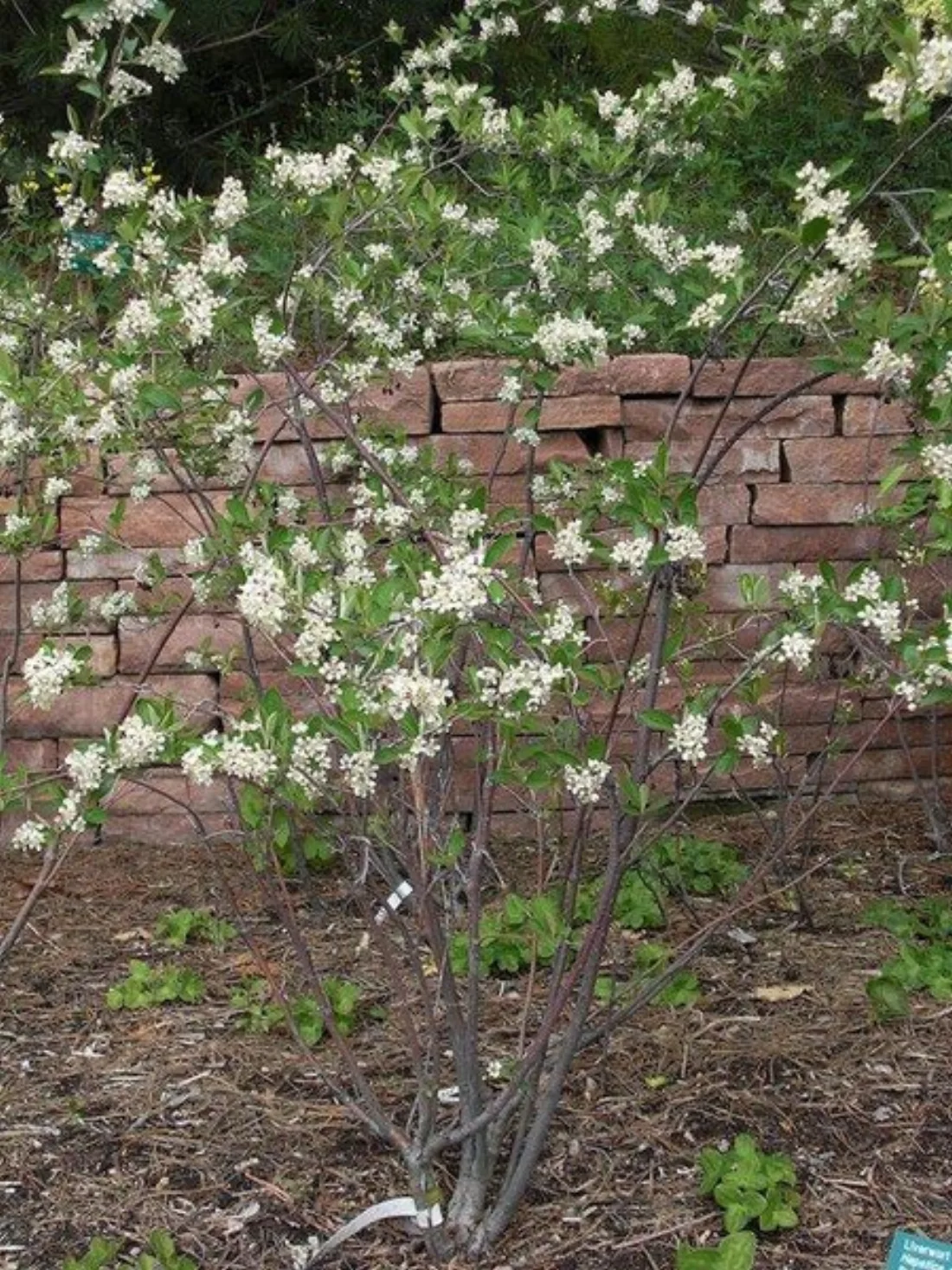
Aronia arbutifolia
Spring flowers feed pollinators, and persistent red berries supply winter food for wildlife.
Instead of burning bush
Meet this plantPhoto: Andrey Zharkikh · CC BY 2.0
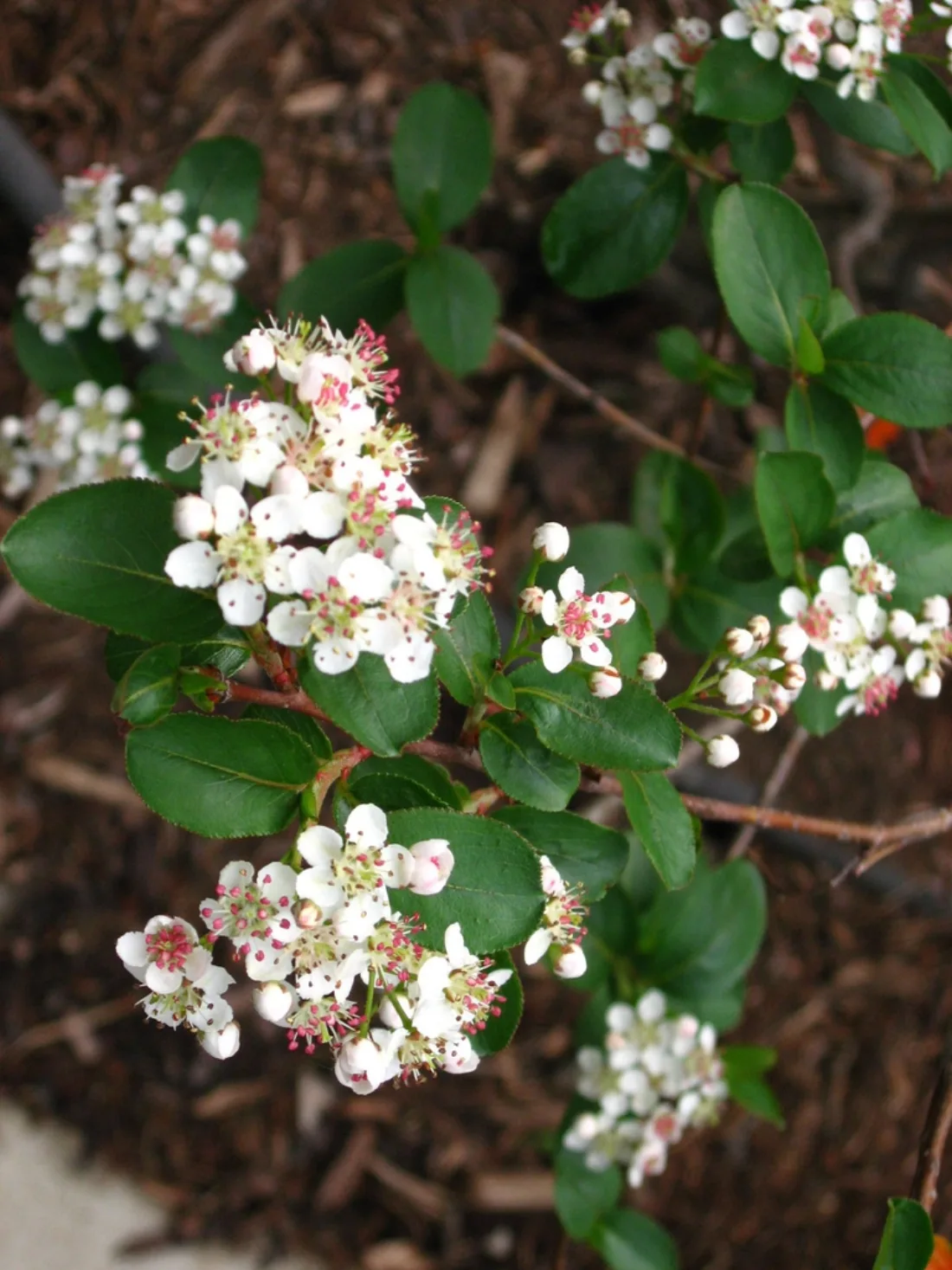
Aronia melanocarpa
Native flowers attract pollinators, while dark fruit and red fall leaves extend seasonal interest.
Instead of burning bush
Meet this plant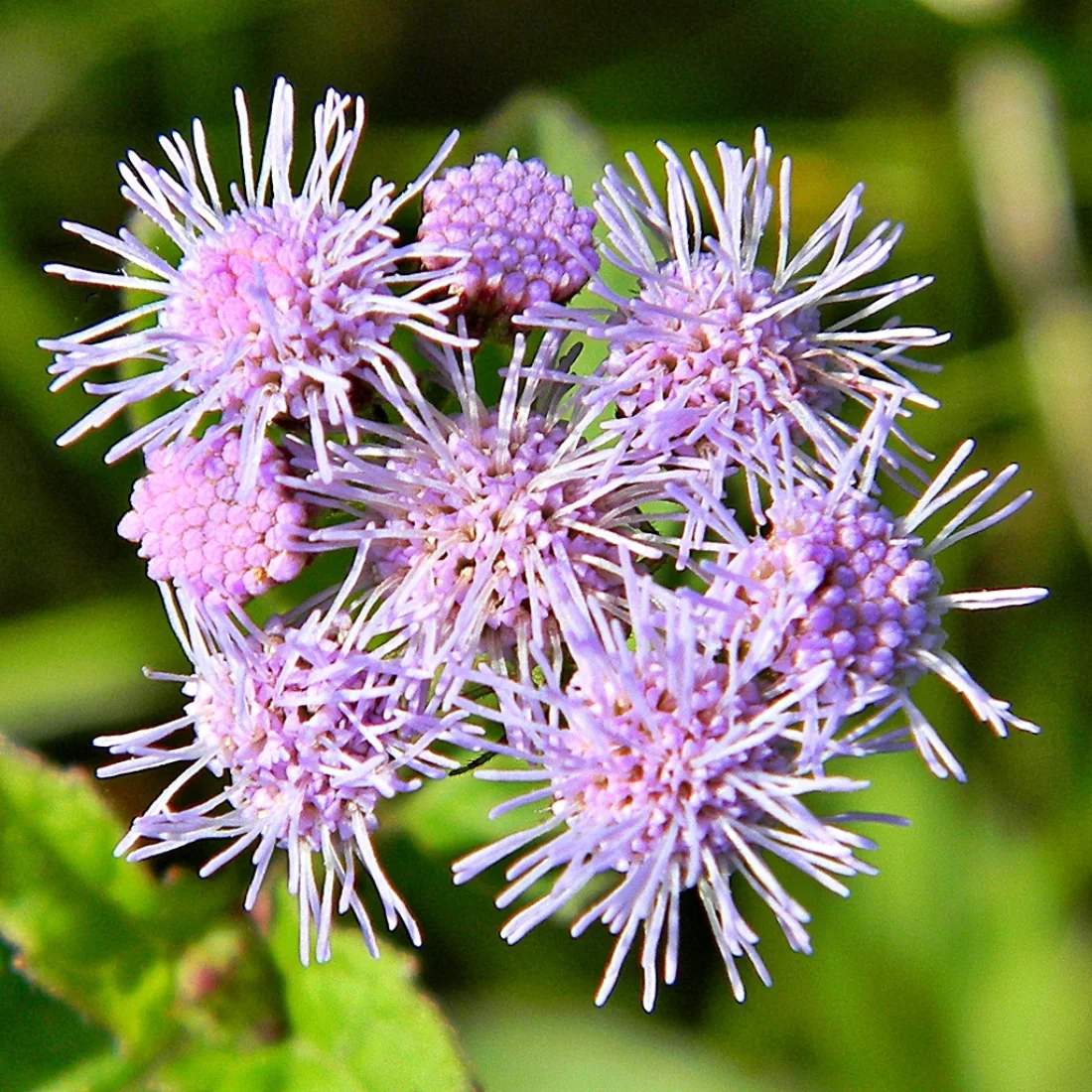
Conoclinium coelestinum
Nectar-rich flowers feed butterflies, followed by seeds for birds.
Instead of garden mum
Meet this plantPhoto: Bob Peterson · CC-BY-SA 2.0
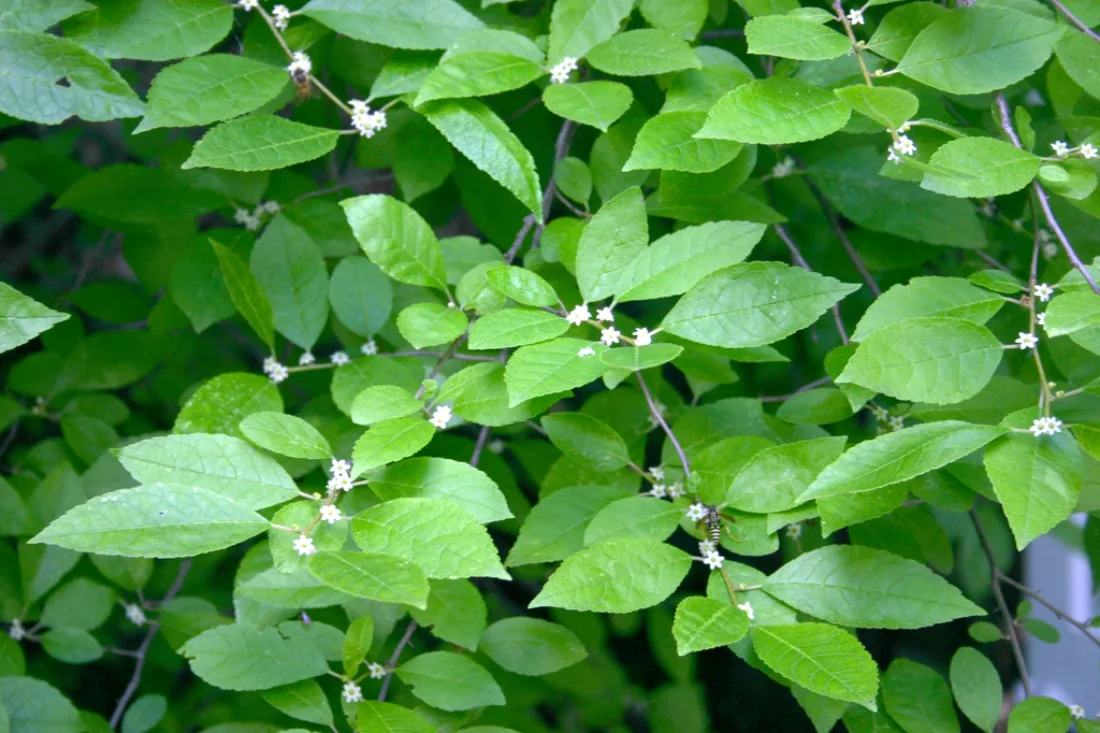
Ilex verticillata
Native berries supply winter food for birds, while leaves host Henry's elfin caterpillars.
Instead of heavenly bamboo
Meet this plantPhoto: SB Johnny · CC BY-SA 3.0
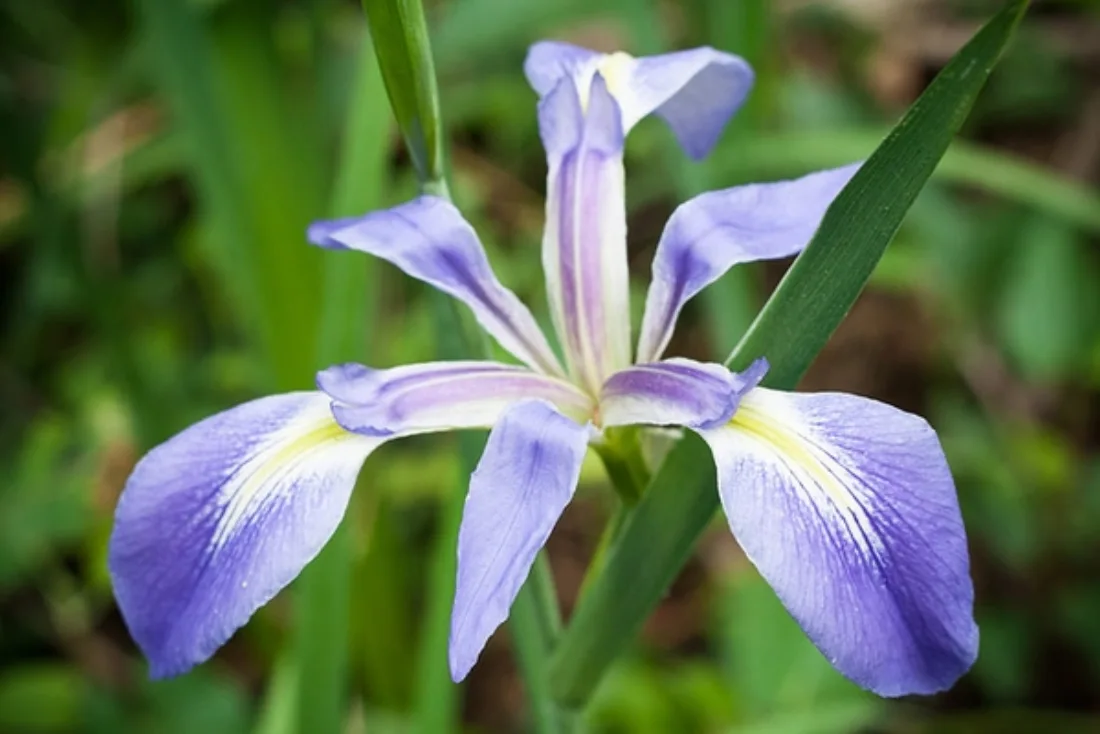
Iris virginica
Native violet flowers and upright leaves thrive where an ordinary border stays too wet.
Instead of orange daylily
Meet this plantPhoto: Justin Meissen · CC BY-SA 4.0
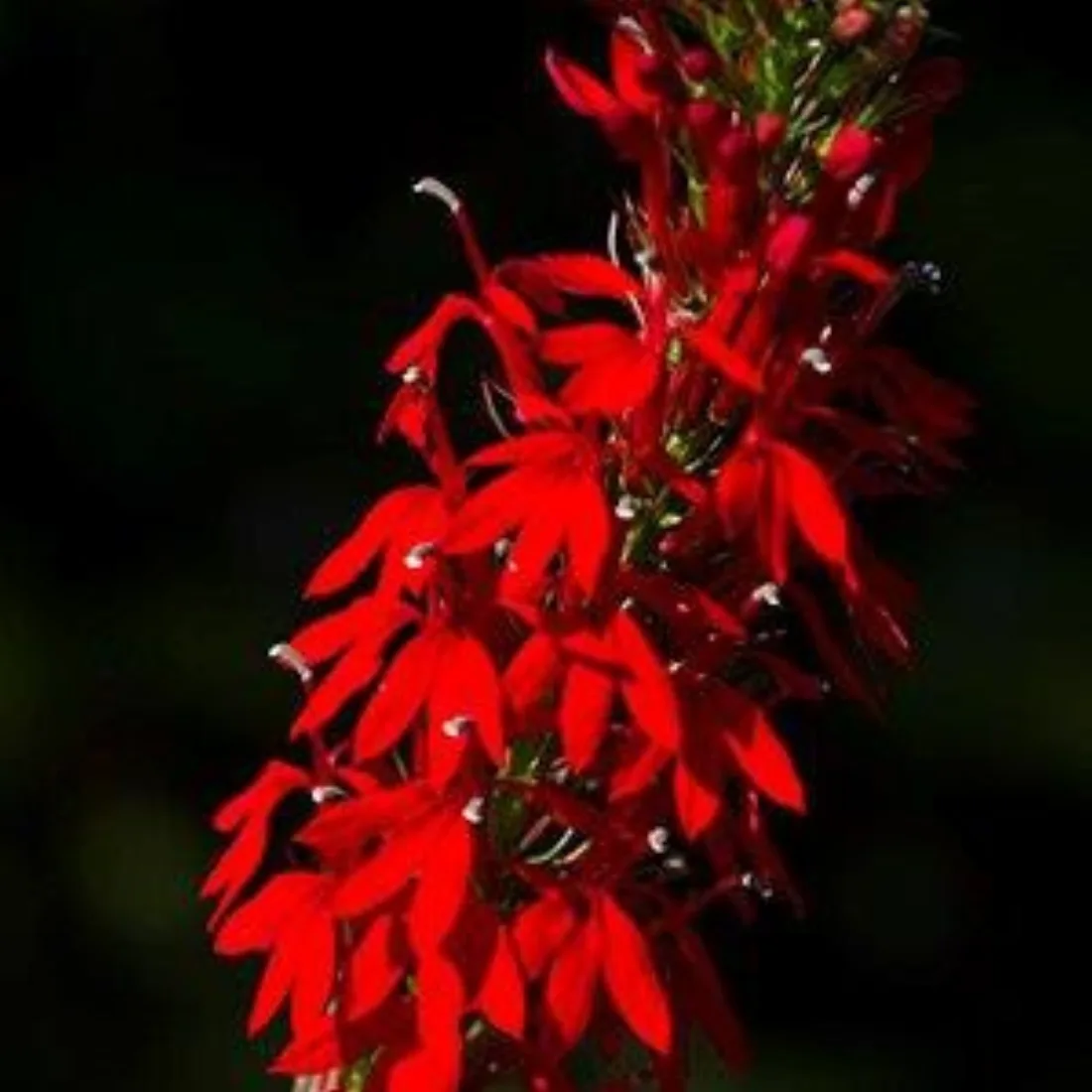
Lobelia cardinalis
Late red flowers supply nectar for hummingbirds and butterflies.
Instead of woodland sage
Meet this plantPhoto: Debbie Roos · CC BY 2.0
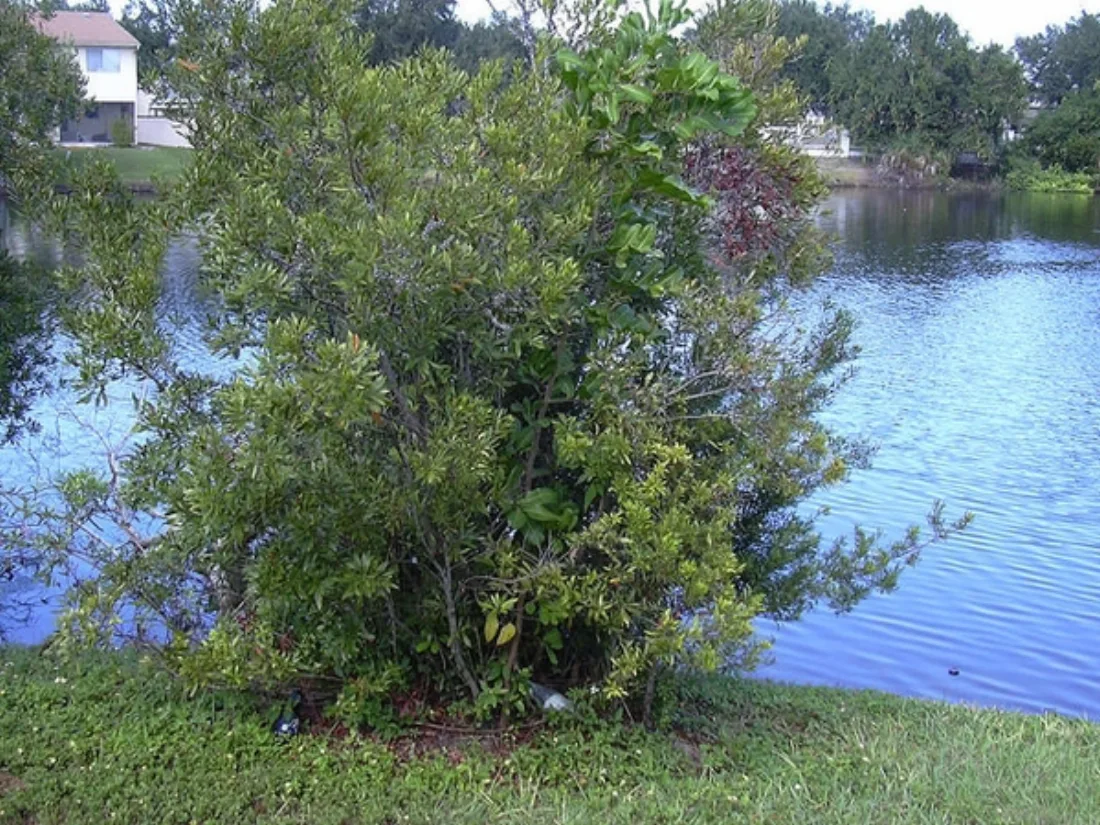
Myrica cerifera
Native berries feed birds, while dense evergreen branches provide winter cover.
Instead of heavenly bamboo
Meet this plantPhoto: Forest and Kim Starr · CC BY 2.0
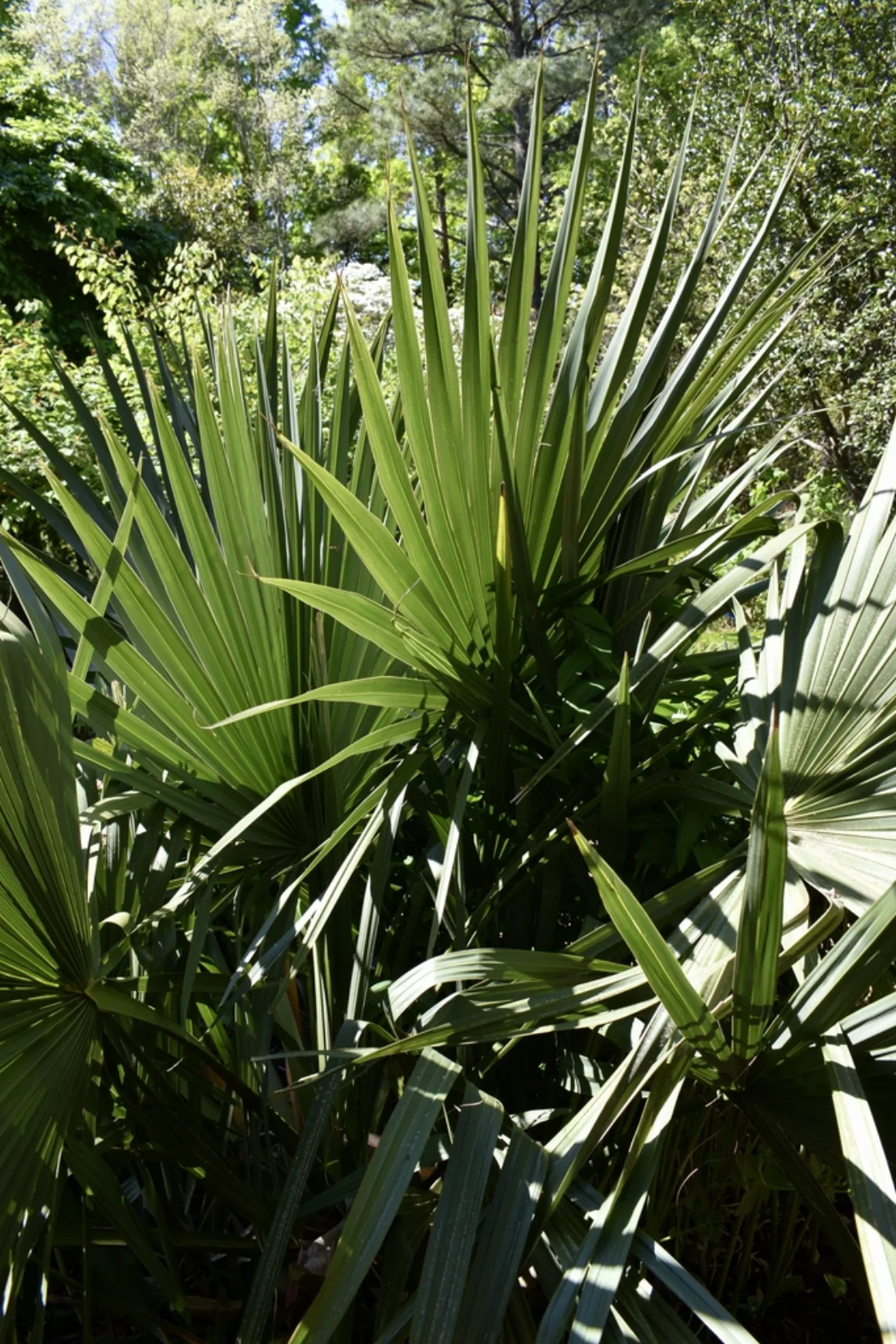
Sabal minor
Native palm fruit feeds birds and mammals while broad leaves add year-round structure.
Instead of sago palm
Meet this plantPhoto: Cathy DeWitt · CC BY 4.0
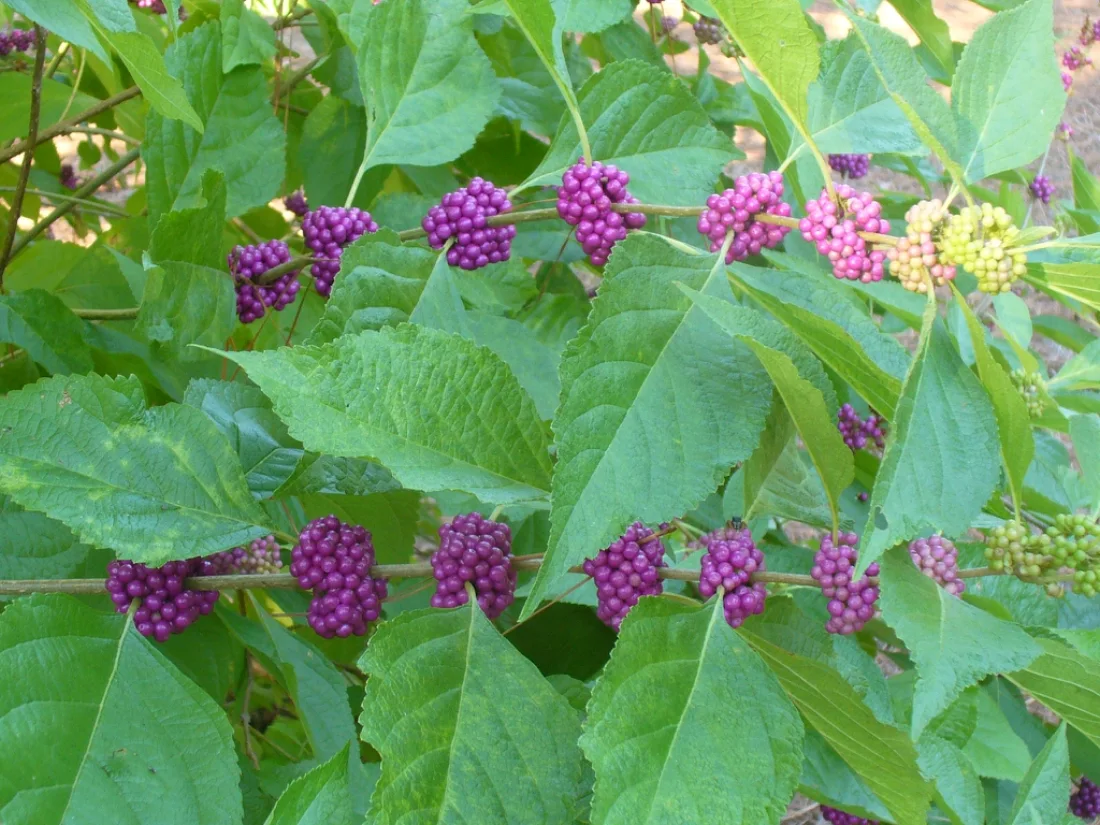
Callicarpa americana
Clusters of purple berries offer a fall food source for robins, towhees, and other songbirds.
Instead of heavenly bamboo
Meet this plantPhoto: Susan Strine · CC BY 2.0
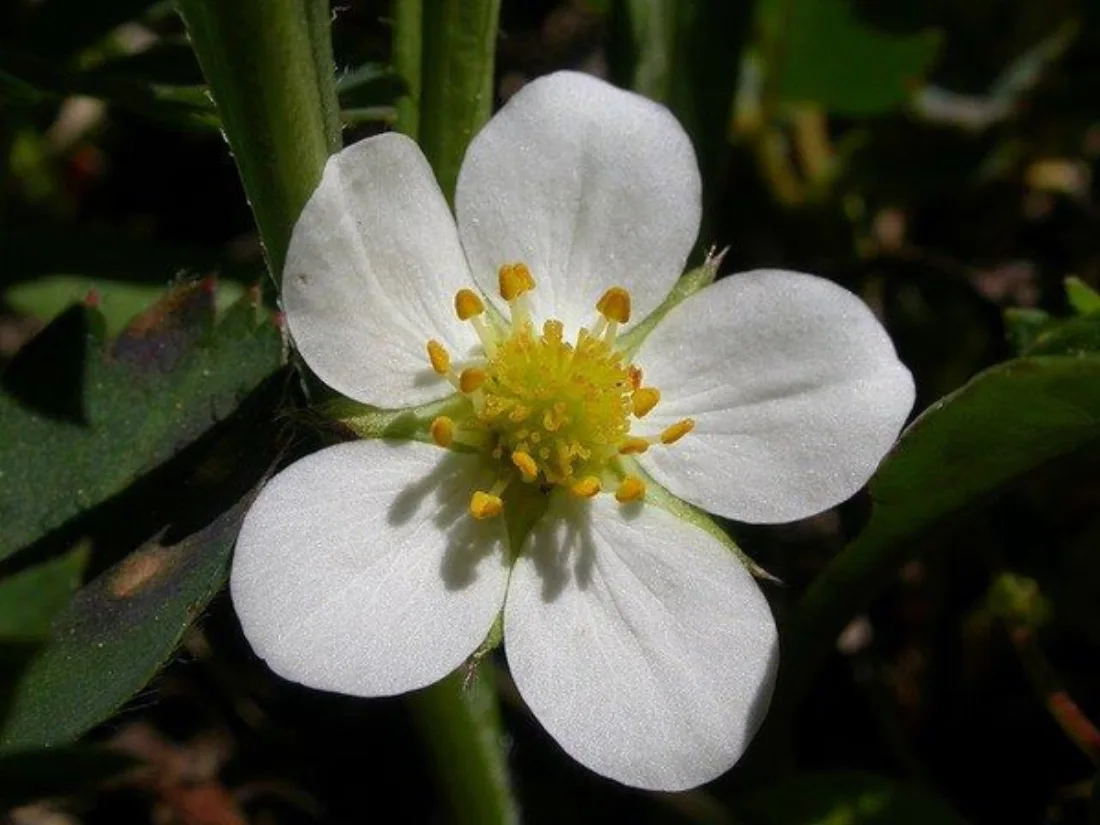
Fragaria virginiana
Native spring flowers feed pollinators, including specialist bees.
Instead of bugleweed
Meet this plantPhoto: Matt Lavin · CC-BY-SA 2.0
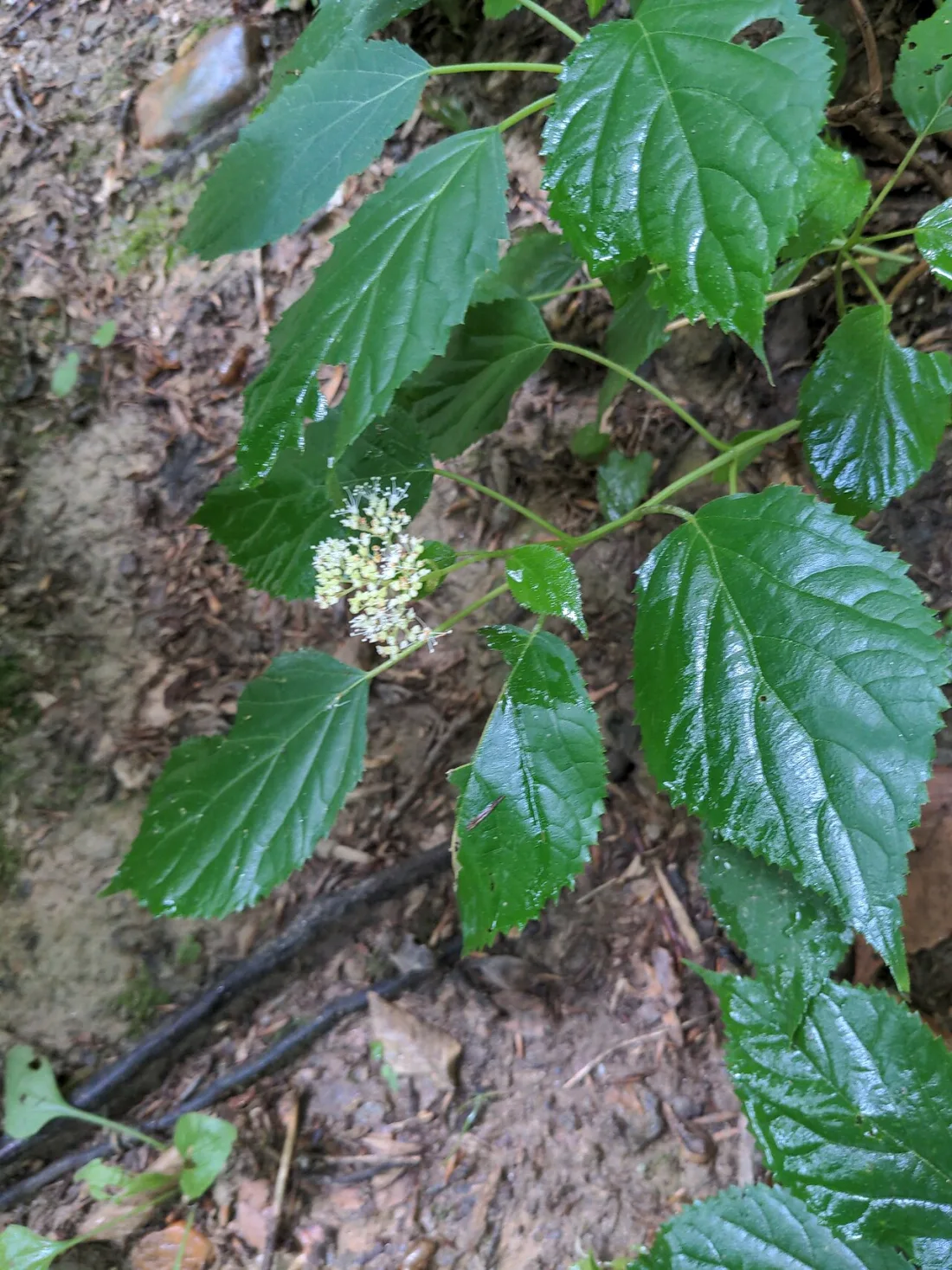
Hydrangea arborescens
Fertile native flowers feed pollinators, and the foliage hosts hydrangea sphinx moth caterpillars.
Instead of japanese spirea
Meet this plantPhoto: Michelle Campbell · CC0
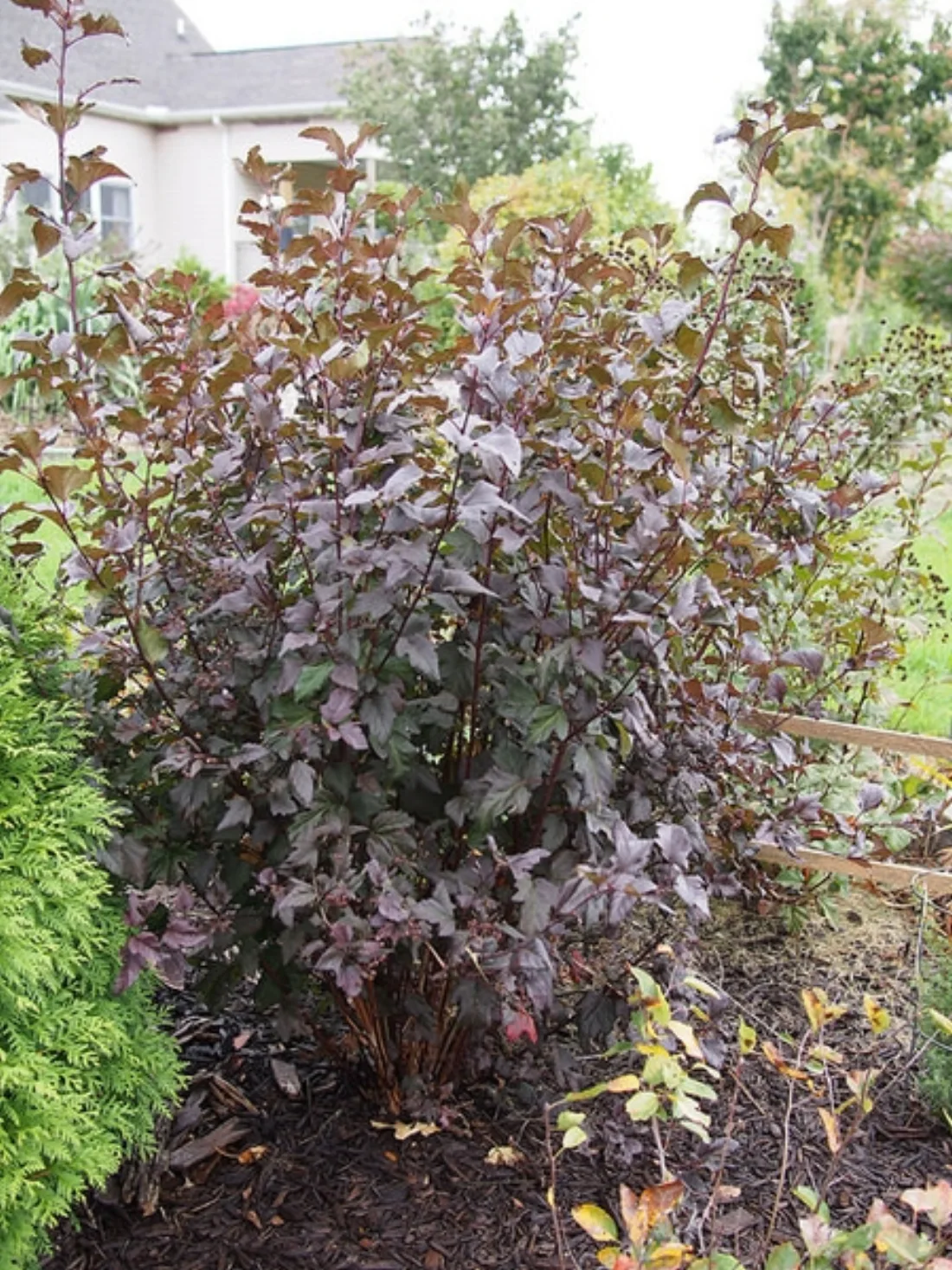
Physocarpus opulifolius
Native flowers attract bees, and the shrub provides habitat for birds.
Instead of japanese spirea
Meet this plantPhoto: F. D. Richards · CC-BY-SA 2.0
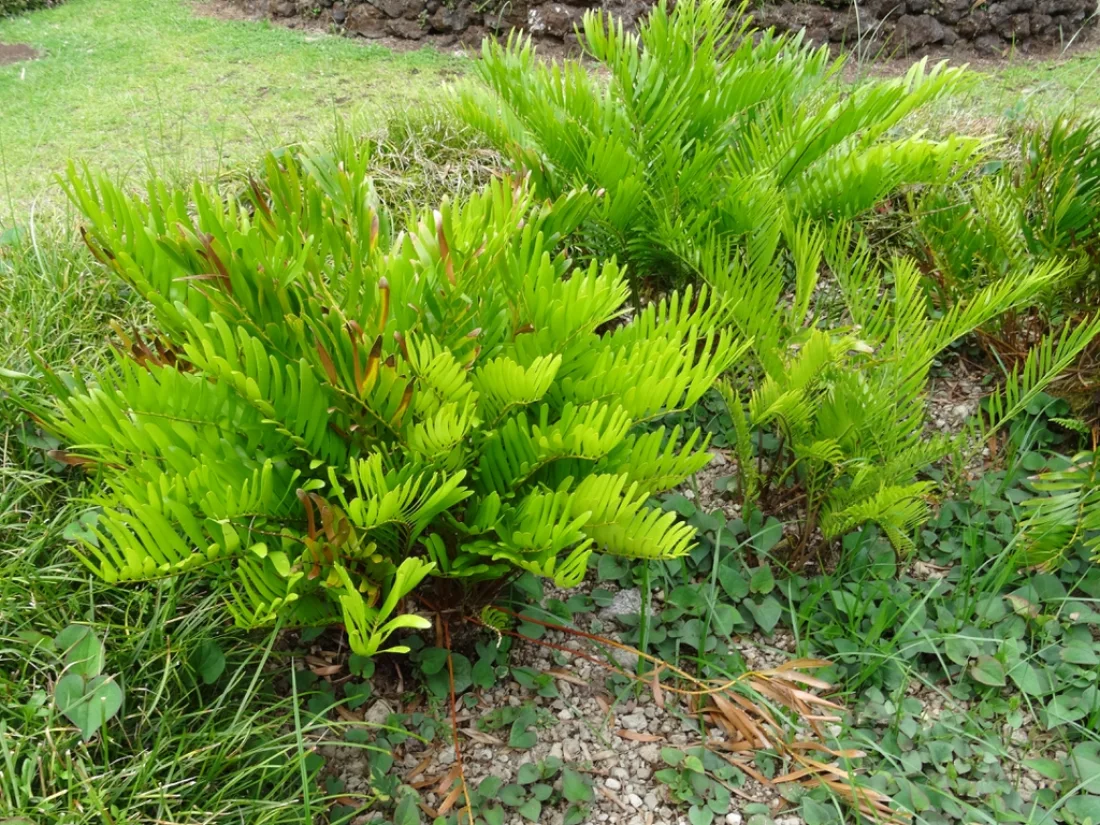
Zamia integrifolia
Native leaves feed atala butterfly and echo moth caterpillars.
Instead of sago palm
Meet this plantPhoto: Andy king50 · CC BY-SA 3.0
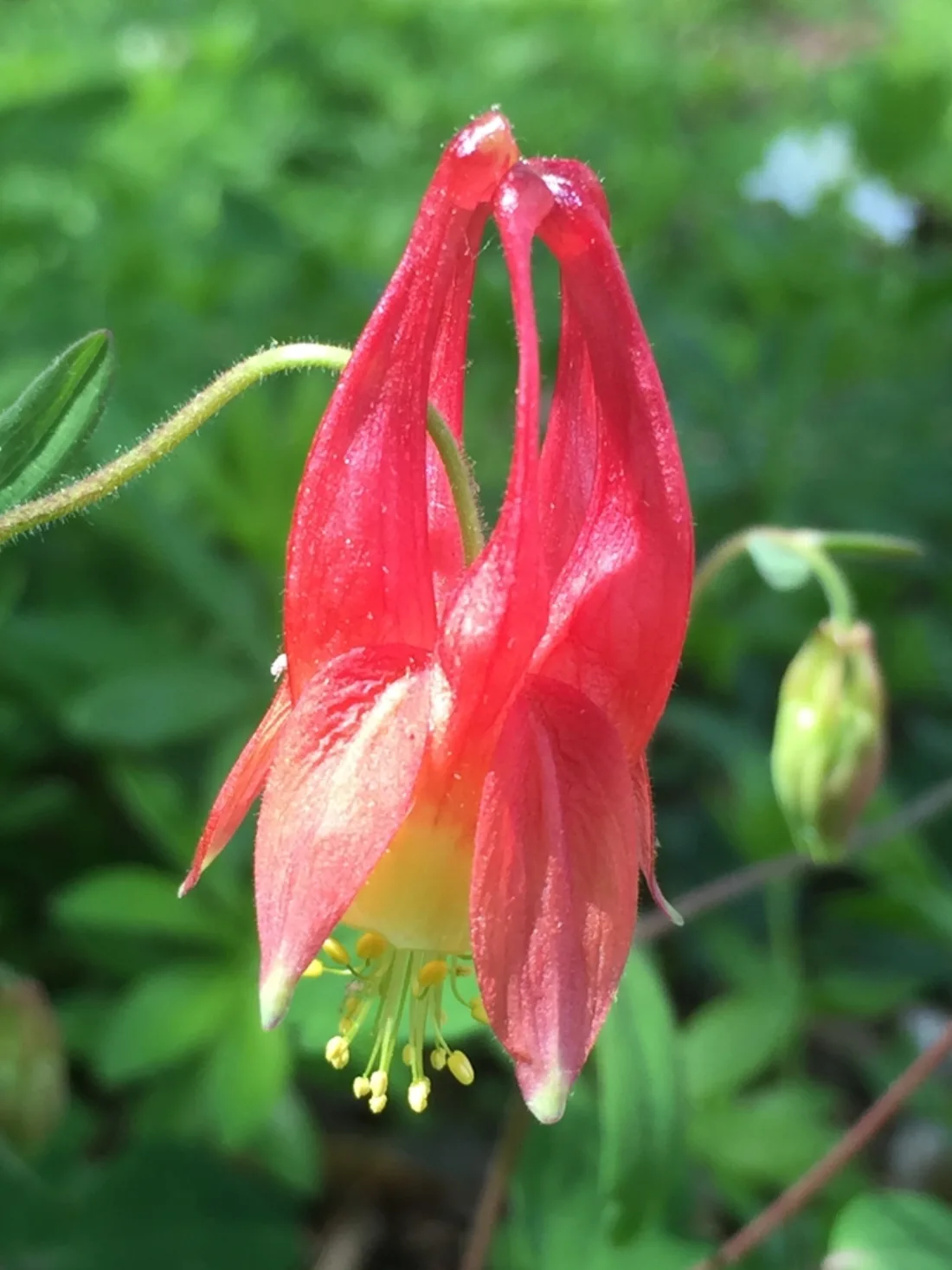
Aquilegia canadensis
Red-and-yellow flowers give hummingbirds and bumblebees a nectar stop in spring.
Instead of asian bleeding heart
Meet this plantPhoto: Patty Felder · CC BY 4.0
Less than 2 hours of direct sun
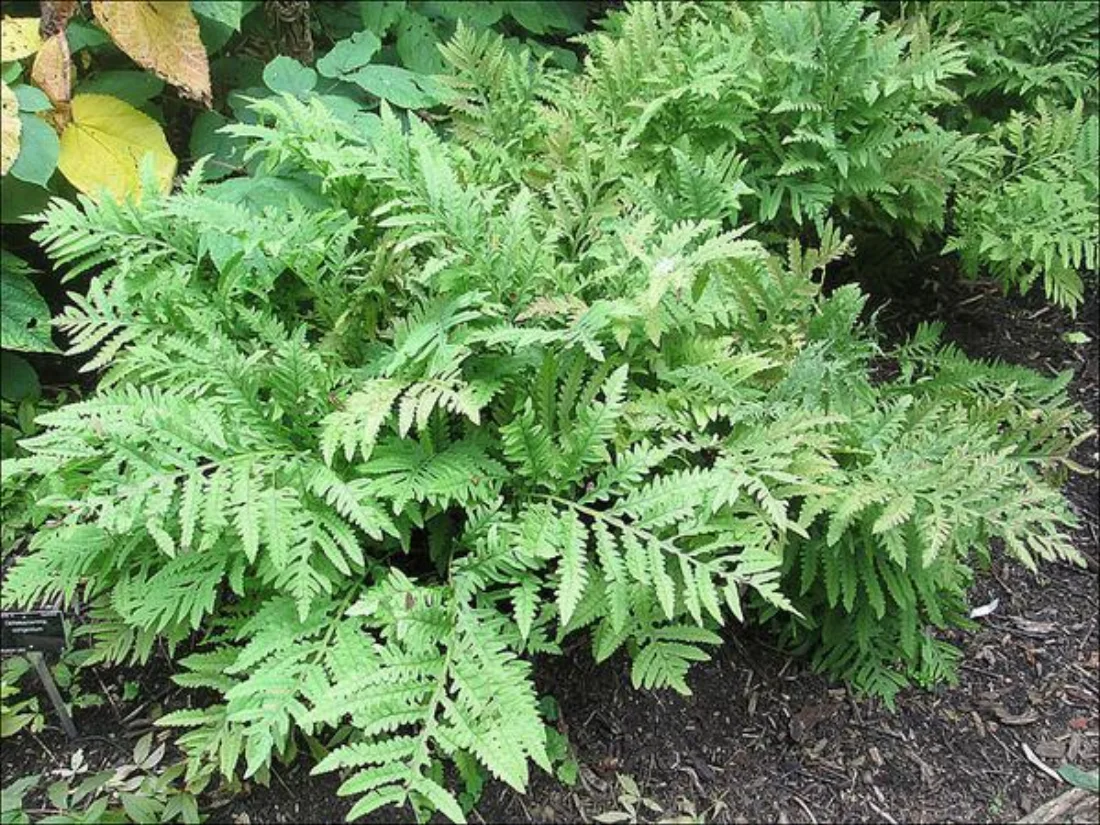
Onoclea sensibilis
Native fern colonies provide low cover for woodland wildlife.
Instead of japanese painted fern
Meet this plantPhoto: Hornet Photography · CC-BY-SA 2.0
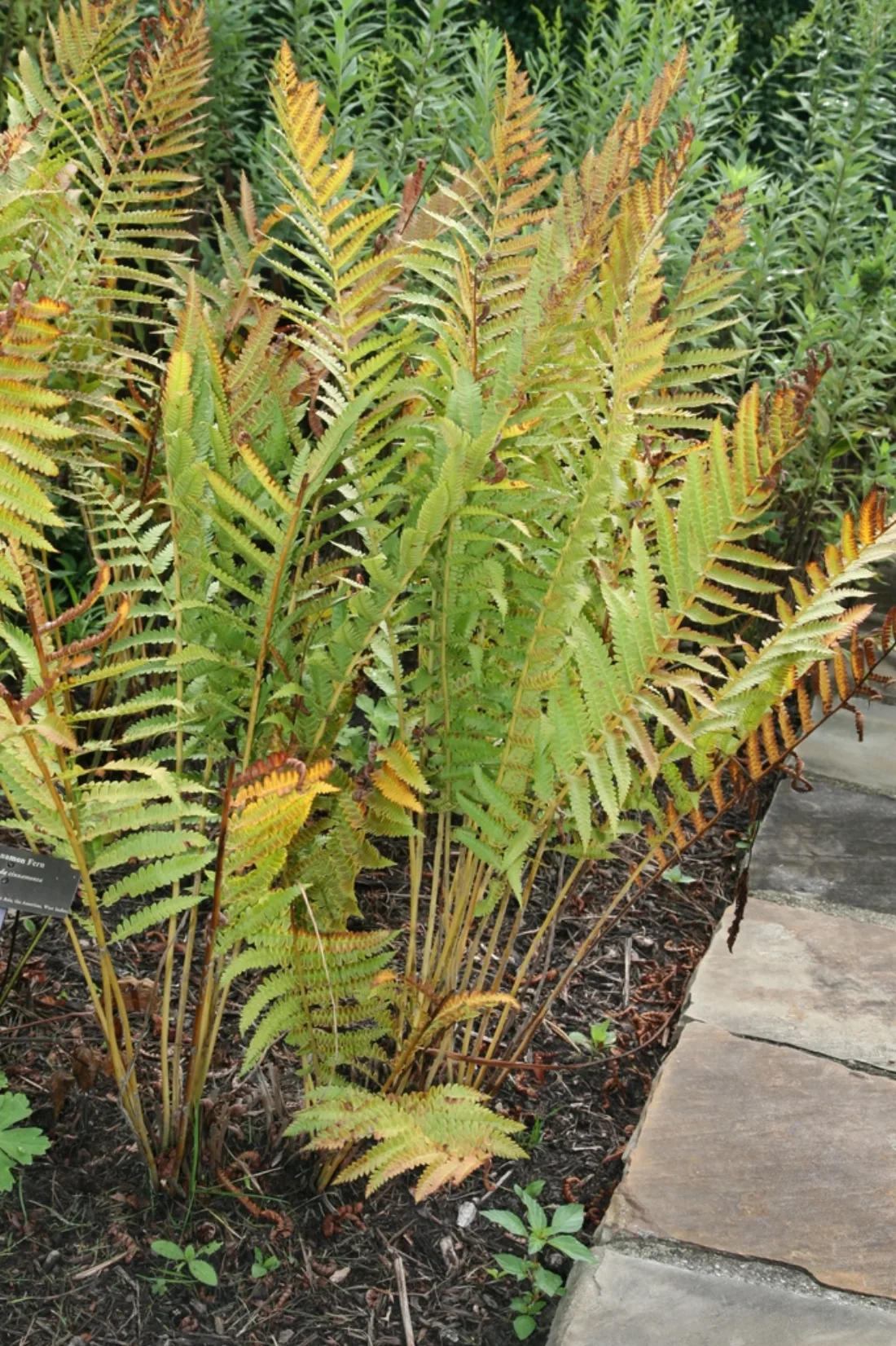
Osmundastrum cinnamomeum
Native fern clumps shelter birds, which also use the stem hairs to line nests.
Instead of japanese holly fern
Meet this plantPhoto: David J. Stang · CC BY-SA 4.0
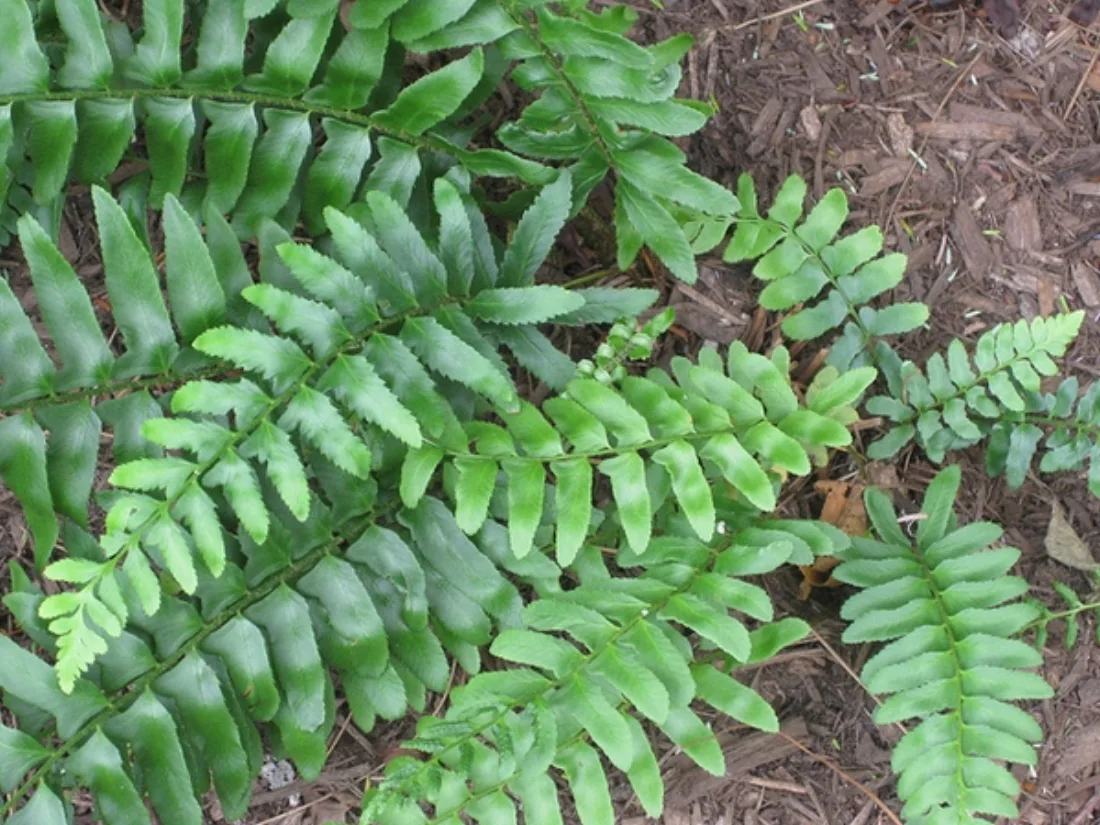
Polystichum acrostichoides
Evergreen fronds provide winter cover close to the ground and nesting material for songbirds.
Instead of japanese painted fern
Meet this plantPhoto: Photo by Cranbrook Science · CC BY 2.0
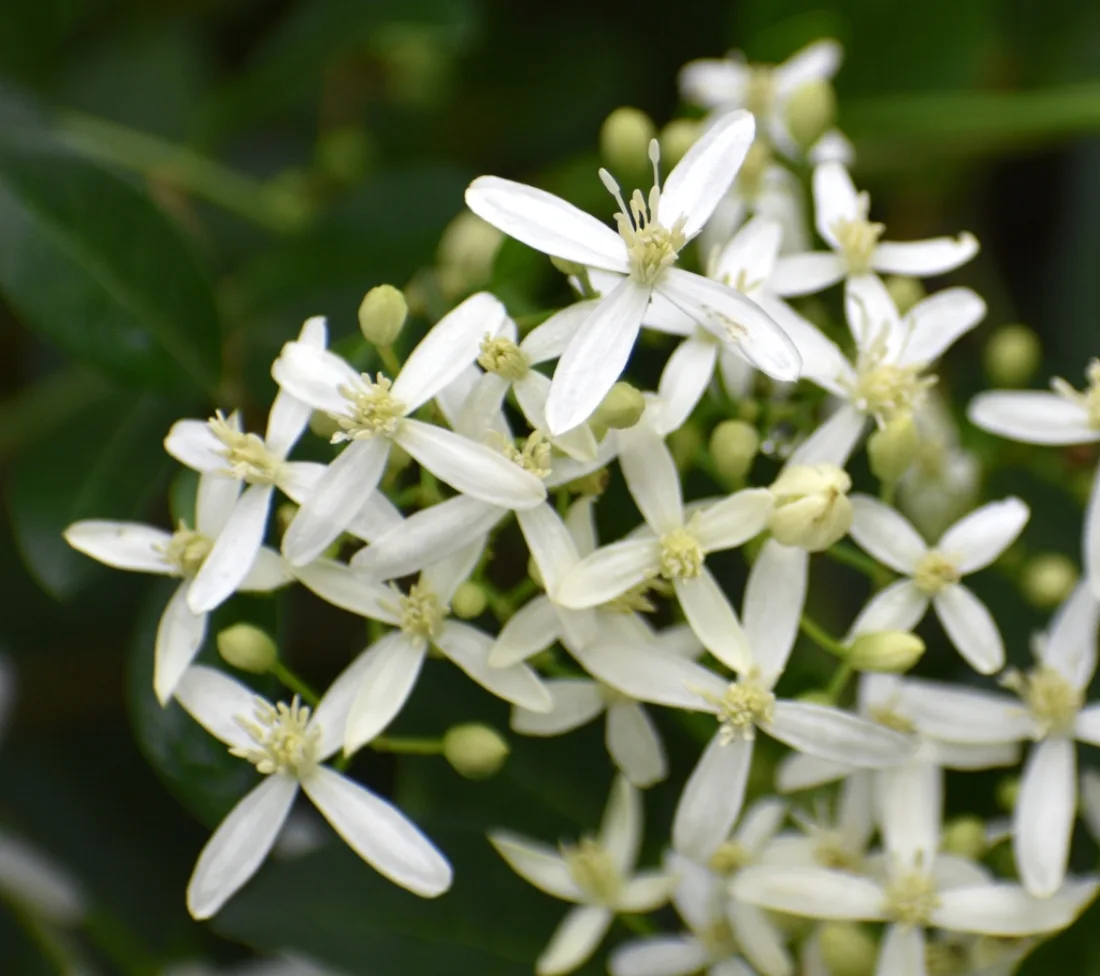
Clematis virginiana
Fragrant native flowers offer nectar for bees and hummingbirds, even in a shaded garden.
Instead of english ivy
Meet this plantPhoto: Cathy DeWitt · CC BY 4.0
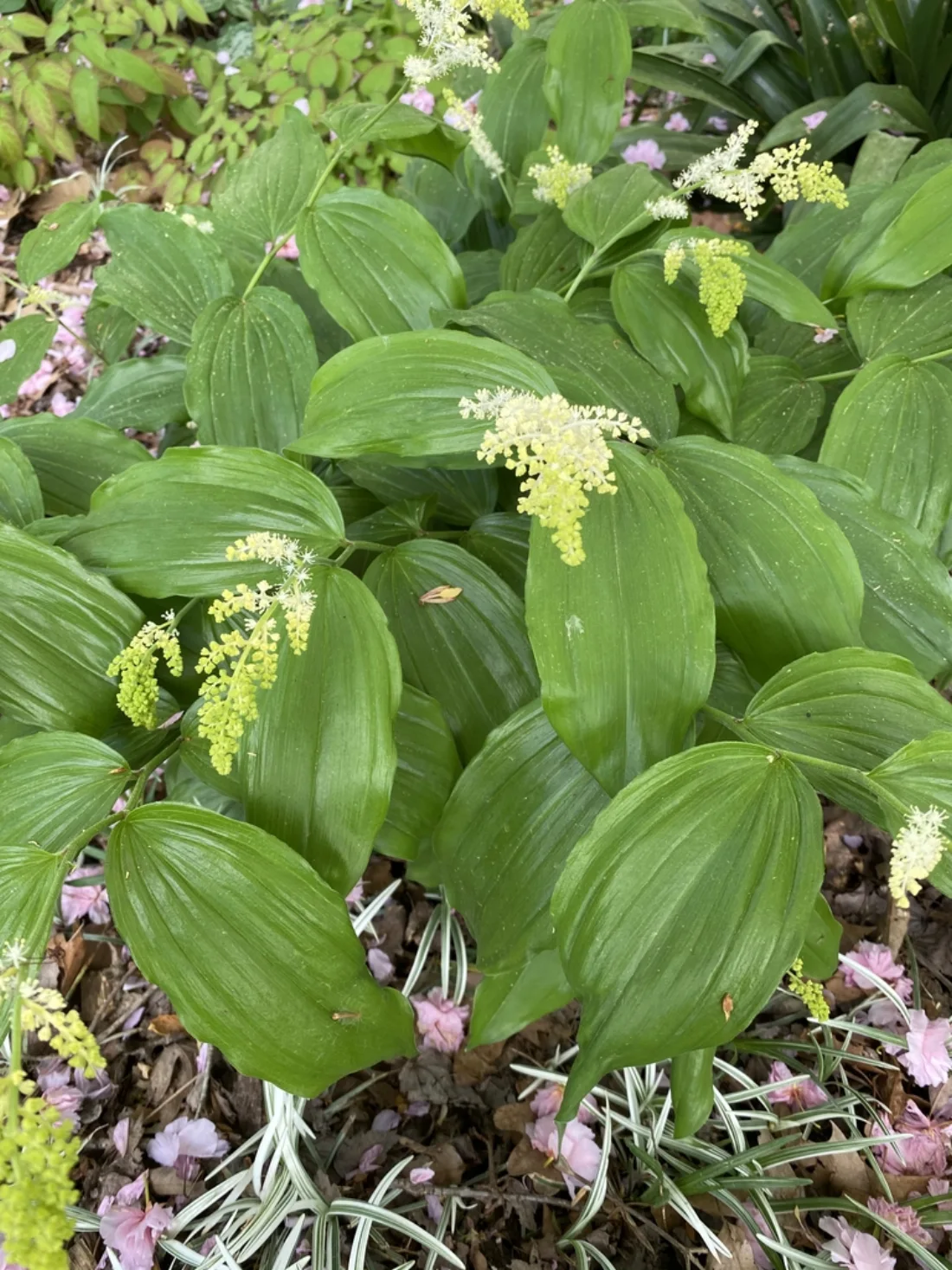
Maianthemum racemosum
Native spring flowers feed insects, followed by berries for birds and small mammals.
Instead of fragrant hosta
Meet this plantPhoto: Kathy Sill · CC BY 4.0
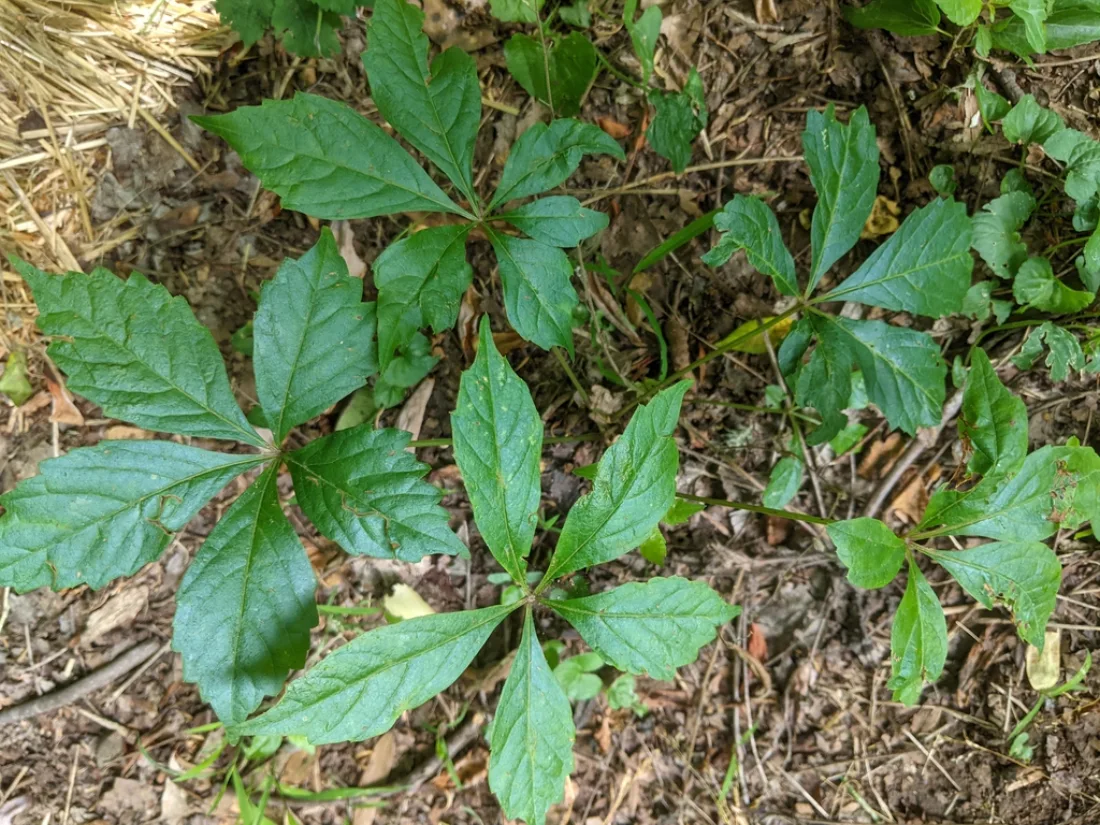
Parthenocissus quinquefolia
Native berries feed birds and mammals, while small flowers feed pollinators.
Instead of english ivy
Meet this plantPhoto: Hope Duckworth · CC BY 4.0
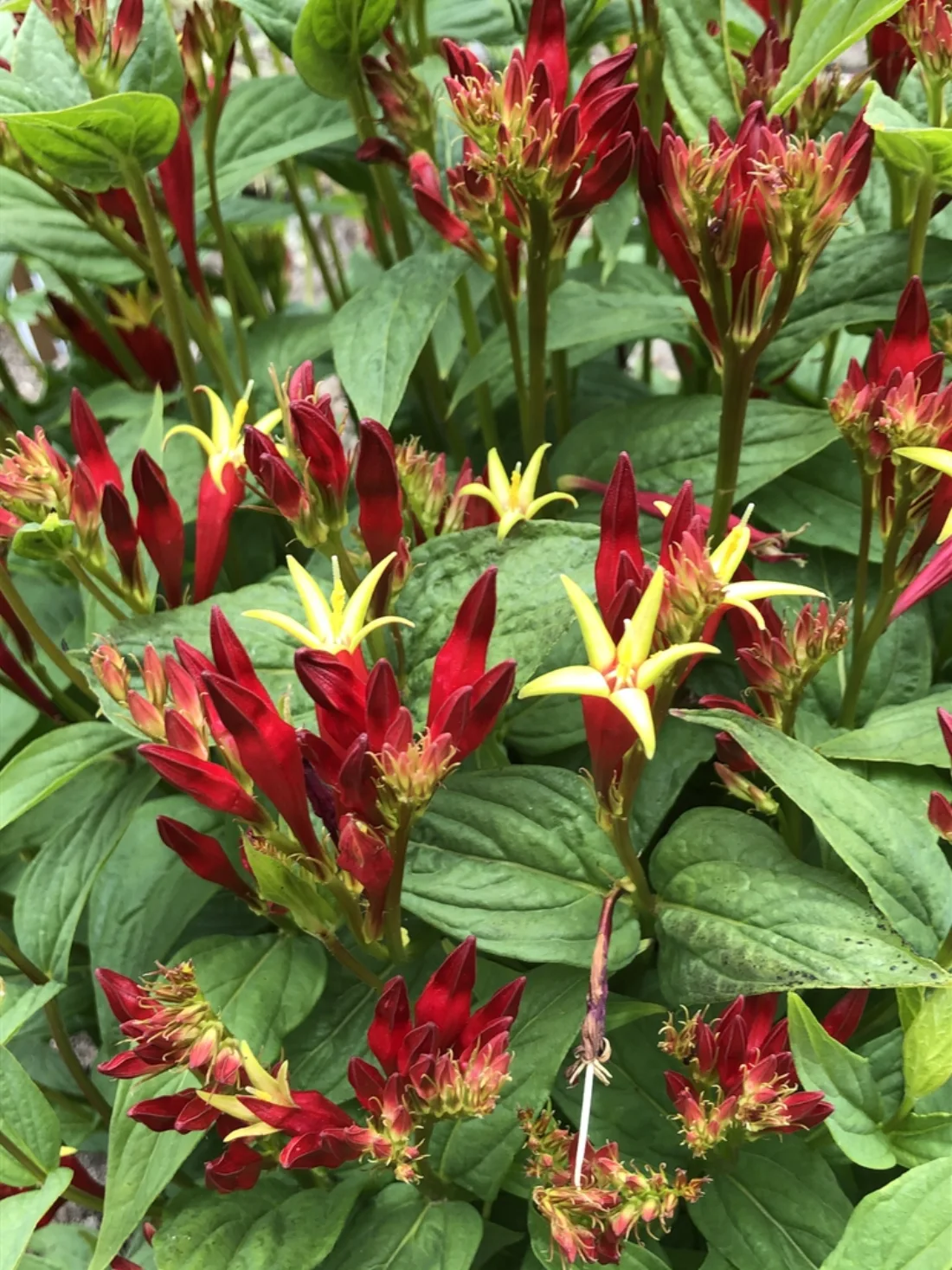
Spigelia marilandica
Native tubular flowers supply nectar for hummingbirds in a shaded garden.
Instead of asian bleeding heart
Meet this plantPhoto: Cathy Dewitt · CC BY 4.0
Use your garden’s sunlight, soil moisture, and available space to narrow the list.
Compare all Florida swaps