Summer flowers
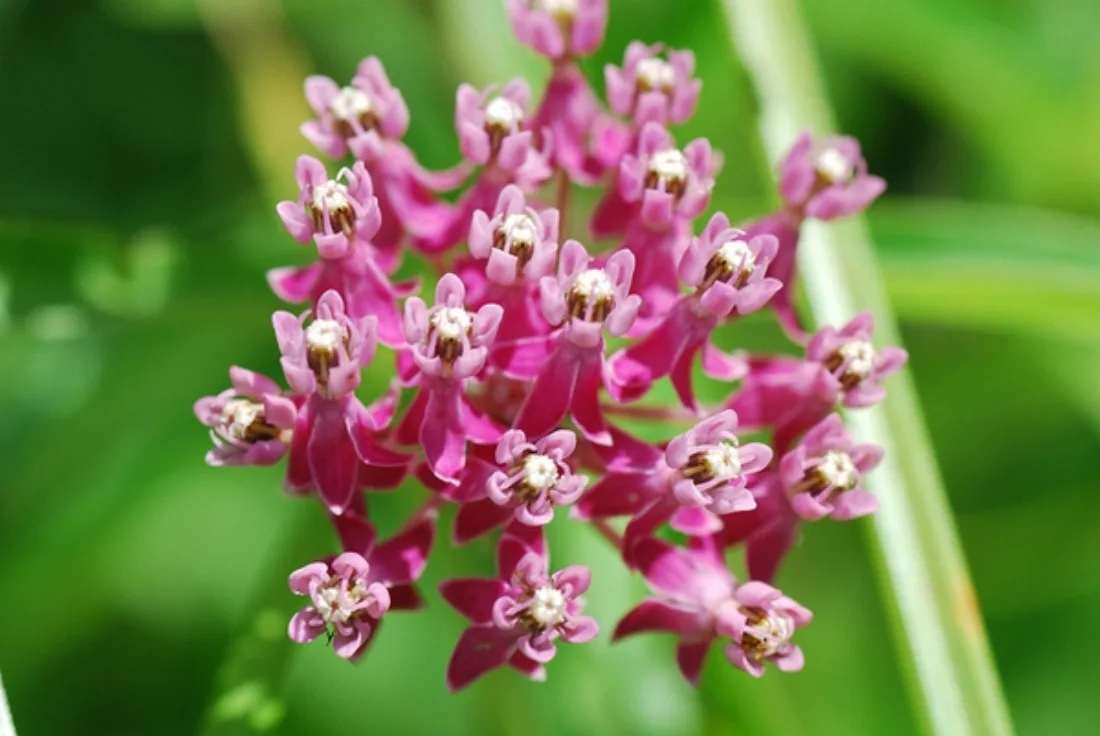
Swamp milkweed
Asclepias incarnata
A locally native milkweed gives monarch caterpillars food and visiting butterflies a summer nectar stop.
Instead of tropical milkweed
Meet this plantPhoto: Joshua Mayer · CC-BY-SA 2.0
A GARDEN THAT BELONGS HERE
Familiar garden favorites, with native roots.
Find your first swap for sun, shade, and the soil underfoot.
6+ hours of direct sun
Asclepias incarnata
A locally native milkweed gives monarch caterpillars food and visiting butterflies a summer nectar stop.
Instead of tropical milkweed
Meet this plantPhoto: Joshua Mayer · CC-BY-SA 2.0
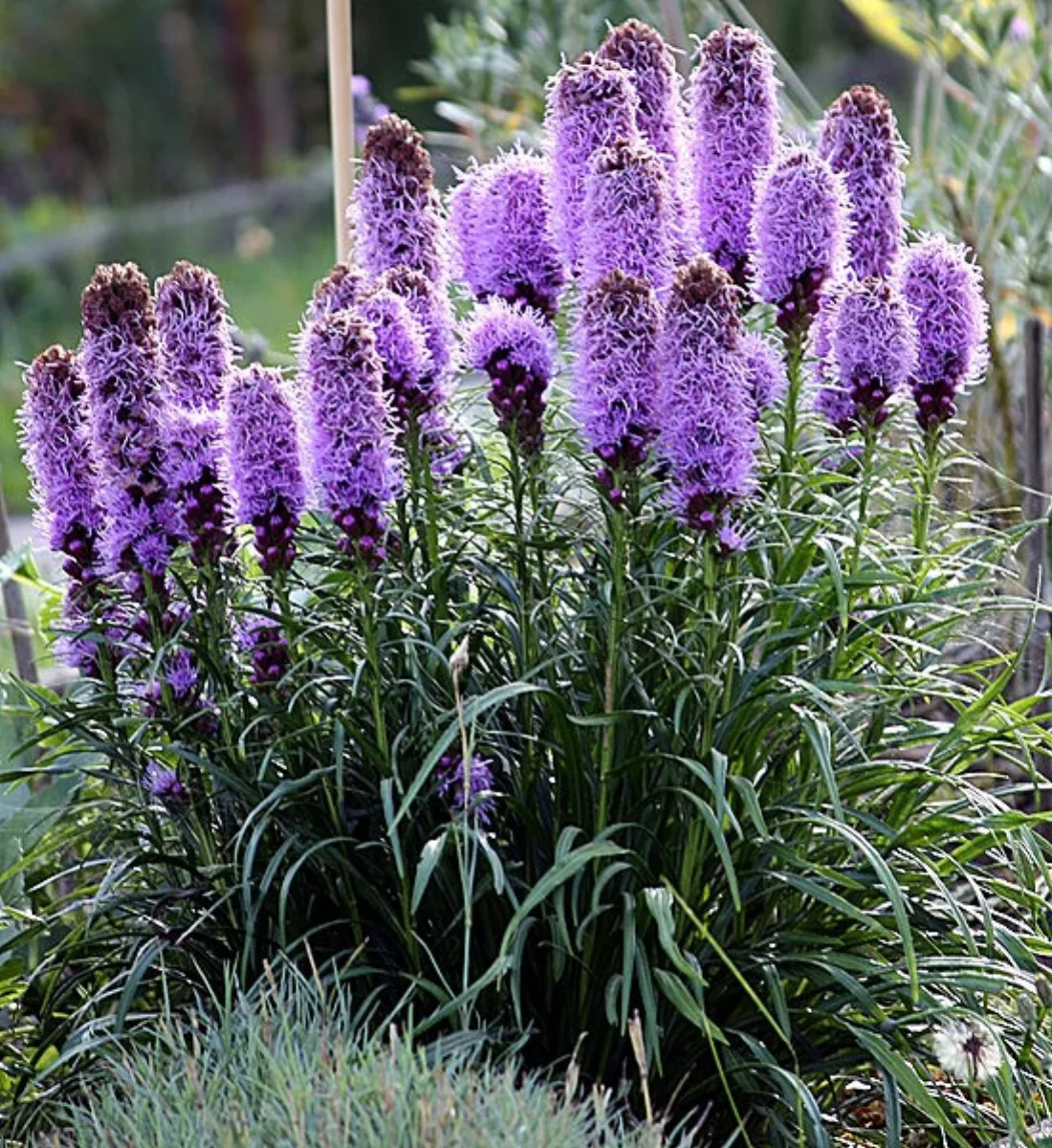
Liatris spicata
Purple flower spikes draw bees and butterflies, while their seeds feed goldfinches later in the season.
Instead of woodland sage
Meet this plantPhoto: Hedwig Storch · CC BY-SA 3.0
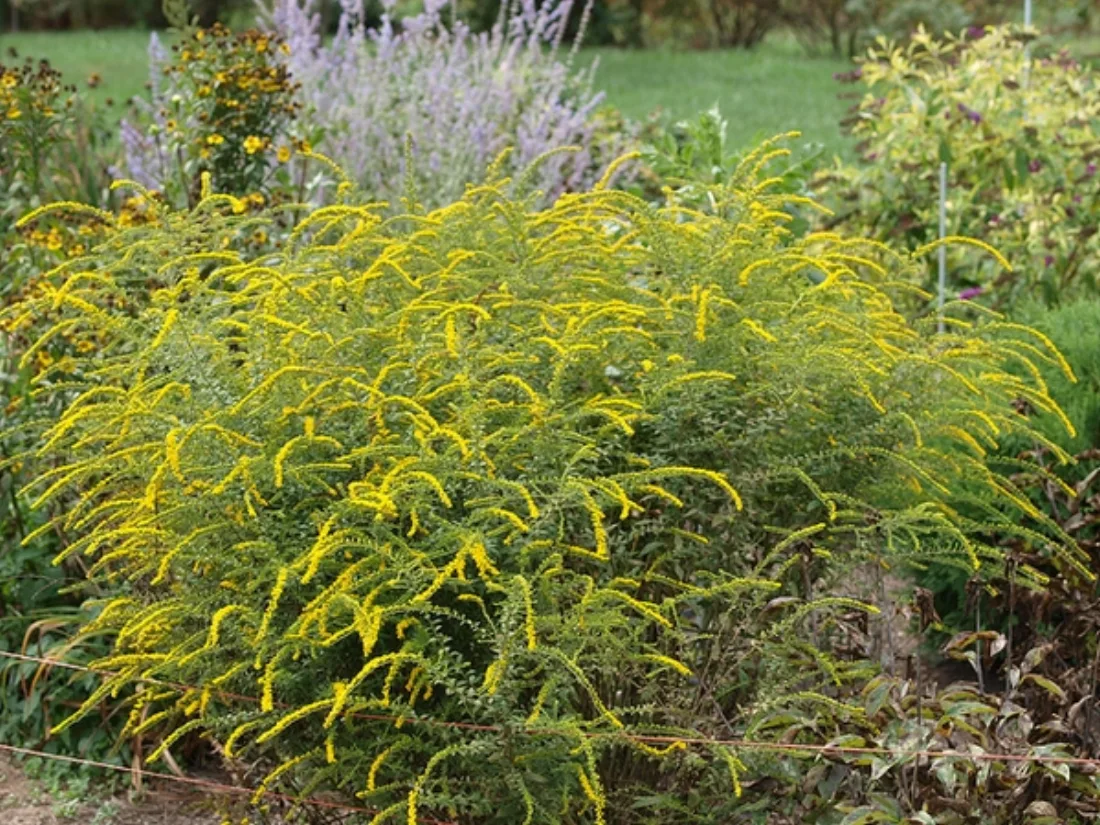
Solidago rugosa
Late yellow flowers feed bees and butterflies when many other garden blooms have finished.
Instead of garden mum
Meet this plantPhoto: F. D Richards · CC BY-SA 4.0
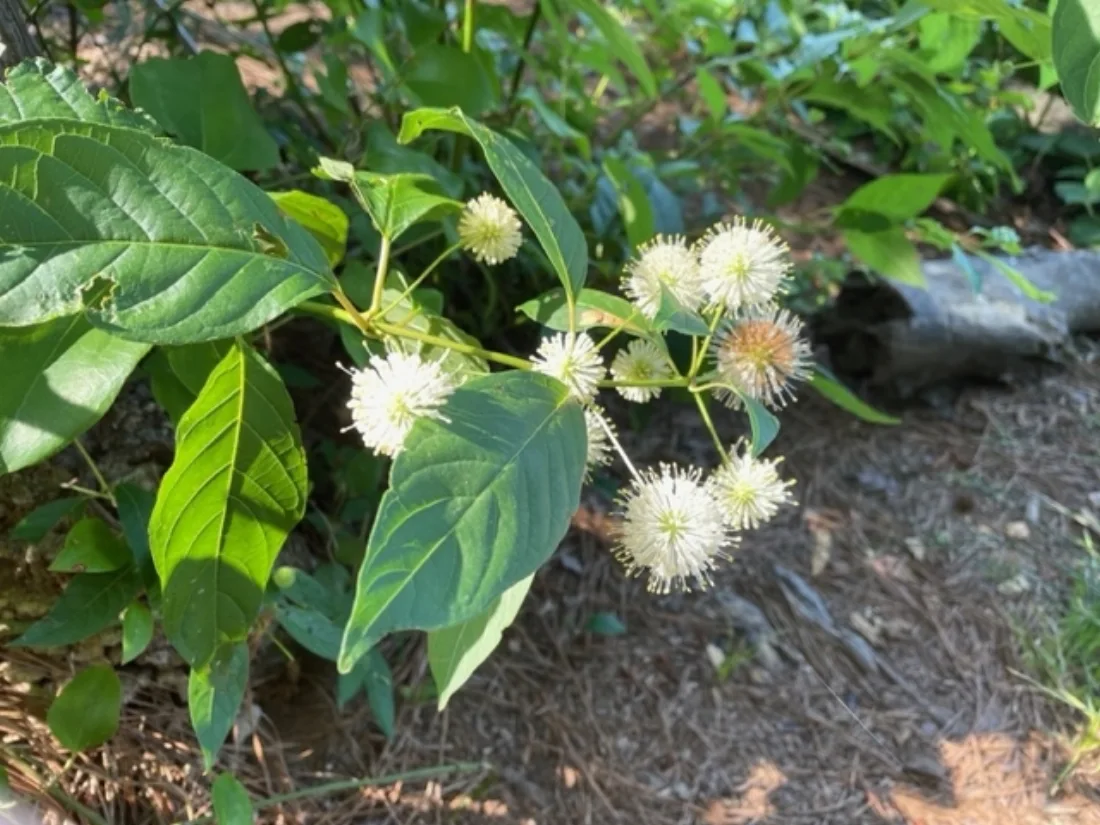
Cephalanthus occidentalis
Round flower clusters feed bees, butterflies, and hummingbirds, followed by seeds for birds.
Instead of butterfly bush
Meet this plantPhoto: Al Riordan · CC BY 4.0
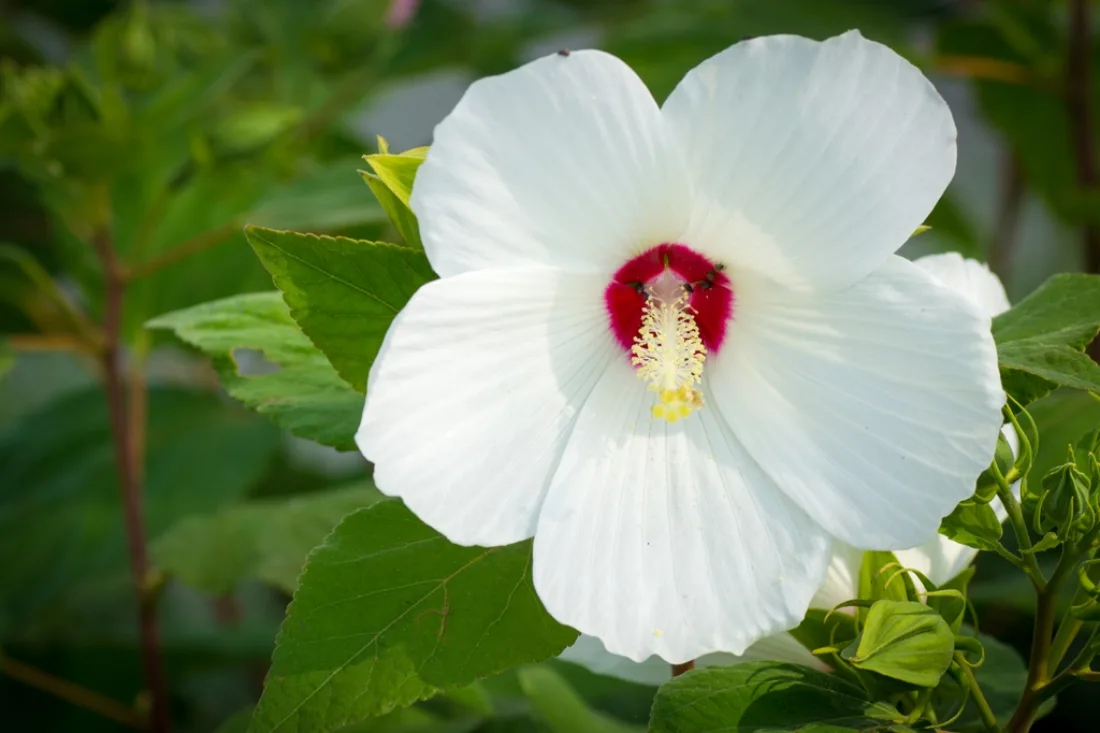
Hibiscus moscheutos
Large native flowers feed specialist bees, and standing hollow stems offer nesting places.
Instead of tropical hibiscus
Meet this plantPhoto: Andrew Cannizzaro · CC BY 2.0
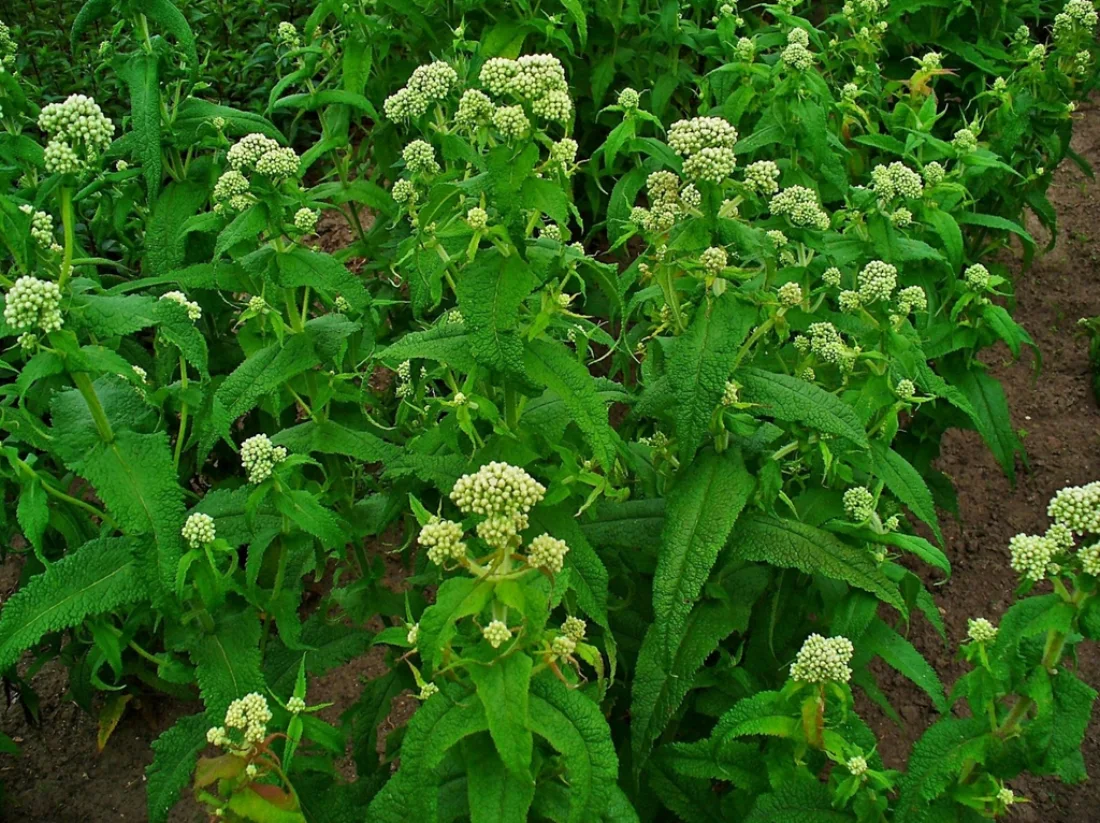
Eupatorium perfoliatum
Late native flowers feed many pollinators, and seedheads supply food for birds.
Instead of butterfly bush
Meet this plantPhoto: H. Zell · CC BY-SA 3.0
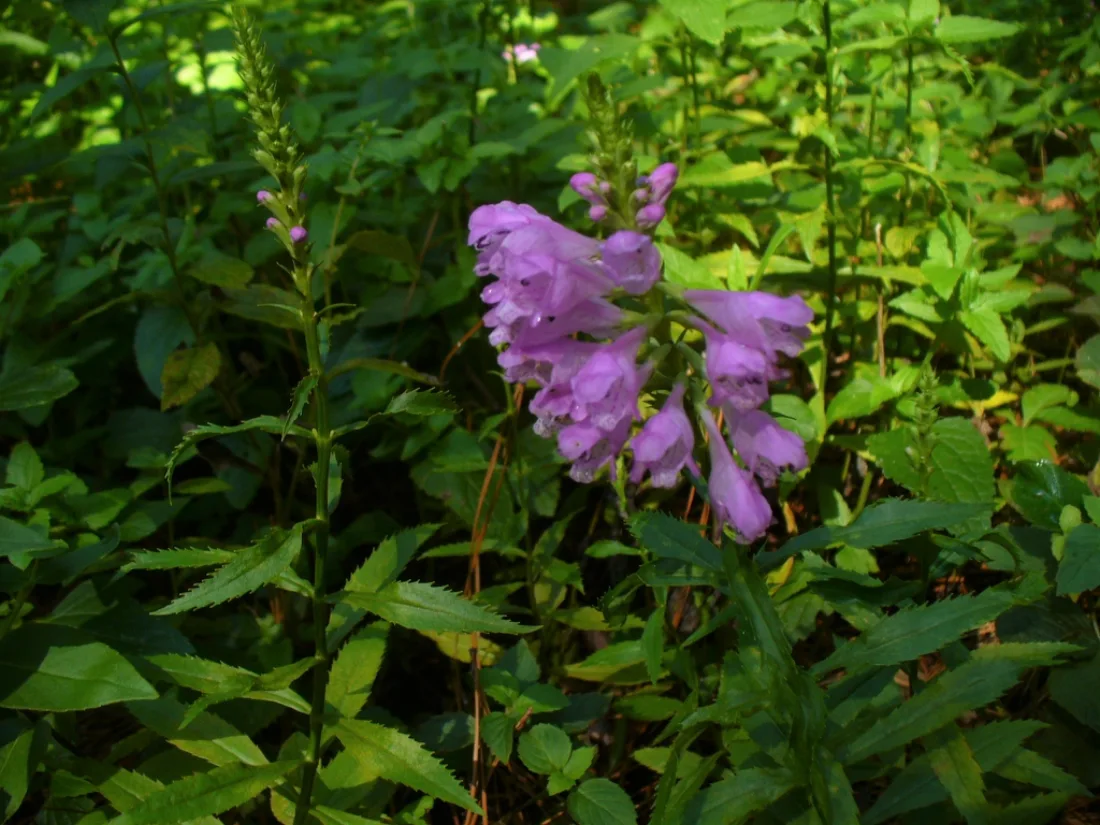
Physostegia virginiana
Native summer flowers attract bees, butterflies, and hummingbirds.
Instead of woodland sage
Meet this plantPhoto: Susan Strine · CC BY 2.0
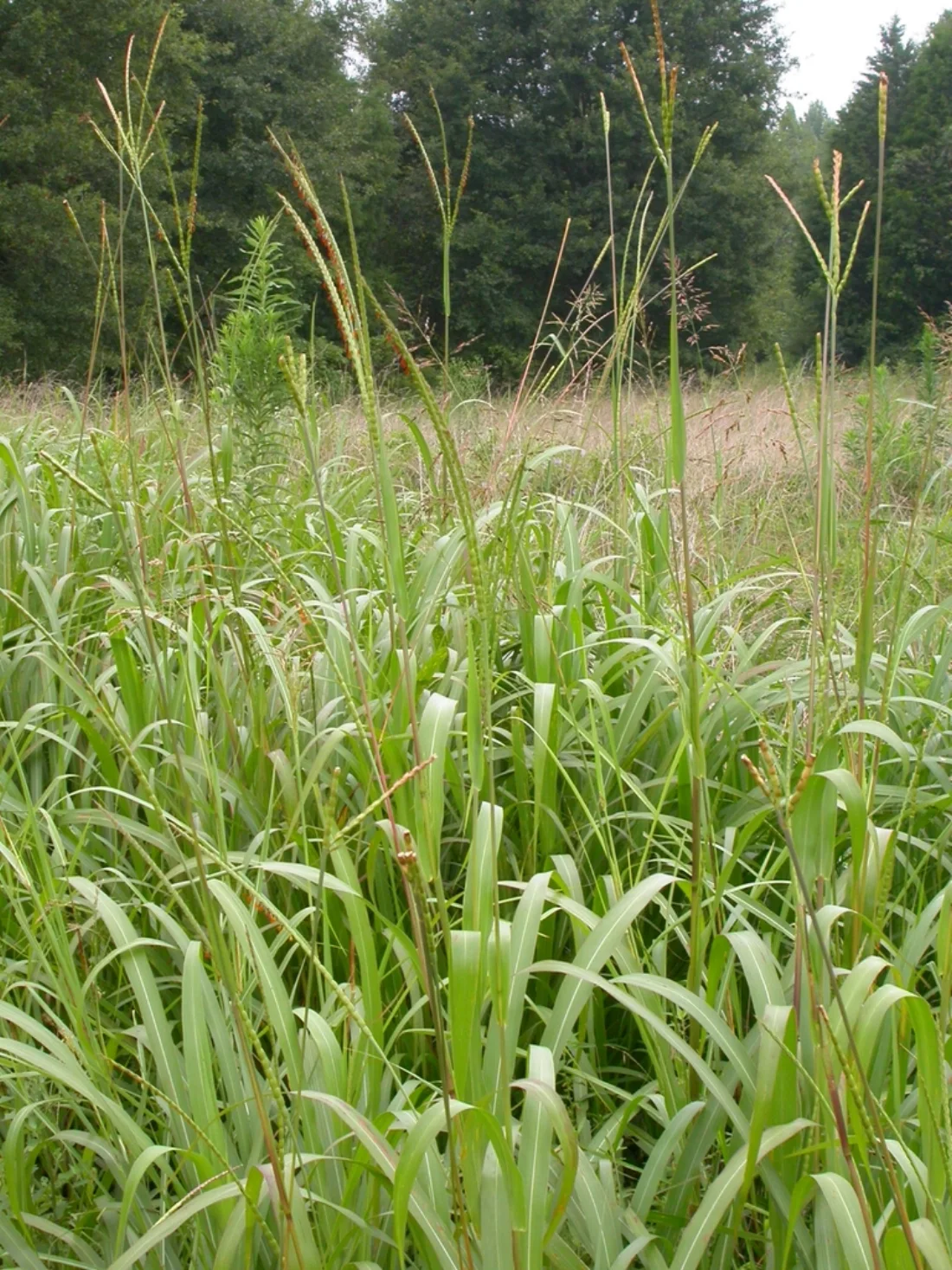
Tripsacum dactyloides
Native grass clumps shelter quail, feed seed-eating birds, and host skipper caterpillars.
Instead of maiden grass
Meet this plantPhoto: Matt Lavin · CC BY-SA 2.0 DE
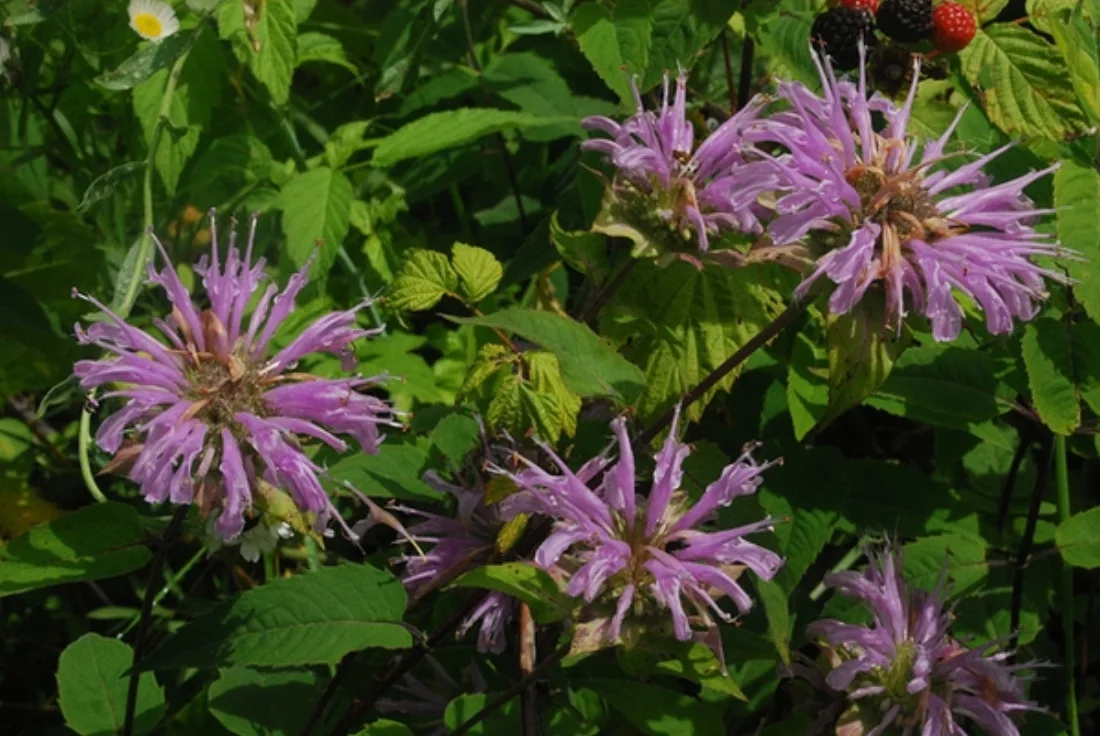
Monarda fistulosa
Its lavender blooms feed bees and hummingbirds, and hollow stems can shelter nesting bees.
Instead of garden mum
Meet this plantPhoto: Joshua Mayer · CC-BY-SA 2.0
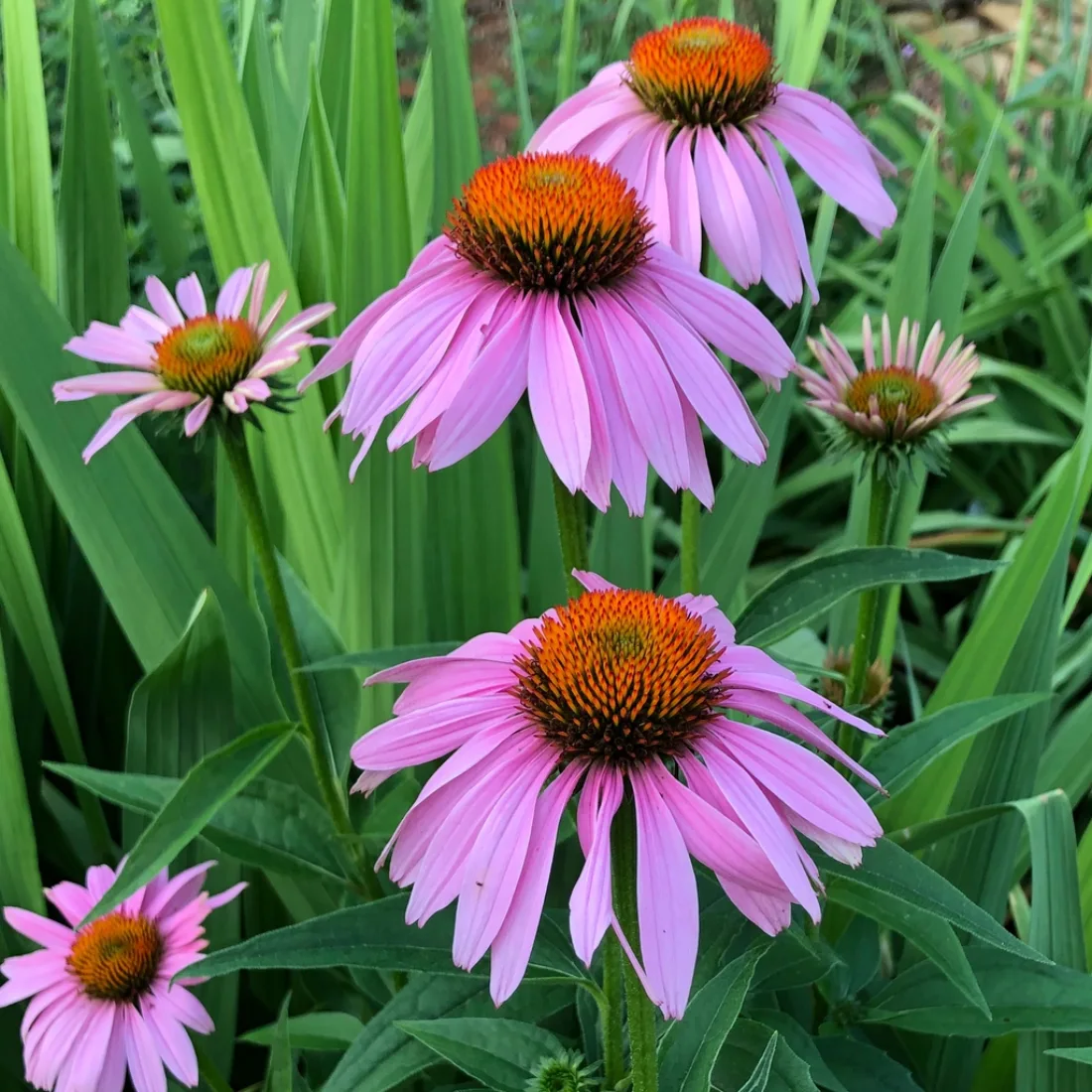
Echinacea purpurea
Open flowers feed bees and butterflies, and the seed-filled cones keep feeding songbirds after bloom.
Instead of shasta daisy
Meet this plantPhoto: Cathy Dewitt · CC BY 4.0
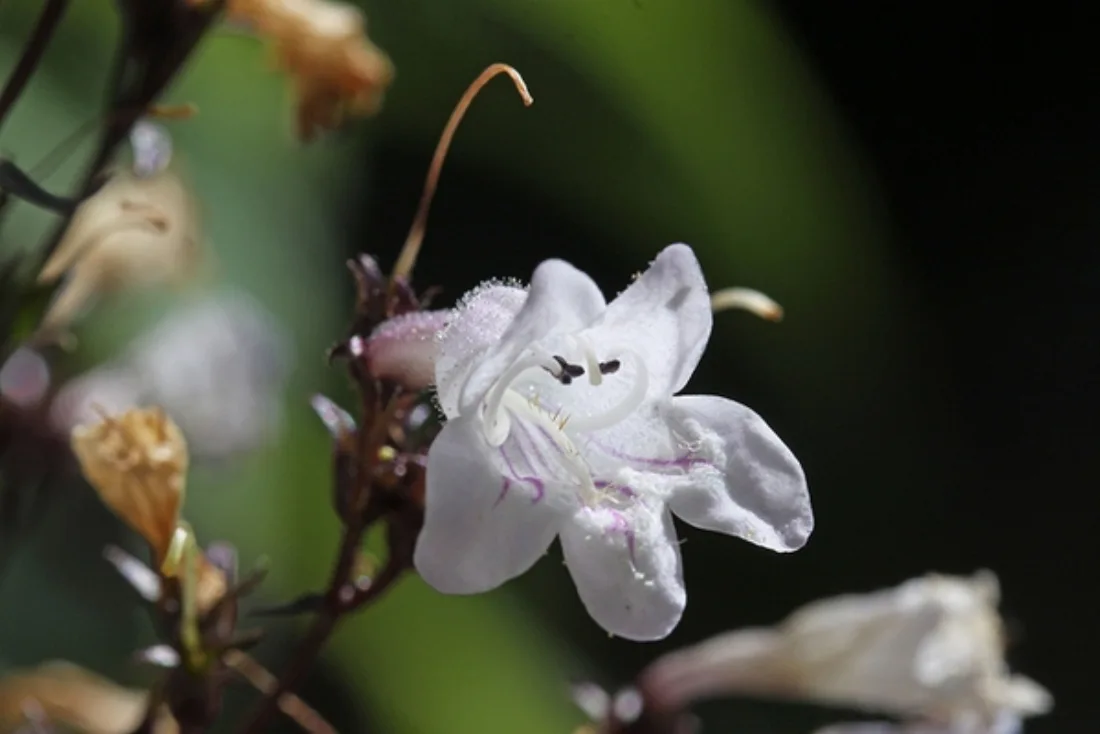
Penstemon digitalis
White tubular flowers provide nectar for bees, hummingbirds, and other visiting pollinators.
Instead of woodland sage
Meet this plantPhoto: Andrey-Zharkikh · CC BY 4.0
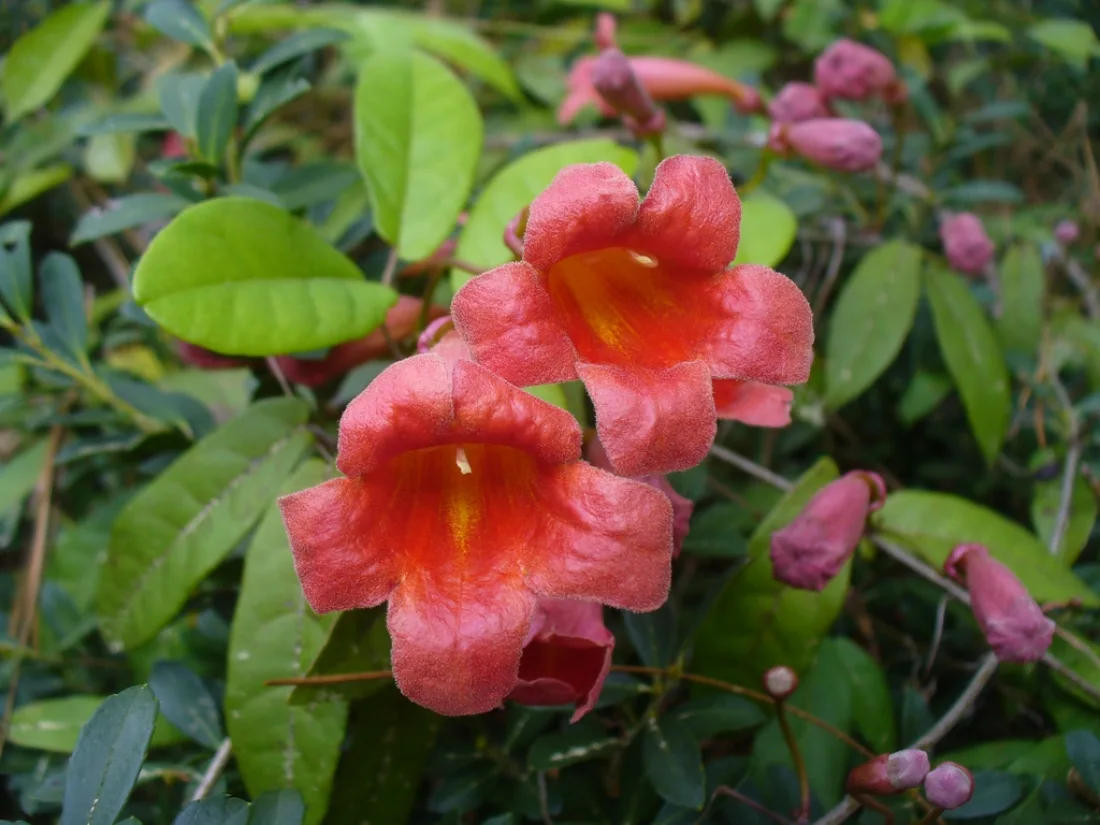
Bignonia capreolata
Early trumpet-shaped flowers supply nectar for hummingbirds and other pollinators.
Instead of english ivy
Meet this plantPhoto: Susan Strine · CC BY 2.0
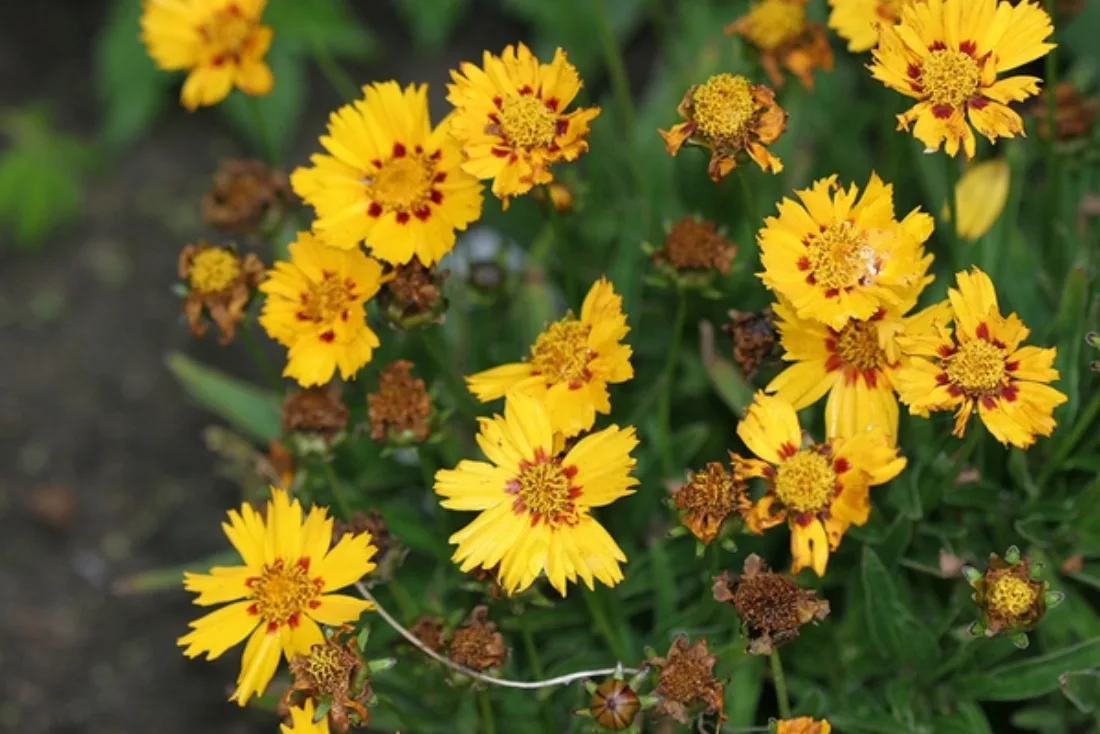
Coreopsis lanceolata
Golden native flowers feed bees and butterflies, with seeds for birds.
Instead of shasta daisy
Meet this plantPhoto: Andrey Zharkikh · CC BY 2.0
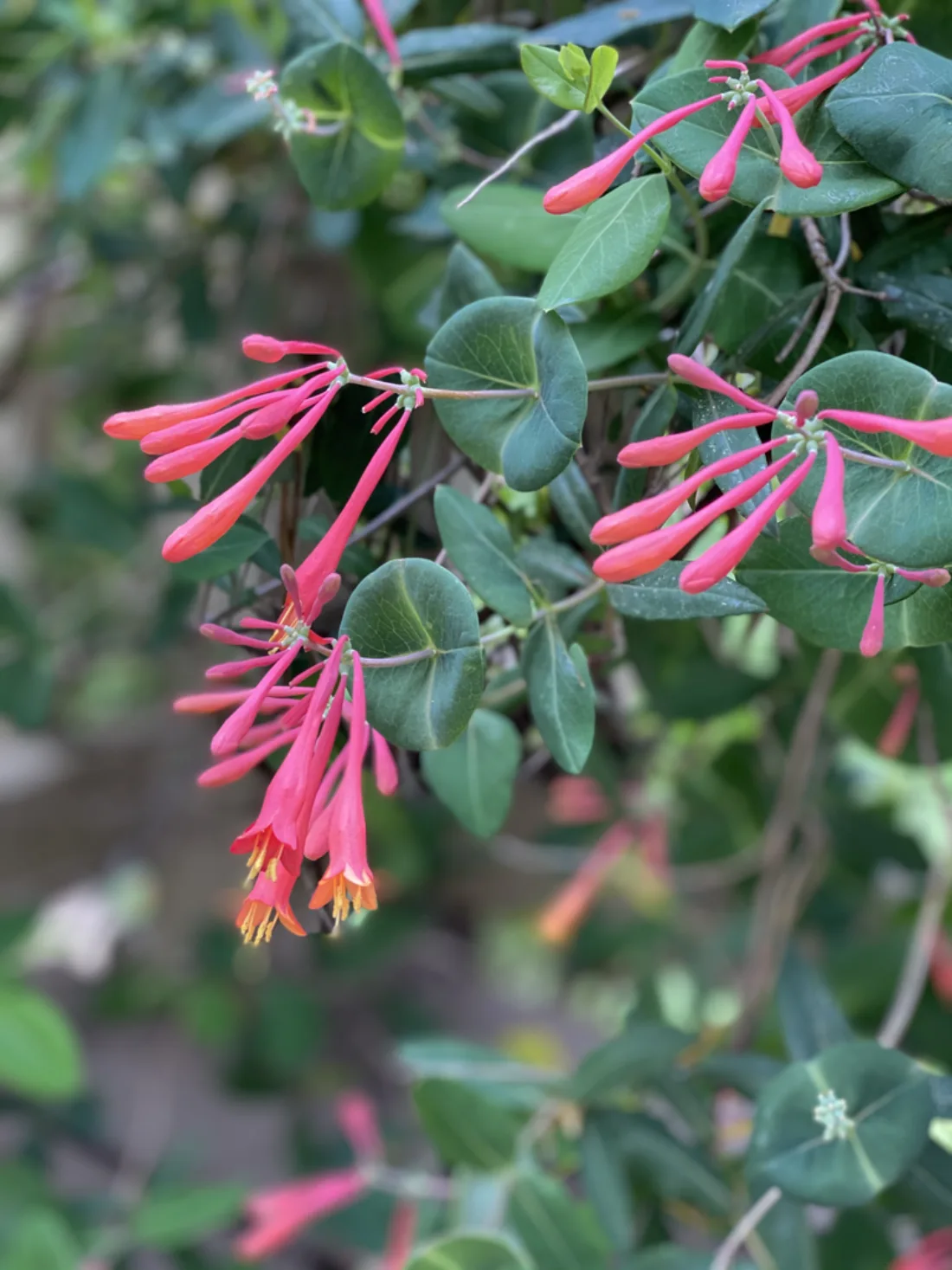
Lonicera sempervirens
Native trumpet flowers feed hummingbirds, and red berries feed songbirds.
Instead of english ivy
Meet this plantPhoto: Kathy Sill · CC BY 4.0
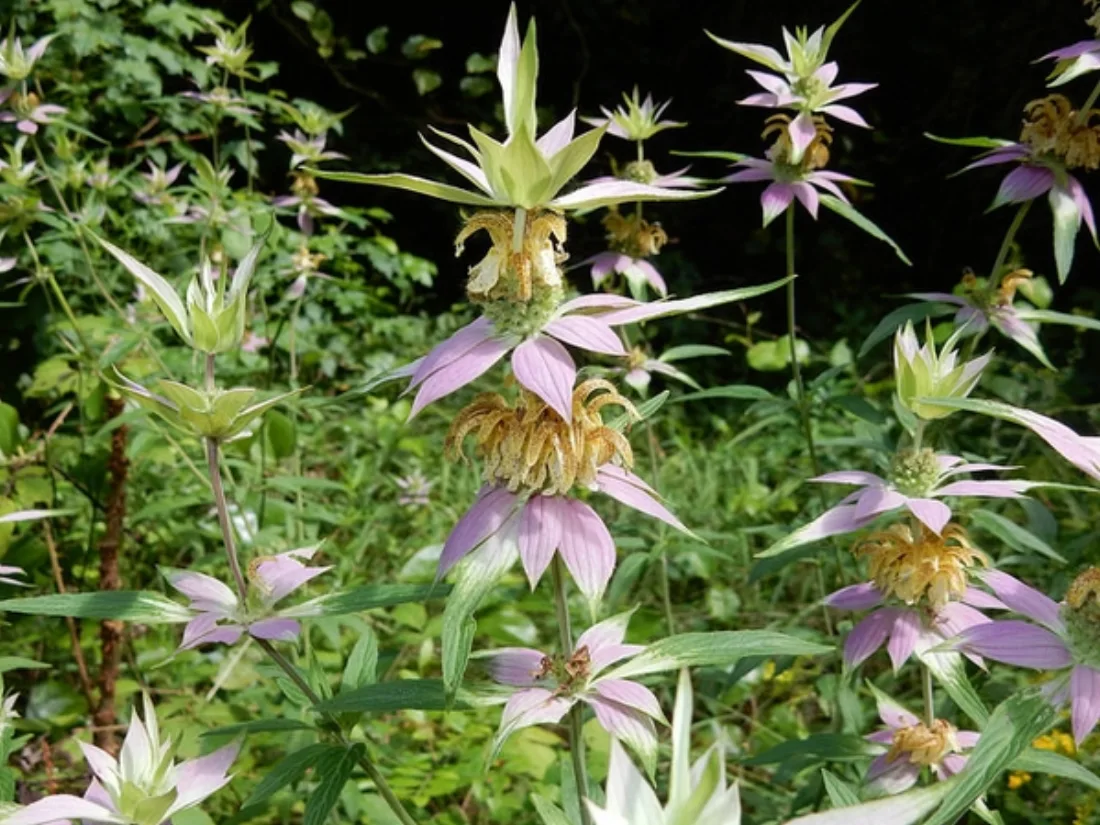
Monarda punctata
Native flowers feed bees, wasps, and hummingbirds, while leaves host moth caterpillars.
Instead of woodland sage
Meet this plantPhoto: johnx12 · CC BY-SA 4.0
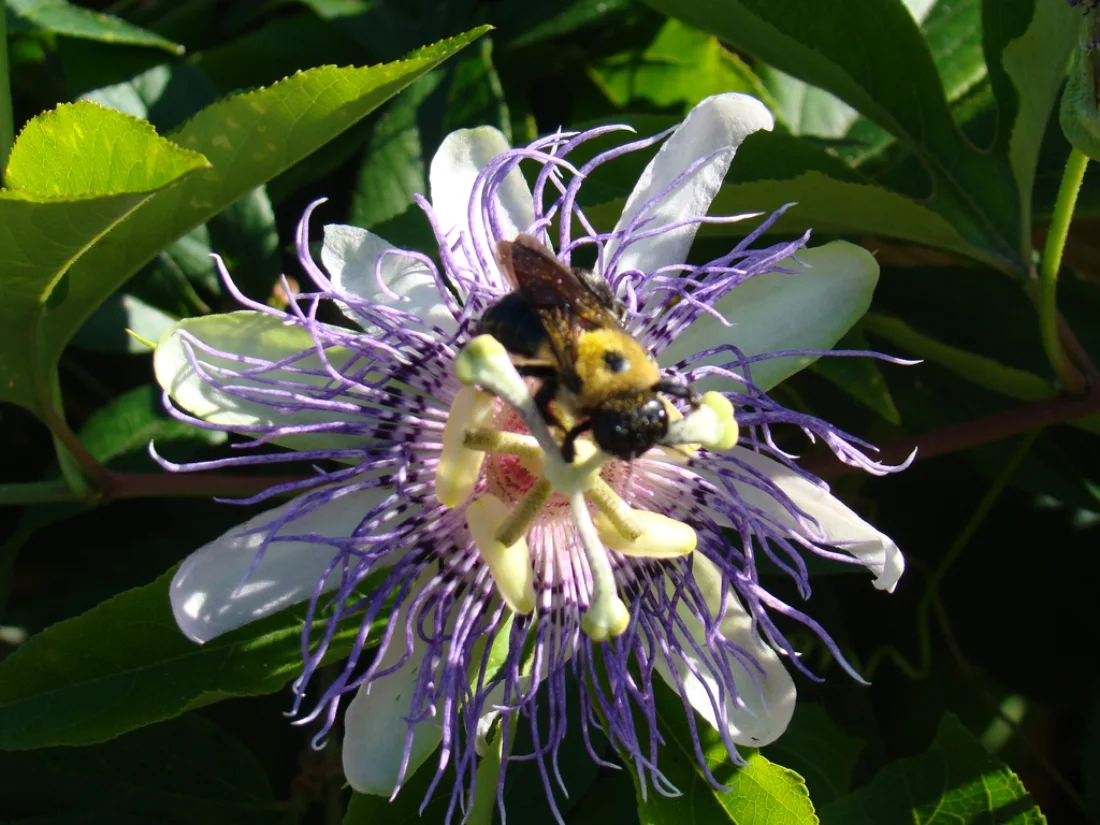
Passiflora incarnata
Native leaves feed several fritillary butterflies, and flowers provide nectar for pollinators.
Instead of english ivy
Meet this plantPhoto: Linda Querec · CC BY 2.0
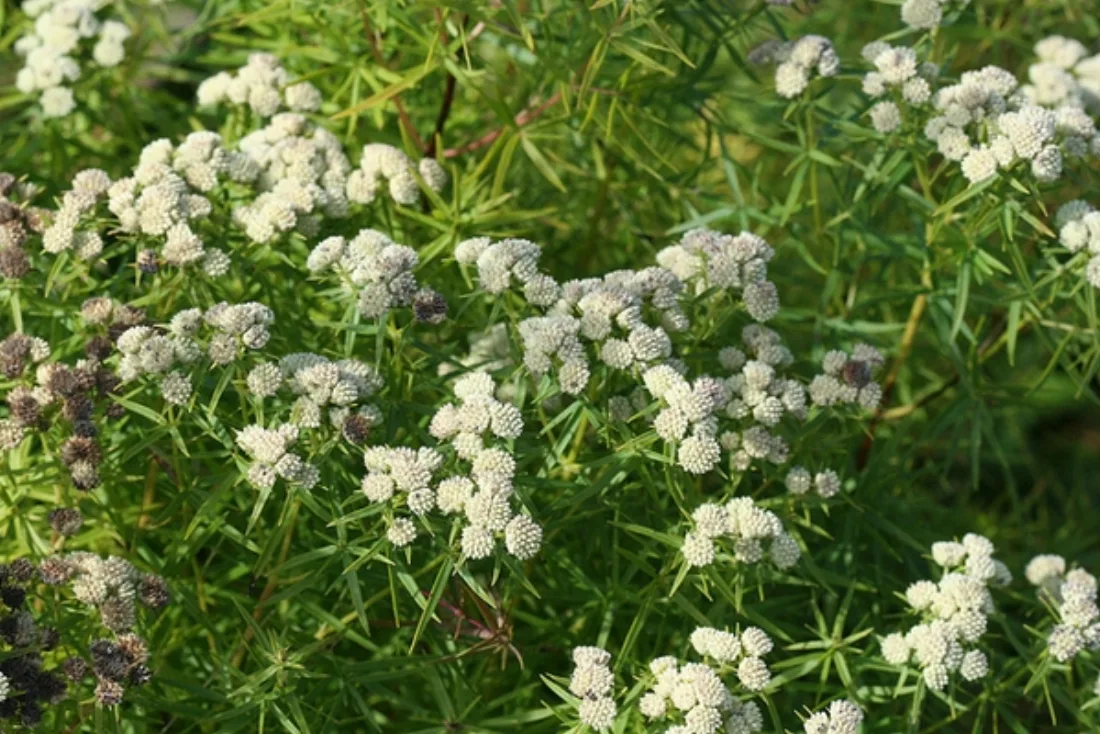
Pycnanthemum tenuifolium
Native flowers feed sweat bees and butterflies, and leaves host wavy-lined emerald caterpillars.
Instead of woodland sage
Meet this plantPhoto: Cyndy Sims Parr · CC-BY-SA 2.0
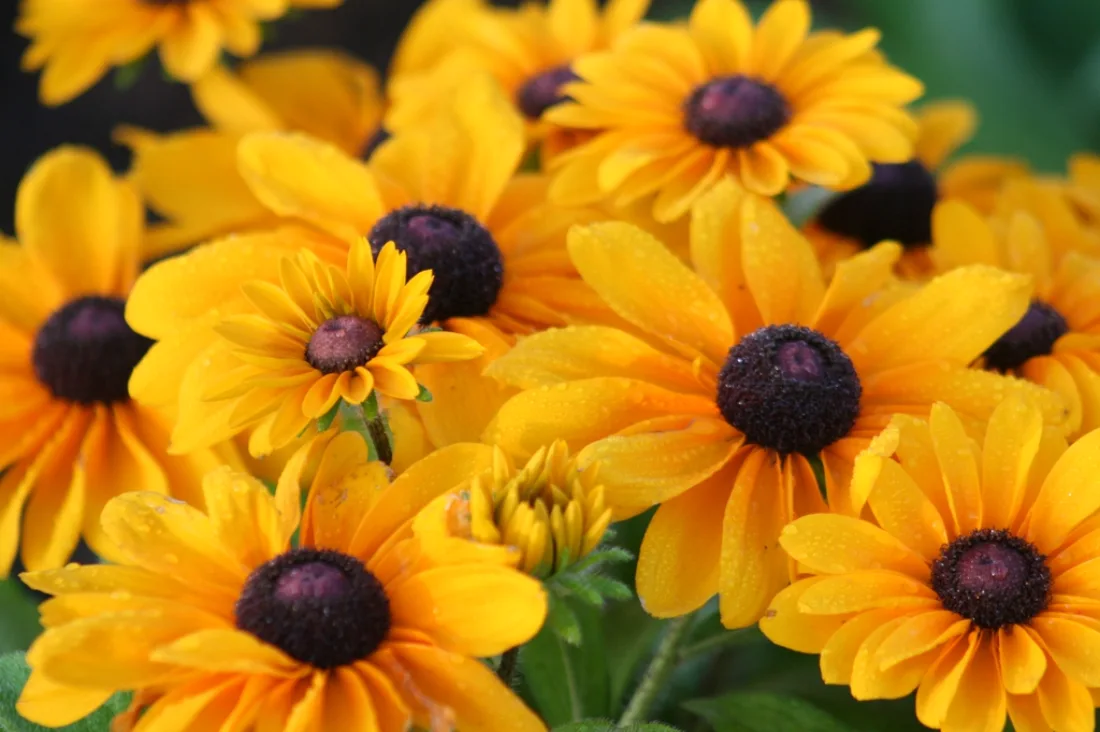
Rudbeckia hirta
Native flowers feed butterflies, and seedheads feed goldfinches in fall.
Instead of shasta daisy
Meet this plantPhoto: Dotty Leatherwood · CC BY 4.0
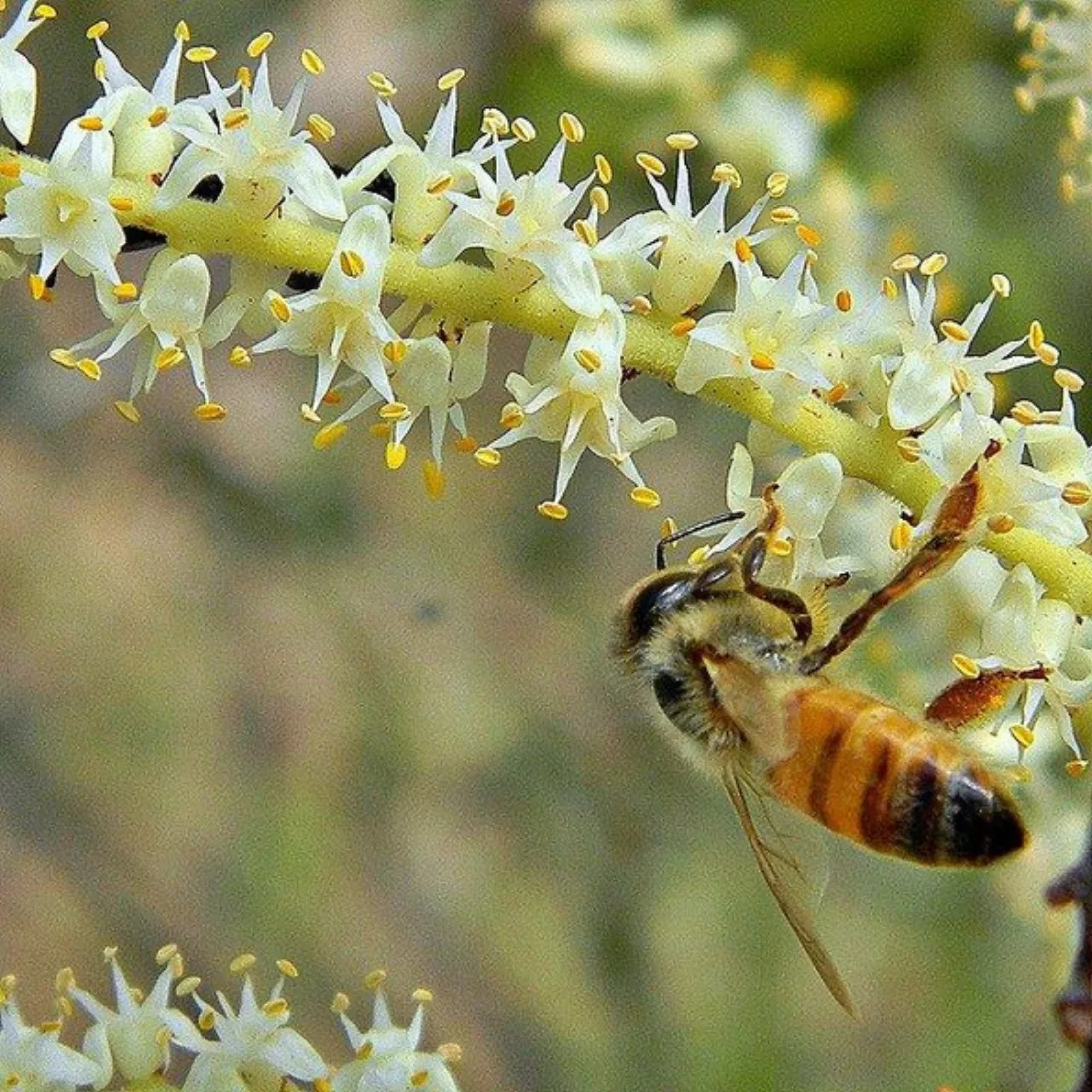
Serenoa repens
Native fruits feed wildlife, and foliage supports moth caterpillars adapted to this palm.
Instead of sago palm
Meet this plantPhoto: Bob Peterson · CC BY 2.0
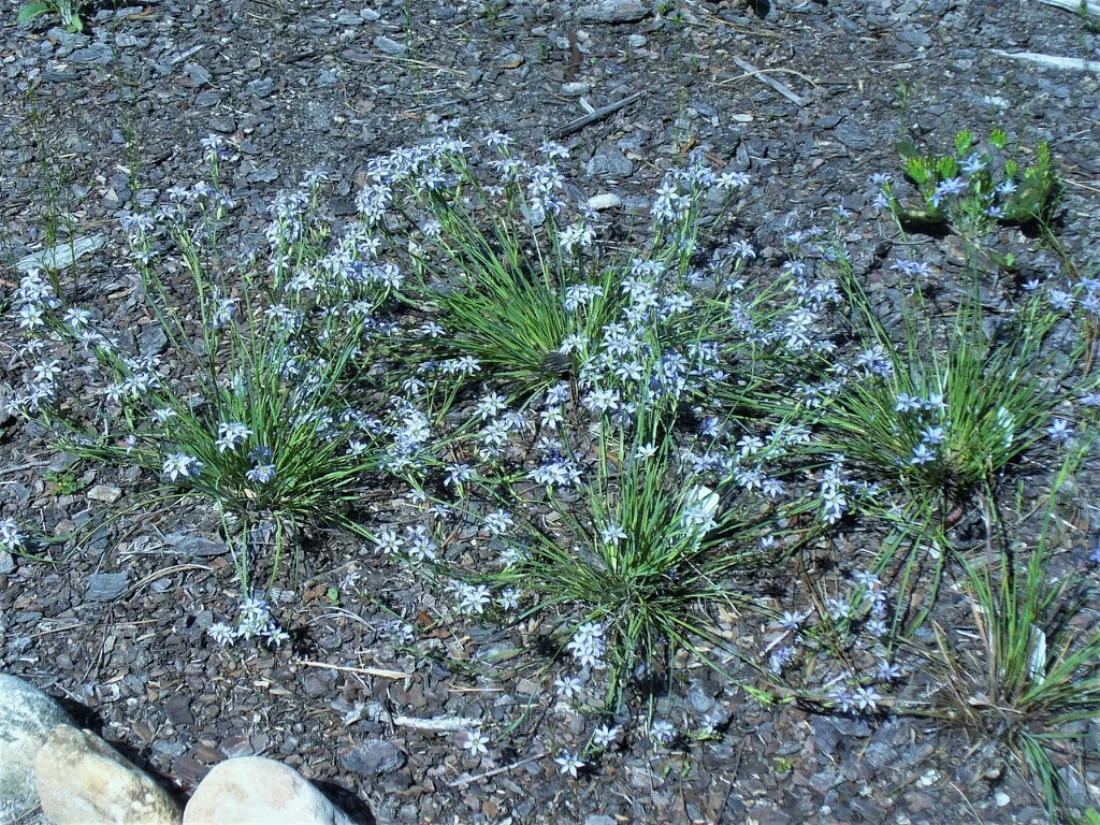
Sisyrinchium angustifolium
Small native flowers feed bumblebees, sweat bees, butterflies, and flies.
Instead of lilyturf
Meet this plantPhoto: Susan Shrine · CC BY 2.0
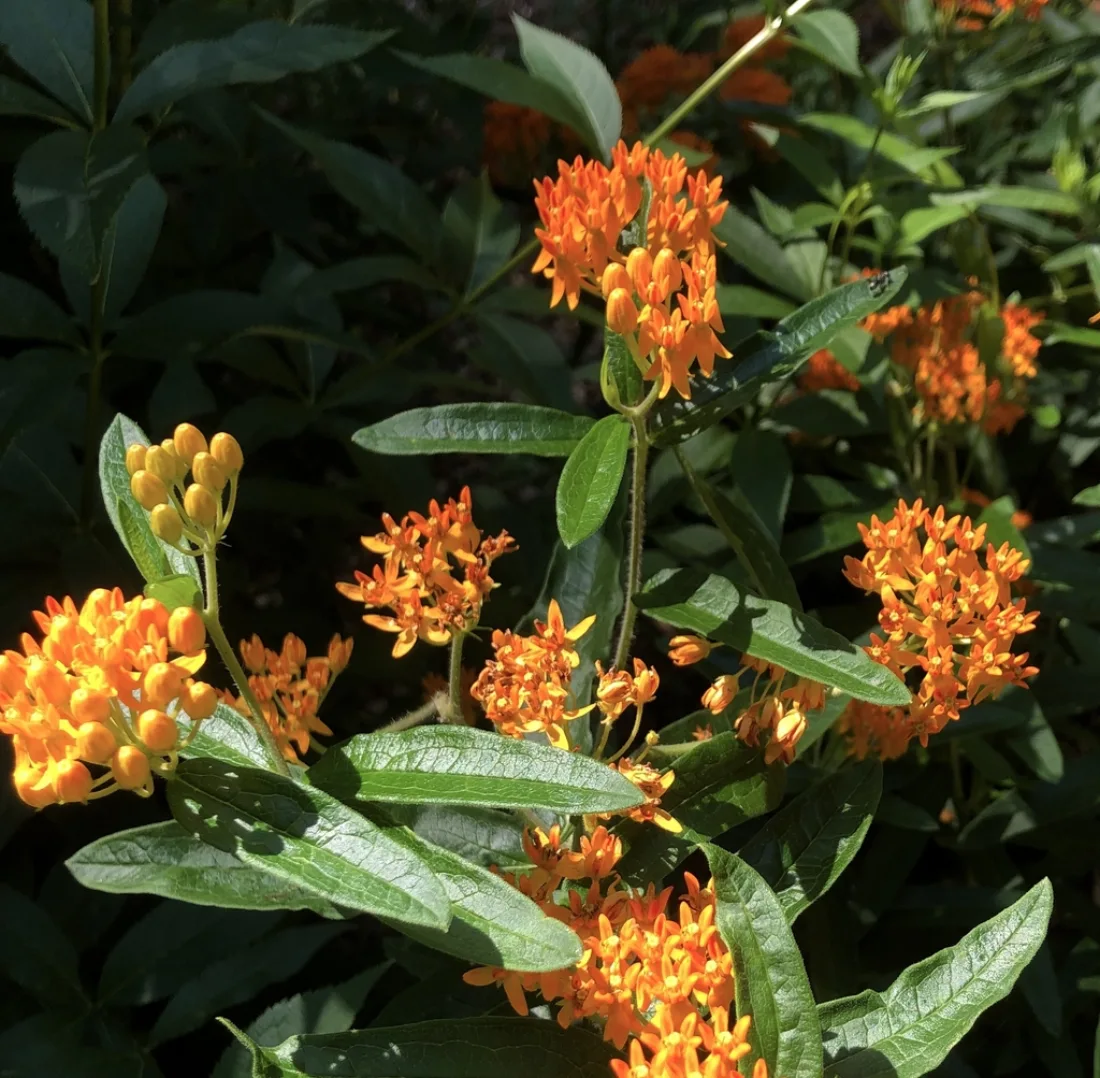
Asclepias tuberosa
Unlike butterfly bush, this native milkweed feeds monarch caterpillars as well as nectar-seeking butterflies.
Instead of butterfly bush
Meet this plantPhoto: Cathy DeWitt · CC BY 4.0
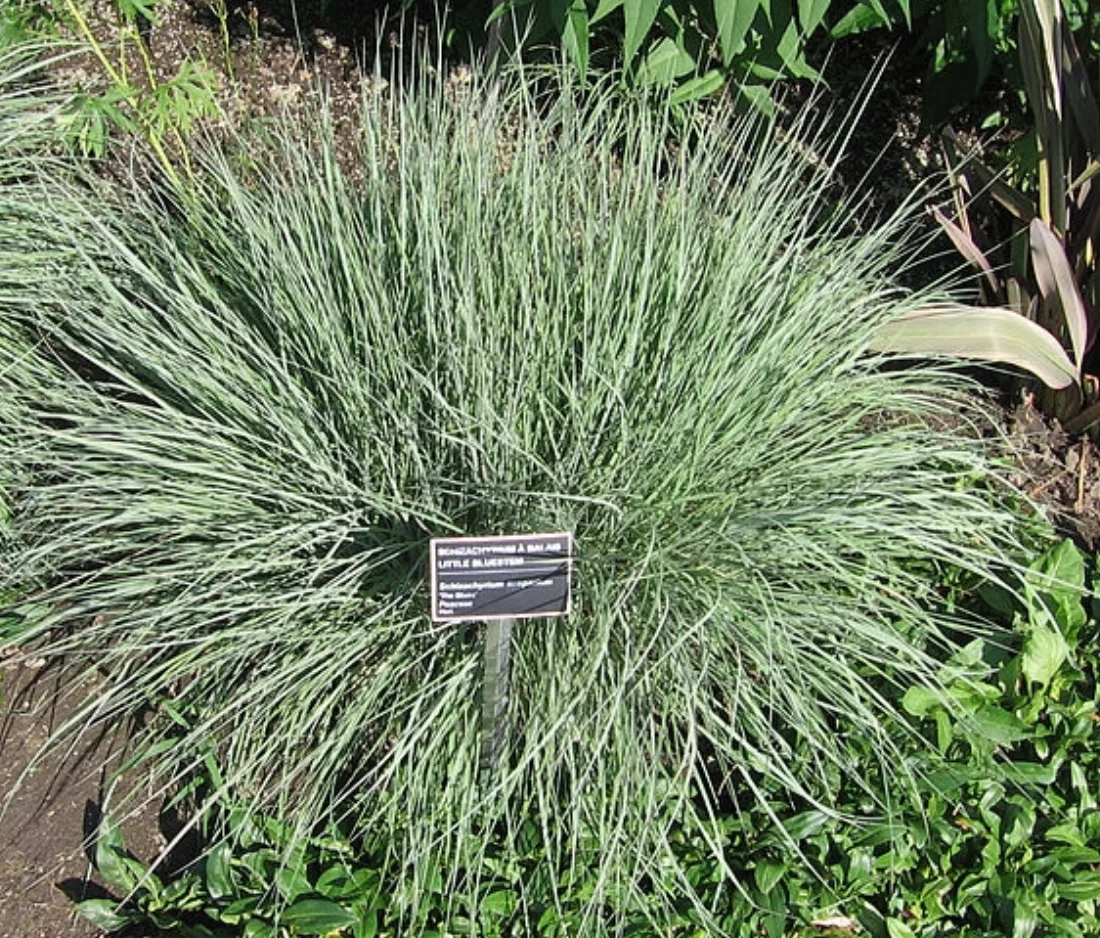
Schizachyrium scoparium
Native grass blades feed skipper caterpillars, and standing clumps shelter wildlife through winter.
Instead of chinese silvergrass
Meet this plantPhoto: Montrealais · CC BY-SA 3.0
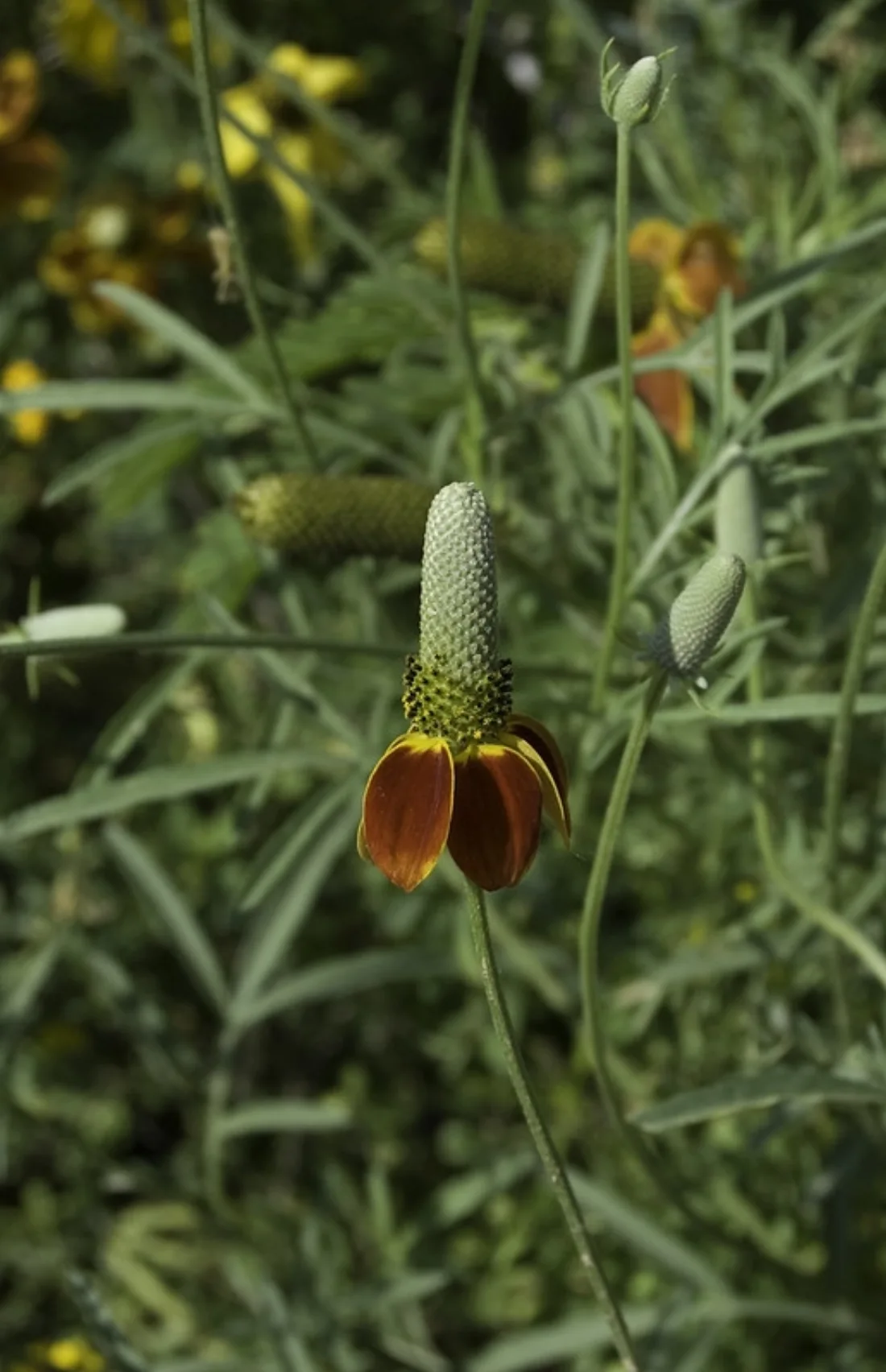
Ratibida columnifera
Native prairie flowers offer pollen and nectar for bees and butterflies in a sunny border.
Instead of shasta daisy
Meet this plantPhoto: Jeff Coffman · CC BY 2.0
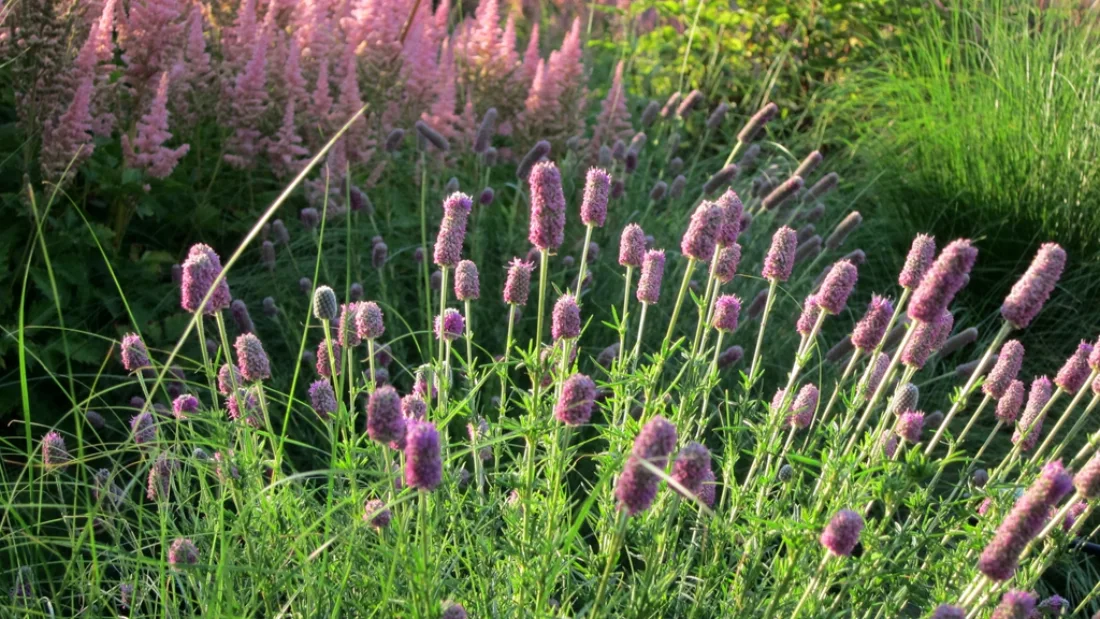
Dalea purpurea
Purple flower spikes feed pollinators, and the leaves host native butterfly caterpillars.
Instead of woodland sage
Meet this plantPhoto: cultivar413 · CC BY 2.0
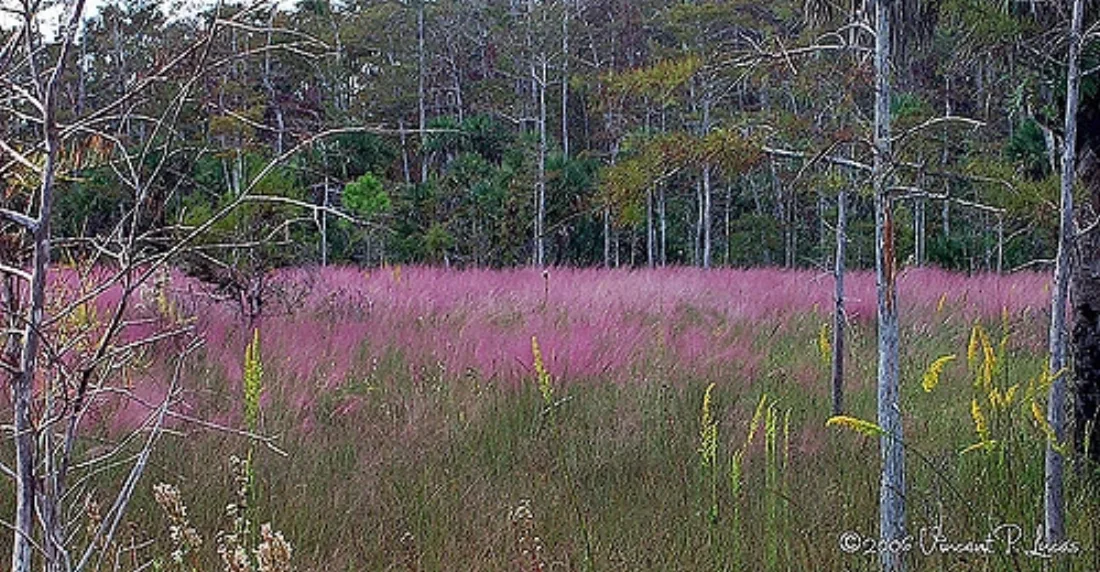
Muhlenbergia capillaris
Native grass clumps shelter wildlife, while seedheads feed songbirds and small mammals.
Instead of maiden grass
Meet this plant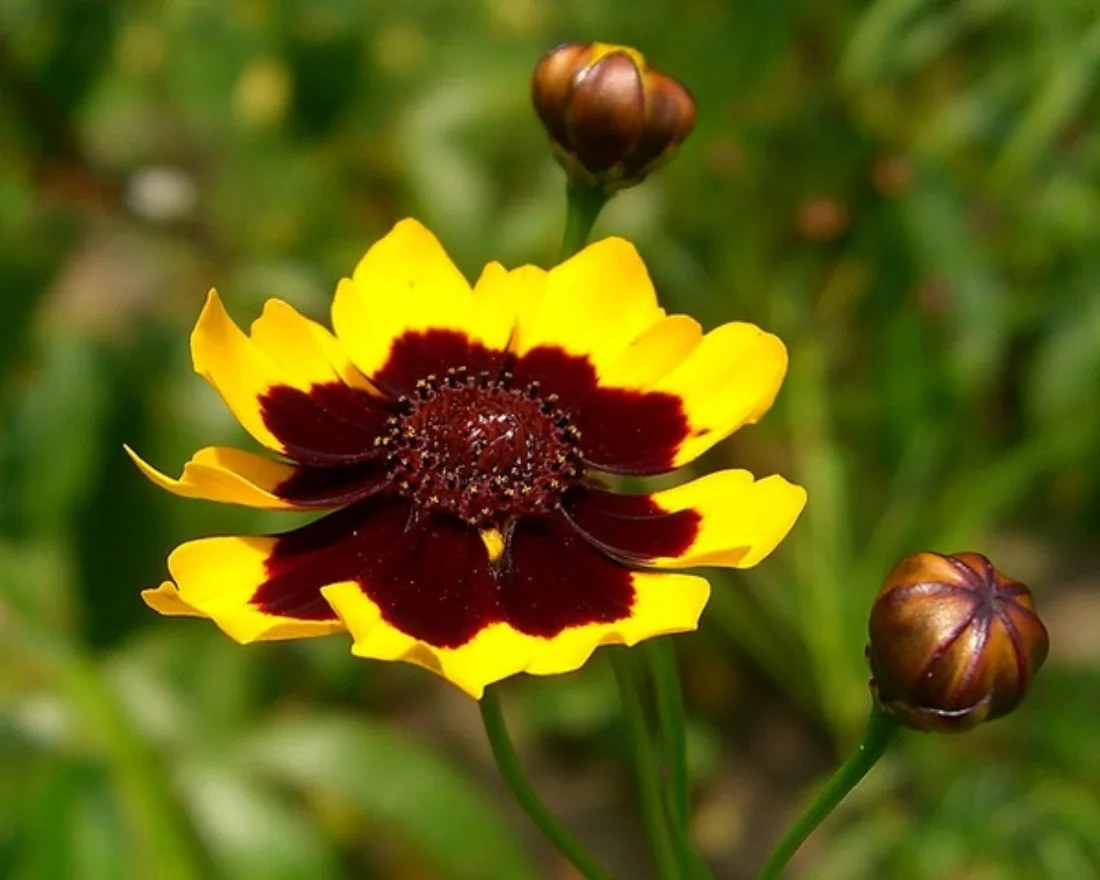
Coreopsis tinctoria
Native annual flowers offer nectar to a broad mix of bees, butterflies, and other insects.
Instead of garden mum
Meet this plantPhoto: Jason Hollinger · CC BY 2.0
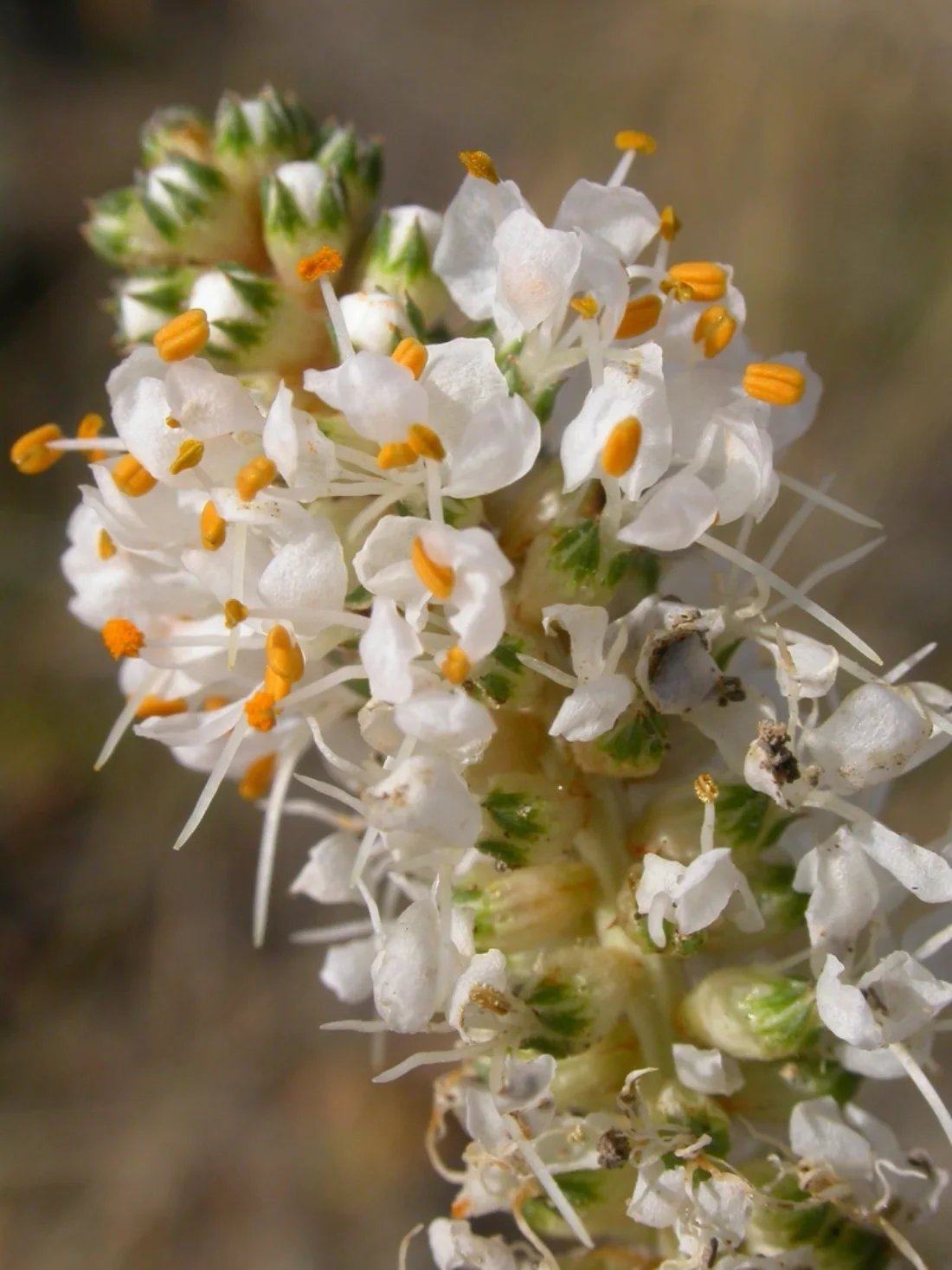
Dalea candida
Native flower spikes feed pollinators, and foliage hosts dogface butterfly caterpillars.
Instead of woodland sage
Meet this plantPhoto: Matt Lavin · CC-BY-SA 2.0
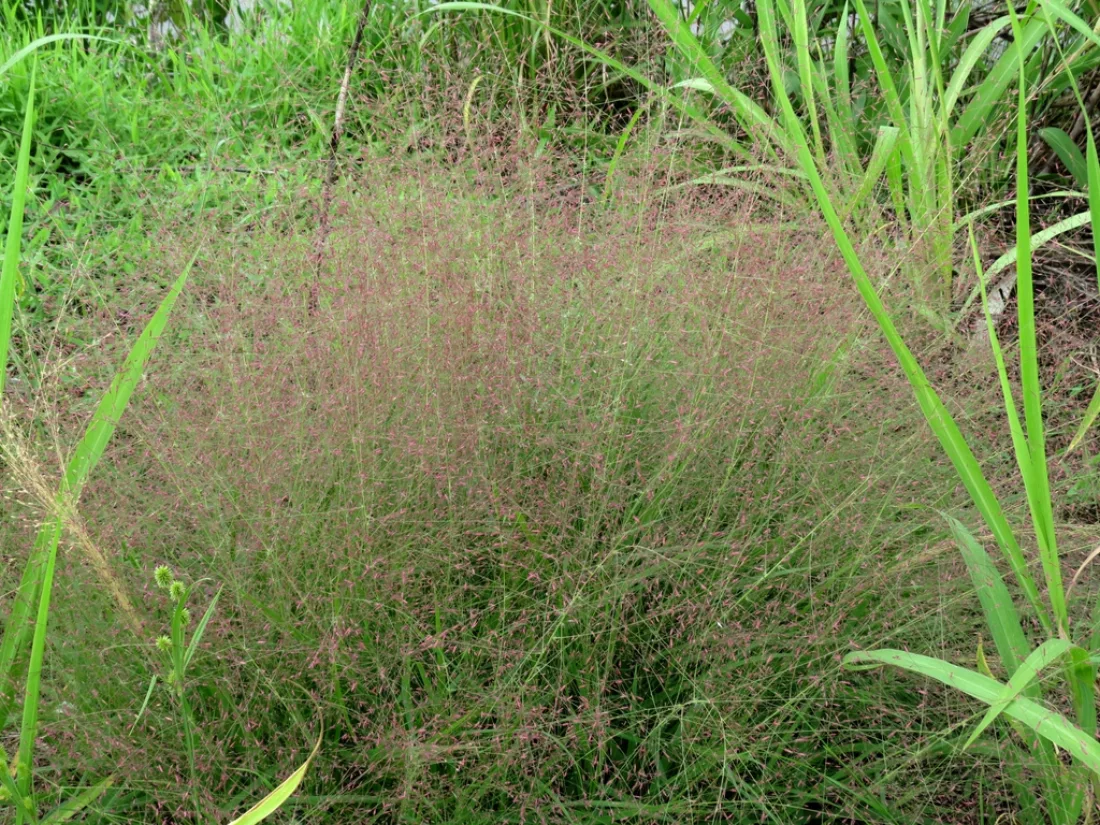
Eragrostis spectabilis
Airy native seedheads add fall color and attract songbirds and small mammals.
Instead of maiden grass
Meet this plantPhoto: Katja Schulz · CC BY 2.0
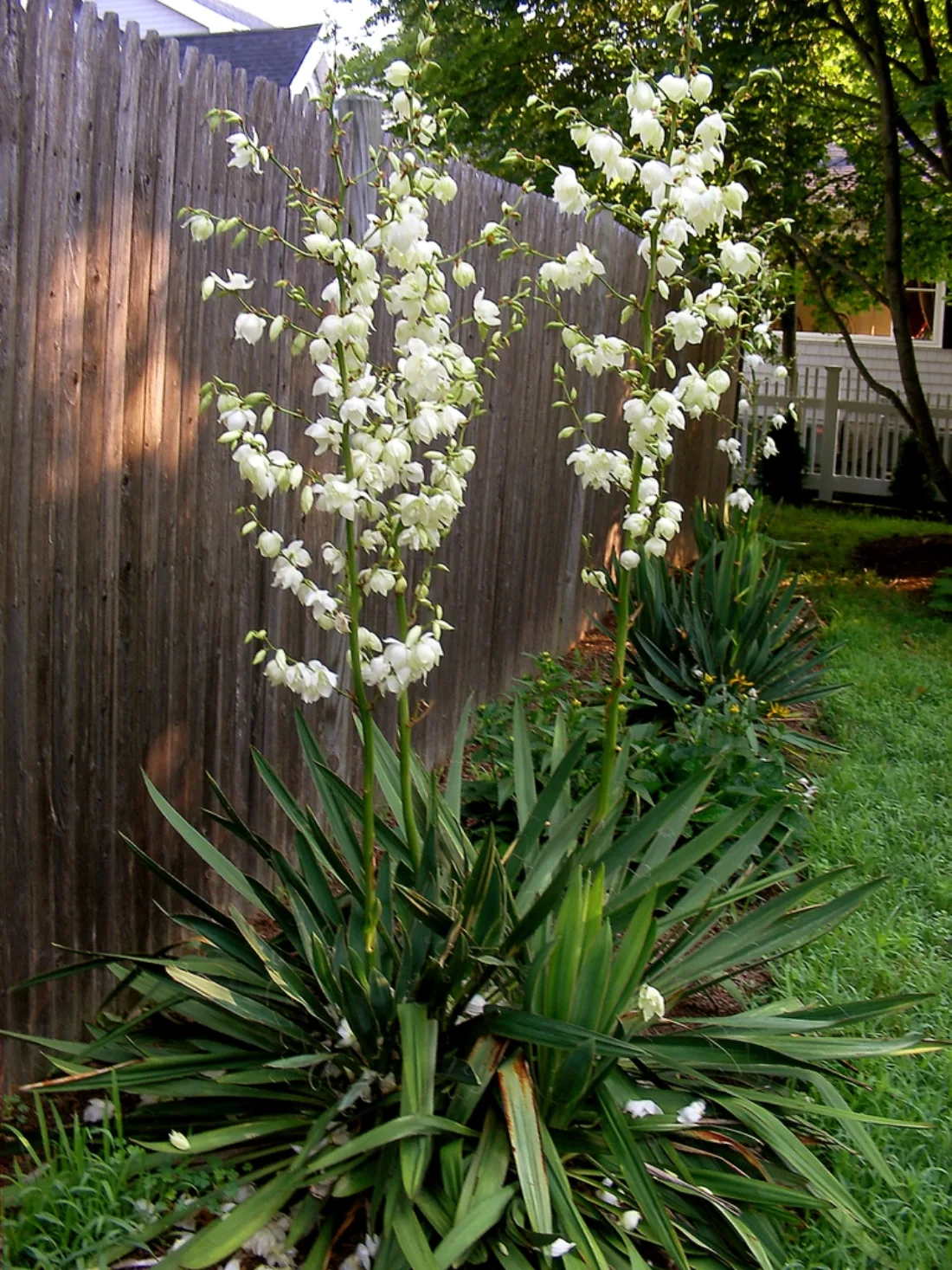
Yucca filamentosa
Native yucca supports the specialized moths that pollinate its flowers.
Instead of orange daylily
Meet this plantPhoto: Carl Lewis · CC BY 2.0
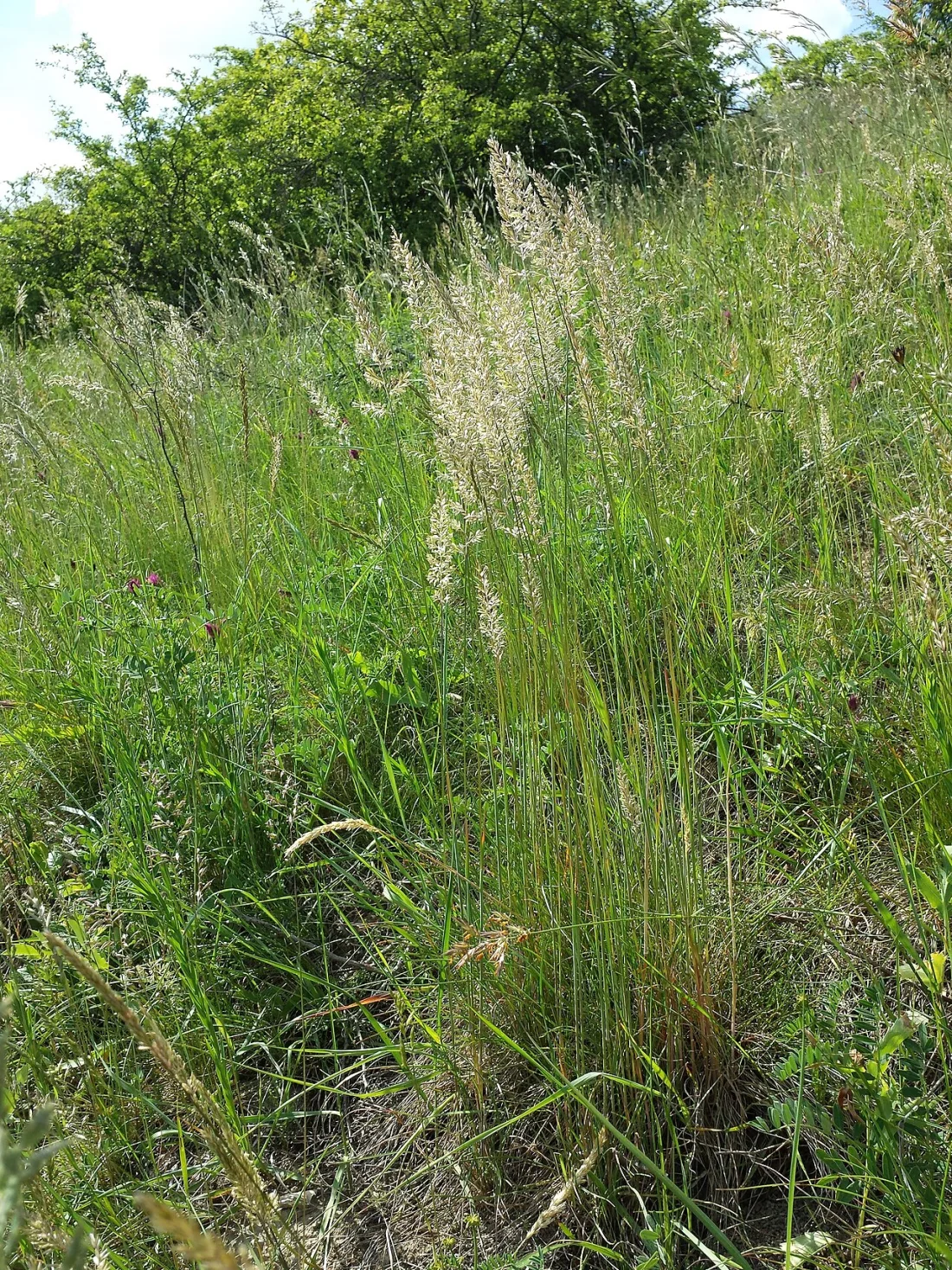
Koeleria macrantha
This native grass greens up early and tolerates drought once established.
Instead of maiden grass
Meet this plantPhoto: Stefan.lefnaer · CC BY-SA 4.0
2–6 hours of direct sun
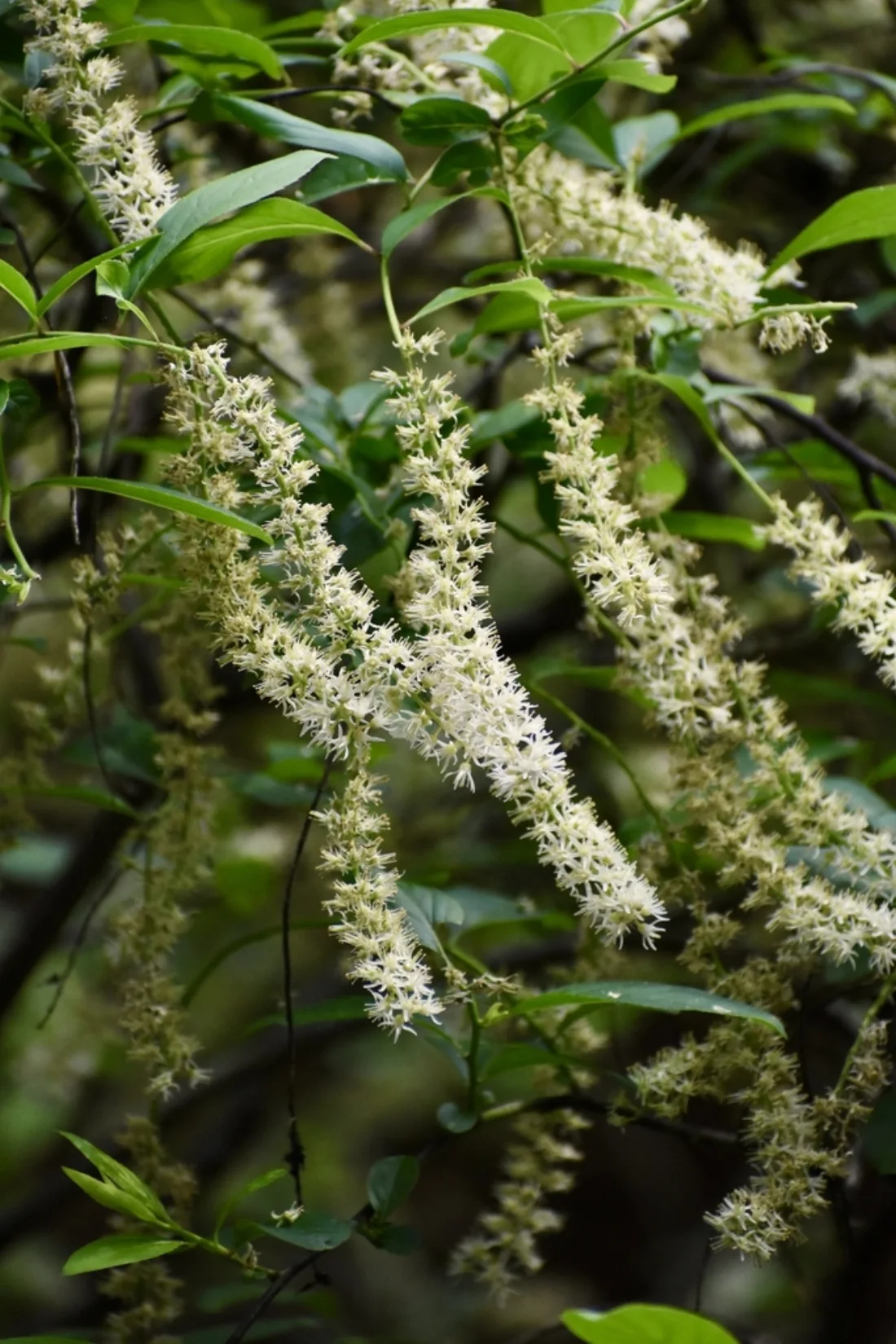
Itea virginica
Fragrant flowers feed local pollinators, and the seeds give songbirds another food source.
Instead of japanese spirea
Meet this plantPhoto: Cathy DeWitt · CC BY 4.0
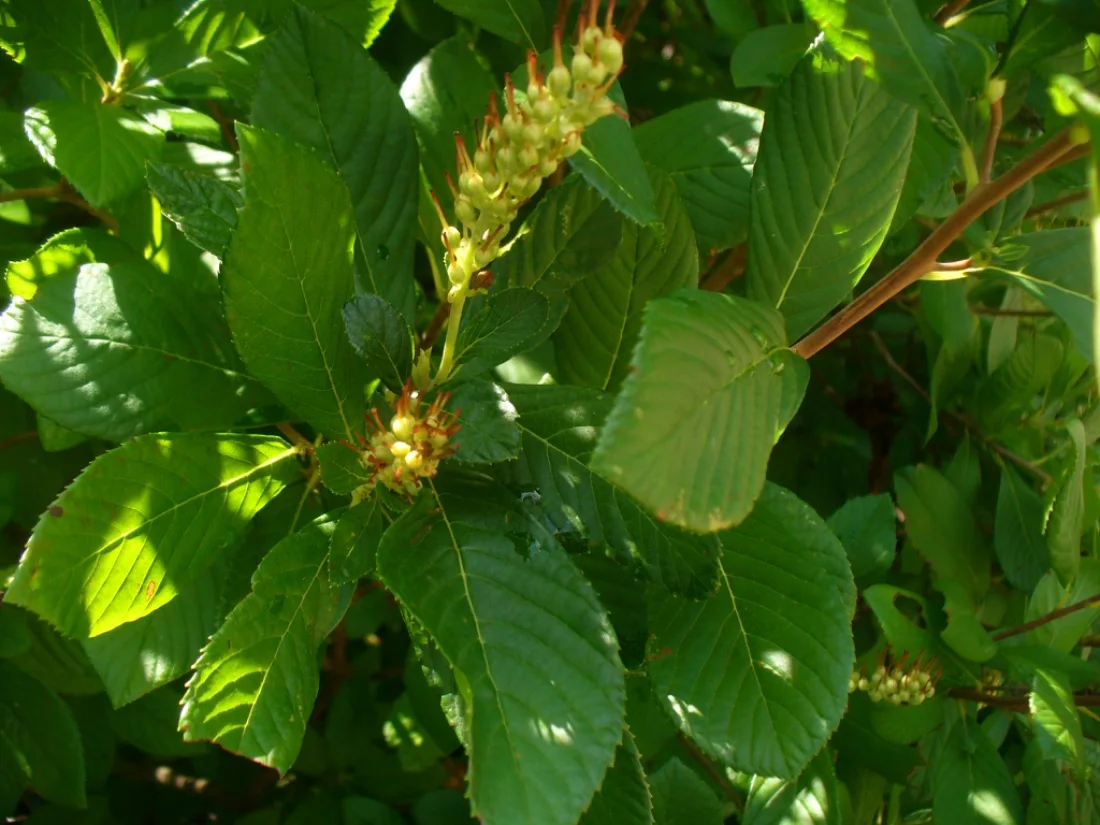
Clethra alnifolia
Fragrant summer flowers feed native bees and butterflies, and the fruit provides food for birds.
Instead of japanese spirea
Meet this plantPhoto: Susan Strine · CC BY 2.0
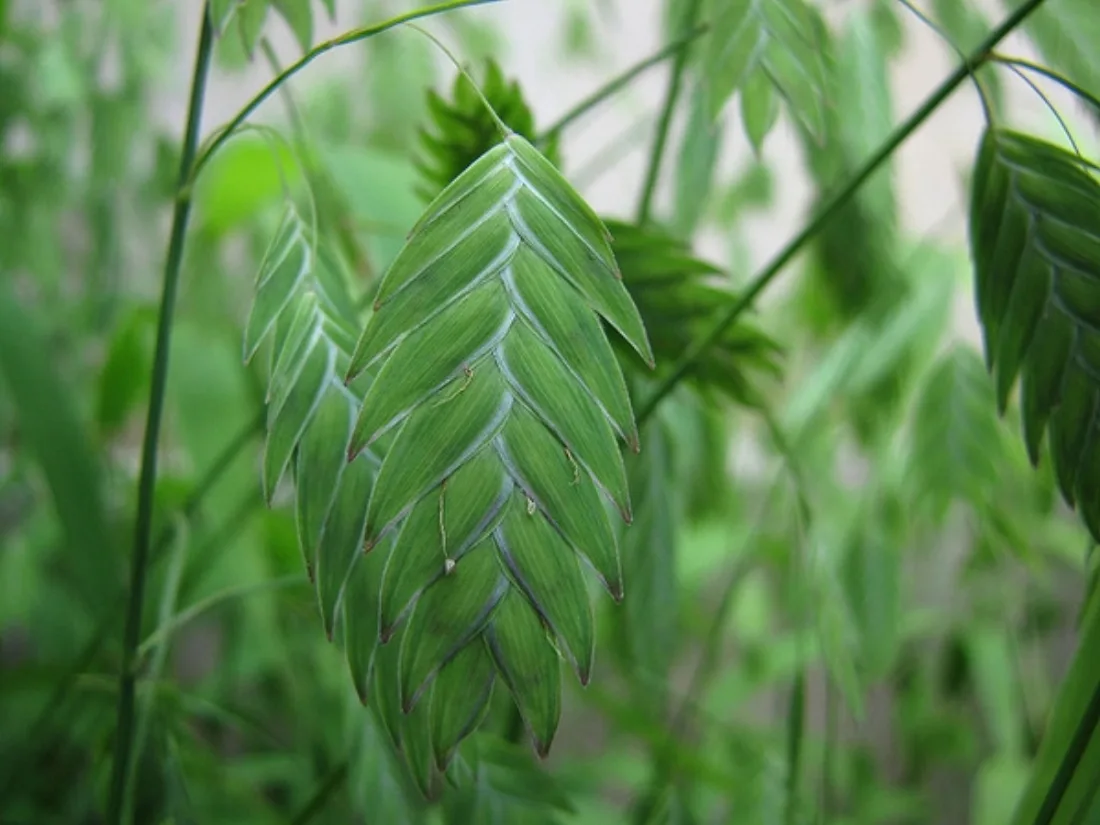
Chasmanthium latifolium
Leaves feed native skipper and pearly-eye caterpillars, and the nodding seeds feed birds.
Instead of lilyturf
Meet this plantPhoto: Katja Schultz · CC BY 2.0
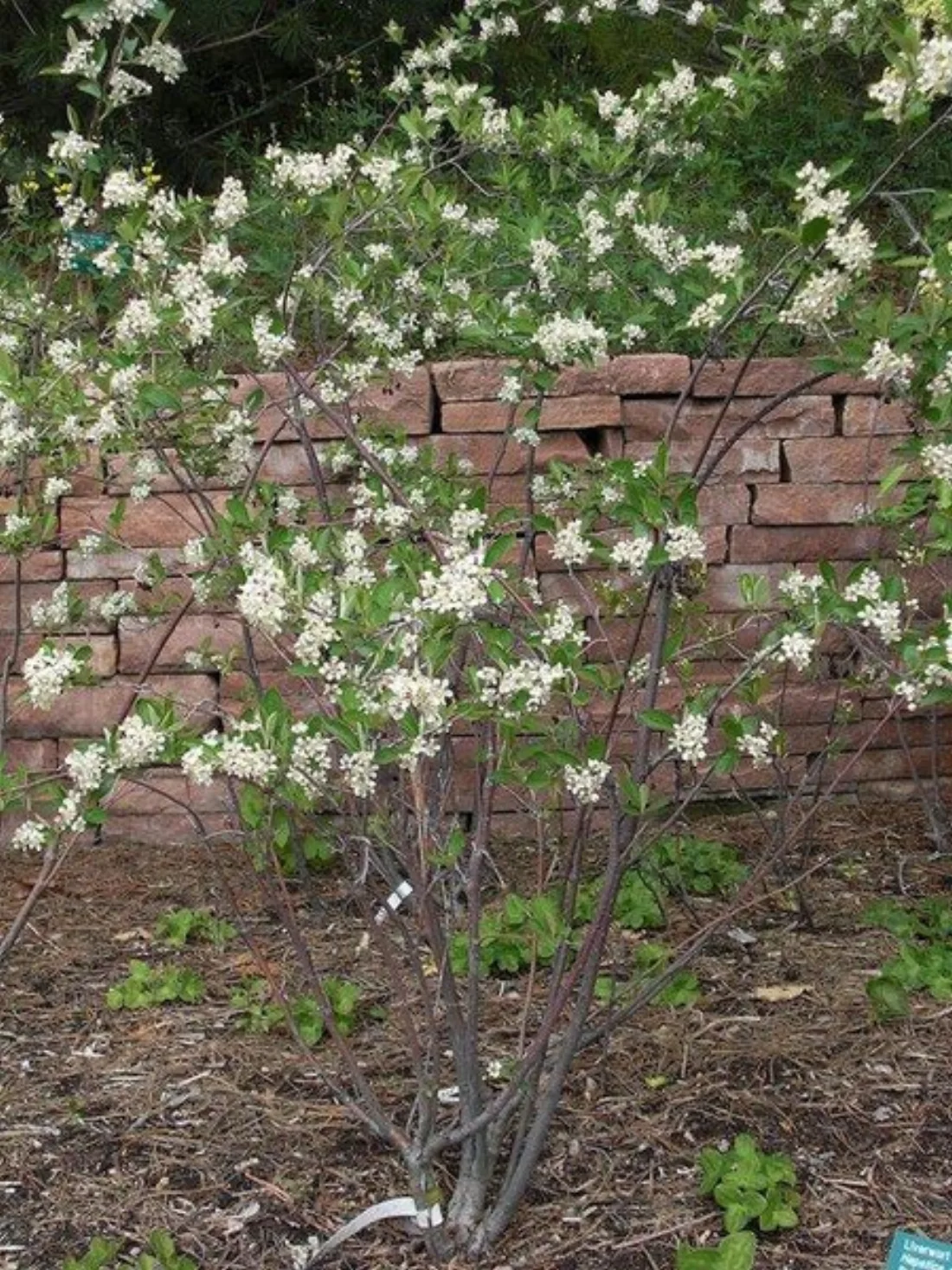
Aronia arbutifolia
Spring flowers feed pollinators, and persistent red berries supply winter food for wildlife.
Instead of burning bush
Meet this plantPhoto: Andrey Zharkikh · CC BY 2.0
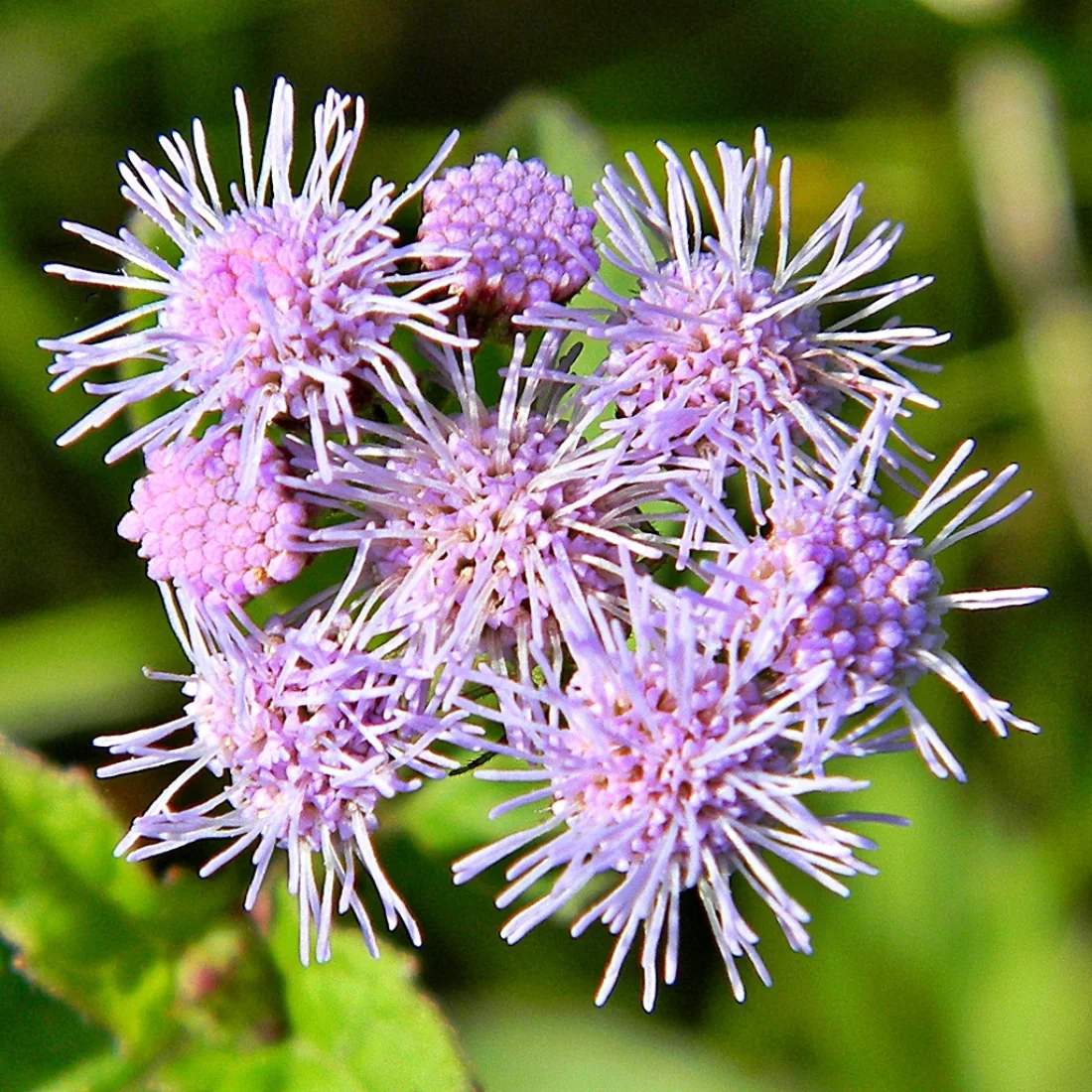
Conoclinium coelestinum
Nectar-rich flowers feed butterflies, followed by seeds for birds.
Instead of garden mum
Meet this plantPhoto: Bob Peterson · CC-BY-SA 2.0
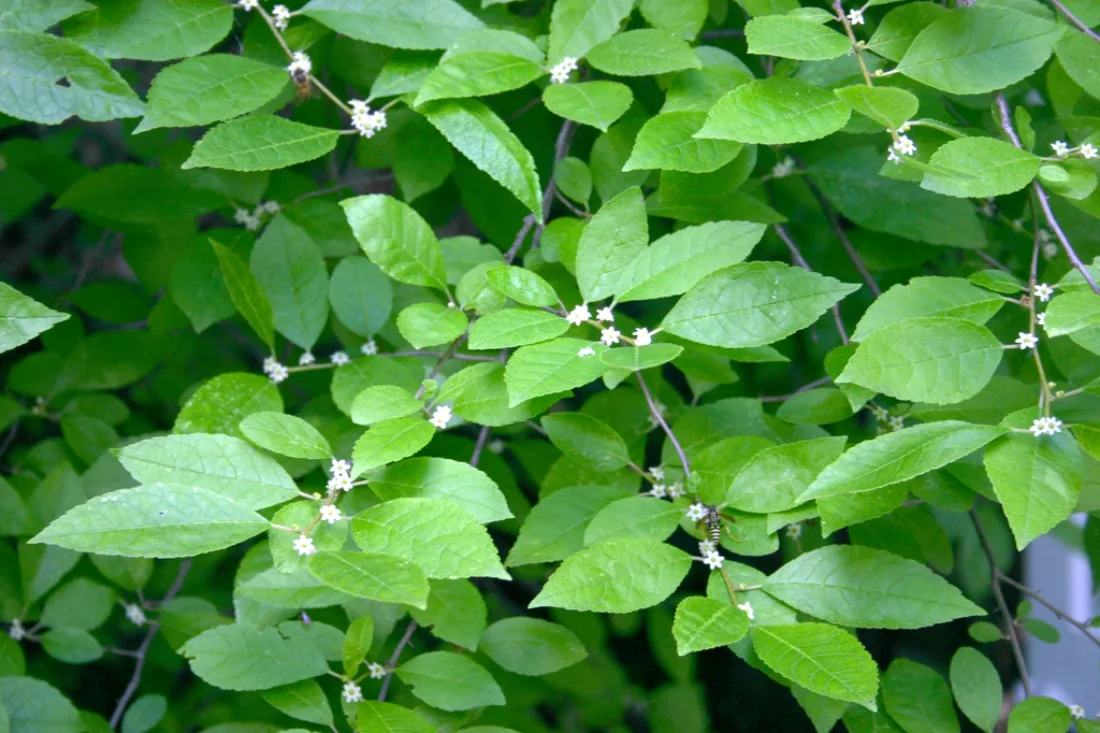
Ilex verticillata
Native berries supply winter food for birds, while leaves host Henry's elfin caterpillars.
Instead of heavenly bamboo
Meet this plantPhoto: SB Johnny · CC BY-SA 3.0
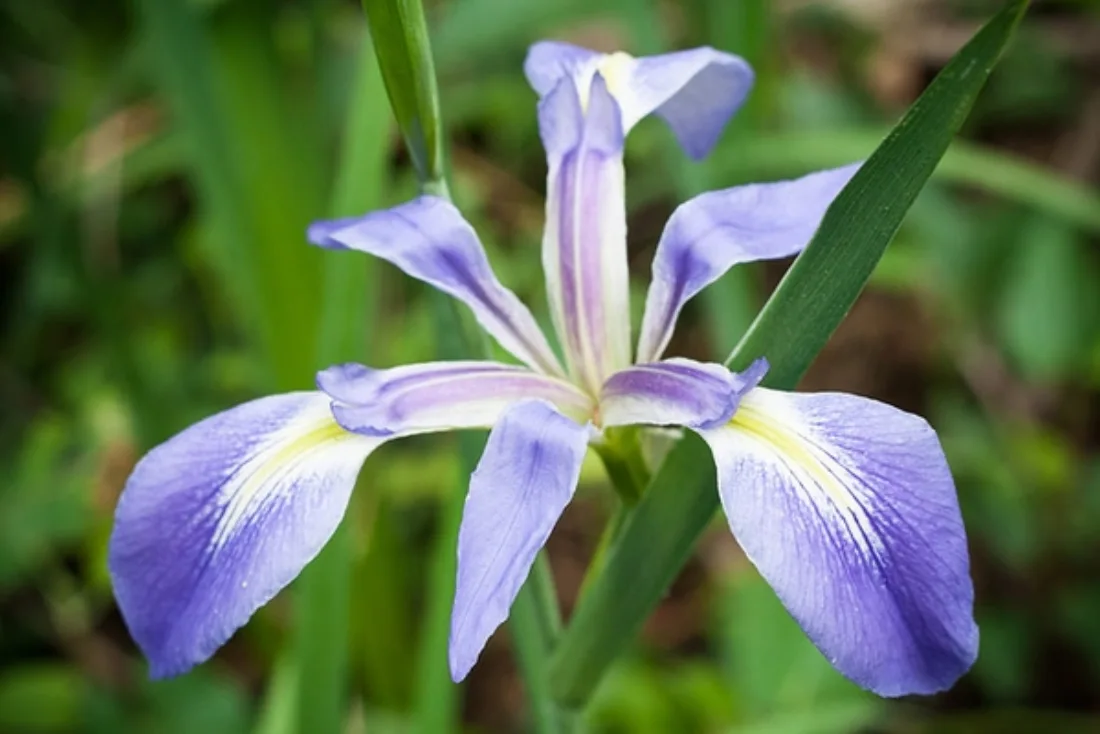
Iris virginica
Native violet flowers and upright leaves thrive where an ordinary border stays too wet.
Instead of orange daylily
Meet this plantPhoto: Justin Meissen · CC BY-SA 4.0
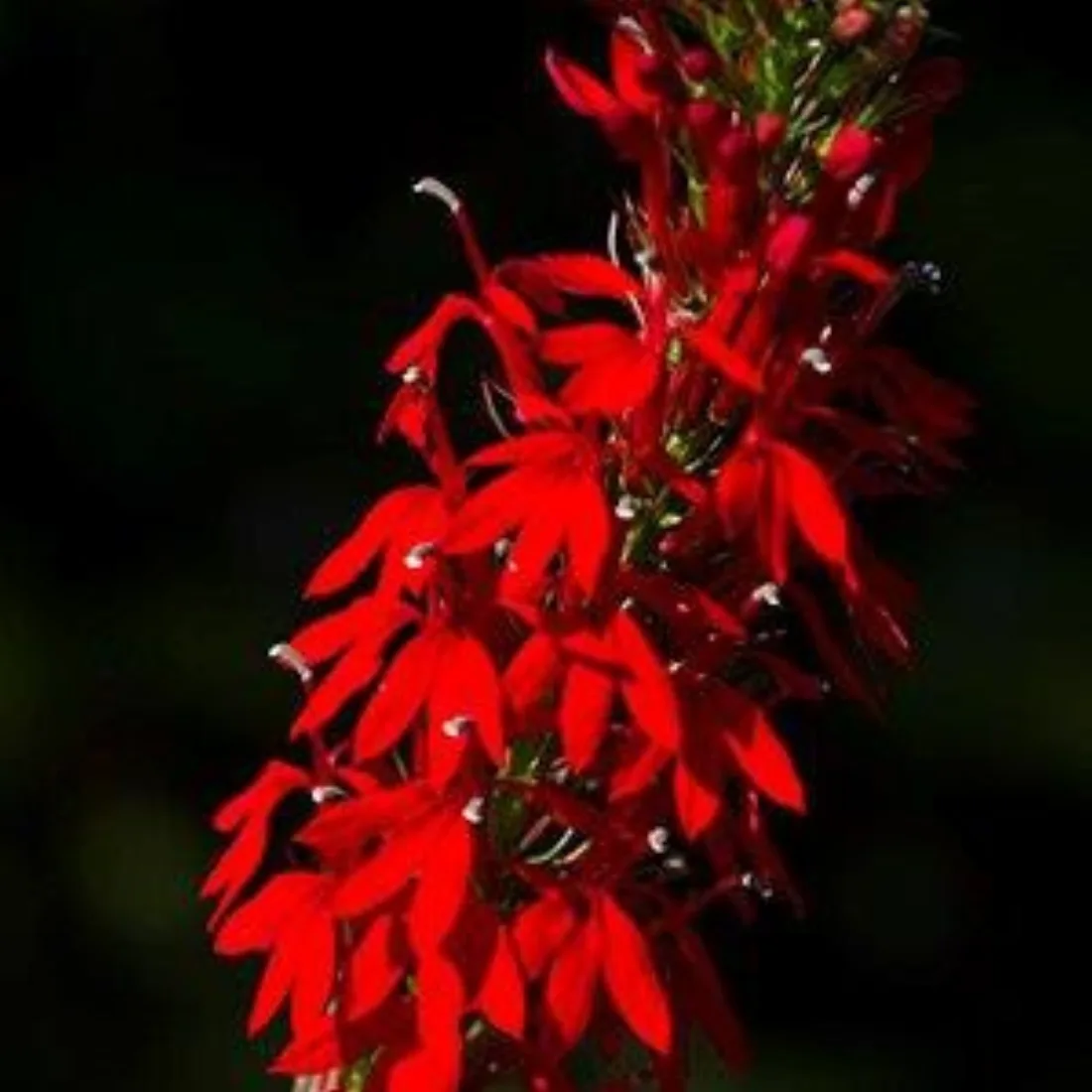
Lobelia cardinalis
Late red flowers supply nectar for hummingbirds and butterflies.
Instead of woodland sage
Meet this plantPhoto: Debbie Roos · CC BY 2.0
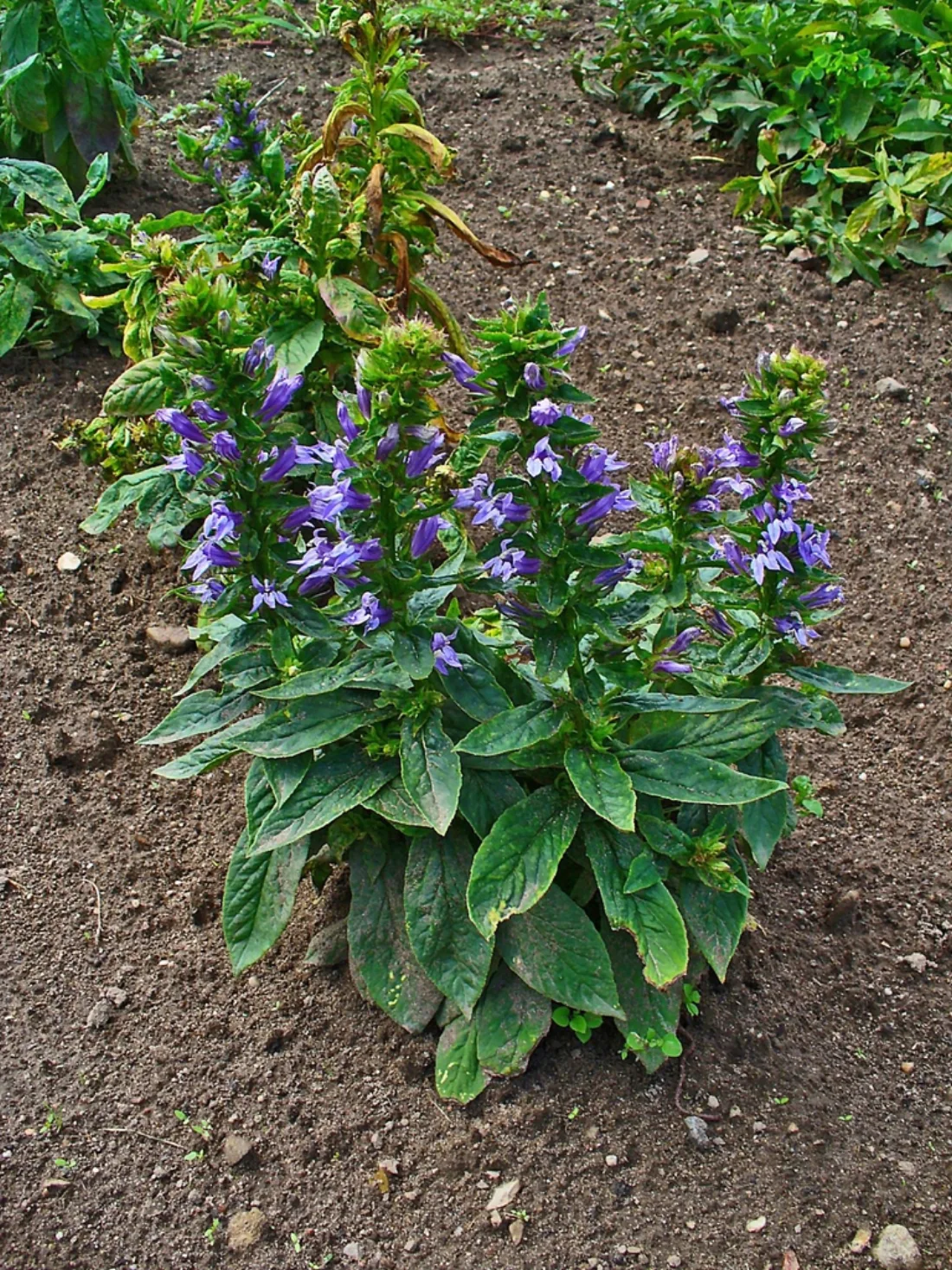
Lobelia siphilitica
Native flower tubes feed bumblebees and other long-tongued pollinators.
Instead of woodland sage
Meet this plantPhoto: H. Zell · CC BY-SA 3.0
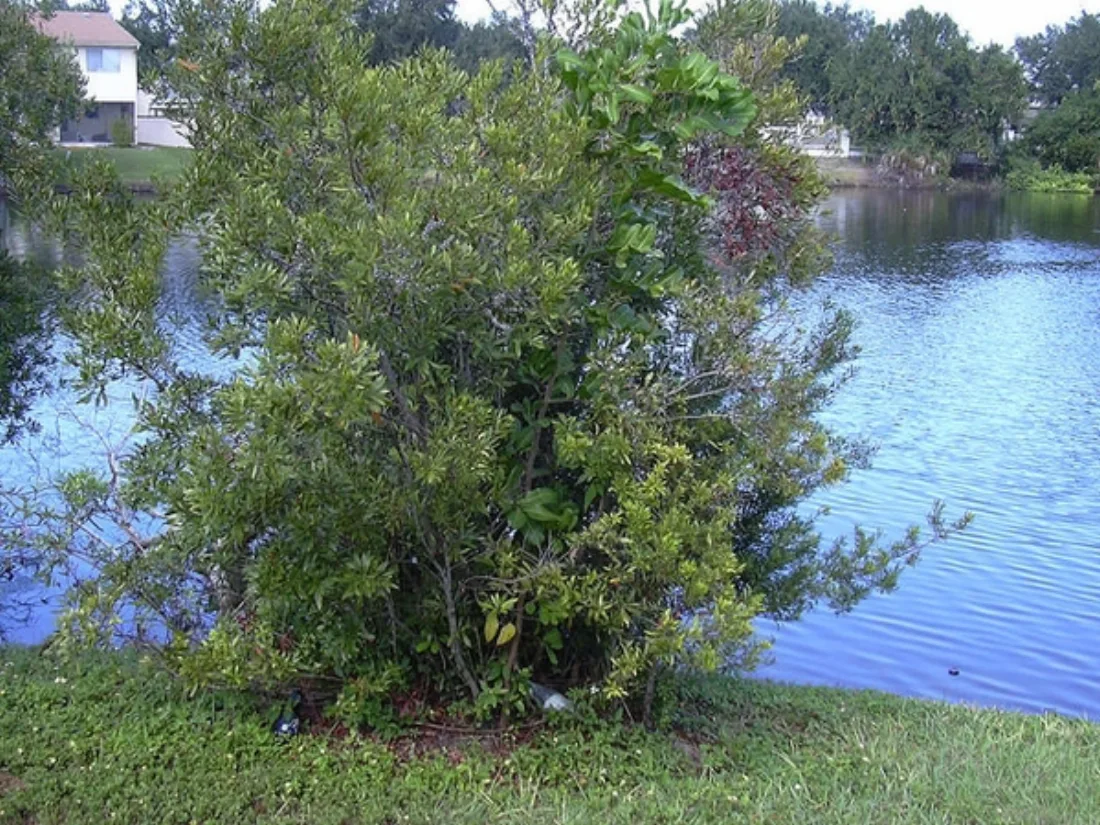
Myrica cerifera
Native berries feed birds, while dense evergreen branches provide winter cover.
Instead of heavenly bamboo
Meet this plantPhoto: Forest and Kim Starr · CC BY 2.0
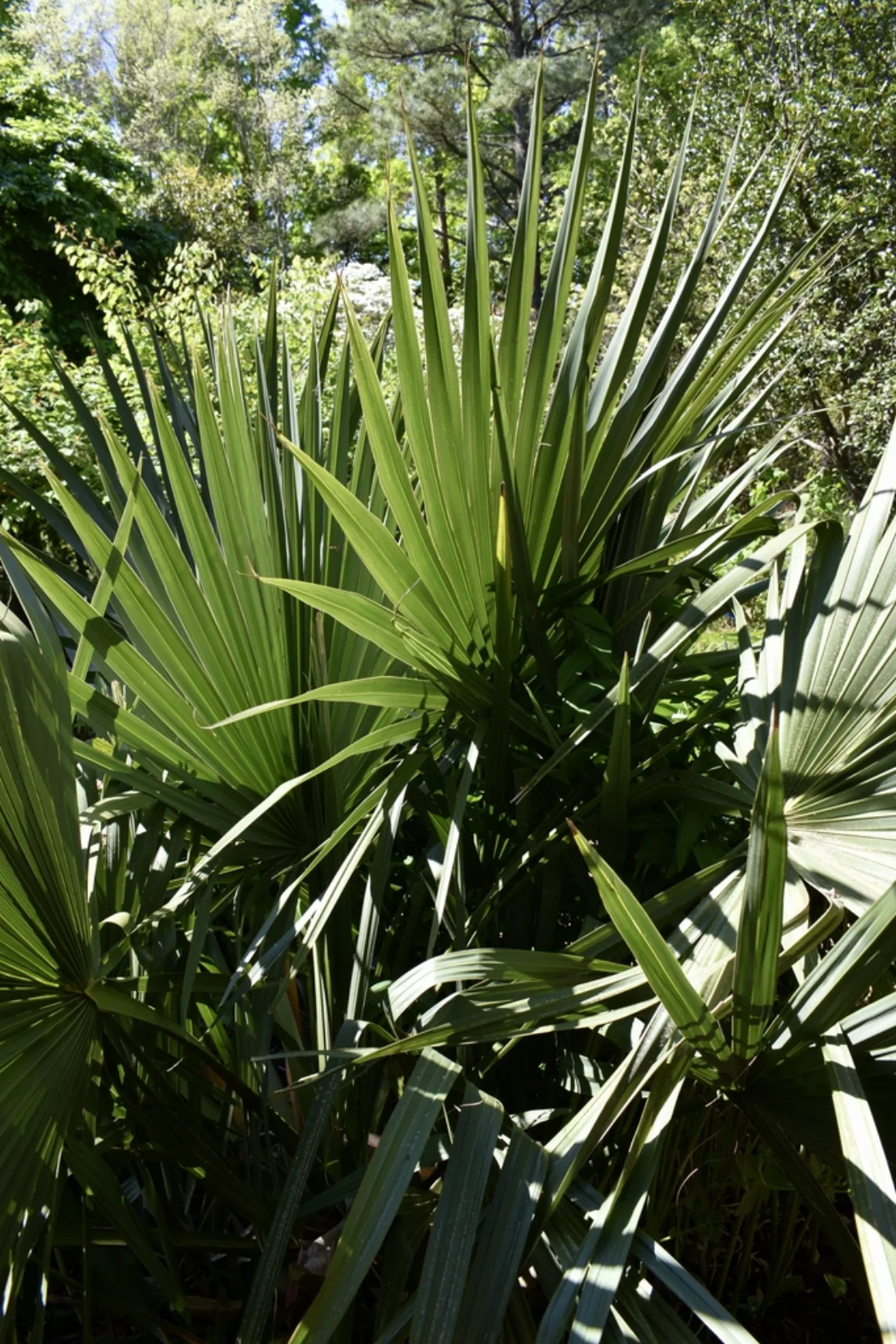
Sabal minor
Native palm fruit feeds birds and mammals while broad leaves add year-round structure.
Instead of sago palm
Meet this plantPhoto: Cathy DeWitt · CC BY 4.0
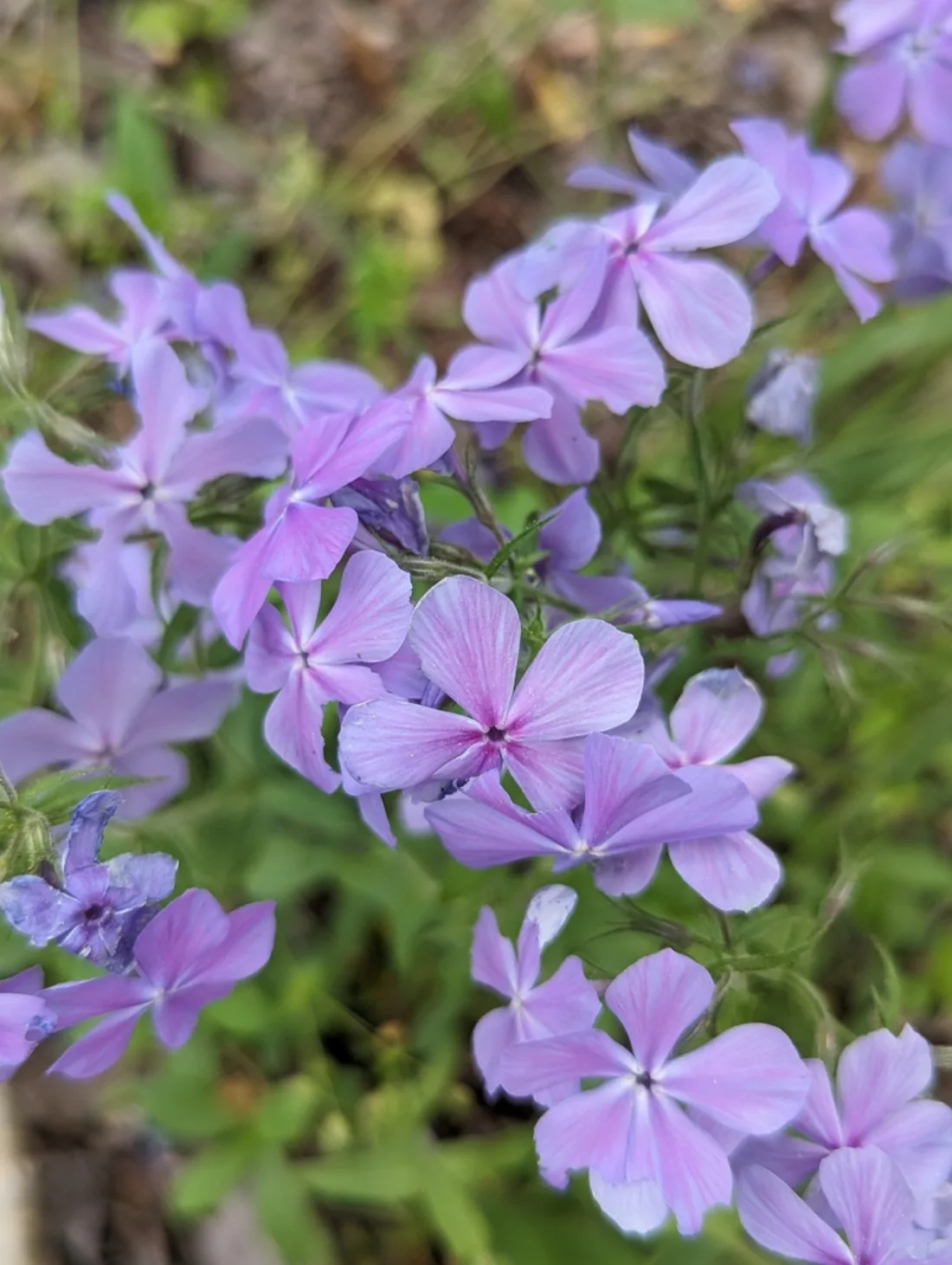
Phlox divaricata
Its soft spring flowers offer nectar for butterflies and bees at the woodland edge.
Instead of common periwinkle
Meet this plantPhoto: Hope Duckworth · CC BY 4.0
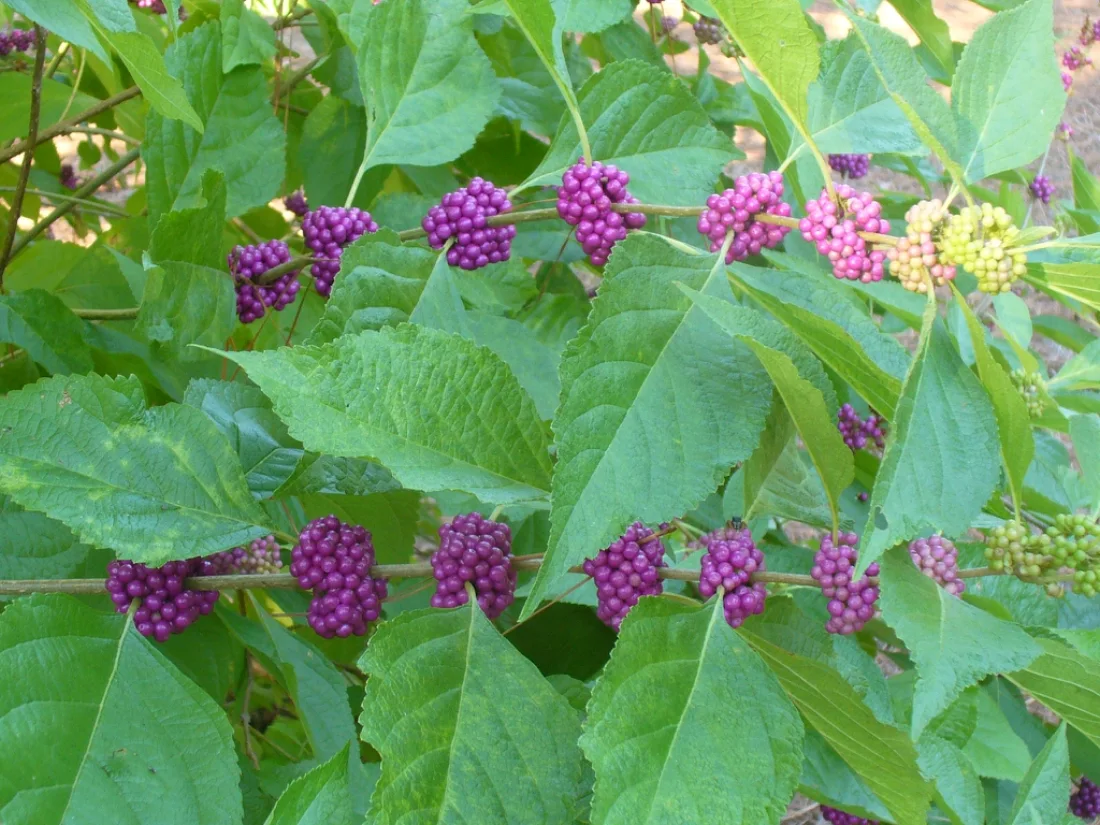
Callicarpa americana
Clusters of purple berries offer a fall food source for robins, towhees, and other songbirds.
Instead of heavenly bamboo
Meet this plantPhoto: Susan Strine · CC BY 2.0
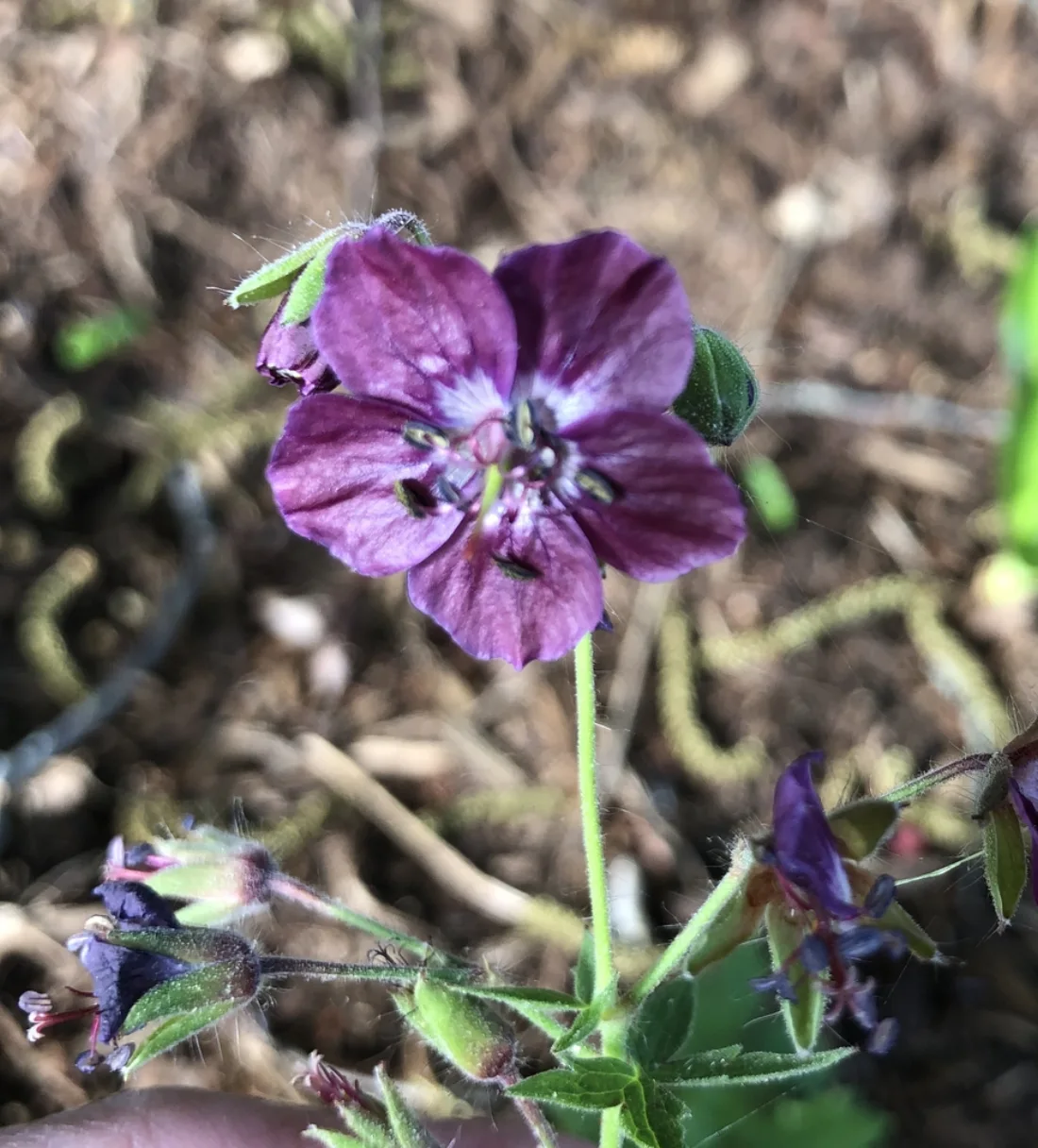
Geranium maculatum
Spring flowers feed bees and butterflies, and songbirds can eat the seeds that follow.
Instead of bloody cranesbill
Meet this plantPhoto: Cathy Dewitt · CC BY 4.0
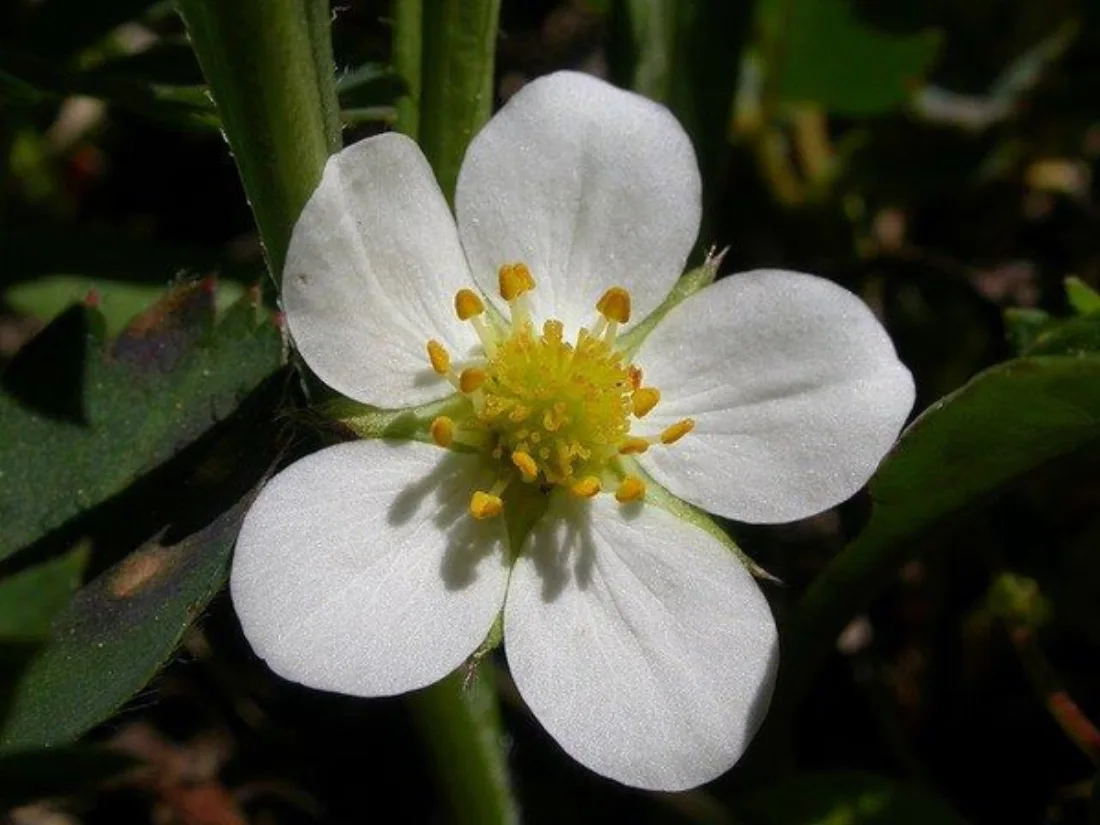
Fragaria virginiana
Native spring flowers feed pollinators, including specialist bees.
Instead of bugleweed
Meet this plantPhoto: Matt Lavin · CC-BY-SA 2.0
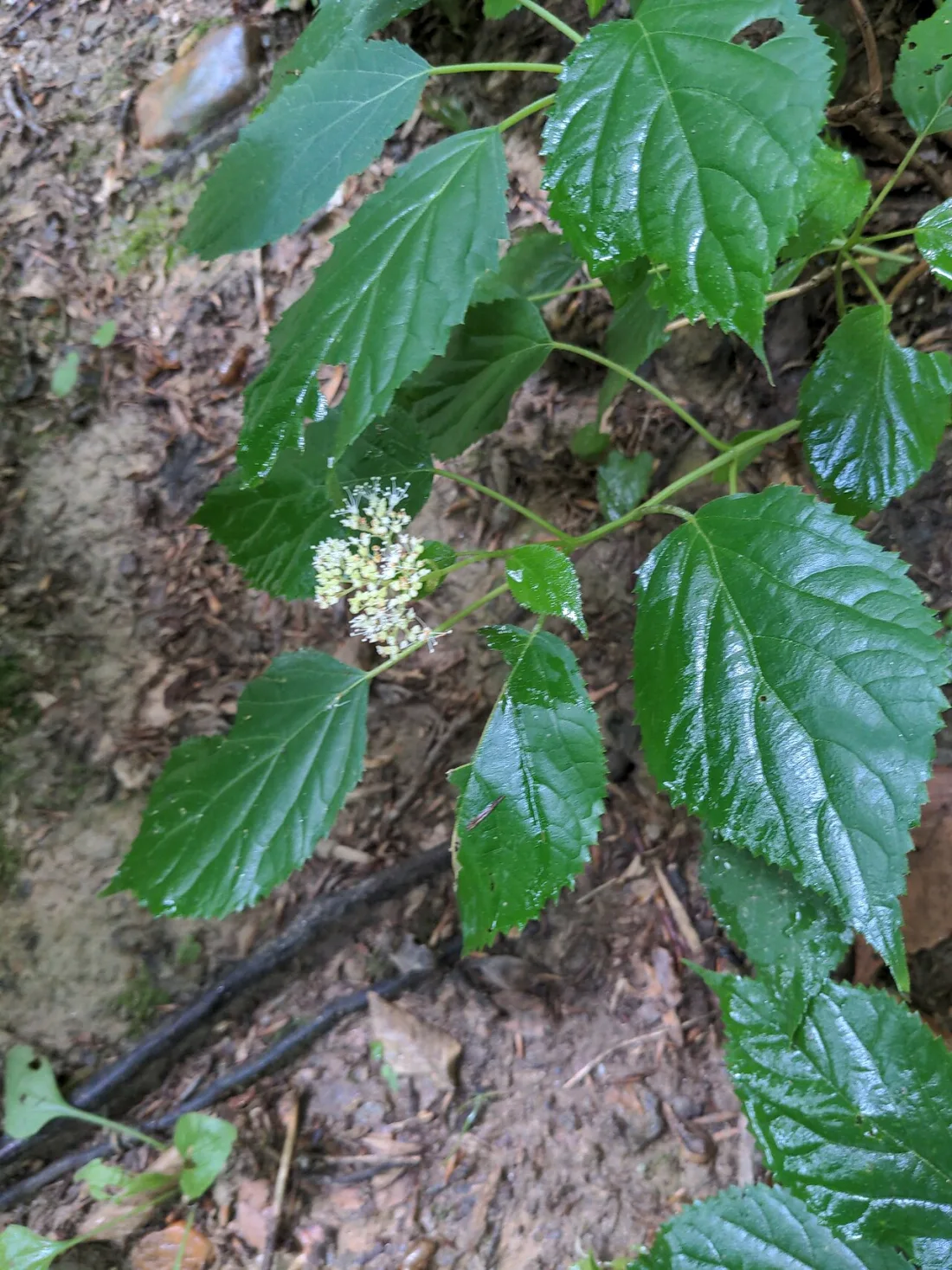
Hydrangea arborescens
Fertile native flowers feed pollinators, and the foliage hosts hydrangea sphinx moth caterpillars.
Instead of japanese spirea
Meet this plantPhoto: Michelle Campbell · CC0
Less than 2 hours of direct sun
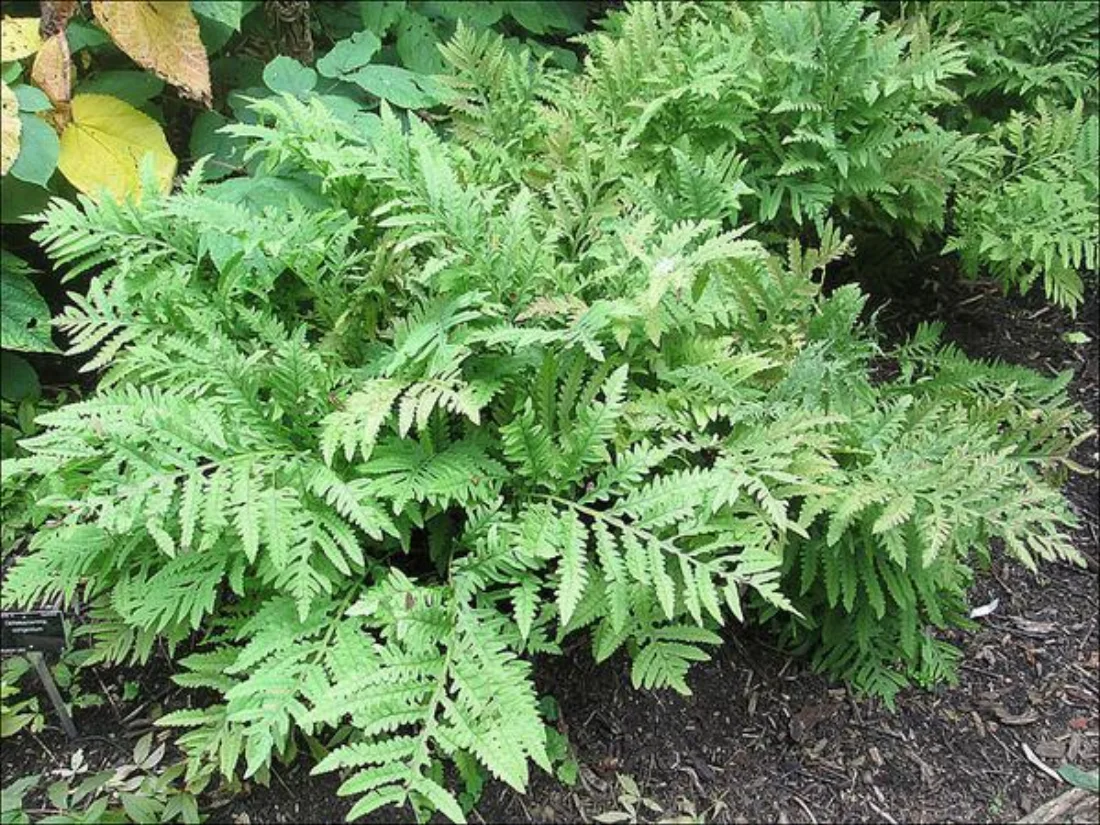
Onoclea sensibilis
Native fern colonies provide low cover for woodland wildlife.
Instead of japanese painted fern
Meet this plantPhoto: Hornet Photography · CC-BY-SA 2.0
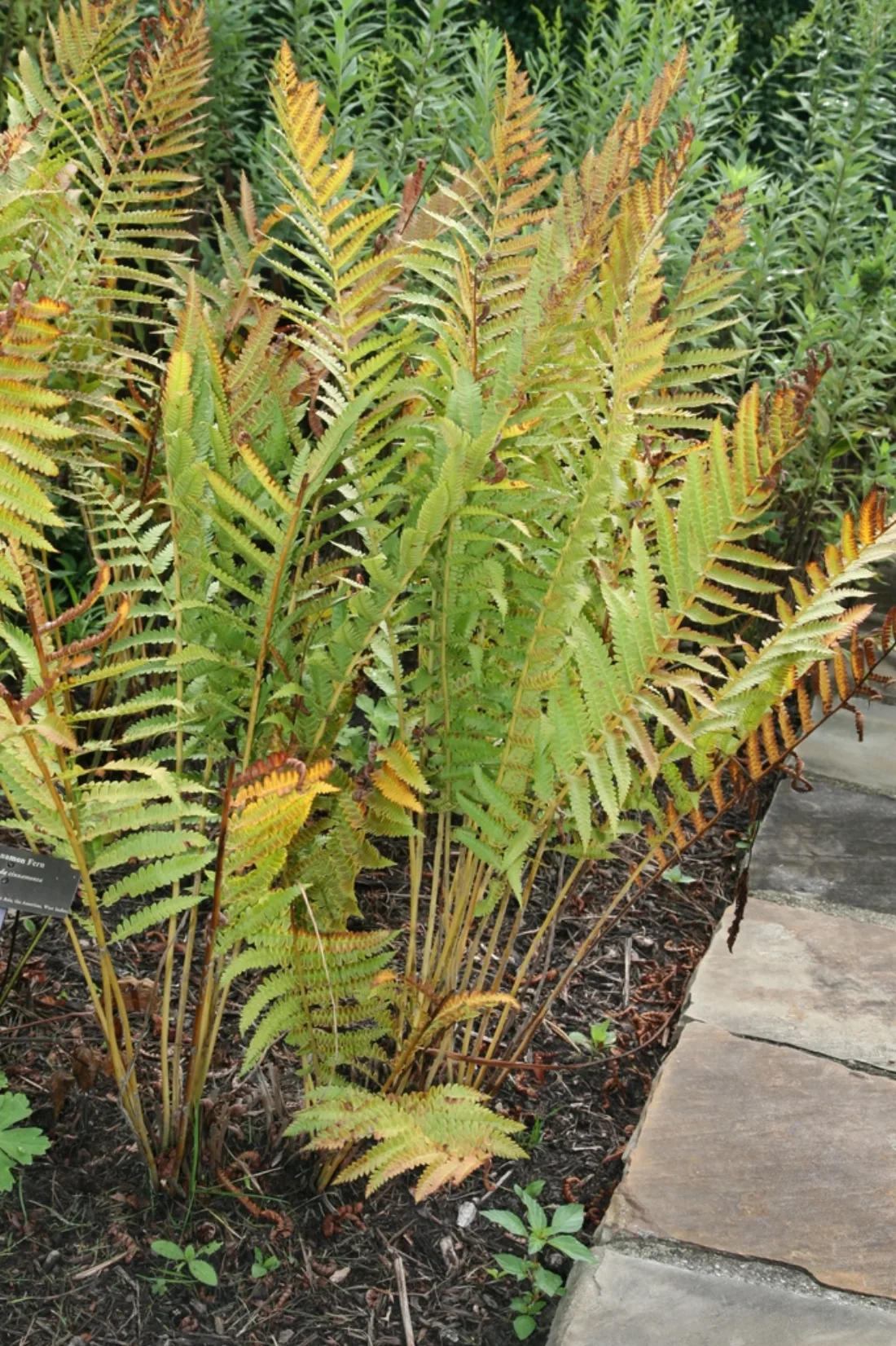
Osmundastrum cinnamomeum
Native fern clumps shelter birds, which also use the stem hairs to line nests.
Instead of japanese holly fern
Meet this plantPhoto: David J. Stang · CC BY-SA 4.0
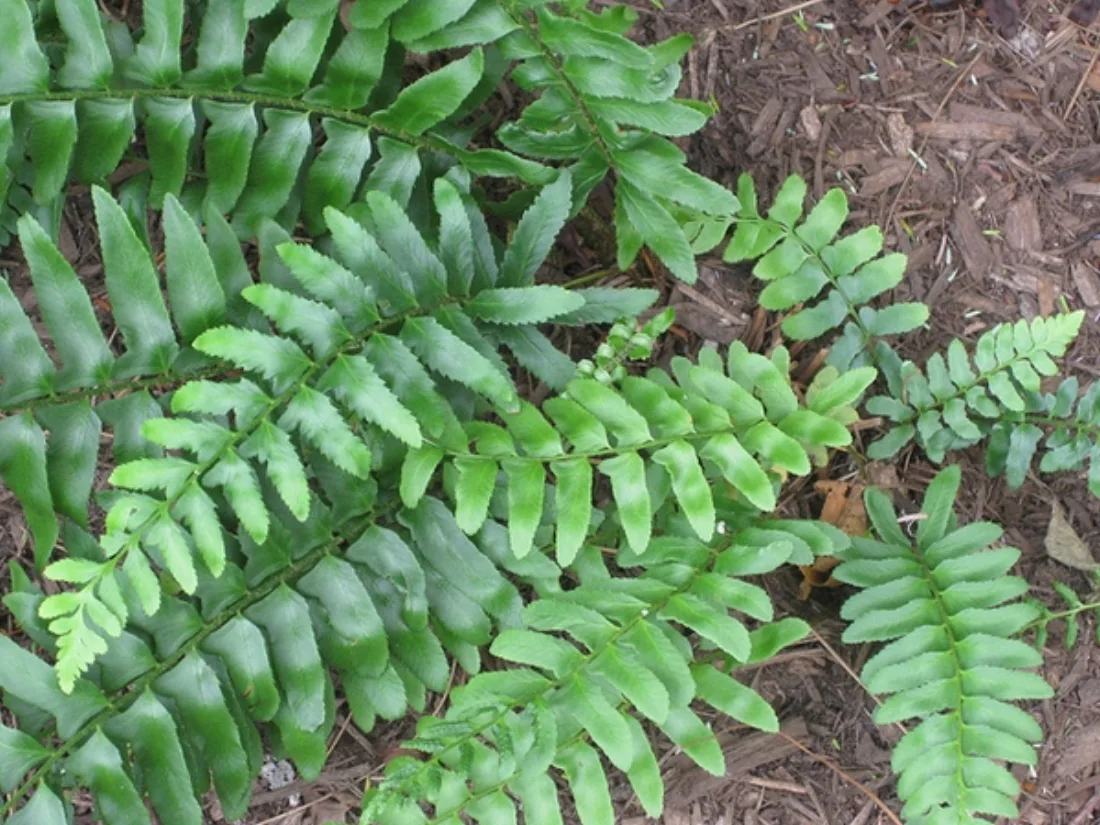
Polystichum acrostichoides
Evergreen fronds provide winter cover close to the ground and nesting material for songbirds.
Instead of japanese painted fern
Meet this plantPhoto: Photo by Cranbrook Science · CC BY 2.0
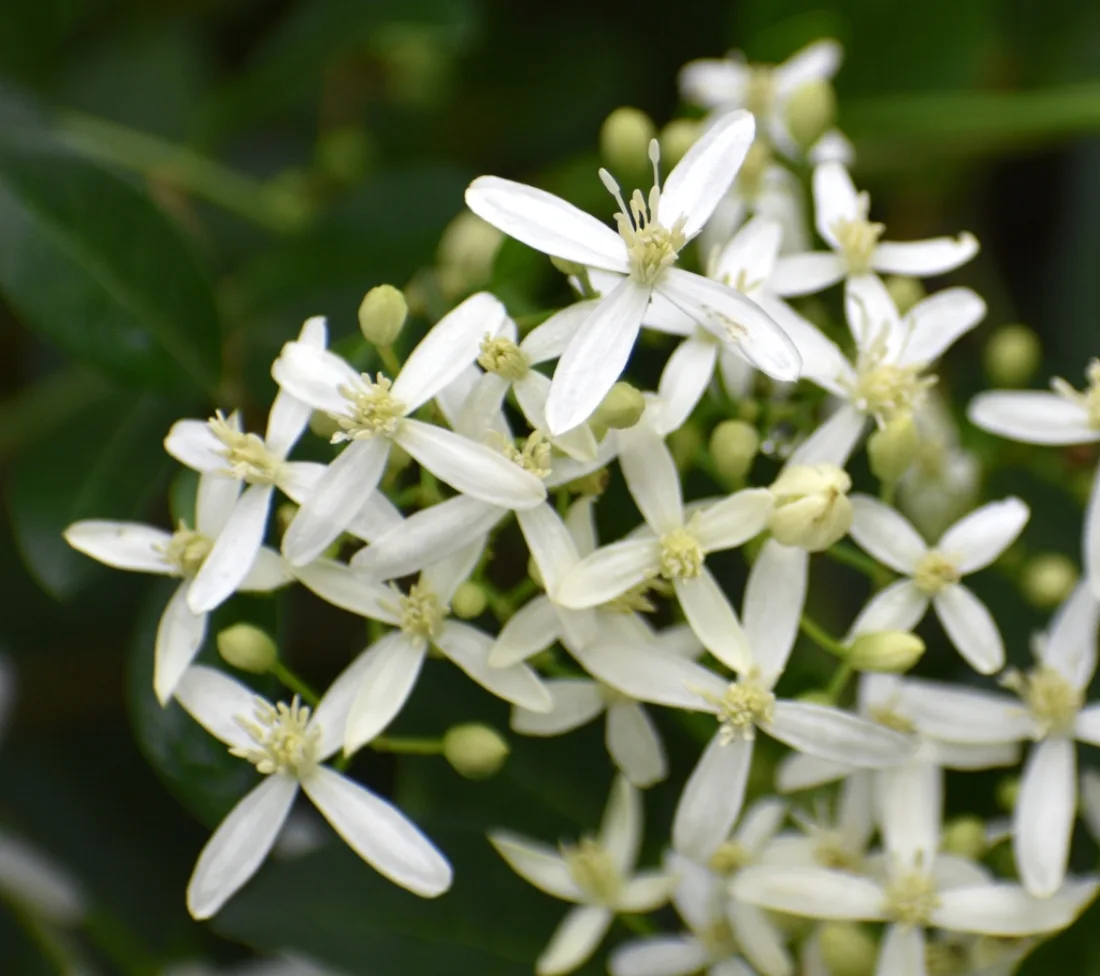
Clematis virginiana
Fragrant native flowers offer nectar for bees and hummingbirds, even in a shaded garden.
Instead of english ivy
Meet this plantPhoto: Cathy DeWitt · CC BY 4.0
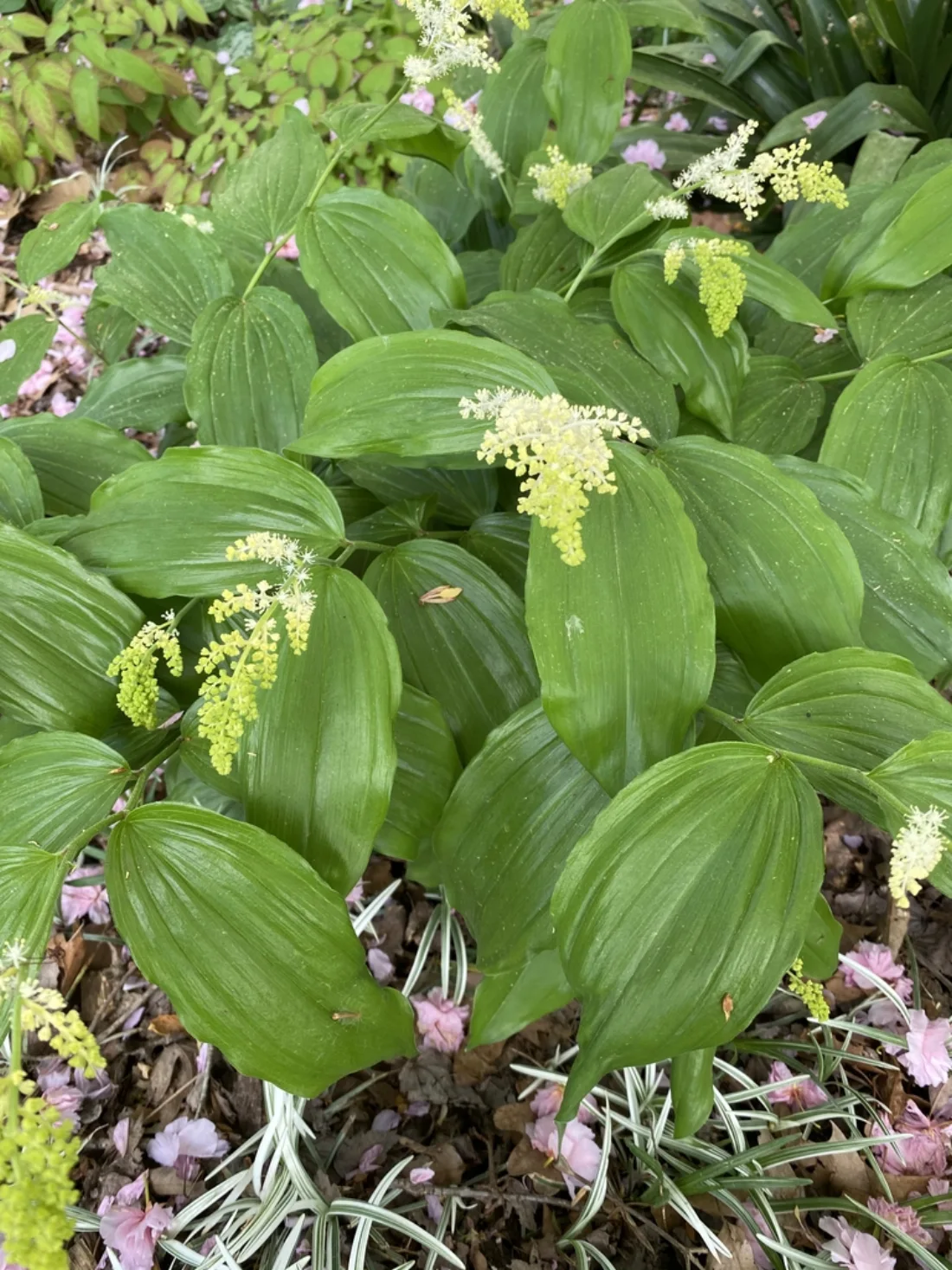
Maianthemum racemosum
Native spring flowers feed insects, followed by berries for birds and small mammals.
Instead of fragrant hosta
Meet this plantPhoto: Kathy Sill · CC BY 4.0
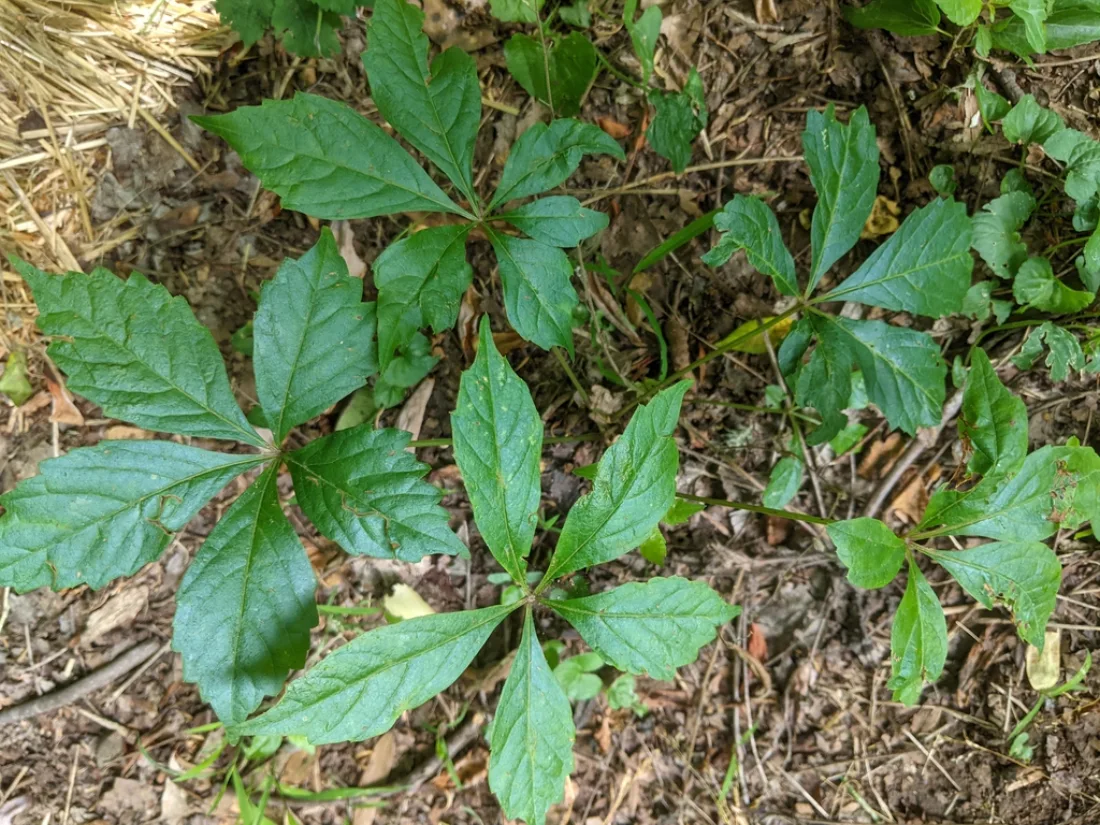
Parthenocissus quinquefolia
Native berries feed birds and mammals, while small flowers feed pollinators.
Instead of english ivy
Meet this plantPhoto: Hope Duckworth · CC BY 4.0
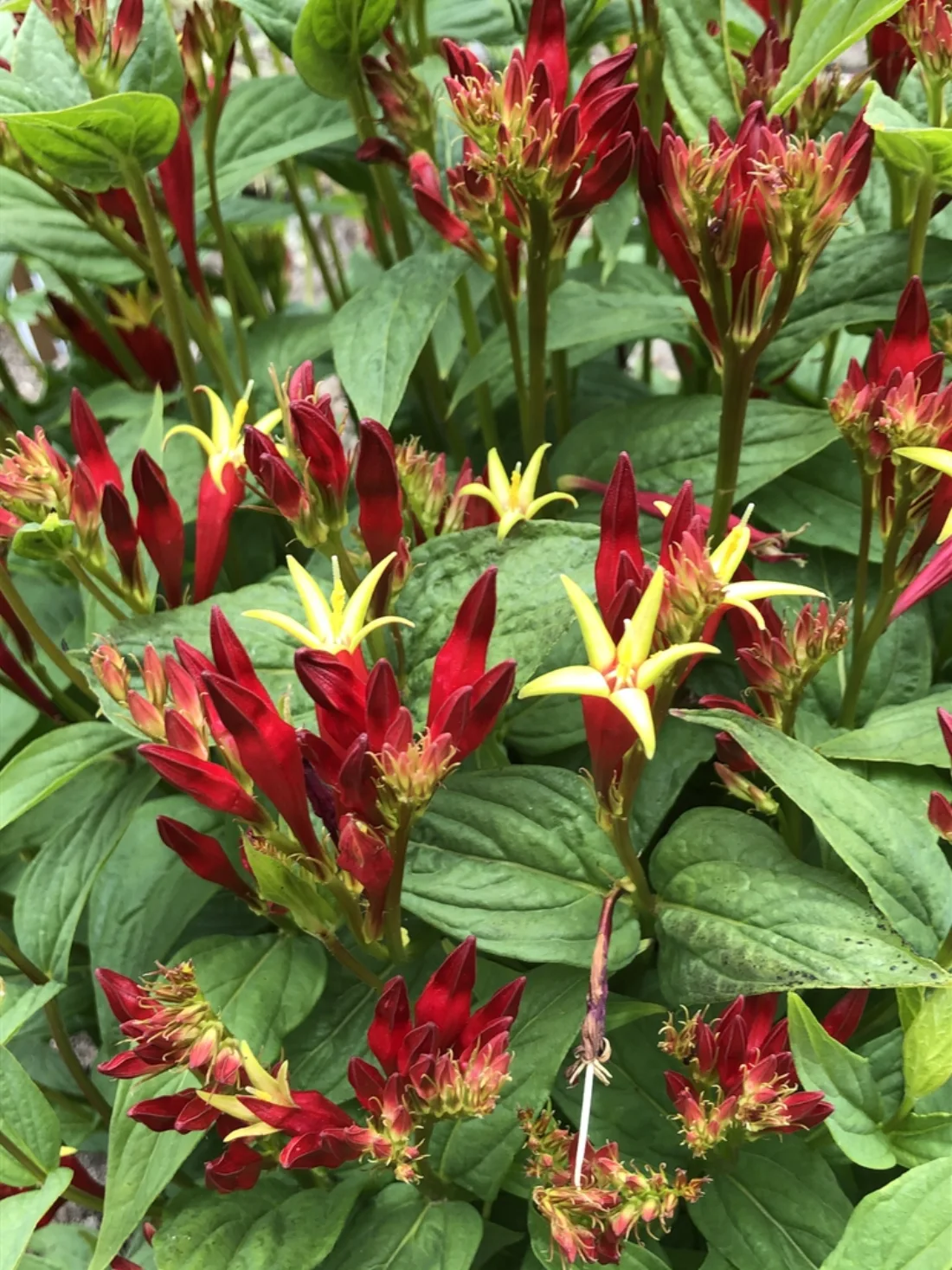
Spigelia marilandica
Native tubular flowers supply nectar for hummingbirds in a shaded garden.
Instead of asian bleeding heart
Meet this plantPhoto: Cathy Dewitt · CC BY 4.0
Use your garden’s sunlight, soil moisture, and available space to narrow the list.
Compare all Louisiana swaps