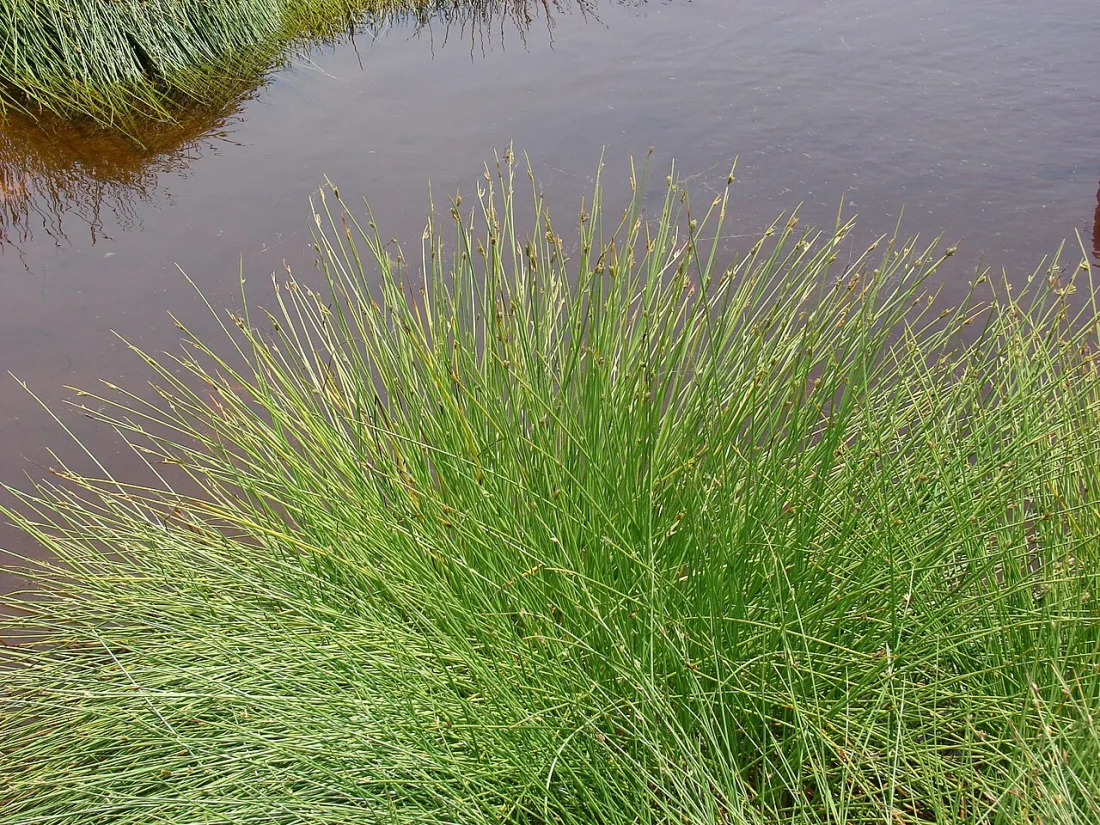
A compact wetland sedge
Makaloa
Cyperus laevigatus
Dense native stems shelter waterbirds and help hold wetland soil.
Instead of umbrella sedge
Meet this plantPhoto: Forest & Kim Starr · CC BY 3.0
A GARDEN THAT BELONGS HERE
Familiar garden favorites, with native roots.
Find your first swap for sun, shade, and the soil underfoot.
6+ hours of direct sun
Cyperus laevigatus
Dense native stems shelter waterbirds and help hold wetland soil.
Instead of umbrella sedge
Meet this plantPhoto: Forest & Kim Starr · CC BY 3.0
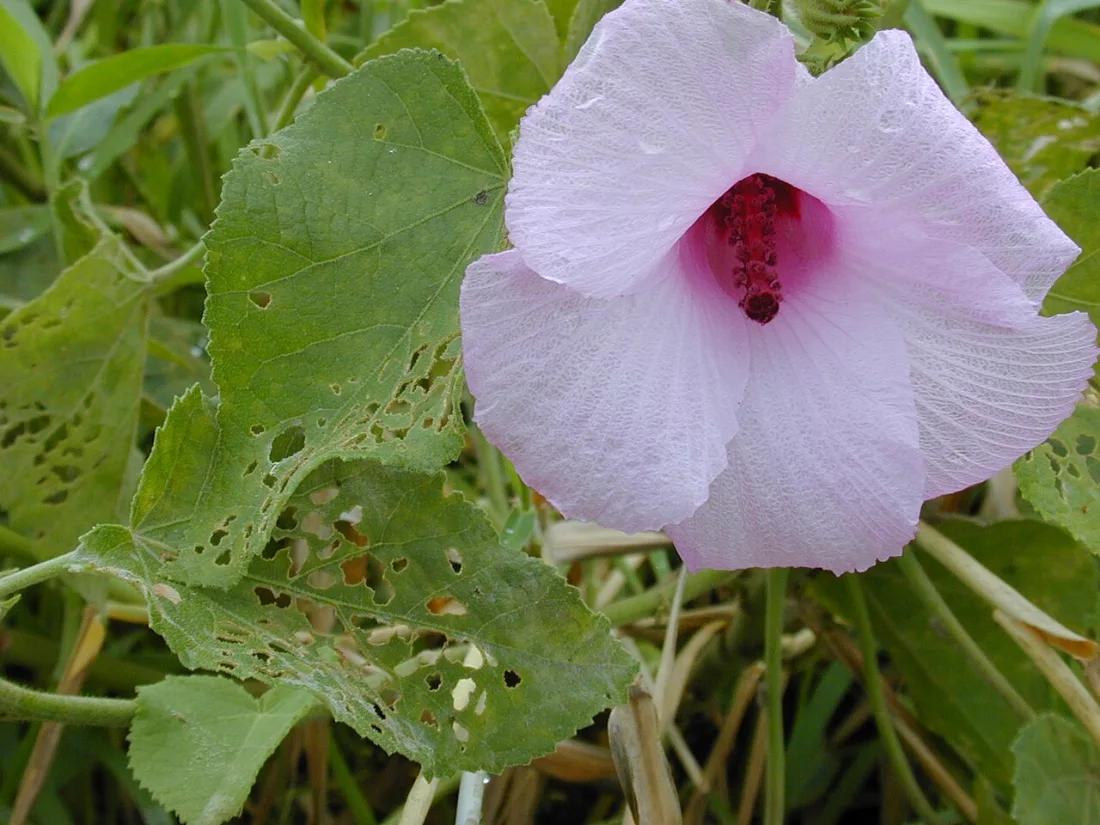
Hibiscus furcellatus
Large pink native flowers bring color to moist ground and the edges of water features.
Instead of tropical hibiscus
Meet this plantPhoto: Forest & Kim Starr · CC BY 3.0
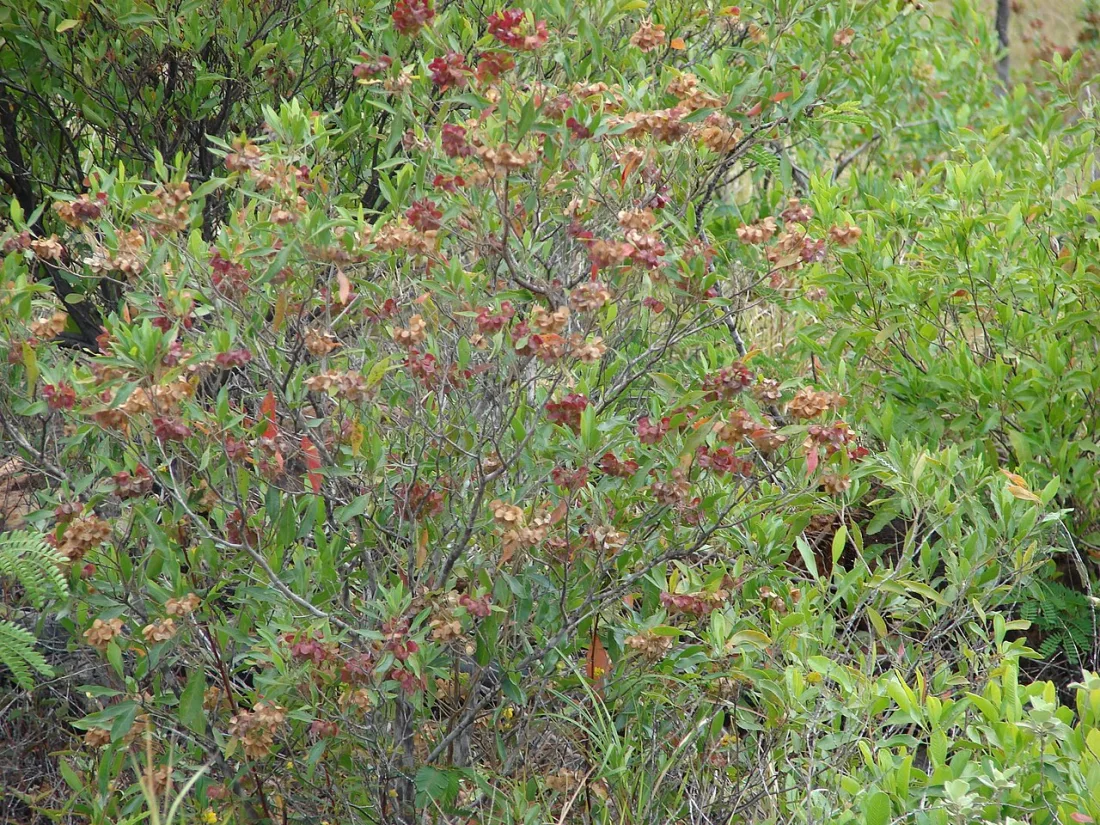
Dodonaea viscosa
A locally sourced Hawaiian shrub restores native evergreen structure to a sunny garden.
Instead of heavenly bamboo
Meet this plantPhoto: Forest & Kim Starr · CC BY 3.0
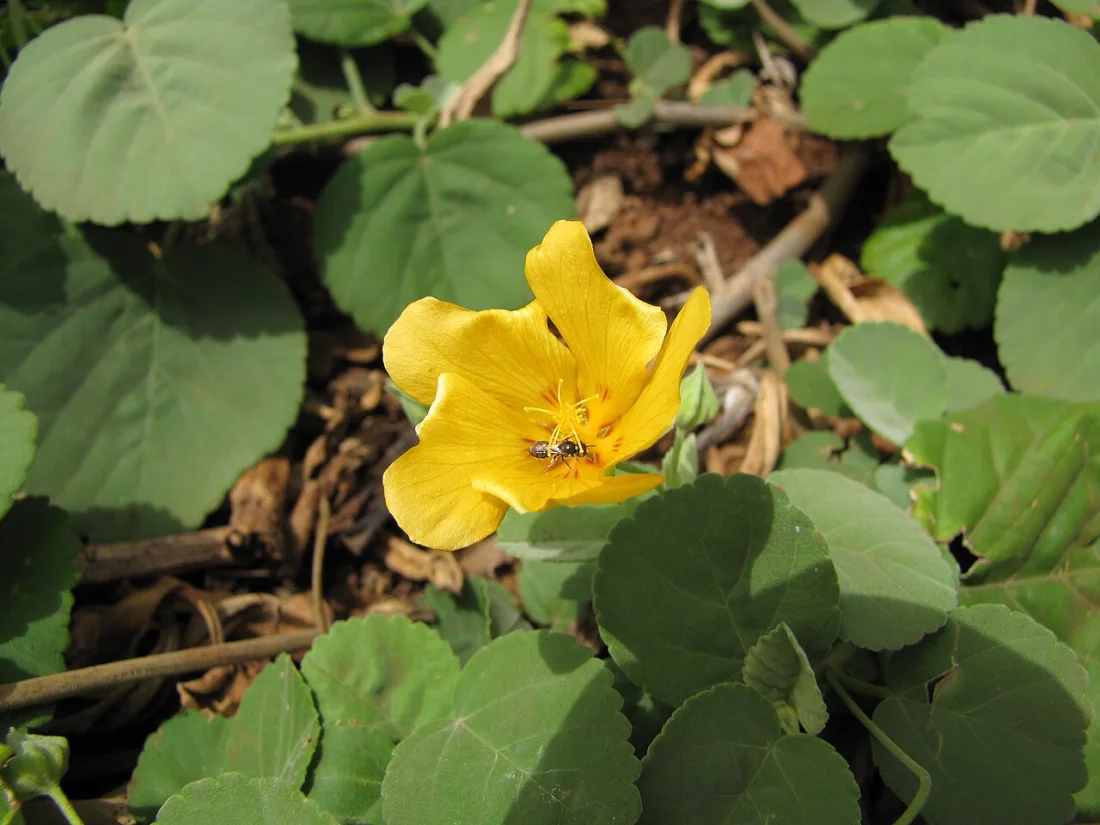
Sida fallax
Yellow flowers offer food for native yellow-faced bees.
Instead of treasure flower
Meet this plantPhoto: Forest and Kim Starr · CC BY 3.0 us
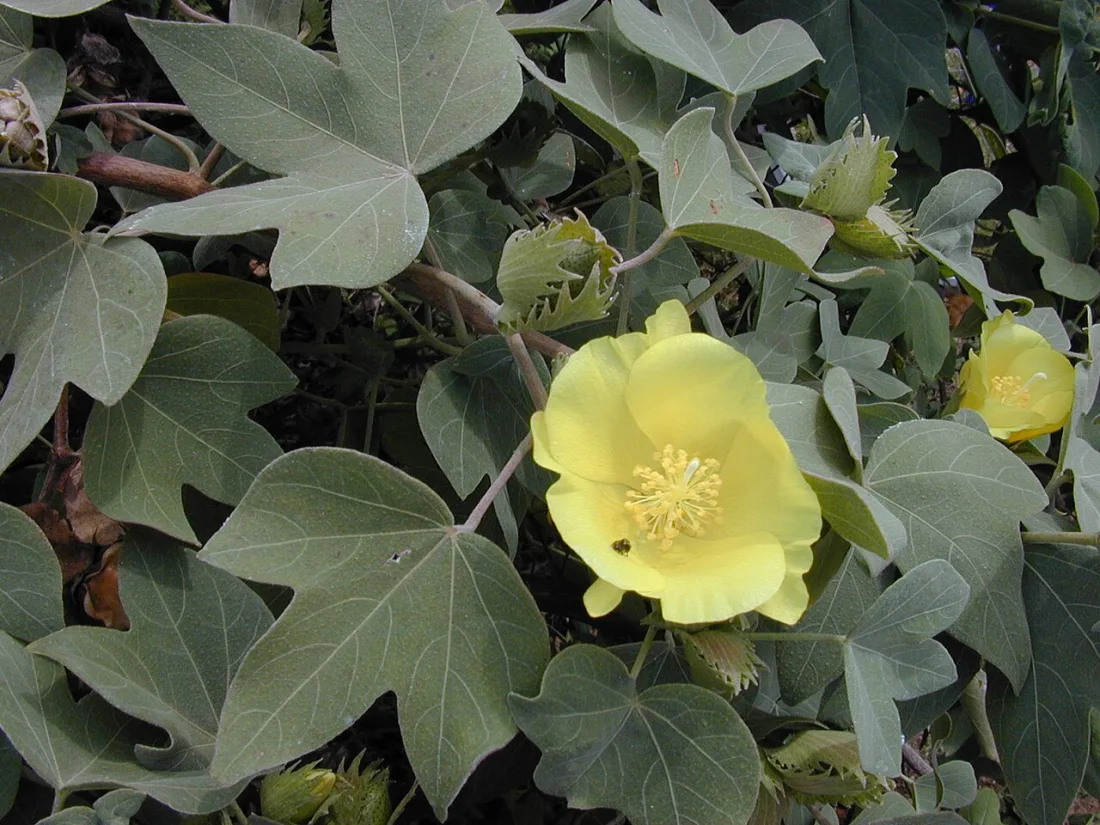
Gossypium tomentosum
Silver foliage and yellow flowers thrive with little water once this Hawaiian cotton is established.
Instead of tropical hibiscus
Meet this plantPhoto: Forest & Kim Starr · CC BY 3.0
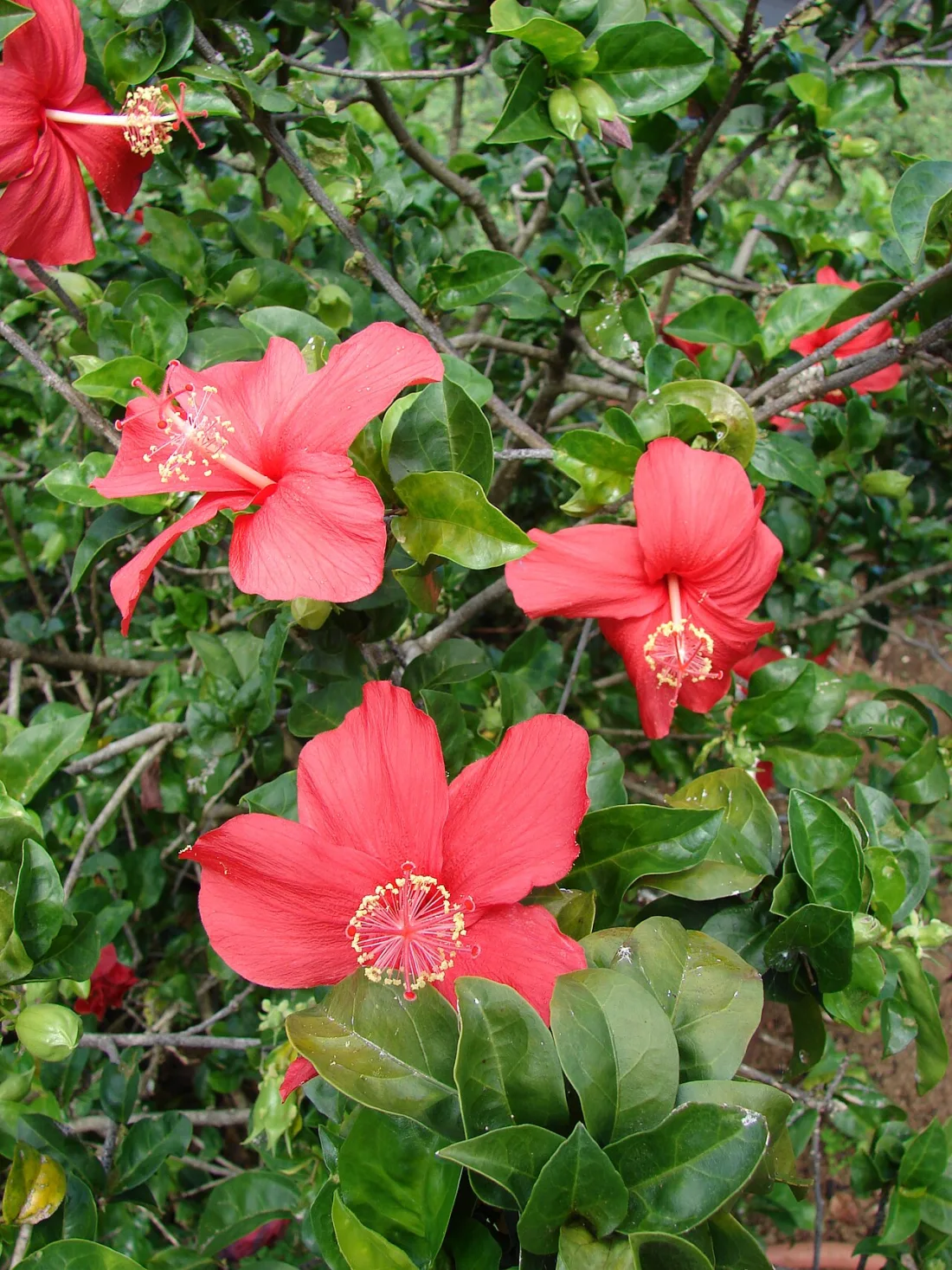
Hibiscus kokio
Native red hibiscus keeps the bold tropical flowers while restoring a Hawaiian species.
Instead of tropical hibiscus
Meet this plantPhoto: Forest & Kim Starr · CC BY 3.0
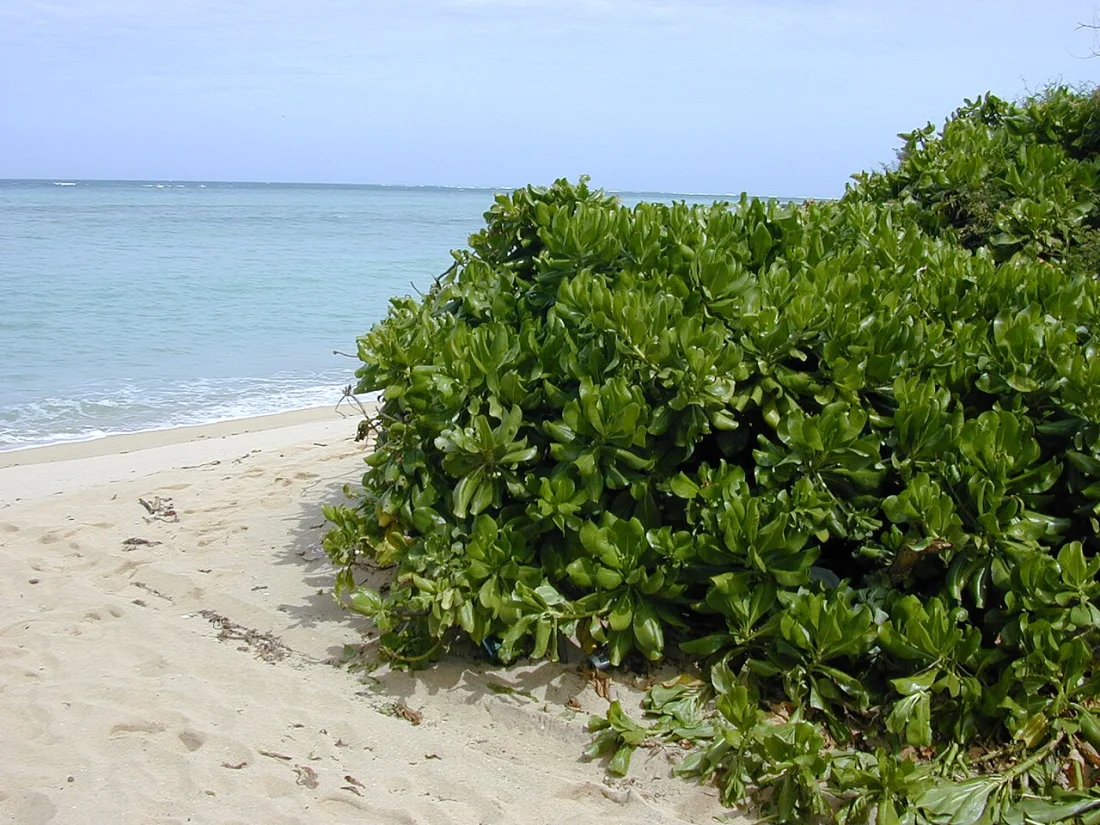
Scaevola taccada
This native coastal shrub makes a salt-tolerant hedge with little watering after establishment.
Instead of japanese pittosporum
Meet this plantPhoto: Forest & Kim Starr · CC BY 3.0
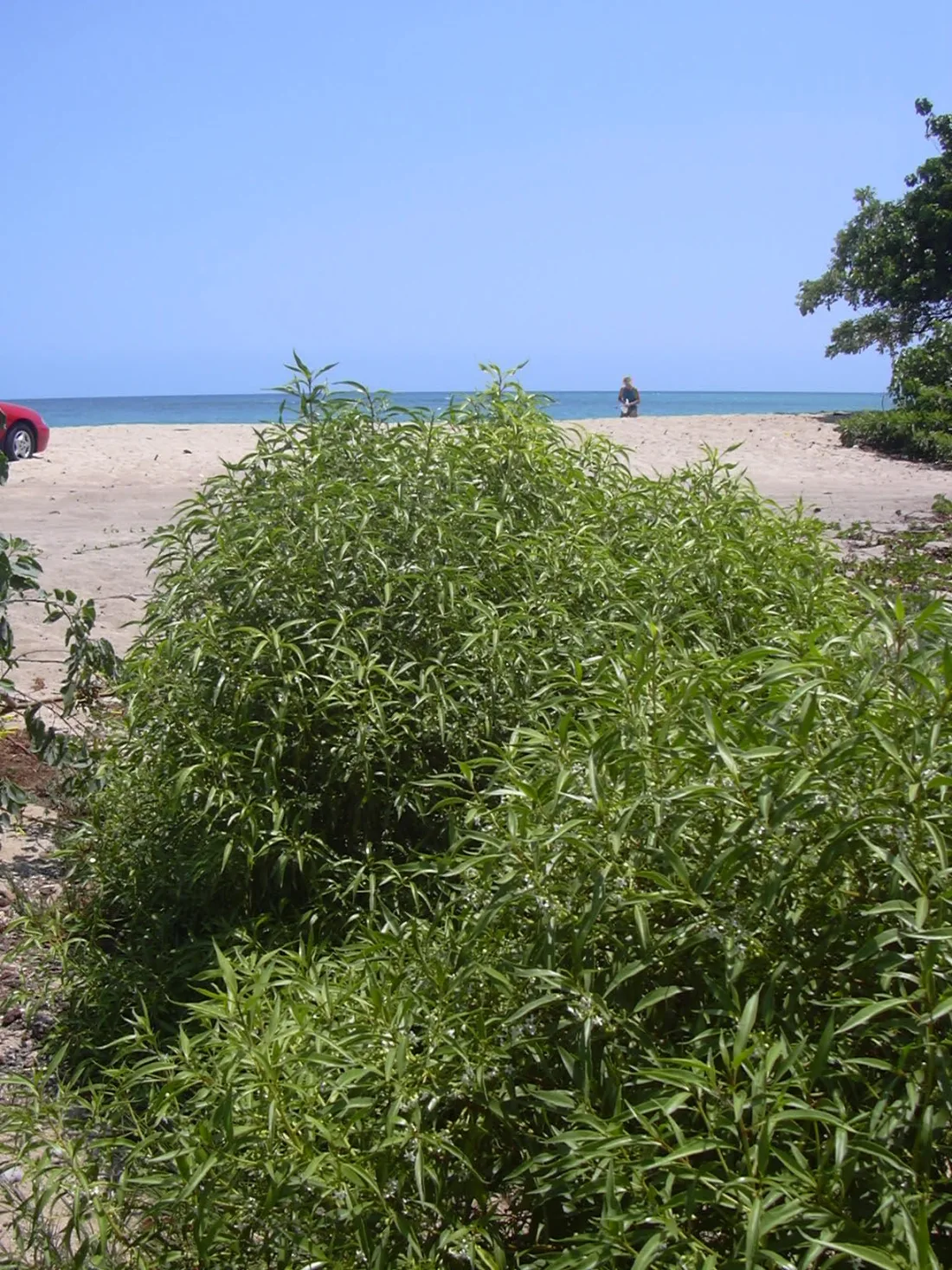
Myoporum sandwicense
Established naio provides native evergreen structure with little supplemental water.
Instead of oleander
Meet this plantPhoto: Forest & Kim Starr · CC BY 3.0
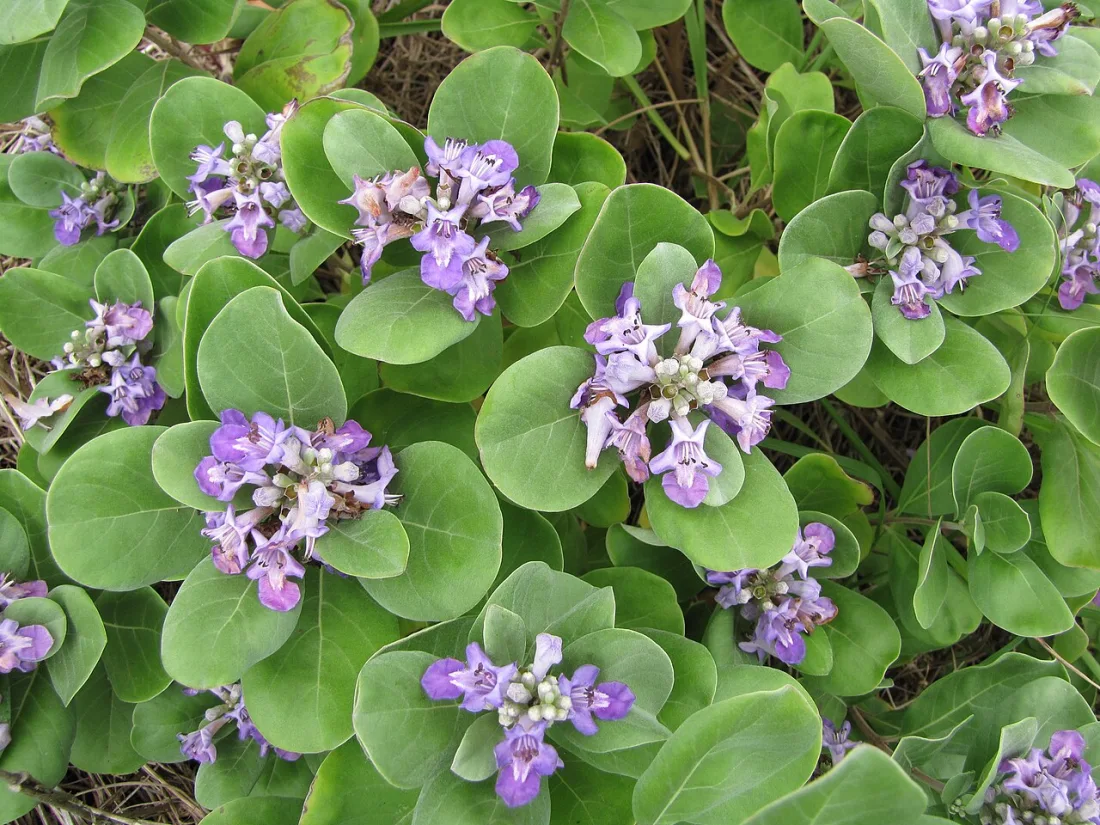
Vitex rotundifolia
Native coastal foliage covers exposed ground with little watering once established.
Instead of bearberry cotoneaster
Meet this plantPhoto: Forest and Kim Starr · CC BY 3.0 us
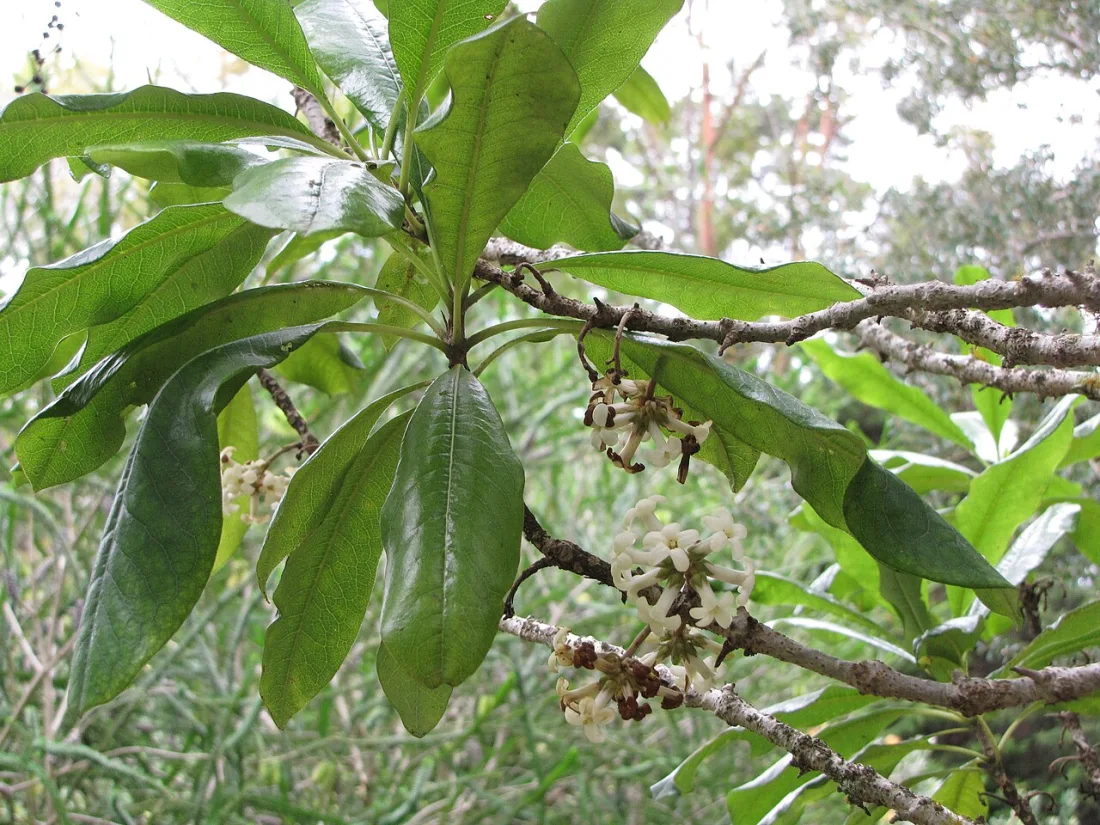
Pittosporum hosmeri
Fragrant flowers and textured foliage make this Hawaiʻi Island tree a native screening option.
Instead of japanese pittosporum
Meet this plantPhoto: Forest and Kim Starr · CC BY 3.0 us
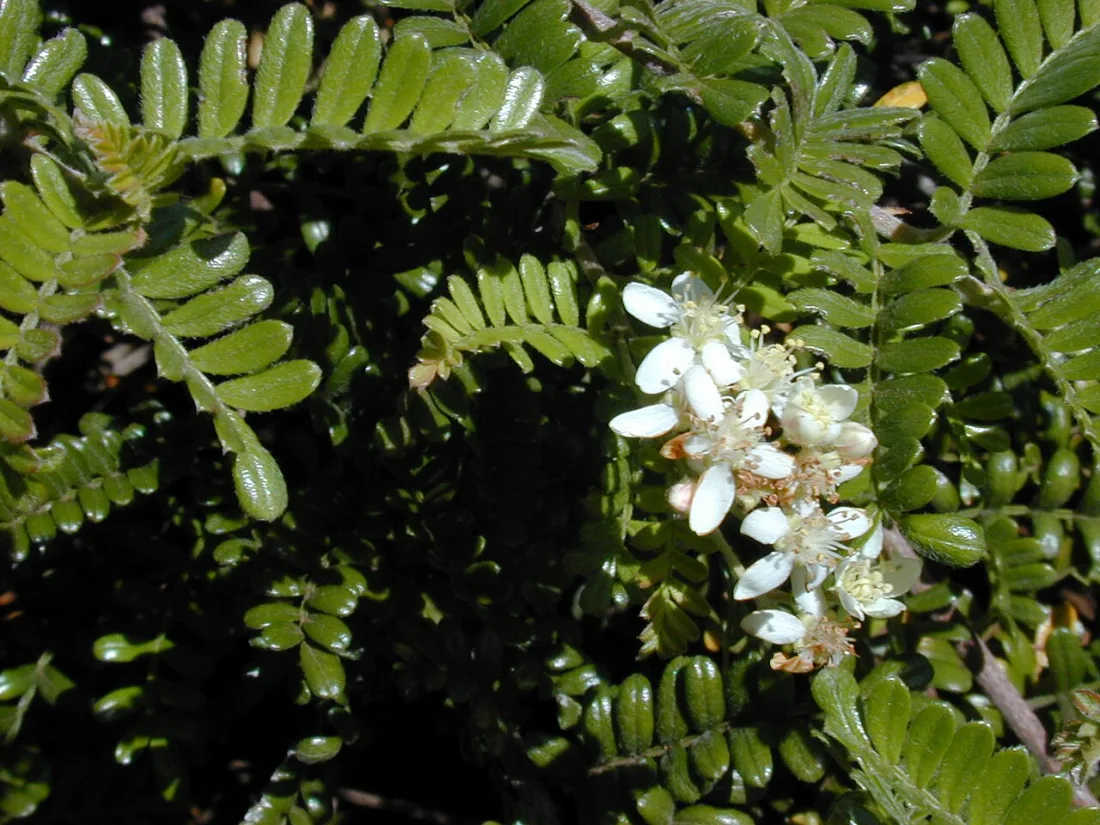
Osteomeles anthyllidifolia
Once established, this native shrub flowers with little supplemental water.
Instead of bearberry cotoneaster
Meet this plantPhoto: Forest & Kim Starr · CC BY 3.0
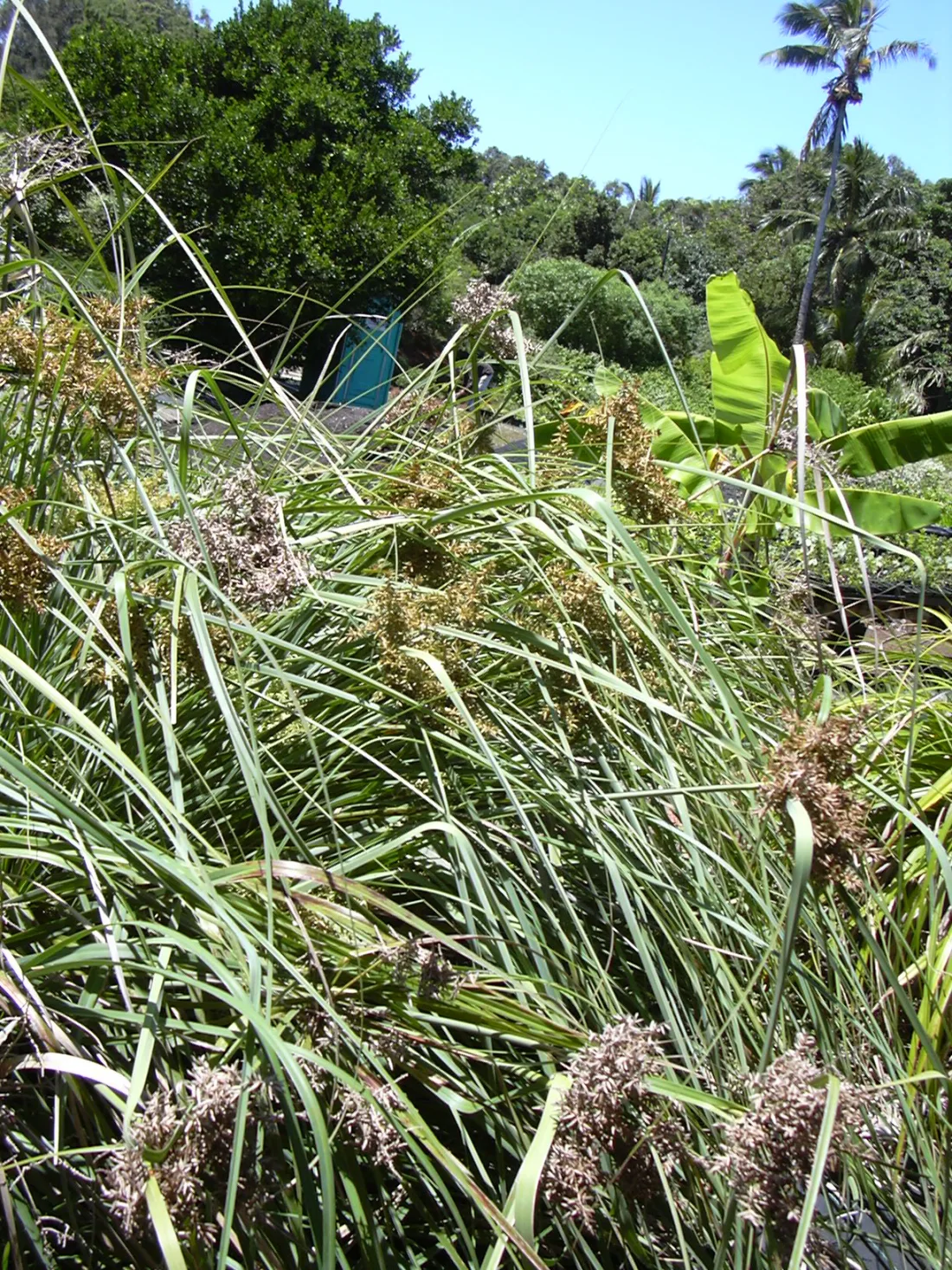
Cyperus javanicus
Native waterfowl use this flood-tolerant sedge for food, shelter, and nesting material.
Instead of umbrella sedge
Meet this plantPhoto: Forest & Kim Starr · CC BY 3.0
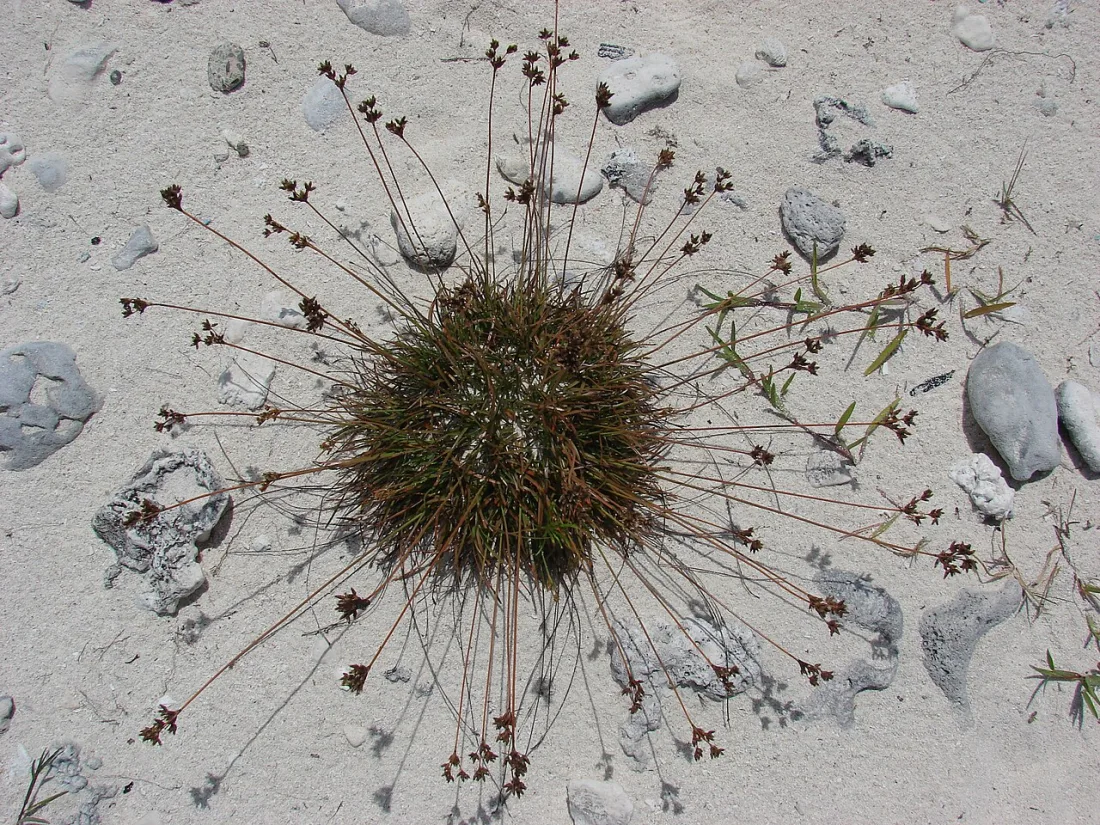
Fimbristylis cymosa
A native sedge supplies grasslike texture in sunny, dry places where a lawn edge needs little water.
Instead of mondo grass
Meet this plantPhoto: Forest & Kim Starr · CC BY 3.0
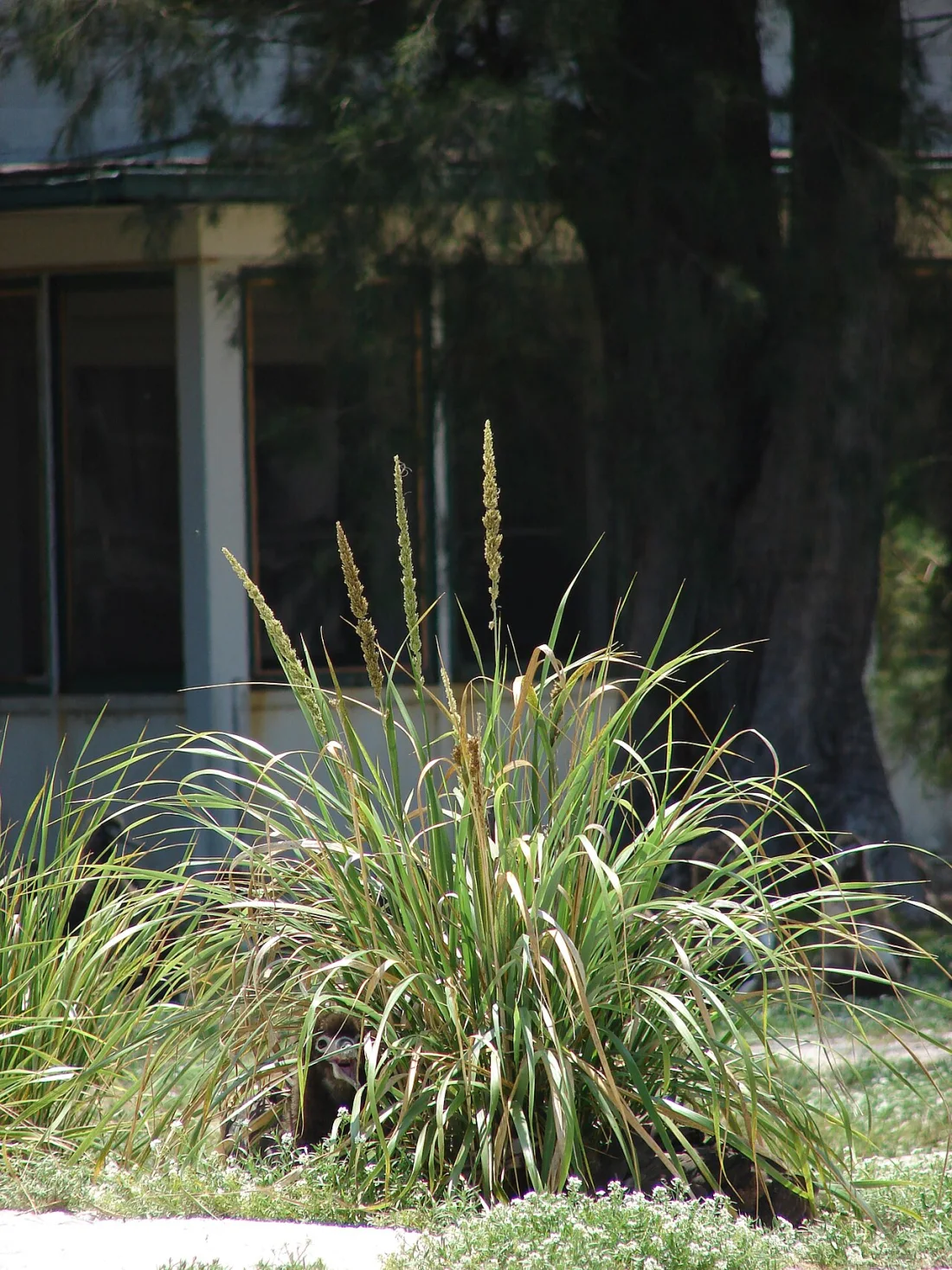
Eragrostis variabilis
This Hawaiian grass adds native texture and helps cover exposed soil.
Instead of maiden grass
Meet this plantPhoto: Forest and Kim Starr · CC BY 3.0 us
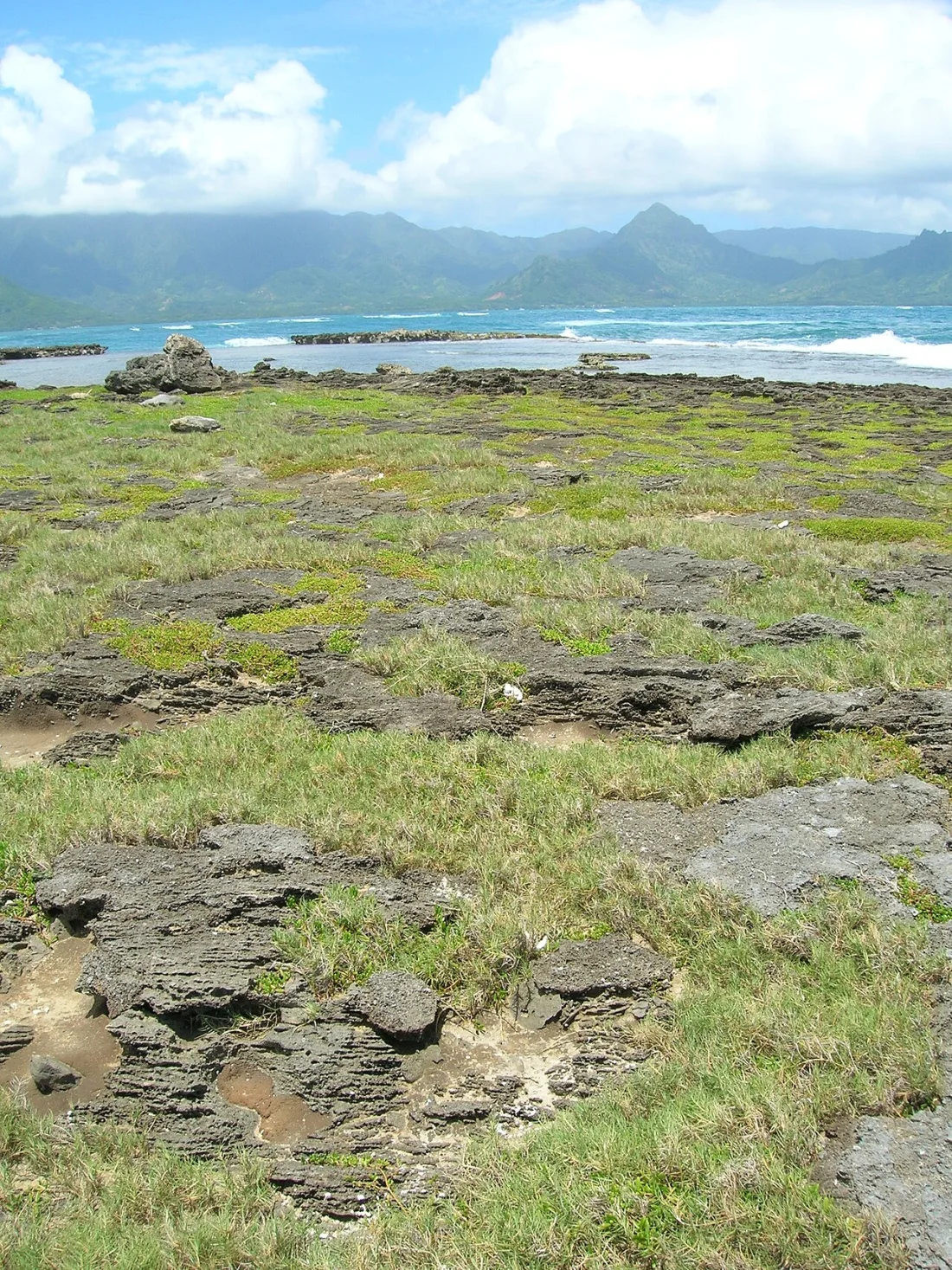
Sporobolus virginicus
Spreading native grass helps protect exposed coastal soil.
Instead of maiden grass
Meet this plantPhoto: Forest and Kim Starr · CC BY 3.0 us
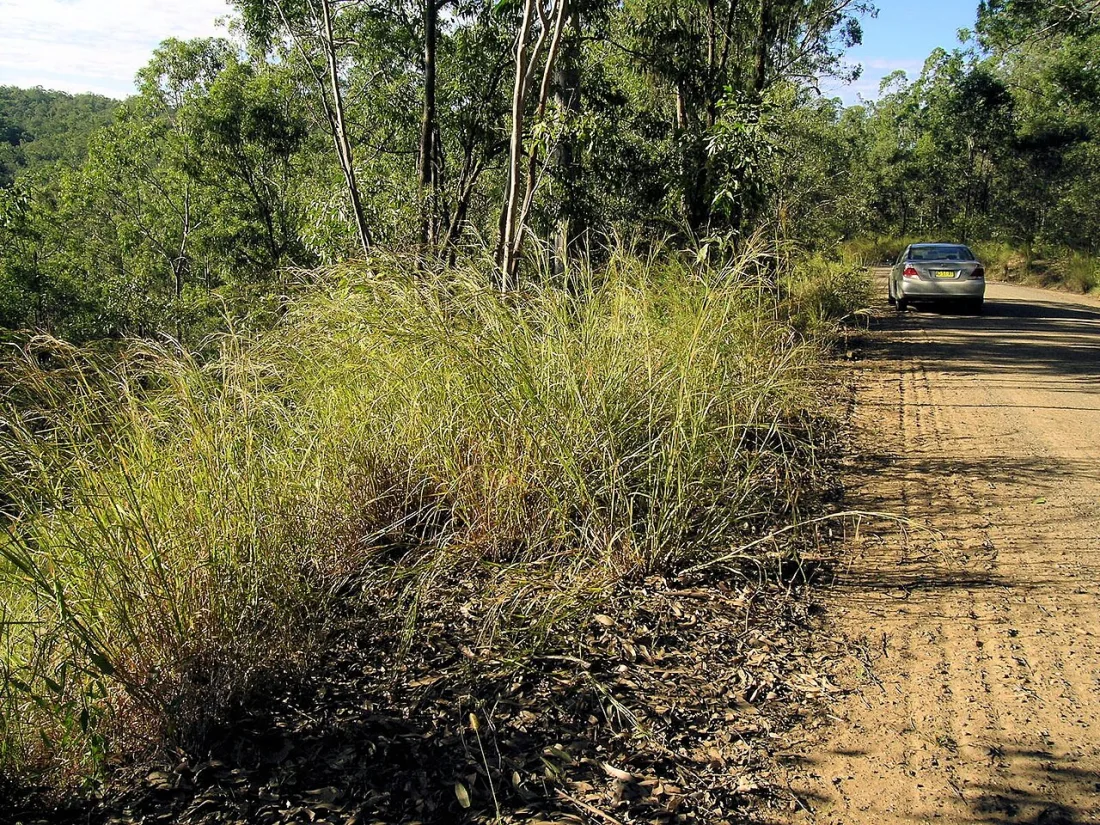
Heteropogon contortus
Native bunches add texture and ground cover to dry, sunny Hawaiian gardens.
Instead of maiden grass
Meet this plantPhoto: Harry Rose from South West Rocks, Australia · CC BY 2.0
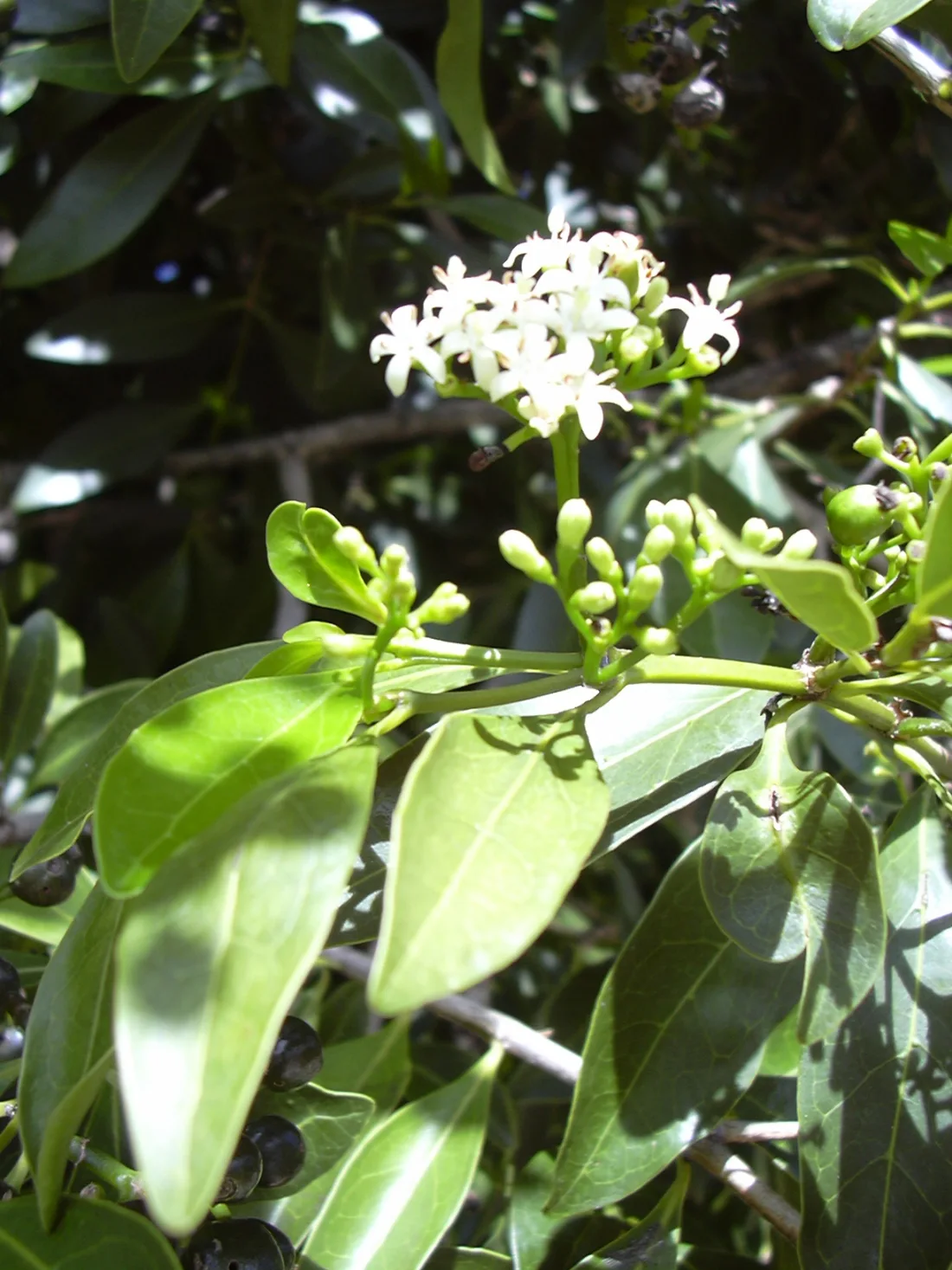
Psydrax odorata
Fragrant white flowers and drought-tolerant native foliage make a durable screen.
Instead of japanese pittosporum
Meet this plantPhoto: Forest & Kim Starr · CC BY 3.0
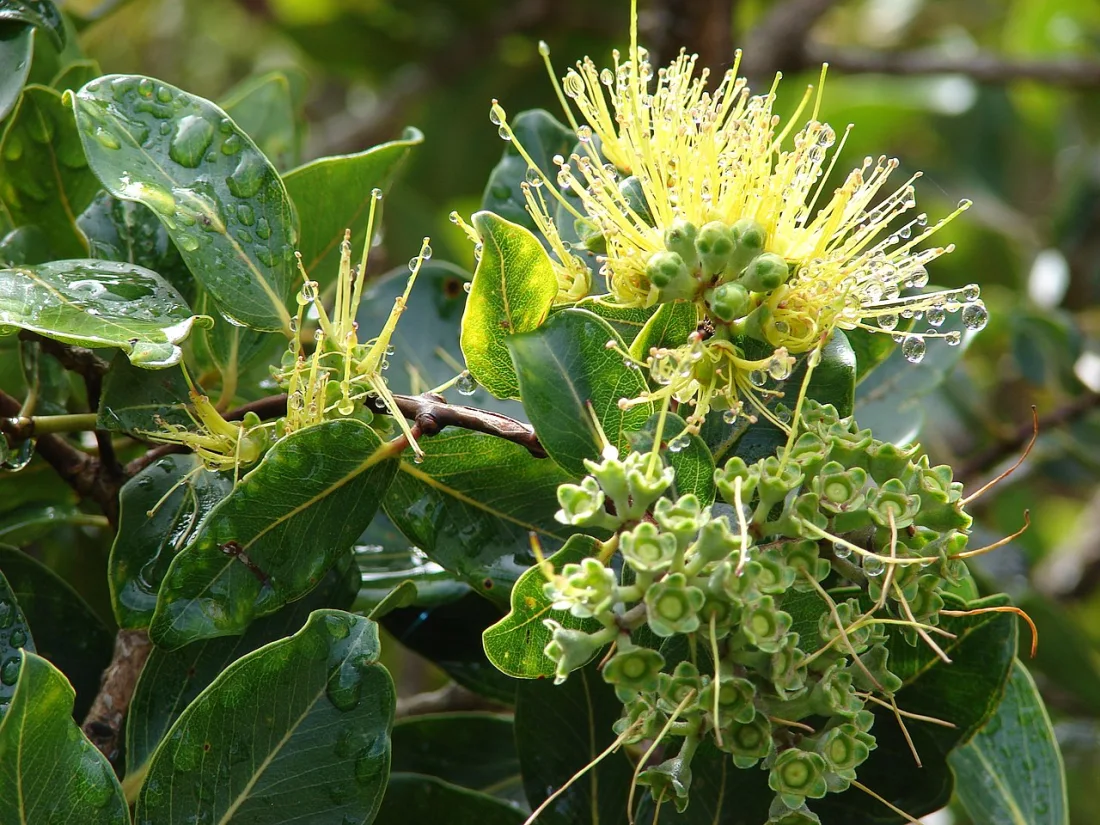
Metrosideros polymorpha
Native ʻōhiʻa flowers supply nectar to Hawaiian birds where those birds occur.
Instead of tropical hibiscus
Meet this plantPhoto: Forest and Kim Starr · CC BY 3.0 us
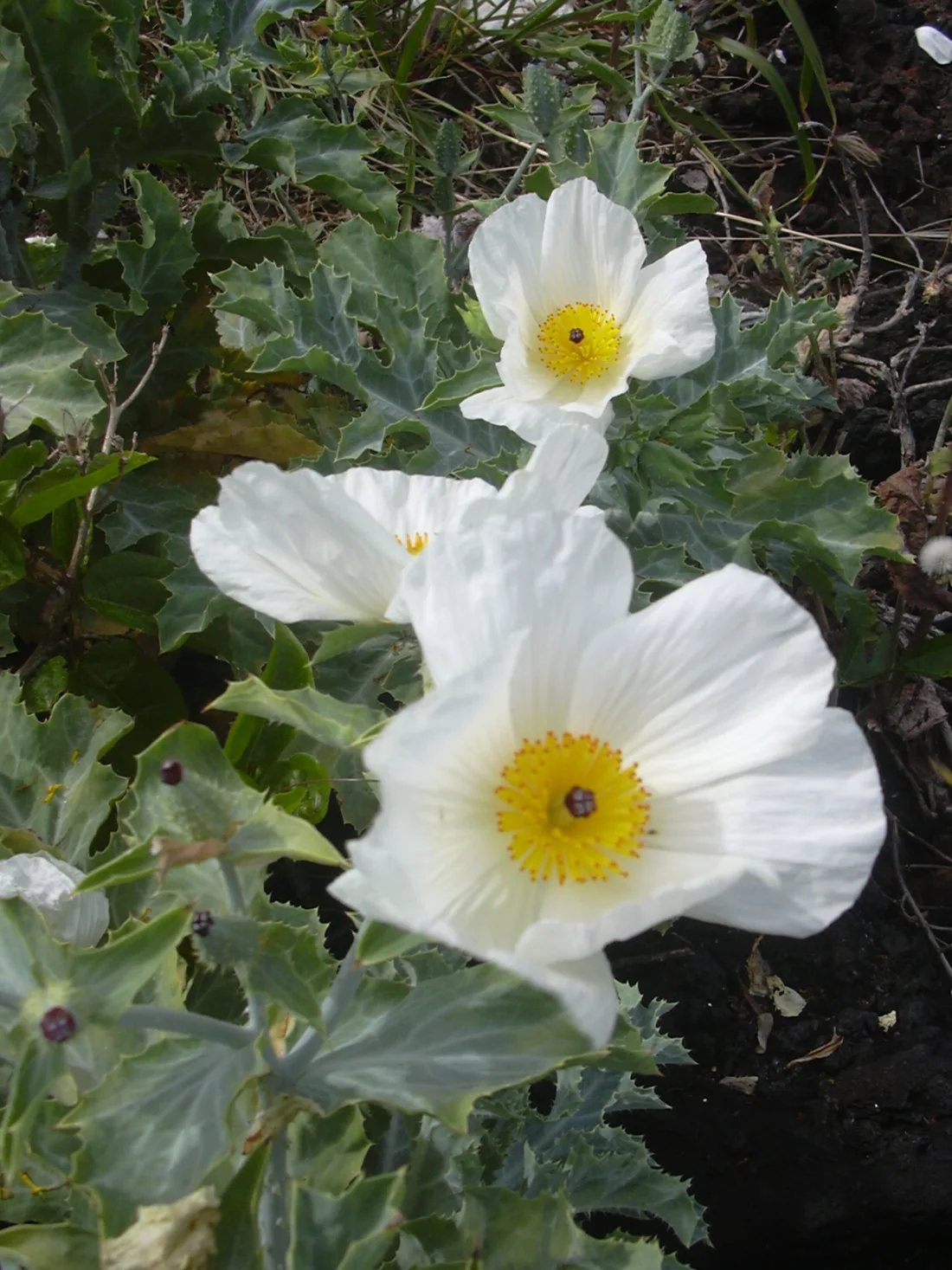
Argemone glauca
This Hawaiian poppy flowers in exposed, dry sites with little supplemental water.
Instead of treasure flower
Meet this plantPhoto: Forest & Kim Starr · CC BY 3.0
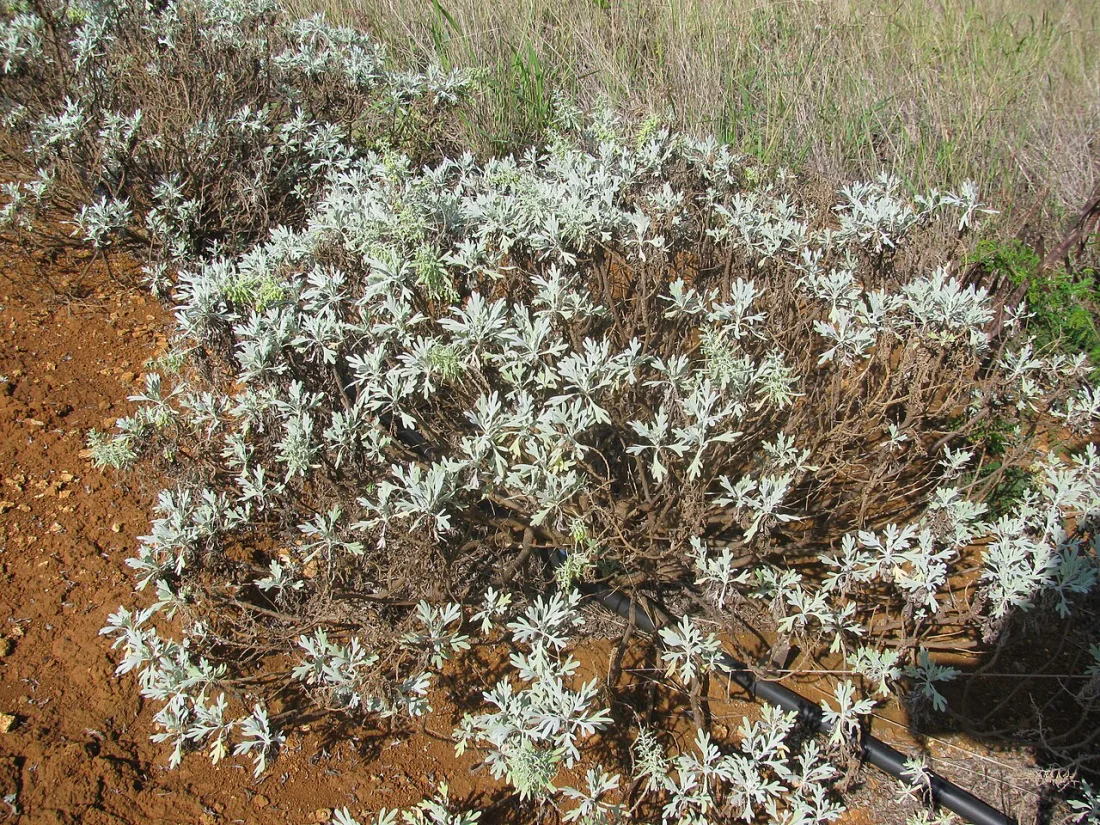
Artemisia australis
Silver Hawaiian foliage adds contrast to a dry border with little irrigation.
Instead of dusty miller
Meet this plantPhoto: Forest and Kim Starr · CC BY 3.0 us
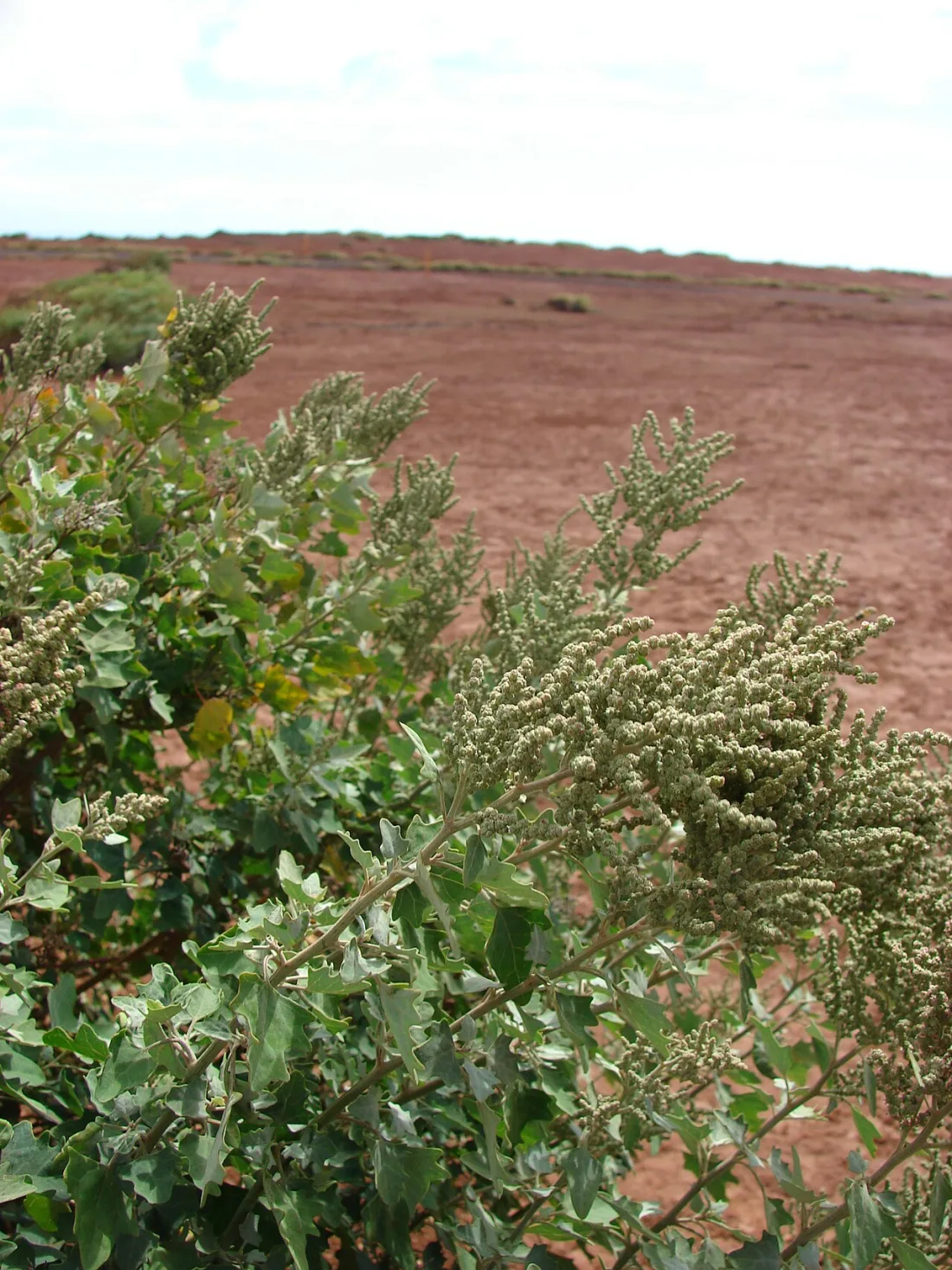
Chenopodium oahuense
Native foliage provides a hedge or groundcover adapted to dry coastal conditions.
Instead of japanese pittosporum
Meet this plantPhoto: Forest & Kim Starr · CC BY 3.0
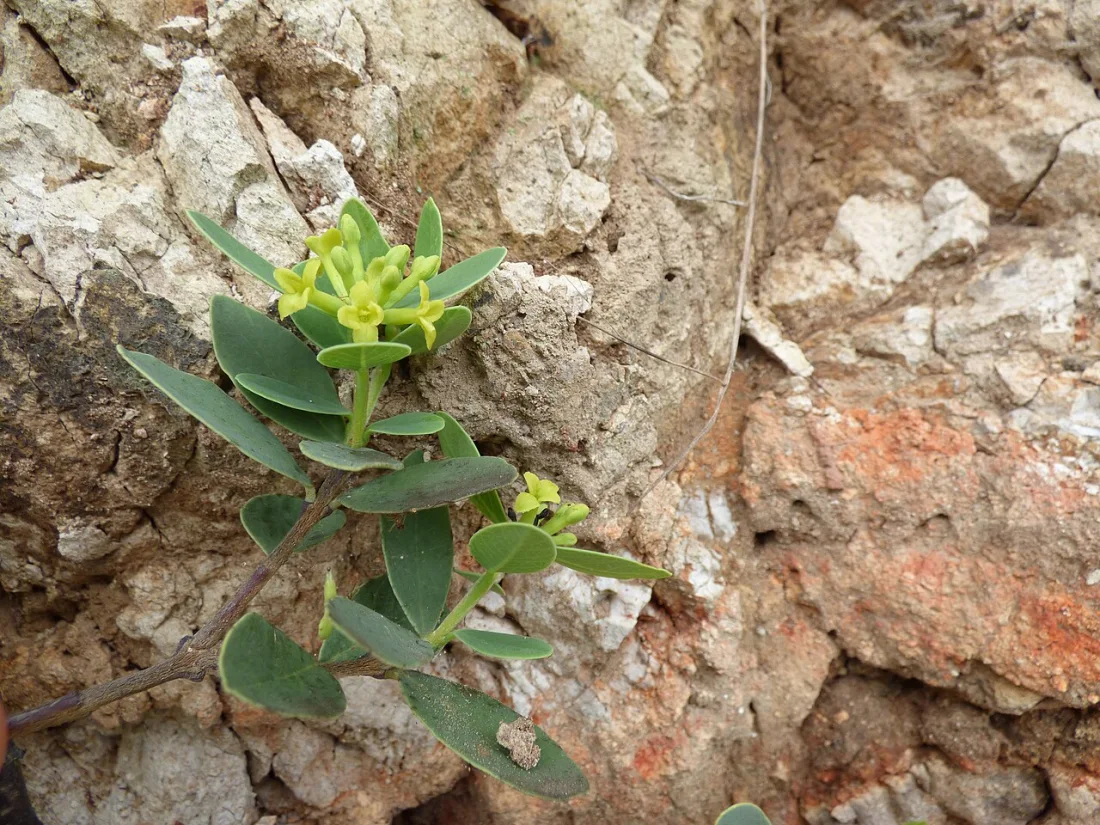
Wikstroemia uva-ursi
Colorful fruit and native foliage bring interest to a dry garden with little irrigation.
Instead of heavenly bamboo
Meet this plantPhoto: Forest and Kim Starr · CC BY 3.0 us
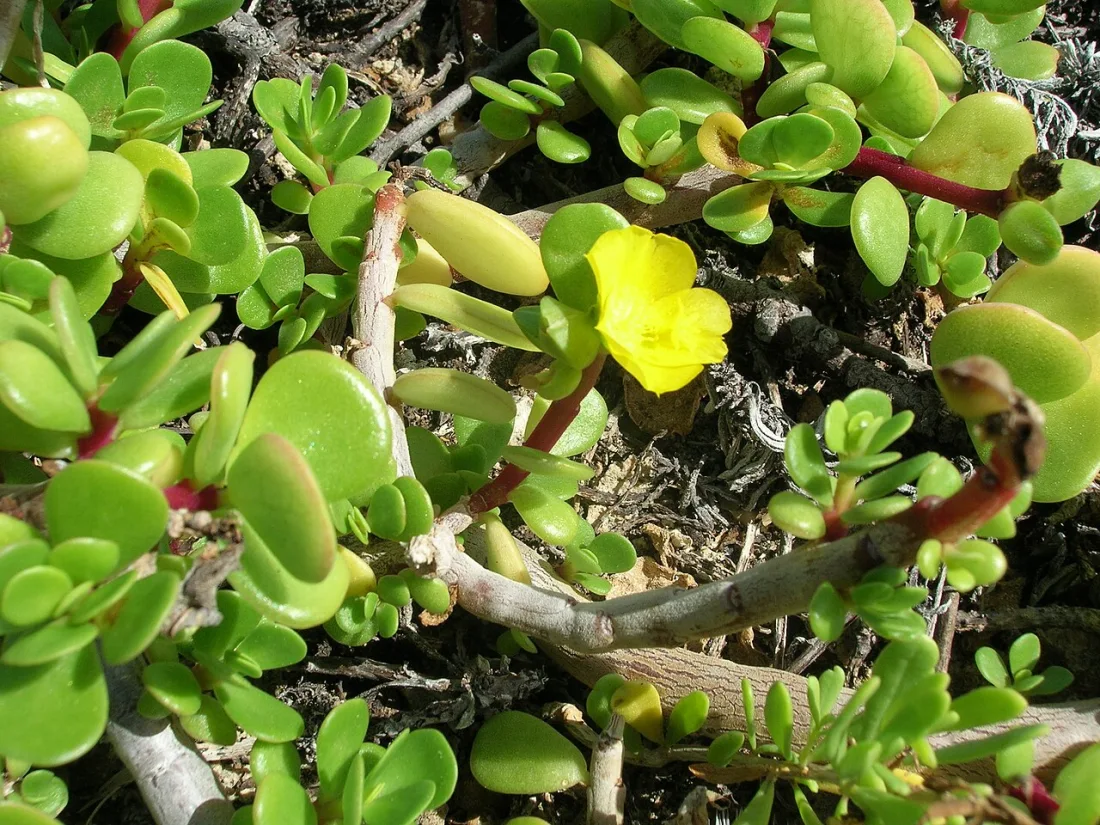
Portulaca lutea
This native succulent tolerates dry, windy sites and needs little water once established.
Instead of treasure flower
Meet this plantPhoto: Forest and Kim Starr · CC BY 3.0 us
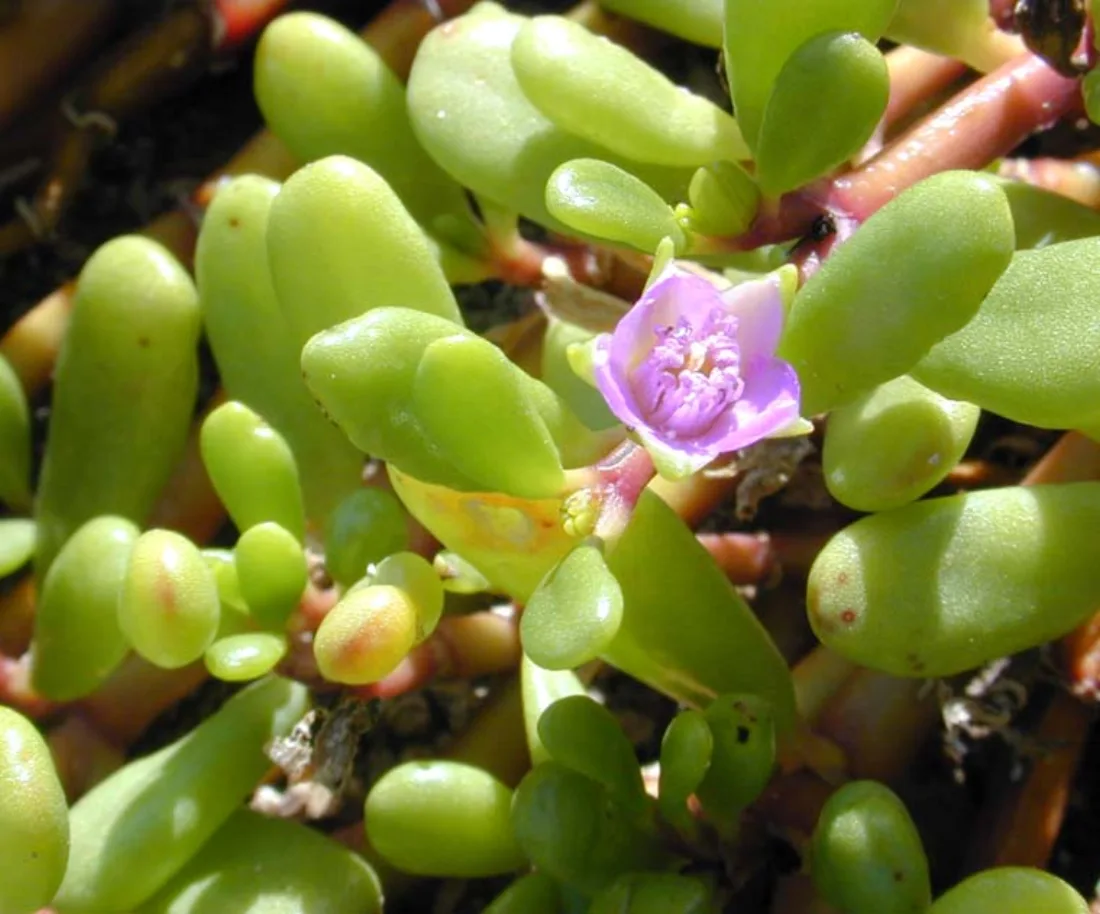
Sesuvium portulacastrum
Salt-tolerant native groundcover protects soil in coastal gardens.
Instead of treasure flower
Meet this plantPhoto: by Eric Guinther ( Marshman at en.wikipedia ) · CC BY-SA 3.0
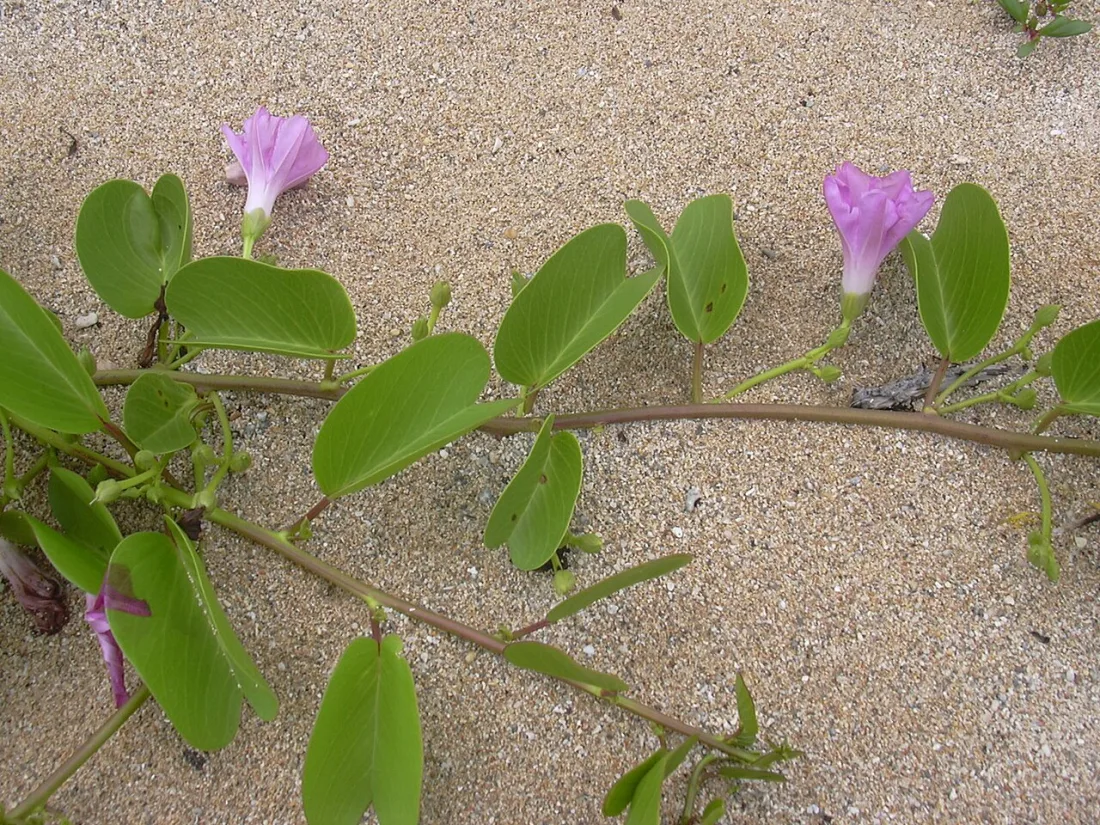
Ipomoea pes-caprae subsp. brasiliensis
Native trailing stems help stabilize sandy ground in salt spray and wind.
Instead of common periwinkle
Meet this plantPhoto: Forest & Kim Starr · CC BY 3.0
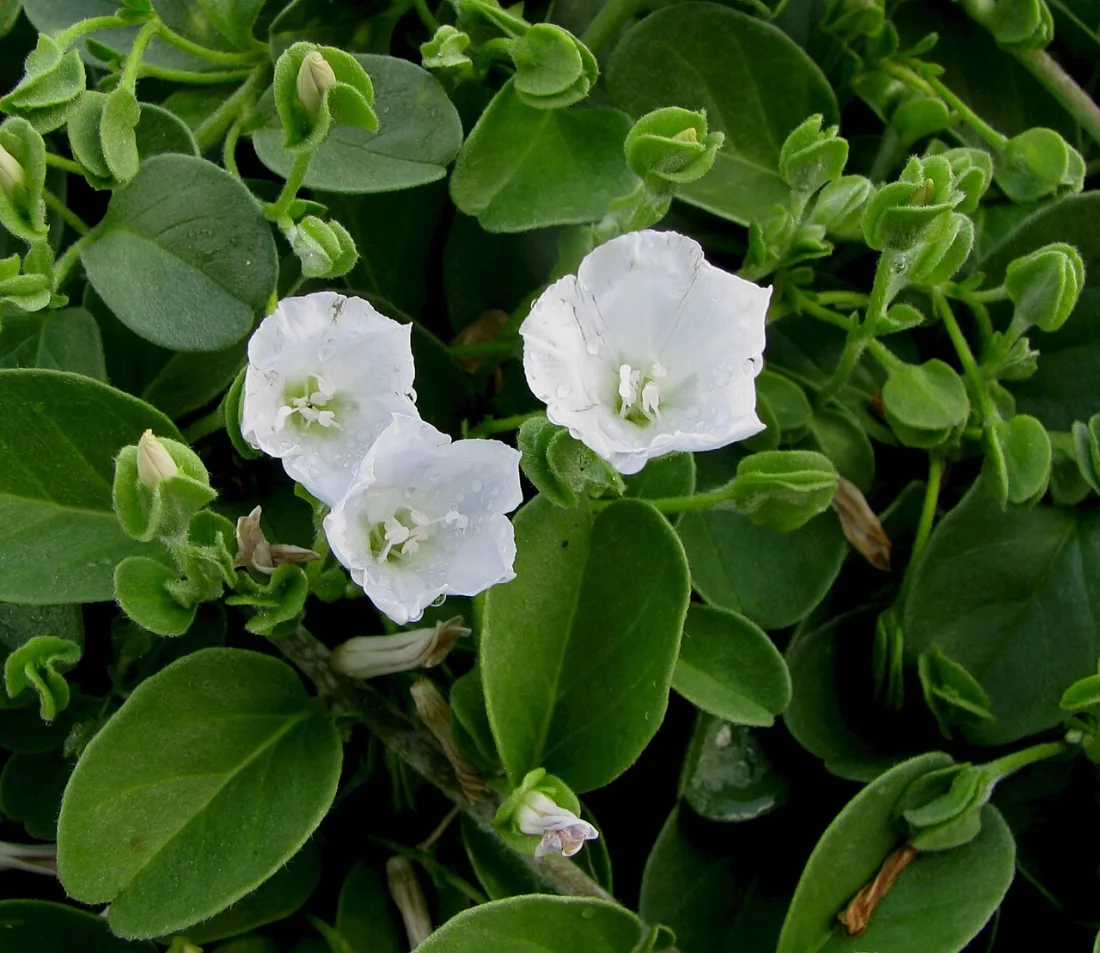
Jacquemontia sandwicensis
This native vine covers hot, salty ground with little irrigation.
Instead of common periwinkle
Meet this plantPhoto: David Eickhoff from Pearl City, Hawaii, USA · CC BY 2.0
2–6 hours of direct sun
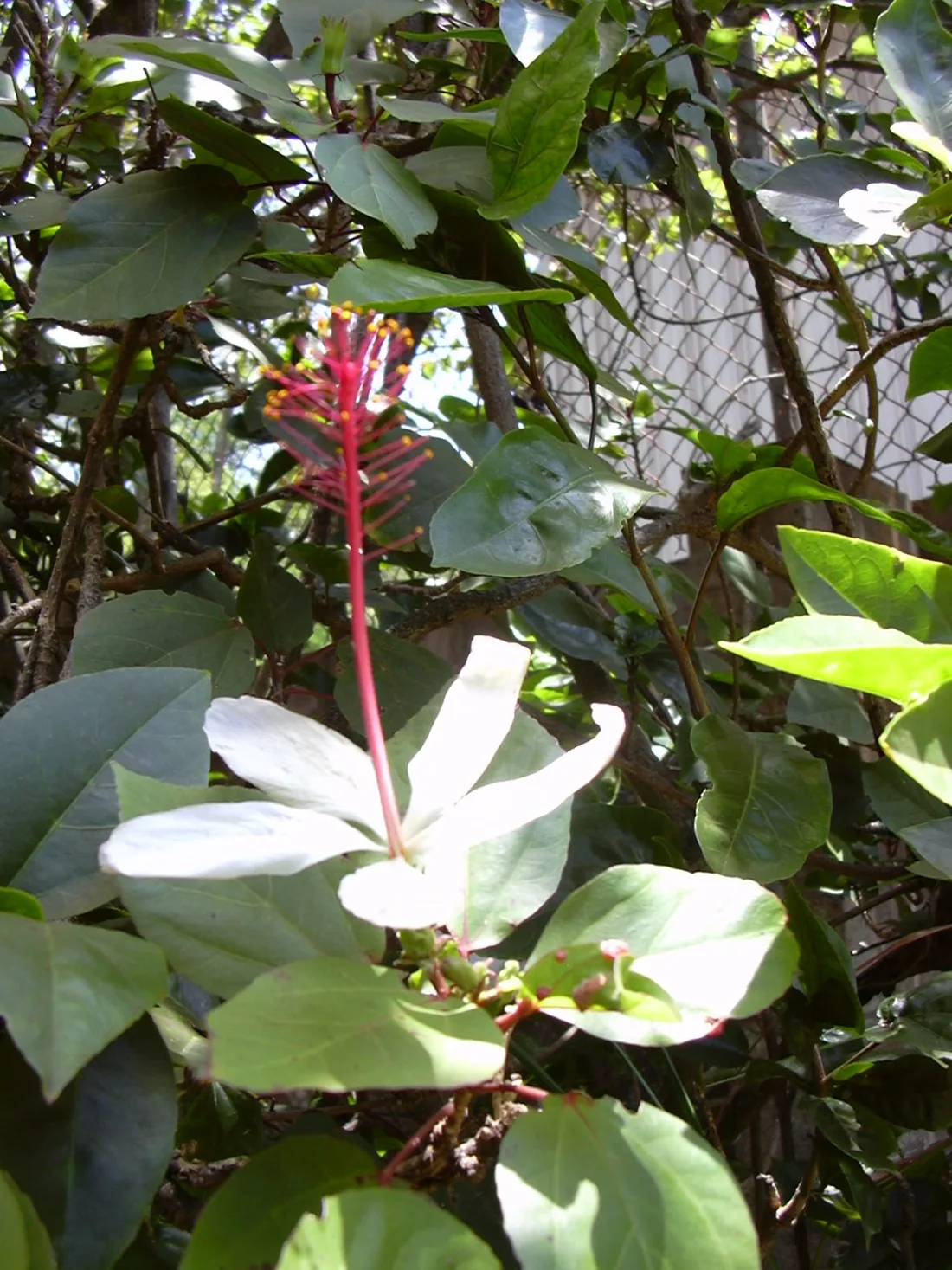
Hibiscus arnottianus
Fragrant white flowers bring a distinctly Hawaiian hibiscus to a flowering hedge.
Instead of tropical hibiscus
Meet this plantPhoto: Forest & Kim Starr · CC BY 3.0
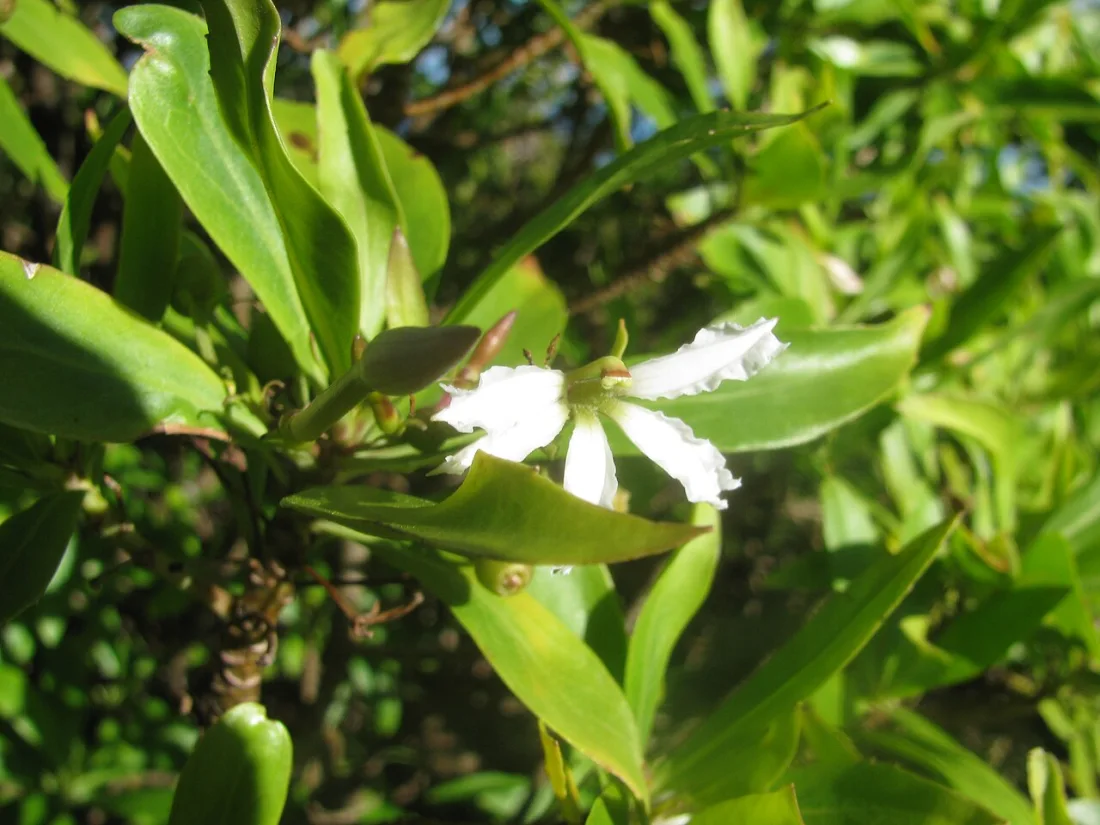
Scaevola chamissoniana
A native upland shrub adds white flowers and purple fruit to a moist garden.
Instead of japanese spirea
Meet this plantPhoto: Forest and Kim Starr · CC BY 3.0 us
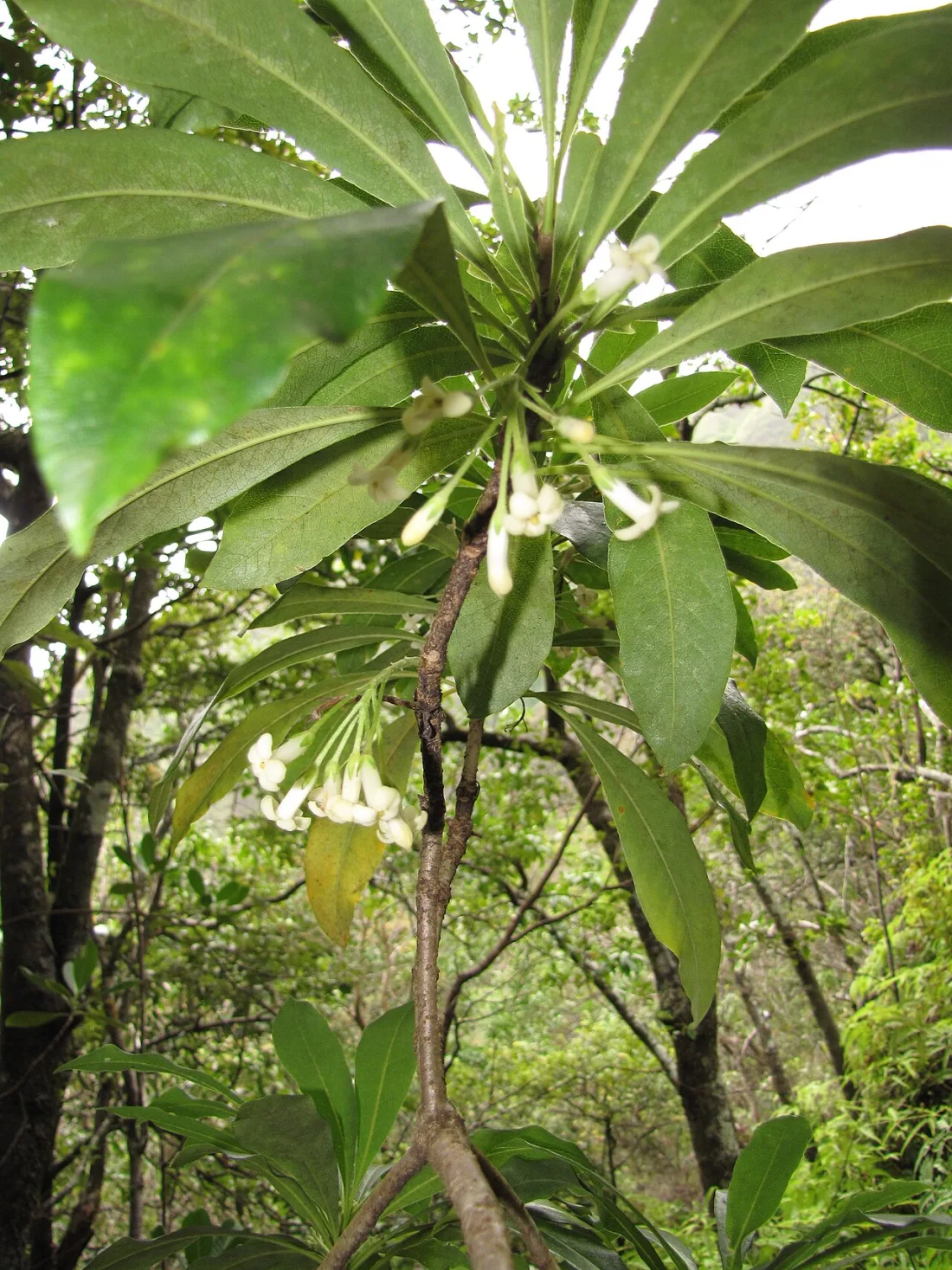
Pittosporum glabrum
Clusters of pale flowers and native foliage add structure to a moist garden.
Instead of japanese pittosporum
Meet this plantPhoto: Forest and Kim Starr · CC BY 3.0 us
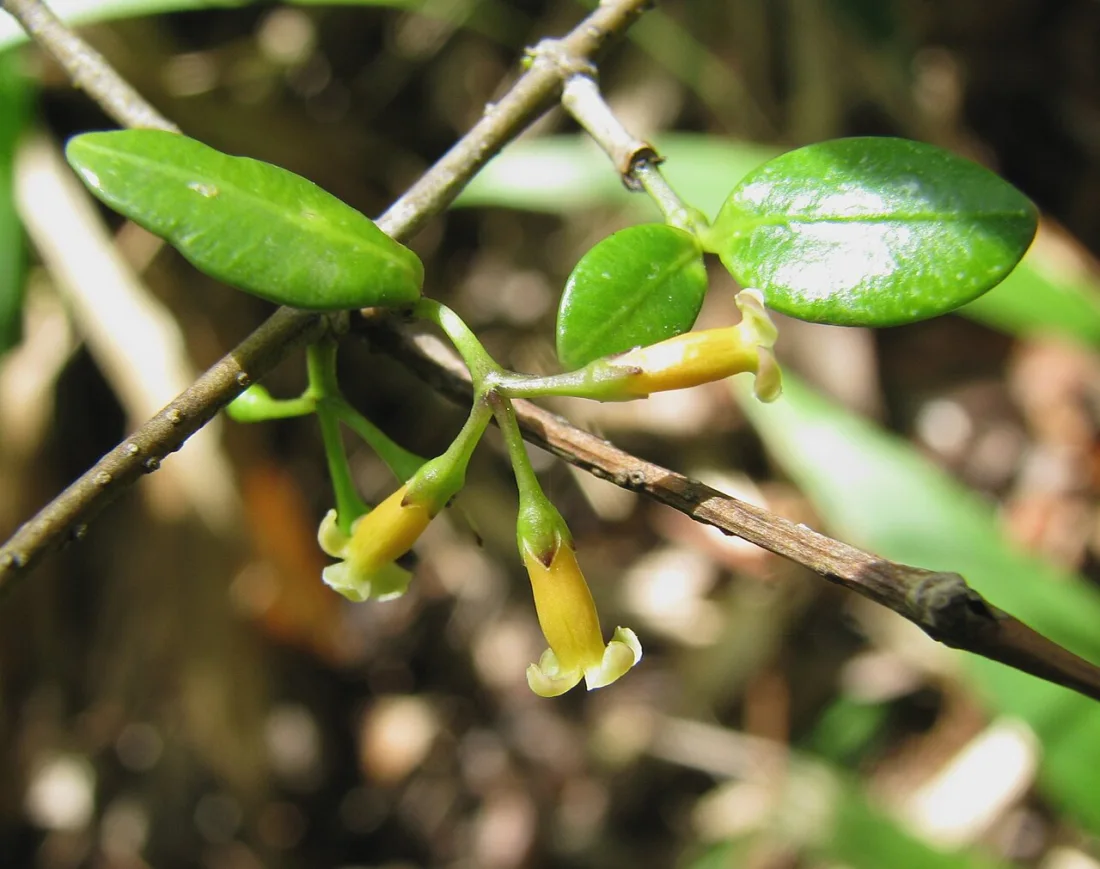
Alyxia stellata
Its fruit feeds native forest birds such as ʻōmaʻo where those birds occur.
Instead of english ivy
Meet this plantPhoto: David Eickhoff from Pearl City, Hawaii, USA · CC BY 2.0
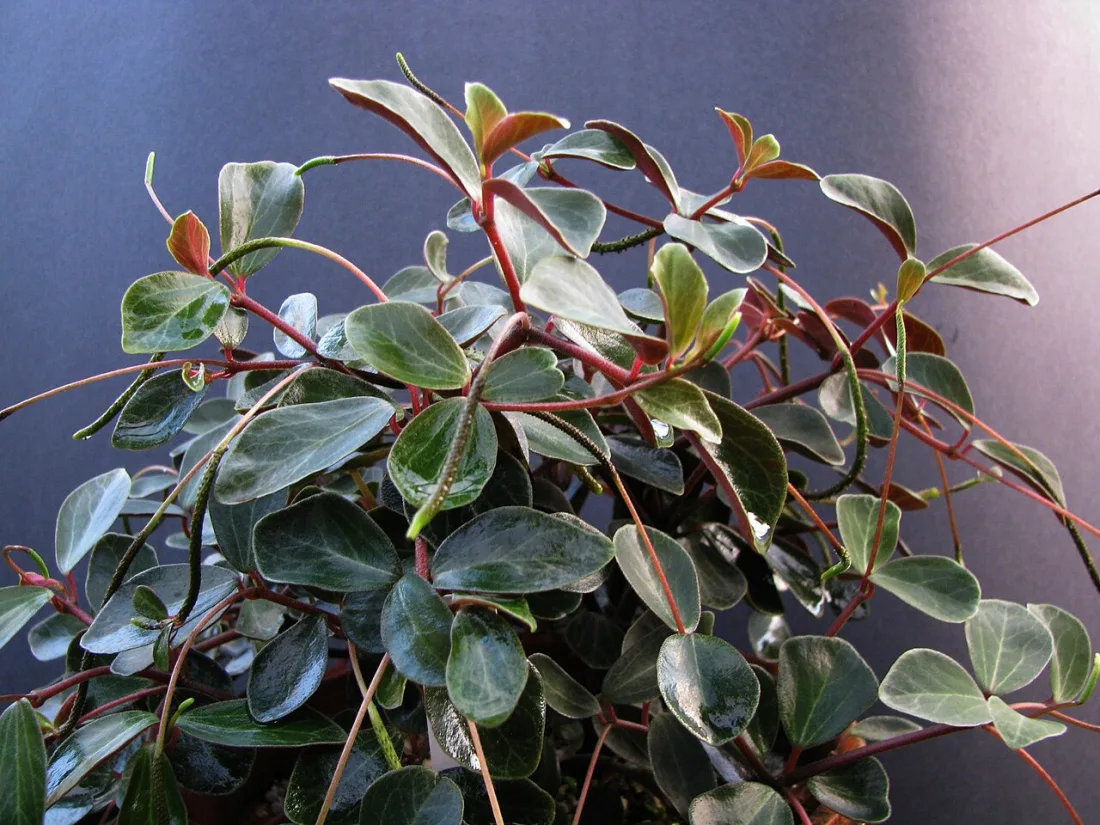
Peperomia sandwicensis
Compact Hawaiian foliage brings a native species into small, sheltered containers.
Instead of fragrant hosta
Meet this plantPhoto: David Eickhoff from Pearl City, Hawaii, USA · CC BY 2.0
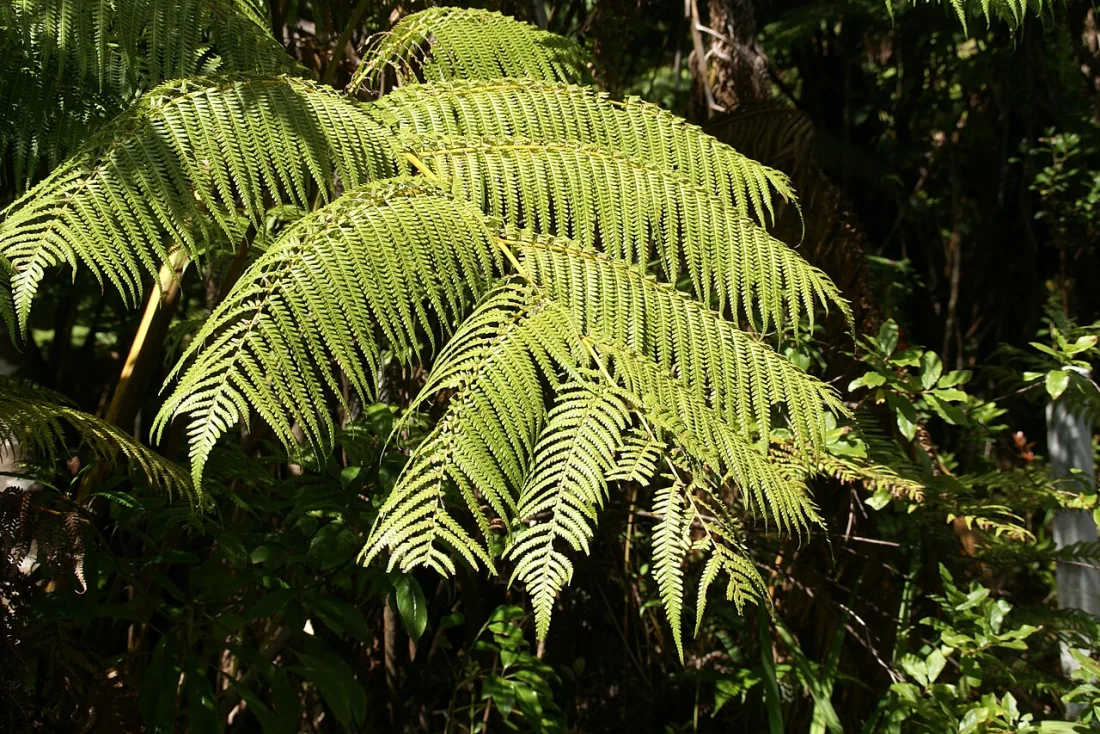
Cibotium glaucum
A native tree fern adds an understory canopy and helps control erosion.
Instead of australian tree fern
Meet this plantPhoto: Hermann Luyken · CC0
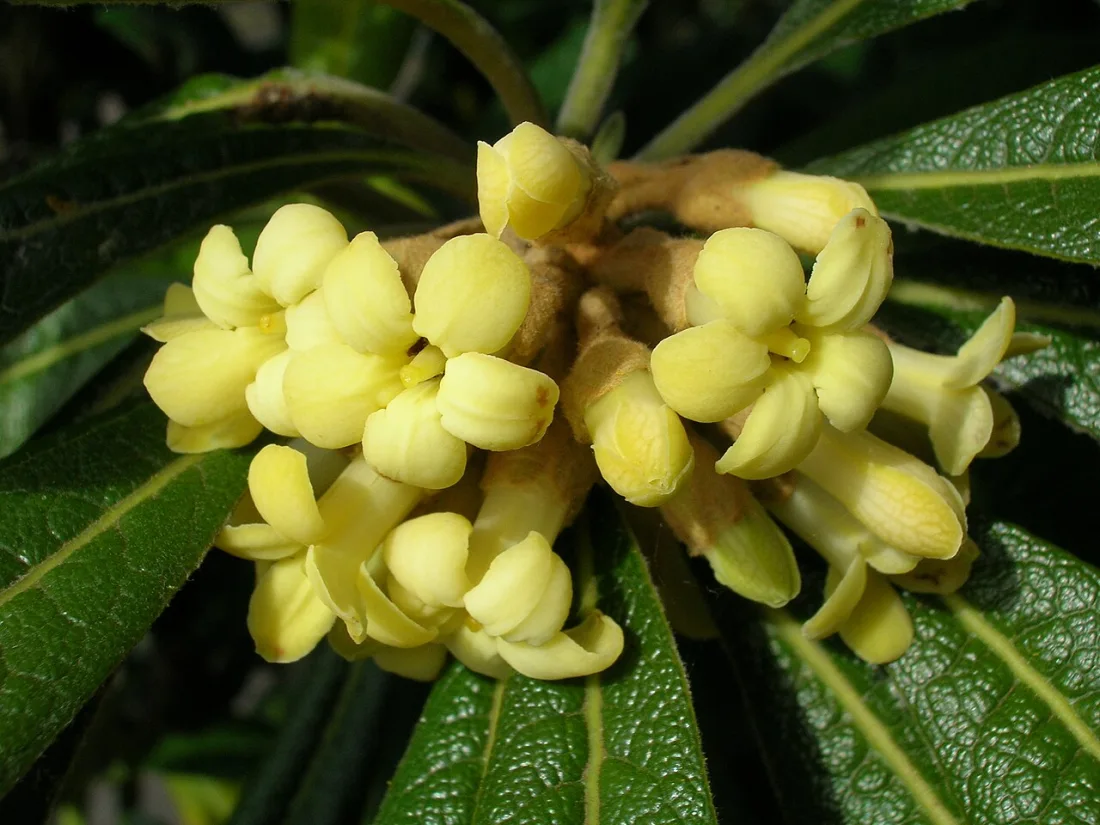
Pittosporum confertiflorum
Textured native foliage provides an evergreen focal point or screen.
Instead of japanese pittosporum
Meet this plantPhoto: Forest & Kim Starr · CC BY 3.0
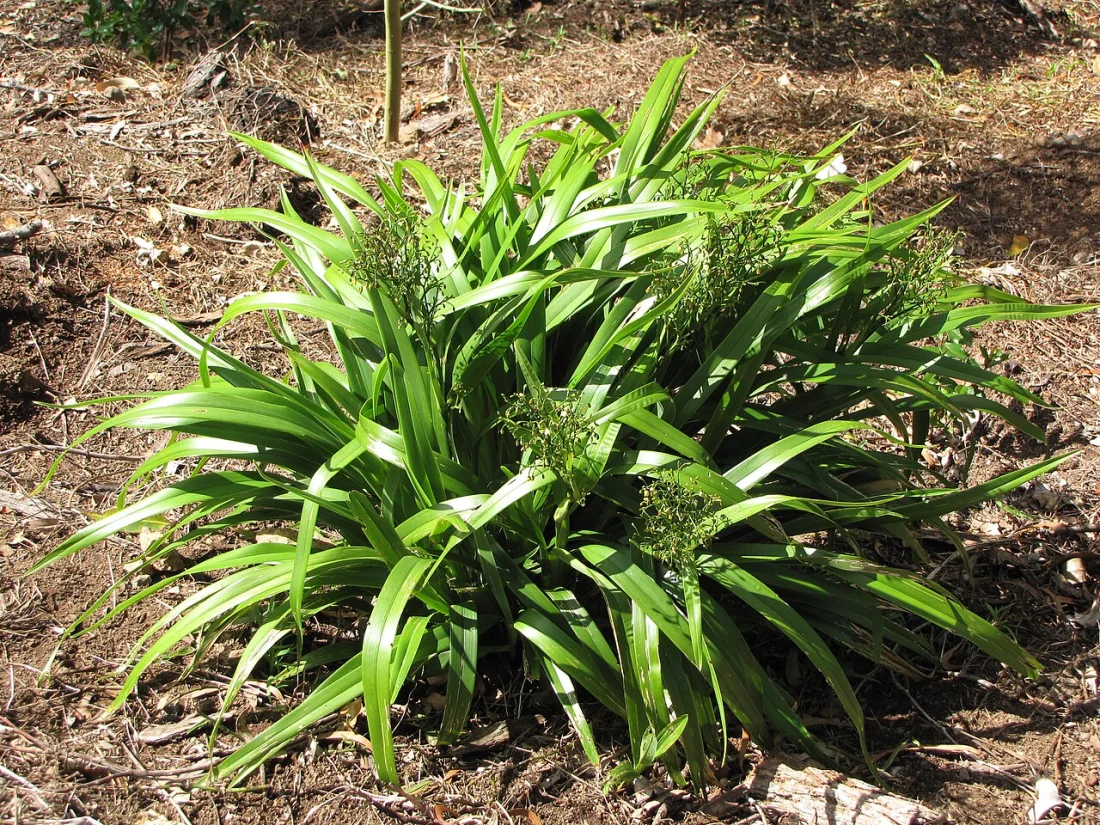
Dianella sandwicensis
Native strappy leaves and blue-purple fruit replace a conventional lilyturf border.
Instead of lilyturf
Meet this plantPhoto: Forest and Kim Starr · CC BY 3.0 us
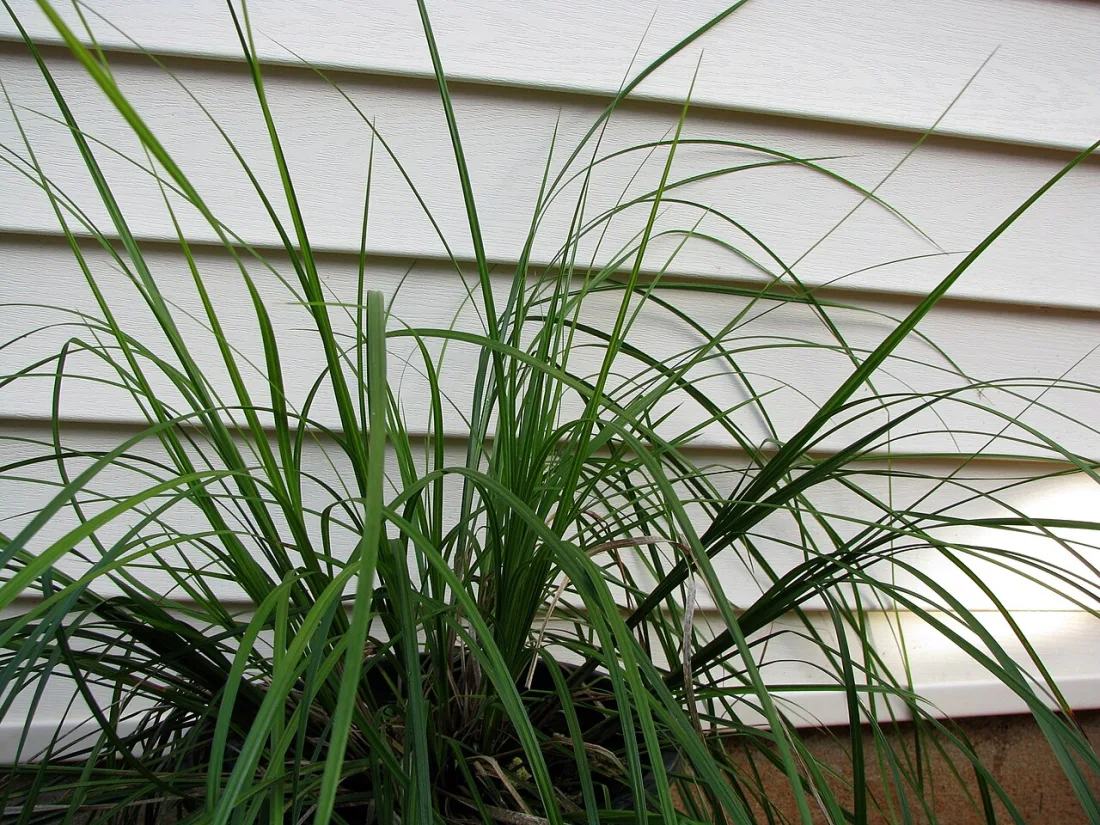
Carex meyenii
Dense native sedge foliage creates a soft groundcover beneath taller plants.
Instead of lilyturf
Meet this plantPhoto: David Eickhoff from Pearl City, Hawaii, USA · CC BY 2.0
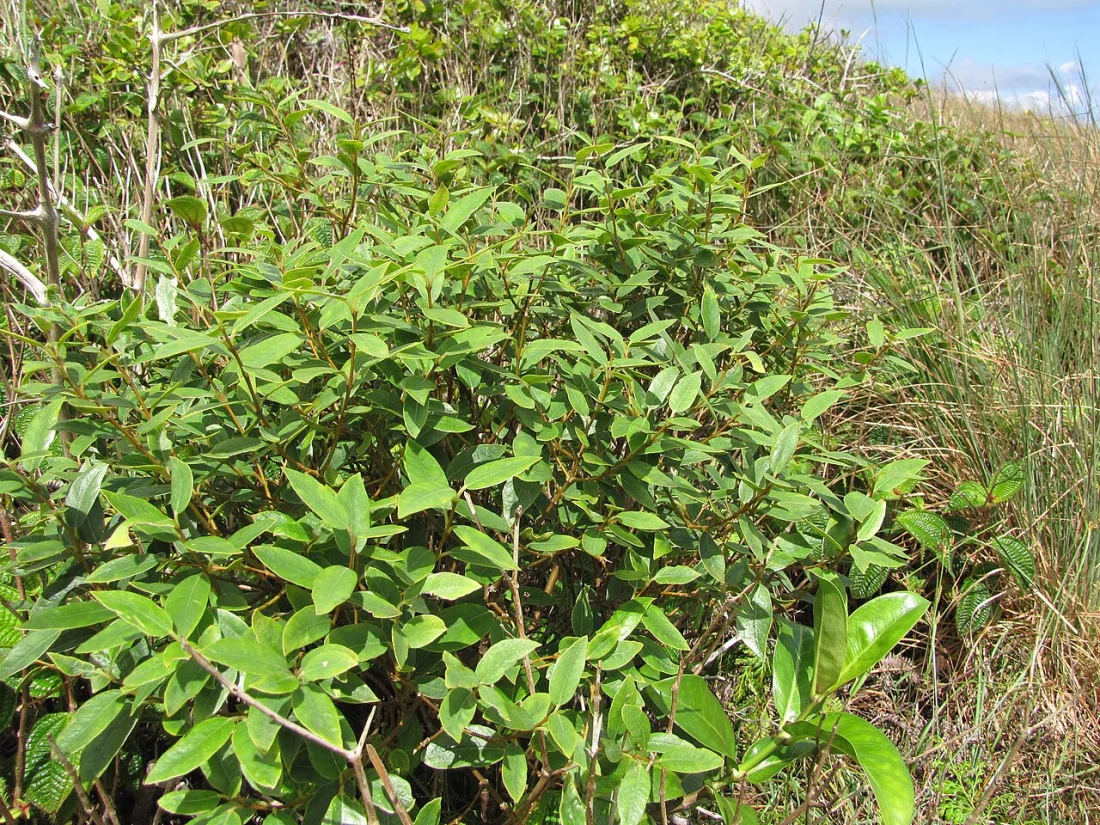
Wikstroemia oahuensis
Native flowers, foliage, and fruit give a low-water shrub seasonal interest.
Instead of heavenly bamboo
Meet this plantPhoto: Forest and Kim Starr · CC BY 3.0 us
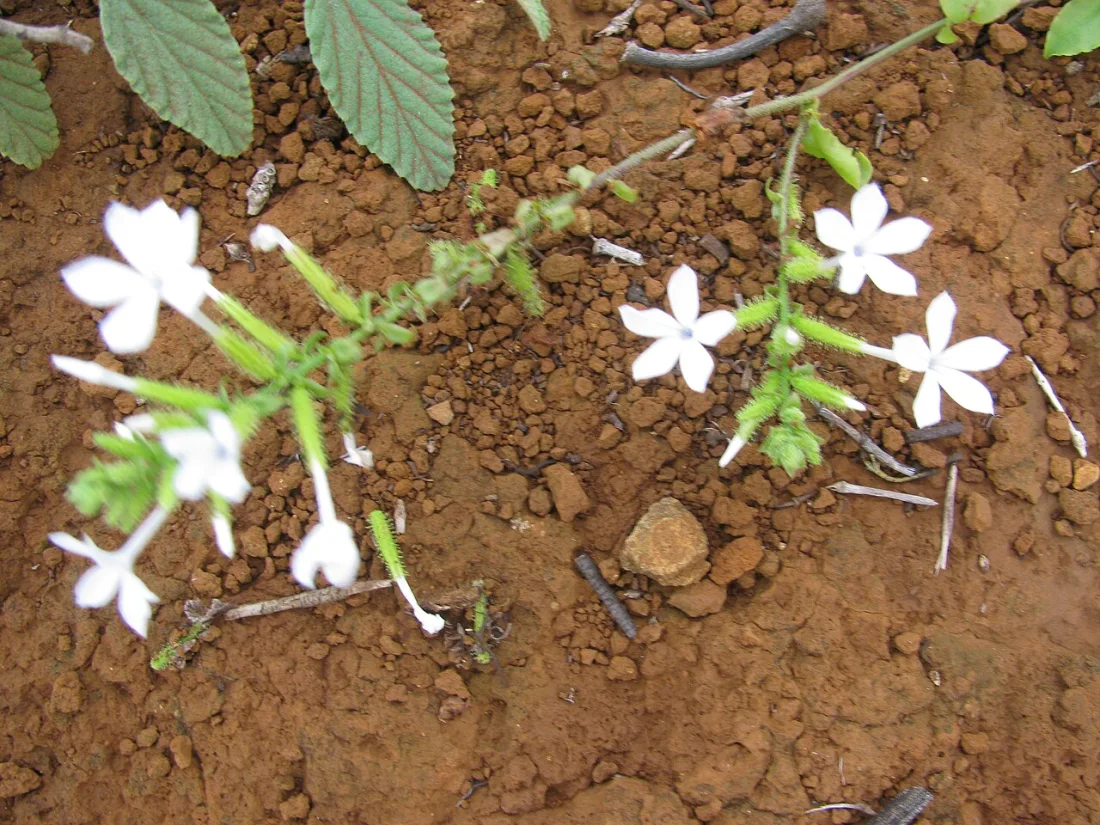
Plumbago zeylanica
Spreading native stems help hold soil while white flowers brighten a sunny edge.
Instead of blue plumbago
Meet this plantPhoto: Forest and Kim Starr · CC BY 3.0 us
Less than 2 hours of direct sun
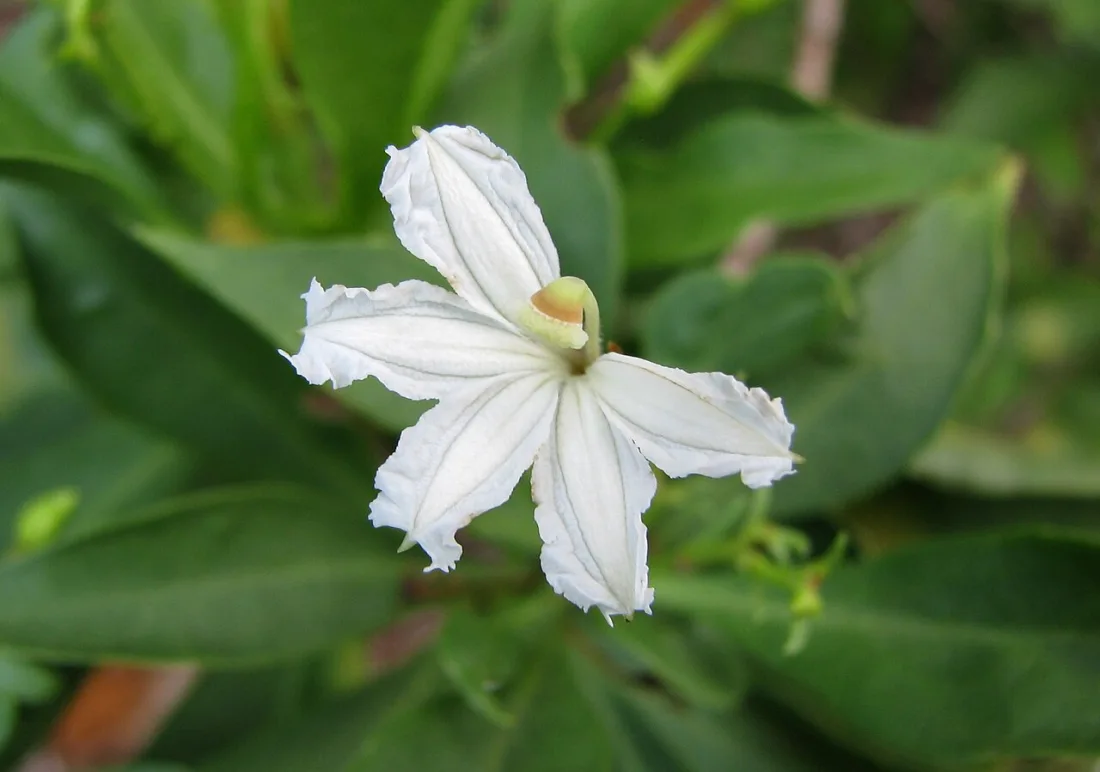
Scaevola gaudichaudiana
Native foliage, flowers, and fruit fill the sheltered space beneath taller trees.
Instead of heavenly bamboo
Meet this plantPhoto: David Eickhoff from Pearl City, Hawaii, USA · CC BY 2.0
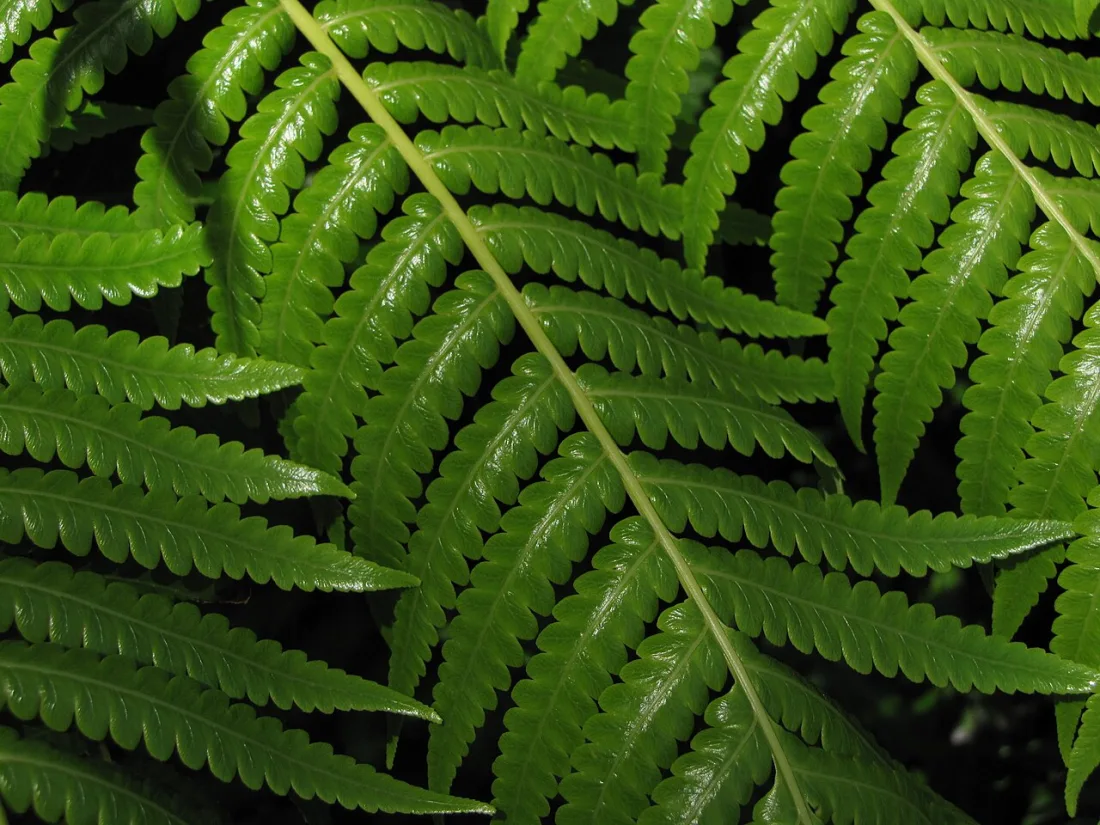
Cibotium menziesii
Large native fronds add understory structure and help protect shaded soil.
Instead of australian tree fern
Meet this plantPhoto: Forest and Kim Starr · CC BY 3.0 us
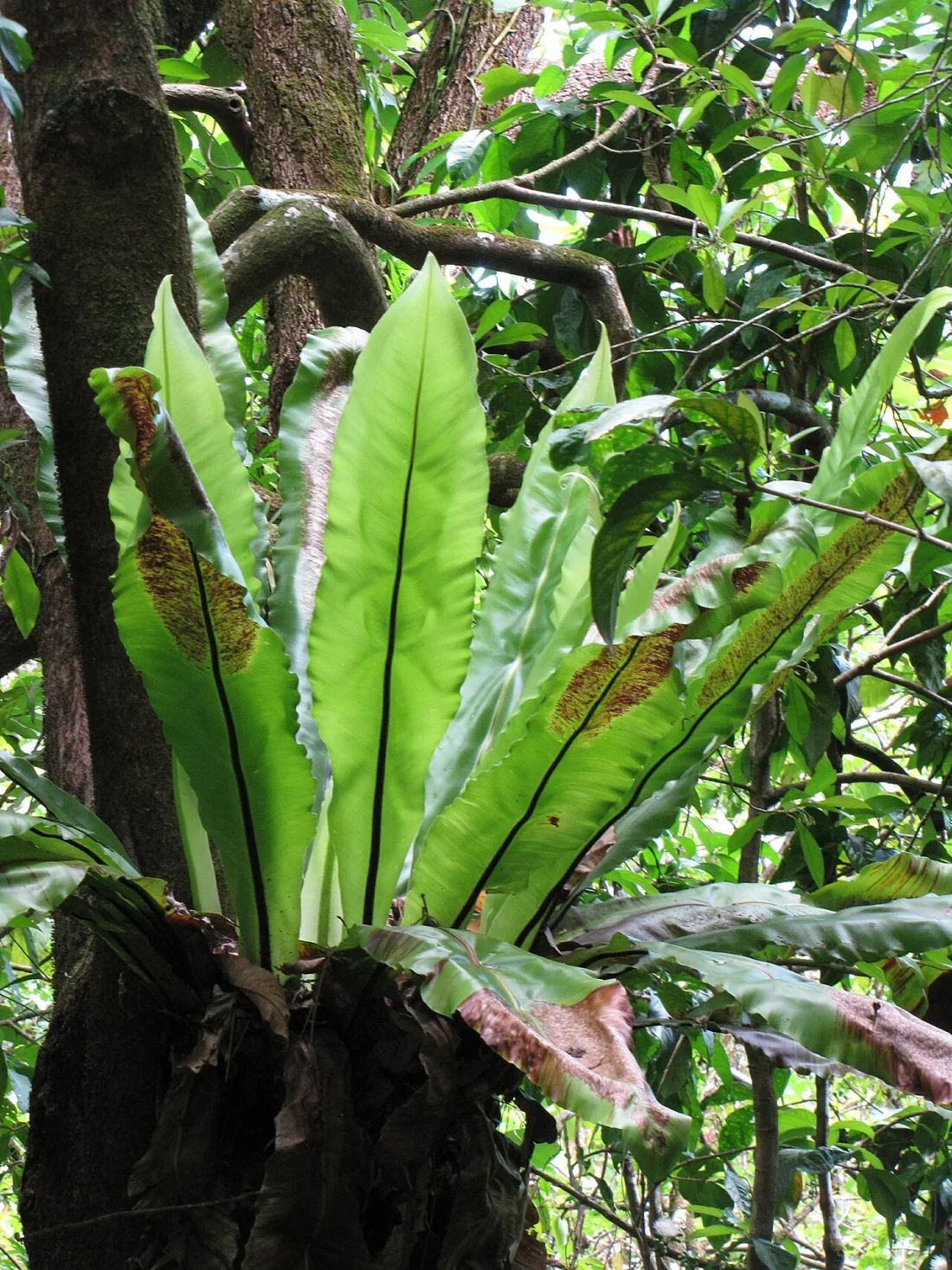
Asplenium nidus
Broad native fronds provide bold foliage beneath trees or in a sheltered container.
Instead of japanese holly fern
Meet this plantPhoto: Forest and Kim Starr · CC BY 3.0 us
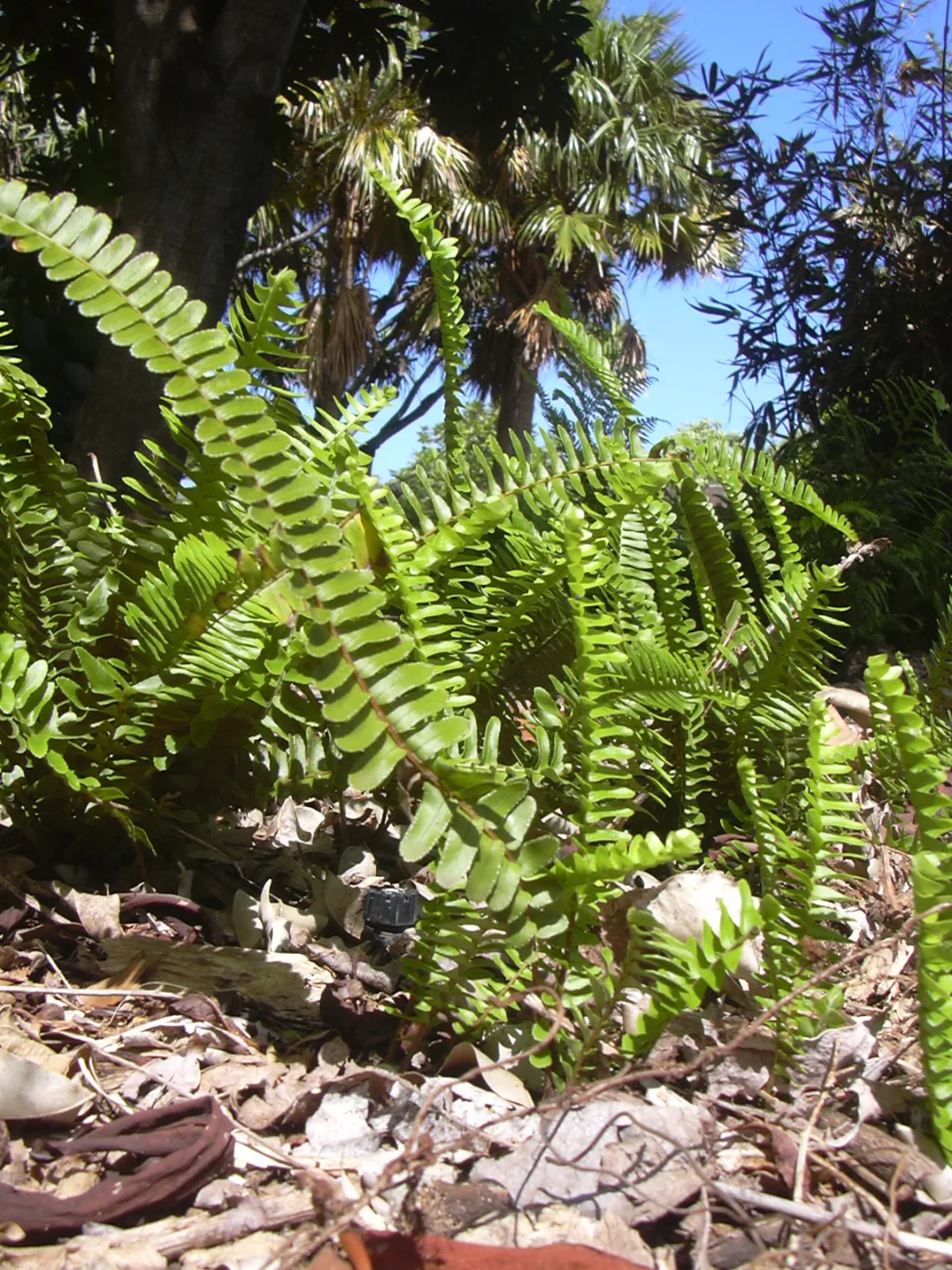
Nephrolepis cordifolia
Native fern foliage adds groundcover and helps protect shaded soil.
Instead of japanese holly fern
Meet this plantPhoto: Forest & Kim Starr · CC BY 3.0
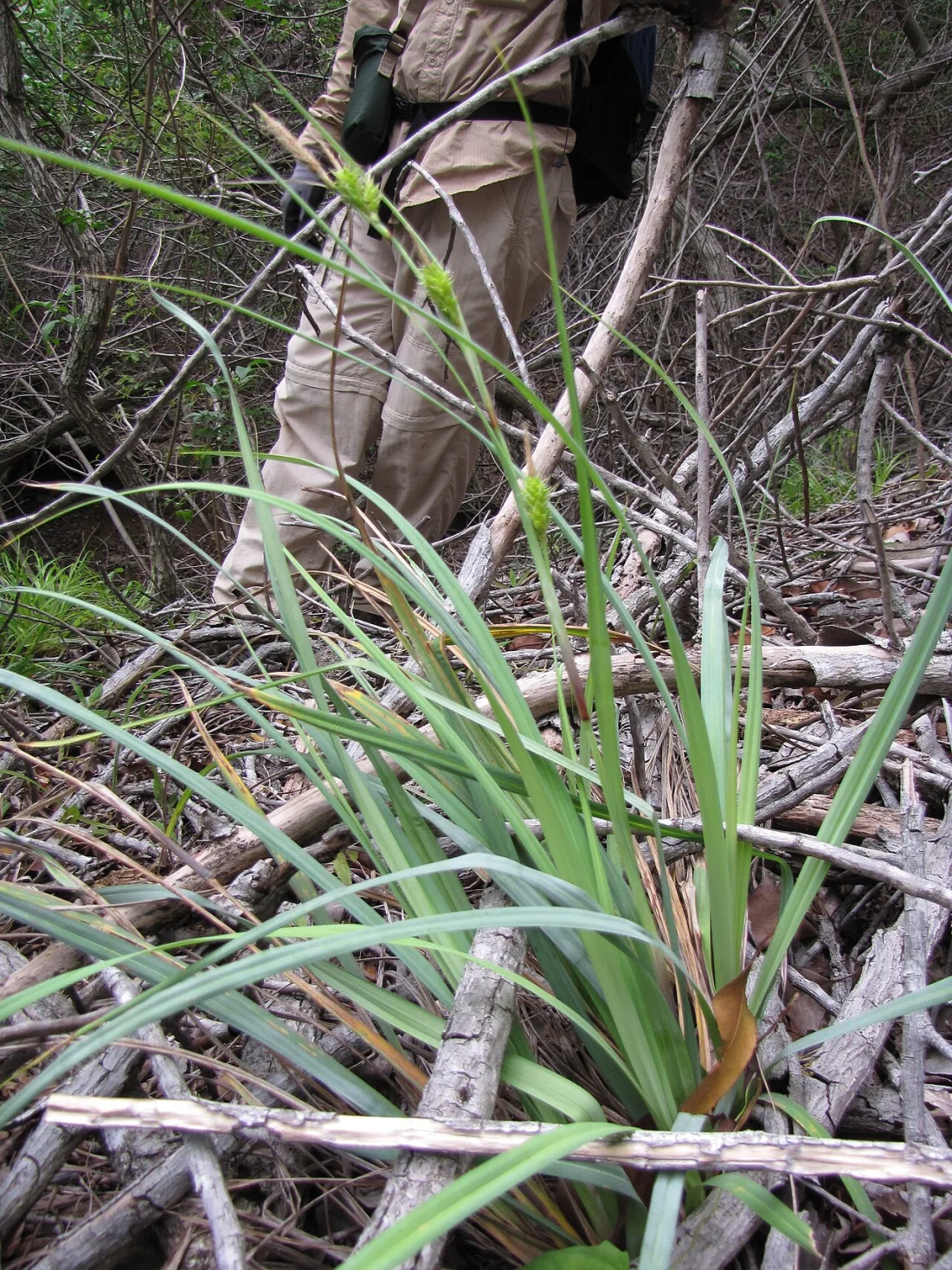
Carex wahuensis subsp. wahuensis
This tough native sedge adds groundcover and erosion control without relying on introduced umbrella sedges.
Instead of umbrella sedge
Meet this plantPhoto: Forest and Kim Starr · CC BY 3.0 us
Use your garden’s sunlight, soil moisture, and available space to narrow the list.
Compare all Hawaii swaps